
“`html
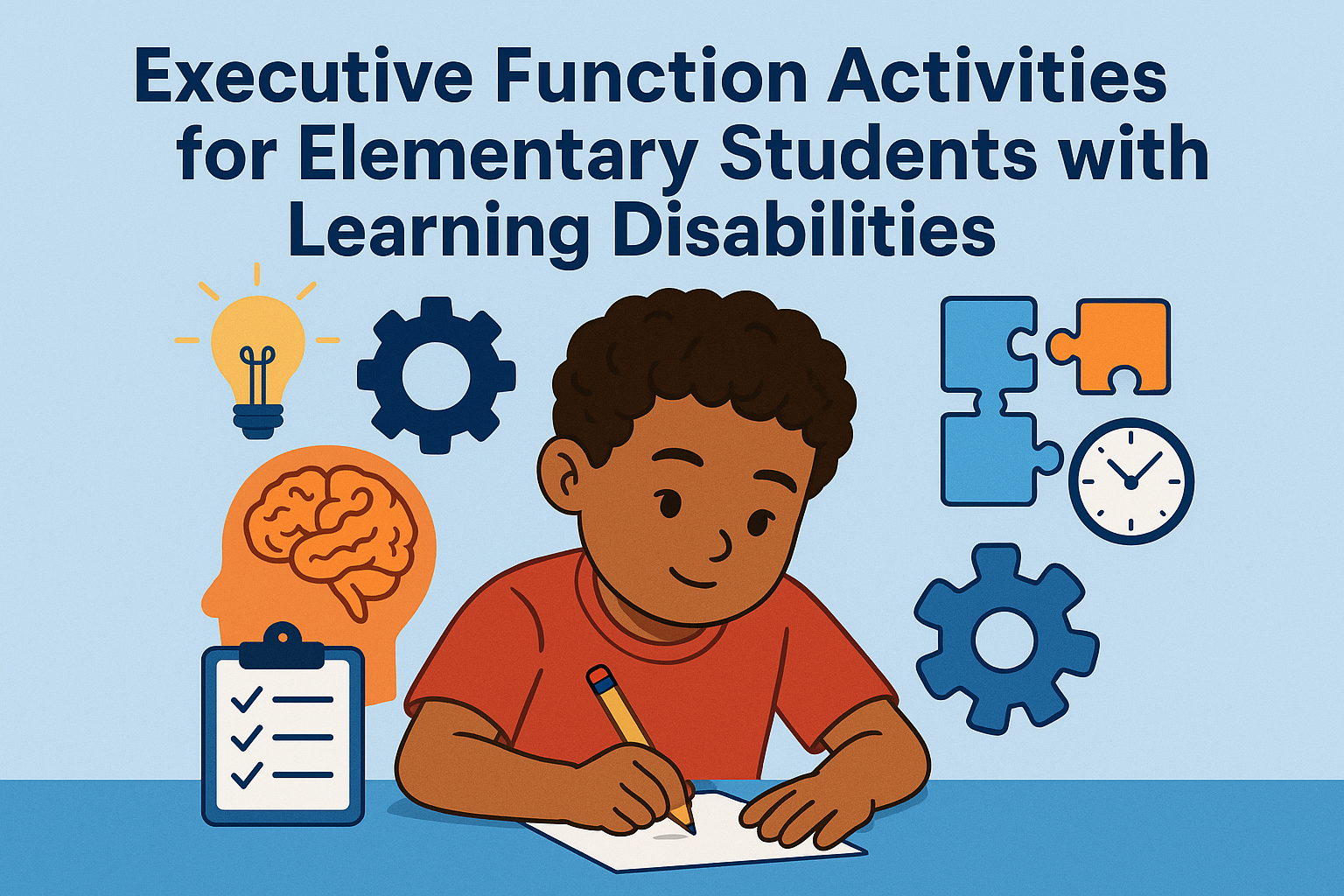
Executive functioning is a crucial set of cognitive processes that underpin our ability to manage ourselves and our resources in order to achieve a goal. For elementary students with learning disabilities, these functions — including working memory, flexible thinking, and self-control — often pose significant challenges. This can make classroom learning, social interactions, and everyday tasks more difficult. Fortunately, engaging in specific executive function activities designed for kids can help nurture these skills, fostering independence and success.
Understanding Executive Function and Its Importance
Before diving into activities, it’s important to grasp what executive function entails. This term encompasses a variety of mental skills that allow individuals to plan, focus attention, remember instructions, and juggle multiple tasks effectively. Children with learning disabilities such as ADHD, dyslexia, and others may struggle with these skills, affecting their academic performance and social relationships.
Executive function skills are often categorized into three main areas:
- Working Memory: The ability to hold information in mind for short periods.
- Inhibitory Control: The ability to control impulses and delay gratification.
- Cognitive Flexibility: The capacity to switch between thinking about different concepts or to think about multiple concepts simultaneously.
These skills develop gradually and can be significantly influenced by a child’s environment and experiences. For kids with learning disabilities, tailored executive function activities can make a real difference.
Why Executive Function Activities Matter for Kids with Learning Disabilities
Implementing executive function activities specifically for kids with learning disabilities is vital for several reasons. First, these activities help bridge the gap between academic learning and the skills necessary to thrive in daily life. By practicing these skills in a supportive environment, children can better internalize the processes involved.
Moreover, these activities can enhance a child’s self-esteem. Successfully completing tasks that initially seemed daunting can foster a sense of achievement and encourage a growth mindset. This is particularly crucial for kids who often face challenges that their peers may not, as it instills confidence and resilience.
7 Effective Executive Function Activities for Kids
1. Memory Games
Memory games are fantastic for enhancing working memory skills. Simple activities such as Simon Says, matching card games, or memory board games can engage children while building their ability to hold and manipulate information. These games require children to remember sequences of actions, patterns, or locations, all of which are essential components of executive function.
For an added twist, try creating your own memory game using flashcards that include academic subjects, vocabulary words, or math problems. This can make the activity not only fun but also directly relevant to their studies.
2. Planning and Organizing Activities
Teaching kids to plan and organize can be accomplished through various engaging tasks. Cooking or baking is an excellent choice; children must follow a recipe, measure ingredients, and manage timing. This activity naturally incorporates planning and organization, as they must gather materials and follow steps in a logical order.
Another effective tool is the use of checklists. Encourage children to create a checklist for daily tasks, whether that involves schoolwork, chores, or packing their bags. Checklists help children visualize and track their progress, reinforcing their organizational skills. (See: CDC guidelines on ADHD management.)
3. Role-Playing Scenarios
Role-playing can be a helpful way to promote cognitive flexibility and inhibitory control. Set up scenarios that may occur in school or social situations, like resolving conflicts with peers or asking a teacher for help. Through role-playing, children can practice these skills in a low-pressure environment.
Additionally, you could incorporate emotional regulation into these role-play scenarios by discussing how different characters might feel in various situations. This not only enhances executive function but also builds empathy and social awareness.
4. Physical Activities with a Twist
Physical activities that require strategy and focus can also support executive function development. Games like Simon Says or Red Light, Green Light can be beneficial, as they require kids to listen carefully and control their impulses. You can elevate these classic games by introducing variations that involve counting, spelling, or math problems.
Consider creating an obstacle course where children have to remember specific steps or strategies to complete it. This kind of physical engagement not only boosts executive function but also promotes overall health and fitness.
5. Time Management Challenges
Time management is a crucial component of executive function. You can create fun challenges that require kids to estimate how long a task will take and then compare it to the actual time taken. For example, ask them to clean their room or complete a set of math problems within a certain timeframe. This activity encourages them to think critically about time and helps them develop a better understanding of how to manage it effectively.
Tools like visual timers or hourglasses can make these activities more engaging. Seeing the time pass can provide a visual cue that helps children learn to pace themselves throughout tasks.
6. Building Routines
Establishing routines can significantly bolster executive function skills. Help your child develop a daily schedule that includes time for homework, chores, and leisure activities. By promoting regularity, you build predictability into their day, which can lessen anxiety and improve focus.
Consider using visual schedules or charts to track daily routines. This can be particularly helpful for younger children who may benefit from seeing their tasks laid out. Visual reminders help reinforce memory and organization skills.
7. Creative Arts and Crafts
Engaging in arts and crafts activities can stimulate cognitive flexibility and working memory. Projects that require following multi-step directions, like building models or creating intricate art pieces, can improve these executive function skills. Encourage children to plan their projects before executing them, promoting organizational skills as they gather materials and develop their ideas.
Additionally, allowing children to express themselves creatively fosters emotional regulation. As they navigate the creative process, they learn to make choices and adapt their plans as needed, all key elements of executive functioning.
Integrating Executive Function Activities in the Classroom
Teachers play a pivotal role in fostering executive function skills among students, particularly those with learning disabilities. It’s essential to create an inclusive classroom environment where these activities can be seamlessly integrated into daily lessons.
Incorporating executive function activities into academic curricula can be achieved through: (See: NIH information on learning disabilities.)
- Collaborative projects: Group work encourages communication, planning, and sharing of responsibilities.
- Classroom games: Utilizing games that require strategy or memory can turn learning into a fun experience.
- Mindfulness practices: Activities that promote self-regulation and focus, such as guided breathing exercises, can greatly benefit students.
Involving parents in these strategies is equally important. Teachers can provide resources and suggestions for home activities, ensuring that the development of executive function skills extends beyond the classroom.
Current Relevance and Future Implications
As society becomes increasingly complex, the need for strong executive functioning skills is more pronounced than ever. With the growing prevalence of learning disabilities, it’s crucial for educators, parents, and communities to prioritize executive function activities for kids. Research indicates that early interventions can lead to improved academic outcomes, better social skills, and enhanced emotional regulation.
Moreover, the rise of digital learning platforms presents both challenges and opportunities. While technology can distract, it can also be leveraged to support executive function development through interactive games and apps designed for skill-building.
Fostering executive function skills in children with learning disabilities is not only beneficial for their immediate academic success but also for their long-term personal growth and independence. By implementing targeted executive function activities, we can empower these children to thrive in school and beyond.
Additional Strategies to Enhance Executive Function Skills
Beyond the activities already mentioned, there are various strategies to further strengthen executive function skills in children. Each new strategy can complement the existing activities and offer a well-rounded approach to skill development.
1. Technology-Assisted Learning
In our digital age, incorporating technology can enhance executive function activities for kids. Educational apps like Todoist and Habitica can help children learn to manage tasks and time effectively. These platforms often gamify learning, making it more appealing and engaging for kids. For example, children can earn rewards for completing tasks or reaching milestones, thereby encouraging them to stay organized and responsible.
2. Storytelling and Discussion
Storytelling can be a powerful tool for promoting executive function skills. By discussing the actions and motivations of characters in stories, kids can practice cognitive flexibility and critical thinking. Ask leading questions such as, “What would happen if the character made a different choice?” This encourages kids to think about alternative outcomes, enhancing their problem-solving abilities.
3. Emotional Awareness Activities
Understanding and managing emotions is a key part of executive functioning. Activities that promote emotional awareness, such as journaling or creating emotion charts, can help kids articulate how they feel in different situations. By recognizing their feelings, children can develop better self-control and decision-making skills.
4. Nature-Based Activities
Outdoor activities also lend themselves well to executive function skill development. Nature walks or scavenger hunts can incorporate planning, memory, and impulse control while providing a refreshing change of scenery. Encourage children to formulate a plan for their hunt, including what items to look for and how to navigate their environment. This can make the experience not only educational but also adventurous.
FAQ: Executive Function Activities for Kids
What age should kids start executive function activities?
Executive function skills begin developing in early childhood. As soon as children can engage in play, you can introduce simple activities that promote these skills. Tailor activities to be age-appropriate, gradually increasing complexity as they grow.
How can I tell if my child needs help with executive function skills?
Signs that your child might struggle with executive function skills include trouble following multi-step directions, difficulty completing tasks on time, or challenges with organization. If these issues persist, consider consulting with a professional for assessments and tailored strategies.
Are there any resources available for parents to support executive function activities?
Yes! Many resources are available online, including websites, books, and apps that focus on executive function development. Look for those that provide practical activities and strategies specifically designed for children with learning disabilities.
Can executive function activities be beneficial for all children, not just those with learning disabilities?
Absolutely! While these activities are particularly helpful for children with learning disabilities, all kids can benefit from strengthening their executive function skills. Engaging in these activities promotes better organization, time management, and emotional regulation, which are valuable for everyone.
How can schools better incorporate executive function activities into their curricula?
Schools can enhance their curricula by integrating project-based learning, ensuring that group activities foster collaboration, and providing structured routines. Training teachers to recognize and address executive function challenges can also create a more supportive learning environment for all students.
What types of technology can assist in developing executive function skills?
There are numerous apps and games designed to improve executive function skills. Look for ones that focus on planning, organization, and working memory. These can offer interactive ways for kids to practice their skills while having fun.
How can parents support executive function skill development at home?
Parents can play an active role by creating a structured environment that encourages routine and organization. Simple practices like having designated homework times, using planners, and integrating fun games that build these skills can be incredibly helpful. Additionally, fostering open communication about challenges and celebrating successes can motivate kids to continue developing these skills.
Is there a link between executive function skills and academic performance?
Yes, research has shown that strong executive function skills are closely linked to academic success. Children who manage their time well, follow directions, and stay organized are often more successful in school settings. By investing in the development of these skills, we can significantly impact a child’s educational journey and overall development.
“`
Trending Now
Frequently Asked Questions
What are executive function activities for children?
Executive function activities for children are tasks designed to enhance cognitive skills such as working memory, self-control, and cognitive flexibility. These activities help children, especially those with learning disabilities, improve their ability to plan, focus, and manage tasks effectively.
How can executive function skills impact learning?
Executive function skills significantly impact learning by enabling students to organize their thoughts, remember instructions, and manage multiple tasks. Children with learning disabilities often struggle in these areas, which can hinder their academic performance and social interactions.
Why are executive function activities important for students with learning disabilities?
Executive function activities are crucial for students with learning disabilities as they help bridge the gap between academic learning and essential life skills. These activities foster independence and success by improving cognitive processes that are often challenging for these students.
What are some examples of executive function activities?
Examples of executive function activities include memory games, puzzles, planning tasks, and role-playing scenarios. These activities encourage children to practice skills like impulse control, task management, and flexible thinking, all of which are vital for their development.
How can parents help improve their child's executive function skills?
Parents can help improve their child's executive function skills by engaging them in structured activities that promote planning, organization, and self-regulation. Encouraging routines, providing clear instructions, and using games that require strategic thinking are effective strategies.
What did we miss? Let us know in the comments and join the conversation.