
“`html
The landscape of work is evolving at an unprecedented pace, and a recent report by McKinsey sheds light on the promising yet challenging future of AI in the workplace. Published just hours ago, this insightful analysis reveals how organizations can harness artificial intelligence to boost productivity, while also navigating the complex emotional terrain surrounding job displacement fears. As we stand on the brink of 2025, understanding the implications of AI on work becomes more crucial than ever.
The Current State of AI in the Workplace
Artificial intelligence has already begun to permeate various sectors, influencing how tasks are performed and how decisions are made. From automated customer service responses to sophisticated data analysis tools, AI is reshaping roles and responsibilities across industries. According to McKinsey’s report, the adoption of AI technologies has accelerated, creating a dynamic environment where efficiency and creativity can coexist. This evolution raises critical questions: Are we prepared to adapt? What skills will be most in demand?
Many organizations have recognized the potential of AI to enhance productivity. For instance, enterprises that have integrated AI-driven tools into their workflows report significant improvements in efficiency. The report highlights that AI can handle repetitive tasks, freeing up employees to focus on more complex and creative endeavors. This shift not only enhances job satisfaction but also fosters an environment where innovation can thrive.
Unlocking AI’s Full Potential
The McKinsey report emphasizes that merely implementing AI technologies is not enough. To fully unlock the potential of AI in the workplace, organizations must invest in their workforce. Empowering employees through training and development programs is essential for leveraging AI effectively. By understanding how to work alongside AI systems, workers can enhance their roles rather than feel threatened by them.
Moreover, fostering a culture of continuous learning is key. As AI technologies evolve, so too must the skills of the workforce. Companies that prioritize upskilling and reskilling will position themselves to thrive in an AI-enhanced future. This investment not only benefits individual employees but also contributes to the overall resilience of the organization in a rapidly changing economic landscape.
Addressing Job Displacement Concerns
One of the most pressing concerns regarding AI adoption is the potential for job displacement. The fear that machines will replace human workers is pervasive and raises valid questions about the future of employment. McKinsey’s report acknowledges these anxieties but also highlights a critical point: while AI may automate certain tasks, it simultaneously creates new opportunities.
For instance, as routine tasks become automated, new roles will emerge that require a blend of technical expertise and soft skills. Jobs focused on AI oversight, data analysis, and even creative problem-solving will become increasingly valuable. Organizations that proactively address these changes by preparing their workforce for the future will ease anxiety and foster a more positive outlook on AI integration. (See: New York Times on AI in the workplace.)
The Emotional Landscape of AI Integration
AI in the workplace is not just a technological shift; it also profoundly impacts the emotional dynamics within organizations. Employees may experience feelings of anxiety, uncertainty, and even resentment as they grapple with the implications of AI. McKinsey’s report stresses the importance of communication and transparency in addressing these emotional challenges.
Organizations should strive to cultivate an environment where employees feel heard and valued. Open discussions about AI’s role and its implications can help demystify the technology. When employees understand how AI can enhance their work rather than threaten it, they are more likely to embrace these changes and contribute to an innovative workplace culture.
AI-Driven Productivity Gains
One of the most compelling arguments for integrating AI into the workplace is the potential for significant productivity gains. The McKinsey report highlights various case studies where organizations have successfully implemented AI solutions, leading to remarkable improvements in efficiency. For example, companies that leverage AI for data analysis can process vast amounts of information in a fraction of the time it would take a human.
In sectors such as healthcare, AI has shown promise in diagnosing diseases and predicting patient outcomes, ultimately leading to better care and resource allocation. In manufacturing, AI-driven robotics can optimize production lines, resulting in less waste and higher output. These examples illustrate that when AI is employed thoughtfully, it can transform productivity not just for individual employees but for entire organizations.
A Future Marked by Collaboration
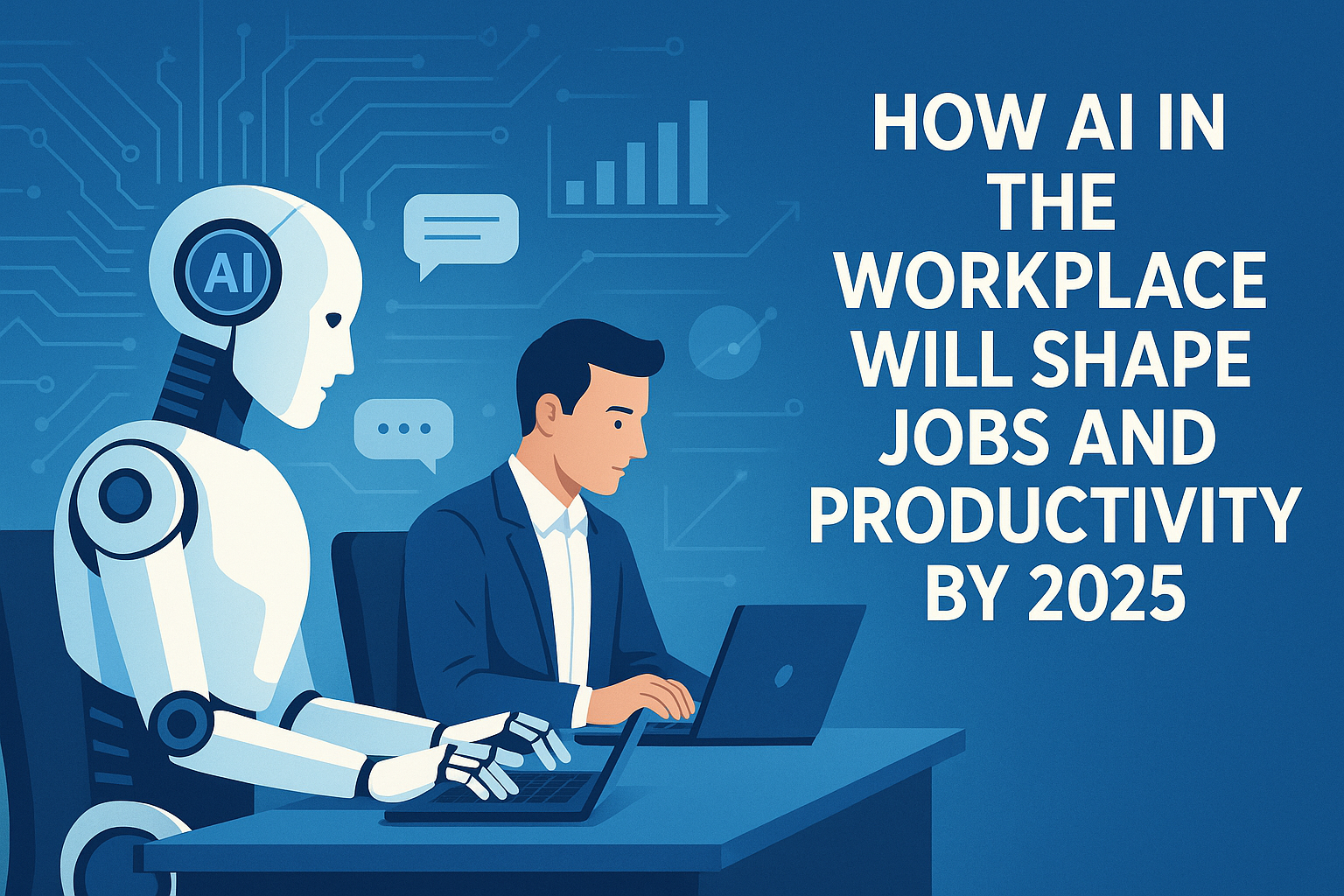
Looking ahead to 2025, the future of work will likely be characterized by a collaborative relationship between humans and AI. Rather than replacing jobs, AI will serve as a tool that complements human capabilities. The McKinsey report emphasizes the importance of designing systems that allow for seamless collaboration between humans and machines.
This vision of a collaborative future necessitates a shift in how organizations approach their workforce. Leaders must prioritize creating roles that leverage both human creativity and AI efficiency. Balancing these elements can lead to groundbreaking innovations and enhanced problem-solving capabilities.
Actionable Insights for Organizations
As businesses contemplate the integration of AI into their operations, there are key strategies they can adopt to ensure a successful transition:
- Invest in Training: Companies should build robust training programs that equip employees with the skills necessary to operate alongside AI technologies. Continuous learning must become a core aspect of company culture.
- Promote Open Communication: Create an environment where employees feel comfortable voicing their concerns about AI. Encourage discussions about AI’s role and its implications for job security and productivity.
- Emphasize Collaboration: Design workflows that enhance collaboration between human workers and AI systems. Focus on how both can complement each other to solve complex problems.
- Monitor and Evaluate: Regularly assess the impact of AI integration on productivity and employee satisfaction. Be willing to adapt strategies based on feedback and changing circumstances.
Incorporating these strategies can help organizations navigate the challenges and opportunities presented by the integration of AI in the workplace. By fostering a proactive approach, companies can create a thriving environment that benefits both workers and the organization as a whole. (See: CDC on AI and workplace safety.)
Statistics Highlighting the Impact of AI in the Workplace
Understanding the real impact of AI in the workplace is crucial for decision-makers. Here are some compelling statistics:
- According to a report by PwC, up to 30% of jobs could be automated by the early 2030s, yet 38% of jobs could see an increase in demand, primarily due to human oversight roles.
- The World Economic Forum predicts that AI will create 97 million new jobs by 2025, particularly in areas such as data analysis and AI management.
- A study from Accenture shows that AI could increase labor productivity by up to 40% by 2035, contributing an additional $14 trillion to the global economy.
- Research from McKinsey indicates that 70% of companies believe AI will provide a competitive advantage in their industry, with 60% of these organizations planning to invest heavily in AI capabilities in the next five years.
Expert Perspectives on AI in the Workplace
Listening to experts in the field can provide valuable insights into the future of AI in the workplace. Here are a few perspectives:
“AI is not about replacing jobs but augmenting human capabilities. The focus should be on how AI can take over mundane tasks, allowing humans to engage in more fulfilling and creative work.” — Dr. Ayesha Khanna, Co-founder of ADDO AI.
“Organizations that embrace AI in a collaborative manner will not only survive but thrive. The future lies in understanding how to harness AI for better decision-making and innovation.” — Professor Klaus Schwab, Founder of the World Economic Forum.
Frequently Asked Questions about AI in the Workplace
1. Will AI really replace human jobs?
While AI is expected to automate certain tasks, it will also create new jobs and opportunities. The focus should be on reskilling and upskilling employees to meet the demands of a changing job landscape.
2. How can organizations prepare their workforce for AI integration?
Organizations can prepare by investing in training programs, fostering a culture of continuous learning, and promoting open communication regarding AI’s role in the workplace.
3. What are some examples of AI applications in the workplace?
Examples include AI-driven chatbots for customer service, machine learning algorithms for data analysis, and robotics in manufacturing to optimize production processes.
4. How does AI enhance productivity?
AI enhances productivity by automating repetitive tasks, providing data-driven insights, and allowing employees to focus on more complex and creative work that requires human judgment.
5. What skills will be most important in an AI-enhanced workplace?
Skills such as data analysis, critical thinking, emotional intelligence, and the ability to collaborate with AI systems will be increasingly valuable in the AI-enhanced workplace.
Emerging Trends in AI Adoption
As we move closer to 2025, several key trends are emerging in AI adoption across various industries:
- AI Personal Assistants: Many companies are implementing AI-powered personal assistants that help streamline everyday tasks, from scheduling meetings to managing emails. These assistants enhance productivity by allowing employees to focus on high-priority projects.
- Remote Work Enhancement: With the rise of hybrid work environments, AI tools are being utilized to facilitate seamless communication and collaboration among remote teams. Tools that analyze team engagement can help maintain productivity and morale even when teams are not physically together.
- Data Security and Compliance: As AI becomes more integrated into business processes, the demand for AI solutions that can help ensure data security and compliance with regulations is on the rise. Companies are investing in AI systems that can monitor and assess risk, providing peace of mind in a digital-first world.
Global Perspectives on AI in the Workplace
Different countries are adopting AI at varying rates, influenced by cultural attitudes, economic conditions, and government policies. Here’s how some regions are approaching AI in the workplace:
- United States: Tech giants in Silicon Valley are at the forefront, pushing the envelope on AI innovation across sectors. However, there are ongoing debates about ethical AI use and the implications for labor.
- Europe: The European Union is focusing on establishing regulatory frameworks for AI that prioritize ethical considerations and data privacy. There is a strong push for responsible AI that aligns with human rights.
- Asia: Countries like China are rapidly adopting and integrating AI technologies into their work processes, driven by government initiatives aimed at becoming a global AI leader. This trend presents both opportunities and challenges in terms of workforce adaptability.
Conclusion: Embracing the Future of Work
The McKinsey report on AI in the workplace serves as a clarion call for organizations to embrace change and prepare for the future. While fears around job displacement are valid, they should not overshadow the tremendous potential AI holds for enhancing productivity, creativity, and job satisfaction. By investing in their workforce and fostering a collaborative environment, organizations can unlock AI’s full potential and shape a work landscape that thrives in the face of change. In a world increasingly driven by technology, the key to success lies not in resisting AI but in harnessing its capabilities for the benefit of all.
“`
Trending Now
Frequently Asked Questions
How is AI changing jobs in the workplace?
AI is transforming jobs by automating repetitive tasks and enhancing decision-making processes. This allows employees to focus on more complex and creative work, improving job satisfaction and fostering innovation across various industries.
What skills will be in demand due to AI by 2025?
By 2025, skills related to AI collaboration, data analysis, and creative problem-solving will be in high demand. Workers who can effectively integrate AI into their roles will be better positioned to thrive in an evolving job landscape.
What are the benefits of AI in the workplace?
The benefits of AI in the workplace include increased efficiency, improved productivity, and enhanced employee satisfaction. By automating mundane tasks, AI allows workers to engage in more meaningful and innovative activities, ultimately fostering a more dynamic work environment.
What challenges do organizations face with AI implementation?
Organizations face challenges such as employee fears of job displacement and the need for adequate training programs. To successfully implement AI, companies must address these emotional concerns and invest in workforce development to empower employees.
How can companies unlock the full potential of AI?
To unlock AI's full potential, companies should not only implement AI technologies but also prioritize workforce training and development. By equipping employees with the skills to work alongside AI, organizations can enhance productivity and drive innovation.
What’s your take on this? Share your thoughts in the comments below — we read every one.