

“`html
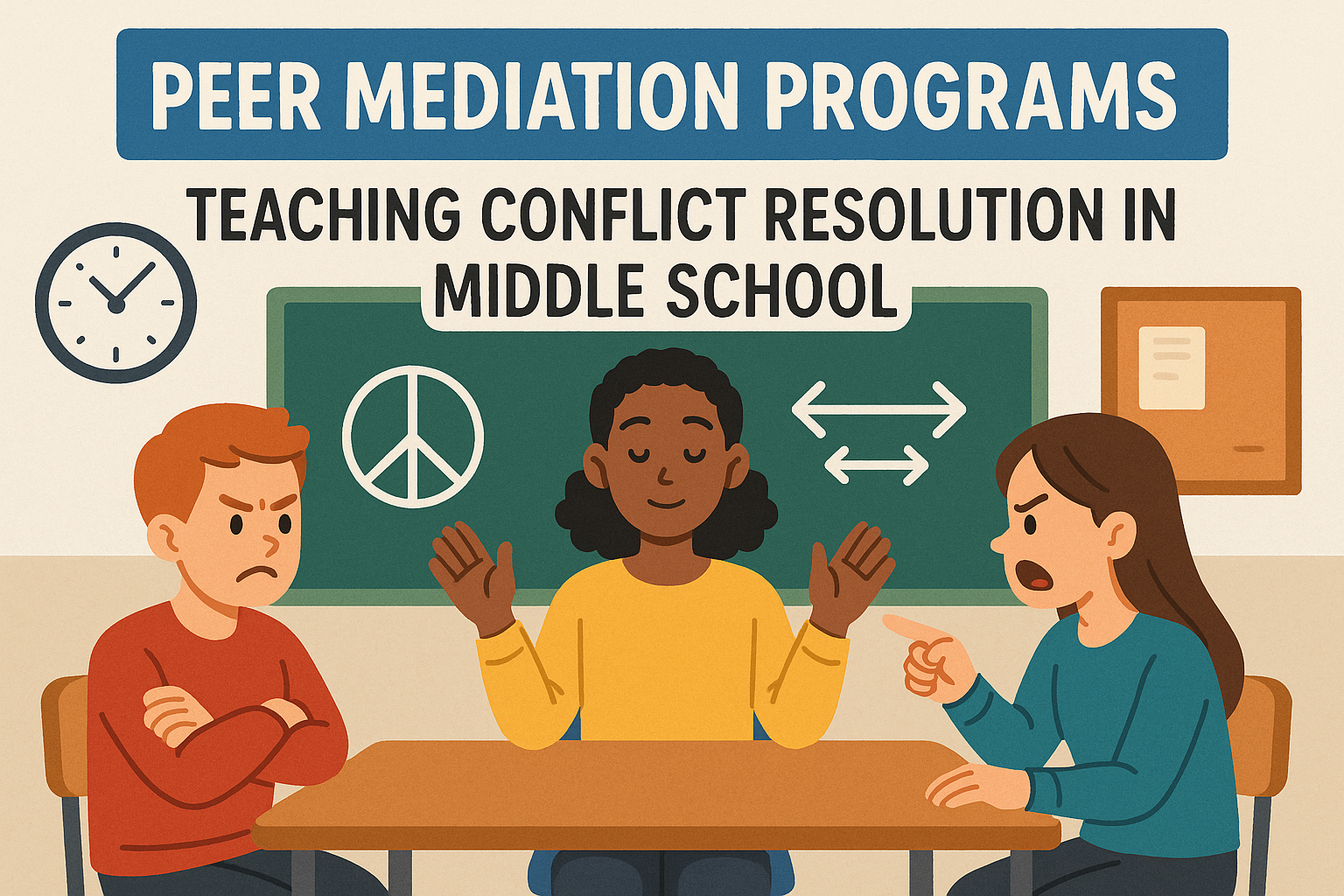
In the often tumultuous environment of middle schools, conflict is nearly unavoidable. Between social dynamics, academic pressures, and burgeoning independence, students frequently find themselves in disagreements that can escalate quickly. Enter peer mediation programs, a transformative approach that empowers students to resolve their conflicts independently. These programs don’t just help to settle disputes; they equip students with essential life skills, foster a more inclusive school culture, and can even lead to improved academic outcomes. Let’s explore the intricacies of peer mediation programs, their benefits, and why they are becoming increasingly relevant in today’s education system.
Understanding Peer Mediation Programs
At their core, peer mediation programs involve the training of students to act as mediators in disputes among their peers. This technique provides a structured environment where students can express their grievances and work collaboratively towards a resolution. Typically, these programs are facilitated by trained staff members who guide students through the mediation process. The mediators themselves are often selected from the student body, creating a relatable and accessible resource for conflict resolution.
The process usually involves several key steps:
- Introduction: The mediators introduce themselves and explain the mediation process.
- Storytelling: Each party has the opportunity to share their perspective without interruption.
- Identifying Issues: The mediators help clarify the specific issues at stake.
- Generating Options: Both parties brainstorm possible solutions.
- Agreement: A mutually acceptable resolution is documented and agreed upon.
By involving students in conflict resolution, these programs create a sense of ownership over the process and outcomes. They also contribute to a more peaceful school environment.
The Historical Context of Peer Mediation
The concept of using peers to mediate conflicts is not new; it has roots in various traditions around the world. However, formal peer mediation programs began gaining traction in the United States in the late 1980s. Schools recognized the need for effective conflict resolution strategies amidst rising violence and bullying incidents. Programs like the National Association for Mediation in Education (NAME) were established to provide resources and training for educators interested in implementing peer mediation.
Since then, the approach has evolved. Modern programs now incorporate elements of social-emotional learning (SEL), emphasizing skills like empathy, communication, and emotional regulation. This evolution reflects a broader understanding of the factors contributing to student conflicts and the importance of addressing them holistically.
Key Benefits of Peer Mediation Programs
Peer mediation programs offer numerous benefits, both immediate and long-term, for students and schools alike. Here are seven critical advantages:
1. Conflict Resolution Skills
One of the most significant benefits of peer mediation programs is that they teach students vital conflict resolution skills. Students learn how to communicate effectively, listen actively, and empathize with others. These skills are not only useful in school but are essential in their future workplaces and personal relationships.
2. Improved School Climate
Peer mediation fosters a positive school climate by reducing conflict and promoting a culture of respect and collaboration. When students feel safe and supported, they’re more likely to engage in their education and participate in school activities. Schools implementing peer mediation often report lower levels of bullying and a greater sense of community among students.
3. Empowerment and Responsibility
Training students to be mediators empowers them to take responsibility for their actions and the outcomes of their conflicts. It instills a sense of agency, as they learn that they can influence their environment positively. This empowerment fosters leadership qualities and encourages students to take an active role in shaping their school culture. (See: CDC on peer mediation programs.)
4. Enhanced Academic Performance
Research suggests a correlation between effective conflict resolution programs and improved academic performance. When students are less distracted by interpersonal issues, they can focus more on their studies. Additionally, the skills learned in mediation—like critical thinking and problem-solving—translate into better academic outcomes.
5. Reduction in Disciplinary Actions
Schools that implement peer mediation programs often see a decrease in disciplinary actions. By providing an effective outlet for conflict resolution, these programs address issues before they escalate into more serious infractions. This leads to a safer and more conducive learning environment.
6. Lifelong Skills
The skills gained through peer mediation programs go beyond the school setting. Students carry these lessons into their adult lives, navigating conflicts in personal and professional relationships with greater ease. The ability to mediate effectively is a crucial life skill that promotes healthier interactions and enhances interpersonal relationships.
7. Building Empathy and Understanding
Peer mediation encourages students to understand different perspectives. As they hear their peers’ stories and concerns, they develop empathy—an essential quality in today’s increasingly diverse society. This understanding fosters inclusivity and reduces prejudices, helping to build a more tolerant school environment.
Implementing Peer Mediation Programs: Practical Insights
For schools looking to implement a peer mediation program, several practical steps can help ensure success:
1. Training and Support
Invest in comprehensive training for both student mediators and staff facilitators. This training should cover conflict resolution strategies, mediation techniques, and an understanding of the psychological aspects of conflict. Ongoing support is essential to maintain the program’s effectiveness.
2. Establish Clear Guidelines
Develop clear guidelines about the mediation process, including confidentiality, the roles of mediators, and how disputes will be handled. Clear expectations help students feel safe and respected during the mediation process.
3. Foster a Culture of Trust
For peer mediation to be effective, students must trust the process and feel comfortable seeking mediation. Schools can foster this trust by promoting the program widely, sharing success stories, and integrating mediation into the school culture.
4. Engage the Community
Involve parents and the wider community in the peer mediation initiative. Workshops and informational sessions can educate parents about the benefits of mediation and encourage them to support their children’s participation.
5. Evaluate and Adapt
Regularly assess the program’s effectiveness through surveys, feedback sessions, and monitoring conflict resolution outcomes. Use this data to adapt and improve the program over time, ensuring it meets the changing needs of the student body. (See: U.S. Department of Education on peer mediation.)
Current Relevance and Future Prospects
As society grapples with increasing polarization and conflict, the relevance of peer mediation programs is more pronounced than ever. Schools are recognizing the importance of teaching students how to resolve conflicts peacefully and constructively. With the rise of social media and its accompanying challenges, students face new types of conflicts that require effective resolution strategies.
Moreover, as educational institutions seek to incorporate social-emotional learning into their curricula, peer mediation fits perfectly into this framework. By emphasizing skills like emotional regulation, empathy, and effective communication, peer mediation programs align with the broader goals of modern education.
As we look forward, the potential for these programs to evolve is significant. Integrating technology, such as online mediation platforms or apps, could expand access and adaptability. Schools can benefit from partnerships with community organizations to provide additional resources and training.
Challenges in Implementing Peer Mediation Programs
While the benefits of peer mediation programs are clear, implementing them successfully can come with challenges. Here are a few common obstacles schools face:
1. Resistance from Students
Some students may be skeptical about the effectiveness of mediation. They might prefer traditional discipline methods or may not trust their peers to handle sensitive issues. To combat this, schools can utilize workshops and demonstrations that showcase the program’s success, helping students see its value firsthand.
2. Training Costs
Quality training for mediators and staff can be resource-intensive. Schools need to allocate funds and time, which can be challenging in tight budgets. However, grants and community partnerships could provide necessary support. Additionally, training can often lead to significant long-term savings in disciplinary costs and improved academic performance.
3. Maintaining Confidentiality
Confidentiality is crucial in mediation, yet it can be challenging to enforce, especially in a school environment where information spreads quickly. Schools should emphasize the importance of confidentiality during training and establish clear protocols for handling breaches, ensuring that all participants feel safe sharing their thoughts and feelings.
Real-Life Examples of Successful Peer Mediation Programs
Several schools across the country have successfully implemented peer mediation programs with remarkable results. For instance, at Lincoln Middle School in California, the introduction of a peer mediation program led to a 35% decrease in reported conflicts within just one academic year. The school also noticed an increase in student participation in extracurricular activities, indicating a stronger sense of community.
Similarly, Greenwood High School in Texas saw significant improvements in student relationships and an overall positive shift in school culture. After establishing a peer mediation program, surveys indicated that 80% of students felt more comfortable approaching their peers to discuss conflicts.
These examples illustrate that when implemented thoughtfully, peer mediation programs can have transformative effects on school environments.
Frequently Asked Questions (FAQ)
1. What age group is best suited for peer mediation programs?
Peer mediation programs are particularly effective in middle schools and high schools, where students are navigating complex social dynamics. However, younger students can also benefit from simplified versions of mediation tailored to their developmental stage.
2. How long does training for peer mediators typically take?
Training can vary, but most programs require a commitment of anywhere from a few days to several weeks. This training should cover conflict resolution techniques, communication skills, and ethical considerations.
3. Can peer mediation programs be integrated with other school programs?
Absolutely! Peer mediation can be integrated with anti-bullying campaigns, social-emotional learning initiatives, and even restorative justice programs to create a comprehensive approach to conflict resolution and student support.
4. How can schools measure the success of their peer mediation programs?
Success can be measured through various metrics, including reductions in disciplinary actions, surveys assessing student satisfaction, and the frequency of conflicts resolved through mediation. Regular feedback from participants can also provide insights into program effectiveness.
5. What role do parents play in peer mediation programs?
Parents can support peer mediation programs by encouraging their children to participate, attending informational sessions, and reinforcing the skills learned at home. Their involvement can significantly enhance the program’s impact and sustainability.
Conclusion: A Step Toward a Better Future
In conclusion, peer mediation programs are a vital tool in educating middle school students about conflict resolution. They provide students with essential skills, foster a positive school atmosphere, and contribute to lifelong learning. As we continue to navigate complex social dynamics, investing in these programs could reshape not only individual student experiences but also the broader educational environment. By equipping our youth with the tools to navigate conflict, we’re fostering a generation that prioritizes understanding and collaboration. This investment in conflict resolution is not just an academic endeavor; it’s a step toward a more peaceful and inclusive society.
“`
Trending Now
- 20 Phonemic Awareness Activities for Kindergarten…
- Phonemic Awareness vs. Phonological Awareness: What’s the Difference?
- this guide on assessing pragmatic language skills in elementary school students
- the complete explanation
- this guide on pragmatic language disorders: signs to watch for in kindergarten
Frequently Asked Questions
What are peer mediation programs?
Peer mediation programs are initiatives in schools where trained students act as mediators to help resolve conflicts among their peers. These programs provide a structured environment for students to communicate their grievances and collaboratively work towards a resolution, fostering essential life skills and a positive school culture.
How do peer mediation programs work?
Peer mediation programs typically involve several key steps: introduction of mediators, storytelling by each party, identifying issues, generating options for solutions, and documenting an agreement. This structured approach allows students to express their perspectives and work towards a mutually acceptable resolution.
What are the benefits of peer mediation in schools?
Peer mediation programs offer numerous benefits, including equipping students with conflict resolution skills, fostering a more inclusive school culture, reducing incidents of bullying, and potentially improving academic outcomes by creating a more peaceful learning environment.
Who facilitates peer mediation programs?
Peer mediation programs are usually facilitated by trained staff members who guide the mediation process. The mediators themselves are often selected from the student body, making them relatable and accessible resources for conflict resolution among peers.
Why are peer mediation programs important in middle schools?
Peer mediation programs are crucial in middle schools due to the frequent conflicts arising from social dynamics and academic pressures. They empower students to resolve disputes independently, promote emotional intelligence, and contribute to a more harmonious school atmosphere, making them increasingly relevant in today's education system.
Have you experienced this yourself? We’d love to hear your story in the comments.



