
“`html
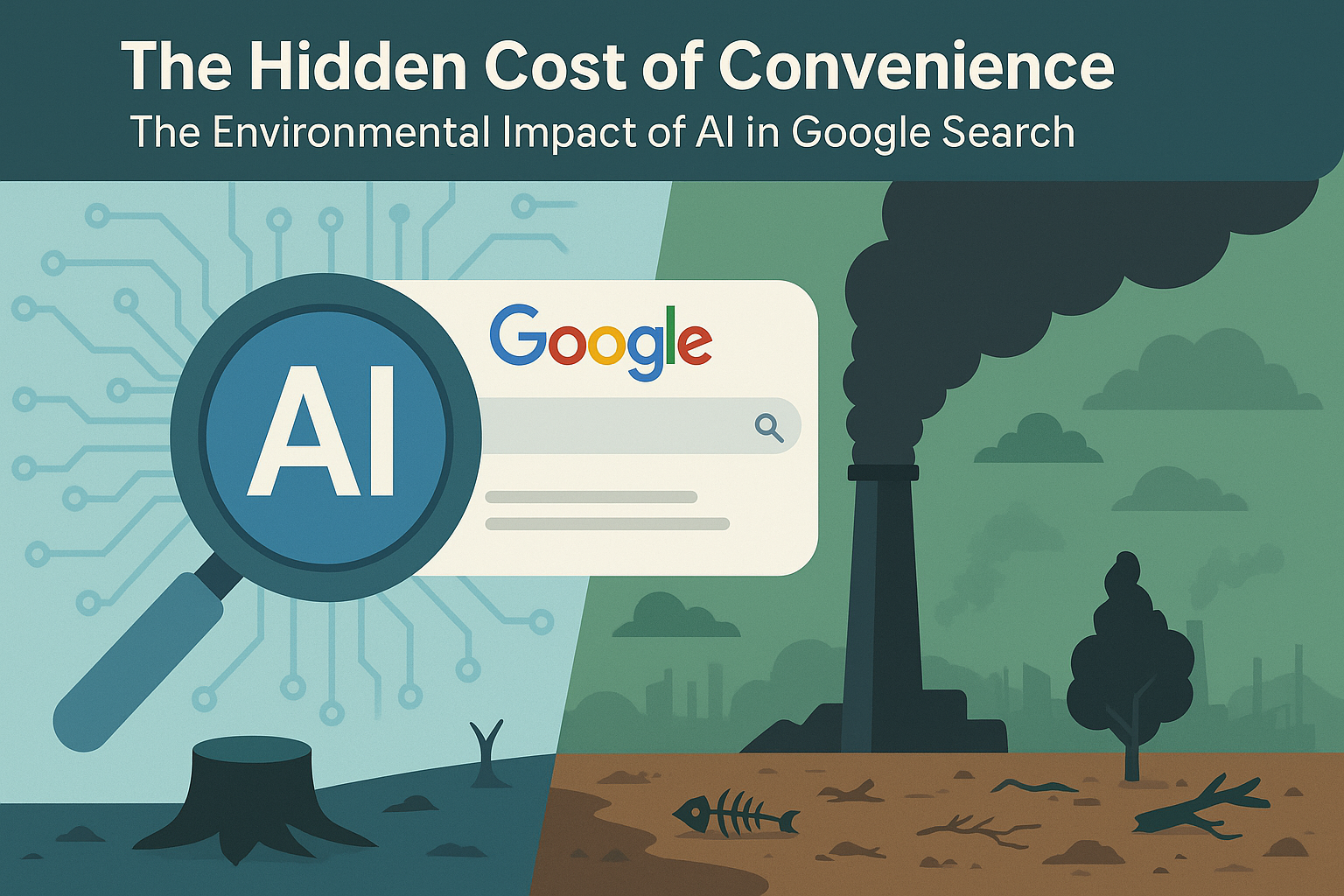
The rapid integration of artificial intelligence into everyday digital experiences has altered the landscape of how we access information. Google Search, a staple for billions worldwide, now increasingly showcases AI-generated overviews, appearing in about 55% of search results. While this advancement promises convenience and efficiency, it raises critical questions about its environmental impact.
AI Overviews: A Brief Introduction
AI overviews in Google Search are designed to provide quick, synthesized answers to users’ queries. Instead of sifting through multiple links, users can get an instant response, which seems like a win for efficiency. However, the technology that powers these responses—machine learning algorithms and natural language processing models—requires substantial computational resources.
In recent years, AI has taken center stage, with advancements making systems faster and more capable. Yet, this convenience comes at a price, one that isn’t always visible to the end user. As we become accustomed to these AI-driven overviews, it’s crucial to understand the environmental implications of the massive server farms and energy consumption driving this technology.
Energy Consumption: The Hidden Cost
To appreciate the environmental impact of AI, it’s essential to examine how much energy is consumed during the AI processing. Each time you conduct a Google Search that yields an AI overview, multiple data centers spring into action. These centers are filled with thousands of servers running complex algorithms that process vast amounts of data.
Research indicates that training large-scale AI models can emit as much carbon as five cars over their lifetimes. With Google Search’s AI overviews becoming ubiquitous, the cumulative energy demand is staggering. In efforts to address climate change, the tech industry must contend with balancing the convenience of AI-driven services against the environmental footprint they leave behind.
The Carbon Footprint of AI
The carbon footprint associated with AI technologies is an escalating concern. A study published in 2021 highlighted that training a single AI model can release over 626,000 pounds of carbon dioxide. As AI systems become more sophisticated, the environmental burden only grows. Google, while committed to sustainability, faces the challenge of reconciling its ambitious AI initiatives with the reality of their ecological consequences.
Calculating the total carbon cost of AI overviews requires an understanding of both the operational energy demands of data centers and the emissions produced during the training of AI models. As the demand for AI-enhanced services rises, so too does the urgency to develop greener technologies. The question remains: can companies like Google achieve their AI goals while mitigating their carbon emissions?
Transparency and User Choice
As we grapple with the environmental impact of AI, transparency becomes paramount. Users often remain unaware of the extensive resources powering the convenience they enjoy. When a search yields an AI overview, we’re rarely informed about the energy costs involved. This lack of transparency raises ethical questions about user choice. Shouldn’t consumers know the environmental cost of the conveniences they utilize?
Furthermore, the shift toward AI-generated content may inadvertently steer users away from traditional sources of information. Publishers and content creators often rely on search traffic to reach their audience. With AI overviews dominating search results, there’s a real risk that valuable content will be overlooked. This creates a domino effect where smaller publishers struggle to compete against tech giants, ultimately stifling diversity in information sources. (See: Environmental impact of AI technologies.)
The Future of the Open Web
The advent of AI overviews in search results is not just about energy consumption; it also threatens the very fabric of the open web. One of the pillars of the internet is its accessibility and the ability of anyone to contribute to the information ecosystem. As Google leans heavier into AI, questions arise about the future of this ecosystem.
With AI models trained on vast datasets, often scraped from various websites, creators are facing the possibility of their work being overshadowed by AI-generated summaries. This dynamic has profound implications for intellectual property rights and the monetization of online content. Will the open web continue to thrive, or will it become a sterile environment dominated by a few major players?
Balancing Convenience with Sustainability
As consumers, we are often drawn to convenience. The immediacy of AI-generated overviews caters to our desire for quick access to information. However, this presents a dilemma: how do we balance these conveniences against the pressing need for sustainability? It’s not just about what is easy; it’s about what is responsible.
Tech giants, including Google, need to take a proactive approach in this regard. This means investing in renewable energy sources to power their data centers and adopting more efficient algorithms that minimize energy demand. Initiatives like Google’s commitment to operate on 24/7 carbon-free energy by 2030 are steps in the right direction. However, such goals must be paired with accountability measures that assess the environmental repercussions of AI developments.
What Can Users Do?
While the responsibility largely falls on tech companies to mitigate their environmental impact, users can also play a part. Here are some actionable steps you can take:
- Stay Informed: Understand the implications of AI technologies and how they affect the environment. Knowledge empowers you to make informed choices.
- Support Sustainable Companies: Choose services and brands that prioritize sustainability. Look for companies that are transparent about their energy sources and environmental policies.
- Advocate for Change: Use your voice to demand more transparency from tech companies. Encourage them to provide information on the energy consumption of their AI features.
- Engage with Content Creators: Seek out and support smaller publishers and independent creators. Engaging with diverse sources can help maintain a vibrant media landscape.
As we move forward, ensuring the sustainability of AI technologies will require a collective effort. It’s vital to hold companies accountable while making conscious choices as consumers.
Impact on Employment and Economic Structures
The integration of AI technology is reshaping job markets and economic structures. While AI may enhance productivity, it can also lead to job displacement, particularly in roles that involve routine tasks. According to a report from McKinsey, up to 30% of the global workforce could be displaced by automation by 2030. This shift brings about a need for a workforce that is skilled in managing and developing AI systems rather than just utilizing them.
As AI becomes more prevalent in industries such as manufacturing, logistics, and even creative sectors, the environmental impact of AI must also consider the economic implications. For instance, companies may prioritize cost efficiency over sustainability, leading to increased emissions if environmentally friendly practices are sidelined. A comprehensive approach to AI’s environmental impact should not only focus on energy consumption but also on how it redefines economic relationships and labor practices.
Comparing AI Models: Environmental Costs
Not all AI models have the same environmental footprint. Some require significantly more resources than others. For example, large transformer models like GPT-3 have been shown to consume a considerable amount of energy during both training and deployment. In contrast, smaller, more efficient models can offer acceptable performance with a fraction of the energy costs. (See: Environmental health and AI.)
For consumers and businesses alike, understanding these differences is crucial. Selecting or developing AI systems with lower energy demands can make a significant difference in overall environmental impact. This consideration could help tech companies align their innovations with sustainability goals, thereby fostering a culture of responsible AI development.
FAQ: Understanding the Environmental Impact of AI
1. What is the main environmental concern associated with AI?
The primary concern is the significant energy consumption and carbon emissions generated during the training and operation of AI models. This can contribute to climate change if not managed properly.
2. How does data center energy consumption contribute to AI’s environmental impact?
Data centers, which host the servers running AI models, require vast amounts of electricity for both processing and cooling. The source of this energy—whether renewable or fossil fuels—directly impacts the carbon footprint of AI technologies.
3. Are there sustainable AI alternatives?
Yes, there are emerging AI models designed to be more energy-efficient. These include smaller models that still provide effective performance while consuming significantly less energy, thus reducing their overall environmental impact.
4. What role do consumers play in mitigating AI’s environmental impact?
Consumers can advocate for transparency, support sustainable technology companies, and engage with a diverse range of content creators. By making conscious choices, they can drive demand for more sustainable AI practices.
5. How can tech companies reduce their AI’s environmental footprint?
Tech companies can invest in renewable energy for their data centers, develop more energy-efficient algorithms, and commit to sustainability goals that actively reduce their carbon emissions related to AI technologies.
Ensuring Ethical AI Development
In addition to addressing environmental concerns, it’s crucial to consider the ethical implications of AI development. Ensuring that AI technologies are developed responsibly involves not only reducing their carbon footprint but also being mindful of their societal impacts. Ethical AI encompasses fairness, accountability, and transparency in algorithms, especially as they are increasingly integrated into daily life.
For instance, AI systems trained on biased data can perpetuate existing inequalities and create unfair outcomes. This factor complicates the conversation around environmental impact because the resources spent developing flawed AI models can also lead to wasted energy and increased carbon emissions. Thus, companies must prioritize ethical development alongside sustainability, ensuring that AI benefits the widest possible audience while minimizing harm. (See: Latest news on technology and environment.)
The Role of Policy and Regulation
As AI continues to proliferate, there is a pressing need for robust policy frameworks to manage its environmental impact. Governments worldwide are beginning to recognize the potential consequences of AI technologies on energy consumption and emissions. Regulatory measures could encourage companies to adopt greener practices and prioritize sustainability in AI development.
For example, policymakers might consider implementing energy efficiency standards for data centers or offering incentives for companies that utilize renewable energy sources. Additionally, regulations could mandate transparency regarding the environmental impact of AI technologies, compelling companies to disclose information about their energy consumption and carbon emissions. This move toward regulation could foster a culture of accountability and encourage innovation towards more sustainable AI solutions.
The Future: AI and a Sustainable Digital Ecosystem
The intersection of AI development and environmental sustainability presents both challenges and opportunities. As we look to the future, the question isn’t just about how to reduce the environmental impact of AI but how to create a sustainable digital ecosystem that incorporates these technologies responsibly. Collaboration among tech companies, governments, and consumers will be essential to achieve this goal.
Innovative approaches, such as using AI to optimize energy consumption in data centers or develop new renewable energy technologies, could transform the landscape of AI’s environmental impact. By leveraging AI’s capabilities to solve pressing energy challenges, we might find pathways to reduce the overall carbon footprint of digital technologies, creating a more sustainable future.
Conclusion: The Path Forward
The environmental impact of AI in platforms like Google Search is profound and multifaceted. As AI continues to evolve, so too must our strategies for managing its ecological consequences. The dialogue around AI’s role in our daily lives should include the conversation about sustainability and ethical responsibilities.
By fostering transparency and encouraging a culture of accountability, we can navigate the complexities of AI technologies while respecting our planet. The future of information is bright with possibilities, but it’s up to us to ensure that it doesn’t come at an unsustainable cost.
“`
Trending Now
Frequently Asked Questions
What is the environmental impact of AI in Google Search?
The environmental impact of AI in Google Search is significant due to the high energy consumption required to power the machine learning algorithms and data centers. Each AI-generated overview relies on extensive computational resources, contributing to a larger carbon footprint as the demand for these services increases.
How does AI in Google Search affect energy consumption?
AI in Google Search affects energy consumption by necessitating the activation of multiple data centers filled with servers that process complex queries. This operation consumes substantial energy, leading to a considerable environmental impact as more users rely on AI-generated responses.
Are AI-generated overviews in Google Search efficient?
While AI-generated overviews in Google Search offer efficiency by providing instant answers, they come with hidden costs. The technology requires significant computational resources, which raises concerns about the environmental implications of increased energy consumption and carbon emissions.
What are the hidden costs of AI convenience?
The hidden costs of AI convenience include the environmental impact linked to energy consumption and carbon emissions from data centers. As AI technologies become more prevalent, the cumulative energy demand raises important questions about sustainability and the balance between efficiency and environmental responsibility.
How does AI training impact the environment?
AI training impacts the environment significantly, with research indicating that training large-scale models can produce carbon emissions equivalent to those of five cars over their lifetimes. This emphasizes the need for the tech industry to consider the environmental footprint of AI advancements.
Have you experienced this yourself? We’d love to hear your story in the comments.