
“`html
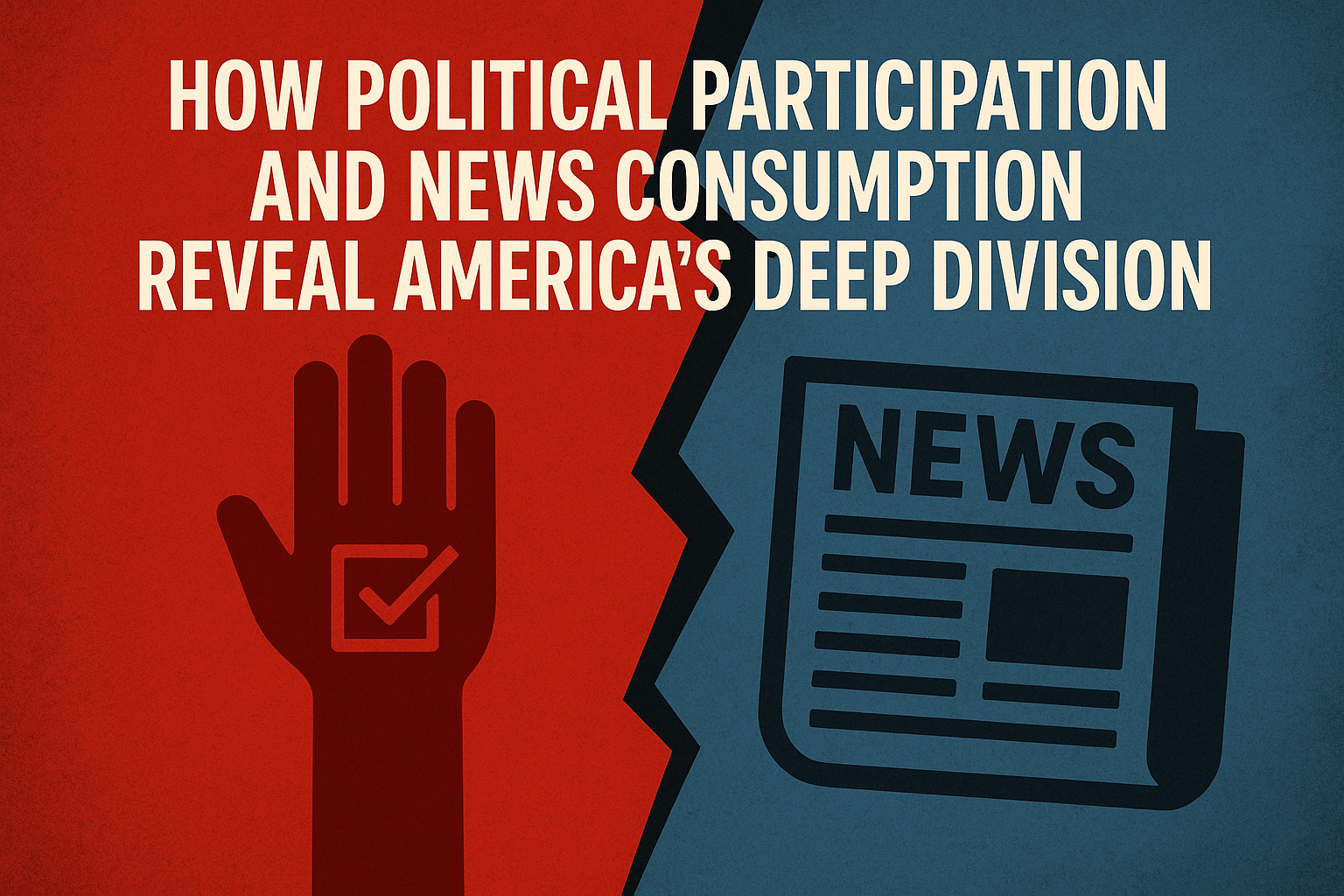
The landscape of political participation in the United States is increasingly fragmenting, with Americans aligning more closely with distinct political identities. According to a recent report by the Pew Research Center, survey data from over 10,000 adults has shed light on how voting patterns and news consumption vary across several political typology groups. Understanding these differences provides crucial insight into our current political climate and the challenges of fostering a united democracy.
The Survey Breakdown
Conducted from November 17 to 30, 2025, the Pew Research Center’s survey included responses from 10,357 U.S. adults. The study aimed to assess the nuances of political participation among different groups, linking it with how they consume news and their overall political engagement. While political polarization is not a new phenomenon, the depth and breadth of the divides revealed in this study are alarming.
Understanding Political Typology
Political typology is a method of categorizing individuals based on their political beliefs, values, and behaviors. In the Pew survey, respondents were divided into several groups, including:
- **Progressive Left**: Characterized by a strong emphasis on social justice and climate change initiatives.
- **Establishment Liberals**: More moderate but still leaning toward progressive policies.
- **Consistently Conservative**: Those who adhere to traditional conservative values and policies.
- **Populist Right**: Individuals who embrace anti-establishment sentiments and a mix of conservative and nationalist views.
- **Ambivalent Right**: More moderate conservatives who may hold mixed views on various issues.
- **Political Independents**: Individuals who do not identify strongly with either major party.
This categorization sheds light on the motivations behind political participation and helps explain the differing approaches to societal issues. As political identity becomes increasingly tied to these subgroups, the barriers to political dialogue grow higher.
Voting Trends Among Political Groups
The report reveals stark differences in voting behavior across the political typology groups. For example, the Progressive Left demonstrated a significantly higher turnout rate in the last election cycle compared to the Consistently Conservative group. This trend suggests that younger, more progressive voters are more energized and mobilized than their conservative counterparts.
Interestingly, the survey found that participation rates were highest among the Progressive Left, with approximately 80% reporting they voted in the last major election. In contrast, only about 60% of Consistently Conservative respondents participated. These findings highlight a potential gap in enthusiasm and engagement between the parties, which could have long-term implications for election outcomes.
The Role of News Consumption
One of the most striking findings of the Pew survey is the correlation between political participation and news consumption habits. Each political typology group tends to gravitate toward specific news sources that reinforce their beliefs. The Progressive Left prefers outlets like CNN and NPR, while the Consistently Conservative group often turns to Fox News and conservative talk radio.
This preference for ideologically aligned news sources fosters echo chambers, where individuals only encounter information that reinforces their existing beliefs. The survey revealed that around 70% of respondents from the Progressive Left rely on social media as a primary news source, which is a stark contrast to the Consistently Conservative group, where traditional media outlets dominate their news consumption.
As these groups become more isolated in their information bubbles, the potential for constructive political dialogue diminishes. This phenomenon reflects a broader trend in media consumption, where individuals are more inclined to seek out news that aligns with their views rather than challenging them. (See: BBC News.)
The Impact of Identity on Political Participation
Identity plays a crucial role in shaping political participation. The survey findings suggest that individuals who identify more strongly with their political group are more likely to engage in political activities, such as voting, attending rallies, and discussing political issues. This connection highlights a growing trend where political identity becomes intertwined with personal identity.
For instance, among the Progressive Left, those who strongly identify with their political beliefs are 50% more likely to report participating in local political events than those who are less engaged. Similarly, the Consistently Conservative group shows a strong correlation between identity and participation rates.
This phenomenon raises questions about the role of identity in the democratic process. As polarization deepens and political participation becomes a reflection of personal identity, can we truly bridge the gaps that divide us?
Barriers to Political Participation
While the survey outlines significant trends in political participation, it also highlights barriers that hinder engagement across various groups. These barriers can include structural factors, such as access to polling places and voter registration, as well as psychological factors, like disillusionment with the political system.
Among the participants, many expressed feelings of disenfranchisement, particularly those within the Political Independent group. Approximately 45% of respondents reported feeling that their vote does not make a difference. This sense of futility is particularly pronounced among younger voters, who often feel alienated from the political process.
Addressing these barriers is crucial for increasing political participation across all groups. Initiatives aimed at improving voter access, enhancing civic education, and fostering open dialogue can help bridge the gaps that separate political identities.
Strategies for Increasing Political Engagement
To combat the growing polarization and disengagement, various strategies can be employed. Here are some actionable ways to promote political participation across diverse groups:
- Community Engagement: Initiatives that encourage local participation can foster a sense of belonging and motivate individuals to engage with their communities politically.
- Education and Awareness: Increasing awareness of the electoral process and educating citizens about their rights can empower them to participate.
- Inclusive Dialogues: Creating safe spaces for open discussions between different political groups can help break down barriers and build understanding.
- Utilizing Technology: Leveraging social media and digital platforms to disseminate unbiased information can reach younger audiences and encourage informed participation.
Achieving a more politically engaged society requires dedicated efforts to dismantle barriers and encourage collaboration. By focusing on these strategies, we can create an environment where political participation is accessible and welcoming to all.
Understanding the Influence of Age on Political Participation
Age is another critical factor influencing political participation. Younger voters, particularly those aged 18 to 29, have shown increased engagement in recent elections, with turnout rates reaching approximately 50% in the last presidential election. This marks a significant increase from previous years, reflecting a growing sense of responsibility among younger generations.
Older voters, those over 65, continue to have the highest turnout rates, often exceeding 70%. This trend can be attributed to a lifetime of civic engagement and a stronger connection to traditional voting methods. However, younger voters are more likely to engage in political activism outside of traditional voting, such as participating in protests, grassroots campaigns, and using social media to influence political discourse. (See: The New York Times.)
Understanding these generational differences can help tailor approaches to encourage political participation, ensuring that both younger and older populations feel represented and engaged in the political process.
The Role of Education in Political Participation
Education level is closely tied to political participation, with individuals holding higher degrees more likely to vote and engage in political activities. According to the Pew report, over 75% of college-educated respondents reported voting in the last election, compared to around 50% of those with only a high school diploma.
This disparity highlights the importance of civic education in schools. Incorporating comprehensive civics curriculum can prepare future generations to understand the significance of their participation in democracy. Programs that encourage student involvement in local governance, debates, and mock elections can foster an early interest in political processes.
Moreover, communities can support lifelong learning initiatives to help adults stay informed about political issues and the electoral process. By prioritizing education, we can create a more informed electorate that actively participates in shaping their governance.
FAQs About Political Participation
What is political participation?
Political participation refers to the various ways in which individuals engage in politics, including voting, activism, attending political meetings, and discussing political issues. It encompasses how citizens express their preferences and influence political decisions.
Why is political participation important?
Political participation is crucial for a healthy democracy as it ensures that a diverse range of voices and opinions are represented in the political process. It empowers citizens to hold their leaders accountable and influence policies that affect their lives.
How can I become more politically engaged?
You can start by educating yourself about local and national issues, attending town hall meetings, joining civic organizations, or participating in voter registration drives. Engaging in discussions with friends and family about political issues can also raise awareness and encourage more people to get involved.
What barriers exist to political participation?
Barriers can include logistical challenges like access to polling places, restrictive voter ID laws, lack of awareness about registration deadlines, and feelings of disenfranchisement. Psychological barriers may include apathy towards the political system or a belief that individual votes do not matter.
How do political typologies affect engagement?
Political typologies affect engagement by shaping individuals’ beliefs, values, and behaviors in relation to politics. People are more likely to participate when they feel a strong alignment with their political identity and when their motivations are catered to by their political group.
Exploring the Role of Social Media in Political Participation
Social media has transformed how individuals engage with politics, offering a platform for activism and political expression. Platforms like Twitter, Facebook, and Instagram have become vital tools for mobilizing supporters, sharing information, and amplifying voices that might otherwise go unheard. According to a study by the Pew Research Center, roughly 55% of social media users have engaged in political discussions online, demonstrating its significant role in the political landscape.
This new form of engagement, however, comes with its challenges. While social media can enhance participation, it can also contribute to misinformation and deepen polarization. Individuals may be more likely to share sensationalized content that aligns with their views, creating further divides between political groups. Understanding the dual nature of social media is essential for leveraging its potential to enhance political participation while mitigating its pitfalls.
The Importance of Civic Organizations
Civic organizations play a crucial role in fostering political participation. These groups, which range from grassroots movements to established non-profits, provide platforms for advocacy and community engagement. For instance, organizations like the League of Women Voters and the NAACP focus on encouraging voter registration and educating citizens about the electoral process.
Statistics show that individuals who engage with civic organizations are more likely to participate in elections and political discussions. A study found that members of civic organizations were 67% more likely to vote compared to those who were not involved. By bridging communities and providing resources, these organizations can help empower citizens and create a more politically active society.
Conclusion: The Path Forward
The findings from the Pew Research Center’s report underscore the complexities of political participation in the United States. As polarization continues to deepen, understanding the dynamics of different political typology groups is crucial for fostering engagement and dialogue. By addressing the barriers that hinder participation and implementing strategies to promote inclusivity, we can work towards a more democratic society where every voice is heard.
The journey toward increased political participation is not an easy one, but it is essential for the health of our democracy. It is time to bridge the divides and ensure that every American feels empowered to engage in the political process.
“`
Trending Now
- 7 Essential Ways Scaffolding Can Boost…
- read the full story
- our breakdown of unlocking communication: essential strategies for teaching pragmatics to children with autism
- this guide on unlocking student potential: a teacher’s guide to scaffolding in competency-based education
- our breakdown of unlocking the secrets of pragmatics in language development: a parent’s essential guide
Frequently Asked Questions
What does political participation look like in the United States?
Political participation in the U.S. is increasingly fragmented, with citizens aligning with distinct political identities. Recent surveys show varying voting patterns and news consumption across different political typology groups, highlighting the complexities of engagement in today's political climate.
How does news consumption vary among political groups?
News consumption varies significantly among different political typology groups. For example, the Progressive Left may seek out news focused on social justice, while the Consistently Conservative group might prefer traditional media outlets that align with their values, indicating the impact of political identity on media choices.
What are the main political typology groups identified in the survey?
The survey identifies several political typology groups, including the Progressive Left, Establishment Liberals, Consistently Conservative, Populist Right, Ambivalent Right, and Political Independents. Each group has distinct beliefs and values that influence their political participation and societal views.
Why is political polarization a concern in America?
Political polarization is a concern because it deepens divisions within society, making it challenging to foster a united democracy. The Pew Research Center's findings reveal alarming depths of division, which can hinder effective governance and social cohesion.
What insights can be gained from analyzing political engagement?
Analyzing political engagement offers valuable insights into the motivations behind political participation. Understanding the differences in voting patterns and news consumption among political typology groups can help identify challenges and opportunities for fostering dialogue and unity in a divided political landscape.
Have you experienced this yourself? We’d love to hear your story in the comments.