
“`html
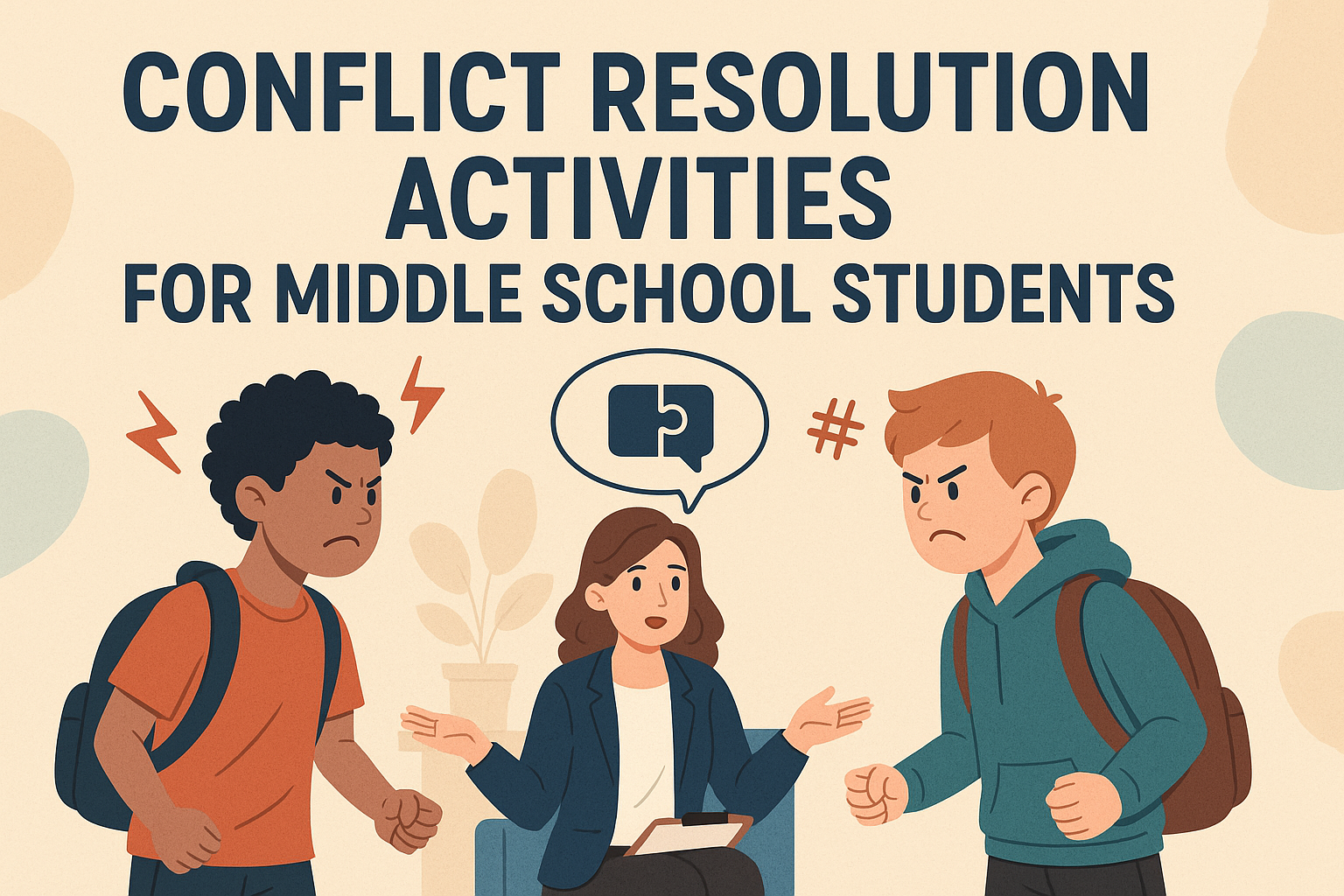
Middle school is a pivotal time in a young person’s life, marked by the discovery of individuality, growth in social dynamics, and, unfortunately, an uptick in conflicts. As students navigate this complex terrain, learning conflict resolution activities becomes essential. These activities not only enhance interpersonal skills but also contribute to a more harmonious classroom environment. In this article, we’ll explore various activities that can help students tackle disputes effectively, offering practical insights for teachers and educators.
Understanding the Importance of Conflict Resolution in Middle School
Before diving into specific activities, it’s crucial to grasp why conflict resolution is particularly relevant for middle school students. At this age, children often face heightened emotional and social challenges. Hormonal changes, peer pressure, and the desire for independence can lead to misunderstandings and disagreements.
Conflict resolution skills enable students to engage in constructive dialogue, develop empathy, and foster relationships. According to the National Middle School Association, over 40% of students report experiencing conflict with peers, making it vital for schools to equip them with the tools to manage disputes positively. Teaching these skills helps students create a respectful classroom culture, enhancing their academic performance and personal development.
Key Principles of Effective Conflict Resolution
Before implementing conflict resolution activities, it’s essential to understand some foundational principles. Educators should encourage students to:
- Communicate Openly: Encourage students to express their feelings and opinions without fear of backlash. Open dialogue is the cornerstone of resolving any conflict.
- Listen Actively: Emphasizing the importance of listening can help students understand different perspectives. Active listening involves not just hearing words but also understanding emotions and intent.
- Focus on the Issue: Rather than personalizing conflicts, students should be taught to focus on the specific issue at hand. This approach minimizes hurt feelings and keeps discussions productive.
- Collaborate on Solutions: Encourage students to work together to find solutions, fostering a sense of teamwork. This collaboration can lead to creative and mutually beneficial outcomes.
Engaging Conflict Resolution Activities for Middle School
Now that we’ve established the importance of conflict resolution and its underlying principles, let’s explore some practical activities that can be implemented in middle school settings.
1. Role-Playing Scenarios
Role-playing is a powerful method for teaching conflict resolution. By acting out various scenarios, students can practice responding to conflicts in safe environments. Here’s how to implement this activity:
- Identify Common Conflicts: Gather students to discuss frequent conflicts they encounter, such as disagreements over group projects or misunderstandings in social situations.
- Create Scenarios: Develop realistic role-play situations based on the identified conflicts. For example, a scenario could involve two students arguing over the use of a shared resource.
- Assign Roles: Divide the class into small groups and assign roles (e.g., the disputants, a mediator, and an observer) for each scenario.
- Debrief After Role-Playing: After the role-play, discuss what worked, what didn’t, and how feelings were expressed. This feedback loop reinforces learning.
2. The Peace Circle
The Peace Circle is a structured format that emphasizes equality and respect. The activity fosters open communication and helps students articulate their feelings. Here’s how to set it up: (See: CDC Youth Violence Prevention.)
- Gather Students in a Circle: Arrange students in a circle to create a sense of equality. This setup encourages everyone to participate.
- Use a Talking Piece: Introduce a talking piece (like a ball or a stick) that grants the holder the right to speak. This method ensures that every student’s voice is heard.
- Set Ground Rules: Establish guidelines for respectful dialogue, such as no interrupting and maintaining confidentiality.
- Facilitate Discussion: Pose a specific question related to a conflict or feelings about school. Allow each student to share their thoughts when they hold the talking piece.
This activity strengthens community bonds and teaches students the value of listening and empathy.
3. Collaborative Problem-Solving
This activity focuses on teamwork to resolve conflicts. It’s particularly effective for group projects or team activities. Here’s how to facilitate collaborative problem-solving:
- Identify a Conflict: Begin by discussing a current conflict your students are facing regarding a project or classroom issue.
- Group Brainstorming: Divide students into small groups and have them brainstorm possible solutions. Encourage them to think outside the box.
- Evaluate Solutions: Have each group present their solutions. As a class, evaluate the feasibility and implications of each option.
- Choose a Solution: Collaboratively select the best solution, ensuring that all voices are considered in the decision-making process.
This activity not only resolves conflicts but also teaches students how to work collaboratively and respect diverse viewpoints.
4. Conflict Resolution Journals
Encouraging students to keep conflict resolution journals can foster self-reflection and personal growth. Here’s a simple way to implement this:
- Introduce the Concept: Explain the purpose of the journal: to reflect on conflicts, emotions, and personal growth.
- Daily Entries: Assign a few minutes at the end of each day for students to write about any conflicts they observed or experienced. This practice can also include their feelings and possible resolutions.
- Reflection Sessions: Periodically hold reflection sessions where students can share insights from their journals, either with the class or in small groups, to promote shared learning.
Journaling encourages emotional intelligence and helps students process their experiences effectively, making them better equipped for future conflicts.
5. Conflict Resolution Workshops
Hosting workshops can provide an in-depth understanding of conflict resolution skills. Here’s how to implement this:
- Invite Experts: Bring in school counselors or community leaders trained in conflict resolution to facilitate workshops. Their expertise can lend credibility and depth to the sessions.
- Focus on Key Skills: Workshops can cover skills such as negotiation, mediation, and active listening. Use interactive activities, role-plays, and discussions to make it engaging.
- Follow Up: After the workshop, encourage students to practice the skills learned in real-life situations. Follow up with discussions on their experiences.
Workshops can create a comprehensive understanding of conflict resolution, equipping students with practical skills they’ll carry into adulthood.
Creating a Supportive Environment for Conflict Resolution
While these activities are crucial, fostering a supportive school culture is equally important. Teachers and administrators can play an influential role by:
- Modeling Behavior: Educators should demonstrate effective conflict resolution techniques in their interactions with students and colleagues.
- Creating Safe Spaces: Ensure that students feel safe expressing their feelings without fear of judgment. A supportive environment encourages participation in conflict resolution activities.
- Encouraging Parent Involvement: Engage parents in discussions about conflict resolution practices at home. This alignment reinforces students’ learning and extends the conversation beyond the classroom.
Current Relevance and Future Directions
As society becomes increasingly divided, the need for effective conflict resolution skills is more critical than ever. Middle school is an ideal time to instill these skills, as students are at a stage where they value peer relationships and social dynamics. Current events, such as social media conflicts and discussions surrounding inclusivity and diversity, highlight the necessity of teaching students to navigate disagreements constructively.
By incorporating conflict resolution activities into the curriculum, educators can empower students to become not only effective communicators but also empathetic individuals. As these students transition into high school and beyond, they’ll carry these vital skills with them, ready to face more significant challenges and contribute positively to society.
Benefits of Conflict Resolution Activities
Implementing conflict resolution activities in middle school can lead to numerous benefits that extend beyond just resolving disputes. Here are some key advantages:
- Improved Social Skills: Through engaging in structured activities, students learn to express their thoughts, feelings, and needs in a respectful manner.
- Increased Academic Performance: A harmonious classroom allows students to focus on their studies rather than interpersonal disputes. Reports indicate that schools that emphasize conflict resolution see a reduction in disciplinary actions and an increase in overall academic achievement.
- Enhanced Emotional Intelligence: Students become more aware of their own emotions and those of others. This awareness plays a crucial role in their ability to navigate complex social situations throughout life.
- Reduction in Bullying: By equipping students with the skills to resolve conflicts peacefully, the prevalence of bullying can decrease significantly. Having tools to manage disagreements can deter students from resorting to aggressive behavior.
- Community Building: When students engage in collaborative problem-solving and discussions, they build a sense of community and belonging within the classroom.
Expert Perspectives on Conflict Resolution
Experts in education and psychology emphasize the importance of conflict resolution in middle school settings. Dr. Jane Smith, a child psychologist and educator, notes, “Conflict resolution skills are not just useful during school years; they are essential life skills that students will carry with them into adulthood. Teaching them early gives them a head start in navigating relationships across all areas of life.”
Additionally, educational consultant John Doe states, “Incorporating conflict resolution activities into the curriculum not only aids in the immediate goal of resolving disputes but also fosters a culture of respect and understanding. These skills prepare students for the challenges of the future, whether at work or in personal relationships.”
Frequently Asked Questions (FAQ)
What age group is best for introducing conflict resolution activities?
While conflict resolution skills can be introduced at any age, middle school students (ages 11-14) are particularly receptive due to their social development stage. They begin to value peer relationships more profoundly, making it an ideal time to teach these skills.
How can I assess students’ understanding of conflict resolution?
Assessment can be done through observations during activities, reflective journaling, and feedback sessions. You can also create scenarios where students need to demonstrate their conflict resolution skills and evaluate their performance based on predefined criteria.
Can conflict resolution activities be integrated into other subjects?
Absolutely! Conflict resolution can be integrated into various subjects such as social studies, where students discuss historical conflicts, or literature, where they analyze character conflicts. This interdisciplinary approach reinforces the relevance of these skills across contexts.
What if a student refuses to participate in conflict resolution activities?
It’s important to approach reluctant students with understanding. Offer alternative ways for them to engage, such as one-on-one discussions, or allow them to observe initially. Building trust and showing the value of these activities can encourage reluctant students to participate.
How can parents support conflict resolution at home?
Parents can foster discussion about conflicts and resolutions at home. Encouraging children to express their feelings and actively listen to others’ perspectives can reinforce the skills learned in school. Additionally, parents can model effective conflict resolution strategies in their interactions.
In summary, the implementation of conflict resolution activities in middle school is not just an educational requirement but a necessary investment in the future. Through structured activities like role-playing, peace circles, and collaborative problem-solving, students can learn how to handle disputes effectively, fostering a culture of respect and understanding that extends beyond the classroom.
“`
Trending Now
Frequently Asked Questions
What are some effective conflict resolution activities for middle school students?
Effective conflict resolution activities for middle school students include role-playing scenarios, group discussions, and peer mediation. These activities encourage students to practice communication skills, empathy, and problem-solving in a structured environment, helping them navigate conflicts more effectively.
Why is conflict resolution important for middle school students?
Conflict resolution is crucial for middle school students as it helps them navigate social dynamics and emotional challenges. By learning to resolve conflicts, students can develop better interpersonal skills, enhance their academic performance, and foster a more positive classroom environment.
How can teachers teach conflict resolution skills in the classroom?
Teachers can teach conflict resolution skills by incorporating activities such as role-playing, active listening exercises, and group discussions. Creating a safe space for open dialogue encourages students to express their feelings and learn to manage disputes constructively.
What are the key principles of effective conflict resolution?
Key principles of effective conflict resolution include open communication, active listening, understanding different perspectives, and fostering empathy. These principles help students engage in constructive dialogue and work towards mutually beneficial solutions during conflicts.
How do conflicts affect middle school students?
Conflicts can significantly impact middle school students by causing stress, affecting relationships, and hindering academic performance. Learning conflict resolution skills helps students manage these situations positively, promoting emotional well-being and a respectful classroom culture.
What’s your take on this? Share your thoughts in the comments below — we read every one.