Art Education

Making Music with SEN Pupils

Introduction

Special Educational Needs (SEN) pupils have diverse abilities and challenges, but they share one thing in common: the right to participate in an inclusive and enriching educational experience. Music, as a powerful and universal language, offers an ideal platform for engaging SEN pupils, helping them grow in confidence, creativity, and social skills. In this article, we will explore how educators can create an inclusive music-making environment for their SEN students.

1. Adapting Teaching Methods

Adapting teaching methods according to the individual needs of SEN pupils is crucial in providing them with a rich learning experience. Some strategies that can be applied include:

– Breaking down tasks into smaller, achievable steps.

– Providing visual aids and clear instructions to facilitate understanding.

– Allowing extra time for processing information and completing tasks.

– Modifying musical instruments to make them more accessible.

2. Embracing Assistive Technologies

Technological advancements have paved the way for numerous assistive tools designed explicitly for music education:

– Touch-sensitive instruments like electronic keyboards or digital drums can make playing more accessible to pupils with motor difficulties.

– Apps like GarageBand or InstrumentChamp offer diverse sound options and levels of complexity suitable for various abilities.

– Adaptive peripherals such as Soundbeam or Skoog enable students with severe physical disabilities to participate in music-making activities.

3. Encouraging Creative Collaboration

One of the most significant benefits of making music lies in its collaborative nature. Facilitating interaction among SEN pupils during music lessons encourages teamwork and allows them to develop essential social skills:

– Arrange group activities where students can work together on a piece of music or take turns participating.

– Promote constructive peer feedback in which pupils can express their thoughts about each other’s compositions respectfully.

4. Fostering Emotional Expression

Music’s emotional depth offers a unique opportunity for SEN pupils to explore their feelings and channel them through creative expression:

– Encourage pupils to choose songs or create compositions that resonate with their emotions, such as joy, anger, or sadness.

– Foster a supportive environment where students can express themselves musically without fear of judgment.

5. Showcasing Achievements

Praising and celebrating SEN pupils’ progress helps boost their self-esteem and motivation to continue learning:

– Organize performances for the school community or parents to showcase the pupils’ musical growth and achievements.

– Provide opportunities for students to take music qualifications if they wish to pursue music further.

Conclusion

Music can play a transformative role in the lives of SEN pupils by providing them with an inclusive platform for creative expression, social interaction, and emotional growth. By being flexible and adaptive in our teaching methods, embracing assistive technologies, encouraging collaboration, and fostering emotional expression, we can empower SEN pupils to unlock their musical potential while nurturing their whole self.

20 Magical Mystery Box Activities For Little Learners

1. Introduction

Engaging children’s natural curiosity, mystery boxes make for a fun and educational experience. With the following 20 magical mystery box activities for little learners, you’ll find creative ways to captivate young minds and ignite excitement in learning.

2. Guess the Scent

Fill small containers with various scented items like cinnamon, lemon, coffee, or vanilla. Have your little ones take turns smelling each item without looking and guessing what the scent might be.

3. Animal Sounds

Place different animal figurines or toys inside a mystery box. Encourage your little learner to feel inside the box and guess the animal based on how it feels.

4. Story Starter

Fill a mystery box with various items to inspire storytelling. Let the children pull out an item from the box and ask them to weave a story around it.

5. Texture Time

Fill your mystery box with items that have unique textures, such as sandpaper, fabric swatches, or bubble wrap. Blindfold your child and have them reach in and describe how each item feels.

6. Shapes Search

Cut out different shapes from colored paper (circle, square, triangle). Place them in the mystery box and encourage your child to identify each shape by touch alone.

7. Alphabet Match

Fill the mystery box with alphabet letters or blocks. Have your child reach inside, grab a letter, and try to find its match on an alphabet chart or poster.

8. Number Sense

Put number magnets or flashcards in a mystery box. Have your child draw one at random and then practice counting aloud up to that number.

9. Mystery Ingredient Cooking Show

Create a mini cooking show with a mystery ingredient placed in a box for kids to have fun guessing and creating their own recipes.

10. Find Your Match

Place pairs of matching items in a box, such as toy cars or puzzle pieces. Have your child reach inside and try to find the matching objects just by touch.

11. Dark Box Creation

Place arts and crafts materials in a box with a small hole for your child’s hand. Have them make a creation by only using what they can feel and pull out.

12. Feel the Beat

Create a mystery box filled with different musical instruments or noisy objects like maracas, tambourines, or bells. Encourage children to guess the instrument based on the sounds it makes.

13. Puzzle Time

Challenge your little learners by disassembling wooden puzzles, placing them in a box, and having kids put them back together piece by piece.

14. Color Sorting

Place colorful objects into the mystery box and have children discern which color container they should be placed in just by feeling.

15. Hidden Treasures

Hide various “treasures” inside a box, such as small toys or trinkets that kids can discover and claim as their prize.

16. Memory Match

Create pairs of duplicate items inside your mystery box and encourage children to try to find matching pairs using their memory and sense of touch.

17. Nature Box

Collect leaves, seashells, twigs, or rocks and place them inside a mystery box for kids to explore textures found in nature.

18. Sock Sorting

Place pairs of mismatched socks in a mystery box and have your child find matching sock partners using touch alone.

19. Kitchen Tools Discovery

Fill the mystery box with kid-safe kitchen tools like whisks, potato mashers, or spatulas for children to identify and match with their intended uses.

20. Sensory Dough Surprise

Hide small toys within sensory dough balls or containers, then place them in the mystery box for children to uncover their surprise just by touch and play.

20 Fantastic Mouse Crafts That Your Kids Will Love

Introduction:

Mouse crafts are a popular way to engage children in creative, artistic activities while also teaching them about one of the most beloved little critters. These crafts are not only fun and easy to make but also help in developing their motor skills. Here is a collection of 20 fantastic mouse crafts that your kids will undoubtedly love.

1. Popsicle Stick Mouse:

Using popsicle sticks, pipe cleaners, googly eyes, and some crafting glue, you can help your child create an adorable standing mouse.

2. Mouse Puppet:

With a brown paper bag, construction paper, and markers or crayons, your child can design their own mouse puppet to be used in imaginative play.

3. Handprint Mouse:

Utilize your child’s handprint on paper with some added paint details to create a unique mouse art piece.

4. Pom-Pom Mouse:

Pom-poms, pipe cleaners, and googly eyes are all it takes to make an irresistibly fluffy mouse figurine.

5. Paper Plate Mouse:

Using a paper plate as the base, show your kids how to transform it into a cute mouse face with construction paper ears and whiskers.

6. Clay Mouse:

Get hands-on with your child as you both mold air-dry clay into delightful little mice.

7. Egg Carton Mouse:

Turn empty egg cartons into small mice by adding pipe cleaner tails, painted details, and googly eyes.

8. Felt Mouse Bookmark:

Create functional and adorable felt mice-shaped bookmarks using colorful felt and embroidery thread.

9. Balloon-Painted Mice:

Help your children express their creativity by painting various shapes onto balloons that can then be pressed onto paper to make original mouse prints.

10. Cork Mice:

Paint small corks to look like mice bodies and attach decorative accessories such as beads for eyes and string for whiskers.

11. Mouse Toothpick Holder:

Upcycle a small plastic container into a functional and whimsical mouse-themed toothpick holder by adding felt ears, googly eyes, and pipe cleaner tails.

12. Sock Mouse:

Transform old socks into cuddly mouse toys by filling them with stuffing and adding felt features.

13. Clothespin Mice:

Paint clothespins to resemble small mice and add pipe cleaner tails for a lovely table decoration or toy.

14. Foam Cup Mouse:

Turn a foam cup upside down, add cardstock ears, googly eyes, and other details to create an adorable little mouse.

15. Bottle Cap Mice:

Use bottle caps as the base for tiny mice figurines by attaching pipe cleaner tails and painting on faces.

16. Origami Mouse:

Teach your children the art of origami by folding colorful paper into mouse shapes they can decorate.

17. Yarn-Wrapped Mouse:

Wrap yarn around a small cardboard cutout in the shape of a mouse for a fun, tactile project that also develops fine motor skills.

18. Peanut Shell Mouse:

With adult supervision, paint empty peanut shells to create miniature mice perfect for imaginative play.

19. Toilet Paper Roll Mouse:

Transform an empty toilet paper roll into a friendly mouse with some construction paper, markers, and glue.

20. Cotton Ball Mouse:

Glue cotton balls together to form tiny mice, then decorate them with googly eyes and pipe cleaner tails.

Conclusion:

With these 20 fantastic mouse crafts at your disposal, you can easily inject hours of creative fun into your child’s daily routine. These projects not only provide an enjoyable experience but also instill problem-solving skills and inspire creativity in young minds. So go ahead, explore these options together with your kids and build cherished memories along the way!

20 Clever & Creative DIY Thanksgiving Crafts

Thanksgiving is just around the corner, and for many of us, it’s a time to gather with family and friends to celebrate and give thanks for our blessings. It’s also a perfect opportunity to have some creative fun by crafting unique decorations that will bring warmth and cheer to your home.

Here are 20 clever and creative DIY Thanksgiving crafts you can try this year:

1. DIY Gratitude Tree: Encourage your family to express their thankfulness by creating a gratitude tree from twigs, paper leaves, and small chalkboards.

2. Wine Cork Turkey Place Cards: Construct playful turkey place cards using wine corks, felt, googly eyes, and colorful feathers.

3. Wood Slice Pumpkins: Create rustic pumpkin decorations by cutting wood slices into various sizes, painting them orange and adding raffia bows.

4. Paper Fan Turkey Centerpiece: Assemble an adorable turkey centerpiece using paper fans, construction paper or cardstock, and googly eyes.

5. Pumpkin Candle Holders: Hollow out mini pumpkins to make charming tea light holders that will add warmth to your dinner table.

6. Burlap Banner of Thanks: Display a festive banner made from burlap squares with different fall-themed images or thankful phrases painted on them.

7. Pinecone Firestarters: Create practical yet decorative firestarters by dipping pinecones in melted wax infused with cinnamon or pumpkin spice scents.

8. Acorn Napkin Rings: Fashion nature-inspired napkin rings using large acorns and twine wrapped around each napkin.

9. Mason Jar Flower Vases: Fill mason jars with autumn-hued flowers for easy yet eye-catching centerpieces.

10. Fall Leaf Bowls: Craft attractive bowls from colorful fall leaves and mod podge that can be used for serving snacks or holding decorative items.

11. Painted Corn Husk Wreath: Create a beautiful wreath using painted corn husks and a wire ring that’s perfect for welcoming guests.

12. Crocheted Pumpkin Coasters: Bring a cozy touch to your dinner table with crocheted pumpkin coasters in rich autumnal colors.

13. Button Pumpkin Art: Design a stunning piece of wall art by arranging pumpkin-shaped clusters of various-sized buttons on a canvas.

14. Turkey Vegetable Platter: Arrange veggies in the shape of a turkey on a large platter, using different veggie types as feathers and a red pepper as the beak.

15. Fabric Scrap Garland: Make a festive garland by tying scraps of fall-patterned fabric to twine or string, creating an easy focal point in your home.

16. Pilgrim Hat Crayon Holders: Delight the kids by crafting pilgrim hat crayon holders made from small flowerpots and felt, keeping their crayons within reach while they create.

17. Thankful Table Runner: Embellish a plain table runner with words or phrases of thanksgiving using fabric markers or paint.

18. Paper Plate Turkey Wreath: Invite children to participate in making a turkey wreath using paper plates, construction paper, and crayons or markers.

19. DIY Pumpkin Succulent Planters: Combine your love for pumpkins and succulents by carving out hollows in mini pumpkins and planting small succulents inside.

20. Handprint Turkey Apron: Personalize an apron with handprints from the entire family, transforming each handprint into a turkey using fabric paint and markers.

These clever and creative DIY Thanksgiving crafts are sure to bring warmth, joy, and charm to your celebrations this year. So, pick your favorites, gather your materials, and let your imagination run wild in creating these memorable Thanksgiving crafts.

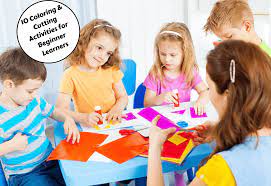
10 Coloring & Cutting Activities for Beginner Learners

Introduction:

Creativity and fine motor skills are essential for a child’s development, and coloring and cutting activities offer the perfect opportunity to enhance these abilities. In this article, we will explore ten exciting and engaging activities that will help your beginner learners improve their coloring and cutting skills while having fun.

1. Simple Shape Collage

Provide various simple shapes (squares, circles, or triangles) for the learners to color and cut out. Once done, have them glue their colored shapes on paper to create a unique collage.

2. Rainbow Caterpillar

Have the children draw and color circles in different colors to form a caterpillar. They can then cut out the circles and assemble the caterpillar on construction paper using glue.

3. Animal Masks

Print out simple animal mask templates like lions, elephants, or cats for kids to color and cut. Attach string or elastic to complete their handmade mask.

4. Scrap Paper Mosaic

Provide an assortment of colorful scrap papers for kids to sort through, color as needed, and then cut into small pieces. They can glue these pieces together on a larger sheet of paper to form an interesting mosaic design.

5. Snip & Stick Name Art

Write the child’s name in bubble letters on a piece of paper. Have the learner carefully color in each letter and then cut them out. They can arrange the letters on another sheet of paper and glue them down to create personalized name art.

6. Pattern Nuggets

Draw patterns (stripes, polka dots, etc.) within small shapes like circles or squares for children to color in. After cutting out these nuggets, encourage them to create their unique patterned artwork by arranging them onto construction paper.

7. Color-by-Numbers

Provide a simple color-by-number picture for kids to follow. As they fill in each section according to the number guide with corresponding colors, they’ll create a vibrant finished piece.

8. Magazine-Cut Collage

Collect old magazines, newspapers, and brochures for children to browse through and color or draw on interesting images. They can then cut out the chosen pieces and glue them onto paper to create a collage masterpiece.

9. Shape Animals

Discuss various animals with your beginner learners, and encourage them to explore which basic shapes make up their favorite creatures (e.g., a triangle and circle for a cat’s face). Have them color and cut these shapes before assembling the animal on construction paper.

10. Color Wheel Pizza

Trace a large circle onto paper for each child and divide it into 6-8 equal parts (like a pizza). Provide guidance in coloring each “slice” using different colors – for instance, one red, one blue, one yellow, etc. Once completed and cut out, learners have created their color wheel pizzas!

Conclusion:

By introducing your beginner learners to these ten coloring and cutting activities, you’ll not only help them develop essential fine motor skills but also nurture a love of creativity and self-expression that will last throughout their lives. Happy coloring!

15 Concrete Poem Examples That Speak Beyond Words

Introduction:

A concrete poem is a unique type of poetry that visually represents its subject or ideas on the page. These visually engaging compositions take the poetry experience to new heights by making the words themselves part of the symbolism and theme. In this article, we’ll explore 15 concrete poem examples that famously communicate their messages beyond words alone.

1. “Easter Wings” by George Herbert

This poem creates the shape of wings on the page, mimicking the flight of a bird. Herbert uses this shape to convey themes of spiritual ascension and the power of faith.

2. “The Mouse’s Tale” by Lewis Carroll

Carroll’s shape poem resembles a mouse’s tail, spiraling down the page. The whimsical form perfectly compliments the playful tone and animal subject matter.

3. “Swan and Shadow” by John Hollander

Intricately designed, Hollander’s poem mirrors a swan swimming above its shadow on water. The visual representation enhances the poem’s themes of reflection and duality.

4. “Rain” by Richard Brautigan

Brautigan creates cascading lines that emulate falling raindrops. The structure amplifies environmental themes and establishes an immersive atmosphere for readers.

5. “CM – An Unwritten Language for a Secret Tongue” by Augusto de Campos

This abstract poem fuses words, letters, and soundtrack elements to create a dynamic composition centered around de Campos’ neologism, ‘uelê.’

6. “Blue Candle” by Ana Hatherly

This carefully crafted poem mimics a flickering blue flame, displaying Hatherly’s artistic skill and ingenuity while also exploring themes of illumination and empathy.

7. “Hours” by Morita Shiryū

Famed Japanese calligrapher Morita Shiryū fashions “Hours” with large brushstrokes. By shaping the kanji for “hour” in a circle, he illustrates the cyclical nature of time.

8. “Enchanted Forest” by Ramsey Dukes

Through scattered words, Dukes successfully evokes the feeling of wandering an enchanting forest. The discontinuous layout conveys mystery and the thrill of exploration.

9. “Blew” by Allan Revich

Revich constructs a visual representation of dandelion seeds dispersing in the wind. The form elicits themes of change, impermanence, and natural beauty.

10. “Double Bubble” by Bob Cobbing

In this wild example, Cobbing uses typewritten letters to create two bubbles floating on a page. The poem’s form highlights themes of weightlessness and playful curiosity.

11. “Falling Alphabet” by Eugen Gomringer

Gomringer’s minimalist piece displays a descending alphabet reinventing textuality and representation while pointing out how language shapes our understanding of the world.

12. “War Horse” by John Furnival

Furnival’s captivating composition combines typography and images to construct a warhorse charging through gunfire, illustrating themes of courage and conflict.

13. “Heartbeat” by Mary Ellen Solt

Parallel lines represent an electrocardiogram tracing in Solt’s piece, cleverly tying themes about life, love, and vitality to human physiology.

14. “Energy Intensity Syntax” by Jackson Mac Low

Mac Low employs fractured lines and explosive characters, creating visual depictions of rapid energy shifts while challenging normative ideas on language’s expressive limits.

15. “Sink or Swin” by Scott Helmes

Helmes positions words like swimmers bobbing above water, highlighting tension between success and failure embodied in the idiom ‘sink or swim.’

Thinking Through History

Introduction:

History often holds fascinating lessons for us to learn, observe, and reflect upon. It is far more than just a record of past events – it is a storehouse of knowledge that helps us understand how people, societies, and cultures have evolved over time. Thinking through history involves delving into the depths of our collective past to analyze the causes and effects of various elements that have shaped the world as we know it today.

Analyzing Patterns in Historical Developments:

One key aspect of thinking through history is recognizing patterns across different ages. By identifying recurring themes, principles, strategies, and outcomes over time, we can gain valuable insight into human behavior and decision-making processes. For example, we can study the rise and fall of empires from the Roman era to modern times to understand how political power shifts, economic drivers change, and demographic shifts affect societies.

Developing Empathy Through Historical Perspectives:

Another essential component of thinking through history is developing empathy for others by understanding historical contexts. By examining events from the perspective of those involved, we can better appreciate their struggles, achievements, and motivations. This understanding fosters a more compassionate and informed worldview – one that allows us to engage with complex issues such as racism, inequality, and human rights with greater nuance.

Evaluating Historiography:

Thinking through history also entails an evaluation of historiography – or the writing and interpretation of historical accounts. By examining various perspectives and challenges faced by historians when reconstructing events of the past, we become conscious consumers of historical information. This critical lens helps us question biases inherent in historical narratives while acknowledging that “absolute truth” is often elusive.

Learning From Mistakes:

As humans repeat mistakes throughout history, thinking through history offers an opportunity for us to learn from these errors to create a better future. By studying wars, economic collapses, misguided policies or social upheaval, we can reflect on the factors that led to these negative consequences and strive for wiser decisions moving forward.

Applying Historical Lessons to Current Challenges:

Lastly, thinking through history provides us with a wealth of knowledge that we can apply to modern-day challenges. By examining how previous generations have tackled similar problems or events, we can derive solutions and ideas suitable for our contemporary context. The wisdom of the past offers guidance and inspiration for policymakers, business leaders, educators, and individuals alike.

Conclusion:

In conclusion, thinking through history is a crucial exercise for personal growth, societal development, and global progress. By analyzing patterns in historical developments, fostering empathy through perspectives, evaluating historiography, learning from mistakes, and applying historical lessons to present-day challenges, we nurture a more informed understanding of our shared past. This allows us to make better decisions today to create a future that is wiser and more enlightened than the generations before us.

20 Fun and Creative Toy Story Activities

1. Andy’s Room Diorama – Create a miniature replica of Andy’s room using cardboard, paint, and small figures of the characters.

2. DIY Forky Craft – Use disposable spoons, pipe cleaners, googly eyes, and other craft materials to make your very own Forky from Toy Story 4.

3. Toy Story Bingo – Print out themed bingo cards and have a fun family game night with your favorite characters.

4. Buzz Lightyear Obstacle Course – Set up a space-themed obstacle course for kids and have them pretend to be Buzz Lightyear saving the day.

5. Woody’s Roundup Scavenger Hunt – Hide toy figures or paper cutouts of Toy Story characters around the house or yard, and have kids find them Western sheriff-style.

6. Alien Ring Toss – Create a ring toss game using green alien figures from the Claw machine and plastic rings.

7. Slinky Dog Races – Use plastic slinkies to create a fun Slinky Dog racing game between friends or siblings.

8. Mr. Potato Head Relay Race – Set up a relay race where players must assemble a Mr. Potato Head character as fast as possible before passing it on to their teammate.

9. Toy Story Memory Game – Print out pairs of character images to create a matching memory game featuring the beloved film characters.

10. Sid’s Toy Creations – Gather random toy parts and craft supplies and let children use their imagination to create new toys like Sid from the first movie.

11. Buzz Lightyear Paper Airplanes – Create themed paper airplanes wearing Buzz colors and wings logo to hold airplane flying contests.

12. Rex Bowling – Use green bottles decorated as Rex characters as pins in a fun homemade bowling game.

13. Jessie’s Lasso Challenge – Use hula hoops or rope loops as lassos in an exciting Wild West-themed activity that tests your aim and accuracy.

14. Bo Peep’s Shepherding Activity – Create a simple obstacle course or maze to guide “lost” toys home with your shepherd’s staff.

15. Full Cast Puppet Show – Channel your inner Pixar animator by creating a puppet show with homemade or purchased Toy Story hand puppets.

16. Hamm Bank DIY – Upcycle a plastic bottle or jar into a Hamm-inspired piggy bank that you can use to save coins and learn about the value of money.

17. Army Men Parachute Drop – Create parachutes for green army men and drop them from various heights to simulate the iconic toy soldiers in action.

18. Pizza Planet Box Design – Design and decorate your own unique Pizza Planet pizza box, complete with aliens, rockets, and planets to make dinner time more fun.

19. Toy Story Mad Libs – Generate goofy stories filled with your favorite characters by creating custom Toy Story-themed mad libs for friends and family to enjoy.

20. Costume Dress-Up Day – Have everyone dress up as their favorite Toy Story characters and see what adventures unfold as you act out scenes from the movies or create new ones of your own.

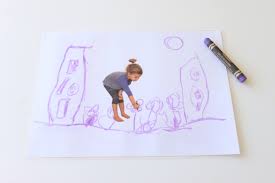
30 Fun Activities Inspired by Harold and the Purple Crayon

Harold and the Purple Crayon is a beloved children’s book that has inspired generations of young readers to explore their creativity and push the boundaries of imagination. In this article, we’ll take a look at 30 fun activities that you can enjoy with your little ones, all inspired by the book.

1. Create your own purple crayon and draw imaginative scenes.

2. Build a fort out of pillows, blankets, and an entire living room.

3. Design a maze with chalk on your sidewalk or driveway.

4. Act out a skit or mini-play about Harold’s adventures.

5. Write your own story with a twist on the original.

6. Visit an art museum or gallery to explore different types of artwork.

7. Create a Harold-themed scavenger hunt around your house.

8. Invent new ways to use household items for creative playtime.

9. Have a purple-themed picnic (foods, drinks, decorations, etc.)

10. Host a Harold and the Purple Crayon costume party for friends.

11. Make t-shirts using fabric paint and stencils of famous scenes from the book.

12. Watch clouds together and create stories about their shapes.

13. Draw pictures in the sand at the beach or in a sandbox at home.

14. Attend an art workshop to learn drawing techniques together.

15. Plant purple flowers as part of your garden landscape or in window boxes.

16. Record an audiobook version of Harold and the Purple Crayon with your own voices and sound effects.

17. Visit a local theater to watch a children’s play or performance together.

18. Create shadow puppets on the walls inspired by Harold’s adventures

19. Craft your own flipbook with drawings of your favorite moments from the story

20. Enjoy reading other books by Crockett Johnson as an ongoing activity

21. Write letters to Harold and his creator, inviting them on an adventure with you

22. Use your purple crayon to create a comic book version of the story

23. Introduce your child to other classic children’s books and explore creative activities inspired by them

24. Help your child design a Harold-themed board game with illustrated scenes and characters

25. Make a Harold and the Purple Crayon photo album with pictures of favorite adventures from the book

26. Build a life-sized 3D version of one of Harold’s drawings with cardboard boxes and other materials

27. Send Harold on new adventures by drawing background scenes on colored construction paper for him to “explore”

28. Celebrate “Harold Day” at school or in your community, featuring purple outfits and decorations, and various activities inspired by the book.

29. Make homemade crayons in various shades of purple, using beeswax and pigment.

30. Create a reading nook filled with pillows, blankets, fairy lights, and an assortment of books that inspire creativity.

Incorporating these fun activities inspired by Harold and the Purple Crayon is not only entertaining but also helps spark curiosity and foster creativity in young minds. So, whenever you’re up for an adventure or simply need to fill in a dull afternoon, remember these 30 exciting activities!

20 Marvellous Monkey Crafts and Activities for Kids

Introduction:

Monkey crafts and activities are a fun, creative way to engage children in learning about our primate friends. From making monkey masks to baking banana bread, these 20 marvellous monkey crafts and activities will keep your little ones entertained while sparking their curiosity about the fascinating world of monkeys.

1. Monkey Finger Puppets: Create adorable monkey finger puppets using felt, glue, and googly eyes. These cute little puppets can help improve your child’s fine motor skills while encouraging imaginative play.

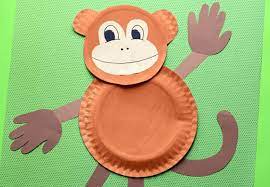
2. Paper Plate Monkeys: Utilize simple materials like paper plates, paint, and construction paper to make cute monkey faces. Let your child decorate their monkey with fun facial expressions.

3. Sock Monkey Craft: Transform old socks into charming sock monkeys with just some basic sewing skills and a few embellishments.

4. DIY Monkey Mask: Using a paper plate or stiff cardstock, create a wearable monkey mask for your child to play with. Add string or elastic to keep the mask in place.

5. Banana Slime Recipe: Combine yellow slime with brown specks to create an engaging sensory activity that looks like delicious bananas.

6. Monkey Bookmark Craft: Encourage reading by crafting adorable monkey bookmarks from popsicle sticks and fuzzy pom-poms.

7. Jungle-Themed Sensory Bin: Create a sensory bin filled with jungle items such as toy monkeys, banana-scented playdough, and fake leaves for hours of imaginative play.

8. Handprint Monkeys: Have kids dip their hands in brown paint and print them onto paper to create unique handprint monkeys.

9. Tree Climbing Activity: Set up a tree-like structure using cardboard tubes or pool noodles so that children can practice their climbing skills as they pretend to be monkeys navigating through the forest canopy.

10. Five Little Monkeys Jumping on the Bed Game: Teach your child this popular rhyme and have them act out the actions with small monkey figurines.

11. Banana Bread Baking: Let your little chef help you bake a delicious loaf of banana bread to share together while discussing the monkey’s favorite treat.

12. Monkey Coloring Pages: Print out various species of monkeys for your child to color, fostering an appreciation for these fascinating creatures.

13. Rainforest Diorama: Encourage creativity and learning by helping your child build a diorama of a rainforest habitat, complete with monkeys and other wildlife.

14. Make Your Own Jungle Habitat: Using craft supplies such as paper, paint, and pipe cleaners, children can design their own jungle environment filled with monkeys swinging from trees.

15. Paper Bag Monkey Puppet: Easily turn a brown paper bag into an adorable monkey puppet with construction paper, markers, and glue.

16. Monkey Tail Obstacle Course: Tie scarves around your child’s waist to create “monkey tails” and set up obstacles for them to navigate through in a fun physical activity.

17. Feed the Monkey Game: Cut a monkey face out of cardboard with a large mouth opening and have children toss bean bags or soft balls into the mouth for a fun coordination activity.

18. Barrel of Monkeys Craft: Create monkeys out of pipe cleaners and have them link arms to form a chain in this classic game reimagined as a craft activity.

19. Monkey Balloon Animals: Learn how to twist and shape balloons into different monkey figures for an entertaining party trick or creative activity with your children.

20. Ape-inspired Yoga Poses: Incorporate ape-inspired yoga poses like “monkey pose” or “gorilla pose” into your child’s exercise routine for an amusing way to promote mindfulness and fitness.