Art Education

6 Animation Activities Fun For Kids

Introduction:

Animation is a magical world that fascinates children and adults alike. Introducing animation activities to kids not only keeps them engaged creatively but also fosters cognitive, emotional, and motor development. Here are six fun animation activities that will intrigue the young minds and allow them to explore their creative abilities.

1.Stop Motion Animation:

Stop motion animation offers an excellent opportunity for kids to create animated stories using tangible objects like toys, clay figures, or even found items from nature. Using a simple smartphone or tablet with a stop motion app, children can capture each change in movement or position of the objects, resulting in a fluid animated video.

2.Animated Flipbook:

A classic way to create simple hand-drawn animations, flipbooks require minimal materials – paper and drawing tools – making them perfect for kids aged six and above. Children can draw characters or scenes on the pages of a notebook and create movements by making slight alterations to each drawing on every page. Flipping through the pages will bring their creations to life!

3.Computer-Based Animation:

With the plethora of kid-friendly animation software available today, children can now experiment with computer-based animations conveniently. Programs like Scratch or Tynker offer simple interfaces, allowing kids to create animations with ease and endless possibilities.

4.Shadow Puppet Animation:

This form of animation involves creating characters or shapes out of paper, cardstock, or other materials and attaching them to sticks. The children can then hold the stick puppets in front of a light source against a wall or sheet backdrop while moving them around to bring the story to life through shadows.

5.Zoetrope Animation:

This hands-on activity allows children to create animation sequences by designing simple figures on strips of paper that they then place inside a zoetrope—a cylindrical device with slits around the circumference that rotates at high speed while peering through those slits, giving an illusion of animation.

6.Plastercine Animation (Claymation):

Allowing kids to sculpt their characters with colorful clay or plastercine, claymation gives them the freedom to ignite their imagination and create exciting narratives. Children will enjoy molding their figures and can use stop motion techniques to film the animation sequences.

Conclusion:

Exploring these six interactive animation activities can inspire creativity, develop storytelling skills, and sharpen your child’s attention to detail. Nurturing their interest in animation at a young age may lay the foundation for a lifelong passion or even a successful career in this captivating industry. So grab some materials, let their imaginations run wild, and watch their animations come to life!


I Love Photography! | Teaching Expertise

Introduction:

Photography is more than just capturing images; it is an art form that allows us to immortalize the world around us. It might start as a hobby, but before you know it, that love for photography can easily turn into a passion. Teaching expertise in this field can help others capture their memories and create inspiring visuals. In this article, we will discuss how loving photography can translate into valuable teaching expertise.

1. Developing Expertise Through a Passion for Photography:

When you love something, it drives you to learn more about it and master its nuances. By consistently practicing and experimenting with different techniques, your expertise grows. Additionally, keeping up-to-date with new technology and trends in the photography world allows you to sharpen your skills and maintain your relevance in the industry.

2. Turning Your Expertise into Teaching Opportunities:

Passing on your passion for photography to others can be rewarding in itself. As you gain expertise in the art, there are several ways you can start teaching, including conducting workshops, online classes, or even one-on-one training sessions. This way, you get to share your enthusiasm with budding photographers while honing your own skills.

3. Effective Communication Skills:

Being an expert at photography doesn’t automatically qualify someone as a great teacher. It requires good communication skills to help convey complex concepts and techniques effectively. Additionally, empathy and patience go a long way in ensuring that your students grasp the concepts well.

4. Encouraging Creativity:

One of the essential traits of a great photography teacher is the ability to inspire creativity in their students. This involves giving them the freedom to explore their styles while providing guidance based on your expertise. Every student has different abilities and perspectives; fostering this individuality will encourage them to grow as photographers.

5. Adapting Teaching Methods:

As with any field of study, teaching methods need to evolve with time. It is vital to be open to new instructional techniques and adapt to the ever-changing landscape of photography trends and technology. Being versatile as a teacher will ensure that your students receive the most current and valuable information.

6. Building a Network:

Teaching photography not only allows you to share your love for the medium but also helps create connections with fellow photographers, both experienced and beginners. This opens up opportunities for collaboration, learning, and growth on a personal and professional level.

Conclusion:

Photography is a captivating art form that can bring immense joy to both photographers and those on the receiving end of their work. Cultivating your passion into expertise in this field offers innumerable benefits, including the opportunity to teach others. By nurturing this love for photography and sharing it through teaching endeavors, you help not only yourself but also contribute to creating a community of inspired visual artists.

20 Unique Square Activities & Crafts For Various Ages

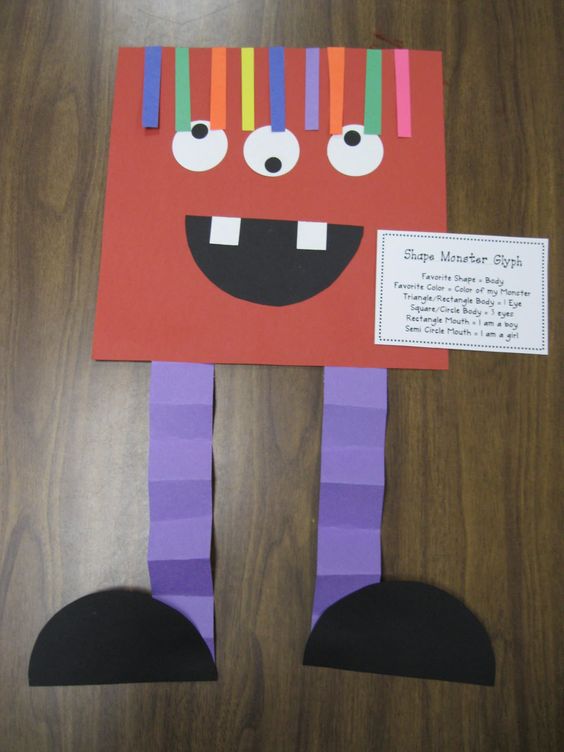
1. Square Collage – Collect colorful magazine pages or scrap paper and guide children in cutting out squares of different sizes to create a vibrant square collage.

2. Square Finger Painting – Set up an area where kids can finger paint squares using various colors onto large sheets of paper.

3. Square Mosaics – Provide children with small square tiles, and let them design mosaic patterns on a piece of cardboard or wood.

4. Popsicle Stick Squares – Have kids glue popsicle sticks together in a square shape and then decorate them with paint, stickers, or beads.

5. Quilted Squares – Teach children to sew simple squares together to form a small quilt or wall hanging.

6. Geometric Coloring Pages – Print out coloring pages featuring square-based designs or patterns and let children color the shapes using different techniques such as shading, gradients, or patterns.

7. Clay Square Sculptures – Supply kids with modeling clay and encourage them to create 3D square sculptures.

8. Square Stained Glass Sun Catchers – Help children create faux stained glass sun catchers by cutting tissue paper squares and arranging them between layers of contact paper.

9. Origami Cubes – Teach older children how to fold paper squares into 3D cubes using origami techniques.

10. Puzzle-Piece Squares – Gather various puzzle pieces and guide kids in gluing them onto a square-shaped cardstock frame for a unique picture frame craft.

11. Yarn-Wrapped Squares – Cut out cardboard squares and have kids wrap yarn around the shape for a textured craft project.

12. Etch-A-Square Drawings – Use an Etch A Sketch or similar drawing toy to challenge children to create optical illusions using only straight lines forming squares.

13. Family Square Portraits – Paint family members’ faces using face paint on individual canvas squares, creating a unique family gallery.

14. Square Stamping – Offer square-shaped stamps and non-toxic paint for children to create repeating patterns on paper.

15. Magnetic Tangram Puzzles – Arrange magnet-backed tangram shapes on a magnetic board, challenging kids at various ages to form squares and other geometric shapes.

16. Square Wreaths – Make seasonal square wreaths by wrapping fabric scraps or yarn around a square-shaped craft ring.

17. Pixel Art Drawings – Guide children in creating 8-bit style pixel art drawings using graph paper, colored pencils, and square-based designs.

18. Perler Bead Designs – Set up a station for kids to create square-based patterns using Perler beads and iron them into a single mosaic piece.

19. Tower of Squares Building Challenge – Encourage older children to build the tallest tower possible using only square-shaped materials such as cardstock or wooden blocks.

20. Giant Square Hopscotch – Provide chalk or masking tape to create large squares outdoors for kids to play hopscotch with new challenges, such as skipping multiple squares at once.

18 Fantastic Family Tree Activities

Introduction

Discovering your family history can be a fun and exciting activity that brings the entire family together. By delving into your family’s past, you create lasting memories and connections to your ancestors. We’ve gathered 18 fantastic family tree activities that you can do with your loved ones to explore the branches of your family lineage.

1. Gather Old Photos

Collect photos of your ancestors and relatives. Arrange them by generation and encourage other family members to share their own collection of photos.

2. Interview Relatives

Talk to older relatives and listen to stories about their lives and their memories of other family members.

3. Trace Your Family Roots Online

Utilize ancestry websites like Ancestry.com, MyHeritage, or FamilySearch to conduct research about your ancestors.

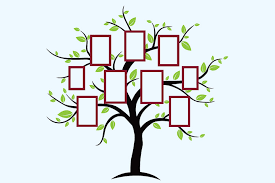
4. Create a Family Tree Display

Design a visual representation of your family tree using poster board or a creative software program.

5. Attend a Family Reunion

Organize or attend a family reunion to connect with relatives and exchange stories about common ancestors.

6. Write Family Stories

Collaborate as a family to write personal stories about past generations, memorable events, and cherished memories that create your unique family narrative.

7. Create Ancestral Timelines

Construct timelines for notable figures in your lineage, including dates of birth, significant accomplishments, and historical events that took place during their life.

8. Decorate a Memory Box

Assemble a memory box for an ancestor by filling it with photographs, keepsakes, ancestral heirlooms, and other memorabilia that reflects their life story.

9. Visit Your Family’s Homeland

Plan a trip to the country or region where your ancestors originated to deepen your connection to them by visiting their birthplace and walking in their footsteps.

10. Establish Family Traditions

Create new family traditions inspired by customs practiced in generations past or by the cultural heritage of your ancestors.

11. Preserve Family Recipes

Compile a collection of family recipes handed down through generations, highlighting the ethnic or regional flavrs that make these dishes unique.

12. Make a Family Crest

Design a family crest that symbolizes your family’s values, beliefs, and experiences.

13. Visit Cemeteries and Ancestral Homes

Take trips to cemeteries to pay respects to your ancestors, and if possible, visit ancestral homes.

14. Create a Documentary

Film interviews with family members and compile historical documents and photographs to produce a family documentary sharing your lineage’s journey.

15. Map Your Family’s Migration

Plot the migration of your ancestors on a map, marking significant events and residences along the way.

16. Participate in DNA Testing

Take a DNA test like AncestryDNA or 23andMe to uncover unknown relatives or ancestral origins.

17. Become a Family Historian

Assume the role of the family historian by documenting discoveries, maintaining records, and sharing your research findings with future generations.

18. Connect with Distant Relatives Online

Join online forums and social media groups dedicated to genealogy to share findings and connect with distant relatives who share your family history.

Conclusion

As you embark on these 18 fantastic family tree activities, you’ll foster meaningful connections among your family members while preserving your ancestors’ stories for future generations. Have fun exploring your roots together!

17 Cool Camel Crafts and Activities for Creative Fun

Camels are one of the most fascinating creatures on the planet, known for their ability to withstand harsh desert conditions and travel long distances. Their unique and charming appearance makes them a popular subject for arts and crafts. This article will explore 17 cool and exciting camel crafts and activities that both kids and adults can enjoy.

1. Camel Paper Plate Craft: Use a paper plate as a foundation to create an adorable camel face with construction paper, googly eyes, and pipe cleaners for legs.

2. Camel Handprint Art: Trace your handprint onto brown construction paper, cut it out, and transform it into a cute little camel by adding a face, legs, tail, and hump.

3. Clay Camels: Mold air-dry clay into the shape of camels, paint them when dry, and display them as artistic figurines.

4. Camel Finger Puppets: Craft camel finger puppets with felt, googly eyes, and fabric glue.

5. Origami Camel: Learn how to fold an origami camel using step-by-step instructions.

6. Camouflage Camels: Create camouflaged camels by cutting out shapes from different desert-toned paper scraps and gluing them together.

7. Camel Silhouette Art: Use black construction paper to create camel silhouettes against sunset-colored backgrounds.

8. Pop-Up Camel Card: Make a pop-up camel card to surprise friends or family members on special occasions such as birthdays or holidays!

9. Clothespin Camels: Attach pipe cleaner legs to clothespins and use them as an adorable way to close snack bags or hang artwork.

10. Stuffed Camel Toy: Sew your own plush camel toy using soft fabric, stuffing material, buttons, and thread.

11. Camel Sand Art: Fill glass containers with colored sand in layers to create beautiful desert landscapes featuring camels.

12. Hump Day Camel Bookmark: Fold cardstock into a fun bookmark featuring a camel and the words “Happy Hump Day!”

13. Desert Diorama: Create a desert diorama complete with camels made from air-dry clay, sand, stones, and twigs.

14. Camel Collage: Use various textures of paper to create a collage of camels that showcases their different characteristics.

15. Camel Painting: Channel your inner artist and paint a camel on canvas using acrylics, watercolors, or oil paints.

16. Camel Mask: Create and decorate a camel mask for playing dress-up games, storytelling, or putting on a play.

17. Camel-Themed Board Game: Design your own camel-themed board game with dice, cards, and miniature camel figures as game pieces.

In conclusion, there are numerous camel crafts and activities to enjoy for individuals of all ages. From painting to sewing and everything in between, these imaginative projects provide opportunities for learning, creativity, and fun-filled afternoons. Happy crafting!

13 Fun and Hands-On Castle Activities

Introduction:

Castles have always held a special place in our imagination. From fairy tales to historical events, these magnificent structures illustrate the beauty and grandeur of human design. In this article, we will dive into 13 fun and hands-on castle activities that you can enjoy together with friends or family. These activities are perfect for enthusiasts of history, architecture, or even just those looking for a creative way to spend time.

1.Build a Sandcastle

Channel your inner architect and head to the beach to construct your own sandcastle masterpiece! This classic activity is enjoyable for children and adults alike.

2.Cardboard Castle Crafting

Using cardboard boxes and other household materials, build an intricate castle model. You can even add decorations, such as banners and flags, for added realism.

3.Lego Castle Construction

If you have a collection of Lego bricks, try creating an elaborate castle complete with towers, gates, and a courtyard.

4.Visit a Local Castle

If you’re fortunate enough to live near a historical castle or fortification, take advantage of the opportunity by planning a visit to explore and learn about its history.

5.Organize a Medieval Feast

Experience medieval cuisine by organizing a themed feast for family or friends. Cook traditional dishes from the medieval era while dressing in period-appropriate attire.

6.Create Castle-Inspired Artwork

Compose detailed sketches or paintings of various castles around the world—either ones you’ve visited or ones you find in pictures.

7.Enjoy a Game of Chess

Chess not only engages your mind but also represents medieval warfare strategy with pieces representing knights, rooks (castles), bishops, kings, queens, and pawns.

8.Watch Movies Set in Castles

Have a movie marathon featuring films set in or around castles—for instance, The Princess Bride, Monty Python and the Holy Grail, or Ever After.

9.Host a Medieval Costume Party

Invite friends and family to a castle-themed costume party where everyone dresses as royalty, knights, or other characters from the medieval times.

10.Read Castle-Themed Books

Curl up with a book from the extensive collection of literature that includes castles, such as Ken Follett’s Pillars of the Earth or novels by Philippa Gregory.

11.Construct your Family Coat of Arms

Design and create your own family coat of arms inspired by the heraldry that was often found in castles.

12.Write a Castle Short Story

Develop your creative writing skills by composing a short story set in or around a castle.

13.Participate in Castle Board Games

Host a game night and play popular castle-themed board games, such as Carcassonne or Castles of Mad King Ludwig.

Conclusion:

Castles continue to captivate us with their rich history and architectural beauty. With these 13 fun and hands-on castle activities, you can immerse yourself in this fascinating world while engaging in creative pursuits. Whether you’re building an impressive sandcastle, exploring authentic historical sites, or delving into imaginative tales, there’s an activity for everyone to enjoy!

12 Fabulous Feather Activities for Fun and Learning

Introduction:

Feathers have always been a source of fascination and creativity for people of all ages. There’s something captivating about their delicate structure and the variety of colors and patterns they offer. In this article, we will explore 12 fabulous feather activities that are not only fun but also educational, promoting cognitive, motor, and sensory development.

1. Feather Painting:

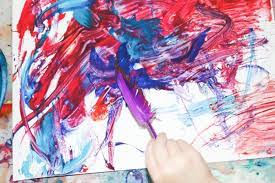
Encourage the creativity within your children by using feathers as unconventional brushes to paint masterpieces. This activity helps develop fine motor skills and enhances imagination.

2. Feather Sorting:

Collect different types of feathers from your surroundings or purchase a variety pack. Have your child sort them by color, size, or type, promoting cognitive development and problem-solving skills.

3. Feather Sensory Bin:

Create a sensory bin filled with feathers of various textures, sizes, and colors. Add additional elements such as tongs and containers to further engage motor skills. Sensory bins foster sensory exploration, which is essential for early development.

4. Feather Weaving:

Use construction paper or cardboard to create simple looms that can be used to weave feathers into unique patterns. This hands-on activity supports concentration and fine motor coordination.

5. Feather Races:

Have a fun race across the room using only the power of breath! Place feathers on a table or the floor and challenge participants to blow them to the finish line—a great way to improve breath control and body awareness!

6. DIY Feather Masks:

Get crafty by decorating homemade masks with vibrant feathers! These make great costumes for dress-up play or special occasions such as birthday parties.

7. Bird Watching Journal:

Take advantage of learning opportunities outdoors by going bird watching with your child. Help them create a journal where they can document their observations and draw pictures or stick collected feathers.

8. Feather Writing:

Practice forming letters with colored feathers dipped in glue on construction paper instead of pencil and paper. This creative activity introduces a hands-on approach to writing while developing hand-eye coordination.

9. Feather Collage:

Create unique, frame-worthy collages by gluing feathers onto paper or canvas. This developmental activity lets kids express their creativity while improving spatial awareness.

10. Feather Toss:

Create a simple tossing game with feathers, rice-filled containers as weights, and targets such as hula hoops. Players can practice aiming skills, hand-eye coordination, and counting while enjoying this competitive activity.

11. Ink Quill Writing:

Take inspiration from the past by using a feather quill – you can either buy one or make your own by attaching a nib to a feather – and dipping it in ink for an engaging writing activity that develops fine motor skills.

12. Feather Science:

Study the scientific aspects of feathers, such as how they keep birds warm, how they help birds fly, and what patterns can tell us about different species. You can even conduct simple experiments like building DIY parachutes made of feathers and different materials to explore aerodynamics!

Conclusion:

Feathers offer endless opportunities for creative learning and play. These 12 fabulous feather activities will not only provide hours of fun but also foster essential developmental skills that can enhance your child’s mind and motor capabilities!

The Impact of Partnership on CPD

Introduction

Continuing Professional Development (CPD) plays a crucial role in the growth and success of professionals across various industries. It encourages individuals to continually enhance their skills, knowledge, and expertise. Partnerships between organizations, stakeholders, and professionals can significantly impact the effectiveness of CPD programs. This article delves into the various ways partnerships can positively influence CPD initiatives.

Strengthening Professional Networks

One of the primary benefits of partnerships is the fostering of robust professional networks. These connections enable individuals to learn from one another’s experiences and insights, leading to a more comprehensive understanding of their respective industries. By collaborating with various stakeholders, professionals can expand their network and identify additional learning opportunities that they may not have discovered otherwise. Consequently, this enhances the overall quality of CPD programs.

Resource Sharing and Collaboration

Partnerships lead to resource sharing and collaboration, both of which are crucial components of effective CPD programs. Organizations and professionals engaging in partnerships may pool resources such as educational materials, tools, facilities, or even trainers. This shared approach allows for better access to high-quality resources and reduces potential financial constraints.

Besides sharing resources, collaborative efforts within a partnership can stimulate creativity and innovation in CPD programs. Pooling collective expertise often leads to the development of new methods or approaches that cater to specific professional needs.

Cross-skilling Opportunities

Forming partnerships provides professionals with unique opportunities to learn skills beyond their immediate field of expertise. This cross-skilling not only serves as a valuable addition to an individual’s skillset but also contributes towards building multi-disciplinary teams that can effectively tackle complex challenges in the future.

Increased Accountability and Evaluation Possibilities

Partnerships can help improve accountability in CPD programs by providing opportunities for regular evaluation and feedback from multiple sources. The collaborative nature of partnerships enables organizations involved in CPD initiatives to gather valuable insights from diverse perspectives resulting in improved program efficacy. This continuous evaluation and feedback process also helps to keep CPD initiatives relevant and in tune with real-life industry needs.

Conclusion

The impact of partnerships on Continuing Professional Development is manifold, resulting in strengthened professional networks, resource sharing and collaboration, cross-skilling opportunities, and increased accountability. Therefore, forging partnerships in the realm of CPD is essential for the continuous growth and development of professionals. Embracing this collaborative approach will ensure that CPD programs thrive and equip individuals with the knowledge and skills needed to excel in their respective industries.

10 Design Thinking Activities for Kids

Introduction

Design thinking is a problem-solving approach that fosters creativity, collaboration, and empathy in children. By participating in design thinking activities, kids can hone their critical thinking skills, find innovative solutions to challenges, and become more adaptable in unfamiliar situations. Here are ten design thinking activities for kids that are both fun and educational:

1. Empathy Mapping

Empathy mapping is an activity that encourages children to put themselves in someone else’s shoes by identifying their needs, wants and emotions. Give each child a persona or a character they need to empathize with and have them draw out a map of the character’s thoughts, feelings, and actions to better understand their perspective.

2. Mind Mapping

Mind mapping enhances creative brainstorming by encouraging children to explore multiple ideas and connections visually. Provide a central topic or question and have kids create branches reflecting related concepts and thoughts. They can use colors, symbols, or images to make the process more engaging.

3. Storyboarding

Storyboarding allows kids to plan out an idea or solution through visual storytelling. Provide them with a scenario or challenge they need to solve and have them sketch out the story involving their solution in various panels, showcasing the different stages of the problem-solving process.

4. Build a Prototype

Kids love making things with their hands! Encourage them to create physical representations of their ideas using various materials such as clay, Legos, or cardboard. This activity allows kids to test and refine their solutions iteratively.

5. The Six Thinking Hats

This activity teaches children how to approach problems from different angles by role-playing as thinkers wearing six unique hats – white (facts), red (emotions), black (judgment), yellow (optimism), green (creativity), and blue (process control). Present them with a challenge and have them address it while “wearing” each hat in turns.

6. Ideation Dice

Create a set of dice with words, objects, or pictures representing various elements. Have kids roll the dice to combine the random elements into a new and innovative idea or solution.

7. The Invention Game

Ask kids to think of an everyday object and imagine how it could be transformed or enhanced. Encourage them to sketch their ideas and share their inventions with others to receive feedback.

8. Brainwriting

Brainwriting is a quiet alternative to brainstorming where kids write their ideas on index cards, pass them on to others in the group, and build or refine upon the existing ideas by adding more cards. This process continues until everyone has contributed to all the ideas presented.

9. SCAMPER Technique

Teach children the SCAMPER acronym (Substitute, Combine, Adapt, Modify, Put to Another Use, Eliminate, Reverse) and have them apply these strategies to explore various ways of improving an existing product or developing new ones.

10. The Five Whys

Encourage children to dig deeper into the problems they encounter by asking “Why?” five times in response to every answer they give. This activity helps kids analyze issues at a deeper level and identify the root cause of the challenges they face.

Conclusion

By engaging kids in these design thinking activities, we can help nurture their creativity, problem-solving skills, and adaptability. Parents and educators can incorporate these exercises into learning environments or even daily playtime, allowing children to build confidence and become better prepared for future challenges.

10 Ways To Craft A Thankful Turkey

Introduction:

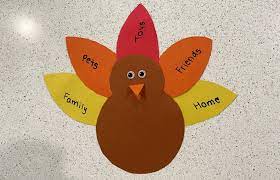
Thanksgiving is a time for family, friends, and reflecting on the things we’re grateful for. One fun way to get your family involved in the spirit of the season is to create a “thankful turkey.” These engaging, hands-on crafts are an excellent way to teach children about gratitude while creating something beautiful during the holidays. Here are ten unique ways to craft your very own thankful turkey.

1. Handprint Thankful Turkey:

This classic craft uses children’s handprints to create the turkey’s feathers. Trace their handprints onto colored construction paper, cut them out, and then have the kids write what they’re thankful for on each of the fingers. Attach the handprints as feathers to a cutout turkey body and proudly display your creation.

2. Clothespin Thankful Turkey:

Bring your thankful turkey to life using clothespins! Paint or decorate wooden clothespins as feathers and attach a small folded note or label with something you’re grateful for written on it. Attach them to a pinecone or foam ball body for an adorable addition to your holiday decor.

3. Gratitude Jar Turkey:

Create a 3D thankful turkey by transforming an empty glass jar, vase, or container into its body. Craft feather shapes from construction paper and add notes of gratitude inside each one before sticking them into the jar.

4. Burlap Thankful Turkey:

For a more rustic approach, use burlap fabric and twine instead of paper for the feathers and body. Have each family member write what they’re thankful for on small pieces of cardstock before attaching it to a burlap feather.

5. Paper Plate Thankful Turkey:

Reinvent your everyday paper plates into a unique Thanksgiving centerpiece by cutting slots along with the plate rim and inserting pre-made or handmade gratitude feathers with messages from each family member.

6. Nature-Friendly Thankful Turkey:

Utilize natural elements you have in your backyard, like leaves or twigs, to build a more sustainable and environmentally-friendly thankful turkey. Have each family member write a note of gratitude on a leaf with a permanent marker as a creative feather alternative.

7. Thankful Turkey Garland:

String together multiple thankful turkey cutouts onto a ribbon or yarn to create a garland. Each segment will feature another family member’s handprint feathers and appreciation notes for easy hanging and display.

8. Cupcake Liner Thankful Turkey:

Transform ordinary cupcake liners into colorful turkey feathers by folding them in half twice and writing messages of gratitude along the ridges. Attach these to a cutout turkey body and prop up or hang your festive creation.

9. Stuffed Thankful Turkeys:

Create small stuffed sewn felt turkeys, complete with gratitude messages attached to their tail feathers. Scatter these cute tokens throughout your home to bring joy and reminders of appreciation all November long.

10. Chalkboard Thankful Turkey:

Construct your thankful turkey using chalkboard-painted cardboard cutouts for the body and feathers. This allows everyone in the family to write, update, and share new gratitude notes as often as they’d like!

Conclusion:

Incorporating any of these creative thankful turkeys into your Thanksgiving celebration is an excellent way to engage your loved ones while fostering an atmosphere of gratitude. Crafting these distinctive creations can become cherished annual traditions that enhance the holiday experience and help everyon