Art Education

20 Halloween Coloring Extravaganza: Unleash Creativity With Seasonal Fun

Introduction:

Get ready to embrace the spooky season with our collection of 20 Halloween Coloring Extravaganza! Unleash your creativity and share the joy of this festive season with family and friends by transforming plain coloring pages into lively and colorful masterpieces. This Halloween, set the stage for thrills and chills with delightfully eerie drawings that will inspire both young and old minds alike.

1. Witches and Broomsticks:

Let your imagination run wild as you decorate witches in haunted attires preparing to take flight on their enchanted broomsticks.

2. Ghostly Ghouls:

Explore a spine-chilling realm of ghosts, ghouls, and other supernatural creatures as they mingle in the twilight abyss.

3. Monsters and Mayhem:

Unearth the strange world of classic monsters such as werewolves, vampires, and zombies, while exploring their gothic surroundings.

4. Haunted Houses:

Venture into the mysterious depths of haunted houses filled with creaking floorboards, ghostly apparitions, and hidden secrets.

5. Pumpkin Carving Party:

Celebrate Jack-o’-lantern creativity by decorating pumpkin carving scenes featuring silly faces, ominous smiles, and intricate designs.

6. Trick-or-Treat Adventures:

Revel in Halloween’s most cherished tradition – trick-or-treating – capturing children dressed in a variety of costumes as they visit door-to-door for sweet treats.

7. Spooky Forests:

Enter the world of mystical and eerie woods filled with twisted trees, hidden shadows, and unexpected surprises lurking behind every corner.

8. Magical Potions:

Conjure up enchanting potions brewed by wizards and witches in their secret lairs filled with bubbling cauldrons, ancient spellbooks, and magical ingredients.

9. Creepy Crawlies:

Discover creepy crawlies such as spiders, bats, and insects scuttling about in dark and mysterious corners, weaving webs of intrigue.

10. Mystical Creatures:

Bring legendary creatures like unicorns, dragons, and fairies to life as they dance amongst otherworldly landscapes under moonlit skies.

11. Halloween Cats:

Celebrate the enduring fascination of black cats as they prowl through misty graveyards, wide-eyed and poised with curiosity.

12. Eerie Scarecrows:

Transform lifeless scarecrows into menacing guardians of desolate fields and abandoned farmhouses after dusk.

13. Frightening Phantoms:

Unveil the world of frightening phantoms as they drift through haunted halls wielding chains and theatrical masks concealing their true identities.

14. Candy Land:

Revel in the magic of sweet Halloween treats, overflowing candy dishes, and fantastical confections that would make any sugar fanatic swoon with delight.

15. Costumed Creatures:

Capture animals dressed for the occasion as they join in on the spooky fun posing in elaborate Halloween costumes inspired by famous characters.

16. Moonstruck Nights:

Set your creative sights on moonlit nights filled with bewitching silhouettes and striking constellations amongst a canopy of sparkling stars.

17. Gory Graveyards:

Embark on a frightful journey through eerie graveyards populated by forgotten souls, broken tombstones, and decaying crypts.

18. Enchanted Spellbooks:

Unlock mystical knowledge hidden within the pages of ancient spellbooks adorned with magical symbols and arcane artwork.

19. Spooky Portraits:

Create your own supernatural gallery with chilling portraits of sinister characters hiding dark and twisted secrets beneath their aristocratic facades.

20. Masquerade Ball:

Witness a darkly elegant masquerade ball where timeless creatures dance beneath mysterious guises showcasing elaborately.

20 Fun Chalkboard Games for Kids

Introduction:

Chalkboard games are a fantastic way to engage kids in learning and creativity. With a simple chalkboard or chalk paint on a wall or pavement, the possibilities for fun and educational activities are endless. In this article, we’ll explore 20 fun chalkboard games that both entertain and teach valuable skills to children.

1. Chalkboard Pictionary:

Kids can practice their drawing skills by playing Pictionary on the chalkboard. One child would draw an item while others guess what it is, promoting teamwork and communication.

2. Tic-Tac-Toe:

Classic Tic-Tac-Toe can be played on a small portion of the chalkboard to help children practice strategic thinking.

3. Hopscotch:

Draw a hopscotch grid with numbers on the chalkboard, teaching kids about counting and coordination as they hop through the game.

4. Hangman:

This engaging word game helps children improve their vocabulary and spelling skills.

5. Large-Scale Maze:

Draw an elaborate maze on the entire surface of the chalkboard for kids to solve, either on foot or using chalk to trace their paths.

6. Word Search:

Create large word search puzzles related to different subjects or themes, improving your child’s vocabulary and focus.

7. Math Challenges:

Write age-appropriate math problems for kids to solve, teaching them problem-solving and arithmetic skills.

8. Connect the Dots:

Draw dot-to-dot pictures that encourage children to focus closely as they complete the image.

9. Alphabet Chalk Toss:

Write alphabets randomly on the board and have kids toss bean bags at letters called out – improving their alphabet recognition skills.

10. Chalk Bullseye:

Draw concentric circles with point values assigned in each section for children to work on their hand-eye-coordination as they aim bean bags or balls to score points.

11. Spelling Race:

Two or more kids race to write a given word correctly on the board, helping them improve their spelling skills.

12. Simon Says – Drawing Edition:

Players take turns being “Simon,” giving directives for others to draw, encouraging creativity and interpretation in their artwork.

13. Learning About Shapes:

Draw different shapes, teaching kids about geometry and spatial awareness as they identify each one.

14. Guess the Number:

One child thinks of a number within a given range, while others ask yes or no questions to guess the correct number – teaching logical thinking.

15. Chalk Art Gallery:

Allow children to unleash their creativity by drawing anything they want on their designated space of the chalkboard.

16. Add-on Story:

Kids take turns writing a sentence that adds onto an ongoing story, promoting creative story-telling and collaborative effort.

17. Time-Trial Multiplication Tables:

Children race against time to complete multiplication tables on the board, improving their numeracy skills.

18. Country Chalk Race:

Divide the chalkboard into sections labeled with different countries. Kids throw bean bags into the desired country section while learning geography at the same time!

19. Human Sundial:

Have kids stand in one spot and trace each other’s shadows at different times of day, teaching them about the earth’s rotation and time-keeping through the sun’s movement.

20. Walking Patterns:

Encourage children to create various patterns through walking on different sections of a chalk grid, improving cognitive flexibility and spatial awareness as they make intricate pathways.

Conclusion:

These 20 fun chalkboard games offer endless hours of entertainment while also helping children develop essential cognitive and motor skills. So, grab some chalk, find an open space, and let your kids’ creativity soar!

Learn & Play With Pom Poms: 22 Fantastic Activities

Introduction:

Pom poms are not only a fun and colorful crafting staple but also an excellent tool for learning and play. They come in various sizes, shapes, and colors, making them perfect for engaging children in a multitude of activities. This article will explore 22 fantastic activities that incorporate pom poms to enhance and develop creativity, motor skills, and cognitive abilities.

1. Pom Pom Sorting:

Teach kids color recognition and sorting skills by having them sort pom poms into different containers based on color.

2. Fine Motor Skill Practice:

Use tweezers or clothespins to pick up pom poms, strengthening fine motor skills and improving hand-eye coordination.

3. Pom Pom Race:

Create a race track using tape or string where children can blow through straws to move their pom poms to the finish line.

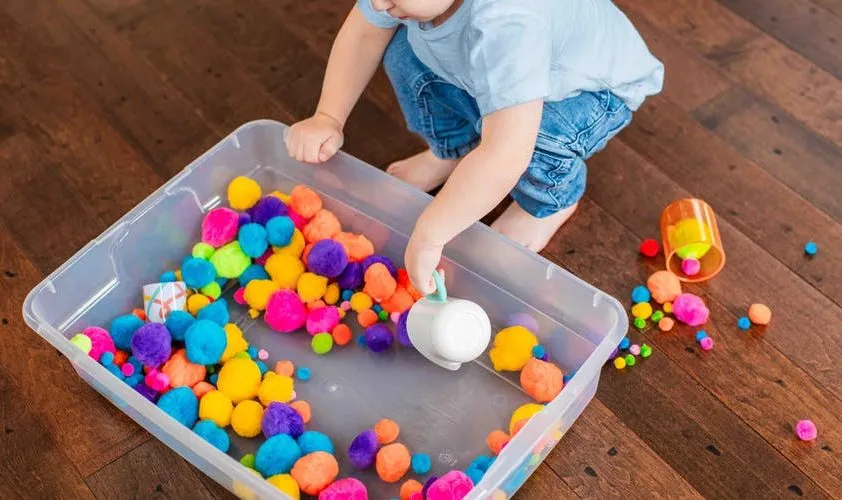
4. Sensory Bin:

Fill a bin with pom poms of different textures, colors, and sizes to encourage sensory exploration.

5. Color Matching Game:

Attach colored paper to clothespins or jars and have kids match the pom poms by clipping or placing them on the corresponding paper.

6. Counting Practice:

Help youngsters develop their counting skills by counting the number of pom poms of each color.

7. Patterns and Sequences:

Create patterns using pom poms; encourage children to continue the sequence or create their own patterns.

8. Letter Formation:

Use pom poms to form letters, allowing kids to practice letter recognition and formation.

9. Addition and Subtraction:

Utilize pom poms as an engaging way for children to learn addition and subtraction using visual aids.

10. Pom Pom Drop:

Set up tubes or funnels taped to a wall where children can drop pomp poms through them, encouraging observation of cause-and-effect relationships.

11. DIY Maze:

Construct a maze from cardboard or other materials, have kids navigate the pom poms through it using a magnetic wand or their breath and a straw.

12. Marble Painting:

Place pom poms, paint, and paper in a box; have children maneuver the pom poms around to create unique art pieces.

13. Imaginative Play:

Incorporate pom poms into imaginative play as pretend food, animals, characters, or other objects.

14. Collage Art:

Provide kids with glue, paper, and a multitude of pom poms to encourage creativity and imagination while creating collages.

15. Tic-Tac-Toe:

Use different colored pom poms instead of the traditional X’s and O’s for a tactile twist of Tic-Tac-Toe.

16. DIY Pom Pom Launcher:

Have your child create their own launcher using materials like cardboard tubes, rubber bands, or plastic cups to shoot pom poms across the room.

17. Pom Pom Targets:

Designate targets on the floor or wall and challenge kids to toss their pomp poms at them, improving aiming skills.

18. Balancing Act:

Place pom poms on a spoon and have children walk without dropping them to improve their balance and coordination.

19. Craft Projects:

Incorporate pom poms into various craft projects such as garlands, wreaths, jewelry, or home décor items.

20. Size Sorting:

Task children with arranging pomp poms by size from smallest to largest or vice versa to help them grasp sizing concepts.

21. Stack ‘em up:

Challenge kids to stack as many pom poms as possible without the tower falling to practice patience and critical thinking skills.

22. Freeze Dance/Pom Pom Toss:

Play a fun game where children dance holding pomp p(x)ms; when the music stops they toss them in the air; this activity encourages listening skills.

23 of My Favorite Activities to Liven Up All Learners

Introduction:

In the world of education, engaging students in meaningful and enjoyable learning experiences is a top priority. To help teachers liven up their classrooms and stimulate the minds of all learners, I’ve compiled a list of my 23 favorite activities. These activities cater to various learning styles and interests, which ultimately lead to increased engagement, understanding, and success.

1. Four Corners:

Assign each corner of the room with a different category or response. Pose a question, and have students move to the corner that aligns with their answer. This activity encourages movement, self-reflection, and peer discussion.

2. Brain Breaks:

Short breaks interwoven throughout the lesson to re-energize the mind and stimulate thinking.

3. Kahoot! or Quizizz:

Interactive online quiz games that can be used for review or assessment.

4. Pair-Share:

Students work together in pairs for short periods before sharing their findings with the class.

5. Think-Pair-Square:

Similar to pair-share but extends further as two pairs come together to discuss ideas more thoroughly.

6. Gallery Walk:

Students walk around the classroom observing displayed works, images, or texts before discussing them with their peers.

7. Stations Activity:

Multiple stations set up around the room, focusing on different skills or subjects for small groups of students to rotate through.

8. Socratic Seminars:

Students participate in an open dialogue on a topic or text by asking thought-provoking questions and critically assessing each other’s responses.

9. Jigsaw Learning:

Divide students into small groups where each group member becomes an ‘expert’ in one portion of a topic before teaching it to their peers.

10. Silent Discussions:

Students communicate using sticky notes or dry erase boards without verbal interaction.

11. Mini Debates:

Encourage critical thinking and persuasive skills by providing short debates on relevant issues or topics.

12. Vocabulary Games:

Enhance subject-related vocabulary using games like Pictionary, Taboo, or crossword puzzles.

13. RAFT Assignments:

Writing tasks where students take on a Role, Audience, Format, and Topic, allowing for creativity and engagement in the learning process.

14. Mind Mapping:

Visual representation of ideas and concepts that facilitates brainstorming and knowledge organization.

15. Peer Teaching:

Students take turns teaching a specific concept to their classmates to reinforce their understanding and improve communication skills.

16. Role Playing:

Simulating real-life scenarios or historical events to develop empathy, problem-solving, and collaborative abilities.

17. Project-Based Learning:

Hands-on approach that engages students in long-term projects centered around real-world issues or challenges.

18. Speed Dating Discussions:

Structured method of promoting rapid-fire conversations between rotating pairs of students to cover various topics in a limited time frame.

19. Philosophical Chairs:

A discussion format where students argue multiple perspectives on an issue and learn to appreciate differing viewpoints.

20. Sketchnoting:

Combining visual design with note-taking to assimilate information more effectively.

21. Experimental Learning:

Involving learners in practical experiments or demonstrations to make complex concepts easier to grasp.

22. Interactive Notebooks:

Personalized learning tool that allows students to organize information, explore content, and reflect on their understanding.

23. Flipped Classroom:

Transforming traditional classroom structure by introducing content at home before working on activities during class time with the teacher’s support.

Conclusion:

The 23 activities listed above showcase the numerous ways teachers can liven up learning experiences for all types of learners. Implementing these strategies can lead to a more engaging, interactive classroom environment for both the educator and the students alike.

11 Cute and Creative Daisy Girl Scout Activity Ideas

Being a Daisy Girl Scout is all about learning new skills, making friends, and having fun! Daisy activities can be both educational and enjoyable for budding young scouts. We’ve compiled a list of 11 cute and creative activity ideas to inspire your next Daisy Girl Scout meeting or adventure.

1. Friendship Bracelets

Teach the girls how to make friendship bracelets using embroidery thread. Encourage them to swap the finished products with their fellow troop members as a symbol of the bonds they’re building in Girl Scouts.

2. Nature Scavenger Hunt

Create a scavenger hunt in your local park or nature area. Include items like pinecones, acorns, leaves, and flowers on the list. This activity is an excellent opportunity for Daisies to explore nature and learn about their environment.

3. DIY Bird Feeders

Help the girls create their own bird feeders using simple materials like pine cones, peanut butter, and birdseed. Hang the finished feeders in trees around your meeting area so they can observe the different species that visit.

4. Storytelling Circle

Gather your troop around the campfire or during an indoor meeting for a storytelling session. Encourage each Daisy to create her own story or retell a favorite one to build communication skills while having fun.

5. Painted Rocks

Arm your girls with some paintbrushes, acrylic paint, and rocks collected during your nature scavenger hunt for a creative art project. They can paint their rocks with hearts, flowers, or even their favorite animals.

6. STEM Experiment: Fizzing Rainbows

Introduce Daisies to the world of science through this colorful experiment that illustrates reactions between baking soda and vinegar. Add food coloring to create vibrant “rainbows” as the reactions take place.

7. Tie-Dye T-Shirts

Combine creativity with practicality by guiding girl scouts through the process of making their own tie-dye T-shirts. They’ll love wearing a handcrafted item showcasing their favorite colors or patterns.

8. Garden in a Glove

Bring some paper lunch bags, garden gloves, and potting soil for this hands-on planting activity. Each girl can plant seeds inside the fingers of their glove, water it, and take it home to watch the seeds sprout over time.

9. Daisy Kindness Rocks

Continuing with the painted rock theme, create “Daisy Kindness Rocks” by painting positive and inspirational messages on your rocks. Hide them around your community for others to find and brighten someone’s day.

10. Recyclable Craft: Egg Carton Caterpillars

Teach your daisies about recycling through this adorable craft project. Have each scout bring an egg carton from home and transform it into a cute caterpillar using paint, pipe cleaners, and googly eyes.

11. Field Trips

Arrange a field trip to a local museum, zoo, or outdoor trail to expand the girls’ knowledge base while helping them bond with one another outside your regular meeting environment.

These 11 wonderful activities will not only make your Daisy Girl Scout meetings more engaging but also provide lifelong memories and skills for your troop members. So get creative and watch those Daisies blossom!

Music as a learning aid

Introduction:

Music, an integral part of human culture and history, has long been considered a source of emotion and entertainment. But did you know that music can also serve as an effective learning aid? Incorporating music into teaching methods can simplify complex material, boost cognitive abilities, and ultimately lead to lasting knowledge retention. This article explores the benefits of integrating music into educational settings to create a more successful learning environment.

Music and Memory Retention:

It is widely recognized that music has a profound effect on memory. For instance, associating certain melodies with specific information can make it easier to remember complex topics. Studies have shown students who listen to or play music while learning are often able to recall the material better than those who don’t engage with music during the learning process. Moreover, mnemonic techniques such as setting facts and figures to rhythmical structures or lyrics help learners retain data more effectively, creating stronger neural connections in the brain.

Boosting Cognitive Abilities:

In addition to enhancing memory retention, incorporating music into the learning process can boost cognitive skills that play a significant role in education. Research suggests that engaging with music improves spatial-temporal skills, responsible for understanding complex mathematical concepts and solving problems. Furthermore, music training can develop creative thinking and expand one’s ability to find innovative solutions to challenges.

Improving Concentration and Focus:

An essential factor in academic success is the ability to concentrate and maintain focus on the subject matter. Research indicates that listening to specific music genres, such as classical or instrumental tracks characterized by low-tempo beats, can increase students’ attention spans by providing a stable and calm atmosphere conducive to studying. Additionally, incorporating background music may prevent distractions and reduce stress levels throughout the learning process.

Strengthening Emotional Intelligence:

Emotional intelligence is a crucial factor in cultivating motivation, resilience, and adaptability at school or work. Music has a unique capacity to evoke various emotions and experiences, and incorporating it into learning methodologies can help learners develop a strong sense of empathy. For example, music-based storytelling techniques can instill an emotional connection with the characters of a historical event, increasing learners’ engagement and interest in the subject.

Conclusion:

In conclusion, music as a learning aid has powerful potential for positively impacting learners at all levels. By enhancing memory retention, improving cognitive abilities, and promoting emotional intelligence, teachers can harness the transformative powers of music for an engaging and holistic educational experience. So, why not infuse your lessons with some rhythm and melodies to make learning more enjoyable and effective?

20 Best Dream Catcher Activities for Kids

1. Mini Dream Catcher Craft: Guide your kids to create mini dream catchers using hoops, colorful threads, beads, and feathers. It’s a fun and easy activity for kids of all ages.

2. Dream Catcher Coloring Pages: Print out dream catcher-themed coloring pages and have your children use their favorite colors to bring them to life.

3. Storytime: Read a Native American story that features a dream catcher as part of the plot and discuss its cultural significance with your kids.

4. History Lesson: Teach your children about the origins of the dream catcher and its history within Native American traditions.

5. Paper Plate Dream Catchers: Cut the center out of paper plates, decorate the rims with paint, yarn, beads, and feathers, then weave a simple web in the middle.

6. DIY Bracelets: Use the basic dream catcher weaving technique to create beautiful bracelets that your kids can wear or give as gifts.

7. Mobiles: Combine multiple small dream catchers to create an eye-catching mobile to hang in your child’s bedroom.

8. Wall Art: Guide your kids in creating a large-scale dream catcher wall art using bigger hoops and adding more intricate details.

9. Origami Dream Catchers: Teach your children how to make colorful origami dream catchers using various folding techniques.

10. Painted Rocks: Jazz up garden decor by painting small rocks with dream catcher designs that can be placed around plants and flowers.

11. Cookie Decorating Activity: Bake sugar cookies shaped like dream catchers and let your kids decorate them using icing, sprinkles, and candies.

12. Clay Pendants: Mold clay into small discs and paint a mini dream catcher design on them for unique handmade jewelry.

13. Embroidery Hoop Art: Encourage your kids to create beautiful embroidered dream catchers using embroidery hoops as bases and incorporating various stitches for detail.

14. Keychains: Have your children make dream catcher keychains by weaving a tiny dream catcher around a keyring, complete with feathers and beads.

15. Dream Catcher Headbands: Turn the traditional dream catcher craft into a stylish headband for your kids to wear.

16. Drawstring Bags: Decorate small drawstring bags with dream catcher designs and bead accents for unique storage solutions.

17. Pillowcase Decorating: Encourage your kids to design their own dream catcher-inspired pillowcases using fabric markers or paint.

18. T-Shirt Stamping: Create custom stamps in the shape of dream catchers, then have your children decorate plain t-shirts with colorful ink and their new stamps.

19. Chalk Art: Use sidewalk chalk to draw large, colorful dream catchers on your driveway or pavement as an outdoor art activity.

20. Scavenger Hunt: Place various items related to dream catchers (like beads, feathers, strings, etc.) throughout your house or backyard, then stage a fun scavenger hunt for your kids to find these items and create their dream catchers from the materials found.

These 20 dream catcher activities are not only entertaining but also educational – they offer children an opportunity to learn about a fascinating aspect of Native American culture while enjoying hands-on creative fun!

20 Fun & Festive Turkey Coloring Activities!

Thanksgiving is right around the corner, and it’s the perfect time to engage in fun and festive Turkey coloring activities. With a variety of options to choose from, these activities are sure to delight kids and adults alike. Keep reading to discover 20 amazing turkey coloring activities that will surely spark creativity and excitement this holiday season.

1. Handprint Turkey: An all-time classic, kids can create a unique turkey design using their own handprint as a template.

2. Clothespin Turkey Craft: Combine coloring and crafting by making colorful turkeys using clothespins and paper.

3. Pinecone Feathered Friends: Collect pinecones and create adorable turkey figures with painted feathers.

4. Gobble-Gobble T-Shirt: Use fabric paint to design your own festive turkey-themed t-shirt.

5. Thanksgiving Placemats: Keep the kids entertained at the dinner table with turkey-themed placemats that they can color themselves.

6. Turkey Feather Color-Matching Game: Create a simple matching game where kids learn how to pair colors by attaching colored feathers to a cardboard turkey cutout.

7. Turkey Finger Puppets: Create small finger puppets by coloring turkey designs on paper or felt, then watch as everyone puts on a play.

8. Turkey Puzzle Activity: Break your coloring sheet into puzzle pieces for an added challenge and combine puzzle-solving fun with creative coloring.

9. Color by Number Turkey: Follow assigned color codes to reveal a delightful turkey image.

10. Turkey Headband Craft: Colorfully decorate paper headbands with turkey accents that can be worn throughout the holiday celebration.

11. Clothespin Feather Matching Game: Mix art and learning as children match colored clothespin feathers to the correct turkey bodies.

12. Coffee Filter Turkeys: Create beautiful tie-dye-like effects by coloring coffee filters, then cut them into feather shapes for turkey decorations.

13. Turkey Origami: Try your hand at folding paper into turkey shapes, then color them for an extra touch.

14. Thanksgiving Tic Tac Toe: Create a fun tic-tac-toe board using colored turkey cutouts as game pieces.

15. 3D Thanksgiving Centerpiece: Color and assemble turkey cutouts, creating an impressive holiday table centerpiece.

16. Turkey Suncatchers: Make vibrant suncatchers that showcase turkey designs to decorate windows with festive flair.

17. Paper Plate Turkeys: Affix colored feathers to paper plates, using them as the basis for a unique turkey design.

18. Alphabet Turkey Match Game: Combine learning letters and coloring as children match lettered feathers with their corresponding turkey body.

19. Stained Glass Turkey Craft: Use colored tissue paper to create eye-catching “stained glass” turkeys that look beautiful in windows or on display.

20. Atomic Turkeys: Combine art and science by designing turkeys with unconventional shapes and bright colors for a fun twist on the traditional activity!

No matter which of these 20 fun and festive turkey coloring activities you choose, you’re sure to make lasting memories this Thanksgiving. Enjoy taking part in creative, joyful moments with your loved ones while celebrating the spirit of gratitude that defines the season!

25 Perfect Potato Activities

Potatoes are not only delicious and versatile, but they can also bring a whole lot of fun! Get ready to dive into these fantastic potato activities that will entertain you, your family, and friends. Here’s a list of the top 25 perfect potato activities that cover learning, crafts, games, and cooking.

1. Potato Stamps: Carve creative designs into halved potatoes to create unique stamps for DIY cards or artwork.

2. Potato Battery: Teach kids about electricity by powering a small LED light with a potato battery.

3. Mr. & Mrs. Potato Head: Create personalized Mr. & Mrs. Potato Head characters using decorative elements like googly eyes and pipe cleaners.

4. PotatOlympics: Host a series of potato-based games, such as potato sack races and potato tosses.

5. Spud Science: Explore the different chemical reactions when potatoes meet vinegar or salt.

6. Potato Boats: Challenge kids to make boats out of potato halves to race in a water-filled container.

7. Spanish Omelet Cook-off: Get together with friends for a contest to cook the perfect Spanish omelet.

8. Gnocchi Night: Learn how to make homemade gnocchi from scratch and enjoy an authentic Italian dinner.

9. Potato Volcano: Create an erupting volcano using potatoes, baking soda, and vinegar for an unforgettable science experiment.

10. Latke Making Party: Invite your friends over to prepare traditional latkes (potato pancakes) together.

11. Mashed Potato Sculptures: Mould mashed potatoes into imaginative sculptures during dinner-time fun.

12. Spud Orchestra: Arrange a group of musicians playing instruments made out of potatoes (be creative!).

13. Loaded Baked Potato Bar: Set up a buffet-style meal featuring baked potatoes with various toppings where guests can customize their spuds.

14. Sweet Potato Film Festival: Host a movie night featuring films about potatoes or starring potato characters.

15. Potato Gratitude Journal: Create and decorate a potato-themed gratitude journal to record the things you’re grateful for each day.

16. Potato Ninjas: Design an obstacle course filled with potato-based challenges, like rolling potatoes without using your hands.

17. DIY Potato Clock: Build a functioning clock using potatoes as the power source.

18. Poutine Party: Introduce friends to the Canadian delicacy, poutine – fries with cheese curds and gravy.

19. Potato Tug-of-War: Adapt the traditional rope tug-of-war game for a slippery challenge using peeled potatoes.

20. Potat-art Gallery: Showcase potato-inspired artwork from friends, family, or fellow community members in an organized gallery event.

21. Blindfolded Potato Peeling Contest: Compete to see who can peel the most potatoes in a given time without looking!

22. Colcannon Feast: Whip up some Irish colcannon – mashed potatoes mixed with kale or cabbage – for friends and family to enjoy.

23. Twister Taters: Play a game of Twister while holding a potato between your knees or elbows to add extra difficulty.

24. Hasselback Hoe-down: Organize a potluck-style dinner where everyone brings their unique take on Hasselback potatoes (sliced and stuffed).

25. Vodka Tasting Night: Sample various potato-based vodkas and learn to prepare vodka-infused cocktails.

There you have it – 25 perfect potato activities that will keep everyone engaged, fed, and entertained! Choose an activity that suits your group of friends or family members and embark on a new potato-themed adventure today!

9 Colorful And Creative Creation Activities

Introduction:

Encourage your creativity and add a burst of color to your life with these 9 colorful and creative creation activities. These projects are not only enjoyable but will also help enhance your artistic skills, promote self-expression, and inspire innovation. So, gather your supplies and let your imagination run wild as you embark on this colorful journey!

1. DIY Tie-Dye T-Shirts:

Unleash your inner artist with this classic activity that allows you to create vibrant, one-of-a-kind patterns on clothing. All you need are plain white t-shirts, fabric dyes in various colors, rubber bands, and plastic gloves for protection. Experiment with different folding techniques and color combinations to make uniquely designed tie-dye t-shirts.

2. Watercolor Painting:

Channel your inner Monet by trying your hand at watercolor painting. Start by picking a simple subject or scene to paint and gather watercolor paper, brushes, and paints. Let the colors flow and blend to create beautiful, ethereal effects on the paper.

3. Mosaic Art:

Mosaic art involves arranging small pieces of colored glass, tiles, or stones into intricate patterns or pictures. Choose a design idea, collect materials such as ceramic tiles or stained glass, adhesive, and grout. Create your masterpiece by adhering pieces to a flat surface and filling in gaps with grout.

4. Colorful Collages:

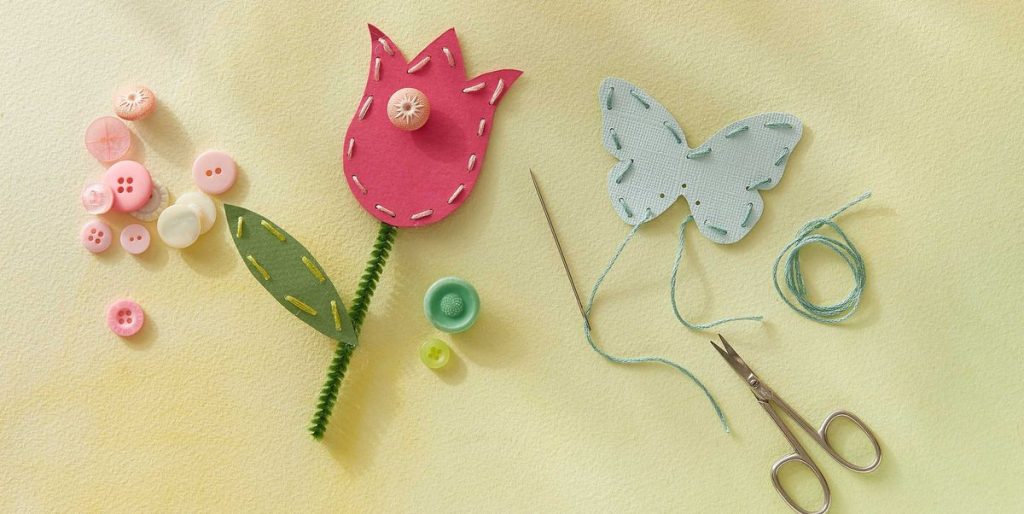
Combine various materials like magazine clippings, scraps of colored paper, buttons, fabric patches, and photographs to create an eye-catching collage. This mixed-media art form allows ample room for creativity as you experiment with textures and layers.

5. Rock Painting:

Transform ordinary rocks into colorful pieces of art by painting them with acrylic paints or markers. Hide the painted rocks in parks or other public spaces for others to find as part of ongoing community art projects.

6. Polymer Clay Creations:

Express your creativity by sculpting vibrant figurines, beads, and trinkets using polymer clay. Choose from an array of colors, roll out the clay, and mold it into various shapes. After baking to harden the clay, you’ll have fun, personalized creations to display or gift.

7. Stained Glass Painting:

Create beautiful faux stained glass artworks using glass paints on transparent surfaces like windows or glass panels. Design your pattern, apply the paint using brushes or sponges, and watch as sunlight filters through your masterpiece.

8. Paper Quilling:

Explore the world of paper quilling by rolling narrow strips of colored paper into coils and arranging them into intricate designs. Glue the coils onto a flat surface to create eye-catching patterns or typography that showcases your creativity.

9. Yarn Art:

Yarn isn’t just for knitting! Create colorful yarn-wrapped monograms, wall hangings, or sculptures using wooden forms or wire hangers as a base. Experiment with different wrapping patterns and textures to give your yarn art a unique touch.

Conclusion:

These 9 colorful and creative creation activities provide endless opportunities for self-expression and skill development while brightening your surroundings with vibrant hues. Engage in these activities alone or with friends and family members for a memorable bonding experience centered around creativity and color.