Art Education

26 Teacher Desk Supplies That You’ll Be Glad to Have in a Pinch

As a teacher, having a well-stocked desk is essential for successfully navigating daily classroom challenges. Here are 26 teacher desk supplies that you’ll be glad to have in a pinch!

1. Sticky Notes: These versatile tools are perfect for jotting down quick reminders or marking important pages in a book.

2. Pens and Pencils: Keep an ample supply of both on hand for you and your students.

3. Highlighters: A must-have for emphasizing important notes, passages, or dates.

4. Whiteboard Markers: Always have backup markers available for note-taking during lessons or brainstorming sessions.

5. Stapler and Staples: An essential desk tool for keeping papers organized.

6. Binder Clips: Perfect for securing large stacks of paper together.

7. Paper Clips: Ideal for attaching a few sheets of paper or keeping your place in a book.

8. Scissors: Necessary for cutting anything from paper to opening packages.

9. Ruler: Important for making precise measurements or drawing straight lines on the board.

10. Erasers: Keep a few handy to quickly fix pencil mistakes on the go.

11. Hand Sanitizer: For maintaining cleanliness in the age of germs.

12. Tissues: Essential for emergencies and everyday sniffles alike.

13. Calculator: A useful tool for quick calculations and number-crunching during lessons.

14. Clipboard: Keep your essential papers and notes easily accessible at all times.

15. USB Flash Drive: Safely store lesson plans, handouts, and other digital files.

16. Headphones or Earbuds: Handy to have when prepping video content or tuning out distractions briefly during breaks.

17. Rubber Bands: Useful for bundling items together or adding structure to posters and displays.

18. Push Pins or Thumbtacks: Crucial tools used for attaching items to bulletin boards.

19. Small First-Aid Kit: Perfect for dealing with minor cuts, scrapes, or headaches that may come your way.

20. Post-it Flags: Simplify the process of marking and collaborating on documents or books.

21. Clear Tape: Perfect for putting up posters or fixing book covers.

22. Label Maker: Stay organized by creating labels for files, folders, and storage containers.

23. Stamps and Ink Pads: Provide instant feedback with motivational stamps on student work.

24. Hole Punch: Quickly prepare papers for binder organization with this essential tool.

25. Coffee Mug and Coaster: Fuel your caffeine needs and keep your desk spill-free.

26. Personal Items: Add a touch of home to your desk with photos, mementos, or small decorations that bring joy to your space.

In conclusion, having these 26 teacher desk supplies will save you from scrambling when unexpected challenges arise. Equip your desk with these items to ensure smooth transitions throughout your teaching day!

Paint by Numbers or Picasso? How Structured Should We Make Kids Art?

Introduction:

Parents and educators often encounter the question: “When it comes to children’s art, how structured should we be?” Some argue that a more structured approach, like paint by numbers, fosters discipline and organization, whereas others defend artistic freedom a la Picasso. This article will explore the benefits of both structured and unstructured approaches to children’s art and discuss ways in which parents and educators can create a balanced environment for artistic growth.

Structured Approach: Paint by Numbers

Paint by numbers is an activity in which children fill in color-coded areas on a canvas according to a numbered guide. This approach to art has several benefits for young artists:

1. Develops fine motor skills: Children must carefully control their brush strokes to fill in each section accurately.

2. Builds focus and concentration: The task requires patience and attention to detail.

3. Encourages discipline and organization: Children must follow the instructions carefully to create the intended image.

Unstructured Approach: Embracing the Picasso

Inspired by the creative freedom of famous artists like Pablo Picasso, many parents and educators advocate for unrestricted artistic expression in children’s art. Key benefits of this approach include:

1. Encourages creativity: Children are free to experiment with colors, shapes, and techniques without strict guidelines.

2. Builds self-confidence: Children gain a sense of accomplishment when they create original artwork without relying on a template.

3. Fosters problem-solving skills: Unstructured art encourages critical thinking as children find new ways to express their ideas visually.

Finding the Balance

While both structured and unstructured approaches have their merits, providing a balanced learning environment can help children experience the best of both worlds:

1. Offer a mix of guided and open-ended activities: Alternate between occasions where children follow paint by numbers or similar guidelines, and those where they have free rein to create as they please.

2. Encourage experimentation: Allow children to experiment with different materials, techniques, and styles while working on structured art projects, as well as when creating freely.

3. Provide constructive feedback: Offer guidance and encouragement to help children improve their skills in both structured and unstructured art settings.

Conclusion

Ultimately, the balance between structure and freedom in children’s art will depend on individual preferences and learning styles. By providing a variety of artistic experiences that include both Paint by Numbers-style projects and Picasso-inspired creativity, parents and educators can nurture well-rounded, confident artists who are equipped with the skills and inspiration to tackle a range of creative challenges.

Best Websites for Teaching & Learning Drawing

Introduction:

Learning and mastering the art of drawing can be a fun and rewarding experience. With the help of the internet, artists of all skill levels can find a wealth of resources to develop their abilities in sketching, shading, and more. In this article, we will explore some of the best websites for teaching and learning drawing, providing valuable resources for both beginners and seasoned artists.

1. Proko (www.proko.com)

Proko is an online platform that offers comprehensive courses for learning how to draw with a focus on human anatomy and figure drawing. Created by professional artist and teacher Stan Prokopenko, this website provides high-quality video tutorials, step-by-step guides, and practice resources for anyone looking to improve their drawing skills. It caters to beginners as well as advanced artists who want to refine their technique.

2. Drawspace (www.drawspace.com)

Drawspace is a fantastic platform offering over 500 free lessons on various drawing techniques, ranging from basic shapes to advanced shading techniques. Suitable for artists of all ages, it covers different topics such as cartooning, perspective drawing, wildlife sketching, and much more. The website boasts a user-friendly interface supported by a community of fellow aspiring artists.

3. Ctrl+Paint (www.ctrlpaint.com)

Established by concept artist Matt Kohr, Ctrl+Paint focuses on digital painting techniques that can be applied to traditional drawing methods as well. It offers an extensive library of free video tutorials that cover topics like texture painting, color theory, perspective drawing, and more – making it an ideal resource for learning both traditional and digital art skills.

4. The Virtual Instructor (www.thevirtualinstructor.com)

The Virtual Instructor is a comprehensive website that offers free lessons on the fundamental aspects of drawing techniques. With detailed video tutorials taught by professional educators such as Matt Fussell and Ashley Bane Hurst, learners can delve into subjects like graphite drawing, pastels, charcoal, and more. They also offer a paid membership for additional resources and personalized feedback.

5. YouTube Channels

YouTube boasts an extensive selection of tutorials from various artists worldwide. Channels like RapidFireArt, Sycra, Jazza, and many more offer a wide range of drawing lessons and guidance for artists at any skill level. With new content frequently uploaded, you’ll never run out of resources to keep learning and improving your skills.

Conclusion:

When it comes to teaching and learning drawing techniques, these websites offer varied learning opportunities, apt for any skill level or individual interest. Whether you’re a beginner looking to learn the basics or an experienced artist seeking advanced techniques, all one requires is motivation and dedication to keep improving. Dive into these resources and let your creativity flow!

10 “Where the Wild Things Are” Activities We Love

1. Wild Rumpus Dance Party – Inspired by the famous line “Let the wild rumpus start,” organize a dance party where children can dress up as their favorite wild things and dance to lively music. This activity not only improves their motor skills but also helps them build confidence and socialization skills.

2. Storybook Scavenger Hunt – Create clues based on the story’s characters, events, or settings to engage children in a fun scavenger hunt in your outdoor space or playroom. The clues can lead to hidden treasure or other surprises related to the story.

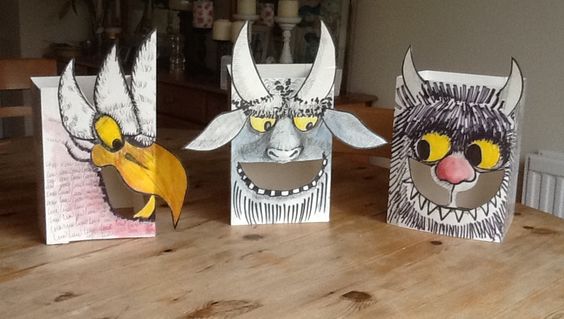
3. Animal Mask Making – Encourage kids to unleash their creativity by making their own wild thing masks using paper plates, paint, and various textures to represent fur, feathers, or scales. This allows them to explore the characteristics of different animals while also helping them develop fine motor skills and creativity.

4. Wild Thing Obstacle Course – Set up an obstacle course with challenges inspired by the different creatures and settings from the book. Children can crawl through tunnels as Max does to reach his destination or jump over makeshift trees like the wild things.

5. Shadow Puppet Theater – Introduce kids to shadow puppetry by creating their own characters from “Where the Wild Things Are” using craft sticks, construction paper, and flashlights. This activity helps develop storytelling skills while increasing children’s understanding of light and shadow concepts.

6. DIY Crown Craft – Help children design their own crowns using cardboard, sequins, gems, and other creative materials like foil or glitter glue. They can wear these crowns during story time or imaginative play while pretending to be King or Queen of the Wild Things.

7. Nature Expedition – Take a walk in a local park or woods, encouraging children to look for elements from the story such as signs of wild things or traces of Max’s journey. Ask them questions about what they see, sparking curiosity and enhancing their observation and imagination skills.

8. Wild Thing Yoga – Incorporate elements of the story into a yoga session for kids with poses that mirror the wild things’ actions, such as “roaring like a wild thing” for Lion’s Breath. This activity promotes mindfulness, concentration, and flexibility.

9. Story Plate Collage – Give children paper plates along with various art supplies and instruct them to draw or paint a scene from the book. Attach the plates together to create a collage that can be hung on the wall as a group art project celebrating “Where the Wild Things Are.”

10. Sensory Bin Exploration – Create an interactive sensory bin filled with play materials like rice, shredded paper, or sand combined with figurines or objects representing the story’s characters and settings. This activity encourages sensory exploration, imaginative play, and cognitive skills development.

These 10 “Where the Wild Things Are” activities provide children with engaging experiences that foster learning while keeping them connected to Maurice Sendak’s beloved children’s book. So let your child’s wild side run free and watch them cultivate essential skills through these fun activities!

21 Upcycling Hacks for the Classroom

1. Reuse Vertical Gardens: Transform plastic bottles into a captivating vertical garden to grow plants or herbs in the classroom. This educational project teaches students about recycling and sustainability.

2. Bookmarks from Paint Chips: Create bookmarks from unused paint chips, incorporating them into a literacy lesson plan or as rewards for meeting reading goals.

3. Cardboard Seating: Collect large cardboard boxes and turn them into affordable, lightweight seating by covering them with fabric or colorful duct tape.

4. Cereal Box Magazines Holders: Upcycle cereal boxes into magazine holders by cutting and decorating them as desired. This hack helps keep your classroom tidy and organized.

5. Tin Can Pencil Holders: Wash and decorate tin cans with a safe coating to create unique pencil holders that add character to your workspace.

6. Textbook Dust Jackets from Paper Bags: Teach students to create reusable dust jackets for their textbooks out of paper bags, reducing wear and tear on school property.

7. Chalkboard Clipboards: Turn standard clipboards into portable chalkboards using chalkboard paint. These can be used for group work, presentations, or outdoor activities.

8. Egg Carton Organizer: Utilize egg cartons as desk or storage organizers for small items like paper clips, thumbtacks, and erasers.

9. DIY Whiteboard Cleaner: Mix equal parts water and white vinegar in a spray bottle to make an affordable, eco-friendly whiteboard cleaner.

10. Fabric Scraps Decor: Use leftover fabric scraps to create bulletin board borders, decorate chairs, or even make colorful flags for class celebrations.

11. Jeans Pocket Wall Storage: Repurpose old jeans pockets as hanging wall storage for classroom supplies, keeping items within easy reach of students.

12. Clothing Rack Classroom Library: Turn an old clothing rack into a portable classroom library where books are hung on hangers instead of stored on shelves – perfect for limited space.

13. CD Case Calendar: Upcycle empty CD cases to make reusable monthly calendars for classroom organization and scheduling.

14. Pallet Furniture: Transform wooden pallets into functional furniture like bookshelves, benches, or desks with a little creativity and elbow grease.

15. Yogurt Cup Planters: Convert clean yogurt cups into cute planters to grow flowers or herbs for a classroom gardening project.

16. Bottle Cap Art: Collect and paint bottle caps, then use them to create mosaics or murals that showcase student creativity and resourcefulness.

17. Shoebox Storage: Repurpose shoeboxes as storage units by decorating them with paint, paper, or fabric to match the classroom’s theme.

18. Tissue Box Classroom Supplies Dispenser: Reuse tissue boxes as storage for items like craft sticks, flashcards, or manipulatives in an accessible and organized manner.

19. Wine Cork Stamps: Create unique stamps using wine corks and small foam shapes to produce fun arts and crafts projects in the classroom.

20. Milk Jug Scoops: Cut off the bottom of cleaned milk jugs to create handy scoops for classroom activities such as sand or water play.

21. Paper Tube Organization: Collect paper towel and toilet paper tubes to create an affordable storage solution for colored pencils, markers, and crayons that can be mounted on a wall or set on a table for easy access.

With these 21 upcycling hacks for your classroom, you’re sure to create an innovative learning environment that encourages sustainability and resourcefulness among students.

Free Student Travel Posters

Introduction:

Travelling is said to be one of the best ways to broaden perspectives and expose oneself to different cultures. As students, this idea is even more appealing as it provides an opportunity for personal growth and self-discovery outside the classroom. However, financial constraints often limit students’ ability to explore the world. To help spark wanderlust and facilitate travel planning, numerous organizations offer free student travel posters. This article will discuss these resources, their significance, and where you can find them.

Why Free Student Travel Posters are Useful:

1. Inspiring Travel Ideas: Travel posters evoke excitement, fuel curiosity, and act as visual reminders of the diverse world that’s waiting to be explored. For students who feel stuck in their regular routines, seeing striking images of far-off destinations can inspire them to embark on their own adventures.

2. Studying Abroad Opportunities: Universities often provide free travel posters that highlight study abroad programs and exchange opportunities. These posters not only promote international education but also encourage cross-cultural understanding – essential skills for success in today’s globalized society.

3. Travel Budgeting: Many travel posters emphasize budget-friendly options specifically targeted at students or young adults, such as discounted group tours, special hostels with affordability in mind, or economical transportation methods.

Where to Find Free Student Travel Posters:

1. Tourist Offices & Embassies: Check with your local tourist office or embassy to pick up free travel posters featuring various countries or cities. These institutions usually have up-to-date materials for promotional purposes and are excellent sources of general information for planning your itinerary.

2. Universities & International Programs Office: Colleges and universities host events promoting study abroad opportunities or cultural exchange programs during which they distribute free travel posters showcasing different destinations worldwide.

3. Online Resources: Some websites offer free downloadables of high-quality travel posters designed specifically for students, enabling you to print them at your convenience. Examples include sites like the Library of Congress archive, which houses thousands of travel-inspired images, or creative marketplaces like Behance and Dribbble where designers share their original work.

4. Travel Agencies & Hostels: Visit local travel agencies or hostels targeting young adults, as they often distribute free travel posters with itineraries, maps and budget tips tailored to students’ needs.

5. Airlines & Booking Platforms: Oftentimes, airlines give away promotional materials such as travel posters when they launch new routes or offer special deals for students. Likewise, some online flight booking platforms provide users with electronic versions of travel posters as part of their customer service strategy.

Conclusion:

Exploring new destinations doesn’t have to break the bank for students who want to broaden their horizons. Embrace the power of free student travel posters to inspire action, learn more about different countries and cultures, and plan budget-friendly trips that enrich your educational experience. Through resourcefulness and a bit of research, you might find yourself on a once-in-a-lifetime journey sooner than you think!

10 Things To Make Music Teachers’ Lives Easier During COVID

The COVID-19 pandemic has brought unprecedented challenges to educators across the globe, and music teachers have not been spared. With school closures and social distancing measures in place, teaching music has become a complex task. Here are ten things that can make the lives of music teachers easier during these trying times.

1. Virtual Classroom Platforms: Utilize platforms like Zoom, Google Meet, or Microsoft Teams to hold classes remotely. These tools allow you to interact with your students in real-time, screen share, and even create break-out rooms for group work.

2. Asynchronous Learning: Allow students to work or practice at their own pace by assigning projects, videos, or recorded lessons to be accessed and viewed at their convenience.

3. Online Music Libraries: Take advantage of digital resources like SmartMusic, NoteFlight, or Music First to give students access to a wealth of sheet music, accompaniments, and other learning materials.

4. Collaboration Tools: Encourage collaboration among students by using software like Soundtrap or BandLab where they can work together on music projects from their own homes.

5. Metronome & Tuner Apps: Recommend smartphone apps like Pro Metronome or Pano Tuner that help students practice with a metronome and tune their instruments correctly.

6. Virtual Performances: Organize virtual concerts or recitals through platforms like YouTube Live or Facebook Live to maintain performance opportunities for your students while adhering to social distancing guidelines.

7. Peer Feedback: Implement peer-review systems in which students can evaluate each other’s progress and provide constructive feedback remotely.

8. Digital Sheet Music Apps: Encourage the use of tablets and apps like forScore or MobileSheets for reading sheet music instead of physical copies – minimizing the risk of virus transmission through shared materials.

9. Increased Communication: Communicate regularly with your students through email, messaging apps, or social media to provide encouragement, support, and updates on assignments.

10. Self-Care: Last but not least, take care of yourself by prioritizing your mental and physical well-being. Don’t hesitate to ask for help, take breaks when needed, and maintain a healthy work-life balance.

In conclusion, adopting these strategies can make the lives of music teachers easier during the COVID-19 pandemic. By leveraging technology and digital resources, you can continue providing quality education to your students while ensuring everyone’s safety.

7 Posters You Will Want in Your ELA Classroom

Educating young minds is a rewarding yet challenging task. As an ELA teacher, you’re likely always on the lookout for innovative ways to engage and inspire your students. Visual aids, like classroom posters, can benefit students’ learning while adding a touch of personality to your classroom. Here are 7 must-have posters for your ELA classroom that can reinforce learning and spark conversation.

1. Parts of Speech Poster

Decorate your ELA classroom with a colorful parts of speech poster, displaying definitions and examples of different types of words such as nouns, verbs, adjectives, adverbs, and more. This invaluable guide will help students as they engage with language and develop their writing skills.

2. Famous Quotes from Literature

Inspire students by showcasing thought-provoking quotes from renowned literary works on your walls. Not only will these quotations spark conversations about literature and its impact, but they may also encourage a love for reading among your students.

3. The Writing Process

The writing process can be overwhelming for young learners. Assist them with a poster delineating the various stages of drafting, revising, editing, and publishing their work. This visual reminder will help them stay on track and transform their ideas into well-crafted compositions.

4. Conflict Types in Literature

Giving students an understanding of internal and external conflicts in literature helps them better analyze texts and develop their critical thinking skills. A poster illustrating the common types of conflicts—including character vs. self, character vs. character, and character vs. society—will reinforce these important concepts.

5. Literary Devices

Expand your students’ knowledge by showcasing essential literary devices such as metaphor, simile, alliteration, personification, foreshadowing, etc., through an informative poster. Examples accompanying each device will provide a clearer understanding while encouraging appreciation for the craft of writing.

6. Commonly Confused Words

Grammar can be a challenge for many learners, leading to frequent misspellings and miscommunications. Help your students distinguish between commonly confused words (e.g., affect vs. effect, their vs. there, and it’s vs. its) with a visually appealing reference poster.

7. Reading Strategies

Developing strong reading comprehension skills is crucial for your students’ success in all areas of literacy. A reading strategies poster containing tips such as previewing, questioning, connecting, visualizing, and summarizing will assist them in becoming skilled and active readers.

Investing in these 7 essential posters for your ELA classroom will undoubtedly foster an engaging learning environment that encourages intellectual curiosity and growth. Plus, they’ll inspire ongoing discussions around literature and language that bring the magic of words to life.

Make Rainbow Flip Books for St. Patrick’s Day

Introduction:

Celebrate St. Patrick’s Day in a fun and creative way by making rainbow flip books! This festive and engaging activity is perfect for kids and adults alike, as it combines art, imagination, and the spirit of the holiday. In this article, we’ll guide you through the steps to create your very own rainbow flip book, just in time for St. Patrick’s Day.

Materials Needed:

1. Blank paper (white or colored)

2. Scissors

3. Stapler or binding clips

4. Colored pencils, crayons, or markers

5. Pencil or pen for tracing shapes (optional)

Step 1: Prepare Your Pages

First, decide how many pages you’d like to include in your flip book – the more pages you have, the more detailed your rainbow will be! Cut your blank paper into uniform rectangles, about 4 inches by 6 inches in size.

Step 2: Create Your Rainbow Design

On each page of your flip book, draw a portion of the rainbow using your preferred method – freehand drawing or tracing shapes with a pencil or pen. Start with just one color at the bottom corner of the first page and gradually add more colors as you progress through the pages.

For example:

– Page 1: Draw red arch

– Page 2: Draw red arch + orange arch

– Page 3: Draw red arch + orange arch + yellow arch

– Continue this pattern until all rainbow colors are included.

Step 3: Add Extra St. Patrick’s Day Touches

To make your flip book extra festive for St. Patrick’s Day, consider adding some themed elements to each page. These might include shamrocks, leprechauns, pots of gold, or even words like “luck” and “fortune.”

Step 4: Color Your Rainbow

Using your colored pencils, crayons, or markers, carefully color in your rainbow and additional St. Patrick’s Day elements on each page. Feel free to get creative with your coloring techniques and use different shades of each color if you’d like.

Step 5: Assemble Your Flip Book

Once all of your pages are complete and dry, stack them in the correct order – starting with the first page of your rainbow on the bottom. Align the edges neatly and use a stapler or binding clips along one side to hold the pages together.

Step 6: Enjoy Your Creation

Now that your rainbow flip book is assembled, you can enjoy flipping through it to see your colorful creation come to life! Share it with friends and family, or display it as part of your St. Patrick’s Day decorations.

Conclusion:

Creating a rainbow flip book for St. Patrick’s Day is a fun, creative way to celebrate the holiday and embrace its colorful spirit. These adorable books are a fantastic group activity and make lovely keepsakes to treasure for years to come.

8 Star Wars Bulletin Boards That Are Out of This World

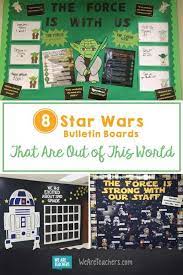
The Star Wars saga has captured the hearts and imaginations of millions over the years. The timeless tale of good versus evil, set in a galaxy far, far away, has inspired a legion of fans to create amazing art, crafts, and decor all over the world. Among these fan creations are extraordinary bulletin boards that pay homage to this beloved series. Here are eight Star Wars bulletin boards that are out of this world!

1. Galaxy Glow-in-the-Dark Board

Reflect the vastness of space and the aura of the Star Wars universe with a galaxy-themed glow-in-the-dark bulletin board. Use black background paper and various shades of blue, purple, and green for painting the galaxy. Stick on glow-in-the-dark stars or paint them using special glow paint for a truly out-of-this-world effect.

2. The Light Side vs The Dark Side

Divide your board into two sections, one representing the Light Side and the other representing the Dark Side. Use contrasting colors such as blue for the Light Side and red for the Dark Side. Display posters or silhouettes of characters from both sides – Jedi knights on one side and Sith lords on the other.

3. “May The Force Be With You” Motivational Board

Inspire students with a motivational bulletin board featuring popular Star Wars quotes like “Do or do not. There is no try” and “May the Force be with you.” Incorporate character images or icons as part of each quote to visually reinforce their connection to Star Wars.

4. Famous Star Wars Ships

Showcase iconic spaceships from the Star Wars universe on your bulletin board – from large starships like X-Wings and TIE Fighters to smaller vessels like Luke Skywalker’s Landspeeder or Rey’s Speeder Bike. Include detailed descriptions about their roles in the story for an educational touch.

5. Character Profile Board

Create a bulletin board featuring character profiles from the series; include portraits, quotes, and essential facts. You can focus on protagonists such as Luke Skywalker, Princess Leia, and Han Solo or explore lesser-known characters like Mon Mothma, General Grievous, and Ahsoka Tano.

6. Star Wars Timelines

Illustrate the chronology of major events in the Star Wars universe with a creative timeline-based bulletin board. Include important dates and notable details from the Skywalker Saga to standalone stories like “Rogue One: A Star Wars Story” and “Solo: A Star Wars Story.”

7. Planets of the Star Wars Galaxy

Take your students on an intergalactic tour by showcasing intriguing planets from the Star Wars galaxy. Display images and descriptions of fascinating worlds like Tatooine, Hoth, Endor, and Mustafar, detailing the unique characteristics of each planet.

8. Droids & Aliens Board

Honor the diverse beings in the Star Wars universe by creating a bulletin board highlighting some of the many alien species and droids featured in the movies. From Chewbacca’s Wookiee species to R2-D2 and C-3PO’s droid origins – this board will be sure to engage and intrigue any fan.

These eight Star Wars bulletin boards are just a few examples of how fans around the world use their creativity to celebrate their favorite franchise. Channel your inner artist and craft your very own intergalactic bulletin board today!