Art Education

10 Crazy Things People Say to Drama Teachers (and What to Say Back!)

1. “Anyone can do theater, you don’t need to teach it!”

Say back: “It’s true that everyone can benefit from theater, but mastering its techniques and understanding its complexities requires practice, guidance, and education.”

2. “Drama class is just about playing games and having fun.”

Say back: “While playing games and having fun are part of the process, they help build essential skills like teamwork, creativity, and problem-solving that are valuable in any career.”

3. “Isn’t drama just for kids who aren’t smart enough for other classes?”

Say back: “Absolutely not! Drama students learn a range of skills like critical thinking, self-expression, and empathy that are invaluable in today’s world.”

4. “You’re a drama teacher, so you must be really dramatic all the time!”

Say back: “It’s true that my job involves helping students express emotions and stories on stage. But off-stage, I’m just as down-to-earth as anyone else!”

5. “There’s no real job prospects for drama students, right?”

Say back: “Theater graduates often find success in acting, directing, production management, design, as well as various fields outside the arts because of their versatile skill set.”

6. “So you’re a drama teacher – you must have seen thousands of movies!”

Say back: “While I enjoy films, my focus is on live performance, which offers an entirely different experience compared to cinema.”

7. “Acting isn’t really a skill… it’s just pretending to be someone else!”

Say back: “True acting involves analyzing scripts, developing characters, mastering physical movement and vocal techniques; it’s far more complex than simply ‘pretending.'”

8. “Drama teachers spend their days reciting Shakespeare or doing group trust exercises.”

Say back: “While we do engage in some classic techniques and use famous texts, our work also involves writing, improvisation, technology integration, and much more.”

9. “I bet your students never feel stressed because they’re just having fun all day.”

Say back: “Although enjoyment is crucial in creating a thriving learning environment, our students face challenges that enhance personal growth and push their boundaries.”

10. “Drama is just an easy elective or an excuse for teens to slack off.”

Say back: “Drama courses teach essential life and work skills such as public speaking, collaboration, and self-confidence – making them valuable electives for any student.”

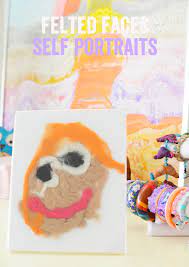
28 Serendipitous Self-Portrait Ideas

1. Shadow play – Use your shadow to create interesting patterns and shapes in your self-portrait.

2. Reflections – Capture your reflection in an unexpected surface, like a puddle or a windowpane.

3. Disguises – Dress up in a costume or disguise and pose for a playful self-portrait. Think masks, wigs, and outlandish outfits.

4. Double exposure – Overlay two images of yourself to create a surreal, dreamlike composition.

5. Through the lens – Place an object like a prism or magnifying glass between you and the camera, altering your appearance.

6. Silhouettes – Shoot against strong backlighting to create a striking silhouette of yourself.

7. Underwater – For the adventurous photographer, take your self-portrait underwater for an ethereal effect.

8. Levitation – Capture the illusion of floating by jumping or using props to suspend yourself off the ground.

9. Natural elements – Incorporate flowers, leaves, or other natural elements into your self-portrait for an earthy vibe.

10. Mirrors – Use mirrors to create interesting reflections and angles in your self-portraits.

11. Abstract – Manipulate your image in post-processing to create an abstract and highly stylized portrait.

12. Motion blur – Experiment with slower shutter speeds to capture motion blur as you move around the frame.

13. Face painting – Paint your face with vibrant colors and patterns before stepping in front of the camera.

14. Time-lapse series – Capture multiple self-portraits over time, then compile them into a single image or video showing your evolution.

15. Projection photography – Use a projector to cast images or patterns onto yourself as you pose for the camera.

16. Macro detailing – Zoom in on small details—like an eye, hand, or lips—for an intimate and personal self-portrait.

17. Extreme perspectives – Shoot from unique angles, such as looking up from the ground or down from above, to challenge traditional perspectives.

18. Lighting experimentation – Play with different light sources, like colored gels, to create striking and dramatic self-portraits.

19. Introduce props – Incorporate objects that hold personal meaning or tell a story about you in your self-portrait.

20. Smoke and fog – Use smoke bombs, fog machines, or even incense to add an air of mystery to your portrait.

21. Glitch art – Manipulate your image in post-processing to mimic digital glitches and error effects.

22. Collage – Combine multiple photographs of yourself into one unique and expressive collage.

23. Painted backdrop – Create a custom backdrop by painting or drawing a scene on a large canvas or paper for a one-of-a-kind self-portrait.

24. Recreate iconic portraits – Imitate well-known portraits from art history or pop culture for a tongue-in-cheek tribute.

25. Night photography – Step outside after dark and use the available streetlights or moonlight to capture moody nighttime self-portraits.

26. Environmental context – Shoot in a location that speaks to your personal history or interests, like your childhood home, favorite travel destination, or hobby space.

27. Distorted reality – Bend, stretch, or otherwise distort your image using editing software for an otherworldly effect.

28. Rotational symmetry – Create endless patterns and reflections by duplicating and rotating your portrait in post-production.

Embrace serendipity with these 28 unique and experimental self-portrait ideas. Challenge yourself to think outside the box, push boundaries, and ultimately capture stunning images that convey who you are as an artist.

Holiday Activity: Recycled Bulb Ornaments

Introduction:

The holiday season is a perfect time to get creative with your family and friends, and what better way to do so than with a fun activity that also promotes sustainability? Recycled bulb ornaments are not only an eco-friendly way to celebrate the holidays, but they also provide an opportunity to utilize your creativity. In this article, we will explore the steps involved in making these beautiful and unique ornaments from used light bulbs.

Materials Needed:

1. Used incandescent light bulbs (preferably clear or frosted)

2. Acrylic paint & paint brushes

3. Glitter (optional)

4. Ribbons or strings for hanging

5. Hot glue gun & glue sticks

6. Scissors

7. Newspapers or drop cloths (for a clean workspace)

Step-by-Step Guide:

1. Prepare your workspace: Cover your work area with newspapers or drop cloths to ensure easy cleanup afterwards.

2. Clean the bulbs: Gently clean the outer surface of each light bulb, making sure there are no visible fingerprints or impurities. Allow them to dry completely before moving on to the next step.

3. Paint the bulbs: Using acrylic paints and brushes, begin painting your designs onto each light bulb. You can choose traditional holiday themes such as snowflakes, reindeer, or Christmas trees, or think outside the box and create characters or abstract patterns! Allow the paint to dry thoroughly.

4. Add glitter (optional): If you want to add some sparkle to your ornaments, apply a thin layer of glue over sections of your painted design and sprinkle glitter on top before it dries.

5. Attach ribbons or strings: Once everything is dry, use the hot glue gun to securely attach a looped ribbon or string to the metal part of each light bulb for hanging purposes.

6. Hang and enjoy: Now that your recycled bulb ornaments are complete, hang them on your tree or throughout your home to add an eco-friendly touch of holiday cheer!

Conclusion:

Recycled bulb ornaments are a fantastic way to not only encourage creativity during the holiday season, but also to promote sustainability and do something good for the environment. This DIY project is easy to do with family and friends, and the end result is a beautiful collection of unique ornaments that can be cherished for years to come. Happy crafting!

Celebrating Art & Creativity in the Classroom

Introduction

Art and creativity play a vital role in fostering innovation and critical thinking skills among students. They not only provide an avenue for self-expression but also present a diverse palette of perspectives to nurture empathy, problem-solving, and resilience. By celebrating art and creativity in the classroom, educators can unlock the full potential of their students, paving the way for them to be the next generation of innovators.

The Importance of Art & Creativity in Education

1. Boosts Cognitive Skills: Engaging in art-related activities strengthens cognitive abilities such as perception, attention, memory, and decision-making. Designing a creative learning environment enables students to apply their problem-solving skills to complex scenarios by identifying patterns, analyzing systems, and synthesizing information.

2. Enhances Emotional Intelligence: Artistic expression provides a platform to showcase emotions and connect with others. Collaborative projects that merge art and creativity allow students to develop empathy and compassion by understanding differing viewpoints, cultural backgrounds, and personal experiences.

3. Cultivates Resilience: Creative activities enable students to embrace new challenges, learn from failures, and adapt their approaches accordingly. As students indulge in trial-and-error processes while working on art projects, they build resilience, eventually improving their capacity to persevere through setbacks in different aspects of life.

4. Encourages Cross-curricular Learning: Integrating art into various subjects fosters interdisciplinary understanding and enhances learning experiences across the curriculum. Students can explore connections between scientific concepts and expressions through visualizations or bring historical events to life through theatrical performances.

Strategies for Celebrating Art & Creativity in the Classroom

1. Creating Space for Creativity: Allocating a designated space for art materials encourages spontaneous creativity while simultaneously organizing resources efficiently. This area should include tools such as paintbrushes, colored pencils, scissors, glue sticks, drawing paper, and clay for students to access easily.

2. Encouraging Exploration: Empower students to choose their preferred medium and pursue individual artistic styles. Encourage projects that challenge conventional norms and provoke thought, sparking conversation among peers.

3. Collaborative Projects: Engage students in collaborative art projects that require them to communicate, brainstorm ideas, and create a shared vision. Group murals, collages, or sculpture installations are excellent ways to introduce teamwork while celebrating the diverse talents present within the classroom.

4. Inviting Guest Artists: Invite professional artists, musicians, and performers to share their expertise with students. These guest visits can provide inspiration, expose students to various career paths within the arts, and cultivate lasting relationships with creative role models.

5. Connecting to the Community: Organize art exhibits and performances within the local community by partnering with galleries, museums, cafes, or libraries. This provides students with a broader platform to showcase their work while deepening better relationships with community members.

Conclusion

Igniting the torch of art and creativity in our classrooms prepares future generations to embrace challenges and develop innovative solutions for an ever-changing society. By providing opportunities for artistic expression and celebrating individual talents, we can inspire students’ potential while equipping them with lifelong skills needed in their personal lives and professional endeavours.

20 Super Simple DIY Fidgets for the Classroom

Introduction:

Fidgets are a fantastic tool for helping students concentrate and stay focused in the classroom. These DIY fidgets are not only affordable but also allow teachers to customize them according to their students’ needs. Here are 20 super simple DIY fidgets that you can make for your classroom.

1. Stress Balls – Fill a small balloon with flour, rice, or any sensory filler you like. Tie it off, and you have an instant stress-relieving fidget toy!

2. Pencil Grip – Wrap pipe cleaners around a pencil, securing the ends under your grip, to create a fun and colorful fidget.

3. Spinner Rings – Attach a small ball-bearing spinner onto an adjustable ring to create an easy-to-use wearable fidget.

4. Velcro Strips – Simply attach two strips of Velcro together, one fuzzy side up and one prickly side down, and you have a quiet but satisfying fidget activity.

5. Paper Clips – Bend paperclips into fun shapes that snap back into place when stretched or squeezed.

6. Bubble Wrap Bracelet – Tape a strip of bubble wrap around your wrist, and enjoy popping the bubbles during downtime in class.

7. Sensory Bottles – Fill small travel-sized shampoo bottles with colored water, glitter, beads, or other items for kids to shake and watch as they settle.

8. Putty – Combine glue, liquid starch, and food coloring to make your own colorful, moldable putty for students to manipulate during class.

9. Tangle-Free Coil Toy – Wind several different colored pipe cleaners together in random patterns for a quiet and tangle-free manipulative toy.

10. Cardboard Rubik’s Cube – Cut out small cardboard squares and glue them onto a larger cube template to mimic the classic puzzle toy’s design.

11. Beaded Necklace – String beads on an elastic cord to make an easily accessible fidget tool that can be safely worn around the neck.

12. Finger Labyrinths – Draw or print a small labyrinth design onto a piece of cardstock, then trace with glue and sprinkle sand or glitter on top to create a textured finger maze.

13. Fabric Scraps – A simple assortment of various fabric scraps can provide interesting textures for students to explore with their hands.

14. Straw Beads – Cut drinking straws into small segments and thread them onto string or elastic for an easy-to-make, lightweight fidget toy.

15. DIY Fidget Spinner – Use wooden dowels, beads, and a small ball bearing to create your own simple, customizable fidget spinner.

16. Rubber Band Ball – Loop several rubber bands together, wrapping them around each other until you have a satisfyingly squishy ball of rubber bands for kids to squeeze and stretch.

17. Lego Keychain – Attach a small piece of Lego to a keychain ring for a highly portable and customizable fidget toy that can be built upon during breaks.

18. Playdough – Make your own playdough using flour, salt, water, and food coloring for an inexpensive and versatile fidget option.

19. Marble Maze Folders – Glue felt or foam sheets inside a plastic folder with a marble inside the felt layers, creating pathways for the marble to travel through as students manipulate it during class.

20. Zipper Bracelet – Sew zippers onto fabric strips to make bracelets that students can repetitively zip and unzip as a calming sensory activity.

Conclusion:

With these 20 super simple DIY fidget ideas, you can easily create affordable and enjoyable tools to help your students stay focused in the classroom.

15 Amazing And Creative 7th Grade Art Projects

Art plays a significant role in the development of young minds, allowing them to express their creativity and learn new skills. In 7th grade, students are often eager to explore new mediums and techniques. Here are 15 amazing and creative art projects that 7th graders can dive into, gaining a deeper understanding and appreciation for the world of art.

1. Clay Sculptures

Working with clay is a great way for students to explore three-dimensional art. They can create sculptures of animals, people, or abstract shapes.

2. Optical Illusion Drawings

Teach students about perspective and optical illusions by having them create an illusionary drawing that tricks the observer’s eye.

3. Collages

Collages allow students to work with various materials, such as magazine clippings, photos, and textured paper, creating an interesting mixed-media piece.

4. Papier-Mâché Masks

Making papier-mâché masks helps students explore different cultures while working with a variety of materials.

5. Watercolor Landscapes

Students can learn about the beauty of nature through painting watercolor landscapes, experimenting with blending colors and creating depth.

6. Silhouette Paintings

Using acrylic paint on canvas, students can create beautiful silhouette paintings that contrast light and dark colors while focusing on shapes and composition.

7. Printmaking

Introduce 7th graders to printmaking by teaching them different techniques such as linoleum cutting or screen printing.

8. Wire Sculptures

Creating sculptures using wire challenges students’ dexterity and helps them understand the importance of structure in three-dimensional art.

9. Text Art

Explore typography by having students create artwork using text as the primary element in their designs.

10. Charcoal Drawings

Teaching charcoal drawing allows students to work on shading techniques and create striking visuals with high contrast between light and dark areas.

11. Self-Portraits

Encourage students to express themselves and create a representation of their identity through self-portraits using different mediums like pencil, paint, or collage.

12. Mosaic Art

Introduce mosaic art to your students by having them create intricate designs using colorful tiles or shards of glass.

13. Stop Motion Animation

Students can develop storytelling skills by creating stop motion animations using clay figures or cut-out paper characters

14. Origami Sculptures

Origami teaches patience and precision while allowing students to create three-dimensional art pieces made entirely from folded paper.

15. Found Object Art

Encourage creativity and resourcefulness by guiding students in repurposing everyday objects into amazing works of art.

These 15 art projects are designed to inspire creativity, challenge students’ artistic skills, and foster a deeper understanding of various art techniques. Implementing these projects into your 7th grade curriculum will not only boost artistic expression but also develop critical thinking and problem-solving abilities that extend beyond the art room.

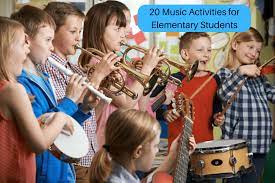
20 Music Activities for Elementary Students

Engaging children in musical activities can be a key aspect of their education. It’s important to keep students interested and excited about music by providing them with captivating and diverse activities. Below, we’ve compiled a list of 20 interactive music activities that elementary school teachers can incorporate into their classrooms.

1. Musical chairs: An all-time classic, musical chairs help students develop listening skills and a sense of rhythm.

2. Icebreaker games: Use music as a backdrop for icebreakers, aiding in socializing and building friendships.

3. Instrument exploration: Let students explore how different instruments produce sound while encouraging creativity.

4. Sing-a-longs: Choose popular or educational songs for the kids to sing together, promoting expression through performance.

5. Rhythm clapping: Teach students different patterns of rhythm, allowing them to practice by clapping along with the beat.

6. Song composition: Divide the class into groups and challenge them to come up with an original song based on a theme or subject matter.

7. Karaoke: Organize a fun-filled karaoke afternoon where students can take turns performing their favorite songs, boosting their confidence.

8. Dance party: Dedicate time for free-form dance sessions, which can serve as opportunities for both physical exercise and creative expression.

9. Name that tune: Boost listening skills by having the kids guess song titles after playing just a short snippet of the melody.

10. Percussion circle: Provide various percussion instruments encouraging community-building through rhythmical teamwork and improvisation.

11. Wind chimes project: Make homemade wind chimes using household materials and teach students about constructing unique musical instruments.

12. Music theory lessons: Teach basic concepts like pitch, tempo, and dynamics through engaging worksheets or interactive games.

13. Explore world music: Diversify the classroom curriculum by exploring various cultural traditions and musical genres from around the world.

14. Nature walk performances: Encourage students to use items found during nature walks to create their own musical composition.

15. Create a class band: Form a class band where students learn and play together, helping them appreciate teamwork in music.

16. Make-your-own instruments: With creative items like empty paper towel rolls, rubber bands, and pots, kids can construct and play their own homemade instruments.

17. Music scavenger hunt: Hide sheet music or lyrics around the classroom to have students search for hidden treasures while reviewing notes or melodies.

18. Sound experiments: Combine science and music by conducting activities such as exploring how different materials change the sound of an instrument or making water glasses sing.

19. Film-score Foley: Discuss how music is used in films, and have students create unique sound effects for short video clips using classroom objects.

20. Music journaling: Have children write about their favorite songs or artists, connecting written language with thoughts on musical expression.

By incorporating these engaging music activities into your elementary classroom, you will foster creativity, enhance listening skills, and build a foundation that enables students to have a life-long appreciation for music.

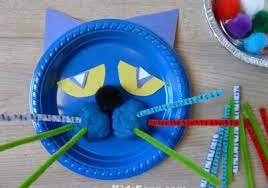
15 Pete The Cat Activities That Will Be A Blast For Your Child

Are you looking for fun and engaging activities inspired by the popular children’s character, Pete the Cat? Look no further! We have compiled a list of 15 exciting activities that will keep your child entertained while learning valuable skills in creativity, problem-solving, and literacy. Get ready to rock out with Pete the Cat!

1. Storytelling Time: Read your favorite Pete the Cat books together as a family. Encourage your child to re-tell the story in their own words.

2. Sing-along Session: Listen to Pete the Cat songs and have a sing-along with your child. You can even create your own dance moves!

3. DIY Red Shoes: Decorate a pair of canvas shoes or sneakers with red paint, glitter glue, or sequins to create your own version of Pete’s groovy shoes.

4. Button Counting Game: Build fine motor skills while having fun counting buttons like Pete in “Pete the Cat and His Four Groovy Buttons”. Provide a variety of colored buttons for your child to count, sort, and categorize.

5. Color Mixing Experiment: Teach color theory and practice color mixing using finger paints or watercolors like Pete does in “Pete The Cat: I Love My White Shoes.”

6. Pete Puppet Show: Create simple sock puppets or paper bag puppets of Pete and his friends for an entertaining puppet show.

7. DIY sensory bin: Assemble a simple sensory bin with cotton balls (for clouds), blue gems (for water), green pom-poms (for grass), and small toys or pictures of Pete’s adventures.

8. PetetheCatbucks Coffee Shop: Set up a pretend coffee shop where children can practice their social skills by taking orders, serving food, and engaging in imaginative play.

9. Dress-Up Fun: Create Pete-themed dress-up costumes using old clothes, scarves, hats, and sunglasses.

10. Alphabet Scavenger Hunt: Hide small cards with letters printed on them around the house or yard and have your child search for the letters to spell out “”).

11. Sorting and Classifying Rocks: Go on a rock hunt in your backyard or local park and gather rocks to sort by size, color, or type – just like Pete does!

12. Fingerpaint Adventure: Using finger paints or sidewalk chalk, encourage your child to recreate scenes from their favorite Pete the Cat books.

13. Music Jam Session: Provide simple musical instruments like tambourines, maracas, or drums for a Pete-inspired music jam session.

14. Create a Pete the Cat Collage: Cut out images from old magazines or print images from the internet to create a collage inspired by Pete and his adventures.

15. Cool Cat Yoga: Teach your child some basic yoga poses and incorporate them into a fun Pete-themed story that will get kids moving, stretching, and laughing together.

With these 15 awesome activities, your child will be fully immersed in the grooviness of Pete the Cat while also improving their creativity and fine motor skills. Don’t forget to join in the fun! After all, it doesn’t get much cooler than spending quality time with your little one exploring the world of Pete the Cat.

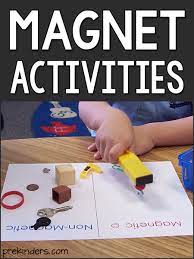
20 Fun Magnet Activities, Ideas, and Experiments for Kids

1. Magnetic Treasure Hunt: Hide small magnetic objects around the house or classroom and have children search for them using a magnet to explore magnetism in action.

2. Dancing Paper Clip Puppets: Attach paper clips to lightweight cardboard puppets and move them around by manipulating a magnet beneath the surface.

3. Magnetic Painting: Place a large sheet of paper on top of a magnetic surface. Dip magnets in paint and use them to create unique designs on the paper.

4. DIY Magnetic Slime: Combine glue, liquid starch, iron filings, and food coloring to create a colorful magnetic slime that reacts with magnets.

5. Build a Magnet Maze: Using cardboard, straws, and magnets, create a maze for small magnetic objects to navigate through.

6. Fridge Magnet Spelling: Use alphabet fridge magnets to practice spelling or construct sentences on the refrigerator door.

7. Design Your Own Magnets: Have kids paint or draw designs on a piece of paper, then glue it onto adhesive magnetic strips for custom fridge magnets.

8. Fishing Game: Create a “fishing” game with paper fish that have paper clips attached as fins, string, and a stick with a magnet on the end as a fishing rod.

9. Magnetic Levitation Experiment: Create a unique levitation effect using ring-shaped magnets and stacking them on top of each other using their repelling force.

10. Create Magnetic Sculptures: Collect various metallic objects like nuts, bolts, screws, or washers and let kids arrange them into creative sculptures using magnets.

11. Make Your Own Compass: Show kids how to construct their own simple compassing device using a needle, cork, bowl of water, and bar magnet to demonstrate Earth’s magnetic field.

12. Cereal Iron Detection: Teach children about iron-fortified cereals by crushing cereal flakes and extracting the iron content with a strong magnet inside a plastic bag.

13. Homemade Electromagnet: Build a simple electromagnet by wrapping copper wire around a nail and attaching the ends to a battery, allowing it to interact with metallic objects.

14. Magical Magnetic Movement: Place a strong magnet under a desktop and show kids how it can move objects like paper clips, coins, or thumbtacks from the top of the desk.

15. Matching Pairs Memory Game: Print images onto adhesive magnetic sheets, cut out pairs, and place them on a magnetic surface for a fun memory game.

16. Floating Paper Clip Experiment: Demonstrate magnetic force by suspending a paper clip in midair using a magnet positioned above it.

17. Magnetic Racing Cars: Attach magnets to toy cars and create racetracks mapped out on magnetic surfaces for racing competitions.

18. Soda Can Chain Reaction: Show children how magnets interact with aluminum containers by creating a “chain reaction” racing game using soda cans and multiple bar magnets.

19. Colorful Confetti Attraction: Spread magnetic confetti on a table and provide kids with magnets to explore the party decorations’ attraction to the magnets.

20. Magnetic Solar System: Teach kids about space using magnetic spheres and metallic sheets designed as planets, inviting them to build their solar system model based on scientific principles.

These 20 fun magnet activities, ideas, and experiments encourage hands-on learning for kids while teaching them about their environment’s fascinating world of magnetism.

25 Fun and Creative Playdough Learning Activities

1. Color mixing: Teach kids to mix primary colors to create secondary colors by using different colored playdough.

2. Alphabet imprints: Make letter-shaped stampers and let your child press them into the playdough to create alphabetical imprints.

3. Number recognition: Create numbers using playdough and help your child recognize and learn the correct sequence.

4. Shape experiences: Use cookie cutters to create different shapes and teach your child about them.

5. Storytime characters: Model playdough characters from their favorite stories, encouraging imaginative play.

6. Simple addition and subtraction: Use playdough balls to teach basic math concepts of addition and subtraction.

7. Playdough mazes: Create a maze on a flat surface with walls made from playdough for a marble or small toy to navigate through.

8. Texture exploration: Add various objects to the dough for children to explore textures, such as beads, buttons, or seeds.

9. Playdough jewelry: Make beads by rolling small balls of dough and stringing them together for a fun wearable creation.

10. Life cycle models: Teach kids about growth and life cycles by modeling plants or animals in various stages of development.

11. Measurement learning: Roll playdough into snakes of varying lengths for comparing, measuring, and ordering activities.

12. Letter formation practice: Encourage proper handwriting by molding playdough into letter shapes or tracing over them with their fingers.

13. Sensory letters: Create textured letters using various materials, let children trace over them for tactile learning experiences.

14. Fossil making: Press small toys or objects into the dough to make imprints simulating fossils – excavate and study them together!

15. Tactile numerals: Form numerals with diverse materials such as pipe cleaners or sticks, then press them into the playdough for a multisensory approach.

16. 3D sculptures: Encourage creativity and fine motor skills by having your child create unique sculptures based on their ideas or prompts.

17. Emotion faces: Make playdough faces expressing various emotions, serving as a conversation starter to discuss feelings.

18. Moon craters: Create a lunar landscape with playdough for children to explore the characteristics of the moon’s surface by pressing small rocks or toys into it.

19. Playdough puzzles: Cut large playdough shapes into smaller pieces for children to reassemble like puzzles, promoting problem-solving skills.

20. Pattern practice: Encourage pattern recognition by using objects to press patterns into the playdough or create patterns with various colors.

21. Playdough volcano: Create a volcano with playdough, add baking soda and vinegar for an explosive chemical reaction and learn about the science behind it!

22. Animal habitats: Use playdough to create environments – ocean, forest, desert – where your child can place animal figures in their natural settings.

23. Weather formations: Model different types of clouds or weather systems, developing knowledge about meteorology.

24. 3D topographic maps: Construct a landscape with elevated features like hills and valleys, teaching elements of geography and mapping.

25. Seasonal exploring: Make seasonal themed decorations or scenes with relevant colors and objects, building awareness of seasonal changes and events in nature.