Classroom Management

9 Ways I Try to Make My Classroom More Like a Grocery Store

As an educator, I am constantly looking for ways to make my classroom environment as productive and efficient as possible. One surprising source of inspiration for me has been the grocery store – a place that thrives on organization, visual appeal, and accessibility. Here are nine ways I try to bring the best traits of a grocery store into my classroom.

1. Organized Layout

Grocery stores have designated areas for particular items, making it easy for shoppers to find what they need. I apply the same concept to my classroom by designating areas for materials, supplies, and student work.

2. Clear Signage

In a grocery store, aisle signs and shelf labels guide customers through their shopping experience. In the classroom, clear signage helps students navigate and easily locate resources. I label shelves, cubbies, and tables with easy-to-read signs indicating their purpose.

3. Appealing Displays

Grocery stores use colorful displays to showcase products and entice shoppers. In my classroom, I create vibrant bulletin boards celebrating student accomplishments or highlighting relevant themes for our learning objectives.

4. Multisensory Experiences

Grocery stores engage shoppers’ senses through sights, smells, tastes, and textures. Likewise, I incorporate multi-sensory experiences into my lessons by incorporating visuals, tactile materials, auditory elements, and movement activities.

5. Freedom of Choice

When shopping for groceries, customers have plenty of options to choose from within various categories. Similarly, I provide choices in my classroom when assigning projects or tasks – allowing students to choose topics or formats that appeal to them.

6. Efficient Checkout Systems

The checkout process at a grocery store is streamlined to save time and minimize frustration. In my classroom, I implement systems like self-assessments and peer editing that enable students to effectively evaluate their own work before submitting it.

7. Regular Inventory Checks

Grocery store employees routinely check the inventory to ensure items are stocked and up-to-date. In my classroom, I schedule time to check in with students individually, allowing me to tailor support and monitor their progress.

8. Sampling Opportunities

Grocery stores often offer samples of new products to entice shoppers. To keep learning relevant and fresh, I provide opportunities for my students to ‘sample’ new content through preview activities or mini-lessons on upcoming topics.

9. Resourceful Customer Service

Grocery store employees are trained to assist customers by answering questions or helping them locate items. In the classroom, my role as a teacher is similar – I am always available to answer questions, clarify instructions or provide guidance when needed.

By implementing these nine strategies inspired by the grocery store environment, I continue to create a more organized, visually appealing, and efficient classroom that benefits both my students and myself as an educator.

18 1st Grade Classroom Management Tips and Ideas

1. Establish clear rules and expectations: It’s essential to establish rules and expectations for student behavior early on. These should be age-appropriate and easy to understand.

2. Use visual aids: Displaying classroom rules or daily schedules with colorful visuals can help first-grade students remember them better.

3. Assign classroom jobs: Giving each student a specific job, such as line leader or door holder, helps teach responsibility and creates a sense of ownership in the classroom.

4. Develop routines: Consistent routines make students feel secure and help manage time effectively; include routines for entering and leaving the room, sitting down, and starting work.

5. Praise positive behavior: Reinforcing good behavior with words of encouragement can motivate students and set a positive tone.

6. Utilize a reward system: Create a structured system to recognize students’ achievements or good behavior, such as stickers, stars, or tokens that can be exchanged for prizes.

7. Implement transition strategies: Smooth transitions between activities can minimize downtime; use songs or dedicated signals to guide students through these transitions.

8. Employ a variety of teaching techniques: Keep students engaged by using different methods, like hands-on activities, group projects, or multimedia presentations.

9. Schedule brain breaks: Incorporate short breaks for physical activity to boost students’ energy levels and help them maintain focus.

10. Encourage peer mentorship: Pair stronger learners with those who need more support, allowing the former to gain leadership skills and the latter to benefit from additional guidance.

11. Use nonverbal cues for communication: Silent signals (e.g., hand gestures) can help monitor student behavior without interrupting instruction flow.

12. Create designated spaces for different activities: Organize classroom areas for specific purposes, like reading nooks or small-group workspaces, to help maintain order in the class environment.

13. Offer choices within limits: Provide a sense of autonomy by letting students select their activities or assignments within set guidelines.

14. Set achievable goals: Encourage students to set short-term, realistic goals for personal and academic growth.

15. Monitor student engagement levels: Continually assess student engagement through observation and interaction to inform adjustments you may need to make in your instruction or classroom management approach.

16. Practice active listening: Show empathy and foster a respectful classroom environment by actively listening to your students and valuing their input.

17. Communicate expectations for parent involvement: Establish guidelines for parents on how they can contribute or participate in the classroom or with homework assignments.

18. Review and revise strategies as needed: Continually reflect on your classroom management strategies and tweak them to meet your students’ ever-evolving needs.

By implementing these 18 tips in your first-grade classroom, you’ll cultivate a positive learning environment where students feel supported, engaged, and guided towards success.

Teacher Gear We Love: Labels, Labels, and More Labels

Introduction:

For teachers, organization is key to running a smooth and efficient classroom. One of the simplest and most effective tools for staying organized is the humble label. In this article, we will explore the endless possibilities of labels and discuss some of our favorite teacher gear related to labels.

The Power of Labels:

Labels may seem like a small detail, but their impact on the organization and function of an educational environment is immense. From the moment a student sets foot in the classroom, labels provide a sense of order and clarity in an otherwise chaotic setting. They help both students and educators quickly locate items, files, and even people!

Types of Labels:

1. Sticker Labels – These are your basic adhesive labels that can be easily written on and applied to nearly any surface. They come in various shapes, sizes, and colors to suit your labeling needs.

2. Magnetic Labels – A popular choice for teachers who work with whiteboards or metal storage cabinets, magnetic labels are easy to move around without causing any damage or leaving residue.

3. Chalkboard Labels – Ideal for those who love a more vintage look, chalkboard labels can be customized using chalk or chalk markers and easily wiped off with a damp cloth when it’s time for something new.

4. Digital Label Makers – A favorite amongst those who appreciate efficiency and precision in labeling, digital label makers allow you to create professional-looking custom labels with just a few taps on a keyboard.

5. Fabric Labels – Perfect for personalizing students’ belongings (like cubby spots or coat hooks), fabric labels provide durability that lasts through multiple washes or uses.

Teacher Gear We Love:

1. Customizable Label Set – There are many DIY printable label sets available online offering different themes that can be personalized with students’ names or specific subjects or activities.

2. Small Whiteboard Eraser – With the increase in popularity of magnetic and chalkboard labels, a small whiteboard eraser becomes an essential tool for quick and easy updates of these reusable labels.

3. Label Holders – If you have a lot of shelves, cubbies, or drawers to label, investing in some reusable plastic or metal label holders can save you time and effort in the long run.

4. Label Printer – A reliable and efficient label printer will make it easy to generate labels quickly and without hassle.

5. Educational Subscription Services – Many educational resources offer subscription services that include pre-made labels and other teacher gear designed specifically for classroom organization.

Conclusion:

In the world of education, organization is crucial for both students and educators alike. Labels are an excellent way to improve navigation, reduce clutter, and keep track of materials in the classroom. By investing in different types of labels and teacher gear like label printers and customizable label sets, you can create a more focused, structured, and efficient learning environment for everyone involved.

10 of the Best 6th Grade Classroom Ideas

1. Interactive Word Walls: An interactive word wall is a fantastic way to engage students in learning new vocabulary and concepts. They can be organized by subject or theme, with students adding their own contributions throughout the year. When introducing a new topic, have students search for relevant words to add to the wall.

2. Student-Led Conferences: Instead of traditional parent-teacher conferences, let your 6th-grade students take the lead. This promotes student ownership, accountability, and reflection on their own learning progress. Students can share examples of their work and discuss their strengths and areas for improvement.

3. Project-Based Learning: Project-based learning (PBL) allows students to explore real-world problems and challenges through engaging projects. By giving students ownership in their learning, PBL fosters collaboration, creativity, and critical thinking skills.

4. Flexible Seating Arrangements: Create a comfortable and inviting environment by incorporating a variety of seating options in your classroom like bean bags, yoga balls, or standing desks to cater to different learning styles and preferences.

5. Morning Meetings: Start each day with a structured morning meeting where students can share news, goals, or concerns with their classmates. This creates a sense of community and encourages open communication within the classroom.

6. Social-Emotional Learning (SEL) Activities: Integrate SEL into your curriculum by setting aside time for regular discussions about emotions or incorporating team-building exercises that foster empathy and cooperation among students.

7. Gamification: Encourage enthusiasm for learning by incorporating game-like elements into lessons or assignments. Gamification keeps students engaged while teaching important skills such as teamwork, problem-solving, and strategic thinking.

8. Flipped Classroom Model: Try implementing a flipped classroom model where students access lesson content at home through videos or readings before discussing in class together. This allows more time for in-depth discussion during class time and promotes active learning.

9. Genius Hour: Set aside a dedicated time each week or month for students to explore a topic of personal interest. This provides students with opportunities to research, create, and present projects on subjects they feel passionate about, developing autonomy and fostering a love of learning.

10. Integrating Technology: Enhance your 6th-grade classroom by incorporating technology in meaningful ways. Students can utilize laptops, tablets, or smartphones for research, digital media creation, and collaboration on projects with their classmates.

Incorporating these ideas into your 6th-grade classroom can create engaging learning experiences that nurture the skills and independence needed for success in middle school and beyond.

20 Classroom Ideas to Excite Your 5th Grade Students

Introduction:

Fifth grade is a critical time in a child’s educational journey, as this is when they begin to transition from primary school to middle school. It is essential to keep students engaged and excited about learning during this time. In this article, we will explore 20 creative classroom ideas aimed at grabbing your students’ attention while also nurturing their curiosity and love for learning.

1. Collaborative Learning:

Encourage group work and problem-solving in your classroom. Assign projects that necessitate teamwork, allowing students to rely on and learn from one another.

2. Scavenger Hunts:

Organize occasional scavenger hunts themed around specific topics covered in the curriculum, encouraging students to explore subjects in both an interesting and interactive way.

3. Interactive Field Trips:

Supplement classroom lessons with field trips that tie into specific units or themes, enhancing learning through real-life experiences.

4. Gamification of Learning:

Incorporate educational games into your teaching model that underscore key concepts through friendly competition. This can be done online or offline through crossword puzzles or quiz games.

5. Virtual Guest Speakers:

Invite subject-matter experts via video chat platforms like Zoom or Skype to give engaging presentations and answer student questions.

6. Themed Classroom Decór:

Create a visually stimulating environment by decorating your classroom around imaginative themes that coincide with subjects being covered in the curriculum.

7. The Great Debates:

Hold classroom debates on relevant topics to stimulate critical thinking, communication, and persuasion skills among your students.

8. Create Class Presentations or Skits:

Allow students to bring class topics and events to life by creating visual presentations or skits that demonstrate their understanding of key concepts.

9. Peer Teaching Sessions:

Encourage student-led mini-lessons where classmates teach one another about course-related material through explanations and demonstrations.

10. Storytelling Activities:

Use storytelling as a teaching tool to help students communicate, apply their knowledge, and express their creativity.

11. DIY Science Experiments:

Demonstrate complex scientific concepts with safe and engaging hands-on experiments that students can replicate in the classroom or at home.

12. Daily “Brain Break” Activities:

Take short breaks throughout the school day to engage your students in fun and invigorating activities that help them recharge and refocus.

13. Art & Music Integration:

Combine art and music into your core curriculum areas by incorporating creative projects that complement classroom topics in history, language arts, science, and math.

14. Technology-Enhanced Learning:

Utilize interactive websites, apps, and smart devices to supplement traditional teaching methods.

15. Engage in Service-Learning Projects:

Help students conduct projects aimed at addressing local community needs to foster empathy and kindness while simultaneously learning essential life skills.

16. Creating Newspapers or Magazines:

Design a classroom newspaper or magazine project where students can create articles or illustrations about recent class topics or current events.

17. Design & Engineering Challenges:

Introduce STEM concepts through engaging design or engineering challenges that allow students to plan, construct, and evaluate their creations.

18. Growth Mindset Recognition:

As a class, celebrate effort, perseverance, and progress towards personal goals rather than focusing solely on academic achievements.

19. A Classroom Library:

Create a cozy reading nook in your classroom filled with a variety of grade-appropriate books for your students to explore during independent reading time.

20. Open Discussions & Reflections:

Host regular open discussions as part of the instructional routine, prompting students to reflect on what they have learned recently, ask questions or share insights on different topics related to classwork.

Teacher Gear We Love: Fun Fall Classroom Decorations

Introduction:

As the leaves start to change colors and cooler temperatures arrive, it’s time to switch up your classroom decor to match the season. Fall is a fantastic time to brighten up your space with warm colors and festive touches that will make your students excited to be in class! In this article, we’ll introduce some teacher gear we absolutely love for creating  fun fall classroom decorations.

1. Autumn Leaves Bulletin Board Set

One of the easiest ways to give your classroom a seasonal makeover is by updating the bulletin board. An autumn leaves set can include an assortment of colorful leaf shapes, allowing you to create a vibrant display that captures the essence of fall. You can also have your students write on the leaves, adding goals, accomplishments, or personal messages for a more interactive element.

2. Festive Window Clings

Illuminate your windows with festive fall window clings! Choose designs like pumpkins, acorns, and turkeys for an entertaining touch. These decorations are easily removable and can be changed throughout the season or even saved for next year.

3. Fall-Themed Reading Corner

Create a cozy reading nook by adding some fall-themed elements such as plaid or flannel cushions, throw blankets, and accent pillows decorated with images or phrases that represent autumn. Hang up fairy lights or lanterns for a warm and inviting atmosphere that encourages students to settle down with a book.

4. Pumpkin Whiteboard Erasers

A small but fun addition to any classroom are pumpkin whiteboard erasers. These cute accessories are perfect for erasing during math lessons or when working on group activities, all while bringing in an element of playfulness.

5. Scarecrow Craft Project

Organize a scarecrow-making craft project and display students’ completed works around the classroom as decoration. This activity not only sparks creativity but also fosters collaboration amongst classmates while adding fall flair to the classroom.

6. Autumn Garland

Create an autumn garland with leaves, pinecones, and other fall-inspired elements. String it across a blackboard or attach it to the front of your desk to accentuate the season’s atmosphere even more.

7. Count Your Blessings Activity

Introducing a “count your blessings” activity in the form of a gratitude tree allows students to express their gratitude for different aspects of their lives. Provide paper cut-outs of leaves for them to write on, and then pin them to the tree displayed in the classroom. This will not only establish a fall-themed decor but also promotes positivity and consideration.

Conclusion:

Incorporating fun fall classroom decorations engages your students and can make all the difference in creating an inspiring learning environment. From bulletin board sets to craft activities, there are various ways you can update your space for the season. Try incorporating any of these suggestions into your classroom decor, and you’ll have a festive, cozy, and engaging autumn atmosphere in no time!

28 Science Bulletin Board Ideas For Your Classroom

Introduction:

A science bulletin board is an excellent way to engage students in scientific inquiry and exploration. It’s a great opportunity to showcase fascinating scientific concepts and spark their curiosity. Here are 28 creative science bulletin board ideas for your classroom to inspire young minds and encourage scientific learning.

1. Scientific Method Steps: Display the steps of the scientific method with fun visuals and simple explanations to help students internalize the process.

2. STEM Career Spotlight: Showcase various STEM careers, their roles, and educational requirements to inspire students to pursue science-related professions.

3. Planet Profiles: Create individual profiles for each planet in our solar system, highlighting their unique features and interesting facts.

4. Biomes of the World: Showcase different biomes, their climates, plants, and animals in colorful illustrations.

5. Lab Safety Rules: Post essential lab safety guidelines for students to follow during experiments and projects.

6. Elements of the Periodic Table: Highlight different elements, their symbols, atomic numbers, and fascinating properties.

7. Famous Scientists: Introduce students to influential scientists throughout history and their groundbreaking discoveries.

8. Food Chain Pyramid: Illustrate the flow of energy through various food chains using visual representations of plants, animals, and decomposers.

9. States of Matter: Depict the three states of matter (solid, liquid, gas) with real-life examples for easy understanding.

10. Natural Disasters: Teach students about earthquakes, volcanoes, hurricanes, and tornadoes by featuring images and information on these powerful natural events.

11. Chemical Reaction Demonstrations: Share photos or diagrams of common chemical reactions that occur around us daily.

12. Timeline of Scientific Discoveries: Outline a timeline showcasing pivotal scientific breakthroughs throughout history.

13. Inventions That Changed The World: Highlight significant inventions that have revolutionized human life in various fields.

14. Parts of a Cell: Showcase the different components of plant and animal cells with colorful diagrams.

15. Animal Classification: Teach taxonomy by categorizing animals based on their characteristics like vertebrates, invertebrates, and more.

16. Weather Forecast Board: Encourage students to track daily weather conditions with a designated bulletin board, incorporating meteorology concepts.

17. Science Trivia Zone: Post intriguing science questions that challenge and engage students’ critical thinking skills.

18. Optical Illusions: Share optical illusions and explanations demonstrating various visual perception principles.

19. Rock and Mineral Collection: Display samples of rocks and minerals with informational cards describing their properties.

20. Human Body Systems: Create anatomical diagrams representing different body systems (e.g., circulatory, respiratory, nervous).

21. Rainforest Ecosystems: Present colorful illustrations showcasing the diverse fauna and flora inhabiting rainforests worldwide.

22. Science Quote Corner: Decorate your bulletin board with inspiring quotes from renowned scientists, reminding students of the wonders of scientific inquiry.

23. Types of Energy: Demonstrate the various forms of energy, such as kinetic, potential, nuclear, solar, and chemical energy, using informative visuals.

24. Clever Contraptions: Showcase simple machines like levers, pulleys, and inclined planes demonstrating their significance in daily life.

25. Water Cycle Display: Illustrate the stages of the water cycle using creative visual aids.

26. Force & Motion Concept Board: Teach topics like inertia, acceleration, friction through engaging experiments or hands-on activities with accompanying visuals on your bulletin board.

27. Fun Facts About The Earth: Share interesting tidbits about our planet’s composition, atmosphere, formation processes to pique student interest.

28. Scientific Vocabulary Word Wall: Build a dynamic word wall featuring key science terms along with their definitions and examples to help reinforce vocabulary comprehension.

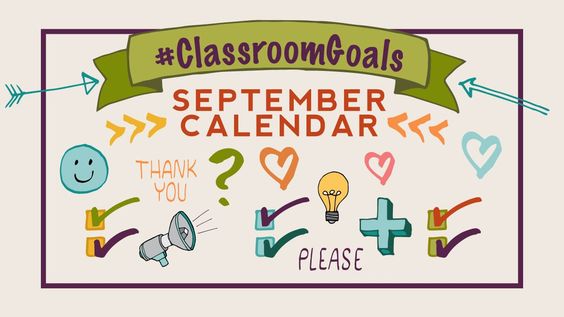
This Free Classroom Goals Calendar Will Help You Set a Positive Tone

Introduction:

As educators, it is important to foster a positive learning environment and help students stay motivated and organized. One way to accomplish this is by implementing a classroom goals calendar. This free tool can be easily integrated into your daily routine to help set a positive tone in your classroom.

What is a Classroom Goals Calendar?

A classroom goals calendar is a visual representation of daily, weekly, or monthly goals that students and teachers work together to achieve. It helps promote positive behaviors and academic progress in a structured way. By setting clear expectations and celebrating achievements along the way, students feel accomplished and motivated to strive towards their goals.

Benefits of Using a Classroom Goals Calendar:

1. Provides structure: A goals calendar gives students a clear understanding of what is expected of them each day, week, or month, providing a sense of structure in their learning process.

2. Fosters motivation: By setting achievable goals – and celebrating reaching those milestones – students are encouraged to push themselves and achieve even more.

3. Promotes teamwork: The calendar not only includes individual student goals but also group or class-wide objectives that require collaboration among peers.

4. Encourages accountability: Having shared goals within the classroom community fosters accountability among peers, motivating students to stay on track.

5. Enhances communication: By tracking progress on the calendar, parents can easily see how their child is doing in school, leading to improved communication between home and school.

Creating Your Free Classroom Goals Calendar:

Creating your own classroom goals calendar is simple! Here’s how you can set up your free calendar:

1. Choose a format: Decide whether you want a daily, weekly, or monthly calendar. A combination of all three can be used depending on your preferences and needs.

2. Set clear objectives: Establish specific benchmarks for each goal so that the students understand what is expected of them.

3. Involve students in the process: Actively engage your students while setting up the goals, giving them a sense of ownership and responsibility.

4. Allocate space for progress tracking: Leave room on the calendar for students to mark their progress and for teachers to provide feedback.

5. Display the calendar: Place the goals calendar in a visible area of your classroom where all students can easily access and refer to it.

Finding Resources:

Several free resources are available online that can help you create an effective classroom goals calendar tailored to your needs. You may find inspiration from various printable templates, customizable digital versions, or even interactive whiteboard applications.

Conclusion:

Incorporating a free classroom goals calendar into your teaching routine is an easy and cost-effective way to create a positive atmosphere that supports academic growth. Through collaborative goal-setting and progress tracking, you can foster motivation, accountability, teamwork, and enhanced communication with parents. Start utilizing this valuable tool today to help your students thrive in their educational journey!

25 Cute and Easy 2nd Grade Classroom Ideas

1. Reading corner: Create a cozy reading corner with comfortable seating and a collection of age-appropriate books for students to enjoy.

2. Growth mindset wall: Encourage a positive mindset by displaying quotes and inspirational messages on a designated bulletin board.

3. Class garden: Set up a small indoor or outdoor garden where students can work together to grow flowers or vegetables.

4. Interactive word wall: Encourage vocabulary development with an interactive word wall, where students can add new words they’ve learned.

5. Colorful seating options: Replace traditional chairs with colorful bean bags or yoga balls for a more engaging learning environment.

6. Birthday celebrations: Highlight each student’s birthday on a special classroom calendar and celebrate with fun activities.

7. Themed areas: Divide the room into different themed areas, such as animal habitats or historical time periods, and decorate accordingly.

8. Student artwork display: Showcase students’ artwork on a designated wall, updating it regularly to reflect current projects and achievements.

9. Morning meeting space: Designate an area in your classroom for daily morning meetings to build community and promote collaboration.

10. Learning stations: Organize the room into various learning stations for math, reading, writing, and more to encourage independent exploration.

11. Class goals board: Set collective goals as a class and keep track of progress on a visually appealing board.

12. Cultural appreciation corner: Dedicate an area to celebrating different cultures with informative posters, maps, artifacts, and more.

13. DIY whiteboards: Give each student their own individual dry-erase board and markers for quick brainstorming during group discussions.

14. Classroom job chart: Assign students specific jobs within the classroom, fostering responsibility and teamwork among your students.

15. Positive reinforcement jar: Keep small items like stickers or erasers in a jar as rewards for positive behavior throughout the day.

16. Visual timetable: Display a visual timetable to help students anticipate the daily routine and transition to different activities.

17. Compliment wall: Encourage students to write compliments for their classmates on sticky notes and display them on a designated wall.

18. Weather and calendar station: Teach students about weather and days of the week with an interactive weather and calendar station.

19. Chill-out zone: Designate a quiet space in your classroom where students can go to take a break, self-regulate, or calm down.

20. DIY cubbies: Use inexpensive storage solutions like plastic crates or cardboard boxes to create personalized storage spaces for each student.

21. Class pet: Adopt a low-maintenance class pet, such as a fish or small rodent, to teach responsibility and care for living creatures.

22. Puzzle station: Set up a puzzle table in your classroom for those who finish their work early or need extra cognitive challenges during free time.

23. Work display board: Dedicate an area in the room to display completed student work and change it regularly to keep it fresh.

24. Flexible seating arrangement: Arrange desks and tables in various configurations for group work, individual work, or collaborative projects.

25. Nature-inspired décor: Decorate the classroom with elements of nature, like plants or displays of seashells, to create a calm and inviting atmosphere.

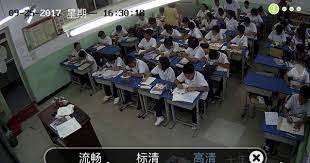
Help! My Principal Installed a Camera in My Classroom So She Can Watch Me All The Time

Introduction:

It’s become more and more commonplace to see surveillance cameras in public spaces, but what happens when one is installed in your classroom, without consultation? While some argue that such cameras may improve safety and accountability, others worry about the impact on privacy and trust within the school community.

Reasons for installing a camera:

The principal may have installed a camera for various reasons. Here are some possible explanations:

1. Security: Ensuring the safety of students and staff is of utmost importance. The camera may act as a deterrent for inappropriate behavior or provide evidence should an incident occur.

2. Accountability: Cameras can offer a resource for evaluating teaching techniques, assessing classroom management skills, and addressing any concerns about teacher performance.

3. Monitoring during video calls: With the COVID-19 pandemic necessitating remote learning in many cases, cameras can allow principals to monitor the classroom during live video calls or playbacks.

Concerns regarding privacy:

Despite potential benefits, installing cameras in classrooms raises concerns about privacy rights for both students and teachers.

1. Invasion of privacy: The constant monitoring of teachers’ methods and students’ responses can feel invasive, leading to increased stress and discomfort in the learning environment.

2. Erosion of trust: Constant surveillance can undermine trust between educators and their administrators by suggesting that they’re not trusted to do their jobs without constant oversight.

3. Misinterpretation of footage: Without context, footage can be misinterpreted or manipulated, resulting in unfair judgments on teachers’ abilities or students’ behavior.

Legal implications:

As an educator encountering this issue, it’s essential to understand your rights and any potential legal implications surrounding surveillance cameras in the classroom.

1. Research local regulations regarding surveillance in schools to determine if such recording is legally permitted.

2. Consult with your union representative or legal advisor if you believe your rights have been breached.

3. Develop thorough policies regarding the use of surveillance within your school that outline your rights, expectations for use, and governance of collected footage.

Steps to address the situation:

If you’re uncomfortable with a camera in your classroom, consider taking these steps to address the issue:

1. Communicate your concerns: Discuss your concerns with the principal calmly, and understand their reasons for installing the camera. Offer alternative solutions for addressing any security or accountability issues.

2. Involve colleagues: Engage colleagues in discussions and gather their thoughts on the matter. A united front might cause administration to reconsider.

3. Seek parent support: Many parents may also have concerns about surveillance cameras in classrooms; garner their support to add weight to your argument.

Conclusion:

While surveillance cameras can serve vital security and accountability purposes, they must be implemented through careful consideration of privacy rights and without eroding trust within the school community. Adequate communication and understanding between administrators, teachers, parents, and students are necessary to establish a supportive learning environment that values safety without compromising trust.