Classroom Management

5 Lessons Teachers Can Learn From The Incredibles

Teaching is no easy task, and educators are always on the lookout for new and engaging ways to inspire their students. Enter “The Incredibles”, Pixar’s beloved animated film about a family of superheroes who must learn to balance their extraordinary powers with the challenges of daily life. The movie not only provides a thrilling adventure but also contains valuable lessons that teachers can apply to their classrooms. Here are five important takeaways from “The Incredibles” that can help teachers create an incredible learning environment for their students.

1. Recognize and Nurture Individual Talents

Each member of the Incredible family possesses a unique superpower, from super strength to invisibility. Similarly, every student in your class has a specific set of skills and talents. It is crucial for teachers to recognize and nurture these diverse abilities in order to develop well-rounded individuals who can confidently contribute to society. Encourage students to explore their interests and provide opportunities for them to showcase their talents.

2. Embrace Teamwork and Collaboration

Throughout the movie, the Incredibles learn that they are most effective when they work together as a team. Teachers should emphasize the importance of teamwork and collaboration in the classroom by incorporating group activities, projects, and discussions into their lesson plans. These collaborative experiences not only help students build essential interpersonal skills but also allow them to learn from one another in a supportive environment.

3. Staying Adaptable in Changing Situations

In “The Incredibles,” the characters must continually adapt to new situations and challenges, whether it’s facing new villains or navigating the complexities of family life. Educators can take this lesson to heart by embracing change in the classroom and staying adaptable when faced with unforeseen obstacles or shifting circumstances. Whether it’s adjusting lesson plans in response to student needs or introducing new teaching strategies, flexibility is key to navigating any inevitable bumps in the road.

4. Celebrate Success and Learn from Failure

As the Incredibles overcome obstacles throughout the film, they celebrate their successes while also learning from their failures. Teachers should nurture a similar mindset in their students by celebrating achievements and encouraging them to learn from missteps. Create a positive atmosphere in the classroom where students feel comfortable taking risks and understand that failure is merely an opportunity for growth and improvement.

5. Encouraging a Balanced Life

In the movie, the Incredibles must strike a balance between their superhero duties and everyday responsibilities, illustrating the importance of leading a balanced life. Encourage students to find harmony between academics, extracurricular activities, and personal interests, reminding them that it’s essential to make time for self-care and relaxation in addition to their academic pursuits.

In conclusion, by recognizing individual talents, emphasizing teamwork and collaboration, staying adaptable in changing situations, celebrating success while learning from failure, and encouraging a balanced life, teachers can take inspiration from “The Incredibles” and create an outstanding learning environment where students can fully realize their potential.

All The Best Classroom Decorations from Target

A well-decorated classroom can inspire creativity and learning in both students and teachers. Target offers a fantastic range of classroom decorations to brighten up any learning space and create a positive and engaging atmosphere. In this article, we will explore some of the best classroom decorations available at Target, perfect for teachers as they welcome students back after the long break.

1. Bulletin Board Sets

Bulletin boards provide a great way to display important information, student work, and motivational quotes. Target’s selection of bulletin board sets includes various themes like the popular “Marvel Superheroes” or the adorable “Woodland Friends.” Both designs come with borders, inspiring words, and creative accents that will make your bulletin boards stand out.

2. Posters

Posters are a staple in many classrooms and can serve as both decoration and educational tools. Target offers an extensive selection of educational posters with themes such as maps, inspirational quotes, motivational messages, charts on various subjects like science or math, and even growth mindset-related posters to enhance students’ love for learning.

3. Wall Decals

Wall decals are a great way to take advantage of unused wall spaces in your classroom. At Target, you’ll find wall decals featuring alphabet letters, numbers, shapes, inspiring quotes, and much more! These durable vinyl stickers are easy to apply and remove, which makes them ideal for any classroom setting.

4. Daily Schedule Pocket Chart

Keep your daily routine organized as well as decorate your walls with a colorful daily schedule pocket chart from Target. This helpful organizational tool lets you display cards that inform students about the order of activities for the day — plus it doubles as an attractive decoration element.

5. Storage Bins & Baskets

Functional decorations like storage bins and baskets can help keep your classroom neat while adding pops of color and style. Target offers a wide range of designs in various materials, shapes, and colors. From clear plastic bins with colorful lids to woven baskets, you can find the perfect storage solution that also adds a decorative touch to your classroom.

6. Learning Carpets

A cozy learning carpet is more than just decoration — it’s a comfortable spot for students to sit during circle time or group activities. Target’s collection includes vibrant educational carpets featuring themes like the alphabet, numbers, or maps. These carpets are not only visually appealing but also provide an additional learning opportunity for students.

7. Seasonal Decorations

Keep your classroom fresh throughout the year by incorporating seasonal decorations from Target. Fall-themed banners, winter snowflake cutouts, spring flowers, or summer-related items can liven up your space and provide ongoing visual interest for your students.

8. String Lights

Nothing creates a warm and inviting atmosphere quite like string lights. Consider incorporating battery-operated or plug-in string lights in your classroom décor for a cozy feel. Target offers various styles like fairy lights, globe lights, star-shaped lights, and more to match any classroom aesthetic.

In conclusion, Target has an impressive assortment of classroom decorations that cater to various themes, subjects, and age groups. By selecting thoughtful and attractive décor elements available at Target stores and online platforms, you will be well on your way to creating an engaging and stimulating learning environment where your students will thrive.

15 Teacher-Tested Tips for Getting Kids to Stop Multitasking

In today’s fast-paced world, multitasking has become a common phenomenon, especially among kids. With access to multiple devices and a constant stream of information, children might find it difficult to focus on one task at a time. As educators, it is important to help students develop effective time management and concentration skills. Here are 15 teacher-tested tips for getting kids to stop multitasking.

1. Set clear expectations: Before starting an activity or lesson, set clear expectations about staying focused and attentive.

2. Break tasks into smaller steps: Help children break their work into smaller tasks, which can reduce the urge to multitask.

3. Use timers: Encourage kids to set timers to allocate specific time slots for each task.

4. Limit screen time: Implement guidelines for limiting screen time during class and encourage students to do the same at home.

5. Encourage active learning: Incorporate hands-on activities and group discussions in the classroom that require full attention and discourage multitasking.

6. Model good behavior: Show your students that you are also committed to focusing on one task at a time by avoiding any distractions while teaching or interacting with them.

7. Teach prioritization skills: Help children rank tasks by importance so they know what needs their full attention first.

8. Provide frequent breaks: Short breaks can help reset focus and improve productivity when students return to their tasks.

9. Create a distraction-free environment: Establish designated quiet areas in the classroom where students can work without any distractions.

10. Teach mindfulness techniques: Introduce mindfulness exercises that can help students cultivate better focus and self-awareness.

11. Rewards system: Implement a positive reinforcement system that rewards kids for staying focused during class activities.

12. Encourage self-monitoring: Teach children how to recognize when they are multitasking and self-correct by redirecting their focus back on the task at hand.

13. Use technology wisely: Leverage educational tools and apps that promote single-tasking or enhance focus, while limiting access to non-essential websites or applications.

14. Peer accountability: Pair students together so they can help each other stay on track and avoid multitasking.

15. Communicate with parents: Keep parents informed about the importance of single-tasking and provide tips for reinforcing these skills at home.

Implementing these strategies can help children develop better concentration skills, improve productivity, and enjoy a more balanced learning experience. Teaching children to avoid multitasking is an essential life skill that will benefit them not just in school, but throughout their personal and professional lives.

How School Recycling Changed My Classroom for the Better

In today’s fast-paced world, the importance of environmental conservation can’t be overstated. It is vital that we instill these values in our future generations, and one way to do this is through school recycling programs. As a teacher at a local elementary school, I have witnessed firsthand how implementing a recycling initiative in my classroom has transformed our learning environment for the better.

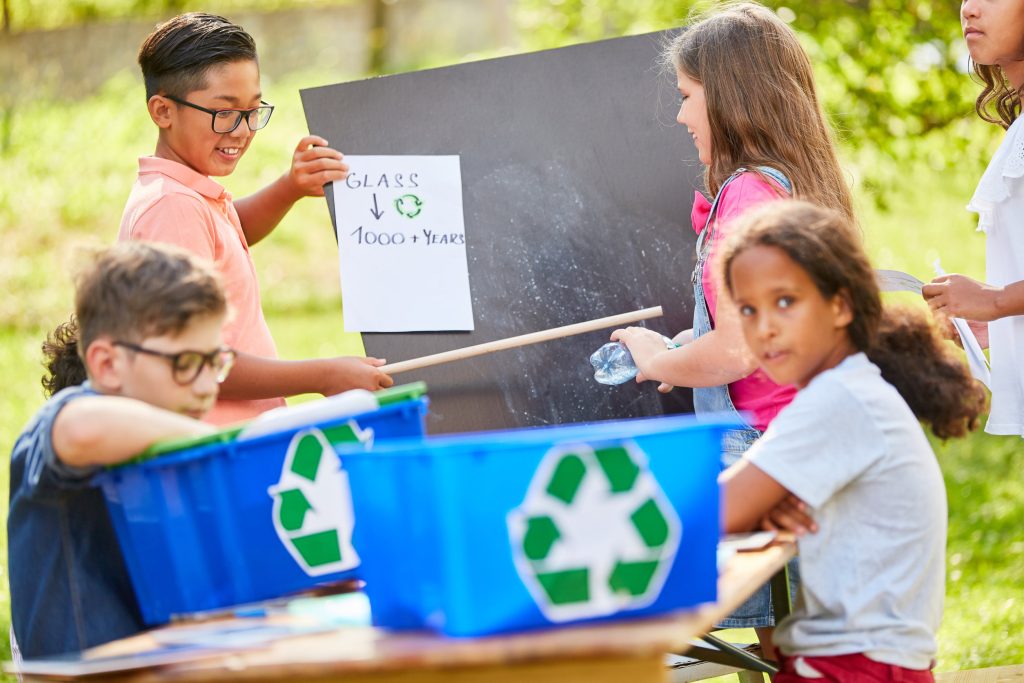
To kick off the recycling program, we started by teaching students about waste separation and its significance. We discussed the various materials that could be recycled – paper, plastic, glass, metals – and the correct bins to throw them in. This hands-on experience allowed my students to engage with an issue of environmental importance on a tangible level.

The recycling program has yielded numerous benefits for my classroom. First and foremost, it has cultivated a sense of ownership among my students. They have become actively involved in contributing to a greener and more sustainable planet and take pride in their efforts to make a difference. We have even set up a classroom recycling corner where students showcase their upcycled crafts made from single-use plastics or discarded paper products.

Additionally, our recycling habits have transformed attitudes towards waste generation. My students have learned to be more conscious of their waste production and consumption patterns, learning to think twice before making non-biodegradable purchases or using disposable items for one-time use. This has led to innovative workarounds such as creating reusable templates for worksheets instead of printing new copies each time.

Moreover, our recycling program has fostered critical thinking and curiosity among my pupils. They are now always eager to learn about new ways they can help the environment by extending their understanding of recycling beyond our classroom walls. This enthusiasm has raised awareness in their families too, leading to a positive community impact.

One unexpected yet remarkable outcome of this initiative is that it has inspired cross-disciplinary learning experiences for my students. For example, they have utilized their scientific knowledge to explore the environmental implications of waste and integrated their creative skills to raise awareness about recycling through posters, essays, and even skits.

In conclusion, implementing a recycling program in my classroom has proven to be an enriching and transformative experience. It has not only educated my students about environmental preservation but also fostered a sense of pride, responsibility, curiosity, and innovation in them. Furthermore, it has provided opportunities for cross-disciplinary learning and awareness creation throughout the broader community. I can confidently say that embracing school recycling has undoubtedly changed my classroom – and my students – for the better.

Classroom Management Starts With Principals, Not Teachers. Here’s Why.

Introduction:

Classroom management is a critical aspect of the educational process. It ensures a conducive learning environment that helps students to achieve their academic goals. While the responsibility of classroom management often falls on teachers, there’s a persuasive argument that effective management starts with school principals. This article will explore the reasons behind this assertion and the crucial role that principals play in establishing and maintaining efficient classroom management systems.

1. Setting Expectations and Policies:

One of the primary reasons classroom management starts with principals is their responsibility to establish school-wide expectations and policies. A principal sets the stage for a well-functioning educational environment by implementing clear guidelines that define acceptable behavior, attendance, and academic performance. Principals must work with teachers to create practical classroom rules that complement these guidelines while ensuring consistency across the school.

2. Leading by Example:

Principals are responsible for setting the tone within the school community. They lead by example, demonstrating how to maintain good relationships with colleagues, parents, and students. When principals model effective communication skills, teamwork, and dedication to professional development, they provide teachers with a strong foundation from which they can effectively manage their classrooms.

3. Providing Professional Development Opportunities:

Professional development opportunities play a crucial role in equipping teachers with the necessary skills for excellent classroom management. Principals are responsible for identifying training needs according to student demographics, teacher performance evaluations, and shifts in educational trends or policies. By providing comprehensive professional development programs, principals ensure that teachers remain up-to-date with best practices in pedagogy and classroom management strategies.

4. Supporting Teachers Under Challenging Circumstances:

Another reason classroom management begins with principals is their responsibility to support teachers facing challenging situations. Principals should be approachable and understanding when teachers encounter issues related to behavior management or workload challenges. By offering practical solutions and additional resources where necessary, principals contribute significantly to effective classroom management.

5. Monitoring and Evaluation:

Effective principals consistently monitor their school’s academic progress and the quality of classroom management. Regular evaluations, such as observing teacher-student interactions, tracking student performance data, and soliciting input from stakeholders, help principals identify areas that require improvement. By providing constructive feedback and actionable strategies, they support teachers in refining their classroom management skills.

Conclusion:

In conclusion, while teachers are undoubtedly at the forefront of classroom management, principals play a significant role in shaping the overall learning environment. By setting expectations and policies, leading by example, providing professional development opportunities, supporting teachers under challenging circumstances, and evaluating academic progress, principals ultimately lay the groundwork for successful classroom management systems. As we strive to enhance education quality in our schools, it’s essential to recognize and nurture the critical partnership between teachers and principals in creating well-managed classrooms that foster student success.

FREE Poster Set! Sustainability Posters for the Classroom

Introduction:

Educators have a unique opportunity to teach their students about sustainable practices and the importance of preserving our environment. One amazing teaching resource that can help achieve this goal are sustainability-themed posters for the classroom. These posters not only promote understanding of environmental themes but also encourage individual action for a greener future. We are excited to introduce a fantastic FREE poster set, specifically designed to educate students about sustainability.

The Sustainability Poster Collection:

This set of free posters covers critical topics in sustainability, including waste management, renewable energy, water conservation, and protection of biodiversity. Each poster features captivating graphics and straightforward messaging to help students grasp core ideas easily.

1. Reduce, Reuse, Recycle

This classic mantra is a cornerstone of waste management and an important part of sustainability efforts. This poster reinforces the practical steps one can take to reduce waste and minimize strain on our planet.

2. Renewable Energy Sources

A pivotal aspect of a sustainable future is transitioning from fossil fuels to renewable energy sources such as solar, wind, hydroelectric, and biomass power. This poster showcases different renewable energy types and highlights their benefits.

3. Water Conservation

Water scarcity is becoming a major global challenge; thus, we must prioritize water conservation measures. This poster illustrates various methods we can deploy to save water both at home and school.

4. Protecting Biodiversity

Our planet’s wellbeing depends on maintaining a delicate balance within ecosystems. This poster emphasizes the importance of protecting biodiversity by preserving habitats and avoiding activities that harm the environment.

5. Green Transportation

Reducing air pollution through alternative transportation options like walking, biking, using public transit, or driving electric vehicles is vital for a sustainable future. The green transportation poster outlines these eco-friendly options while encouraging their adoption.

6. Plant More Trees

Trees play an essential role in cleaning our air, providing habitat for wildlife, and combating climate change. This poster nudges students to plant more trees and participate in greening activities.

Benefits of Sustainability Posters:

– Enhancing Environmental Awareness: The posters help raise awareness about different sustainability aspects, providing students with knowledge they can apply to protect the environment.

– Encouraging Positive Behavior: Through concise messaging and compelling graphics, these posters promote environmentally friendly actions among students, fostering sustainable values.

– Easy-to-Integrate Resource: Teachers can seamlessly incorporate sustainability posters into their classrooms by displaying them alongside other educational materials or by using them as visual aids during lesson planning.

Conclusion:

As educators, it’s our responsibility to prepare the next generation for a greener future. By using this free sustainability poster set in your classroom, you can inspire your students to take an active role in safeguarding our planet. So, why wait? Start incorporating these posters into your teaching materials today and make a lasting impact on promoting sustainability among young minds.

Your Guide to Classroom Setup and Creative Classroom Spaces

Introduction

A well-designed classroom setup plays a vital role in optimizing the teaching-learning process and creating an inspiring, engaging environment for students. With creativity and careful planning, teachers can transform their classrooms into spaces that encourage collaboration, spark curiosity, and foster a sense of belonging. This article explores various ideas for setting up a classroom and designing creative spaces that enhance the educational experience for both students and educators.

1. Start with the Basics: Furniture Arrangement

For an efficient classroom setup, start by arranging the furniture to accommodate different learning styles and activities. Some options include:

– Traditional Rows: Arrange desks in rows facing the front of the room for direct instruction.

– Horseshoe or U-Shaped: For better teacher-student interaction, use a horseshoe or U-shaped arrangement.

– Cluster Seating: Organize desks into small group clusters for collaborative learning.

– Flexible Seating: Offer a variety of seating options such as bean bags, cushions or wobble stools to allow students choice on how they want to sit.

2. Create Functional Learning Zones

Setting up specific areas in the classroom dedicated to various activities enhances focus and organization. Consider creating zones like:

– Reading Corner: Set up a comfortable space with bookshelves, seating, and good lighting.

– Listening Area: Equip an area with headphones, audio devices, and recorders for individual or group audio activities.

– Collaborative Space: Designate an area with large tables or desks arranged in clusters for group projects and discussions.

– Art Center: Curate materials such as paints, collage items, clay, easels, and craft supplies in a designated creative workspace.

3. Enhance Walls with Visuals

Enrich your classroom’s visual environment by adorning walls with colorful decorations that inspire learning:

– Educational Posters: Display posters relevant to your subject area or motivational quotes.

– Student Work: Dedicate a wall or bulletin board to showcase outstanding or creative student work.

– Word Walls: Create a vocabulary wall that helps reinforce and illustrate essential terms for students.

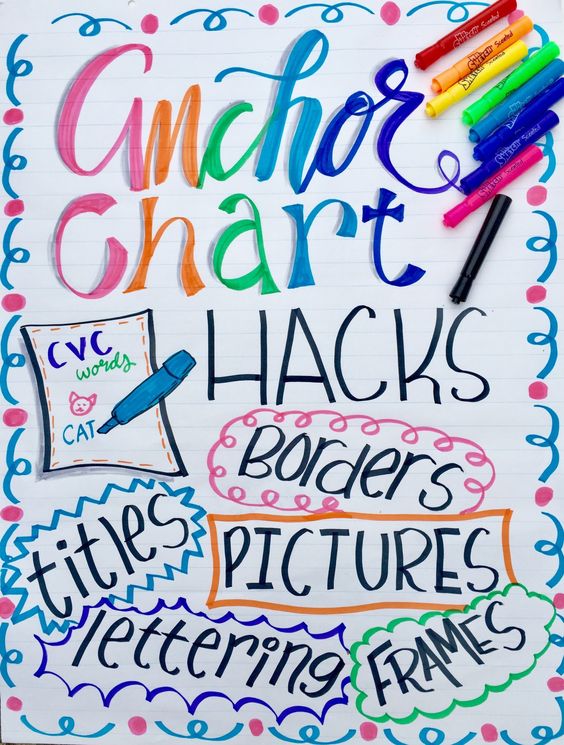
– Anchor Charts: Display anchor charts as visual aids for various concepts.

4. Manage Noise Levels

Effective noise management is essential in maintaining an optimal learning environment:

– Sound-absorbing Materials: Employ rugs, felt boards, or foam panels to reduce echo and noise.

– Assigned Noise Areas: Designate specific areas for louder activities, such as group discussions and collaborative work.

– Quiet Signs: Use visual cues like “Quiet Zone” or “Reading Area” signs to remind students of expected noise levels.

5. Incorporate Technology

A modern classroom setup should include technology-based teaching aids:

– Interactive Whiteboards: Use interactive whiteboards or smart projectors to engage students with dynamic visuals and interactive elements.

– Tablets and Laptops: Equip the classroom with portable devices for research, educational apps, and assignments.

– Online Learning Platforms: Leverage online platforms to complement in-class learning, offering students access to additional resources, forums, and assignment tracking.

Conclusion

A thoughtfully-planned classroom setup goes a long way towards supporting effective teaching styles, fostering student engagement, and promoting academic success. By considering the above tips when organizing your space, you can create a dynamic, stimulating environment that supports the diverse needs of your learners.

How I Made My Own Standing Desks for My Classroom

As an educator, I am always on the lookout for innovative ideas to enhance learning in my classroom. Recently, I came across the concept of standing desks as a means to promote better posture, encourage movement, and increase productivity. Intrigued by their potential in an educational setting, I decided to create my own standing desks for my classroom. In this article, I will share the process and outcomes of this DIY project.

Step 1: Research and planning

The first step to creating my own standing desks was conducting thorough research to understand the ergonomics and benefits of these alternative workstations. I discovered that standing desks allow students to alternate between sitting and standing positions throughout the day, resulting in various health advantages such as reduced back pain and improved focus.

I also searched for cost-effective design options that met my students’ needs and fit within my budget. After evaluating various styles and materials, I settled on a simple plan: utilize repurposed wooden tabletops, supported by sturdy metal legs with adjustable heights.

Step 2: Gathering materials

Next, I visited local thrift stores, garage sales, and online marketplace websites in search of sturdy wooden tabletops that could be repurposed as standing desk surfaces. To ensure durability and longevity, I selected solid wood pieces with minimal wear-and-tear.

For the adjustable metal legs, I sourced hardware stores and online vendors specializing in industrial components. I made sure to purchase legs with a broad range of height adjustments to accommodate the various statures of my students.

Step 3: Preparing the tabletops

Upon securing the necessary tabletops, I sanded down any rough spots and filled in any imperfections with wood filler. As a finishing touch – and to protect the surface – I applied several coats of polyurethane varnish.

Step 4: Assembling the desks

Once the tabletops were prepped, I moved on to the most critical stage – assembling the standing desks. I attached each set of metal legs to the designated spots on the tabletops according to the manufacturer’s instructions. Given that safety is a primary concern in any classroom setting, I used robust bolts and locking mechanisms to secure the legs in place.

Step 5: Introducing standing desks to my classroom

Having completed constructing the standing desks, I integrated them into my classroom layout. To encourage their use, I arranged them in clusters and paired them with conventional desks, allowing students to switch between sitting and standing during lessons.

Over time, I noticed that my DIY standing desks fostered a more dynamic classroom atmosphere as students embraced these alternative workspaces. Not only did they improve overall posture and attentiveness, but they also enabled students to expend excess energy in appropriate ways.

In conclusion, creating my own standing desks for my classroom was an exciting and rewarding endeavor. By researching, planning, and assembling these resourceful workstations, I’ve made a positive impact on my students’ health and learning experiences. Now that you understand the process, why not give it a shot and create your own standing desk for better wellbeing and productivity?

Group Punishments Are Still the Norm in Schools, and I’m Over It

Introduction:

Group punishments have been a prevailing method employed by educators for years as a form of disciplinary action. However, as the modern world continues to develop and our understanding of effective educational strategies evolves, it’s time to reevaluate the logic behind group punishments in schools and seek alternative methods that better cater to individual student needs.

The Problem With Group Punishments:

Group punishments involve punishing an entire group of students for the misbehavior of a few individuals. While the intent behind this approach could be to promote collective responsibility, there are several issues associated with it.

1. Unfair Method of Discipline: Applying punishments collectively often results in innocent students being subjected to unfair treatment because of others’ actions. This creates a sense of injustice among students and can foster resentment towards both their peers and the system.

2. Doesn’t Address Individual Needs: A one-size-fits-all punishment fails to account for each student’s unique circumstances and underlying reasons for misbehavior. This lack of personalization prevents educators from effectively addressing the root causes of misconduct and leads to repetitive occurrences.

3. Reinforces Negative Group Dynamics: Instead of fostering a sense of camaraderie, group punishments can exacerbate existing tensions within groups, making it challenging for students to identify with their classmates positively.

4. Stifle Communication: Fear of retaliation from peers may deter students from reporting instances of bullying, peer pressure, or other forms of misconduct due to concerns about triggering collective punishments.

Alternatives To Group Punishments:

Acknowledging these associated issues, educators should look towards alternative disciplinary methods that cater more effectively to individual students’ needs and promote open communication channels.

1. Individual Consequences: Rather than a blanket punishment, employing individual consequences ensures fairness by directing attention towards those who engage in misconduct without penalizing those not involved directly.

2. Restorative Justice: Focus on repairing harm through dialogue and collaborative problem-solving techniques, this approach encourages students to take tangible steps towards correcting their actions and addressing the implications of their choices.

3. Positive Reinforcement: Encourage and reward good behavior instead of solely punishing misbehavior, which helps foster an environment of positivity and ensures that students actively engage in appropriate actions.

4. Clear Expectations and Communication: Set clear expectations for behavior from the outset, regularly communicate these expectations to ensure students understand what is expected of them, and create open channels of communication to address concerns or grievances effectively.

Conclusion:

In conclusion, group punishments may appear to be a quick-fix solution at hand; however, they are often inefficient and unfair in addressing individual student’s needs. It’s time for educators to embrace alternate methods that promote fairness, inspire responsible behavior, and encourage a positive learning environment. By reevaluating disciplinary approaches in schools, we can work towards creating an environment where every student feels adequately supported and valued.

Why I Won’t Be Hanging Anchor Charts in My Classroom This Year

Each year, as classrooms across the country are being prepared for the influx of new students, teachers often spend countless hours crafting and hanging anchor charts. These visual aids, designed to provide references for concepts and strategies, have long been a part of growing educational décor. However, this year, I’ve made the decision not to hang anchor charts in my classroom—and here’s why.

1. Emphasis on The Digital Environment

As our world becomes increasingly digitized, it’s essential that our classrooms follow suit. Many schools have now adopted one-to-one device programs, granting each student access to a tablet or laptop for their educational needs. With such technology readily available, digital resources can easily replace physical posters, becoming just as informative while saving valuable wall space.

2. Encouraging Independent Learning

The reliance on anchor charts may inadvertently create a dependency on external reference materials, discouraging students from cultivating their problem-solving skills and accessing information independently. As we move away from traditional teaching methods towards more student-centered learning environments, it’s essential that we support our young learners to become self-sufficient thinkers and researchers.

3. No More ‘One-Size-Fits-All’

Anchor charts often represent a single perspective or a specific teaching approach. While they may work for some students, not all learners will benefit equally from these visuals. To create an inclusive learning environment that caters to diverse learning styles and needs, it’s vital to offer multiple resources – which may not always be found within the confines of an anchor chart.

4. Flexibility and Adaptability

The world is constantly evolving – and so should our classrooms! By moving away from fixed displays like anchor charts, teachers can create dynamic spaces that are easily updated with new discoveries or shifting priorities within any given curriculum. This unprecedented flexibility opens the door for students to become even more engaged in their own educational experiences.

5. Environmentally Friendly Practices

Over time, anchor charts can become outdated or damaged, requiring replacement. Teachers often spend valuable time and resources recreating these displays year after year. By switching to digital displays, educators not only save paper and reduce waste but also eliminate the need for constant updates.

In conclusion, while anchor charts have been faithful companions to many educators over the years, it’s time to reevaluate their role in our evolving classrooms. By embracing digital tools and fostering independent learning, we can create more engaging and inclusive educational experiences for students – without relying so heavily on these traditional visual aids.