Classroom Management

To Delete: 10 Quick and Easy Ways to Develop a Strong Classroom Community

Introduction:

A strong classroom community is essential for creating a positive learning environment. When students feel comfortable and supported in their classroom, they are more likely to engage with the material and contribute to a collaborative atmosphere. To that end, here are 10 quick and easy ways to develop a strong classroom community.

1. Set clear expectations:

Begin the school year by establishing clear expectations for behavior and participation. This will ensure that all students understand their responsibilities, which is critical in creating a cohesive classroom community.

2. Encourage open communication:

Make it clear that every student’s thoughts and opinions are valued by fostering an environment of open communication. Encourage students to express themselves without fear of judgment, both in class discussions and one-on-one conversations.

3. Create opportunities for collaboration:

Design lessons and activities that require students to work together, such as group projects or cooperative learning strategies. These experiences allow students to learn from one another and strengthen their interpersonal relationships.

4. Be approachable:

As the teacher, it’s important to be accessible and approachable for your students. Make yourself available during breaks or after class to chat with students about their concerns or interests, reinforcing the idea that their opinions matter.

5. Praise effort, not just results:

Recognize and celebrate all achievements in the classroom community – big or small – in order to create an atmosphere of encouragement and support. Applaud hard work, persistence, or helpful behavior just as much as high test scores or perfect projects.

6. Organize team-building activities:

Arrange occasional team-building exercises outside of regular lessons to promote bonding among classmates. Games, interactive icebreakers, or group discussions can help break down barriers between students and create lasting connections.

7. Foster empathy and understanding:

Encourage students to think about their peers’ feelings when making choices, whether it’s speaking up in class or offering support when someone is struggling. Develop activities that prompt students to understand and appreciate one another’s perspectives.

8. Prioritize inclusivity:

Ensure that every student feels seen and heard by addressing issues of diversity, intersectionality, and individual needs. Encourage students to embrace their unique backgrounds, beliefs, and identities while celebrating the diversity in their classroom community.

9. Provide a safe space for failure:

In order for students to learn from mistakes without fear of embarrassment, create an environment where it’s okay to take risks and occasionally fail. Emphasize the importance of trying new things and remind students that nobody is perfect.

10. Maintain consistency:

To build trust within your classroom community, be consistent in upholding your expectations, routines, and consequences. Follow through on commitments you make, and ensure that all students know they can depend on you to be fair and reliable.

Conclusion:

Developing a strong classroom community takes time and effort from both teachers and students, but the benefits are worth the investment. When everyone feels valued, respected, and supported, a positive learning environment can truly flourish. By implementing these 10 quick and easy strategies, you can facilitate the growth of a thriving classroom community where mutual trust and respect reign supreme.

13 Clever Ways to Pick Student Partners or Groups

Creating diverse, dynamic student partnerships and groups is essential for a successful classroom environment. It encourages teamwork, initiates collaboration, and fosters problem-solving skills. Yet, finding the right balance can be challenging. Here are 13 clever ways to pick student partners or groups that can transform your classroom atmosphere.

1. Popsicle Stick Draw: Write each student’s name on a popsicle stick and place it in a jar. When you need to create new groups or partners, simply draw the sticks randomly.

2. Clock Partner Method: Each student receives a clock worksheet with their name in the 12 o’clock space. They find partners to assign on their ‘clock’ sheet at different hours. When needed, call out specific hour-based pairings for group activities.

3. Line-up Strategy: Ask students to line up based on predetermined criteria such as birthdate, favorite color, or favorite sports team. Then, create groups or partnerships from the line.

4. Colored Index Cards: Give each student an index card with a color-coded category. Choose any combination of possible categories, like interests, abilities, or learning style. Students find partners with matching colored cards.

5. Puzzle Pieces: Cut puzzle pieces from construction paper and distribute them to the class. Students must find their match by connecting the pieces together.

6. Group Jigsaw: Assign students numbers or symbols and then group them accordingly (e.g., all squares together or all triangles together). This allows for quick reshuffling of diverse groups if needed.

7. Musical Mingle: Play music while students walk around the room. When the music stops, they find partners nearest to them for a group activity.

8. Themed Conversation Starters: Distribute randomly-assigned conversation starters to students related to the topic being studied in class. Have students engage in brief discussions with their classmates before forming partner groups with similar ideas or thoughts.

9. Heterogeneous Grouping Technique: Use pre-assessment scores or learning strengths to intentionally create teams that are diverse in ability. Assign students specific roles based on their talents to improve overall group performance.

10. Homogeneous Grouping Technique: Create groups with similar learning styles, talents, or interests to encourage compatibility and focused collaboration on a given topic.

11. Friendship Groups: Allow students to form their own groups, encouraging friendships and social bonds to be strengthened alongside academic learning.

12. Balanced Grouping: Assign each student a role or responsibility within the group based on their skills (e.g., timekeeper, secretary, researcher). This promotes collaboration and creates balanced teams where everyone has a specific task.

13. Student-Led Team Selection: Let students take full ownership of group formation by conducting their own evaluations or selecting team members through either their personal preferences or based on complementary skillsets.

In conclusion, various methods can be employed for picking student partners or groups, allowing educators to foster a positive classroom environment. These techniques encourage collaboration, build stronger academic performance, and develop essential interpersonal skills in students—the perfect recipe for successful classroom experiences.

The Impact of a Cute Classroom on Learning: How Pressure Can Get in the Way

Introduction:

In recent years, it has become increasingly popular to create aesthetical and adorable classrooms for students. While there’s no denying that an inviting environment can enhance learning, the pressure of maintaining a “cute” classroom can also have negative consequences. Both teachers and students may feel added stress, which in turn can detract from the overall learning experience.

The Pressure on Teachers:

Teachers often have many responsibilities competing for their time and attention, including lesson planning, grading, and meetings. The added pressure to maintain a cute classroom can be overwhelming and lead to increased stress levels. They may spend hours searching Pinterest for ideas while trying to balance work-life priorities and seek validation through social media. This time could be better spent focusing on their professional development or connecting with students.

Moreover, there is an implicit expectation that all teachers should have the financial means to create such elaborate spaces. Supplies for a visually appealing classroom can be costly, adding further strain to the teacher’s limited budget.

The Pressure on Students:

The pursuit of a cute classroom can also create unintended consequences for students. Classrooms filled with bright colors, modern furnishings, decorative pieces, and adorable accents may seem warm and inviting but distract from the real purpose – learning. As attention shifts from educational content to maintaining an aesthetical environment, students might feel pressure to keep up appearances or endure feelings of inadequacy in comparison with their peers.

Such classrooms often emphasize style over functionality – comfortable seating areas and decorative layouts may impede smooth transitions between tasks and increase noise levels making it difficult for students to concentrate.

Additionally, as classrooms become more picture-perfect, there might be an unspoken expectation that the children should perform exceptionally well academically or behaviorally in order not to ruin the reputation of the classroom.

Striking a Balance:

To mitigate the negative effects of such pressure, teachers should prioritize the learners’ needs and manage their expectations. It’s essential to create a balanced learning environment that resonates with students without detracting from the primary goal – education.

First and foremost, teachers should ensure that the classroom has adequate space to move around and provide ample opportunities for group activities. Classroom design should also be as inclusive as possible, catering to students’ diverse learning styles and needs.

In conclusion:

While striving for an attractive learning environment, teachers must remember that the ultimate goal is students’ growth and well-being. Striking a balance between function and form is crucial in creating a truly enriching space where teaching and learning can flourish without the pressure of maintaining a cute classroom.

Positive Classroom Culture Should Start With the Kids

Introduction

The key to a positive classroom culture is to empower students to take responsibility for their learning environment. When children feel comfortable, safe, and valued in their classrooms, they can grow and develop their skills to the fullest potential. Encouraging students to play an active role in promoting positive classroom culture fosters self-confidence and the spirit of collaboration within the class. This article will discuss why it’s essential for positive classroom culture to start with kids, how teachers can support this process, and the benefits it brings.

The Importance of Empowering Students in Building a Positive Classroom Culture

Engaging students in fostering a positive atmosphere plays a significant role in instilling important values such as respect, trust, and empathy. By giving students ownership over certain aspects of their learning environment, you enable them to feel more responsible for maintaining this positive culture.

Teachers can encourage student participation by creating a space where everyone feels heard and valued. This approach helps children understand why classroom rules exist and how they contribute to creating an inclusive environment. Essentially, teachers must guide students on how to motivate one another, manage conflicts positively and advocate for themselves.

Strategies for Encouraging Positive Classroom Culture Among Students

Teachers play a crucial role in supporting the development of a positive classroom culture initiated by students. Here are some strategies teachers can employ:

  1. Encourage Open Communication: Create opportunities for open discussions related to positive norms and values in the class. This dialogue may include brainstorming expectations for behavior or discussing ways to maintain positivity during group activities.
  2. Foster Collaboration: Encourage students to work together on projects and share responsibilities for an equitable learning environment. Providing opportunities for group work or peer tutoring activities facilitates teamwork and empathy.
  3. Model Respect: Be consistent in modeling respectful behavior toward all students, regardless of background or ability level. Demonstrating respect leads by example and shows the proper way of interacting with others.
  4. Promote Diversity: Acknowledge and celebrate differences among students, which helps build a sense of belonging in a diverse classroom.
  5. Provide Opportunities for Self-Reflection: Dedicate time for students to reflect on their personal actions and experiences as they relate to the classroom culture. This process allows them to become more aware of the impact they have on their learning environment.

Benefits of a Positive Classroom Culture that Starts with Kids

When kids take an active role in creating a positive classroom culture, the effects can be powerful and far-reaching. Some notable benefits include:

  1. Improved Student Well-Being: A safe and inclusive learning environment supports the emotional, social, and academic needs of students.
  2. Decreased Disruptive Behavior: When students feel responsible for their class’s positive atmosphere, disruptive behavior can significantly decline.
  3. Enhanced Academic Performance: Students who feel secure in their learning environment are likely to remain engaged with coursework and perform better academically.
  4. Development of Life Skills: By taking an active part in fostering a positive classroom culture, students develop essential life skills such as communication, empathy, and collaboration.

Conclusion

Teaching kids to take the lead in developing a positive classroom culture is the foundation for lasting success both inside and outside the walls of their school. When students feel heard, valued, and empowered as part of a safe learning environment, they are more likely to thrive academically and emotionally. Including children in building this environment fosters community spirit, unity, and increased wellbeing for every student involved.

5 Hilarious Truths About Teaching on Your Feet All Day

Teaching is a profession that demands endless hours of dedication, preparation, and creativity. But what many people may not realize is that teaching also requires being on your feet all day long. In this article, we bring you the 5 most hilarious truths about this phenomenon that every teacher can relate to.

1. The Floor is Lava

Much like the popular childhood game, the floor in a classroom feels like lava for teachers who have been standing all day. With sore feet and lower back pain, it may seem like teachers have an aversion to the ground itself. It’s not uncommon to find a teacher standing on one foot trying various balancing acts to alleviate their discomfort – they might as well call us professional tightrope walkers!

2. Teacher’s Dilemma: To Sit or Not To Sit

Every now and then, during a lesson or group activity, there comes a sudden opportunity for a teacher to grab a seat. However, with great power comes great responsibility – and the fear that sitting down for even just a moment will be interpreted as slacking off. It’s quite the dilemma: embrace those precious moments of sitting or maintain a vigilant image?

3. Sudden Outbursts of Silly Dance Moves

Prolonged standing can lead to restlessness and the need for movement. Sometimes, teachers may spontaneously perform dance moves in an attempt to loosen up their body without gaining any attention from students. However, these make for some pretty hilarious scenes when caught by observant little eyes.

4. Wishing for Roller Skates

Imagine how much easier it would be gliding around inside the classroom on roller skates! Could there be any better solution than whisking across the room without putting any additional strain on tired feet? Of course, practicality must come into play – but hey, we can dream!

5. Footwear Fashion Show

Teaching is not the profession to flaunt stiletto heels or fancy leather shoes. When a teacher’s footwear can make or break their day, function takes precedence over fashion. Sneakers, flats, and even orthopedic shoes become the stars of a diverse shoe collection that teachers lovingly call their “foot saviors.”

In conclusion, teaching is a noble and rewarding profession, but it does come with its own set of hilarious challenges. By embracing the funnier aspects of spending all day on our feet, we can find a little more joy and comfort in our daily grind. So if you see a teacher spontaneously breaking out dance moves or rolling around on their office chair in the staff room, just know they’re simply embracing the hilarious side of teaching on their feet all day!

The Most Common Friendship Issues in the Classroom

Friendship plays an essential role in a person’s social development, and classrooms serve as a hub for forming these connections. However, the school environment can also bring about various friendship issues among students. This article will discuss the most common friendship issues in the classroom and suggests some potential ways to address them.

1. Cliques and Exclusivity

One of the most prevalent friendship issues is the formation of cliques or exclusive groups that leave some students feeling isolated. These cliques can lead to an unhealthy social hierarchy, bullying, and exclusion of others who do not belong to these groups.

Solution: Teachers and school administrators can help prevent cliques by promoting an inclusive classroom environment through team-building exercises and group activities that encourage interaction and cooperation among all students.

2. Peer Pressure

Peer pressure, especially for impressionable youth, can lead to students engaging in uncharacteristic behavior to fit in with their friends. This may include academic cheating, substance abuse, or other risky behaviors.

Solution: Schools should offer support services, such as counseling, to help students navigate the challenges of peer pressure. Additionally, educational programs that promote individuality and resisting negative influences should be implemented.

3. Conflict Resolution

Another common issue is the inability to resolve conflicts reasonably or without resorting to aggression. Disagreements or misunderstandings can escalate into fights or long-term grudges among friends.

Solution: Teachers can play a vital role in teaching conflict resolution skills to their students through role-playing activities, discussions about empathy and understanding others’ perspectives, and promoting open communication within the classroom.

4. Competition

Healthy competition is expected within a classroom setting; however, sometimes, intense rivalry between friends can lead to jealousy and resentment.

Solution: Encourage students to focus on personal growth rather than comparing themselves to their peers by setting individual goals and promoting collaboration over competition.

5. Gossip and Rumors

Schools can be a breeding ground for gossip and the spread of rumors, which can harm friendships and tarnish reputations.

Solution: Teachers should actively discourage gossip in the classroom by setting a positive example and addressing instances of spreading rumors head-on. Encourage open conversation and educate students about the impact of gossip on personal relationships.

In conclusion, friendship issues in the classroom are common but can be managed with proactive interventions by teachers and school administrators. By fostering an inclusive environment that emphasizes empathy, communication, and conflict resolution, schools can help students navigate the often complex world of friendships and social interactions.

25 Tricks to Get Your Students Through the Last Weeks of School

1. Create a countdown calendar: Mark the remaining days of school on a calendar and watch it dwindle as time goes by. This serves as a visual reminder and helps to keep your students excited.

2. Change up your classroom layout: Surprise your students by rearranging your classroom furniture for a fresh new learning environment.

3. Introduce fun activities: Integrate educational games and activities into your lesson plans to boost engagement.

4. Host themed dress-up days: Schedule days where students can come dressed in a particular theme, such as pajama day or crazy hat day.

5. Organize team-building exercises: Encourage teamwork and collaboration by initiating group projects and team challenges.

6. Create reward charts: Use stickers or points to track good behavior or academic success, with rewards upon reaching certain milestones.

7. Host guest speakers: Invite speakers from various professions to share their experiences with your students, introducing them to potential careers and making the subject matter more relevant.

8. Conduct brain breaks: Schedule short breaks throughout the day for students to relax, meditate, or engage in light exercise.

9. Plan a field trip: Organize an educational excursion related to the curriculum, giving your students something to look forward to.

10. Set learning goals: Define clear objectives for the final weeks of school, encouraging your students to stay focused on their studies.

11. Hold a film screening: Choose an educational movie that ties into lesson material, allowing your class some downtime while still engaging with the subject matter.

12. Organize a talent show or class performance: Give everyone an opportunity to showcase their skills in front of an audience of peers and parents.

13. Introduce meditation and mindfulness practices: Teach your students relaxation techniques that can help them manage stress and anxiety during this busy period.

14. Offer plenty of encouragement: Highlight individual achievements and provide constant positive reinforcement.

15. Create a reward system: Recognize effort, improvement, and good behavior by offering small prizes or special privileges.

16. Assign creative projects: Encourage individuality and personal expression by asking your students to create artwork, design presentations, or write stories tied to the curriculum.

17. Run an end-of-year class celebration: Plan a party with games, awards, and treats as a way for everyone to relax and have fun together.

18. Host study groups: Organize sessions where students can work together, review materials, and discuss challenging concepts.

19. Create a book club: Select age-appropriate literature for your class to read and hold discussions on themes and characters.

20. Offer extra help: Provide opportunities for one-on-one tutoring sessions or after-school programs catering to students who need help with certain subjects.

21. Showcase student work: Display completed projects, essays, or artwork to celebrate their accomplishments.

22. Design fun assessments: Create unconventional quizzes or tests that are interactive and enjoyable for your students while still measuring their progress effectively.

23. Hold regular check-ins: Meet individually with students to discuss their progress, address any concerns, and offer encouragement.

24. Promote healthy habits: Teach your class about the importance of sleep, nutrition, exercise, and relaxation techniques in order to combat stress during exam season.

25. Instill a growth mindset: Encourage your students to view challenges as opportunities for development rather than obstacles or setbacks. Foster an environment where mistakes are part of the learning process and perseverance is rewarded.

By implementing these 25 tricks in your classroom during the last weeks of school, you will ensure a more positive learning experience for both you and your students. These methods can help maintain motivation, reduce stress levels, and ensure academic success as the school year draws to a close.

8 Real Teacher Questions About Keeping Classrooms Clean

As schools reopen and students return to physical classrooms, ensuring a safe and clean learning environment has become a top priority for educators. Teachers have raised several questions regarding proper cleaning and sanitization protocols. In this article, we will address eight real teacher questions about keeping classrooms clean.

1. How often should I sanitize the classroom?

It is crucial to sanitize your classroom daily. Regular cleaning and disinfecting of frequently-touched surfaces like desks, chairs, doorknobs, and light switches can help prevent the spread of germs and viruses. Implement a cleaning routine at the beginning or end of each day.

2. What are the best cleaning products to use in the classroom?

Choose EPA-approved cleaning products that are effective against viruses and bacteria. Look for products with labels that state they kill 99.9% of germs, making them suitable for disinfecting surfaces in a classroom setting.

3. Should I encourage students to clean their hands frequently?

Yes, teaching students to maintain proper hand hygiene is crucial in preventing the spread of illness. Encourage regular handwashing with soap and water for at least 20 seconds, especially after using the restroom or before eating. Additionally, make alcohol-based hand sanitizer readily available in your classroom.

4. How can I encourage a culture of cleanliness among my students?

Educate your students about the importance of maintaining a clean environment by discussing cleanliness regularly, assigning individual responsibilities for cleaning tasks, and incorporating lessons on hygiene into your curriculum.

5. Should I use air purifiers in my classroom?

Utilizing air purifiers equipped with HEPA filters can help improve air quality and reduce allergens or airborne viruses within your classroom setting. While not required, they can serve as an extra precautionary measure if resources allow.

6. Do I need to wear gloves while cleaning the classroom?

It is advisable to wear disposable gloves while handling disinfectants or cleaning products, especially when dealing with high-touch surfaces or bodily fluids. Always wash your hands thoroughly after removing gloves to ensure maximum protection.

7. What is the best way to handle a student who comes to class sick?

Send the sick student immediately to the school nurse or a designated isolation area. Disinfect any surface or object the student may have come into contact with in order to prevent the spread of illness.

8. How can I involve parents in maintaining a hygienic classroom environment?

Keep parents informed about sanitation protocols and steps they can take to maintain cleanliness at home. Request that they provide tissues, hand sanitizer, and cleaning wipes as classroom supplies, and encourage them to keep their children at home if they exhibit symptoms of illness.

Implementing these practices can contribute to maintaining a safe and clean learning environment for your students. Regular communication with school administrators, custodial staff, and parents will ensure that all parties are committed to keeping classrooms clean and reduce the spread of germs throughout the school year.

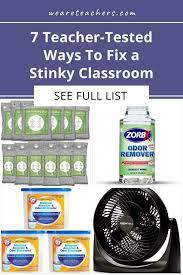
8 Teacher-Tested Ways To Improve a Stinky Classroom

A stinky classroom can be a significant distraction for students and teachers alike, making it difficult to focus on learning. But don’t worry! Below are eight tried-and-true methods from experienced educators to help improve the smell and overall atmosphere of your classroom.

1. Open windows and doors: Fresh air is one of the best natural deodorizers. Make sure to regularly open windows and doors, weather permitting, to ventilate the classroom and let in fresh air.

2. Use air purifiers: Place air purifiers strategically throughout the classroom to help filter out unwanted odors. Consider using machines with built-in HEPA filters to ensure cleaner, fresher air.

3. Clean regularly: Maintaining a clean environment is essential for eliminating unpleasant smells. Sweep the floor, dust surfaces, and sanitize high-touch areas daily. Incorporate a schedule that encourages students to participate in cleaning tasks and take ownership of their learning space.

4. Introduce indoor plants: Certain houseplants are known for their ability to purify indoor air by absorbing toxins and providing oxygen. Consider adding plants such as snake plants, spider plants, or peace lilies to your classroom decor.

5. Use essential oils: Utilize an essential oil diffuser with scents like lavender, lemon, or eucalyptus that both mask strong odors and provide a calming effect for the students.

6. Address odor sources: If you know the source of the stench (e.g., old carpets or moldy walls), address it as soon as possible. Investigate underlying issues that may cause persistent smells and take appropriate measures to eliminate them.

7. Implement a “no food” policy: Establish a rule against eating inside the classroom to prevent lingering food odors. Designate a specific area outside of class for meal breaks or have students eat in the cafeteria.

8. Utilize baking soda: Baking soda is an inexpensive and highly effective odor absorber. Place open containers of baking soda around the room or sprinkle some on carpets before vacuuming to help neutralize bad smells.

By implementing these teacher-tested strategies, you can create a more pleasant and conducive learning environment for your students. So wave goodbye to stinky classrooms, and embrace a fresh, focused atmosphere that promotes academic success.

How I Use Class Group Chats to Build Classroom Culture IRL

In today’s digital age, technology provides us with various opportunities to connect and communicate with others. As an educator, I have learned that one of the most effective tools I can use to build a positive classroom culture is an online class group chat.

Using class group chats, I have been able to create a supportive and inclusive learning environment in real life. Here’s how I did it:

1. Choose the right platform: When setting up my class group chat, I carefully considered which platform would be most accessible for my students and their parents. Some popular options include WhatsApp, Slack, and Google Groups.

2. Set clear guidelines: At the beginning of each semester, I provide students and parents with a list of rules and expectations for using our class group chat. This includes being respectful, refraining from sharing inappropriate content, and maintaining a positive atmosphere.

3. Encourage participation: To ensure everyone feels welcomed and valued in our online community, I encourage all students to actively participate in the class group chat. They can ask questions related to coursework or discuss relevant news articles. By doing this, they not only help each other academically but also foster friendships among classmates.

4. Celebrate achievements: In order to make our classroom culture more inclusive and motivating, I regularly celebrate achievements — both big and small — within our class group chat. Acknowledging hard work and progress helps boost students’ self-esteem while promoting a growth mindset.

5. Provide support outside the classroom: The class group chat is an excellent platform to offer guidance and assistance for assignments or exam preparations outside of school hours. Students can ask questions without feeling intimidated while also receiving advice from their peers.

6. Promote positive messages: To maintain a positive online environment, I regularly share motivational messages on our class group chat aimed at building confidence among learners. Quotes from influential people or even positive affirmations can serve as a source of inspiration for students.

7. Organize events and social gatherings: Our class group chat has made it easy to organize in-person events, from study groups to social outings, strengthening the camaraderie among classmates. Through coordinating activities and gatherings, we have increased opportunities for students to bond and form lasting relationships outside of the classroom.

Using class group chats is a simple and effective way of building a supportive, inclusive, and connected classroom culture. By developing an online community that fosters learning, teamwork, and friendship, we can significantly enhance students’ experiences both in the classroom and in real life.