Classroom Management

Using Transition Times for Mental Health Check-ins Is the Hack We Never Knew We Needed

Transition times present a unique opportunity to pause and reflect on our mental health. These moments, such as the beginning or end of a day, during breaks at work or school, and seasonal changes, can be harnessed to create rituals that promote emotional well-being. Implementing mental health check-ins during transition periods is a simple yet powerful life hack with numerous benefits.

Taking advantage of transition times allows individuals to become more in tune with their emotional state. Regularly checking in with oneself encourages introspection and self-awareness, which are critical components of maintaining positive mental health. Not only does it help identify when external support is necessary, but it also empowers individuals to implement strategies to cope with stress, anxiety, and other challenging emotions.

Establishing mental health check-ins during transition times can also help create a routine that fosters emotional resilience. A consistent practice encourages the development of coping mechanisms tailored for each individual’s unique needs and preferences. Furthermore, by incorporating these check-ins into everyday routines, it becomes easier to track progress in overall psychological well-being.

One way to integrate mental health check-ins during transition times is by setting aside dedicated moments throughout the day for mindfulness practice. This can involve activities such as deep-breathing exercises, meditation, or journaling one’s thoughts and feelings. By designating specific times for these practices—like waking up in the morning or before leaving work—individuals can establish consistency in their mental health self-care routines.

Another strategy is to make use of already-existing activities in daily life as reminders to tune into personal feelings and emotions. For instance, taking a moment after hanging up laundry or savoring morning coffee to reflect on one’s emotional state makes use of familiar tasks as cues for self-awareness.

Finally, leveraging significant moments of change—such as entering a new job or moving homes—to build in mental health check-ins can help individuals more effectively navigate life transitions. For example, someone might use the experience of moving to a new city as an opportunity to reconnect with themselves and reflect on their emotional needs during this challenging period.

In conclusion, utilizing transition times to practice mental health check-ins is the life hack we never knew we needed. Incorporating self-aware moments into daily routines encourages personal growth, emotional resilience, and self-awareness. By seizing the opportunities provided by life’s many transitions, individuals can cultivate better mental health and well-being both in times of change and in everyday life.

How I Create A Calm, Zen Classroom

Introduction:

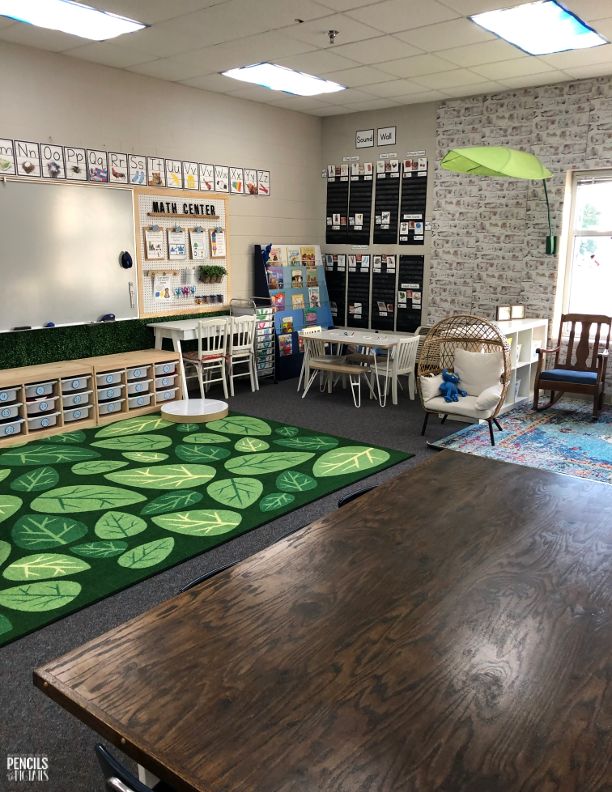
A Calm, Zen classroom is essential for enhancing a student’s ability to learn, concentrate and improve overall well-being. A serene atmosphere contributes to improved cognitive function and encourages open-mindedness, empathy and discipline. In this article, I will share the effective strategies and techniques that I have employed to create a peaceful, relaxing and therapeutic environment for my students.

1. Declutter and Organize:

A clutter-free space reduces distractions and promotes focus. Regularly organizing and tidying up the classroom helps in maintaining a sense of order and calmness. This includes ensuring adequate storage solutions for supplies and creating designated areas for specific activities.

2. Incorporate Natural Elements:

Nature has a soothing effect on our minds. Adding plants, natural materials, or nature-inspired art pieces can instill a sense of serenity in the classroom. In addition, encourage natural light as much as possible by opening blinds or curtains, while considering soft lighting options for overcast days.

3. Establish a Peaceful Morning Routine:

Starting the day with a consistent mindfulness practice helps set the tone for a tranquil classroom experience. Implement mindful exercises such as deep breathing, gentle stretching or guided meditation at the beginning of each school day.

4. Create a Safe Emotional Environment:

Encourage emotional intelligence in students by promoting open communication, actively listening to their concerns, and demonstrating empathy. Establish classroom rules that emphasize mutual respect among peers.

5. Use Soft Background Music or Ambient Sounds:

Playing calming background music or nature sounds at an appropriate volume can greatly enhance students’ concentration levels while masking distractions.

6. Introduce Mindfulness Activities Throughout the Day:

Incorporate short mindfulness exercises during transition periods between tasks or classes to help students reset their focus and alleviate stressors.

7. Encourage Self-Regulation Techniques:

Teach students techniques for recognizing their emotions and managing them appropriately through self-regulation strategies, such as taking deep breaths or counting to ten when faced with intense emotions.

8. Use Visual Cues and Positive Affirmations:

Decorate the classroom walls with visual cues and affirmations that promote relaxation, positivity and a growth mindset – such as inspirational quotes, posters promoting kindness and understanding, or calming images related to nature.

9. Foster a Comfortable Seating Arrangement:

Offer students comfortable seating options like beanbags, cushions or yoga balls to encourage relaxation and attentiveness during lessons.

10. Prioritize Students’ Mental Well-Being:

Monitor student stress levels and address any causes of anxiety with appropriate support services, including counseling sessions or mindfulness programs.

Conclusion:

Creating a calm, Zen classroom is an ongoing process that requires dedication, mindfulness and empathy. Implementing these strategies encourages a serene learning environment that promotes mental well-being and maximizes the academic potential of each student.

10 Ways to Clean Scribbled-On, Germ-Ridden, Chewed-Gum Desks

A clean and organized workspace is essential for productivity and a healthy environment. However, desks can quickly become a breeding ground for germs, cluttered with scribbles, and sticky with old gum. Fear not! Here are ten ways to clean and maintain your scribbled-on, germ-ridden, chewed-gum desk.

1. Remove Gum: To remove old gum, freeze it using ice or a commercial freezing spray. Once it hardens, use a scraper or a blunt knife to gently pry it off your desk’s surface.

2. Use Baking Soda: Make a paste using water and baking soda to clean stains and scribbles on your desk. Gently rub the mixture over the stains with a cloth and wipe away with a damp cloth.

3. Magic Eraser: Invest in a magic eraser to scrub away porous ink stains and other marks that regular cleaning solutions cannot tackle.

4. Disinfecting Wipes: Regularly use disinfecting wipes to clean and sanitize your desk’s surface, keyboard, and other frequently touched items.

5. Vinegar Cleanser: To remove stubborn grime and buildup, mix equal parts white vinegar and water in a spray bottle. Spray the solution onto your desk surface and wipe with a soft cloth.

6. Microfiber Cloths: Opt for microfiber cloths over paper towels when cleaning your desk as they are gentle on surfaces and more effective at trapping dust particles.

7. Declutter Your Workspace: Clear your desk surface by organizing papers into folders, designating drawers for specific items, and utilizing organizational tools like pen holders, paper trays, and filing cabinets.

8. Regular Maintenance: Create a routine that includes daily tidying up of your workspace and periodic deep cleansing to uphold cleanliness standards.

9. Eliminate Odors: Use air fresheners or essential oil diffusers to eliminate unpleasant odors and keep your workspace smelling fresh.

10. Encourage Coworker Responsibility: Maintain a clean and healthy office environment by fostering a culture of responsibility and respect among coworkers. Encourage everyone to maintain their workspaces, dispose of trash responsibly, and use shared resources carefully.

Implementing these ten steps will help you say goodbye to your germ-ridden, scribbled-on, chewed-gum desks, and hello to a tidy, organized, and inviting workspace that encourages productivity and healthy habits.

This Teacher Started a Care Closet to Meet Student Needs

In a world where acts of kindness and charity are always treasured, one teacher’s initiative to start a Care Closet for her students has drawn much praise and admiration. The Care Closet project not only highlights this teacher’s commitment to her students’ welfare but also showcases an innovative solution to address the basic needs of underprivileged children.

The idea for the Care Closet came about when the concerned teacher, Jane Smith, noticed some students at her school lacking essential items such as adequate clothing, hygiene products, and school supplies. Determined to make a difference, she sought the help of fellow teachers and community members to start a small support system that would provide these necessities discreetly.

What began as a mere idea quickly snowballed into reality as word spread about the proposed Care Closet. Donations from local businesses, PTA members, and even anonymous donors poured in. Fast forward several months, and the once-empty room transformed into a well-organized space filled with clothes, shoes, toiletries, school supplies, and non-perishable food items.

“The goal was never to shame or embarrass the students who needed help,” says Jane Smith. “It was about providing them with their most basic needs so they could focus on their education without worrying about distractions or feeling self-conscious.”

The way the Care Closet works is simple. Teachers throughout the school can discreetly refer students who they believe require assistance. These students are then provided with access to what they need in an environment that prioritizes privacy and respect.

The impact has been nothing short of tremendous. Since its inception earlier this year, hundreds of students have been able to obtain essential items at no cost thanks to Jane Smith’s remarkable initiative. Furthermore, by fulfilling these needs for underprivileged kids—the program works towards ensuring equal opportunities for educational success across socioeconomic boundaries.

Ultimately, when teachers like Jane Smith take it upon themselves to find solutions addressing the challenges faced by their students, it transforms the educational landscape. Jane Smith’s Care Closet initiative has inspired other schools across the country to set up similar programs, bridging the gap towards a more equal educational environment and simply proving that a single act of kindness can create ripples of change.

50 Science Bell Ringers to Kickstart Your Class

A captivating introduction is crucial for any science lesson. Starting your class with a ‘bell ringer’ activity is an excellent way to engage students and kick off your lecture on a high note. Here are 50 science bell ringers suitable for a variety of grade levels and covering various fields of science.

1. Brain teasers

2. Relevant trivia questions

3. Question of the day

4. Picture analysis

5. Science quotes discussion

6. Problem-solving challenges

7. Graph interpretation

8. Debate on a topic in science (Nature vs Nurture)

9. Mini Kahoot quiz or other educational game app quizzes

10. Guess the scientist or scientific term in charades

11. Video clip analysis (Myth Busters, TED Talks, etc.)

12. Real-world scenarios (connect the scientific concept to daily life)

13. KWL chart (Know, Want to know, Learned)

14. Mind maps – explore how concepts fit together

15. Memory games – recalling facts and figures

16. Virtual lab tours

17. Data collection activities – actively observe nature in real time

18. Observations and predictions

19. Weather report interpretation

20. Explore the history of a scientific discovery or invention

21. Current events – discuss recent scientific discoveries or breakthroughs

22. Compare and contrast scientific theories

23-30: Create unique bell ringers for teaching specific branches of science:

23. Biology: Trace the flow of energy through ecosystems

24. Physics: Speed calculations based on videos of moving objects

25. Astronomy: Identify constellations visible from your location

26. Chemistry: Balancing chemical equations practice

27. Marine Biology: Analyze ocean conservation initiatives

28 Earth Science: Earthquake data interpretation and predictions

29.  Meteorology: Investigate weather patterns and influence on climate

30.  Geology: Mineral identification exercise

31. STEM-related career exploration through guest speakers, virtual interviews, or research

32. Cross-disciplinary science/art projects (ex. designing an infographic)

33. Design an experiment to solve a scientific inquiry

34. Dunk Tank of Science – Students guess if an object will float or sink, then explain their reason

35. Online simulations exploring scientific concepts

36. Science joke or riddle discussion

37. Exit ticket – one big idea learned in class

38. Vocabulary word inference based on context clues

39. Scavenger hunt – searching for classroom objects relating to the topic

40.  Primary resource analysis from scientists’ journals or documents

41-50: Use these activities to engage students with current events and public opinions on science.

41. Investigate the impacts of climate change

42. Investigate what sustainable living looks like

43. Analyze the impact of vaccinations on public health

44. Delve into alternative energy sources and their pros/cons

45. Food security and local sourcing – how does it work?

46-47. Discuss popular science books or documentaries:

– Hidden Figures

– An Inconvenient Truth

48-50. Evaluate media sources for credibility when reporting scientific findings.

Integrate these 50 bell ringers into your science curriculum to engage students right from the start of class, harnessing their curiosity and promoting an enthusiastic learning environment.

5 Ways to Keep Students Engaged at the End of the School Year

As the school year winds down, keeping students engaged can be a major challenge for educators. When attention spans start to wane and thoughts drift towards summer vacation, how can teachers maintain focus and productivity in the classroom? Here are five effective ways to keep students engaged until the final bell rings.

1. Gamify Learning

Making learning fun and interactive is one surefire way to keep students invested. Introduce educational games or competitions to the classroom—both digitally or with traditional board games—to encourage problem-solving and collaboration. Not only will these activities add an element of competition, but they’ll likely boost motivation as students strive for success.

2. Offer Choices

Allowing students to have a say in their learning can be highly motivational. Give them the option to choose projects or assignments related to their personal interests, making it easier for them to stay engaged and excited about their work. Providing a menu of choices also allows students to feel more ownership over their own education.

3. Create Real-world Connections

Helping students make connections between classroom lessons and real-life will deepen their understanding of concepts and make learning more meaningful. Encourage group discussions, assign projects that focus on real-world situations, or bring guest speakers into the classroom so students see how their studies apply outside of school.

4. Use Collaborative Activities

Collaboration is key when it comes to maintaining engagement at the end of the year. Group projects or activities enable students to learn from one another, practice teamwork skills, and build relationships with their peers. These experiences will not only enhance motivation but also provide opportunities for personal growth within a supportive community.

5. Acknowledge Achievements

Recognizing student accomplishments can go a long way in boosting engagement during those final weeks of school. Acknowledge both individual achievements and group successes through awards, certificates, or even simple verbal praise during class time. This recognition serves as a powerful motivator and helps students feel valued and acknowledged for their hard work throughout the year.

Using a mix of creative strategies, educators can ensure a positive, engaging learning environment from the first day of school to the last. By gamifying lessons, offering choices, creating real-world connections, fostering collaboration, and acknowledging achievements, students will stay engaged and make the most of their remaining time in the classroom.

Can I Hug My Students? Teachers Weigh In

Introduction:

Navigating the dynamics of physical touch in a classroom setting can be a tricky subject for many teachers. With cultural, emotional, and personal factors all at play, deciding whether to hug students has become a topic worth discussing. Let’s delve into the different perspectives and opinions shared by teachers on this matter.

Balancing Comfort and Boundaries:

Maintaining a balance between comfort and boundaries is crucially important for any teacher. While hugs can create an environment of trust, warmth, and support, they can also blur the lines of professionalism or make some students feel uncomfortable. Teachers need to be aware of students’ individual preferences and cultural backgrounds in order to make informed decisions regarding physical expressions of affection.

Pros of Hugging Students:

1. Builds Trust – Hugs may foster a sense of trust between teachers and students, making it easier for them to approach difficult subjects together.

2. Encourages Emotional Expression – Teachers providing hugs as appropriate means for emotional expression can help students navigate various feelings within the classroom context.

3. Enhances the Learning Environment – A nurturing atmosphere created through acts such as hugging can reduce stress and anxiety levels, potentially resulting in better academic performance.

Cons of Hugging Students:

1. Crosses Boundaries – Hugging can potentially blur professional lines if not approached cautiously, making it difficult for students to view teachers as authority figures.

2. Discomfort – Not all students may feel comfortable with physical touch from their educators; some could even perceive it as invasive or unwanted.

3. Cultural Differences – It’s important for teachers to remain sensitive to cultural norms surrounding personal space which vary among individuals from diverse backgrounds.

Advice from Experienced Teachers:

To provide valuable insight into this topic, we collected advice from experienced educators on how they handle hugs in their classrooms:

1. Prioritize Consent – Always ask permission before engaging in any form of touch. This ensures that both teachers and students are on the same page, fostering a sense of mutual respect.

2. Keep it Professional – Make sure that hugs are always appropriate in nature and given in a public setting to maintain transparency. Saving hugs for special occasions or situations can avoid any unintended awkwardness.

3. Alternative Methods – Teachers can explore different ways to show affection and support without physical touch, such as verbal affirmations or kind gestures.

Conclusion:

Deciding whether hugging students is appropriate will always be subjective to each teacher’s unique teaching style and classroom environment. It’s essential for teachers to take individual preferences, cultural backgrounds, and professional boundaries into account when making this decision. Ultimately, maintaining clear communication and focusing on respecting students’ needs is paramount to foster positive experiences within the educational setting.

15 Memes Capturing The Realities of Needing a Substitute Teacher

In the ever-evolving world of education, substitute teachers often come to the rescue when full-time educators need a break or can’t make it into the classrooms for some reason. For students, the arrival of a substitute teacher can trigger a mixture of excitement, dread, and curiosity. In typical internet fashion, creative minds have crafted hilarious memes expressing the unique and relatable experiences of needing a substitute teacher. Here are 15 of these memorable memes highlighting various aspects of having a substitute in the classroom.

1. The Infamous Roll Call Confusion: This meme features a confused substitute teacher trying to pronounce a long and complicated name during roll call, leading to an awkward silence filled with muffled laughter from students.

2. The Pop Quiz Conundrum: A popular meme showcases a substitute teacher announcing an unexpected pop quiz, leaving students questioning their fate on a day they thought would be easy.

3. The Elusive Lesson Plan: A series of memes underline the struggle that substitutes often face as they desperately search for the elusive lesson plan left by the regular teacher.

4. Movie Day Delight: One familiar meme shows students’ excited faces upon realizing their substitute plans to show a movie instead of teaching new material, offering them a much-needed mental break.

5. Energy Drink Overdose: This meme humorously depicts an overly energetic substitute teacher overloaded on caffeine, attempting to win over their new students with sheer enthusiasm.

6. Innocent Mispronunciation: A brilliant meme shows alternative ways students mess with substitutes by intentionally mispronouncing their names and watching the bewildered reactions.

7. The Disappearing Trick: Several memes feature students claiming their regular teacher has vanished and was never found again, leaving the substitute teacher both bewildered and concerned.

8. The Incognito Teacher Assistant: A hilarious meme captures the moment when the classroom’s resident troublemaker takes the initiative in assisting the substitute teacher, much to the dismay of fellow students.

9. The Importance of Seating Charts: The difficulties faced by substitutes are showcased in a meme focused on navigating a classroom without a proper seating chart and leading to chaos and confusion.

10. When Substitutes Share Their Life Stories: This meme series highlights an enthusiastic substitute teacher sharing their personal life stories, prompting mixed reactions among students who wanted a quiet day.

11. Student vs. Substitute Showdown: A classic meme showcases students attempting various tricks to manipulate the substitute teacher for their benefit, turning the classroom into a battleground of wits.

12. The Unfazed Substitute: Another popular meme features an unfazed substitute teacher exhibiting zen-like calm in the face of chaos, demonstrating resilience and experience in handling unpredictable classroom situations.

13. The Over-Qualified Substitute: Memes also celebrate those over-qualified substitutes who impress students with their extensive knowledge on various subjects, quickly earning their respect and admiration.

14. The Disguised Regular Teacher: A clever meme series captures the ultimate student prank of having their regular teacher pose as a substitute, leaving students shocked and bewildered when they reveal their true identity.

15. The Never-Ending “No Homework” Debate: Finally, memes often highlight the ongoing debate between students and substitute teachers regarding homework assignments, as both parties dance around this delicate topic with varying enthusiasm and commitment levels.

These 15 memes capture the comical yet diverse experiences of needing a substitute teacher in classrooms worldwide. Whether it’s dealing with unexpected quizzes or sharing heartfelt life stories, these moments create lasting impacts on both students and substitutes alike for years to come.

14 Classroom Management Strategies We Can Learn from Mary Poppins

1. Create a Magical Atmosphere:

Mary Poppins had truly magical qualities, and while we may not possess those literal powers, we can focus on creating an engaging and inviting atmosphere in our classrooms to help students feel excited about learning.

2. Develop Clear Expectations:

Just like Mary Poppins outlined her expectations for the children, it’s essential that teachers establish clear guidelines for behavior and academic expectations early in the school year.

3. Use Positive Reinforcement:

Notice the good in your students, just like Mary Poppins did! Offer praise and rewards when they display positive behavior or achieve success in their academics.

4. Maintain Consistency:

Mary Poppins was consistent with her principles and rules. Maintaining stability and consistency within your classroom management will create a structured environment that benefits both you and your students.

5. Stay Organized:

Mary Poppins’ famous catchphrase “A place for everything and everything in its place” is a valuable lesson for classroom organization. By keeping things tidy, you’ll create a more efficient learning environment.

6. Encourage Collaboration:

The song “Supercalifragilisticexpialidocious” showed that working together is fun and productive! Promote group work in your class to strengthen student collaboration skills.

7. Utilize Music and Movement:

Songs like “A Spoonful of Sugar” conveyed different lessons throughout the movie. Integrate music and movement into your teaching strategies to keep students engaged and boost their retention rate.

8. Foster a Growth Mindset:

Mary Poppins believed that “anything can happen if you let it.” Encourage this growth mindset by celebrating student progress, resilience, and perseverance.

9. Create Meaningful Relationships:

Mary Poppins built strong bonds with the children she cared for. Prioritize building connections with your students so they feel valued, understood, and supported.

10. Model Appropriate Behavior:

Just as Mary Poppins embodied kindness, patience, and respect – teachers should be role models for students in demonstrating proper behavior.

11. Provide a Balance of Fun and Discipline:

While fun experiences and adventures are important, Mary Poppins also knew when to implement discipline. Strive to create a balanced classroom environment.

12. Address Challenges Head-On:

Mary Poppins never backed down from challenges. Tackle issues that arise in the classroom effectively with a solution-oriented approach.

13. Use Visual Aids:

Mary Poppins’ chalk-drawing adventure reminded us that visuals can captivate students’ attention and boost their learning experience. Enhance lessons with visual aids for better engagement.

14. Teach Respect and Empathy:

The value of treating others with respect and understanding was an essential theme in Mary Poppins’ teachings. Weave these principles into your daily lessons to nurture a kinder and more compassionate classroom community.

Getting Started With Classroom Coding May Be Easier Than You Think

In today’s rapidly evolving world, computer programming has become an essential skill. It is no longer limited to the realm of professional developers but has found its way into classrooms across the globe. Educators have realized the immense potential of incorporating coding into their curriculum, and you might be surprised to learn that getting started with classroom coding is much more manageable than you think.

Understanding the Value of Coding in Education

Coding isn’t just about writing lines of code; it’s a tool that enhances problem-solving, logical thinking, creativity, collaboration, and communication skills. Integrating coding into a curriculum prepares students for an ever-increasing technology-driven world and can spark interest in pursuing a career in computer science or related fields.

Easing Into The Coding World

The good news is that introducing coding into your classroom doesn’t require extensive knowledge in computer programming or massive budgets. There are numerous free or affordable resources available to help simplify your coding journey. Below are some steps you can take to get started:

1. Familiarize Yourself with Coding Concepts: Begin by learning basic programming languages such as Scratch or Python through online tutorials and courses. Many resources are available on YouTube, Codecademy, and Coursera.

2. Attend Workshops and Webinars: Make use of workshops, webinars, and professional development conferences focused on introducing coding for educators. These events provide valuable information and guidance on how to effectively incorporate coding into your lessons.

3. Begin with Simple Projects: Start by integrating simple coding projects into your existing curriculum that don’t require any additional hardware materials. You can incrementally increase the complexity of the projects as you gain more knowledge and experience.

4. Utilize Game-Based Teaching Platforms: Platforms like Minecraft: Education Edition or CodeCombat help students learn coding concepts while having fun through interactive gameplay.

5. Join Educator Communities: Connect with fellow educators who have experience in teaching coding. Share ideas, lesson plans, and get valuable advice on your coding journey.

6. Obtain Grants or Funding: Many organizations offer grants to help teachers implement computer science education in their classrooms. Apply for funding to get the necessary resources for implementing coding lessons.

7. Learn from Your Students: As you introduce coding into your classroom, you’ll inevitably encounter students who are well-versed in programming languages. Encourage them to share their knowledge with the rest of the class, allowing you to learn together.

Collaborative Efforts Unveil Endless Possibilities

Coding in the classroom is a collaborative effort between teachers, students, and administrations alike. Together, you’ll uncover exciting new possibilities for personal and professional growth while equipping students with essential life skills. Remember that getting started with classroom coding may be much easier than you think – all it takes is determination, a little research, and support from fellow educators to unlock the endless potential of learning through code.