Classroom Management

Recycling in the Classroom

Introduction

It is crucial to instill the importance of recycling and environmental responsibility in the hearts and minds of our youth. One effective way to achieve this is by incorporating recycling practices in educational institutions, creating responsible, eco-friendly citizens for the future. Recycling in the classroom not only benefits the environment but also helps students develop a strong foundation of sustainable habits.

The Importance of Recycling in the Classroom

1. Environmental Impact: By incorporating recycling habits into classrooms, we help reduce waste in landfills, conserve natural resources, and most importantly, reduce greenhouse gas emissions that contribute to climate change.

2. Educational Opportunities: Recycling teaches children important lessons about resource conservation and waste management, while offering them hands-on experience in sustainability practices.

3. Promoting a Culture of Sustainability: By teaching children about the importance of recycling at an early age, they’ll grow up with an understanding of how their individual actions can have a significant impact on preserving our planet for future generations.

Ways to Implement Recycling Initiatives in Classrooms

There are numerous ways to promote recycling within educational institutions:

1. Establish Clear Recycling Guidelines: By setting up simple guidelines that outline which materials can be recycled and how to sort them properly, schools can help ensure students and staff are well-informed about their recycling options.

2. Create a Recycling Station: Designate an area within each classroom or school that offers bins for paper, plastic, glass, and any other relevant recyclable materials to make it clear where students should deposit their waste instead of disposing of everything in general containers.

3. Teach Children Through Activities: Utilize interactive games or projects explaining the importance of recycling and its effects on the environment to engage students actively.

4. Host School-wide Recycling Initiatives: Encourage friendly competition among classrooms by tracking which class recycles the most over a period or collaboratively plan events like Earth Day celebrations and community clean-up initiatives.

5. Include Recycling in the Curriculum: Integrate recycling topics in subjects like Science, Social Studies, and even Arts, where students can learn the value of repurposing materials and discuss environmental issues.

Reaping the Benefits

By implementing recycling initiatives within schools:

1. Students build strong habits of waste reduction that carry on into adulthood.

2. Recycling practices help conserve natural resources – a benefit for both local ecosystems and global climate.

3. In many cases, schools can reduce expenses associated with waste disposal or even earn money through recycling programs.

Conclusion

Recycling in the classroom is instrumental in shaping our future generations to be environmentally responsible adults. By teaching our children about the importance of recycling and empowering them with practical experience, we are creating a strong foundation for a sustainable future that benefits both people and the environment.

Instead of “Why Did You Do That?” Ask This When Students Act Out

Introduction:

Teachers face many challenges in the classroom, and managing student behavior is a crucial aspect of maintaining a positive learning environment. Often, we find ourselves asking, “Why did you do that?” when students act out. This question stems from frustration and confusion over their actions. However, this is not always the most productive approach. Instead, let’s explore an alternative question that can foster understanding and improve communication with our students.

A New Approach:

When students misbehave or act out, it’s instinctive to assume they are making a conscious choice to cause disruption. Instead of focusing on what the student did wrong by asking “Why did you do that?”, change the question to open up more effective communication: “What happened?”

As simple as it seems, this question promotes empathy and understanding between the teacher and their student. By asking “What happened?” we show that we are genuinely curious about what led to their behavior and want to work together to resolve it.

Benefits of Reframing the Question:

1. Encourages Communication: By showing genuine curiosity in the situation leading up to their actions, students are more likely to open up and talk about what caused their behavior. This increased communication allows for problem-solving together and may identify underlying issues in the classroom or at home.

2. Promotes Empathy: Asking what happened demonstrates that the teacher is trying to understand from their perspective rather than perpetuating assumptions about why they acted out. This level of empathetic engagement can make students feel safe and respected in expressing their feelings.

3. Identifying Triggers: By discussing what occurred before their actions, teachers can identify potential triggers for misbehavior – such as bullying, learning difficulties, or outside stressors – that may have been overlooked.

4. Prevents Defensive Reactions: When we ask “Why did you do that?”, it places students on the defensive, increasing their stress level. The question “What happened?” creates a more neutral and collaborative atmosphere, fostering a positive dialogue and a willingness to engage in problem-solving.

Implementing the Shift:

Incorporating the question “What happened?” into your teaching practice isn’t difficult. The next time you encounter a student’s behavioral issue, try using this alternative approach:

1. Pause and remain calm: Take a moment to center yourself before addressing the situation.

2. Ask the question: Approach your student with curiosity by simply asking, “What happened?”

3. Actively listen: Give your student space to share their perspective or feelings without judgment.

4. Reflect and respond: Consider their response and, if possible, work together to find a solution.

Conclusion:

Shifting our perspective from asking “Why did you do that?” toward “What happened?” can have a profound impact on how we manage student behavior. Asking the right questions can make all the difference in fostering productive communication, empathy, and understanding in our classrooms. By doing so, we create an inclusive and supportive learning environment that helps our students grow, both academically and emotionally.

That Awkward Moment When You Have 5 Minutes Left of Class and No Idea What to Do

We’ve all been there – the clock is ticking down, and you realize there are only five minutes left in class. You’ve covered all your material, but it seems too early to let everyone go. The silence feels almost deafening as you scramble mentally for something, anything to fill the time. Don’t worry; you’re not alone in this awkward situation! Here are some strategies and activities you can use when faced with those final, seemingly endless minutes of a lesson.

1. Reflection Time

Take those last few minutes to let students reflect on what they’ve learned during class. Encourage them to jot down their thoughts, questions, or areas where they’d like deeper understanding. This activity helps reinforce important concepts and allows you as the instructor to gauge how successful your lesson has been.

2. Quick Review Games

Turn the final five minutes into an opportunity for a quick review game or competition. Create teams and quiz students on concepts covered in class, either by asking questions aloud or by using flashcards.

3. Address Questions

Ask your students if they have any questions or if there is anything they didn’t understand in the lesson. These final minutes could be crucial for any student struggling with difficult concepts or needing clarification on assignments.

4. Brainstorming Session

Ask for ideas related to the topic that might be interesting to explore further or discuss in subsequent classes. Students may have unique perspectives or questions that can contribute to interesting follow-up discussions.

5. Exit Tickets

Hand out exit tickets – small slips of paper where students can write a quick response to one question related to what they’ve learned that day. Collect them as students exit so that you can review them later and address any issues in your next lesson.

6. Relate to Real Life

Create a connection between the subject matter discussed and real-life events. Sharing personal anecdotes or discussing how the topic is applicable in everyday life helps solidify students’ understanding and make the material more engaging.

7. Provide a Sneak Peek

Take time to introduce what will be discussed in your next class. By providing a quick overview, you can pique students’ interest and give them something to think about between classes.

These strategies can help turn an awkward moment into a learning opportunity and leave both you and your students feeling more satisfied at the end of a lesson. Remember, it happens to the best of us – don’t let those final five minutes haunt you! Instead, seize them as opportunities to reinforce learning and strengthen understanding.

Quiz: Discover Your Classroom Organization Style

Introduction:

Do you ever wonder what your classroom organization style reveals about your teaching approach? Take our insightful quiz to find out whether you’re a minimalist or a maximalist, an organized planner, or a creative genius. Better understanding your organization style can help you improve your overall teaching experience and effectiveness in the classroom.

Instructions:

Please read through the scenarios and options, then select the answer that resonates most with you. Tally up your score at the end to reveal your classroom organization style. Ready? Let’s begin!

1. When entering your classroom, what’s the first thing people notice?

A) Neatly arranged desks and clutter-free surfaces.

B) Colorful displays and an array of resources.

C) A system that organizes materials.

2. How do you plan for upcoming lessons?

A) Detailed weekly or monthly lesson plans with specific objectives.

B) A general outline of topics, adapting on-the-fly depending on student engagement.

C) A mixture of structured plans and creative brainstorming.

3. During class time, what do students find on their desks?

A) Nothing but what’s absolutely necessary for the lesson.

B) A variety of materials to cater to different learning styles.

C) Everything they need, organized in a specified order.

4. What’s the overall atmosphere in your classroom?

A) Orderly and focused.

B) Dynamic and bustling with exploration opportunities.

C) Well-structured but open to improvisation.

5. When it comes to organizing resources, which method best describes yours?

A) Clear containers or drawers labeled by subject or task.

B) Creatively using displays, shelves, or spaces for easy access and inspiration.

C) A combination of labeled storage solutions and unique organizing techniques.

Results:

Tally up your scores: Give yourself 1 point for each A answer; 2 points for each B answer; and 3 points for each C answer.

5-9 points: The Minimalist – Your classroom is organized, neat, and free of distractions, providing a focused environment for your students. Keep refining those decluttering skills to maintain a serene space for learning.

10-14 points: The Creative Genius – Your dynamic classroom fosters exploration, creativity, and inspiration. Balancing practicality with an imaginative approach, you bring your lessons to life.

15-21 points: The Organized Coordinator – Your organization style strikes the perfect balance between structure and flexibility. Continue honing your organizational skills to encourage a harmonious learning atmosphere.

Conclusion:

Now that you’ve discovered your classroom organization style, embrace it and use this knowledge to make adjustments as needed. Creating a space that reflects your teaching approach will benefit both you and your students’ educational experiences.

So, which style best defines you? Get ready to take charge and work towards the ideal classroom setup that caters to your unique teaching preferences!

Should I Use Sarcasm in the Classroom?

The use of sarcasm in the classroom is a controversial topic in the realm of education. On one hand, some believe that sarcastic humor serves as an engaging and effective tool for teaching. On the other hand, critics argue that it promotes a negative atmosphere and can be harmful to students’ learning process. In this article, we weigh up the pros and cons of using sarcasm in the classroom.

Pros of Using Sarcasm in the Classroom

1. Engages and Captures Students’ Attention

Incorporating sarcasm into lessons can help teachers grab their students’ attention by adding a touch of humor and personality to their teaching style. This can form a more memorable learning experience for students and prevent them from losing interest during class sessions.

2. Encourages Critical Thinking

Sarcasm often requires a higher level of thinking to understand underlying messages, fostering critical thinking abilities among students. They must learn to decode when a statement is meant to be taken literally or with a grain of humor.

3. Enhances Creativity

Using sarcasm can challenge conventional teaching methods and encourage innovation by exploring different communication techniques to convey complex information within the classroom setting. Students may respond well to unconventional approaches that veer away from traditional methods.

Cons of Using Sarcasm in the Classroom

1. Can Negatively Affect Student Confidence

Sarcasm runs the risk of inflicting embarrassment or shame on some individuals, especially when directed towards students who may take sarcastic remarks literally or personally. Consequently, this could deter these students from participating in class activities and hinder their educational progress.

2. Misinterpretation and Confusion

Students with varying language proficiency or comprehension levels may not fully grasp sarcastic concepts within speech, leading to confusion or frustration while attempting to understand lectures further.

3. Creates an Unhealthy Learning Environment

Frequent sarcasm can breed negativity amongst both students and teachers, thereby discouraging productivity and effective learning. Problems may escalate if the fondness for sarcastic banter within the classroom spills beyond intended boundaries, making it harder for educators and students to forge meaningful connections.

Conclusion

Ultimately, the decision to use sarcasm in the classroom pivots on personal teaching preferences and one’s ability to discern when it fits appropriately within lesson plans. Educators should always assess their students’ needs and maintain awareness of potential implications that sarcasm can have on class dynamics. To effectively navigate the use of sarcasm, teachers must strive for a balance that fosters enriched learning experiences without compromising a supportive, inclusive, and engaging learning environment.

5 Tips for Having Students Choose Their Seats

Classroom seating arrangements have a significant impact on a student’s learning experience. Allowing students to choose their seats can empower them, enhance their comfort level, and positively affect their overall engagement. To ensure the success of this approach, here are five tips for having students choose their seats:

1. Set Clear Expectations:

Before allowing students to select their seats, clearly communicate your expectations and guidelines. This may include rules about respecting personal space, staying focused on the task at hand, and choosing a seat that is conducive to effective collaboration. By setting expectations, students will understand their responsibilities, leading to a more successful seating arrangement.

2. Foster a Sense of Ownership:

Encourage each student to take ownership of their seat selection by considering factors such as proximity to the teacher or board, availability of resources, and accessibility for group work. This sense of ownership will stimulate responsibility within the participants and motivate them to make wise choices in order to achieve an optimum learning environment.

3. Use Team-Building Activities:

Team-building exercises can be used as an icebreaker or a chance for students to learn more about one another before selecting seats. Encourage students to choose their seat based on the commonalities they have identified with others during team-building activities to promote collaboration.

4. Implement Trial Periods:

Offering trial periods allows students the opportunity to change their seats if they feel the initial choice isn’t working well for them. You may decide on a specific timeframe (e.g., one week) before discussing potential changes with your students should they feel it necessary. This flexibility can result in increased satisfaction and further ensure student success.

5. Assess and Reflect:

Periodically assess the effectiveness of the chosen seating arrangement by observing student engagement, focus levels, and interaction quality. Encourage feedback from students regarding how they feel about their seat choices and whether they believe any changes could lead to an improved educational experience. Utilize this information to make necessary adjustments and ensure the arrangement’s continued success.

In conclusion, giving students the autonomy to choose their seats can have a positive impact on their learning experience. By setting clear expectations, fostering ownership, using team-building activities, implementing trial periods, and reflecting on seating arrangements’ effectiveness, you can create a dynamic classroom that caters to each student’s individual needs. This strategy will empower learners and contribute to a more engaged and collaborative learning environment.

5 Tips for Successful Group Work in the Classroom

In today’s evolving educational landscape, group work has become an essential component for successful learning experiences. When students collaborate in groups, they learn valuable interpersonal skills, engage in deep discussions, and develop problem-solving abilities. However, fostering effective group work in the classroom can be challenging for both students and educators. Here are five tips to help ensure successful group work in the classroom:

1. Establish clear goals and expectations:

Before beginning any group project, it is crucial for educators to establish clear goals and expectations. Inform students about the purpose of the activity and how it aligns with their learning objectives. Encourage students to set individual goals and help them understand their roles within the group. Setting these expectations upfront will keep students focused and motivated throughout the project.

2. Strategically form groups:

When forming groups, consider factors like student abilities, personalities, and learning styles to create a balanced team dynamic. Mix students of different strengths and weaknesses so they can complement each other’s skills and learn from one another. Depending on the project, you may want to assign roles (such as a leader, recorder, or presenter) based on individual strengths or allow students to self-select roles.

3. Develop communication and collaboration skills:

Effective communication is critical for successful group work. Promote open dialogue within groups by regularly checking in and providing opportunities for feedback. Teach students essential collaboration skills such as active listening, compromise, negotiation, and conflict resolution by incorporating them into your class activities.

4. Utilize technology:

Technology plays a significant role in modern education. There are various tools available that can enhance group work – from cloud-based file-sharing services like Google Drive to collaborative platforms like Padlet or Trello. Embrace these resources to streamline teamwork, encourage real-time collaboration, and keep everyone engaged.

5. Evaluate both individual and group performance:

When assessing group projects, consider both individual contributions and overall group performance. This reinforces personal accountability and encourages students to actively participate in the group process. Use a mixture of formative and summative assessments, such as peer evaluations, self-assessments, and instructor feedback, to gather insight into each student’s involvement.

In conclusion, effective group work in the classroom is fundamental for nurturing essential skills like teamwork, communication, and critical thinking. By setting clear goals, strategically forming groups, promoting collaboration skills, utilizing technology, and evaluating both individual and group performance, educators can ensure successful and rewarding group work experiences for their students.

My Top 5 Secrets for Making Classroom Supplies Last

As a teacher, managing classroom supplies is essential for maintaining an organized and efficient educational environment. The importance of making those supplies last cannot be overstated. With budgets often being stretched thin, it’s crucial for teachers to be resourceful in order to maximize the life of everyday materials.

In this article, we’ll explore five secrets that every teacher should know about how to make their classroom supplies stand the test of time.

1. Proper Storage

The first secret to ensuring the longevity of classroom supplies is proper storage. Materials like paper and markers can become easily damaged or dried out if not stored correctly. Invest in sturdy containers or shelves to keep supplies organized, and be sure to store items in a cool, dry place.

2. Planned Inventory Rotation

Rotate your inventory based on usage patterns and expiration dates. Frequently used items such as markers, erasers, and glue sticks should be replenished on a regular basis while older materials should be used first. Similarly, rotate through crafting materials like construction paper and felt based on their age to avoid deterioration.

3. Encourage Student Ownership

Encourage students to take responsibility for maintaining the classroom’s supplies by assigning tasks or creating roles within the group. Students can help by cleaning whiteboards and collecting broken crayons, for example. By fostering a sense of ownership in the class, students will take greater care when using communal resources.

4. Repurpose and Reuse

Think creatively about how you can repurpose materials that may otherwise be discarded. For example, consider turning old worksheets into scrap paper for note-taking or recycling broken crayons by melting them down into new shapes. The possibilities are endless when you approach your resources with a resourceful mindset!

5. Purchase Quality Supplies

While it may seem counterintuitive when trying to save money, investing in higher-quality supplies upfront can actually help you save in the long run. More durable markers, scissors, or glue and adhesive products will last longer and perform reliably, reducing the need for frequent replacements.

In conclusion, being mindful of how you store, rotate, and delegate the care of supplies can greatly extend their lifespan. By encouraging students to take responsibility and thinking creatively about repurposing materials, you can make the most of your classroom resources without breaking the bank. With these top secrets in your arsenal, your classroom supplies will last longer than ever before.

8 Hacks to Solve the Most Common Mask Issues in the Classroom

As students and teachers alike navigate through the new normal of attending school during a pandemic, wearing masks has undoubtedly become an essential part of the classroom environment. However, with this new safety measure comes a unique set of challenges. Here are eight practical hacks to address common mask issues in the classroom and ensure your students’ comfort and safety.

1. Adjustable ear loops:

Opt for masks with adjustable earloops to accommodate various face sizes and shapes better. This feature allows for a secure but comfortable fit, reducing potential distractions from ill-fitting masks throughout the day.

2. Label or personalize masks:

Encourage or provide students with ways to personalize their masks, either by adding their names or using distinctive designs. This will not only help prevent mask mix-ups but also add a sense of fun and creativity for the students.

3. Keep spare masks handy:

Teachers should always have spare, clean masks available for students who may forget theirs or require a replacement during the day. Designate a specific area in the classroom for this purpose and ensure it is accessible and stocked.

4. Encourage mask breaks:

Regular mask breaks can help reduce discomfort, especially for younger children who may find wearing them challenging for extended periods. Take advantage of outdoor spaces where students can safely remove their masks while maintaining social distancing guidelines.

5. Address fogging glasses:

Many students may struggle with their glasses fogging up while wearing masks. Teach them to wash their glasses with soapy water and air dry them before putting on their masks to help reduce fogging.

6. Develop communication strategies:

Wearing masks can make it hard to understand what others are saying by muffling sounds or hiding facial expressions. Encourage clear enunciation when speaking, use visual cues such as hand gestures or posters, and regularly check in to make sure students are following along.

7. Teach proper mask hygiene:

Educate students about proper mask hygiene, including putting on and taking off, avoiding touching the mask’s front, and properly storing masks when not in use. Teaching good habits will help ensure that masks remain effective in preventing the spread of illness.

8. Make it fun and engaging:

Get creative in incorporating masks into fun classroom activities and games. Examples include developing special projects to personalize masks or creating mask-related competitions or quizzes to foster enthusiasm among students.

In conclusion, implementing these hacks can help solve common mask issues in the classroom, resulting in a more comfortable and focused learning environment for students and teachers alike. It is crucial to adapt to this new reality with patience, creativity, and a focus on maintaining everybody’s health and safety.

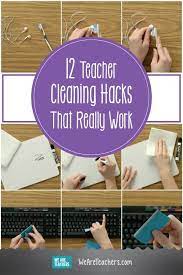
12 Teacher Cleaning Hacks That Really Work

As a teacher, maintaining a clean and organized classroom is essential for creating a healthy learning environment. However, with so many students and hands-on activities, it can be challenging to keep everything tidy. In this article, we present 12 proven cleaning hacks that teachers can use to enhance their classroom cleanliness.

1. Use Microfiber Cloths: Microfiber cloths are excellent for dusting surfaces, wiping off whiteboards, and cleaning computer screens. They’re also reusable, which is both cost-effective and environmentally friendly.

2. Disinfect with Vinegar: For a natural, non-toxic disinfectant, mix equal parts water and white vinegar in a spray bottle. Use this solution to disinfect desks, chairs, and other classroom surfaces.

3. Organize with Labeling: Label storage containers and shelves to make it easy for students to locate materials and put them away when finished.

4. Tackle Sticky Residue with WD-40: To remove sticky residue from stickers or tape, spray some WD-40 onto the affected area and wipe clean with a cloth.

5. Create a Cleaning Schedule: Assign daily or weekly cleaning tasks to students as part of their responsibilities. This not only helps maintain cleanliness but also fosters responsibility and teamwork.

6. Utilize Storage Bins: Invest in storage bins and organizers to keep materials and supplies neat and tidy. This makes it easier for students to find what they need quickly while minimizing the potential for clutter.

7. DIY Whiteboard Cleaner: Make your own whiteboard cleaner by mixing equal parts water, rubbing alcohol, and liquid dish soap in a spray bottle. This solution effectively cleans whiteboards without harsh chemicals.

8. Lint Rollers for Crafting Messes: A lint roller is an excellent tool for picking up small pieces of paper, glitter, or other crafting materials that may end up on the floor or table. Simply roll it over the surface to collect debris effortlessly.

9. Eraser Cleaning Hack: To clean a chalkboard or whiteboard eraser, rub it against another eraser. This helps remove built-up chalk or marker residue and keeps the erasers functioning effectively.

10. Baking Soda for Stubborn Stains: Stubborn stains on tables or other surfaces can be tackled by making a paste of baking soda and water. Apply the paste to the stain, let it sit for a few minutes, and scrub with a damp cloth.

11. Clean Up Spills with Cornstarch: When dealing with a liquid spill, sprinkle some cornstarch over the spill before wiping it up. This helps absorb liquid more quickly and prevents it from spreading further.

12. Use Hooks for Storage: Attach hooks or pegs around your classroom for hanging coats, backpacks, and other items to keep them off the floor or cluttering desks.

By implementing these teacher cleaning hacks in your classroom, you’ll create a cleaner environment that promotes better focus and improved learning experiences for your students. Give them a try, and you’ll soon see how effective they can be at keeping your classroom neat and organized!