Classroom Management

How to Decorate Your Classroom So the Fire Marshal Will Approve

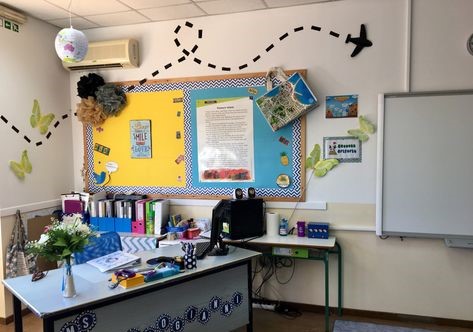
Creating an engaging and visually appealing classroom environment is important for both students and teachers. However, it’s crucial to be mindful of fire safety while decorating your classroom. Here are some tips on how to decorate your classroom so that it’s both pleasing to the eye and in compliance with fire marshal safety guidelines.

1. Review Your Local Fire Codes

Before you start the decorating process, it’s essential to familiarize yourself with your local fire codes and regulations. These rules can vary depending on your location, so make sure you’re aware of any specific requirements in your area.

2. Limit Wall Coverings

While it might be tempting to cover every inch of your walls with decorations, doing so can pose a fire hazard. It’s recommended that no more than 20% of your wall space be covered with decorations or combustible materials.

3. Choose Flame-Resistant Materials

When selecting materials for decorations, opt for flame-resistant or noncombustible options such as heavy-duty fabrics, bulletin board paper, or metal decorations. Avoid materials like crepe paper or light fabrics that can easily ignite.

4. Keep Exits and Drills Clear

Never obstruct exit doors or emergency equipment with decorations. All exits should be clearly marked, visible, and accessible at all times. Additionally, make sure any drills posted are up-to-date and current evacuation routes are displayed prominently.

5. Maintain Access to Fire Extinguishers and Alarms

Ensure that fire extinguishers and alarms are visible and not obstructed by any decorations or furniture. These devices should be easily accessible in case of an emergency.

6. Manage Cords and Electrical Outlets

Overloading electrical outlets can increase the risk of a fire in your classroom. When incorporating technology into your room design, make sure to use surge protectors and avoid daisy-chaining extension cords or power strips. Keep cords organized and never run them under rugs or furniture.

7. Avoid Highly Flammable Decorations

Steer clear of highly flammable decorations such as candles, incense, or open flames. Instead, consider using battery-operated candles or LED string lights to create a warm atmosphere without posing a fire risk.

8. Keep Decorations Away from Heat Sources

Keep decorations away from any heat sources, such as classroom heaters, radiators, or projectors. Having combustible materials in close proximity to heat sources can increase the risk of a fire.

9. Collaborate with Your School’s Safety Team

It’s always a good idea to work with your school’s safety team or administration to ensure your classroom meets all fire safety requirements. They can help guide you in making the best decorating choices while remaining compliant.

10. Regularly Inspect and Update Decorations

Take the time to regularly inspect your classroom decorations for wear and tear, replacing any damaged or outdated items as needed. This not only helps maintain an attractive learning environment but also ensures that your room remains in alignment with fire safety guidelines.

By following these tips, you can create a vibrant and inviting classroom that promotes learning while adhering to fire marshal regulations. Encourage students to take ownership of their learning environment while prioritizing safety and setting an example for responsible decorating practices.

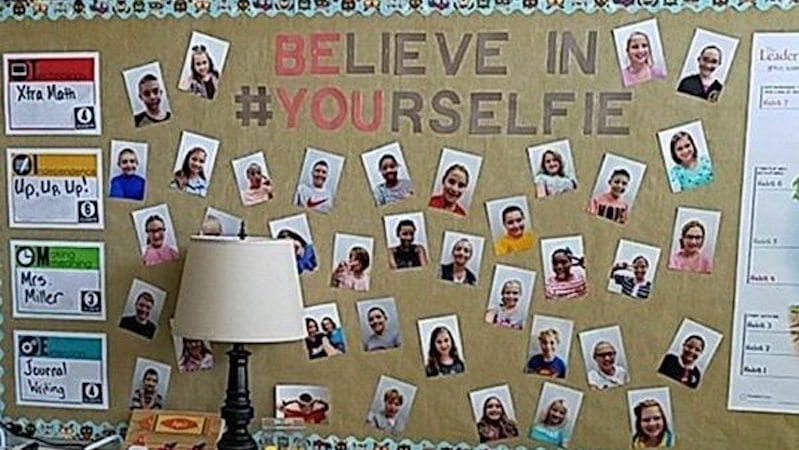
Best of Teacher HELPLINE: How Can I Use Selfies in the Classroom?

Introduction:

Selfies have become an indispensable part of our modern society, especially among children and teenagers. What was once considered a display of vanity has now turned into a powerful tool for communication and self-expression. As educators, we must stay connected and flexible to the ever-changing world our students live in. By incorporating selfies in the classroom, we can enhance the learning experience, while increasing student engagement and creativity. Here are some innovative ideas on how you can use selfies effectively in your classroom:

1. Selfie Icebreakers:

At the beginning of each school year or semester, start by asking your students to take a selfie that best represents their personality or interests. This will help students get to know one another. They can then share their selfies with the class, explaining why they chose it.

2. Selfie Vocabulary:

For an interactive vocabulary assignment, ask your students to snap selfies related to specific vocabulary words or concepts they are studying. By connecting with the subject matter on a personal level, students are more likely to remember new vocabulary words.

3. Documenting Learning Progress:

Have your students take selfies with completed projects or assignments as a way of showcasing their accomplishments throughout the school year. Encourage them to create an online portfolio or blog that allows them to both document their work and track their progress.

4. Selfie Book Reports:

Instead of traditional book reports, let students create selfie book reports in which they take a selfie of themselves as one of the characters from the book they’ve read; this encourages creativity and engagement while still demonstrating comprehension of the material.

5. Promoting Empathy and Understanding:

Create lesson plans that incorporate selfies in discussions about diverse cultures, backgrounds, or unique perspectives within your classroom or around the world. This helps promote empathy among peers and sparks conversations about acceptance and understanding.

6. Narratives Through Selfies:

Have students create a photo story using selfies that depict a series of events, such as a day in the life, a significant event, or a memorable adventure. This allows students to creatively express themselves while improving their storytelling and sequencing skills.

7. Group Projects and Collaborative Learning:

Use selfies as an engaging way to collaborate on group projects. For example, assign students with different parts of a project and have them take selfies that represent their contribution — the selfies can then be used as part of a presentation or displayed in the classroom.

8. Reflection and Goal Setting:

Ask students to take a selfie during moments of reflection, like after completing a challenging assignment or when setting personal goals. This may not only help students visualize their achievement but also serve as inspiration for future growth.

Conclusion:

Incorporating selfies in your classroom can be an exciting way to enhance the educational experience while embracing modern-day technology. By allowing students to explore creativity through self-expression and connectivity, you create opportunities for increased engagement and personal growth. Remember to always establish guidelines around appropriate selfie-taking practices and respect for privacy within the classroom setting.

12 Clever Ways to Add Water Bottle Holders to Student Desks

Introduction

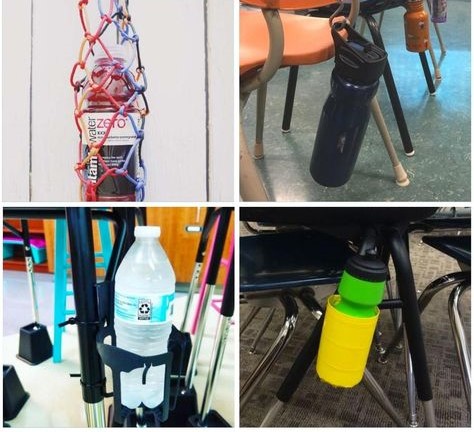
Staying hydrated is essential for students to maintain their academic performance and overall well-being. However, the standard desk setup in many classrooms does not always accommodate water bottles, leading to spills and loss of valuable workspace. In this article, we will explore 12 clever ways to add water bottle holders to student desks, making it easier for them to stay hydrated and focused during lessons.

1. Clip-On Holders

A simple solution is to attach clip-on water bottle holders to the sides of the desk. These holders are easy to install and can be adjusted as needed, ensuring that the water bottles stay secure and within reach.

2. Desk Rail Attachments

Another option is attaching a holder that slides onto a desk rail or edge. This method keeps the water bottle off the workspace without using any screws or adhesive.

3. Magnetic Holders

Magnetic water bottle holders can be attached directly to metal components of a desk or a separate magnetic strip fastened on non-metal desks. They provide a convenient way to store water bottles within arm’s reach.

4. Attachable Pockets

A fabric or mesh attachable pocket can double as a water bottle holder by hanging on the side or back of the desk. These pockets are often equipped with additional compartments for organizing small items like pens and pencils.

5. Under-Desk Hooks

Hooks can be installed underneath the desk surface for an out-of-the-way storage solution. Students simply need to hook their water bottles by their handles or loops for quick access.

6. DIY PVC Pipe Holders

A savvy teacher or student may want to repurpose PVC pipes into bespoke water bottle holders. Cut pipes into desired lengths and mount onto the desk legs with zip ties or brackets for a custom solution.

7. Desk-Mounted Bottle Slings

Bottle slings utilize elastic bands or fabric straps that can be secured around the desk legs, providing a cradle for holding water bottles securely.

8. Adjustable Cup Holders

Designed to clamp directly onto the edge of a desk, adjustable cup holders are adjustable in size to fit a variety of water bottles, making them an excellent multipurpose solution.

9. Mounted Desk Caddies

A desk caddy that includes a designated space for a water bottle can be mounted on the side or back of the desk. This is especially useful when additional storage for stationary or other supplies is needed.

10. Students’ Chair Bottle Holders

For classrooms with movable chairs, attach bottle holders to the back or sides of the chair for easy access when students need to take a quick sip of water.

11. Attachable Swivel Holders

Swivel holders allow students to rotate their water bottles towards themselves when needed and move them out of the way when not in use. They can be securely attached to the sides or corners of desks.

12. Custom Built-In Desk Holders

When designing new desks or refurbishing existing ones, consider adding custom-built compartments specifically designed to hold water bottles within easy reach.

Conclusion

Encouraging students to stay hydrated throughout the day is imperative for maintaining concentration and overall well-being. With these 12 clever ways to add water bottle holders to student desks, schools can promote healthy hydration habits and create an optimal learning environment for everyone involved.

10 Awesome Supplies for Classroom Escape Room Activities

Introduction:

Classroom escape room activities are an engaging and fun way to teach students important concepts, such as problem-solving, critical thinking, and teamwork. These activities can be tailored to fit any subject and require only a little creativity and a few essential supplies. In this article, we’ll be looking at 10 awesome supplies that will help you create an unforgettable classroom escape room experience.

1. Lockboxes:

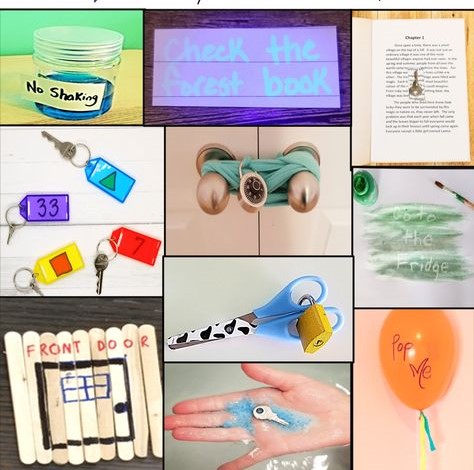
Lockboxes are a staple of escape rooms and add an extra layer of excitement to the challenges. Use combination lockboxes, key lockboxes, or even digital lockboxes to keep students engaged in solving puzzles and breaking codes to reveal hidden surprises.

2. Puzzles and Riddles:

Incorporate puzzles and riddles into your escape room challenges to encourage critical thinking. You can create word searches, crossword puzzles, or use riddles that tie into specific subjects like math, science, or history.

3. Invisible Ink Pens:

These pens allow students to uncover hidden messages that can help them solve challenges. Use UV lights or special decoding lenses for students to reveal the secret messages written with the invisible ink pen on various surfaces within the room.

4. Timers:

An essential element of escape rooms is racing against the clock. Use timers to create a sense of urgency that motivates teams to work together and develop problem-solving strategies under pressure.

5. Decoding Devices:

Ciphers, code wheels, or scrambled letters can all be a part of classroom escape room activities involving decoding secret messages. These devices could lead students to uncover critical information that helps them unravel mysteries throughout their adventure.

6. Themed Decorations:

Setting up the right ambiance is essential in creating a fun and immersive experience for students. Select decorations that match your chosen narrative or theme for the escape room activity.

7. Maze Puzzles:

Maze puzzles are an excellent way of testing students’ visual problem-solving abilities. These can be as simple as printouts or more elaborate, 3D maze structures that teams must navigate through to obtain essential items.

8. Jigsaw Puzzles:

Jigsaw puzzles don’t have to be tedious and time-consuming; try incorporating small jigsaw puzzles into your escape room activity that reveals clues or parts of a code once completed.

9. Real-life Props:

Adding real-life props from various subjects can make the escape room activity more engaging and authentic. For example, use historical artifacts for a history-themed escape room or scientific apparatus in a science-focused challenge.

10. Task-based Challenges:

Task-based challenges require students to complete specific tasks relating to their subject matter, such as solving math problems or identifying geographical locations on a map. These challenges are a great way to integrate classroom learning with the escape room experience.

Conclusion:

These 10 awesome supplies can help you create an unforgettable classroom escape room activity that encourages teamwork, problem-solving, and critical thinking among your students. The key is to get creative and integrate subject matter into your challenges while ensuring a fun and engaging atmosphere for everyone involved.

12 Clever Teacher Sayings to Help Kids Mind Their Own Business

Introduction:

Some children have a hard time understanding the concept of personal space and boundaries. Teachers play an integral role in teaching them to mind their own business and foster an environment of respect. Here are 12 clever teacher sayings that can help guide children to mind their own business and focus on their own growth.

1. “Eyes on your own paper.” – Encouraging students to focus on their work prevents them from getting distracted or trying to copy others’ answers. Every student has unique strengths, and focusing on their work helps build their confidence.

2. “Your brain gets smarter when you worry about yourself.” – This saying reminds students that focusing on oneself is the best way to learn and grow, whereas worrying about others can hinder progress.

3. “You can’t control others, only yourself.” – Teaching children that they cannot control others’ actions motivates them to concentrate on bettering themselves instead.

4. “Don’t stir someone else’s pot while yours is boiling over.” – By paying attention to their tasks, kids will prevent any chaotic situations and benefit from increased concentration.

5. “Focus on the path in front of you, not the side chatter.” – This reminds children that paying attention to what is happening around them hinders their ability to concentrate on their goals.

6. “Be so busy improving yourself that you have no time for gossip.” – Encourage children to engage in positive pursuits instead of participating in gossip or distractions.

7. “Before you speak, T-H-I-N-K: Is it True? Helpful? Inspiring? Necessary? Kind?” – This acronym helps kids pause and evaluate whether what they are saying is beneficial or disruptive.

8. “When you feel like gossiping, let’s talk about something great happening in your life instead!” – Redirect the conversation toward positive topics, which encourages self-awareness while eliminating negative influences.

9. “Bridges are for crossing, not burning.” – This phrase highlights the importance of maintaining good relationships with others and avoiding negative communication which can jeopardize friendships.

10. “Remember, you have two ears and one mouth; use them proportionately.” – Encourage active listening and thoughtfulness before speaking to promote self-reflection and discourage impulsive actions.

11. “If your words don’t grow someone, don’t plant them.” – Teach children that words have power; they should use them to uplift others rather than belittling or interfering in their lives.

12. “Focus on your kindergarden, not theirs.” – Use this phrase to remind children that their primary priority is their responsibility towards their growth, learning, and actions rather than concerning themselves with others.

Conclusion:

By incorporating these clever sayings into your teaching repertoire, you can foster an environment where students learn to respect personal boundaries and focus on their growth. Teaching children the value of minding their own business will help them develop healthy communication habits that they’ll carry into adulthood.

Help! What Should I Pack in My “Just in Case” Sub Bag?

Introduction:

We’ve all been there – heading out to work or an event, and suddenly realizing we’ve forgotten something important. To prevent these mishaps, it’s essential to have a “just in case” bag packed and ready to go. In this article, we’ll cover the essential items you should pack in your “just in case” sub-bag that will have your back during those unforeseen situations.

1. First Aid Kit

Preparing for minor injuries and ailments can save time and avoid unnecessary stress. Stock your bag with a basic first aid kit that includes band-aids, gauze pads, adhesive tape, antiseptic wipes, insect bite relief pads, tweezers and a pair of scissors.

2. Personal Hygiene Items

Stay fresh and clean on-the-go with travel-size personal hygiene items such as wet wipes, hand sanitizer, tissues, deodorant, and a toothbrush with toothpaste.

3. Spare Phone Charger and Power Bank

A dead phone can leave you feeling stranded. Be prepared by packing a spare charger and portable power bank so you can stay connected in any situation.

4. Medications and Snacks

Sudden hunger or headaches can strike at the most inconvenient times. Make sure to pack essential medications like aspirin or ibuprofen for headaches or pain relief. Also include non-perishable snacks like granola bars or nuts to combat unexpected hunger pangs.

5. Weather-Appropriate Clothing

Unpredictable weather conditions call for weather-appropriate clothing. Pack a compact umbrella, lightweight poncho or wrap that can be thrown in your bag without taking up too much space.

6. Reusable Water Bottle

Stay hydrated on the go with a reusable water bottle that you can refill throughout the day.

7. Small Notebook and Pen

You never know when you might need to jot down a critical piece of information or sign a document. Pack a small notebook and pen in your “just in case” sub-bag so you’ll always have them at hand.

8. Spare Cash and Copies of Important Cards

Stash away some extra cash in case of emergencies, as well as photocopies or digital copies of important identity cards like your driver’s license and insurance cards.

Conclusion:

A well-stocked “just in case” sub-bag can help you handle unexpected situations with grace and confidence. By including the essential items mentioned above, you’ll be prepared for anything that comes your way, leaving you stress-free and ready to take on the day!

5 Questions I’m Not Going to Ask My Students About Their Winter Break

As a teacher, I know that when students return from winter break, they’re often bombarded with questions about their time off. However, it’s important to be mindful of what questions we ask to create an inclusive and comfortable classroom environment. Here are five questions I’ve chosen not to ask my students about their winter break – and why.

1. “Did you go on any vacations?”

Traveling during the winter break is a luxury that not all families can afford. By asking this question, we might inadvertently make those who didn’t travel feel left out or less fortunate. Instead of asking about vacations, try engaging the students in a conversation about something new or interesting they learned over the break.

2. “What gifts did you receive?”

This question assumes that all students celebrate holidays with gifts, which is not always the case. Some families may have different traditions or may not celebrate at all. To foster inclusivity, steer clear of this question and focus on asking about students’ favorite moments from their break instead.

3. “Did you spend time with your family?”

While this question may seem innocent, it can be sensitive for some students who have difficult family situations or are separated from their loved ones. Instead of prying into their personal lives, consider asking a more general question like, “What was the highlight of your winter break?”

4. “Did you do anything special for the holidays?”

Holidays are celebrated differently across cultures and religions. By assuming all students observed a specific holiday in a traditional way, we might exclude those who don’t celebrate them or who do so in a different way. A better option would be to ask, “Did you engage in any fun activities during your time off?”

5. “How did you celebrate New Year’s Eve?”

Not all cultures celebrate New Year’s Eve on December 31st or in the same way, so asking this question could alienate some students. As an alternative, ask students about any personal or academic goals they’ve set for themselves in the new year.

In conclusion, it’s essential to be mindful of the questions we ask our students after winter break. Focusing on inclusivity and understanding will help create a more positive and supportive learning environment for everyone.

10 Things That Only Happen When You’re Being Observed in Class

1. The Sudden Shyness: When you’re being observed, you might suddenly become more self-conscious and less vocal than usual. The once outspoken and active student might suddenly turn into a quiet one, avoiding eye contact with the observer.

2. Overachievement Mode: Some students tend to go into overachievement mode when they are being observed, actively participating in class or showing off their knowledge even if they don’t usually do that. This is typically an attempt to impress the observer.

3. The Chaotic Group Work: Group work suddenly becomes chaotic when there’s an observer present. Students might feel pressured to perform at their best, leading to arguments or confusion about responsibilities within the group.

4. The Teacher Becomes a Perfectionist: Usually, teachers tend to be more critical and organized when they know they’re being observed. They meticulously plan their lessons, set clear objectives, and deliver instructions in a confident tone—sometimes to the point of going overboard.

5. Excessive Use of Teaching Aids: When being observed, teachers might suddenly incorporate as many teaching aids as possible in the lesson—such as videos, presentations, or colorful visual aids—regardless of whether they truly enhance the learning experience.

6. The Disrupted Flow: Students may attempt to ask questions that are not even related to the topic at hand just to seem engaged in front of the observer—causing a disruption in the flow of the lesson.

7. Increased Nervous Laughter: Students being observed may become anxious and emit nervous laughter more frequently than normal—even during moments that aren’t particularly funny.

8. Observers Offering Unnecessary Help: Sometimes it’s not just students and teachers who change behavior during observation—the observers themselves may feel pressure to appear useful and knowledgeable by offering unnecessary assistance even when it’s not needed.

9. Teacher Becomes Incredibly Patient: When under observation, teachers often make a conscious effort to exhibit as much patience as possible with their students. Even if they would typically lose patience with a particular student in certain situations, they may stay calm and level-headed during observations.

10. Students Become Polite and Mannered: Finally, when being observed, students might suddenly turn into the most polite and well-mannered versions of themselves—even if that is far from their usual behavior.

In conclusion, being observed in class can lead to significant changes in the behavior of both students and teachers, often causing them to put their best foot forward or act differently than they would under normal circumstances. Regardless of these changes, it’s important to remember that observation should ultimately serve as a means for growth and improvement—not just as an opportunity to put on a show.

31 Fun and Unique Ways to Recognize Your Students

As an educator, it’s essential to recognize the hard work and achievements of your students. Not only does this boost their confidence, but it also encourages them to continue putting in the effort. Here are 31 fun and unique ways to recognize your students and show them that their hard work is noticed and appreciated.

1. Create a “Wall of Fame” in your classroom where you showcase outstanding work.

2. Write personalized notes of appreciation on post-it or small cards for each student.

3. Start a monthly reward system where the top achievers get certificates, medals, or trophies.

4. Celebrate birthdays with special treats or decorations on their desks.

5. Implement “Star Student” of the week/month awards to recognize exceptional effort.

6. Arrange for an inspiring guest speaker from your community to visit your class.

7. Create a classroom yearbook at the end of the academic year with highlights for each student.

8. Share positive feedback from fellow classmates during “Peer Praise” sessions.

9. Set up a prize wheel for students with good behavior or academic achievements.

10. Organize themed dress-up days related to classroom topics or just for fun!

11. Celebrate personal victories by creating custom stickers or ribbons for small accomplishments.

12. Start a chain of compliments, where students share kind words with classmates in a paper chain displayed on the wall.

13. Include parents in the recognition process with regular email updates highlighting recent success stories.

14. Use games like Bingo or Jeopardy as review challenges and celebrate winners with small prizes

15. Highlight student art, writing, and projects in your newsletters and bulletin boards

16. Create an accomplishment jar, where each student adds a slip every time they achieve something significant

17. Designers for a day: allow creative students to redesign any part of the classroom as recognition

18. Set up a game station in your room for top performers to use during free time

19. Praise students on social media platforms (with parent permission, of course)

20. Celebrate cultural holidays and events from your students’ unique backgrounds

21. Create a “brag board” where you display notes from parents recognizing their child’s hard work

22. Develop a mentorship program, allowing excelling students to mentor classmates

23. Create custom t-shirts with your students’ names and accomplishments printed on them

24. Bring in a fun group activity like an escape room or scavenger hunt to celebrate successes

25. Have a popcorn day where students are rewarded with popcorn for improving test scores or mastering key concepts.

26. Organize “lunch bunch” sessions where groups of students can dine with you as recognition for positive behavior or improvement.

27. Implement surprise desk drop-offs, leaving treats on desks for students who show improvement.

28. Organize class talent shows or open mic sessions to recognize non-academic talents.

29. Encourage healthy competition by creating classroom awards in varied categories, such as most organized or most helpful.

30. Celebrate completed projects with a showcase day for parents and peers.

31. Have an annual award ceremony complete with certificates, refreshments, and speeches – Oscars style.

By implementing some of these ideas in your classroom, you’ll not only engage your students but also create an environment where they feel seen and appreciated for their hard work and achievements. The prioritization of recognition will boost student morale and foster an environment that supports continued learning and success.

20 Travel Classroom Theme Ideas

1. World Map Mural: Transform a wall in your classroom into a giant world map, complete with labels of countries, oceans, and continents. This will not only serve as a beautiful decoration but also as an educational tool for geography lessons.

2. Passport Bulletin Board: Create a bulletin board where each student has their own ‘passport’ with their photograph and space to add stamps or stickers for each country or content area they explore throughout the year.

3. Around-the-World Reading Corner: Designate a cozy corner of your classroom as the reading nook and decorate it with items from various countries, such as maps, flags, and posters of famous landmarks.

4. Suitcase Storage: Use vintage suitcases as storage containers for supplies or books in your classroom, adding an adventurous touch to your travel theme.

5. Country Flags: Hang a variety of country flags around the classroom to showcase the diversity and culture of the world.

6. Cultural Showcase: Dedicate a section of your classroom to display artifacts, clothing, and photographs representing different cultures from around the world.

7. Famous Landmarks Posters: Adorn your walls with posters of well-known landmarks like the Eiffel Tower, Great Wall of China, or Statue of Liberty.

8. Travel Book Library: Offer students a diverse selection of travel-themed books to inspire their wanderlust and encourage curiosity about the world.

9. World Monuments LEGO Building Challenge: Have students work together to build famous monuments with LEGO blocks or other building materials.

10. Hot air balloon décor: Brighten up your classroom with colorful hot air balloons hanging from the ceiling or displayed on windows.

11. Travel Quote Inspiration Board: Compile an array of motivational travel quotes on a bulletin board as a daily reminder to think globally and embrace wanderlust.

12. Postcard Collection: Share postcards from different places you’ve visited – or ask students and their families to contribute – to spark discussions about various cultures and experiences.

13. Language Word Wall: Explore regional dialects and phrases by displaying words or sentences in different languages.

14. Travel Vlogs: Allow students to create short travel vlogs about their own trips or research a destination to share with the class.

15. Globe Trotting Attendance Board: Design a creative attendance board with a globe or world map and have students mark their presence on a daily basis with marker stickers.

16. Transportation Theme: Display various modes of transportation like planes, trains, and automobiles to encourage students to think about how people travel around the world.

17. International Snack Time: Round up snacks from different countries for your students to try, giving them a taste of diverse cuisines.

18. Cultural Music Playlist: Create background music playlists filled with different cultural rhythms and melodies.

19. Currency Collage: Collect currencies from around the world and create a unique collage that showcases the varied shapes, colors, and designs of money worldwide.

20. Virtual Field Trips: Utilize technology to take your students on virtual field trips, allowing them to explore new places, cultures, and experiences from the comfort of your classroom.