Classroom Management

Donuts Are the Sweetest Classroom Theme, and We’re Here to Prove It

As educators, we constantly seek ways to make our classrooms engaging and welcoming for our students. One creative way to achieve this is by incorporating themes that resonate with them. Donuts, widely loved by young and old alike, make a delightful classroom theme that encourages learning in a fun and relaxing atmosphere. We’re here to prove why donuts are the sweetest classroom theme around.

1. Colorful and Visually Appealing

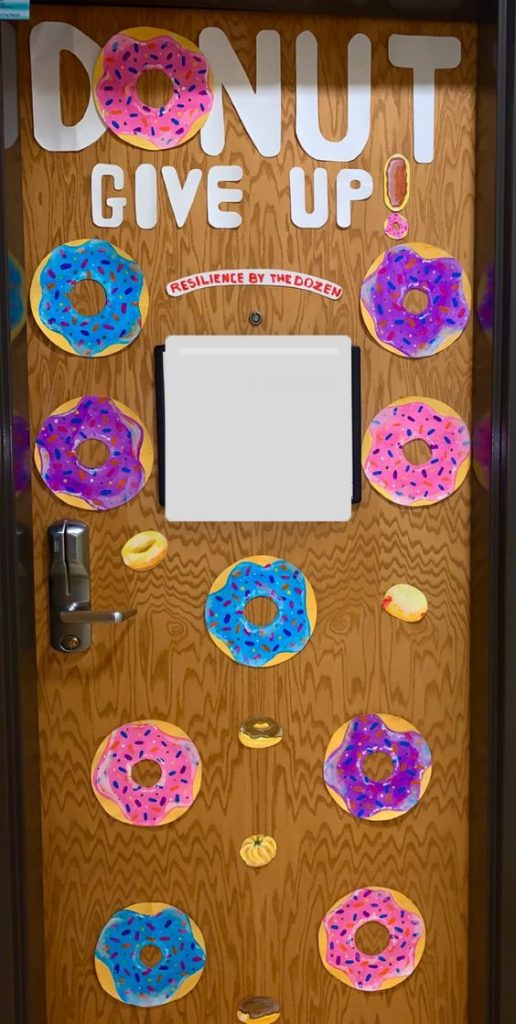
Donuts come in many vibrant colors and patterns, making them an attractive choice for classroom décor. You can use a combination of bright colors like pink, purple, blue, and yellow found on donut frostings to create an engaging learning environment. Imagine walls decorated with colorful donut-themed posters, bulletin boards showcasing delicious donut designs, and desks adorned with delightful name tags featuring sprinkles.

2. Encourages Creativity

Introducing a donut-themed classroom encourages students to think outside the box. They can be motivated to come up with their own donut-inspired arts and crafts projects, allowing them to express their creativity in unique ways. For instance, students could create paper donut garlands or design their own delectable pastry drawings.

3. Fun Learning Opportunities

Teachers can incorporate the donut theme into their lessons by using it as a tool for teaching various subjects creatively. In math class, students could learn fractions or practice addition and subtraction using paper or foam donuts as manipulatives. In language arts, young literature enthusiasts can explore descriptive writing about donuts through poetry or stories.

4. Promotes Sweet Classroom Behavior

A donut-themed reward system is another excellent idea to promote sweet classroom behavior. You can create a “donut tree” or “sprinkle jar,” where students earn their way to higher levels of behavior management with good deeds or impressive academic achievements.

5. A Theme that’s Easy to Work With

Donut-themed décor is widely accessible and easy to create. Craft stores offer an abundance of donut supplies, like stickers, posters, and stamps. Scented markers or erasers make a delightful addition to this theme, and local bakeries might even be willing to collaborate on class fundraisers or special events involving real donuts.

In conclusion, donuts provide a sweet and irresistible classroom theme that encourages engagement, creativity, good behavior, and most importantly, fun learning experiences. It’s time to embrace the delicious world of donuts in the classroom and watch your students’ excitement grow.

20 Best Anti-Bullying Videos to Share With Your Students

Teaching students about the impacts of bullying and how to combat it is a crucial subject in schools. Sharing videos with your class can be an effective way to get this important message across. Here are 20 of the best anti-bullying videos to share with your students.

1. “Don’t Laugh at Me” by Peter, Paul, and Mary – A heartfelt song with lyrics that emphasize the importance of empathy and understanding.

2. “The Bully,” a TEDx talk by author and motivational speaker Jaylen Bledsoe – In this talk, Jaylen shares his inspiring story about overcoming bullying and teaches valuable life lessons.

3. “Sesame Street: Respect” – A short, engaging video for young children introducing the concept of respect towards others.

4. “My Face” by Wonderland – An empowering video and song that proclaims confidence in oneself despite what others may say or think.

5. “Anti-Bullying Tip: Including Others” from The Kids’ Guide to Life- This video teaches inclusion and emphasizes the power of kindness in combatting bullying.

6. The Weinstein Company’s “#IAmAWitness” campaign – A variety of informative and visually appealing videos created to raise awareness surrounding cyberbullying.

7. “How to Beat a Bully Without Really Trying” performed by The Piano Guys – A refreshing approach to anti-bullying via music, compassion, and laughter.

8. “To This Day Project,” a spoken word poem by Shane Koyczan – A powerful message against bullying backed up with powerful visuals.

9. Cartoon Network’s “Stop Bullying: Speak Up” series – A collection of short videos aimed at kids that offer guidance on how to approach bullying situations effectively.

10. NSPCC’s “Sara’s Story,” an animated short that depicts a teenage girl’s experience with cyberbullying – A great resource to discuss the harmful effects of online bullying.

11. Danny & Friends Anti-Bullying Video Series – An animated series supplying creative ways for children to combat bullying through friendship and understanding.

12. “Bullying: Our Stories of Survival” – This documentary offers a comprehensive look into the lives of three youth who overcame severe bullying.

13. “Kelso’s Choice” Conflict Resolution Series – An educational series that empowers students with age-appropriate conflict resolution techniques.

14. Anti-Bullying Alliance UK short films – This collection focuses on addressing different aspects of bullying, such as name-calling, exclusion, and spreading rumors.

15. “It Gets Better” project – Inspiring stories from people who have faced bullying and adversity, providing hope for students suffering from similar issues.

16. “Weird!,” a read-aloud book by Erin Frankel– An excellent option for elementary-aged students that promotes understanding and compassion.

17. “The Pacer Center’s Kids Against Bullying” videos– Informative, peer-to-peer videos that educate about preventing bullying in schools.

18. “10 Ways to Stop a Bully” by Brooks Gibbs – A practical guide teaching peaceful methods to resolve conflicts.

19. The Diana Award Anti-Bullying Campaign – Featuring videos and interactive lessons, this campaign encourages students to take an active role in preventing and addressing bullying.

20. Cybersmile’s “I Am A Witness” Interactive Film – Focused on combating cyberbullying, this film teaches viewers how to be good bystanders and intervene in online bullying situations effectively.

By showing these 20 anti-bullying videos, you’ll impart valuable lessons to your students while also fostering empathy and empowering them with tools to prevent and combat harmful behaviors.

5 Strategies to Use With Your Squirmiest, Wiggliest Students

Introduction:

Every classroom has them – those wiggly and squirmiest students who simply can’t seem to sit still. As a teacher, it can be challenging to keep these energetic learners engaged and focused on the lesson at hand. However, it’s crucial to remember that their fidgety behavior doesn’t necessarily mean they aren’t paying attention or interested in learning. In this article, we will discuss five strategies that can help channel that energy into productive learning.

1. Design Active Lessons:

Incorporate activities that involve movement and utilize various areas of the classroom. This can include group work, hands-on experiments, or even acting out scenes from a story. By giving students the opportunity to move around, you’re catering to their physical needs while still keeping them engaged in the lesson.

2. Give Them Tools for Fidgeting:

Believe it or not, fidgeting can actually improve concentration for some students. Provide stress balls, fidget spinners, or small manipulatives that your students can quietly play with during class. These tools can help relieve restless energy while keeping them focused on the material.

3. Implement Seating Alternatives:

Traditional seating might not be the best fit for every student and can actually contribute to discomfort for some children. Consider offering alternative seating options such as stability balls, wobble stools, or even standing desks that can give them a chance to move without disrupting their classmates.

4. Offer Brain Breaks:

Throughout the day, offer short breaks for your students to engage in physical activity and regain their focus. For example, you might have them do five minutes of stretches or simple exercises like jumping jacks between lessons. These breaks give wiggly students an opportunity to expend energy before refocusing on academic tasks.

5. Teach Mindfulness Techniques:

Help your most restless students learn how to self-regulate by teaching them mindfulness techniques like deep breathing or visualization exercises. By practicing these skills, they’ll become more aware of their body and impulses, enabling them to concentrate and refocus on the task at hand.

Conclusion:

While it can be challenging to manage the energy of squirmiest and wiggliest students, it’s essential to remember that their restlessness is not an indication of disinterest in learning. By incorporating movement into lessons, providing fidget tools, offering alternative seating options, setting aside time for brain breaks, and teaching mindfulness techniques, you can ensure that every student has an environment that supports their success. Embrace their energy and help them channel it into a productive learning experience.

When a Student Drops the F-Bomb: Dealing With Cursing in the Classroom

Introduction:

In today’s world, where profanity can be heard almost every day on the streets, it is not surprising that cursing has made its way into the classroom. While some educators may overlook these incidents, others are unsure about how to properly address this inappropriate behavior. In this article, we will discuss various strategies that can be employed by teachers when dealing with cursing in the classroom.

1. Determine the Severity of the Profanity

Before reacting to an offensive word or phrase, take a moment to determine its severity. For example, differentiate mild expletives from more aggressive ones, especially those charged with hate speech or derogatory language.

2. Establish Clear Classroom Expectations and Consequences

At the beginning of each term, establish a clear set of rules related to classroom behavior, including language. Ensure all students understand what type of language is unacceptable and what consequences might arise if they engage in such behavior.

3. Address the Issue Immediately

When you encounter profanity in your classroom, addressing it promptly is crucial. Ignoring the issue can signal to other students that such behavior is acceptable – which is not the case. Therefore, make sure to confront the student promptly if they use inappropriate language within your classroom.

4. Give Context and Explain Why it’s Inappropriate

Instead of merely reprimanding a student for their use of profanity, provide context for why their choice of words was inappropriate. Discuss how their actions affect fellow students and may create a negative learning environment.

5. Redirect Conversational Flow

When a student drops an offensive word casually during class discussion, redirect them instead of focusing on their indiscretion. Try steering them back to the topic at hand and discouraging further use of such language by emphasizing civility in conversation.

6. Employ Private Conversations

To avoid embarrassing or singling out a student in front of their peers, consider taking them aside to discuss their use of profanity privately. Calmly, and without scolding, express your concerns and the reasons for such behavior being unacceptable in the classroom.

7. Encourage Alternative Expressions

Help students develop better ways to express themselves when they’re frustrated or upset. Encourage them to use alternative words or phrases to better communicate their emotions or feelings without resorting to foul language.

8. Involve Parents or Guardians

If a student continues to use inappropriate language despite your efforts to address the issue, consider involving the student’s parents or guardians. Discuss your concerns with them and work together on strategies that may help prevent this behavior in the future.

Conclusion:

Dealing with cursing in the classroom is a challenge, but it’s essential that teachers take appropriate action as it arises. By establishing clear expectations, addressing the issue promptly and fairly, and fostering an environment of respect and civility, educators can minimize cursing and create a positive learning atmosphere for all students.

 

Introduction:

In today’s world, where profanity can be heard almost every day on the streets, it is not surprising that cursing has made its way into the classroom. While some educators may overlook these incidents, others are unsure about how to properly address this inappropriate behavior. In this article, we will discuss various strategies that can be employed by teachers when dealing with cursing in the classroom.

  1. Determine the Severity of the Profanity

Before reacting to an offensive word or phrase, take a moment to determine its severity. For example, differentiate mild expletives from more aggressive ones, especially those charged with hate speech or derogatory language.

  1. Establish Clear Classroom Expectations and Consequences

At the beginning of each term, establish a clear set of rules related to classroom behavior, including language. Ensure all students understand what type of language is unacceptable and what consequences might arise if they engage in such behavior.

  1. Address the Issue Immediately

When you encounter profanity in your classroom, addressing it promptly is crucial. Ignoring the issue can signal to other students that such behavior is acceptable – which is not the case. Therefore, make sure to confront the student promptly if they use inappropriate language within your classroom.

  1. Give Context and Explain Why it’s Inappropriate

Instead of merely reprimanding a student for their use of profanity, provide context for why their choice of words was inappropriate. Discuss how their actions affect fellow students and may create a negative learning environment.

  1. Redirect Conversational Flow

When a student drops an offensive word casually during class discussion, redirect them instead of focusing on their indiscretion. Try steering them back to the topic at hand and discouraging further use of such language by emphasizing civility in conversation.

  1. Employ Private Conversations

To avoid embarrassing or singling out a student in front of their peers, consider taking them aside to discuss their use of profanity privately. Calmly, and without scolding, express your concerns and the reasons for such behavior being unacceptable in the classroom.

  1. Encourage Alternative Expressions

Help students develop better ways to express themselves when they’re frustrated or upset. Encourage them to use alternative words or phrases to better communicate their emotions or feelings without resorting to foul language.

  1. Involve Parents or Guardians

If a student continues to use inappropriate language despite your efforts to address the issue, consider involving the student’s parents or guardians. Discuss your concerns with them and work together on strategies that may help prevent this behavior in the future.

Conclusion:

Dealing with cursing in the classroom is a challenge, but it’s essential that teachers take appropriate action as it arises. By establishing clear expectations, addressing the issue promptly and fairly, and fostering an environment of respect and civility, educators can minimize cursing and create a positive learning atmosphere for all students.
This Teacher Takes Two Pigs to Her Classroom Every Single Day

When you think of a typical classroom, the image of students sitting at their desks and a teacher standing at the front is what usually comes to mind. However, for one innovative educator, the classroom dynamic has transformed into something much more unconventional – thanks to the presence of two pigs.

Ms. Sarah Thompson, an elementary school teacher in Idaho, found an extraordinary way to enhance her students’ learning experience by bringing two miniature pigs, named Oink and Squeak, into her classroom every single day.

Sarah first introduced these two lovable creatures to her students when they were just piglets. Over time, Oink and Squeak have become cherished members of the class, offering a unique and engaging environment for young learners. Teachers often employ various methods of making education more interactive – bringing animals into the classroom is a surefire way to achieve this.

The presence of Oink and Squeak gives students the opportunity to learn empathy and responsibility while creating an environment that fosters curiosity and natural discovery. Sarah shares that by observing how the pigs interact with their surroundings and with each other, students are inspired to ask questions spanning different subjects like science, history, and math.

Oink’s and Squeak’s daily routines also provide a wealth of learning opportunities. The simple act of feeding them demonstrates lessons in portion control and diet. Maintaining a clean habitat leads young learners down paths that explore sustainability and environmental responsibility. Students also gain invaluable insight into animal behavior patterns through daily interaction with their porcine classmates.

As part of an active approach to integrating the environment and social growth into education, Sarah has seen tremendous development in her students’ academic performance since introducing Oink and Squeak. The children have become more engaged in learning about nature, animal welfare issues, sustainable living practices, as well as personal growth.

While initially receiving mixed reactions from parents and colleagues, Sarah’s unconventional teaching method has started to gain widespread recognition as a powerful approach toward capturing the hearts and minds of her students. Many now see the value of a multisensory exposure in stimulating youthful curiosity and creativity.

The story of Sarah Thompson and her extraordinary classroom companions Oink and Squeak serves as an inspiring example of how out-of-the-box thinking can lead to exceptional educational experiences for children. Sometimes, all it takes is a touch of the unconventional to make learning so much more impactful and fun.

15 Genius Lining-up Strategies to Make Your Life Easier

Introduction:

Organizing your life and maintaining orderliness can be a daunting task. However, lining-up strategies can provide much-needed assistance in keeping your life manageable and stress-free. Below is a list of 15 effective lining-up strategies that can make your life significantly easier.

1. Prioritize tasks:

Establishing a hierarchy of priorities is essential. Determine which tasks are crucial and complete them first before moving on to smaller, less urgent jobs.

2. Break tasks into smaller steps:

Breaking down large or overwhelming tasks into smaller, more manageable segments can dramatically increase productivity and efficiency.

3. Create a weekly plan:

Forming a comprehensive plan for the week can promote better time management as it allows you to map out essential tasks beforehand.

4. Set deadlines:

Assigning deadlines to each task encourages a sense of urgency, prompting you to work efficiently towards completing them within the stipulated time frame.

5. Use digital tools:

Take advantage of technology by using digital tools like calendars, to-do lists, and productivity apps that provide reminders and help with organization.

6. Declutter regularly:

Regularly clearing unnecessary items from your workspace or living space cultivates an orderly environment, reducing stress and promoting focus.

7. Develop daily routines:

Adopting routines for various aspects of your life fosters efficiency by helping you manage your time effectively and eliminating wasted moments.

8. Break up major projects into phases:

When pursuing significant projects, dividing them into phases allows for better organization and streamlined progress tracking.

9. Delegate when possible:

Delegation is essential in easing the burden of responsibility and promoting teamwork while ensuring that vital tasks are completed efficiently.

10. Set aside time for relaxation:

Creating dedicated moments for relaxation helps improve mental health, reduces burnout risk, and fosters increased productivity during work times.

11. Adopt the “2-minute rule”:

If a task takes less than two minutes to complete, do it immediately instead of postponing it. This approach clears small tasks quickly, paving the way for more significant jobs.

12. Use the Pomodoro Technique:

Working in focused blocks of 25 minutes, followed by a short break, maximizes productivity and helps maintain focus throughout the day.

13. Review your day:

Taking time to review your day’s accomplishments can help identify areas needing improvement and measures to enhance workflow.

14. Label and categorize items:

Labeling items and organizing them into distinct categories makes locating them much easier, reducing wasted time searching for items.

15. Utilize a systematic approach to paperwork:

Organize essential paperwork by using folders or filing systems, ensuring important documents are accessible when needed.

Conclusion:

Incorporating these 15 genius lining-up strategies into your daily life can significantly ease the pressures of organization and promote a healthier work-life balance. Remember that change takes time; start by incorporating a strategy one at a time until you establish a routine that works for you.

20 Amazing Classroom Bookshelves For All Your Organizing Needs

Introduction:

A well-organized classroom can greatly contribute to a positive learning environment. One of the essential components of an organized classroom is having a functional and attractive bookshelf. In this article, we have compiled a list of 20 amazing classroom bookshelves that cater to all your organizing needs.

1. The Multipurpose Adjustable Shelf:

This versatile bookshelf is perfect for classrooms with limited space, as the adjustable shelves provide customized storage solutions according to your needs.

2. Mobile Library Cart:

A portable option that allows you to easily transport books and other supplies around the classroom or school.

3. Corner Bookcase:

Make the most of unused space by adding a corner bookcase to your classroom, optimizing space and organization.

4. Modular Cube Storage:

Transform your storage system with these trendy and functional modular cubes that can be easily rearranged according to your organizational preferences.

5. Wall-Mounted Bookshelf:

Ideal for small classrooms with limited floor space, this bookshelf is mounted on the wall, providing efficient storage while saving precious floor area.

6. Rolling Book Display:

Move books around effortlessly in this wheeled display, ideal for rotating reading materials or showcasing student work.

.7. Revolving Bookcase:

This rotating bookshelf maximizes storage capacity by providing 360-degree access to books and resources in a compact space.

8. Ladder Bookshelf:

An attractive and unique design that offers a modern look coupled with ample storage space for books and other classroom materials.

9. Themed Book Displays:

Create an engaging reading nook in your class by using themed designs like tree-shaped shelves or animal artworks that attract students’ attention and motivate them to read more.

10. Collaborative Reading Table with Built-In Shelves:

Encourage group activities and literature discussions by combining seating and book storage into one multifunctional piece of furniture.

11. Transparent Bookshelves:

Allow students to easily identify and locate books by using transparent shelves that showcase the book titles.

12. Color-Coded Cubby Bookshelf:

Organize books by subject or reading level with this colorful, compartmentalized bookshelf design.

13. Tiered Bookshelf:

Maximize vertical space and create a visually appealing display with a tiered bookshelf.

14. Personal Book Box:

Provide each student with a personalized storage solution for their books and reading materials, promoting responsibility for their learning materials.

15. Wagon Bookrack:

Make storytime fun and interactive with a wagon-shaped bookrack that can be wheeled from corner to corner during read-aloud sessions.

16. Floating Bookshelves:

Achieve a minimalist and aesthetically pleasing look with floating shelves that can hold a variety of books.

17. Greenhouse-Inspired Display Case:

Create an inviting reading environment by incorporating natural elements like plants into this unique greenhouse-inspired book display case.

18. Rustic Wooden Crate Shelves:

Add a touch of country charm to your classroom with these creatively repurposed wooden crate shelves.

19. Zigzag Wall Shelf:

Feature an eye-catching geometric pattern on your classroom walls while providing ample storage space for books and materials.

20. Alphabetical Divider Shelves:

Encourage students to organize and maintain order in the library resources by incorporating alphabet dividers in the bookshelves which ease locating books as per alphabetical order.

Conclusion:

No matter the size or layout of your classroom, there’s sure to be a perfect bookshelf solution on this list that caters to all your organizing needs. By incorporating one or more of these innovative designs, you’ll create an inviting, organized, and functional space for your students to enhance their learning experiences.

The Ultimate Classroom Pencil Sharpener Showdown

It’s elementary: a well-sharpened pencil is a basic requirement for the modern classroom. The right tool can make all the difference in creating a positive learning atmosphere. Pencil sharpener options are vast and varied, but which ones truly outshine the rest? It’s time for an epic face-off like no other – it’s the Ultimate Classroom Pencil Sharpener Showdown!

As we gear up to find the best pencil sharpener in town, let’s dive into the different categories:

1. Manual Pencil Sharpeners

2. Electric Pencil Sharpeners

3. Battery-Operated Pencil Sharpeners

Manual Pencil Sharpeners:

For years, teachers and students have relied on trusty manual pencil sharpeners as a classroom staple. They’re commonly mounted on walls or clamped to desks and tables. Some of the best options in this category include:

a) X-ACTO Ranger 55

b) Carl Angel-5 Royal

c) Helix Universal

These three have proven themselves as classroom favorites due to their durability, ease of use, and consistent sharpening quality.

Electric Pencil Sharpeners:

A popular alternative to manual pencil sharpeners, electric sharpeners provide speed and convenience that many educators appreciate – particularly when handling large groups of students. Top picks in this category are:

a) X-ACTO SchoolPro

b) Bostitch QuietSharp 6

c) Westcott iPoint Evolution Axis

These electric giants are often lauded for their quiet operation, easy clean-up, and powerful motors that produce perfectly sharpened pencils every time.

Battery-Operated Pencil Sharpeners:

Portability is king when it comes to battery-operated pencil sharpeners. Ideal for teachers who regularly move from one location to another, these lightweight and portable options offer great performance. The best contenders include:

a) Staedtler Norris Club

b) X-ACTO XLR

c) OfficeGoods Electric Pencil Sharpener

These battery-operated champions boast quick sharpening times, safety features, and precise results, making them indispensable tools for teachers on-the-go.

The Verdict:

The quest to crown the king of classroom pencil sharpeners may forever be a debated topic. However, the nine contenders listed here represent some of the most sought-after and reliable options available.

Ultimately, the choice of a pencil sharpener comes down to personal preference, budget, and specific classroom needs. Whether you opt for a manual classic like the Carl Angel-5 Royal, an electric powerhouse like the Bostitch QuietSharp 6, or seek portability with the Staedtler Norris Club, rest assured that each option provides excellent quality and performance in their respective categories.

So sharpen those pencils and prepare to make your mark on the world with these top-notch classroom pencil sharpener options!

I Marie Kondo-ed a Cluttered Classroom, and Here’s What Happened

Introduction:

As a teacher, I’ve often found myself overwhelmed by the clutter in my classroom. With piled-up papers, disorganized materials, and scattered items throughout the room, it was clear that something needed to change. That’s when I discovered Marie Kondo’s organizing methods and decided to give them a try in my classroom. Here’s what happened.

1. The KonMari Method

The KonMari Method is a system of simplifying and organizing developed by Japanese tidying expert Marie Kondo. It consists of gathering together all your belongings, one category at a time, and then keeping only those things that “spark joy” in your life. By following this method in my classroom, I was able to identify the essentials and let go of the clutter.

2. Starting with Books

I began by sorting through the myriad of books that filled every nook and cranny of the classroom. Deciding which books sparked joy was a challenge, but eventually, I narrowed down our collection to the most valuable and beneficial for the students’ learning.

3. Next: Papers

With Marie Kondo’s guidance, I tackled the ever-growing paper problem in my classroom. I sorted through lesson plans, student work, and important documents, ensuring that everything had its rightful place. Old materials were either recycled or donated to other classrooms.

4. Organizing Supplies

Streamlining supplies was crucial as well. Using clear storage containers and labels, every item now had an assigned home—markers with markers, glue sticks with glue sticks—making it easy for the students to find what they needed.

5. Implementing Daily Routines

For maintenance purposes, daily routines were established so that tidying became a group effort rather than an individual burden. Students were assigned tasks such as book returning or material respacing at the end of each day.

6. The Outcome

Not only did the classroom look better, but the newfound organization also had a significant impact on students’ focus and productivity. The environment became more conducive to learning as distractions were minimized and students felt relaxed in a clutter-free space.

Conclusion:

The Marie Kondo organizing experiment in my classroom was nothing short of transformative. By teaching my students the importance of a clutter-free space, I saw improvements in their academic performance and overall happiness. The KonMari Method is officially here to stay in this classroom!

Pow! 25 Superhero Classroom Theme Ideas

Introduction

Are you looking for some fantastic superhero classroom theme ideas? Embrace the excitement and power of superheroes to bring your teaching to life! These 25 superhero classroom theme ideas will rescue your room from dullness and inspire your students to be superhero learners.

  1. Superhero Welcome Sign

Create a vibrant welcome sign for your classroom adorned with popular superheroes.

  1. Hero Headquarters

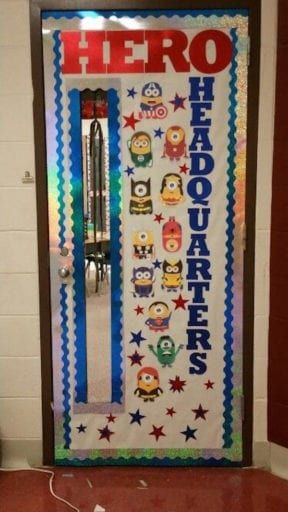
Transform a corner of your room into a hero headquarters, complete with costumes and gadgets.

  1. Superpower Supply Store

Incorporate themed school supplies like pencils, erasers, and notepads sporting superpower symbols.

  1. Heroic Book Corner

Designate a quiet reading space with posters and books featuring favorite superheroes.

  1. Wall of Fame

Post photos and accomplishments of students dressed as superheroes on a dedicated wall in the classroom.

  1. Super Attendance Chart

Track attendance using superhero avatars or icons on a colorful chart.

  1. Secret Message Decoder Board

Utilize decoder rings or magnifying glasses for students to decipher secret messages displayed on the board.

  1. Superhero Meet & Greet

Invite local comic book artists or cosplayers to visit your classroom and inspire your students.

  1. Hero Capes

Encourage students to create their own hero capes by recycling old clothing or fabric scraps.

  1. Hero Training Academy Physical Fitness Program

Implement superhero-themed physical activities during recess or gym class.

  1. Teamwork Assemblies

Teach cooperation skills through group games that require collaboration, problem-solving, and heroic thinking.

  1. Daily Mission Reports

Assign each student a mission report, which they complete after daily activities or group projects.

  1. Power-Up Points System

Reward good behavior with points represented by symbolic tokens such as stars or lightning bolts.

  1. Comic Strip Writing Prompts

Inspire creativity by incorporating comic strips into writing assignments, encouraging storytelling with a superhero twist.

  1. Heroic Banner

Show off students’ work by displaying it on a superhero-themed banner in the classroom.

  1. Dynamic Duo Desk Buddies

Pair students together as desk buddies and encourage collaboration with fun superhero code names.

  1. Superhero Science Stations

Incorporate superhero themes into science experiments and demonstrations.

  1. Super Speed Math Challenges

Integrate timed math challenges with a superhero race component.

  1. Character Strength Exploration

Discuss the characteristics of superheroes and have students identify their own powerful traits.

  1. Anti-Bullying Campaign

Adopt an anti-bullying program that highlights heroic actions, kindness, and supportive behavior in the classroom.

  1. Heroic Goal Setting Posters

Create posters to showcase students’ academic and personal goals, highlighting their steps to achieving success like a superhero.

  1. Comic Book Club

Start a club for comic book lovers to share and discuss their favorite stories of bravery and heroism.

  1. Marvelous Map Makers

Combine geography, history, and storytelling by creating maps of fictional superhero homelands or locations.

  1. Heroic Helpers Board

Post jobs or tasks that need assistance from the class, encouraging engagement in helping each other.

  1. Topical Superhero News Reports

Incorporate real-life, trending topics into news reports presented by your students as their favorite superheroes.

Conclusion

With these 25 fantastic ideas, you’ll be well on your way to transforming your classroom into a place where aspiring heroes can learn, grow, and find inspiration from everyone’s favorite superheroes!