Classroom Management

Help! My Principal Is Coming To Observe Me and I Feel Like I’m Under the Microscope

Introduction

Educators around the globe often feel a sense of anxiety when they find out that their principal will be coming to observe their classroom. This feeling of being under the microscope is all too familiar for most teachers, especially those who are new or have had issues in the past. However, it’s important to recognize that classroom observations don’t have to be a nerve-wracking experience. Instead, use this opportunity to showcase your teaching skills, improve your instructional techniques, and foster a positive relationship with your principal. In this article, we will explore some effective strategies to help you navigate this experience with confidence.

1. Be prepared

One of the best ways to ease your anxiety is to be ready for the observation. Make sure you have a detailed and well-organized lesson plan, along with any necessary resources and materials. Familiarize yourself with the content you will be teaching, practice your delivery, and anticipate possible questions or challenges from students.

2. Maintain a professional attitude

It’s crucial that you remain professional throughout the observation process. Dress appropriately, be punctual, and treat your principal with respect and courtesy. Remember that their presence in your classroom is an opportunity to observe not only your teaching skills but also your ability to interact effectively with students and colleagues.

3. Treat it as a learning opportunity

Instead of viewing classroom observation as an evaluation or critique, consider it as an opportunity for professional growth. Embrace any feedback given by your principal—whether positive or constructive—as valuable insights that can help you improve and enhance your teaching methods. Show that you’re willing to learn from the experience by asking questions or seeking clarification if needed.

4. Don’t change everything

Some teachers make the mistake of completely overhauling their usual routines or trying out entirely new strategies during an observation. It’s generally best to stick with your usual classroom management techniques and teaching style, as these will likely be more effective and authentic. Your principal wants to see you in your natural environment, doing what you do best.

5. Engage your students

Demonstrate your ability to foster a positive, inclusive, and engaging learning atmosphere by actively involving your students throughout the lesson. Use clear instructions and challenging questions to elicit thoughtful responses, facilitate group work or collaborative activities, and incorporate various teaching strategies to keep the learning environment stimulating for all students.

6. Highlight your strengths

While it’s essential to maintain a balanced and well-rounded approach to teaching, don’t be afraid to showcase your unique strengths as an educator. Whether you’re adept at integrating technology into the classroom or have a particular knack for creating stimulating discussions, highlight these skills during the observation.

7. Reflect on the experience

Once the observation is complete, take some time for self-reflection. Consider what went well during the lesson and identify any areas where you could improve. Use this information to set goals for continued professional growth, whether independently or in partnership with your principal or other colleagues.

Conclusion

Though classroom observation can feel daunting at first, it doesn’t have to be an anxiety-inducing ordeal. By preparing thoroughly, maintaining a professional demeanor, embracing the experience as an opportunity to learn and grow, engaging your students, and showcasing your strengths as an educator, you’ll navigate through this process confidently. Remember that every teacher has room for improvement; embrace this opportunity with an open mind and a positive attitude.


Help! My Students Just Don’t Seem to Care: Strategies for Reigniting Passion in the Classroom

Introduction

As educators, it can be disheartening to feel like your students just don’t seem to care about the material they’re learning. Lack of interest and enthusiasm can make teaching and learning more challenging for everyone involved. Nonetheless, it’s crucial to remember that behind every indifferent student is a person with potential, needs, and aspirations. This article will explore practical strategies for rekindling passion in your students and helping them rediscover an intrinsic motivation to learn.

1. Make connections with real-life situations

Students are more likely to become engaged in learning when they can relate the material to their own lives. Incorporate examples that demonstrate real-world applications of lessons in order to help bridge the gap between abstract academic concepts and everyday life experiences. By helping students make these connections, you validate their interests and show them the relevance of what they’re learning.

2. Foster a genuine relationship with your students

Building rapport and fostering strong relationships with your students is essential to helping them feel seen, heard, and valued as individuals. Be open with your students about your own interests, passions, and limitations beyond just the subject matter being taught. This vulnerability can be incredibly powerful for establishing trust, which will form the foundation for a mutually supportive learning environment.

3. Encourage student choice

When students are allowed to make decisions about their learning environment or choose topics relevant to their interests, they’ll naturally become more invested in the process. Offer opportunities for student choice within assignments, reading material options, or presentation styles so that they have a sense of ownership over their learning experience.

4. Differentiate instruction

Everyone learns differently – some prefer hands-on activities while others enjoy written explanations or discussions. Ensure that you’re addressing these different preferences by incorporating varied educational strategies in the classroom. Differentiating instruction demonstrates to students that you value and respect their unique learning styles and can boost overall engagement.

5. Appeal to multiple intelligences

Gardner’s Theory of Multiple Intelligences suggests that individuals possess different types of intelligence, such as linguistic, logical-mathematical, visual-spatial, body-kinesthetic, and more. By incorporating activities and assignments that tap into a variety of these intelligences, you can help bring out the strengths and passions of each student.

6. Offer praise and positive reinforcement

Positive feedback and constructive criticism can work wonders for improving student motivation. Support your students’ efforts by acknowledging their achievements, no matter how small. When offering feedback, be sure to be honest but also focus on the progress made so that your students feel empowered to keep trying.

Conclusion

Ultimately, reigniting passion in the classroom is about showing your students that you care for them both as learners and as individuals. By implementing these strategies to foster stronger connections, validate their experiences, and address their unique needs, you can help cultivate an environment where both you and your students are excited about learning together.

How to Develop Classroom Presence (So Your Students Actually Pay Attention)

Developing a strong classroom presence is crucial for engaging students and maintaining their attention throughout your lessons. A teacher with a strong presence creates a dynamic learning environment and effectively conveys the importance of the subject matter. Here are some tips to help you develop an impactful presence in the classroom.

1. Cultivate Confidence

Confidence is key when it comes to commanding attention. The good news is that confidence can be developed through practice, even if it does not come naturally. Become deeply familiar with the material you’re teaching and stay up-to-date with advancements in your field, as this knowledge will empower you to answer student questions with confidence.

2. Use Body Language Effectively

Your body language sends nonverbal cues that can either enhance or detract from your classroom presence. Stand tall, make eye contact, and use controlled gestures to express enthusiasm and emphasize important points. Try to avoid crossing your arms or turning away from the students as these actions may project insecurity or disinterest.

3. Be Approachable

Creating a sense of approachability can put students at ease, encouraging them to engage more readily with the material. Start by learning each student’s name and fostering a genuine interest in their progress. Be open to answering questions and provide opportunities for discussion during class time.

4. Maintain Control Without Dominating

It’s essential to maintain control over the classroom dynamic while simultaneously giving students opportunities to express themselves. Establish clear expectations for behavior at the outset of each term, and consistently enforce these expectations with fairness and respect.

5. Use Your Voice Wisely

Varying your vocal patterns – such as pitch, volume, and speed – can significantly impact your classroom presence. Speaking too quickly can make it difficult for students to follow along, whereas speaking too slowly may cause boredom or disengagement. Strike an appropriate balance by aiming for clarity and embracing natural variations in your tone.

6. Provide Compelling Content

When the material is engaging, students pay attention. Strive to make lessons relevant by connecting them to real-world examples and encouraging student involvement in hands-on activities. Diversify your methods of content delivery, such as utilizing multimedia presentations and encouraging group collaboration.

7. Monitor Student Engagement

Take note of whether students appear engaged, and respond accordingly if you sense their attention is waning. Be prepared to modify your lesson plan if necessary, or to employ different techniques for capturing student interest.

8. Reflect on Your Teaching Style

At the end of each day, take some time to reflect on what elements of your classroom presence worked well and which ones could use improvement. Engage in professional development opportunities to deepen your teaching practice, and also consider seeking feedback from peers or mentors who may offer invaluable insights.

By implementing these strategies and consistently evaluating your progress as an educator, you will develop a strong classroom presence that not only commands attention but also fosters a vibrant learning environment for your students.

20 Ways to Use Personal Dry Erase Boards in the Classroom (Plus the Brands That Really Last)

Introduction:

Personal dry erase boards have become increasingly popular in classrooms across the globe. They offer numerous benefits such as encouraging active learning, reducing paper waste, and promoting collaboration among students. Here, we explore 20 different ways to incorporate personal dry erase boards into your classroom, as well as a few tried-and-true brands that truly stand the test of time.

20 Creative Uses for Personal Dry Erase Boards:

1. Warm-up activities: Write a question or prompt on the board for students to answer when they enter the classroom.

2. Exit tickets: Before leaving class, ask students to summarize a key concept they learned using their dry erase boards.

3. Group brainstorming: Encourage collaborative thinking by having students work together to generate ideas on their boards.

4. Spelling practice: Have students practice writing new vocabulary words on their boards with correct spelling and capitalization.

5. Math problems: Students can solve math problems step-by-step on their boards, making it easy for teachers to spot and correct mistakes.

6. Peer review: Assign small group projects and have students provide feedback on their peers’ work by writing suggestions on their boards.

7. Art activities: Incorporate creativity into your lessons by asking students to draw illustrations or diagrams that relate to the topic being discussed.

8. Timed activities: Set a timer and have students complete a specific task or question within the time limit using their boards.

9. Student response system: Ask questions throughout a lesson to gauge student understanding, having them write their answers on their personal boards.

10. Debate preparation: Give students time to come up with supporting arguments on their dry erase boards before engaging in a classroom debate.

11. Sequencing events: Allow students to visually arrange events or actions in chronological order on their boards for better comprehension.

12. Silent discussions: Encourage quieter students to participate by having them write down their thoughts on their boards.

13. Error analysis: Present incorrect solutions to problems and have students work together to identify and correct mistakes on their boards.

14. Graphic organizers: Teach students how to create mind maps or other visual aids on their dry erase boards to aid in comprehension of complex topics.

15. Opinion polls: Gather student opinions on a topic by asking a question and having them write their answers on their boards.

16. Foreign language practice: Students can practice new vocabulary words, grammar structures, or sentence construction in a foreign language using their dry erase boards.

17. Classroom games: Create engaging review games that involve students writing answers or drawing illustrations on their boards.

18. Vocabulary scavenger hunt: Have students search for vocabulary words around the classroom or within reading materials, then write the words and definitions on their boards.

19. Test review: Use personal whiteboards during test preparation sessions for collaborative learning and real-time feedback opportunities.

20. Timeline creation: Help students visualise historical events by creating a timeline using personal dry erase boards.

Brands That Really Last:

1. Quartet

2. Expo

3. U Brands

4. Viz Pro

5. The Board Dudes

Conclusion:

By incorporating personal dry erase boards into your teaching repertoire, you open up endless possibilities for engaging, interactive, and creative learning experiences in the classroom. Experiment with the various ways these versatile tools can be used and select the highest quality brands to ensure lasting value for your students’ education.

Innovative Ways to Organize Take Home Folders for Your Classroom

As teachers, we’re always on the lookout for fresh and creative solutions to make our lives easier, and one area that often needs improvement is the organization of take-home folders. These folders are crucial in maintaining a connection between school and home, ensuring that students have all the necessary information and materials for their learning journey. In this article, we will explore some innovative ways to organize take home folders in your classroom.

1. Color Coding

Color coding is an easy yet effective way to organize your folders. Assign a different color folder for every subject or student type, such as special education students, and instruct your students to place the corresponding papers into each folder. This system not only helps you maintain the order but also teaches students organization skills.

2. Labeling

Labeling folders with student names can greatly simplify folder management. Utilize a label maker or create customized labels on your computer using fun fonts and themes. If feasible, allow students to personalize their take-home folder labels so they feel more connected to them.

3. Folder Stations

Designate a specific area in your classroom as the “folder station.” Set up bins or crates with dividers labeled by subject or student names where students can retrieve and return their take-home folders daily. This keeps everything in one place, so it’s easier to find when needed.

4. Parent Communication Logs

A crucial aspect of take-home folders is keeping thorough communication between parents and teachers. Include a parent-teacher communication log inside each folder, so both parties can easily document any important updates, questions, or concerns.

5. Motivational Quotes or Stickers

Add motivational quotes, inspirational sayings, or fun stickers on the front of each folder. This serves as a constant reminder for students to stay engaged with their work while also injecting some fun into the process.

6. Responsibility Chart

Incorporate a responsibility chart in your classroom, where students can move their names to indicate the completion of specific tasks, such as turning in their take-home folder. This promotes accountability and helps students learn to be responsible for keeping track of their work.

7. Digital Folders

Embrace the digital age by providing students and parents access to an online folder. This can either replace or complement physical take-home folders, ensuring all parties have immediate access to assignments and resources.

8. Themed Folders

Try using themed folders that correlate with your curriculum or classroom themes. For example, if you’re teaching about ecosystems, use folders with images of rainforests, deserts, and oceans. These themed folders not only look appealing but help ignite students’ interest in the subject matter.

By implementing one or more of these innovative ideas into your classroom organization system, you can improve your take-home folder management and ensure a more streamlined experience for both teachers and students. Happy organizing!

Here’s What Teachers Really Have on Their Classroom Wishlists

As students are excitedly anticipating the start of a new school year, teachers across the country are making preparations for their classrooms. With tight budgets and limited resources, teachers often create classroom wishlists in hopes that parents and community members can chip in and help provide the necessary materials for a successful learning environment.

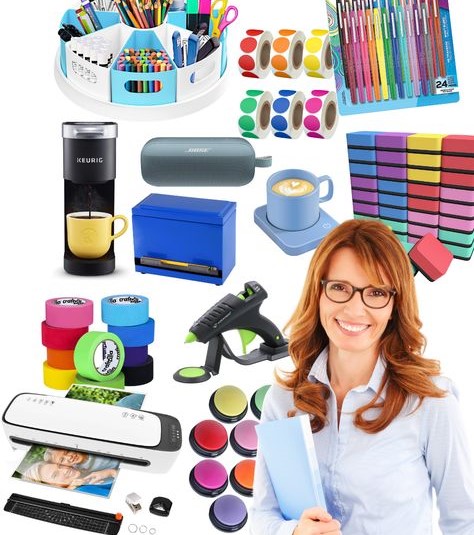
So, what do teachers really have on their classroom wishlists? In this article, we’ll reveal some of the top-requested items and help you find ways to make a difference.

1. Basic Supplies

One thing that tops every teacher’s wishlist is basic classroom supplies. These include pencils, pens, dry erase markers, notebooks, paper, glue sticks, scissors, crayons, and more. As simple as it may sound, many teachers end up purchasing these supplies out of their own pockets due to lack of funding.

2. Technology

With advancements in technology come new opportunities to enhance learning experiences for students. Laptops, tablets, smartboards, and educational software are on many teachers’ wishlists. By incorporating technology into the curriculum more effectively, educators can engage students better and improve learning outcomes.

3. Flexible Seating Options

Flexible seating options in classrooms are becoming more popular in recent years. Research shows that giving students choices on where they sit can lead to increased focus, engagement levels, and a sense of ownership over their learning experience. Bean bag chairs, exercise balls, yoga mats, rocking chairs or soft cushions are some of the flexible seating options teachers look for.

4. Hands-on Learning Materials

Many students learn best through hands-on experiences and tactile interactions rather than traditional textbook activities. Examples of hands-on materials include math manipulatives (such as counting cubes), blocks for building structures or magnetic letters for engaging literacy activities.

5. Books

Reading is the foundation of all learning subjects; thus having a classroom library with diverse books is always on a teacher’s wishlist. Teachers appreciate age-appropriate, engaging books of all genres that spark students’ interest in reading.

6. Storage Solutions

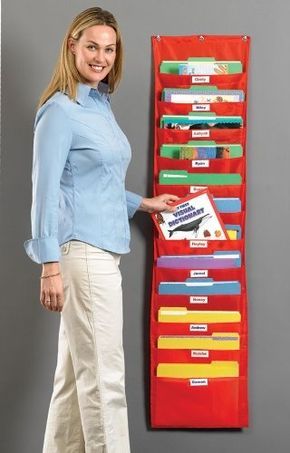
A well-organized classroom is key to maintaining a productive learning environment. Various storage solutions such as bins, trays, and clear containers make it easier for teachers to store and manage supplies, documents, and materials while keeping the classroom clutter-free.

7. Art Supplies

Art plays a crucial role in fostering creativity and self-expression among students. Teachers often seek paintbrushes, paints, colored pencils, markers, construction paper, and other art supplies to provide students with a creative outlet in the classroom.

8. Classroom Decorations

Teachers want their classrooms to feel inviting and engaging for students. Bulletin board borders, posters featuring motivational messages or curriculum-related content, fun seating area rugs or colorful curtains can all help create a warm and welcoming environment.

If you’re looking to support a teacher in your life or community this year, consider contributing more than just your well-wishes; help fulfill a classroom wishlist. The simple act of offering much-needed resources can have a lasting impact on both the teacher and their students’ academic success.

Teachers Are Freaking Out Over These Scoop Rockers

Introduction:

In recent times, classrooms across the globe have seen a surge in innovative and exciting trends to engage students and facilitate a comfortable learning environment. One such trend that has educators buzzing is the introduction of scoop rockers. These simple yet highly-effective pieces of furniture have teachers freaking out with excitement, and it’s easy to see why!

What are Scoop Rockers?

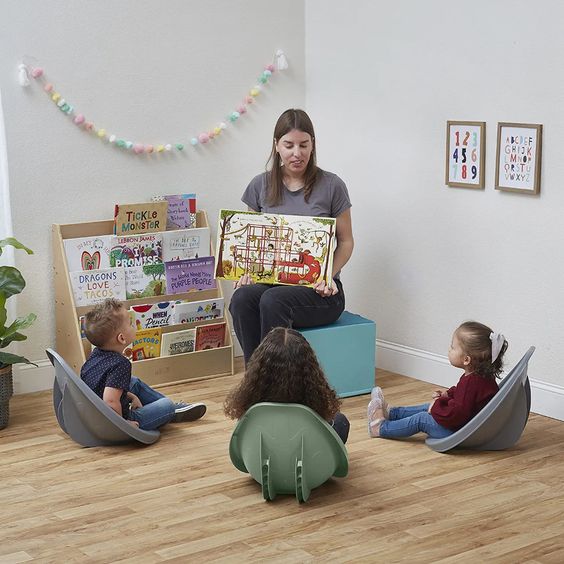
Scoop rockers are lightweight, compact chairs designed primarily for children. Made from durable plastic, they feature a round base with a scoop-shaped seat to provide support, balance, and flexibility. The design not only ensures comfort but also encourages movement, making it an enjoyable seating option for kids.

Why Teachers Love Them:1

1. Enhanced Engagement: Scoop rockers can significantly impact student engagement levels as they provide children with options for movement while seated. This increased movement keeps students stimulated and helps maintain their focus during class sessions.

2. Inclusive Learning Environment: The versatile design of scoop rockers allows for easy accommodation of children with different learning needs or physical limitations. By providing alternative seating options, teachers can create an inclusive classroom that caters to diverse student requirements.

3. Cost-Effective: Scoop rockers are an affordable option compared to traditional classroom furniture, making them ideal budget solutions for tight school budgets.

4. Space-Saving: These compact chairs take up minimal space in classrooms and can easily be stacked away when not in use.

5. Easy Maintenance: Made from sturdy plastic materials, scoop rockers are easy to clean and maintain, which is essential in busy classrooms.

How Scoop Rockers Impact Learning:

With the introduction of scoop rockers in classrooms, teachers have noticed remarkable improvements in students’ attention spans and overall academic performance. The freedom of movement that these seats provide enables students to remain active even while seated, aiding in better concentration on their work.

Additionally, the playful design of scoop rockers subtly encourages collaboration and social interaction among students. Their portable nature allows children to easily move around and engage with their peers during group activities or projects.

Conclusion:

Scoop rockers are revolutionizing classroom furniture, providing a comfortable and interactive seating option that benefits both teachers and students alike. As more schools incorporate scoop rockers into their classrooms, it’s evident that this trend is set to make a lasting impact on the future of education, making learning more enjoyable and accessible for students of all backgrounds and abilities.

24 Creative Word Wall Ideas for Your Classroom

Introduction:

A word wall in your classroom can be an engaging, interactive learning tool that helps students develop fundamental language skills. Here are 24 creative word wall ideas to foster a fun and educational environment.

1. Alphabetical Order:

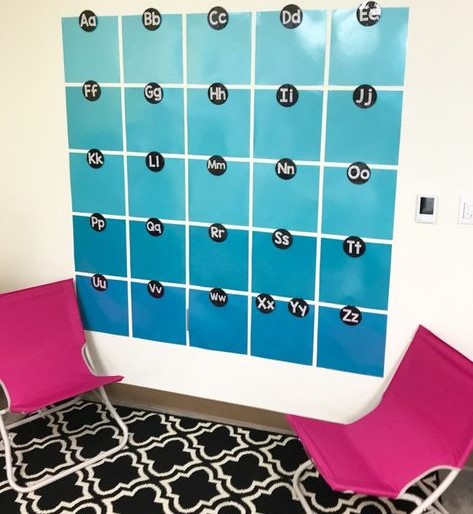
Arrange words in alphabetical order to help students recognize the connection between letters and words.

2. Thematic Words:

Organize words by theme or subject to make it easier for students to connect vocabulary to specific topics.

3. Color-Coded Words:

Assign different colors to word cards based on categories such as nouns, verbs, or adjectives.

4. Word Families:

Group words that have common letter patterns, like “-at” and “-ick”, to help students recognize similarities among words.

5. Vocabulary Growth Chart:

Turn your word wall into a growth chart by adding new vocabulary as students learn new concepts.

6. Illustrated Words:

Include pictures or illustrations related to each word to support visual learners.

7. Synonyms and Antonyms:

Pair up synonyms or antonyms on the word wall for further language expansion.

8. Scrabble-Style Wall:

Arrange words like a Scrabble game board, with each tile representing a letter and connecting words along the way.

9. Rhyming Words:

Cluster rhyming words together to support phonemic awareness.

10. Word Ladder:

Create a ladder with words organized by difficulty level, starting at the bottom with beginner words and progressing towards advanced vocabulary.

11. Sight Words Bingo:

Place sight words on squares for a fun game of Bingo that encourages reinforcement of high-frequency words.

12. Window Pane:

Use window panes or picture frames to display weekly focus words accompanied by their definitions and examples of usage.

13. 3D Word Wall Sculptures:

Get creative and use 3D elements such as wooden blocks, bottle caps, or pipe cleaners for constructing the word wall display.

14. Parts of Speech Pizza:

Divide a large circle into slices, with each slice representing a different part of speech and containing words that fit into that category.

15. Word Clouds:

Design eye-catching word clouds by combining words related to specific topics or vocabulary lists.

16. Interactive Word Wall:

Incorporate touch or interactive elements, like Velcro or magnets, to make the word wall an engaging learning experience.

17. Wall of Fame:

Create a “wall of fame” where students can submit their favorite new words to be displayed prominently.

18. Vocabulary Garden:

Design a vocabulary garden with flower pots, leaves, or branches decorated with new words and definitions.

19. Words on the Go:

Use portable word walls, such as flipcharts or hanging organizers, for small group activities or individual practice.

20. Puzzling Words:

Transform words into crossword puzzles or other word-related games for a fun learning experience.

21. Clean Slate:

Start with a clean slate every month by erasing all of the words and having students help to rebuild the wall with new vocabulary.

22. Quote Wall:

Feature famous quotes using select vocabulary words to inspire students and expose them to rich language use.

23. Featured Author Wall:

Showcase an author’s unique language and word usage by dedicating a section of your wall to their work.

24. Make It Digital:

Take your word wall online using digital tools like Padlet or Wordle, allowing students easy access for studying and reviewing vocabulary across devices.

Conclusion:

A creative word wall in your classroom can greatly enhance learning and engage students in language development activities. Experiment with these 24 ideas to find the perfect fit for your teaching style and learners’ needs. With a little imagination, your word wall can become an interactive cornerstone that supports language growth and fluency in the classroom.

Clever Ways to Use Altoids Tins for Your Classroom Centers

As educators, we’re always looking for unique and fun ways to enhance our classroom centers. One surprisingly versatile item that can be repurposed is the humble Altoids tin. Don’t let these small containers fool you; they can become incredibly practical tools for your classroom.

In this article, we’ll explore some clever and creative ways to use Altoids tins in your classroom centers.

1. Mini Whiteboards

Transform your Altoids tins into portable mini whiteboards by painting the inside with whiteboard paint. These small whiteboards are perfect for students to practice writing letters, numbers or even short words during centers.

2. Magnetic Pattern Blocks

Cover the inside of the tin with magnetic tape and create a collection of magnetic pattern blocks using colorful craft foam or cardstock. Students can then use these blocks to explore patterns, shapes and symmetry during math centers.

3. Travel-sized Art Kits

Assemble mini art kits using Altoids tins by including essential art supplies like crayons, pencils, erasers and sharpeners. These kits are perfect for a drawing or sketching center while minimizing clutter and supplies.

4. Math Manipulatives Holder

Use Altoids tins as storage containers for math manipulatives such as counting bears, coins or fraction tiles. Label each tin with the contents, and students can easily find and use the resources they need during math centers.

5. Portable Spelling Kits

Help students practice their spelling words with portable spelling kits made from Altoids tins. Include a small set of magnetized letters inside the tins so students can build words on the go in language arts centers.

6. Miniature Book Nooks

Inspire a love for reading by creating tiny book nooks using decorated Altoids tins that house miniature books. These minuscule books can be made using folded index cards and printed or handwritten text. Students will appreciate having access to cozy, themed reading centers.

7. Puzzle Storage

Keep small puzzles organized by using Altoids tins as storage containers. This is an excellent way to ensure that all the pieces remain together and can be effortlessly transported between centers.

8. Sensory Tins

Fill Altoids tins with a variety of textures, such as sandpaper, cotton balls or bubble wrap. Students can use this sensory activity during quiet time or as a way to refocus following a busy period.

9. Tic-Tac-Toe and Other Travel Games

Convert your Altoids tins into travel-sized games like tic-tac-toe, checkers or mini memory match by attaching a printed game board inside the tin and using small items as game pieces.

10. Mobile Pocket Charts

Create mobile pocket charts by gluing strips of clear plastic inside the Altoids tins and including sets of vocabulary words or sight words for students to practice during language arts centers.

In conclusion, these versatile little tins can pack a big punch when it comes to organizing and enhancing your classroom centers. With a little imagination and some creative customization, you’ll have no shortage of clever ways to use Altoids tins in your learning environment.

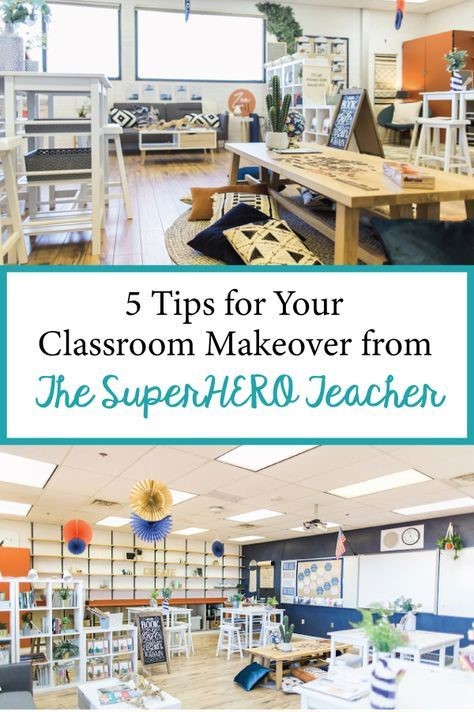
5 Tips for Your Classroom Makeover from The SuperHERO Teacher

A classroom is a vital learning space that plays a crucial role in shaping a student’s educational experience. To enhance their learning environment and make them feel motivated, teachers should invest in giving their classrooms a makeover. The SuperHERO Teacher, a renowned educator and blogger, shares five tips that will not only boost your students’ enthusiasm but also maintain an organized and visually appealing classroom.

1. Choose an Engaging Theme

An interesting theme can set the tone for your classroom and make learning more intriguing for students. Start by picking a subject that resonates with your teaching style and the age group of your students. From historical figures to pop culture icons, choose a theme that will inspire curiosity, creativity, and discussion among learners. Once you’ve picked a theme, incorporate it into your classroom decor, bulletin boards, and teaching materials.

2. Organize Classroom Spaces

Organization plays an important role in maintaining a productive learning environment. Allocate specific spaces for different activities such as group workstations, reading nooks, or quiet study areas. Make sure to label these areas clearly so that students know where to find resources or where they should be sitting during specific tasks. Maintaining an organized setup also helps teachers keep track of supplies and prevents clutter.

3. Prioritize Comfort

Students are likely to perform better when they feel comfortable in their environment. Invest in comfortable seating options such as bean bags or cozy chairs for independent reading sessions or small group discussions, along with traditional desks and chairs for more structured lessons. Ensuring ample natural lighting can also boost mood and concentration levels.

4. Showcase Student Work

Displaying student work on the walls or around the classroom not only adds visual interest but also provides a great way to celebrate achievements and encourage other students to level up their game. Rotate these displays regularly to keep the classroom fresh and vibrant while ensuring every student gets their moment of pride.

5. Incorporate Interactive Elements

Interactive elements can encourage active learning and foster engagement. Add a whiteboard to capture students’ ideas, questions, or brainstorming sessions. Include a space for student-led presentations or role-plays to help them develop confidence and presentation skills. Integrating technology like tablets, Chromebooks, or smartboards can also enhance lesson delivery and facilitate coding workshops or digital projects.

In conclusion, a well-designed classroom makeover that focuses on organization, aesthetics, and interactivity can result in an engaging space where students feel inspired to learn and grow. By following The SuperHERO Teacher’s five tips for a classroom makeover, you’ll be on your way to creating a vibrant learning environment your students will love!