EdTech & Innovation

Community Cohesion – Will History Help?

The concept of community cohesion has long been a topic of discussion among sociologists, educators, and policymakers. In essence, community cohesion refers to the harmonious coexistence of individuals from various social, ethnic, and religious backgrounds within a particular geographical space. While the twenty-first century boasts interconnectedness and globalization, fostering strong community bonds remains a challenge. To tackle this issue, let’s delve into the pages of history and explore whether historical insights can provide potential solutions.

Firstly, examining past eras of relative cohesion can draw invaluable insights. For example, during medieval Europe’s “Golden Age,” multicultural communities in cities such as Cordoba and Palermo were hubs for intellectual exchange and cooperation. With religious tolerance prevailing at the moment, scholars of different faiths came together in pursuit of knowledge. Thus, understanding the roots of this historical success can inspire actionable policies that reclaim spaces for shared learning and dialogue among diverse members today.

In contrast to the Golden Age example, history also showcases periods when community building measures failed miserably. This perspective may serve as a roadmap for avoiding pitfalls connected to assimilation and marginalization when attempting to foster cohesion today. For instance, nationalist movements throughout history have further deepened social divides by propagating a single narrative or identity at the expense of others. Examining such scenarios reminds us that thriving community dynamics must celebrate diversity rather than enforce homogenization.

Furthermore, studying movements with values grounded in communitarian principles offers enlightening lessons that may contribute to present-day efforts. Take Mahatma Gandhi’s vision of Sarvodaya (the upliftment of all), which emphasizes placing marginalized communities at the forefront and strengthening their participation in decision-making processes. Applying these principles may enable creating more inclusive communities that ensure everyone’s well-being is considered and nurtured.

Historical examples of collaborative structures can also offer guidance regarding modern-day challenges. The Iroquois Confederacy, a union between tribes in pre-colonial North America, embraced democratic deliberation and shared authority. As present-day communities grapple with civic engagement and participatory decision-making, analyzing the mechanisms of these historical systems could help us build sustainable, equitable societal configurations.

Lastly, analyzing grassroots social movements from the 20th century can serve as a beacon for contemporary community efforts. The Civil Rights Movement in the United States exemplified the power of a community rallying to unearth long-standing injustices. John Lewis’s call to action of creating a “Beloved Community” emphasizes an interdependent society built upon compassion and understanding. Such visions can inspire community members and policymakers alike.

In conclusion, revisiting our history not only offers valuable insights into scenarios that enabled community cohesion but also serves as a cautionary tale for pitfalls that may sabotage such endeavors. By learning from these lessons — from historical eras of tolerance and prosperity to prominent social movements — we can strive to create more resilient, inclusive, and cohesive communities where individuals from various backgrounds successfully coexist and thrive together.

9 Incredibly Cool Classroom Incubators

Introduction:

Classroom incubators have revolutionized the way students engage in learning. These innovative, futuristic, and technology-driven environments empower students by fostering creativity, collaboration, and critical thinking. In this article, we will explore nine incredibly cool classroom incubators that are not only transforming the education landscape but also inspiring future generations.

1.Google’s Garage:

Google’s Garage is a cutting-edge classroom incubator designed to inspire students to dream big and think outside the box. This collaborative space mimics the tech giant’s own research labs and offers students access to advanced technology like 3D printers, laser cutters, and robotics equipment to create, experiment, and explore.

2.The Tech Interactive:

The Tech Interactive Classroom is a fully immersive learning experience where students participate in hands-on activities that emphasize innovation and problem-solving through design-thinking methodologies. This incubator aims to spark creativity and inspire young minds with STEAM (science, technology, engineering, arts, and mathematics) concepts.

3.The Green School Bali:

This unique classroom incubator incorporates sustainable design by utilizing eco-friendly materials and practices throughout its campus. The Green School aims to foster an understanding of environmental stewardship while promoting sustainability through inventive learning experiences.

4.The Henry Ford Innovation Lab:

The Henry Ford Innovation Lab fuses a traditional classroom setting with state-of-the-art technology in a maker-space environment. Students gain hands-on experience with advanced tools such as 3D printers, CNC machines, and electronics equipment to develop their problem-solving skills.

5.High Tech High:

Located in California, High Tech High is a network of schools dedicated to incorporating project-based learning through student-centered approaches in a technology-rich environment. This incubator promotes experiential learning where students collaborate on real-world projects.

6.The Blue School in New York City:

Emphasizing innovation and creativity through a holistic educational approach, the Blue School creates a safe learning space where students learn to think critically, collaborate effectively, and embrace their artistic sensibilities. This incubator encourages students to develop a unique perspective on the world by providing them with ample resources and a supportive environment for growth.

7.Design 39 Campus:

Design 39 Campus combines technology and human-centered design to create a nurturing, student-driven learning environment where every student has the opportunity to thrive. Students are empowered to take charge of their own learning as they explore real-world challenges through innovative thinking.

8.Quest to Learn:

A visionary school model based in New York City, Quest to Learn emphasizes game-based learning to promote critical thinking, problem-solving, and collaboration skills among students. This unique approach encourages students to learn through play and fosters deeper connections with the curriculum.

9.The Montessori Movement:

The Montessori Movement is more than just a classroom incubator; it’s an educational philosophy that has inspired innovative learning spaces worldwide. By providing hands-on materials in thoughtfully designed environments, Montessori schools encourage exploration, independence, and creativity among students of all ages.

Conclusion:

These nine incredible classroom incubators exemplify the future of education – an era where traditional teaching methods are transformed through technological advancements and innovative approaches to learning. Each example showcases unique strategies that have effectively engaged students while ensuring they develop crucial skills necessary for success in today’s competitive world. As we continue to look ahead towards a fast-paced, ever-changing landscape, embracing these revolutionary approaches will better prepare our future generations for success in an uncertain world.

20 Stimulating Simple Interest Activities to Enhance Your Financial Learning

Introduction:

Simple interest is a fundamental financial concept that lays the foundation for understanding more advanced financial concepts, such as compound interest and investment returns. Engaging in stimulating simple interest activities can help learners of all ages to effectively grasp this essential skill. In this article, we will explore 20 simple interest activities that will make learning about finance enjoyable and engaging.

1. Interactive Online Calculators: Leverage online simple interest calculators to understand how principal, interest rate, and time period can affect the final amount.

2. Mobile Apps: Download educational apps that focus on teaching simple interest through fun games and interactive quizzes.

3. Solve Word Problems: Enhance your problem-solving skills by tackling word problems involving simple interest calculations.

4. Create a Savings Plan: Develop a savings plan using the simple interest formula to understand how much you need to save each month to achieve a specific financial goal.

5. Role-play as a Banker: Set up a pretend bank where you can practice calculating simple interest for deposits made by customers (family members or friends).

6. Visual Representation: Use graphs or charts to visually represent how varying factors like principal, time, and interest rate impact the final amount.

7. Classroom Games: Teachers can organize classroom games such as Bingo or jeopardy-style quizzes where students solve simple interest problems to score points.

8. Finance-related Scavenger Hunt: Create an engaging scavenger hunt with clues connected to different aspects of simple interest computations.

9. Loan Simulation: Simulate loan scenarios with different principal amounts, time periods, and interest rates to observe their impact on the total amount payable.

10. DIY Flashcards: Create flashcards with simple interest formula and related terms; share them with friends or classmates for an interactive learning session.

11. Create Posters: Design colorful and informative posters explaining the concept of simple interest and showcase the key formula alongside practical examples.

12. YouTube Lessons: Access various simple interest lessons available on YouTube to learn from different educators and create your list of favorite learning resources.

13. Small Group Activities: Organize small group discussions to facilitate peer learning; members can exchange ideas and insights related to simple interest calculations.

14. Crafts & Models: Represent simple interest visually by creating 3D models or designing illustrations using craft materials.

15. Online Courses: Enroll in online courses specializing in financial literacy, focusing on topics like simple interest and personal finance management.

16. Social Media Challenges: Participate in social media challenges where users post their solutions to different simple interest-related problems or share creative ways of explaining this concept.

17. Book Clubs: Join book clubs that discuss finance-related texts, allowing you to explore simple interest concepts through real-world applications.

18. Collaborative Worksheets: Work together with classmates or friends to complete worksheets containing various problems related to simple interest calculations.

19. Monthly Savings Display: Create a personalized display depicting your monthly savings using the simple interest formula and update it regularly to track progress toward your financial goals.

20. Interactive Educational Websites: Explore interactive websites that offer gamified content, quizzes, and worksheets centered around teaching and learning simple interest concepts.

Conclusion:

These 20 stimulating activities offer exciting alternatives to traditional teaching methods, making the learning process interactive, engaging, and enjoyable. By implementing these activities, learners will gain a solid understanding of simple interest concepts that will serve as the foundation for more advanced financial topics.

Scamming Schools: The Dark Side of Teaching Expertise

Introduction:

In recent years, the education sector has fallen victim to the malicious practice of scamming schools. This has not only significantly harmed schools financially but also led to detrimental consequences for both students and educational institutions. The phenomenon exploits teaching expertise for personal gain, leaving countless unsuspecting victims in its wake. In this article, we will delve into the dark side of teaching expertise and explore various techniques employed by scammers to manipulate educational institutions.

The Art of Scamming Schools:

Acts such as identity theft, fake job applications, and false credentials have sadly become prevalent in the educational realm. Scammers pose as teaching professionals or take on false identities to lure schools into a false sense of security before vanquishing their ill-gotten gains.

Some common tactics used by scammers include:

1. Fabricated Applications: Scammers submit job applications with falsified qualifications, experience, and recommendations to secure positions at unsuspecting schools.

2. Diploma Mills: These unaccredited institutions issue fake degrees and certificates to paying customers who then use these illegitimate documents to apply for jobs in education.

3. Phishing Attacks: Scammers send official-looking emails that mimic correspondence from educational organizations, containing links that prompt users to divulge personal information or install malware.

4. Identity Theft: By stealing personal information from educators and administrators, scammers can impersonate them online or through phone calls to conduct illicit transactions.

5. Financial Frauds: Criminals mislead schools into transferring money with phony invoices or by masquerading as legitimate payment platforms.

The Impact on Educational Institutions:

The consequences of scamming schools can be far-reaching and cause extensive damage beyond immediate financial losses. When scammers secure positions through deception or impersonate legitimate teachers, they negatively impact both students’ learning experiences and the reputation of the affected institution.

Furthermore, frequent scams can erode trust among staff, leading to a heightened climate of suspicion and potentially undermining collaborative efforts between colleagues. Schools may find themselves struggling to recruit and retain high-quality educators if they gain a reputation for lax security measures and susceptibility to fraudulent activity.

How to Safeguard Against Scamming Schools:

1. Robust Verification Processes: Schools must thoroughly check applicants’ credentials, including verifying their qualifications, contacting references, and conducting background checks.

2. Cybersecurity Measures: Implementing strong email filters, regularly updating antivirus software, and training staff on how to recognize phishing emails or suspicious behavior can minimize the risk of falling victim to such attacks.

3. Create and Maintain Security Policies: Establish clear guidelines for sharing sensitive information, handling financial transactions, and responding to potential security threats.

4. Report Incidents: Encourage staff members to report any suspicious activity to appropriate authorities. This not only prevents scams from escalating but also allows institutions to track incidents and identify patterns over time.

5. Collaborate with Other Schools: By sharing knowledge about scams faced by educational institutions in their communities, schools can work together to identify trends and develop strategies for combating fraud.

Conclusion:

Scamming schools is an unfortunate reality in today’s increasingly digital age. However, through caution, vigilance, and collaboration with other educational institutions, we can stem the tide of this insidious practice. Vigorous investigation of the dark side of teaching expertise will help us better understand how to protect the integrity of education for the benefit of both current students and generations yet to come.

20 Activities For Learning & Practicing Contractions

Introduction:

Contractions are an essential part of everyday language that can often be tricky for learners to grasp. To help make mastering contractions more engaging and enjoyable, we’ve compiled a list of 20 activities that are sure to keep both kids and adults entertained while practicing contractions.

1. Contraction Matching Game:

Create cards with pairs of contractions and their expanded forms, then let your students match them up.

2. Contraction Bingo:

Prepare a bingo card with different contraction forms on it for students to cross off as they hear or see the contracted words.

3. Contraction Flashcards:

Create flashcards with contractions on one side and their expanded forms on the other for rapid-fire practice.

4. Contraction Memory Game:

Like the matching game, but this time lay all cards face down and take turns flipping two cards to find a matching pair.

5. Contraction Jeopardy:

Divide contractions into categories (e.g., ‘not’, ‘is’, ‘will’) and create a Jeopardy-style game for students to answer questions in each category.

6. Contraction Mad Libs:

Have your students fill in the blanks of a fun story using the appropriate contractions.

7. Word-Search Puzzle:

Create a word-search puzzle featuring various contractions for some individual or group practice.

8. Contraction Hangman:

Play hangman with your students using only contracted words as hints.

9. Connect 4 Contractions:

Modify the board game “Connect 4” by requiring students to correctly form a contraction before taking their turn to insert a disc.

10. Contraction Crossword Puzzle:

Design a crossword puzzle where the clues involve different contractions or their expanded forms, which fit accordingly in the crossword grid.

11. I Spy Contractions:

Ask your students to read passages aloud and pause whenever they encounter a contraction, identifying the words that form the contraction.

12. Contraction Chain:

Create a chain of contractions by using the last letter of each contracted word as the starting letter of the next contraction.

13. Human Tic-Tac-Toe:

Students play tic-tac-toe by answering contraction questions correctly before occupying a space on the shared grid.

14. Online Contraction Games:

Explore various online games and quizzes specifically designed to practice contractions in an engaging manner.

15. Contraction Coloring Pages:

Design coloring pages with contractions hidden in the images for students to find and color them correctly.

16. Word Ladder Contractions:

Challenge your students to find their way through a series of interrelated words/phrases, with some rungs of the ladder requiring contractions.

17. Contraction Sorting:

Have your students categorize various contractions based on their contracted form.

18. Charades for Contractions:

Acting out scenarios involving contractions can not only be fun but also an excellent way for students to understand their meaning.

19. Contraction Playdough Molds:

Create playdough molds in different shapes to represent expanded and contracted forms for children to manipulate and learn through tactile experiences.

20. Story Time:

Encourage students to write short stories or journal entries using multiple contractions, then share their creations with classmates.

Conclusion:

With these 20 activities in your toolkit, teaching and practicing contractions can be a fun and productive experience for everyone involved. Tailor these activities according to your needs and preferences, creating new ways to engage learners at all stages!

Key Support for Teachers: Using New Glasses

Introduction:

Teaching is an ever-evolving profession, with educators constantly seeking new ways to improve their teaching methods and enhance the learning experience for students. One revolutionary development in recent years that promises to provide substantial support for teachers is the advent of innovative “smart” glasses. These futuristic eyewear devices incorporate advanced technological features, enabling teachers to work more effectively and providing a myriad of unique benefits for both them and their students.

Benefits of using smart glasses in teaching:

1.Enhanced classroom management

Smart glasses can help teachers monitor the classroom environment more effectively by providing real-time feedback on student behavior, engagement, and progress. This enables them to identify issues quickly, intervene if necessary, and maintain a positive learning atmosphere.

2.Real-time assessments

By incorporating facial recognition software and data analytics tools, smart glasses can provide teachers with instant feedback on individual student engagement and understanding. This allows for timely interventions if a student is struggling or needs personalized attention.

3.Improved communication

Smart glasses facilitate seamless communication between teachers and students by offering instant translation services. This allows educators to overcome language barriers that might hinder a student’s ability to comprehend instructions or engage in class discussions.

4.Hands-free teaching

One of the most significant advantages of using smart glasses in the classroom is their hands-free nature. Educators can access lesson plans, presentations, or other resources without needing to use their hands or take their eyes off their students.

5.Augmented reality experiences

Smart glasses can enhance lessons by offering immersive augmented reality experiences tailored to specific subjects or topics. This not only sparks interest among students but also facilitates deeper understanding by presenting complex concepts in an engaging and interactive manner.

6.Accessible notes and resources

With built-in cameras, smart glasses enable teachers to record essential information, such as notes scribbled on the whiteboard, which can then be stored digitally for future reference or shared with students.

7.Remote learning support

When coupled with video-conferencing features, smart glasses allow teachers to engage in online classes or remote tutoring more personally. This offers added convenience and ensures that students receive optimal learning experiences despite being away from the physical classroom.

Conclusion:

As technology continues to impact modern education, the adoption of smart glasses by teachers can significantly improve their teaching methods and enhance the overall quality of education. These cutting-edge devices offer a plethora of unique benefits aimed at helping educators become more efficient, effective, and adaptive to the ever-changing needs of their students. By embracing innovations like smart glasses, teachers can help forge a brighter future for the next generation of learners.

8 Ergonomic Chairs for Teachers to Reduce Back Pain

Introduction:

Teaching is a profession that often involves spending countless hours seated at a desk or in front of a computer, and this can cause discomfort and back pain. With that in mind, it’s important for teachers to invest in ergonomic chairs that are designed to support their posture and minimize the potential for injury. In this article, we will explore eight ergonomic chairs perfect for teachers who want to reduce back pain.

1. Herman Miller Aeron Chair

The Herman Miller Aeron chair is a popular choice among professionals for its sleek design and unparalleled lumbar support. The chair offers adjustable seat height, armrests, and a mesh backrest to ensure comfort and proper air circulation. In addition, its PostureFit SL feature helps maintain the natural curve of the spine, reducing the risk of developing lower back pain.

2. Steelcase Leap Chair

The Steelcase Leap chair is designed with the idea that every person’s body is unique and therefore requires personalized support. The chair features a patented LiveBack technology that adjusts with your movements, providing adequate support regardless of your sitting position. With adjustable armrests and seat depth, this chair caters to all user preferences.

3. Hon Exposure Mesh Task Chair

The Hon Exposure Mesh Task chair is an affordable ergonomic option popular for its versatility and adjustability. This chair boasts breathable mesh backrests, adjustable lumbar support, tilt tension control, and pivoting armrests – all wrapped up in an elegant design.

4. Ergohuman High Back Swivel Chair

One of the best-sellers in the ergonomic market, the Ergohuman High Back Swivel Chair offers unparalleled support through its adjustable synchro-tilt mechanism and height-adjustable headrest. Furthermore, you can tweak the lumbar support height and depth for tailored comfort.

5. Humanscale Freedom Task Chair

With an innovative design that promotes movement, the Humanscale Freedom Task chair ensures optimal comfort for those lengthy teaching sessions. The chair features weight-sensitive recline, adjustable armpads and seat depth that adapts to your body to provide personalized comfort.

6. Knoll ReGeneration Chair

Known for its minimalist yet functional design, the Knoll ReGeneration chair provides excellent support through its contoured backrest, adjustable lumbar support, and angled seat edge. The chair’s flexibility and adaptability help encourage healthy posture while seated.

7. La-Z-Boy Delano Big & Tall Executive Office Chair

Designed specifically for taller or larger individuals, the La-Z-Boy Delano Big & Tall Executive Office chair ensures maximum comfort with its generous cushioning, lumbar support, waterfall seat edge, and sturdy build. Indeed, a top choice for teachers seeking durability and premium comfort.

8. Haworth Zody Task Chair

The Haworth Zody Task chair is an ideal choice for those who prioritize sustainability without compromising on ergonomics. Designed in collaboration with the Human Performance Institute at Western Michigan University, this chair supports your posture with its patented asymmetrical lumbar support system.

Conclusion:

Investing in an ergonomic chair is crucial for teachers who spend long hours sitting at their desks. These eight chairs offer a variety of features designed to reduce back pain and promote healthy posture habits in educators. By selecting a chair that meets your specific needs and preferences, you can ensure a more comfortable teaching experience while prioritizing your health in the process.

10 Engaging Cell Theory Activities for Students

Incorporating hands-on, interactive activities into your curriculum can make learning about cell theory fun and engaging for students. This article presents 10 creative cell theory activities to help students grasp the essential concepts.

1. Building Edible Cell Models: Using a combination of candy, fruits, and other snacks, students can construct edible cell models. This activity allows them to visualize the components of cells more effectively.

2. Creating 3D Cell Models: Encourage your students to get crafty by using modeling clay or other materials to build three-dimensional models of plant and animal cells. This project helps solidify their understanding of the various organelles found within cells.

3. Cell Scavenger Hunt: Prepare a list of cell organelles and their functions for students to research in the classroom or at home. Once they have found all the information, they can team up in groups and share their findings through a fun cell scavenger hunt game.

4. Interactive Online Games: Make use of online educational games centered on cell theory that allow students to explore cell structures and functions through simulations and quizzes. These games can provide an entertaining way for students to review material learned in class.

5. Microscope Exploration: If possible, give your students hands-on experience with microscopes to examine different types of cells at varying magnification levels. This experience grants them valuable insight into the structure and size variations between cell types.

6. Skit Performance: Encourage groups of students to create short skits demonstrating the roles and functions of various cell organelles within a living organism. These performances give learners an opportunity to connect concepts from textbooks with tangible examples.

7. Creating Cell Analogies: Ask your students to create analogies comparing various parts of cells to everyday objects or roles within a city or community. For example, they may compare lysosomes to garbage trucks or the nucleus to a city hall. This activity helps students understand and remember the functions of each organelle.

8. Cell Membrane Experiments: Guide students through hands-on experiments that demonstrate selective permeability in cell membranes. For instance, they can observe the diffusion of food coloring in water or perform an egg osmosis experiment.

9. Writing Letters to Organelles: Assign students different organelles to research and have them write a letter describing the role and importance of their assigned organelle within a cell. This writing activity lets them delve more deeply into each organelle’s function.

10. Making Cell Analog Flashcards: Instruct students to create flashcards with pictures or diagrams of cell parts on one side and a description of their functions on the other. These cards can serve as helpful study tools for exams or quizzes.

Incorporating these dynamic activities into your lessons on cell theory will make the topic more appealing and memorable to your students, ultimately leading to a greater understanding and appreciation for this fundamental concept in biology.

Making a Case for Federations

Introduction

Federations have played a crucial role in history, serving as a unifying force for diverse groups of people with distinct cultures, languages, and geographical areas. From ancient federal systems like the Achaean League to modern political unions such as the European Union and the United States, federations have shaped how individuals cooperate and collaborate on a global scale. In this article, we aim to explore the various benefits of federations and shed light on why it is essential to consider these systems in today’s fast-paced world.

Advantages of federations

1.Promotes unity and diversity: Federations naturally preserve cultural diversity as each constituent state retains its unique heritage, language, customs, and identity while still operating collectively under a central government. This setup fosters cooperation among different regions without compromising unique cultural traits.

2.Efficient allocation of resources: Federations can lead to more efficient allocation of resources as local governments are given greater autonomy to tailor their policies and budget allocations based on their constituents’ specific needs. Local governments can better address regional issues by making decisions based on their unique circumstances.

3.Balancing power: The existence of both federal and state governments in a federation helps balance political power. As there are checks and balances between the central authority and state governments, it becomes less likely for single individuals or factions to unduly influence governance.

4.Encourages economic growth: Since federations allow individual states or regions to establish trade with neighboring countries without hindrance from the central government, it fuels economic growth by providing more opportunities for businesses to expand.

5.Enhances political stability: Federations enable fair representation of diverse groups within society through equitable political participation. By decentralizing power among states while maintaining a strong central authority, federated systems encourage political stability and prevent regional conflicts.

6.Crisis management: When natural disasters or other emergencies occur, federations can respond more effectively as different levels of government are empowered to take swift, localized action. This setup ensures faster recovery and minimizes disruptions during crises.

Future possibilities for federations

As the world becomes more interconnected, federations present a compelling model for regional or global collaboration on issues like sustainable development, climate change, migration, economic inequality, and more. Federated systems can provide a unique framework for countries to unite and address these multifaceted challenges while still retaining their autonomy.

Furthermore, advancements in technology have made it possible to develop digital federations that connect people beyond geographic boundaries. Digital federations can help promote learning and information exchange among communities worldwide while fostering greater collaboration between diverse cultures.

Conclusion

In conclusion, federations offer a multitude of benefits—from promoting unity and diversity to enhancing political stability and spurring economic growth. These advantages explain why it is crucial to consider federated systems in today’s world. With globalization continuing at an unprecedented pace and pressing global issues demanding collaboration among nations, the case for federations has never been stronger.

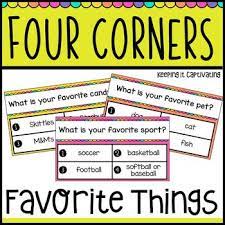
20 Engaging Four Corners Activity Questions For Students

Introduction:

The Four Corners activity is a popular teaching method used to spark debate, engage students, and promote critical thinking. By providing thought-provoking questions, teachers can create an interactive learning environment where students are encouraged to express their opinions and ideas. Here are 20 engaging Four Corners activity questions teachers can use in their classrooms.

1. Should students be allowed to use their phones during class?

2. Is homework necessary for student success?

3. Should schools have uniforms?

4. Are online classes as effective as in-person classes?

5. Do grades accurately measure a student’s abilities and knowledge?

6. Should schools enforce a strict dress code?

7. Is technology in the classroom beneficial or distracting?

8. Should students be rewarded for good behavior?

9. Are single-gender schools more effective than co-ed schools?

10. Do standardized tests accurately measure a student’s abilities?

11. Is it important for students to be involved in extracurricular activities?

12. Should teachers be allowed to carry guns on school grounds to protect their students?

13. Can video games be educational tools?

14. Do children learn better when they are allowed to move around the classroom or sit still at their desks?

15. Should students have longer school days with fewer breaks?

16. Do physical education courses contribute positively to a child’s overall education?

17. Does competitiveness help or harm the learning environment?

18. Are group projects useful for helping students develop teamwork skills, or do they lead to unequal work distribution among members?

19. Is it essential for schools to teach about problematic aspects of history, such as racism and war crimes, or should these topics be avoided?

20. Should parents be more involved in their children’s education and supplementary activities?

Conclusion:

By using these 20 engaging Four Corners activity questions, teachers can foster a lively and intellectually stimulating classroom environment, encouraging students to think critically and express their views. This activity promotes open-mindedness, respectful conversations, and enhances problem-solving skills – all essential components of a well-rounded education.