Elementary Education

13 Cute Clock Activities

1. Clock Memory Game: Create a set of cards with different clock faces showing various times, and another set with corresponding digital times. Mix the cards and have children find matching pairs.

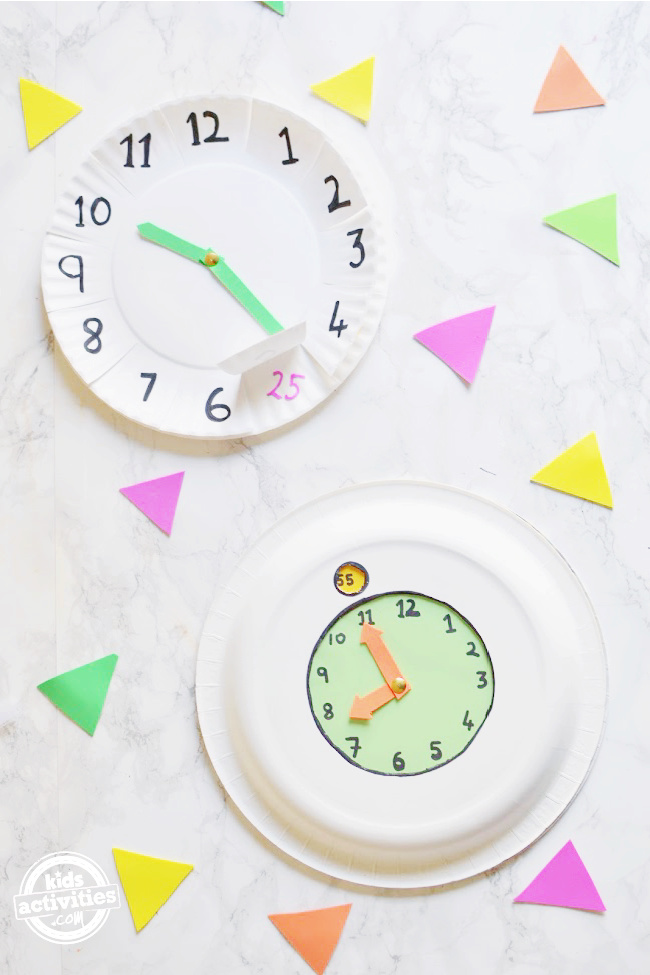
2. DIY Clock Craft: Use paper plates, markers, and construction paper to make a colorful clock. Allow kids to customize their clocks by drawing different animals or characters on the hour marks.

3. Telling Time Bingo: Create bingo cards featuring various clock times, then call out the times while your children try to complete a row or column.

4. “What Time Is It, Mr. Fox?”: This classic game gets a time-telling twist as kids ask the “fox” for the time, then take the corresponding number of steps forward before trying to tag the fox.

5. Time-Travel Writing Prompts: Encourage creative storytelling by having children write short stories involving travel through time to different periods or events in history.

6. Movie Marathon Schedule: Pick a selection of family-friendly movies, then have your kids plan a marathon schedule by determining start and end times for each movie.

7. Clock Hopscotch: Create an outdoor hopscotch board in the shape of a clock face, with hours acting as the hopping spaces.

8. Tick-Tock Rhythms: Have kids create rhythms using a mix of short “tick” sounds (for minutes) and longer “tock” sounds (for hours), then challenge them to keep time as they perform their rhythms.

9. Musical Clocks: Assign different instruments or sound effects to represent different parts of a clock (hours, minutes, seconds), and have children create a musical piece that tells time using these sounds.

10. Clock Puzzles: Cut out pictures of clocks from magazines or print them online, then cut the images into pieces so your children can assemble the puzzles while practicing time-telling skills.

11. Time Capsule: Help your child create a time capsule, filled with current mementos and a letter to their future selves. Decide on a specific future date or time to open it together.

12. Sundial Science: Teach kids about the history and science of sundials, and have them create their own using sticks, stones, or other found materials.

13. Time Zone Travels: Using a world map and the concept of time zones, have your children calculate what time it is in different parts of the world during a chosen hour of the day. This can expand their understanding of global geography as well as time differences.

These 13 cute clock activities combine fun with education, giving children an engaging way to learn essential time-telling skills while sparking creativity and curiosity about the world around them.

16 Horton Hears a Who Activity Ideas for Kindergarteners

Introduction:

Horton Hears a Who is a delightful Dr. Seuss classic that tells the story of Horton, an endearing elephant who becomes the protector of tiny creatures called Whos. This charming tale is filled with important life lessons, making it a fantastic source of inspiration for creative activities for kindergarteners. Here are 16 engaging Horton Hears a Who activity ideas that your little ones will love.

1. Create Horton Masks – Provide each child with an elephant mask template, and let them use their imagination to personalize their own Horton mask.

2. Whoville Diorama – Let children create their own Whoville diorama using recycled materials, such as cardboard, paper, and plastic containers.

3. Cotton Ball Whos – Children can make their own Whos by gluing cotton balls onto paper and adding googly eyes, noses, and other facial features.

4. Truffula Tree Craft – Using paper straws, pipe cleaners, and soft pom-poms, kids can make brightly colored Truffula trees inspired by Dr. Seuss’ imaginary world.

5. Fingerpainting Whoville – Encourage children to explore their creativity by painting their vision of Whoville using just their fingers!

6. Horton Fruit Salad – Prepare fruit salad with the class using fruits shaped like elephants or other characters from the story, such as bananas (for Horton’s trunk), grapes (for Whos), and strawberries (for bird wings).

7. Narrate-the-Story Activity – Have children take turns narrating sections of the story while the rest of the class acts out the scenes.

8. Speck Discovery Game – Hide small items representing Whos around the room and have kids find them using magnifying glasses.

9. Creative Writing Prompt – Have kids write about what they think happens next in Horton’s adventure with the Whos.

10. Horton’s Trunk Relay Race – Divide the class into teams and have children participate in a relay race where they use pool noodles to represent Horton’s trunk, passing a small ball from one noodle to another.

11. Clover Craft – Kids can create their own clover using green construction paper and fuzzy pipe cleaners to represent the clover that held Whoville.

12. Whoville Costume Day – Allow children to dress up as their favorite Horton Hears a Who character for a special costume day.

13. Whoville-Inspired Music Class – Use various items and musical instruments to create Whoville-inspired sounds during music time.

14. Dramatic Play Area – Set up a dramatic play area with props for the kids to act out scenes from the story and engage in imaginative play.

15. “Save the Whos” Obstacle Course – Organize an obstacle course where kids must save their “Who” (a small toy) by completing several tasks, such as crawling under tables or balancing on beams.

16. Horton-Size Artwork – Create a group art project inspired by Horton, utilizing large rolls of paper and allowing children to work together while they finger paint, make handprints, or create Horton-related drawings.

Conclusion:

These 16 engaging Horton Hears a Who activities are sure to be both fun and educational for kindergarteners. Let your little ones explore their creativity and absorb the valuable lessons that this timeless story has to offer!

21 Exciting Elementary Groundhog Day Activities

Introduction:

Groundhog Day is a time-honored tradition in North America, where people anxiously await the prediction of whether winter will end early or continue for another six weeks. This excitement can be easily translated into fun and engaging activities for elementary-aged students. Below is a list of 21 exciting Groundhog Day activities that will engage and entertain your students while teaching them about this unique celebration:

1. Groundhog Puppet Show: Create groundhog puppets from paper bags or socks and put on a puppet show to learn more about the history of Groundhog Day.

2. Shadow Tracing: On a sunny day, have students trace their shadows to better understand why Punxsutawney Phil’s shadow predicts the weather.

3. Weather Predictions: Have students make their own weather predictions and compare them with Phil’s forecast.

4. Arts and Crafts: Create Groundhog-themed crafts such as masks, bookmarks, or even a DIY pop-up groundhog.

5. Groundhog Day Bingo: Create bingo boards filled with Groundhog Day-related vocabulary words such as “shadow,” “burrow,” and “prediction” for a game of bingo.

6. Word Scramble: Use Groundhog Day-themed words for a word scramble activity.

7. Coloring Pages: Provide coloring pages featuring Punxsutawney Phil or other groundhogs to engage students in creative expression.

8. Class Poll: Have your students vote on whether they think winter will continue or end soon, then display the results in a classroom graph.

9. Read Aloud: Share books or stories related to Groundhog Day to help explain the tradition in an age-appropriate manner.

10. Letter Writing: Practice writing skills by having students write letters to Punxsutawney Phil sharing their thoughts on his prediction.

11. Outdoor Obstacle Course: In honor of Phil emerging from his burrow, set up an outdoor obstacle course for students to navigate.

12. Groundhog Day Mad Libs: Create or find a Groundhog Day-themed Mad Lib to complete as a fun language activity.

13. Weather Study: Have students research the scientific method used in predicting the weather and discuss its accuracy compared to Phil’s prediction.

14. Role Play: Assign roles to students such as groundhog, news reporter, or Mayor to play out a Groundhog Day scene.

15. Punxsutawney Phil Word Search: Develop a word search puzzle with words related to the famous groundhog.

16. Vocabulary Match: Create a list of vocabulary words related to Groundhog Day that students have to match with their correct definitions.

17. Groundhog Yoga: Practice groundhog-inspired yoga poses, such as Downward-Groundhog.

18. Myth Busting: Discuss common misconceptions about Groundhog Day and work together to separate fact from fiction.

19. Cooking Class: Bake groundhog-shaped cookies or make “groundhog burrow” dirt cups as tasty treats.

20. Sing-Along: Teach your students songs about Groundhog Day and host a classroom sing-along.

21. “Dear Phil” Bulletin Board: Set up a bulletin board where students can post their predictions, questions, or messages for Punxsutawney Phil.

Conclusion:

Groundhog Day is a unique and interesting tradition that lends itself well to engaging educational activities in the elementary classroom. By incorporating these concepts into your lesson plans, you can create unforgettable experiences while teaching important concepts and skills at the same time. Happy Groundhog Day!

30 Indoor-Outdoor Activities For 12-Year-Olds

As children turn twelve, they become more independent and seek fun and engaging activities to do in their free time. Here are 30 indoor-outdoor activities that will keep your active 12-year-old entertained and occupied.

Indoor Activities

1. Board games – A classic way to spend time indoors with friends and family.

2. Cooking class – Teach your child the basics of cooking and have fun together.

3. DIY crafts – Encourage creativity with homemade decorations, jewelry, or gifts.

4. Indoor rock climbing – Builds strength and coordination in a safe environment.

5. Science experiments – Fun and educational projects for curious minds.

6. Escape room challenge – Solve puzzles to complete the mission in time.

7. Movie marathon – Watch a popular series or collection of themed films.

8. Karaoke night – Sing to your favorite songs at home or in a local karaoke bar.

9. Video game competition – Gather friends for a video game tournament.

10. Dance party – Turn up the music and have a blast while exercising.

Outdoor Activities

11. Geocaching – Search for hidden treasures using GPS coordinates.

12. Hiking in nature – Explore scenic trails while getting fresh air and exercise.

13. Paintball or airsoft – Learn teamwork skills while participating in exciting battles.

14. Camping trip – Take the family on an outdoor adventure close to home.

15. Bike ride – Enjoy cycling around the neighborhood or along a nearby trail.

16. Canoeing or kayaking – Paddle through lakes or rivers for a unique experience.

17. Mini-golfing – Test putting skills in a playful environment filled with obstacles.

18. Beach day – Build sandcastles, play beach volleyball, or splash around in the water.

19. Zip-lining through forests – Glide from tree to tree for an adrenaline rush.

20. Gardening – Develop your child’s green thumb and love for nature.

Sporting Activities

21. Soccer – Set up a friendly match at a local park or join a youth soccer league.

22. Basketball – Teach new skills and practice shooting hoops outside or at an indoor facility.

23. Swimming – Enroll in swimming lessons or have fun at the local pool.

24. Martial arts – Learn discipline and self-defense through classes in karate, taekwondo, or judo.

25. Yoga – Practice mindfulness and flexibility with beginner yoga sessions.

26. Ice skating – Glide around the rink, learning turns and jumps with confidence.

27. Jump rope challenge – Improve stamina and footwork while having fun with friends.

28. Tennis or badminton – Build hand-eye coordination on the court with casual matches.

29. Gymnastics or parkour – Learn flips and tricks while landing safely on padded mats.

30. Track and field – Train speed, strength, and endurance by participating in various athletic events.

These 30 indoor-outdoor activities will keep your 12-year-old engaged, motivated, and entertained while helping them develop important life skills and explore their interests. Encourage them to try different activities to discover what they truly enjoy!

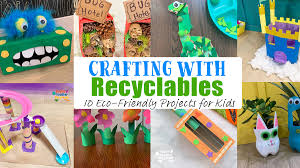
28 Fun & Easy Recycling Activities for Kindergarteners

Introduction:

Recycling is a crucial practice for preserving our environment, and it’s never too early to start teaching our children about its importance. Here are 28 fun and easy recycling activities that will engage kindergarteners and help them learn about reducing waste and reusing materials.

1. Make a recycling sorting game: Create labeled bins for paper, plastic, and glass items, then have the kids sort various items into the correct bins.

2. Paper roll crafts: Save paper towel and toilet paper rolls to make a variety of crafts, such as binoculars, animals, or race cars.

3. Egg carton art: Use empty egg cartons to create sculptures or paint them to make mosaics.

4. Reusable coloring sheets: Laminate coloring pages for the kids to reuse with dry erase markers.

5. Bottle cap treasure hunt: Hide painted bottle caps outdoors for students to find and collect.

6. Recyclable fashion show: Design clothing items from materials like newspapers or old fabrics, then host a runway show.

7. Nature collages: Collect natural objects like leaves and sticks during a nature walk and use them to create artwork.

8. Yogurt cup planters: Plant seeds in empty yogurt cups and watch them grow in the classroom.

9. Recycled paper beads: Roll strips of magazine pages into beads to create jewelry.

10. Cardboard box maze: Save multiple cardboard boxes to build a maze for students to explore.

11. DIY bird feeder: Decorate an empty milk carton or soda bottle, then fill it with birdseed to create your own bird feeder.

12. Tin can bowling: Stack decorated tin cans into a pyramid shape and use a soft ball for bowling practice.

13. Recycled robots: Construct robots from various recyclable materials like aluminum cans, bottle caps, and cardboard boxes.

14. Collage birthday cards: Create unique collage birthday cards with scrap paper, old greeting cards, and magazines.

15. Magazine mosaic: Cut up colorful magazine pages and glue them onto a larger paper to form a vibrant mosaic.

16. Reused puzzle pieces: Glue magnets onto the back of incomplete puzzle pieces and use them as decorative fridge magnets.

17. Newspaper hats: Fold newspapers into pirate or sailor hats for dress-up time.

18. Carboard tube kaleidoscope: Create a working kaleidoscope with decorated paper rolls, colored cellophane, and small mirrors.

19. Milk jug suncatchers: Cut out shapes from a plastic milk jug and let students color them with permanent markers to create suncatchers.

20. Nature memory game: Collect leaves, rocks, and other natural items to create pairs for a memory game.

21. CD spin art: Paint over old CDs with bright colors to create spin art designs.

22. Plastic bottle greenhouse: Build a mini greenhouse using plastic bottles as walls and observe plant growth inside it.

23. Scrap fabric weaving: Create looms for weaving using cardboard or wooden frames, then give students scrap fabric to create unique patterns.

24. Water bottle tornado: Fill a plastic water bottle with water, glitter, and dish soap to create a tornado in a bottle.

25. Bubble wrap painting: Use bubble wrap as a stamp or roller to paint unique textures on paper.

26. Upcycled musical instruments: Craft tambourines or maracas from old CDs and cardboard tubes filled with beads or beans.

27. Recycled board game storage box: Decorate an empty shoebox or cereal box for board game storage or as an organizer for small toys.

28. Plastic bag jump rope: Braid together multiple bags to form a sturdy jump rope

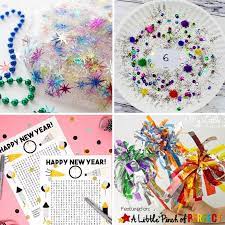
20 Exciting New Year Activities for Elementary Students

As the new year approaches, it’s time to plan engaging activities to keep elementary students entertained and learning. Here are 20 exciting New Year activities for teachers to incorporate into their lesson plans that are sure to delight students.

1. New Year’s Resolutions Writing Activity: Encourage students to reflect on the past year and set personal goals for the new year with a writing exercise about their aspirations and resolutions.

2. Festive Counting: Using items like beads, pom-poms, or glitter, have students practice counting by creating party hats or crowns for a New Year’s celebration.

3. Memory Jar Craft: Create memory jars where students decorate and fill the jars with mementos from the past year, such as ticket stubs, drawings, or photos.

4. Create a Classroom Time Capsule: Assemble a container that represents your classroom and fill it with letters, artwork, and other memorabilia from the school year.

5. New Year’s Eve Noise Makers: Encourage creativity by having students make their noise makers with recycled materials like empty water bottles or cans filled with dry beans or rice.

6. DIY Fireworks Painting: Use straws or popsicle sticks dipped in paint to create colorful firework designs on paper.

7. Auld Lang Syne Sing-Along: Teach your students this traditional New Year’s song and have them practice it for a New Year’s performance.

8. Vision Boards: Have students create vision boards filled with pictures, drawings, and words that represent what they wish to achieve in the upcoming year.

9. Countdown Chain: Create paper chains using various colors of construction paper where each link represents one day until the new year begins.

10. Cultural Comparisons: Research and teach your class about how different cultures around the world celebrate the new year in unique ways.

11. Gratitude Tree: Encourage positive thinking by creating a tree where each student writes something they are grateful for on a leaf.

12. New Year’s Eve Skit: Host a play or skit where students act out different scenarios that revolve around countdown celebrations and resolutions.

13. Good Fortune Cookies: Fold paper into fortune cookie shapes and have students write positive messages or wishes for themselves and their classmates.

14. Chinese New Year Dragon Puppet: In honor of the Chinese New Year, have students create dragon puppets using construction paper, markers, and googly eyes.

15. Choose a Word Activity: Students choose one word that represents their focus for the upcoming year and share it with the class.

16. Community Service Project: Promote togetherness by organizing a community service project related to the new year, such as helping neighbors or local shelters.

17. New Year’s Vocabulary Parade: Assign each student a word related to the new year theme (resolution, celebration, etc.) and have them design costumes for a vocabulary parade.

18. Balloon Pop Count Down: Write different fun activities on slips of paper and place them inside balloons; have students pop one balloon per day leading up to New Year’s Day to reveal the activity.

19. Reflective Art Project: Have students create artwork inspired by an event or moment from the past year that they want to remember or learn from.

20. Calendar Math Problems: Engage your students with math problems based on dates and calendar events surrounding the New Year celebrations.

These exciting and educational activities will allow your elementary school students to not only have fun but also learn more about themselves, each other, and different cultures as they celebrate the new year.

27 Fun Activities for Elementary Students

As students progress through their elementary school years, it’s essential to keep them engaged and interested in their learning journey. Incorporating fun activities into the curriculum can help maintain that engagement while also promoting education and a love for learning. Here are 27 exciting and enjoyable activities for elementary students:

1. Nature scavenger hunt: Divide students into groups and let them explore the schoolyard or a nearby park to find specified items from a list.

2. Storytelling sessions: Encourage students to use their creativity to come up with exciting stories and share them with the class.

3. Art projects: From painting to collage, there are endless art projects children can enjoy, allowing them to express their creativity.

4. Puzzles and riddles: Stimulate the minds of young learners with challenging puzzles and riddles during break times.

5. Math games: Turn math lessons into enjoyable games, making it more appealing for students to learn.

6. Costume days: Schedule costume days throughout the year to let students dress up as their favorite characters.

7. Science experiments: Conduct simple, hands-on science experiments to pique students’ curiosity in STEM subjects.

8. Cultural celebrations: Teach about different cultures by hosting themed events based on various traditions and holidays.

9. Field trips: Organize trips to local museums, zoos, or other places of interest to make learning more experiential.

10. Spelling bees: Help improve students’ vocabulary and spelling by conducting classroom spelling bees.

11. Classroom Olympics: Let students compete in various physical challenges that promote teamwork and camaraderie.

12. Group projects: Encourage collaboration among classmates by assigning group projects on selected topics.

13. Board games: Use board games during break times or indoor recesses to help improve problem-solving skills and social interaction among peers.

14. Cooking classes: Introduce basic cooking lessons to teach children about nutrition, measurements, and the importance of a healthy diet.

15. Dance parties: Host a dance party to encourage physical activity and let students experience joy in movement.

16. Gardening projects: Plant a classroom garden and teach students about botany, environmental conservation, and responsibility.

17. Pen pals: Partner with another class or school to foster communication and writing skills by exchanging letters with pen pals.

18. Music lessons: Encourage creativity and self-expression through music by teaching simple songs or allowing students to create their own melodies.

19. Poetry readings: Have students write and share their poetry with the class, fostering a love for language and creative expression.

20. Origami workshops: Teach basic origami techniques to help students improve their manual dexterity and concentration.

21. Readers’ theater: Assign roles from a play or book to students and let them perform for their classmates.

22. Talent show: Organize an end-of-the-year talent show where students showcase their unique abilities.

23. History skits: Allow the class to create and perform short skits based on historical events they’ve learned about.

24. Class debates: Help students hone their public speaking skills and learn critical thinking by facilitating class debates on relevant topics.

25. Journal writing: Begin each day with a quiet journaling session for reflection on thoughts, feelings, or goals.

26. Volunteer work: Encourage a spirit of community service by taking part in local volunteer activities as a class or schoolwide effort.

27. Brain breaks: Build short breaks into the day for students to recharge through mindfulness exercises or breathing techniques.

Incorporating these activities into the learning process can help keep elementary students excited about their education journey while fostering important life skills such as collaboration, creativity, and problem-solving abilities.

Teach Safety With These 11 Fun Activity Ideas

Introduction:

Teaching safety to kids is crucial, but it can often be challenging to keep their attention. Children need to learn about general safety, fire safety, and overall wellbeing to help them navigate their environment confidently. In order to make learning enjoyable and engaging for children, we’ve compiled a list of 11 fun activity ideas that will transform these vital safety lessons into entertaining experiences.

1. Safety Charades

Let kids act out various safety scenarios through a game of charades. Write down different safety situations on small cards and have kids take turns drawing a card and acting it out while others guess the situation. This encourages children to think critically about various safety measures.

2. Fire Escape Plan Race

Create a family fire escape plan together that includes two ways to exit from each room. Afterward, hold a race where children need to follow the escape route as quickly as possible. This activity reinforces the importance of having an exit plan and practicing it regularly.

3. Safe Crossing Obstacle Course

Design an obstacle course that focuses on safely crossing streets, emphasizing looking both ways and using crosswalks. Have kids navigate the course while also practicing active listening for oncoming vehicles.

4. Hazard Hunt

Cut out various pictures of potential hazards around the house (e.g., open electrical sockets, sharp objects) and hide them in different rooms assigned an item, then provide children with a checklist of hazards they need to both find and identify correct hazard-prevention methods.

5. First Aid Relay

Organize teams of kids and set up various first aid stations along a relay course where they must perform basic first aid tasks (e.g., applying band-aids, wrapping an ice pack). The team that successfully completes all tasks first wins!

6. Stop, Drop, and Roll Dance Party

Play some fun music while periodically pausing it, signaling kids to practice the “Stop, Drop, and Roll” until the music resumes. This will help them remember this crucial maneuver in the event of a clothing fire.

7, Poison Prevention Scavenger Hunt

Assemble a collection of common household items that can be poisonous (cleaning supplies, medicines, etc.) and spread them around a designated area. Instruct children to find and identify which items are dangerous and human should handle them with care.

8. Water Safety Memory Game

Create a water safety-themed memory game by designing pairs of cards that highlight safety guidelines, like always swimming with a buddy or wearing life jackets. Playing this fun game will help kids memorize vital water safety rules.

9. Smoke Detector Sound Challenge

Play short recordings of various sounds (e.g., doorbell, telephone, smoke detector) and have children raise their hands when they hear the smoke detector sound. This teaches them to recognize the sound in case it goes off at home.

10. Helmet Decorations

Provide kids with plain helmets that they can personalize using stickers, paint or markers to design their unique safety gear. This encourages them to wear helmets while participating in activities like biking or skateboarding, protecting their heads from potential injuries.

11. Buddy System Twister

Incorporate the concept of the buddy system into a game of Twister by requiring each participant to choose a partner before playing. Emphasize the importance of having a buddy nearby during swimming and other outdoor activities for safety purposes.

Conclusion:

Teaching safety doesn’t have to be boring or feel like a chore for children. By incorporating these 11 fun activity ideas into your lessons, you can make learning about general safety, fire safety, and overall wellbeing both enjoyable and engaging for kids while effectively imparting crucial knowledge that will help them stay safe in any situation.

20 Cognitive Behavioral Self-Regulation Activities For Elementary Students

Cognitive behavioral self-regulation is an essential skill for elementary students, as it helps them develop emotional intelligence, improve focus, and enhance overall well-being. Here are 20 activities that can help young learners master this crucial skill:

1. Breathing exercises: Teach students to take slow, deep breaths in and out, promoting relaxation and mindfulness.

2. Mindful coloring: Integrate mindfulness through messages or themes that involve self-awareness, positivity, or relaxation through coloring exercises.

3. Mindfulness meditation: Introduce mindfulness meditation in short bursts to help students stay centered and focused throughout the day.

4. Stop-Think-Act: In each conflict situation, encourage students to first stop and think about the consequences of their actions before deciding on a course of action.

5. Role-playing: Use role-playing activities to help children experiment with different emotions and responses in a safe and fun environment.

6. Emotion charades: Have children act out different emotions using their facial expressions and body language to build empathy and self-awareness.

7. Emotions journal: Encourage students to write about their feelings in a daily journal to develop self-awareness.

8. Gratitude jar: Establish a gratitude jar where students write down what they’re thankful for – an exercise proven to promote happiness and well-being.

9. Kindness challenges: Encourage acts of kindness within the classroom through fun challenges or weekly goals.

10. Feelings thermometer: Teach children how to measure the intensity of their emotions using a “feelings thermometer.”

11. Calm corners: Create designated calm corners in your classroom where students can go when they need a moment of reflection or self-soothing.

12. Yoga for kids: Introduce simple yoga poses that promote mental focus, physical relaxation, and stress relief in your classroom.

13. Relaxation scripts: Use guided relaxation scripts to help students unwind and relax during moments of stress or tension.

14. Problem-solving strategies: Teach students a variety of problem-solving strategies to help them overcome challenges, build resilience, and achieve goals.

15. The feelings wheel: Provide a visual representation of different emotions to develop emotional awareness and communication skills.

16. Setting SMART goals: Train students in setting SMART (Specific, Measurable, Achievable, Realistic, Time-bound) goals to promote success.

17. Scheduling breaks: Encourage short breaks throughout the day for activities that promote mental focus and relaxation, such as stretching or deep breathing.

18. Worry stones: Introduce worry stones as a tool for students to hold and rub while they share their concerns or anxieties, promoting self-regulation and emotional processing.

19. Emotional check-ins: Conduct regular check-ins with your students about how they’re feeling, fostering open communication and self-awareness.

20. Growth mindset exercises: Encourage a growth mindset by teaching students that their abilities can develop through dedication and effort; discuss how challenges help us grow stronger and promote problem-solving strategies.

By embracing these activities in your elementary classroom, you can foster a healthy learning environment that supports the development of cognitive behavioral self-regulation skills for every student.

20 Activities To Support Elementary Learners With The Writing Process

Teaching effective writing skills to elementary students is crucial for their academic success. Here are twenty activities that you can implement in your classroom to support learners with the writing process.

1. Brainstorming Sessions: Encourage students to think of ideas and topics through group discussions or individual reflections, allowing them to explore their creativity.

2. Storyboards: Provide visual aids like storyboards to help students organize their thoughts and plan their narratives.

3. Graphic Organizers: Use graphic organizers to help students break down complex ideas into simpler components and understand relationships between them.

4. Vocabulary Building: Incorporate games and activities that boost vocabulary so students can express themselves more effectively in writing.

5. Model Texts: Share examples of excellent writing from various genres, pointing out essential features that can be used as a model for student’s work.

6. Journal Writing: Encourage students to maintain personal journals for daily or weekly reflections to enhance their ability to express feelings and emotions in writing.

7. Freewriting: Give students a few minutes each day to write without worrying about grammar, spelling, or punctuation, promoting creativity and idea development.

8. Peer Editing: Allow students to help edit each other’s work by providing constructive feedback on grammar, punctuation, spelling, and organization.

9. Mini-Lessons on Writing Mechanics: Teach short lessons focused on specific aspects of writing mechanics such as punctuation, verb tense, sentence structure, etc.

10. Sentence Starters: Provide students with engaging sentence starters to help jumpstart their writings and combat writer’s block.

11. Writing Centers: Create designated spaces within the classroom specifically tailored for different stages of the writing process (e.g., planning, drafting, revising).

12. Collaborative Storytelling: Encourage students to work together by creating group stories with each child contributing a section or scene to the narrative.

13. Digital Storytelling: Utilize online tools and multimedia to explore different ways to tell stories, such as comics, podcasts, or animated shorts.

14. Author’s Chair: Dedicate time for students to share their writing with the class and celebrate their hard work.

15. Writing Prompts: Give students interesting prompts or topics to spark imagination and creativity.

16. Break Writing into Steps: Guide students through the writing process by breaking tasks into smaller manageable steps, making it less daunting.

17. Encourage Self-Assessment: Teach students how to evaluate their own writing critically and set goals for improvement.

18. Tools for Editing and Revision: Provide students with resources such as dictionaries, thesauri, or grammar apps that can help them improve their drafts.

19. Real-Life Writing Connections: Discuss how good writing skills are vital in various aspects of life (e.g., filling out forms, writing letters, or crafting resumes).

20. Author Studies: Engage learners in studying and analyzing works by famous authors to understand essential elements that make their writings stand out.

In conclusion, incorporating these activities into your teaching practice will not only provide support for elementary learners throughout the writing process but also instill a love for writing that extends well beyond the classroom.