Elementary Education

33 May Activities for Elementary Students

Introduction:

May is a beautiful month filled with blooming flowers, warmer weather, and the promise of summer vacation just around the corner. It’s the perfect time for elementary students to engage in fun and educational activities that celebrate the season. Here are 33 May activities for elementary students that teachers and parents can use to keep young minds engaged and excited about learning.

1. Plant a flower garden

2. Create homemade Mother’s Day cards

3. Make nature collages using items found on nature walks

4. Write a spring-themed poem or story

5. Learn about the life cycle of butterflies and raise caterpillars

6. Make paper flowers or flower crowns

7. Explore different types of seeds and grow your own seedlings

8. Paint flower pots as gifts or classroom decorations

9. Study the science of flowers, such as pollination or photosynthesis

10. Build birdhouses to hang outside at school or home

11. Engage in outdoor math challenges using sidewalk chalk

12. Host a field day with classic games like sack races and hula hoops

13. Write and perform an original spring-themed play or skit

14. Create artistic self-portraits using nature as inspiration

15. Read books about seasonal change, plant growth, and animal adaptations

16. Learn how to reduce waste and be more sustainable through upcycling projects

17. Design your own kite and learn how wind affects its flight

18. Create textured art pieces using collected leaves and flowers

19. Host a weather-themed scavenger hunt outdoors

20. Complete science experiments related to rain, wind, or sun power

21. Take a walking tour of the neighborhood while logging observations in a nature journal

22. Make sun catchers out of recycled materials like plastic bottles or old CDs

23. Invent your own popsicle recipes using fresh fruit and juice

24. Learn about and experiment with composting

25. Visit a local farm and learn about growing fruits and vegetables

26. Put on a talent show to showcase students’ unique interests and abilities

27. Create travel brochures for imaginary trips to different countries or planets

28. Discover the world of invertebrates by going on a bug hunt in the school yard

29. Engage in outdoor science experiments to explore different forms of animal habitats

30. Design, build, and test various paper airplanes to study aerodynamics

31. Explore your creativity with tie-dye projects using t-shirts or canvas bags

32. Learn about local bird species and create bird feeders for the school grounds

33. Practice mindfulness through age-appropriate guided meditation or yoga activities

Conclusion:

These 33 May activities for elementary students are sure to inspire learning and curiosity while celebrating the seasonal change from spring to summer. These engaging projects can be easily adapted for different age groups and subjects, making them perfect for teachers and parents looking to add some exciting new opportunities for learning during the beautiful month of May.

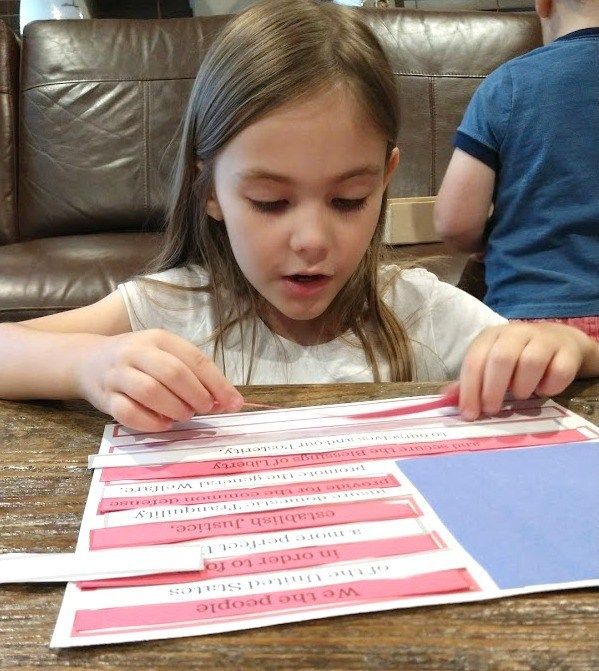
20 Preamble Activities For Kids

The Preamble to the United States Constitution holds an important place in American history. Teaching children about the Preamble is crucial for instilling a sense of pride, citizenship, and understanding of our nation’s values. Here are 20 engaging and educational activities to introduce the Preamble to kids in a fun and accessible way.

1.Preamble Puzzle: Print out the Preamble on cardstock paper, and cut it into puzzle pieces. Have the kids assemble the puzzle while learning about its content.

2.Preamble Word Search: Create a word search with keywords from the Preamble for kids to find and learn.

3.Illustrating the Preamble: Allow kids to draw pictures depicting what each phrase in the Preamble means to them.

4.Preamble Chorus: Teach kids to sing the Preamble to a catchy tune, making it easier for them to remember.

5.Mad Libs Style Fill-in-the-Blanks: Provide an incomplete version of the Preamble, asking kids to fill in missing words correctly.

6.Trivia Game: Create a trivia game based on facts surrounding the creation and content of the Preamble.

7.Pictionary: Using keywords from the Preamble, play a game of Pictionary where kids illustrate each term for their teammates to guess.

8.Vocabulary Matching Game: Print out vocabulary cards with terms from the Preamble and their definitions. Challenge kids to match each term with its correct definition.

9.PREAMBLE Acrostic: Brainstorm words starting with each letter of “preamble” that relate to concepts found in its text.

10.Skits: Encourage kids to act out scenarios that exemplify ideals presented in the Preamble such as promoting general welfare or establishing justice.

11.Timeline Activity: Create a timeline charting important events during the creation of the Constitution and the Preamble.

12.Preamble Bingo: Swap traditional bingo cards with ones containing terms and phrases from the Preamble, reading out definitions for kids to locate on their boards.

13.Constitution Day Celebration: Host celebrations with decorations, crafts, and entertaining activities that emphasize the importance of our Constitution and its Preamble.

14.Writing Prompt: Ask kids to write about a personal experience in which they felt one of the Preamble’s principles was upheld or violated.

15.Poster Design: Have children create informative posters displaying key points about the Preamble in a visually engaging manner.

16.Board Game Creation: Design a themed board game centered around acquiring knowledge of the Preamble with interactive questions and challenges.

17.Memory Game: Create a memory game using cards featuring keywords from the Preamble and their corresponding definitions.

18.Group Reading: Read aloud and discuss sections of the Constitution with an emphasis on understanding the purpose of the Preamble.

19.Puzzle Races: Print multiple copies of the Preamble puzzle mentioned above (Activity #1) and initiate timed races to see which group can assemble it first.

20.Pledge of Allegiance Connection: Discuss how values in the Pledge of Allegiance relate to ideals presented in the Preamble to make connections between familiar and new material.

By engaging in these 20 educational and entertaining activities, kids will develop a deeper understanding, appreciation, and connection to one of our nation’s most significant historical documents – the Preamble.

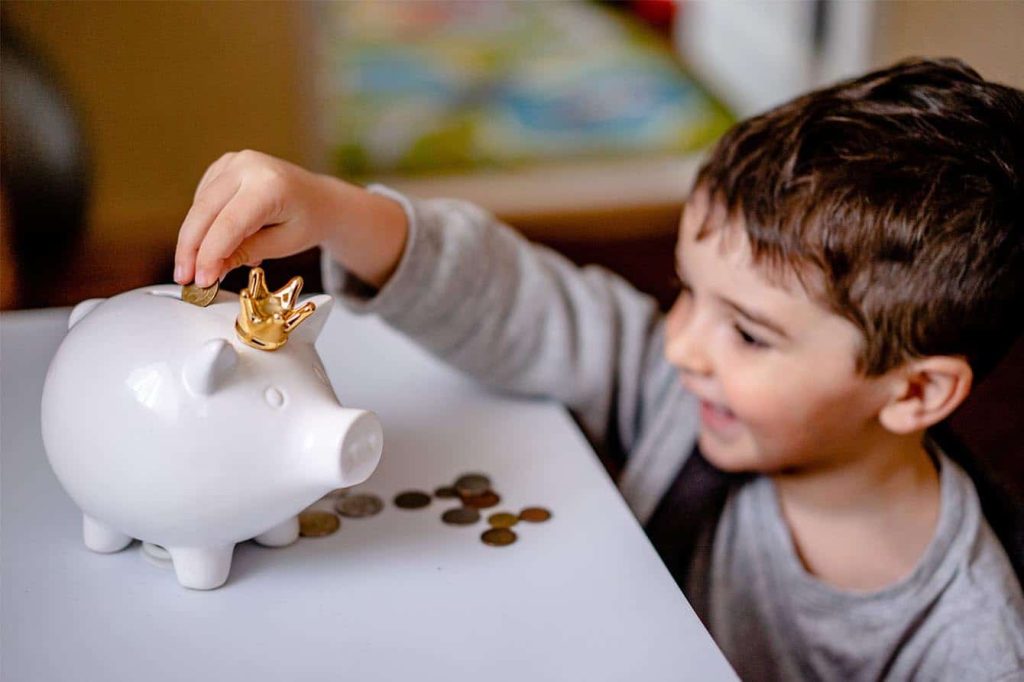
35 Lesson Plans to Teach Financial Literacy to Elementary Students

Introduction

Financial literacy is an essential skill for people of all ages. Teaching elementary students about money management and financial responsibility can help set them up for future success. Here are 35 lesson plans that can be employed to teach these crucial lessons to your young learners.

1. Money Recognition: Teach children how to recognize different coins and denominations.

2. Counting Money: Use real or play money to practice counting various coin and bill amounts.

3. Saving vs Spending: Discuss the difference between saving money and spending it.

4. Creating a Budget: Teach young students how to create their budgets using allowance money or imaginary income.

5. Comparing Prices: Encourage children to compare the prices of different items in the store and find the best deal.

6. Needs vs Wants: Explain the difference between necessary items and luxury items, using examples from everyday life.

7. Earning Money: Talk about different ways that children can earn money, such as doing chores or helping neighbors with tasks.

8. Saving for a Goal: Guide students in setting financial goals and saving for them over time.

9. Understanding Banking: Introduce the concept of banks and their role in keeping our money safe.

10. Investing Basics: Provide a beginner’s understanding of how investing works and why it’s important.

11. Making Change: Give students hands-on practice with making change when purchasing items.

12. Currency Exchange: Explain how currency exchange rates work when traveling internationally.

13. Tracking Expenses: Encourage students to keep track of their personal expenses using a journal or notebook.

14. Donating Money: Discuss charitable giving and its importance in supporting others in need.

15. Reading Advertisements: Highlight the persuasive techniques used by advertisers and help students become informed consumers.

16-20:

16. Sales Tax Practice

17. Understanding Credit Cards

18. Interest and Savings Accounts

19. Shopping Online vs In-store

20. Introduce Simple Business Concepts and Entrepreneurship

21-25:

21. Understanding Opportunity Cost

22. Evaluating Value of Goods and Services

23. Taking Loans (Cooperative Classroom Activity)

24. Planning for Unexpected Expenses

25. Encouraging Financial Responsibility

26-30:

26. Understanding Coin Collecting as an Investment Option

27. Exploring Job Opportunities and Salaries

28. Analyzing Real World Data on Consumer Spending

29. Learning about Importance of Insurance

30. Dissecting Company Advertisements on Money Management Tools

31-35:

31. Creating a Simple Money Math Test

32. Diversifying Investments and Risks Involved

33. Understanding Retirement Savings and Compound Interest

34. Peer-to-Peer Lending and Crowdfunding Basics

35. Teaching Children to Set Financial Boundaries

Conclusion

Teaching financial literacy to elementary students empowers them with valuable life skills that can impact their future financial successes. These 35 lesson plans not only provide opportunities for hands-on learning but also promote discussions resulting in a deeper understanding of the importance of sound money management practices. Help your students build a solid foundation of financial knowledge by incorporating these lessons into your curriculum today!

14 Noah’s Ark Activities for Elementary Students

1. Noah’s Ark Storytime: Begin by reading the story of Noah’s Ark from a children’s book or the Bible. Encourage students to listen and participate, asking questions to gauge their comprehension.

2. Animal Memory Game: Create a memory game using images of pairs of animals from the Noah’s Ark story. Students will take turns flipping over cards, trying to find matching pairs while practicing their memorization skills.

3. Animal Charades: Have students act out different animals from the Noah’s Ark story in a game of charades, fostering creativity and communication skills.

4. Constructing the Ark: Provide students with materials such as popsicle sticks, cardboard, or LEGO pieces and have them work together to build their own miniature replica of Noah’s Ark.

5. Rainbow Crafts: After the flood, a rainbow appeared as a symbol of God’s promise. Students can create their own rainbow craft with colored paper or paint as a reminder of this event.

6. Animal Sorting: Group animals according to their habitats or characteristics (e.g., mammals, insects, reptiles) to help students understand animal classifications.

7. Create an All-Aboard Adventure: Have students brainstorm and write short adventure stories based on the animals’ experiences aboard the ark.

8. Pair-and-Share Discussion: Pose discussion questions about the story themes (e.g., trust), then have students share their thoughts in pairs before opening up to whole-class discussion.

9. Story Sequencing Activity: Provide students with a series of events from the Noah’s Ark story, and ask them to organize them in chronological order.

10. Interactive Weather Lesson: Use videos, images, and hands-on experiments to teach about precipitation and flooding while tying in the significance of these elements within the story.

11. Acting Out Noah’s Ark: Students can perform a short skit or play based on the story, practicing dialogue, stage presence, and teamwork.

12. Noah’s Ark Sing-Along: Teach the class songs related to the story of Noah’s Ark (e.g., “Arky Arky” or “Rise and Shine”), and have a group sing-along for a fun break in the day.

13. Mapping the Journey: Work with students to create a map tracking Noah’s journey during the flood, incorporating geography lessons and learning about various regions.

14. Reflection Journals: Encourage students to write and draw in personal journals, reflecting on what they learned from the story of Noah’s Ark and their feelings about trust, faith, and devotion.

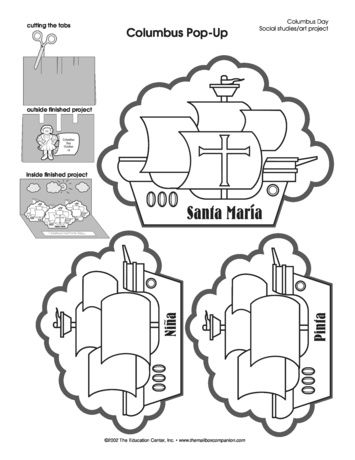
24 Fantastic Activities For Christopher Columbus Day

1. Columbus Day Parade: Gather your friends, family, and neighbors for a festive neighborhood parade to celebrate the day.

2. Watch a historical movie: Enjoy a film about the life and adventures of Christopher Columbus, such as “1492: Conquest of Paradise.”

3. Create a treasure map: Design your own new world map with hidden treasure locations and embark on a treasure hunt with your family.

4. Craft time: Make your own mini ships out of recycled materials and reenact Columbus’s journey across the Atlantic.

5. Enjoy Italian cuisine: Indulge in traditional Italian dishes as a nod to Christopher Columbus’s Genoese origins.

6. Read about other explorers: Expand your knowledge by learning about other famous explorers from history.

7. Visit a maritime museum: Discover more about the world of sailing and explore replicas of famous ships from history.

8. Historical debate: Engage in meaningful conversations and debates about the significance of Columbus’s voyages and their impact on history.

9. Write an explorer’s journal: Craft your own daily logbook documenting your imaginary journey across unknown lands, just like Columbus did during his expeditions.

10. Organize a themed party: Host a 15th-century themed costume party featuring decorations and entertainment inspired by Christopher Columbus’s era.

11. Build a time capsule: Collect items representing today’s culture and technology to share with future generations, symbolizing the merging of two worlds like Columbus’s journey to America.

12. Listen to seafaring music: Delve into nautical tunes from various historical eras to appreciate the sounds of adventure on the high seas.

13. Create compass art: Design colorful mandalas inspired by compasses used by navigators like Christopher Columbus.

14. Attend a lecture or presentation: Participate in educational talks related to Columbus Day or general history during this significant month.

15. Collaborate on a global food exchange: Organize a potluck or picnic with friends, each bringing a dish from different countries to represent the cultural exchange initiated by Columbus.

16. Learn about Native American history: Dive into the indigenous cultures that inhabited the Americas before Columbus’s arrival.

17. Geography trivia night: Challenge your friends to a fun night of trivia focusing on geography and historic events.

18. Crafts fair: Support local artisans and shop for unique handcrafted items at a historical-themed craft fair.

19. Visit the replicas of Columbus’s ships: If you live near a location with replicas of the Niña, Pinta, and Santa María, take a trip to see these fascinating historical ships up close.

20. Historical reading challenge: Assemble a book club or challenge friends to read books about Columbus, exploration, or other historical topics during the month.

21. Volunteer work: Help preserve your community’s history by volunteering at local museums, historical sites, or libraries.

22. Take part in reenactments: Participate in living history events or reenactments related to Columbus Day to bring history to life.

23. Explore your own heritage: Research your own family roots and cultural background, appreciating the diversity of our world as Columbus once did.

24. Create a new world garden: Plant native plants and flowers from America and Europe side by side in your garden to symbolize the intermingling of two worlds that resulted from Columbus’s voyage.

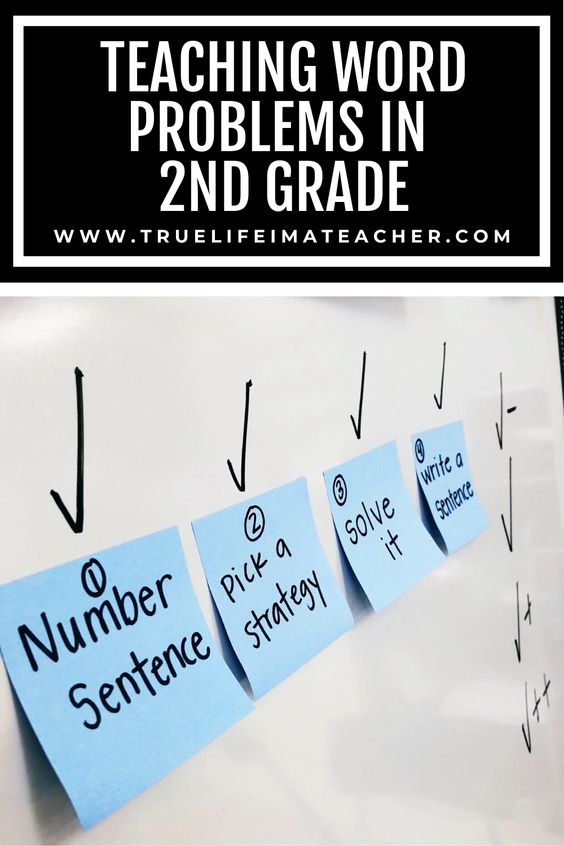
55 Challenging Word Problems for 4th Graders

Introduction:

Word problems are an essential part of the 4th-grade mathematics curriculum. They help students develop their critical thinking and problem-solving skills beyond calculations, allowing them to apply math concepts to real-life situations. In this article, we’ll explore 55 challenging word problems designed specifically for 4th graders. These problems cover various topics, such as addition, subtraction, multiplication, division, fractions, and more!

1. Jane has 12 cookies. Her friend Amy gives her 8 more cookies. How many cookies does Jane have in total?

2. Tommy collects baseball cards. He has 100 cards in his collection and wants to buy 35 more to complete his set. How many cards will he have altogether?

3. A bookstore has 250 books on its shelves which are divided into fiction and non-fiction categories. If there are twice as many fiction books as non-fiction books, how many non-fiction books are there?

4. John’s dad gives him a $10 allowance each week on Thursday. If he saves all his money from Thursday to Sunday, how much money does John save in a month with four Thursdays?

5. Sarah bought a pack of pencils with 20 pencils in it. She gave some away to her friends and had only 5 left afterward. How many pencils did she give away?

6. There are 40 students in a class separated equally into four groups for group work projects. How many students are there in each group?

7. A bakery prepared 48 muffins in the morning and sold out by lunchtime. In the afternoon, they made three times as many muffins as they did in the morning. How many muffins were made in the afternoon?

8. Jenny plays on a soccer team with eight other players on weekdays only for practice except Wednesday’s break day when there is a training session, and she never misses a practice. How many total practices will Jenny attend in August if the month starts on Tuesday?

9. Billy’s book has 120 pages. He reads 15 pages per day on Monday, Tuesday, and Friday. How many days will it take Billy to finish reading the book?

10. A rope that is 90 meters long is cut into three equal pieces. What is the length of each piece?

11. Grant has five times more marbles than his brother, who has six marbles. How many marbles does Grant have?

12. Mary needs to buy 15 apples for a recipe. She buys them in packs of three, priced at $1 per pack. How much does she spend on apples?

(Note: Here are only 12 of the 55 challenging word problems to provide as an example.)

Conclusion:

The 55 Challenging Word Problems for 4th Graders are designed to improve students’ critical thinking and problem-solving skills while reinforcing essential mathematical concepts. By working through these problems, students will become more confident in their ability to solve complex, real-world situations using mathematics. Encourage students to practice these types of challenges regularly to help them build essential skills for future success!

25 4th Grade Anchor Charts to Help Your Students Learn Quicker

An effective teaching strategy for 4th-grade students is the use of anchor charts. These visual aids can help students learn quicker and absorb information more efficiently. Here are 25 examples of 4th-grade anchor charts that you could create for your classroom.

1. Place Value: Help students to understand place values better with a chart depicting each value – ones, tens, hundreds, thousands, etc.

2. Multiplication Strategies: Create an anchor chart illustrating various multiplication strategies, such as drawing arrays, skip counting, or repeated addition.

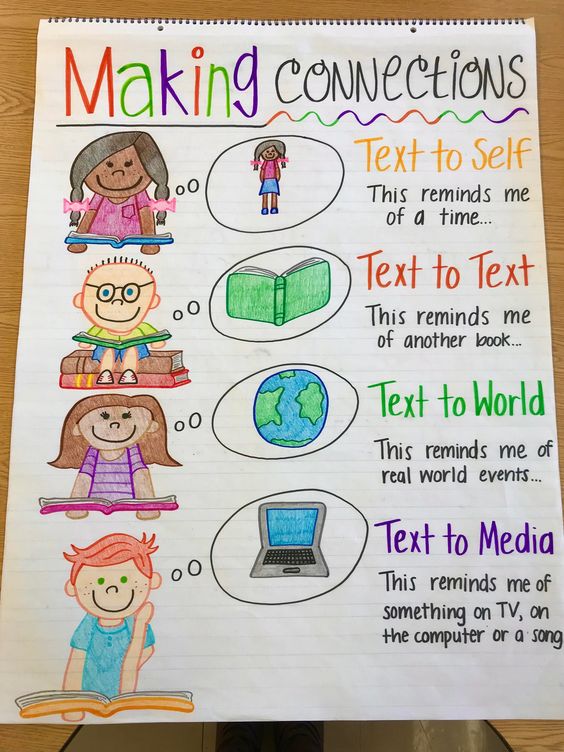
3. Reading Comprehension Strategies: List and describe popular reading comprehension strategies such as asking questions, making connections, and summarizing.

4. Writing Process: Display the steps of the writing process, including prewriting, drafting, revising, editing, and publishing.

5. Order of Operations: Guide students in solving numerical expressions with a chart illustrating the proper order of operations (PEMDAS).

6. Grammar Rules: Collect essential grammar rules on one chart for quick reference.

7. Fraction Concepts: Develop a chart that displays different types of fractions like proper fractions, improper fractions and mixed numbers.

8. Text Features: Create an anchor chart displaying common nonfiction text features like headings, captions and glossaries with their purposes.

9. Area & Perimeter: Teach the differences between area and perimeter with a visual representation of each concept and corresponding formulas.

10. Types of Sentences: Use examples to distinguish between declarative, interrogative, exclamatory & imperative sentences on an anchor chart.

11. Rounding Numbers: Provide guidelines for rounding numbers up or down to the nearest 10 or 100.

12. Measurement Conversions: Create a conversion chart for metric units such as inches to centimeters or liters to gallons.

13. Division Strategies: Present various division strategies like repeated subtraction or using fact families.

14. Types of Fiction: Display different fiction genres (mystery, fantasy, historical fiction) with brief descriptions.

15. Argumentative Writing: Clearly outline the components of strong argumentative writing, including a claim, evidence, and counterarguments.

16. Properties of Matter: Create a chart showcasing the properties of matter such as solids, liquids, and gases.

17. Elements of a Story: Identify the main elements of a story –  characters, setting, plot, conflict & resolution.

18. Author’s Purpose: Help students evaluate an author’s purpose for writing with activities like P.I.E – Persuade, Inform & Entertain.

19. Science Inquiry: Showcase steps for conducting a scientific inquiry such as making observations, forming hypotheses, experimenting, and drawing conclusions.

20. Time Management: Develop a chart about good time management habits to help students make productive use of their time.

21. Parts of Speech: Create an anchor chart separating different parts of speech like nouns, verbs, adjectives and adverbs with examples for each.

22. Context Clues: Teach students how to use context clues to decipher unfamiliar words’ meanings with visuals.

23. Homophones & Homographs: Display common homophones and homographs to help students avoid common mistakes in writing.

24. Cause and Effect Relationships: Provide examples on the chart to demonstrate cause-effect relationships in reading and science concepts.

25. Long Division Steps: Break down long division into simple steps to make it more approachable for students learning the concept for the first time.

By creating these visually-appealing anchor charts in your 4th-grade classroom, you will foster an environment where learning is accessible, enjoyable and engaging for all your students. Don’t be afraid to experiment and personalize these charts to better suit your students’ needs!

16 Fantastic Farmers’ Market Activity Ideas

Introduction:

Farmers’ markets are an incredible place where communities gather to share fresh goods, delicious food, and eco-friendly practices. Attending a farmers’ market can be more than just purchasing groceries; it’s a unique experience offering fun activities for everyone. Here are 16 fantastic farmers’ market activity ideas that will make your next visit unforgettable.

1. Cooking Demonstrations: Keep an eye on the event calendar for cooking demonstrations led by local chefs, showcasing innovative ways to prepare fresh produce from the market.

2. DIY Bouquet Station: Encourage visitors to create their own beautiful bouquets from fresh-cut flowers available at the farmers’ market.

3. Live Music: Enjoy local musicians playing live music in a relaxed setting, adding a charming atmosphere to the market experience.

4. Yoga Classes: Offer yoga classes on the grass or in a designated area near the market, providing visitors an opportunity to unwind and stretch while enjoying the outdoors.

5. Scavenger Hunt: Engage children and adults alike with a scavenger hunt that takes them on an adventure around the various vendor booths, searching for specific items or answering trivia questions.

6. Food Trucks: Feature food trucks offering tasty bites made with ingredients sourced directly from the market vendors, showcasing the versatility of the products available.

7. Meet-the-Farmer: Host Q&A sessions or discussions with local farmers, connecting visitors with their food sources and learning about sustainable farming practices.

8. Picnic Area: Set up picnic tables or designated areas for shoppers to enjoy their freshly purchased meals, promoting camaraderie among fellow food lovers.

9. Kid’s Corner: Offer fun workshops teaching kids about nutrition, gardening, or cooking through interactive games and hands-on activities.

10. Petting Zoo: Arrange a small petting zoo showcasing local farm animals, allowing young visitors an up-close encounter with friendly creatures they might not see every day.

11. Art Exhibit: Display inspiring artworks featuring local artists that capture the essence of the farmers’ market, promoting artistic expression in the community.

12. Seasonal Celebrations: Host events celebrating various seasonal holidays, such as pumpkin decorating contests during fall or wreath-making workshops in winter.

13. Workshops and Seminars: Offer workshops on topics like canning, composting, or fermenting, led by experts passionate about sharing their knowledge with others.

14. Community Garden Corner: Invite local community gardens to showcase their work, share gardening tips, and recruit volunteers to help with their projects.

15. Book Swap: Set up a book swap station where visitors can share their favorite reads focusing on cooking, gardening, or sustainable living, fostering community among readers and food enthusiasts alike.

16. Volunteer Opportunities: Promote ways for interested individuals to volunteer at the farmers’ market or partner organizations involved in strengthening the local food system.

Conclusion:

Farmers’ markets can provide exciting and interactive activities for visitors of all ages. The 16 fantastic activity ideas showcased above not only promote a sense of community but also fostering an appreciation for local food production and sustainability along the way. Explore these ideas at your next farmers’ market visit for an unforgettable experience!

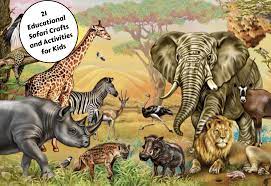
21 Educational Safari Crafts and Activities for Kids

A safari-themed educational experience can be a fun way to fuel your child’s curiosity about wildlife and nature. Here are 21 engaging safari crafts and activities that promote cognitive and motor skill development while keeping the kids entertained.

1. Paper Plate Lions – Turn a simple paper plate into a fierce lion by adding yellow and orange construction paper mane and googly eyes.

2. Toilet Paper Roll Binoculars – Create a pair of binoculars by painting two toilet paper rolls, gluing them side-by-side, and attaching a strap.

3. Animal Track Stencils – Make stencils of animal paw prints from sturdy cardboard and let your kids create their own animal track art.

4. Safari Sensory Bin – Fill a shallow container with sand, toy animals, plastic plants, rocks, and other natural elements for an interactive tactile activity.

5. Giraffe Handprint Art – Use a combination of handprints as the body, neck, and head with finger paint spots to create adorable giraffe art.

6. Safari Animal Masks – Get creative with construction paper, popsicle sticks, glue, and markers to create colorful animal masks for a wild role play session.

7. Animal Habitat Dioramas – Use shoeboxes to create different animal habitats like savannah, rainforest, or desert.

8. Leaf Rubbings – Collect leaves from various trees to create beautiful rubbings using crayons or colored pencils on white paper sheets.

9. Safari Storytime – Read safari-themed books like “Giraffes Can’t Dance” or “The Lion Inside” to enrich your child’s imagination.

10. Animal Clay Sculptures – Encourage hands-on creativity by providing modeling clay for your child to shape their favorite safari animals.

11. Safari Obstacle Course – Design an outdoor obstacle course using cones, hoops, or chalk for imaginative playtime.

12. Rain Stick Craft – Create a rain stick using an empty paper towel roll, dried beans or rice, and colored tape for decoration.

13. Origami Safari Animals – Fold colorful squares of paper into giraffes, lions, zebras, and elephants to spark your child’s interest in origami art.

14. Animal Silhouette Art – Print safari animal silhouettes on cardstock and let the kids paint them as they please with watercolors or finger paint.

15. Safari Animal Puppets – Use felt, glue, and wooden sticks to make cute hand puppets inspired by safari animals.

16. Safari Scavenger Hunt – Hide cutouts of leaves and animals around your home or backyard for a wildlife-themed scavenger hunt.

17. Thumbprint Animal Art – Make masterpieces using your child’s thumbprints as the body and head of safari creatures, such as monkeys, hippos, and elephants.

18. Balloon Elephant Stomp – Inflate gray balloons and tie them off to form elephant feet for a stomping good time.

19. Safari BINGO – Create custom BINGO cards with safari animals for a fun and interactive game that reinforces their knowledge about wildlife.

20. DIY Animal Footprint Casts – Mix up some plaster of Paris to create casts of animal footprints for an engaging science-inspired activity.

21. Animal Yoga Poses – Stretch and relax with kid-friendly yoga poses inspired by safari animals like the giraffe, monkey, and sleeping lion.

With these 21 educational safari crafts and activities at hand, your child will have loads of fun learning about wildlife while nurturing their creative minds.

20 Power of Yet Activities for Young Students

1.Growth Mindset Poster: Have students create posters with motivational quotes or phrases related to the Power of Yet, such as “I can’t do this…yet!” or “I don’t know…yet!”

2.Goal Setting: Encourage students to set achievable goals for themselves and create plans to reach them while incorporating the Power of Yet language.

3.Journal Writing: Have students maintain a journal where they reflect on their daily challenges, successes, and ways they used the Power of Yet mindset.

4.Role-Play Scenarios: Create role-play activities where students act out real-life situations where they can apply the Power of Yet mindset, like dealing with a difficult task or working through a struggle.

5.Mindset Bookmarks: Design bookmarks with growth mindset phrases that remind students to embrace the Power of Yet. Distribute these bookmarks for use in their school books.

6.“Yeti” Mascot: Design a classroom mascot called “Yeti,” which represents progress and a positive mindset. Use it as a fun way to remind sudents about the Power of Yet.

7.Encouragement Board: Set up an encouragement board in your classroom where students can leave positive notes and messages for each other, incorporating the Power of Yet language.

8.Classroom Chants: Create a catchy chant or song that focuses on the Power of Yet concept to sing together as a class during transitions or at the beginning/end of the day.

9.Reward System: Develop a reward system that highlights student success when they demonstrate the Power of Yet attitude instead of just focusing on academic achievements.

10.Class Discussions: Organize class discussions regularly where students share stories about how they have applied the Power of Yet in their lives outside school.

11.Inspirational Videos: Show short videos featuring famous people discussing how they overcame challenges by embracing a growth mindset or emphasizing the importance of perseverance.

12.Brain Breaks: Incorporate brain breaks during lessons to promote mindfulness and stress management while reiterating the importance of a growth mindset.

13.Read Alouds: Select picture books that feature characters demonstrating a growth mindset or overcoming challenges through perseverance, and discuss the Power of Yet with students afterward.

14.Inquiry-Based Learning: Use inquiry-driven projects that require students to problem-solve and think critically, allowing them to apply the Power of Yet when faced with difficulties.

15.Classroom Mural: Work together as a class to create a large mural that represents the Power of Yet message, with individual contributions from each student.

16.Character Strength Exploration: Help students identify their character strengths and areas for growth, encouraging them to embrace the Power of Yet in all aspects of their lives.

17.Peer Tutoring: Establish a peer tutoring program where students teach and support each other in areas they struggle with while using the Power of Yet language.

18.Flip Negative Statements: Encourage students to transform negative self-talk into positive statements incorporating the word “yet,” e.g., “I can’t do this” becomes “I can’t do this yet.”

19.Test Reflections: After assessments, have students analyze their results and create action plans for improvement using the Power of Yet framework.

20.Guest Speakers: Invite local individuals who display resilience in their personal or professional lives to share their stories, emphasizing how they used the Power of Yet to overcome challenges.