Elementary Education

20 Geology Elementary Activities

1. Introduction

Geology is an exciting subject that can inspire an awe for the Earth’s history and its processes. By engaging young minds in geology-focused activities, we can nurture their curiosity about the natural world. Here are 20 elementary geology activities that can make learning fun and interactive.

2. Rock Sorting

Have students collect various rocks from their surroundings and then sort them according to size, color, or texture.

3. Fossil Hunting

Organize a trip to a nearby fossil site or bring fossils to the classroom, allowing students to explore the ancient remains of plants and animals.

4. Growing Crystals

Teach students about crystal formation by growing salt or sugar crystals on strings suspended in a saturated solution.

5. Creating a Volcano

Build a papier-mache volcano and demonstrate how volcanic eruptions occur by mixing baking soda and vinegar inside the model.

6. Edible Earth Layers

Help students understand the Earth’s layers by creating a layered dessert using different colored icings or jello representing each layer.

7. Geological Time Scale

Introduce the concept of geological time using a color-coded timeline, where each segment represents a different era in Earth’s history.

8. Pangea Puzzle

Print out maps of the Earth’s continents and have students work together to fit them into their original supercontinent configuration – Pangea.

9. Make Your Own Seismograph

Show students how seismographs detect earthquakes by having them build simple models using markers, cups, and cardboard.

10. Soil Examination

Have students gather soil samples from various locations and analyze them for characteristics such as color, texture, and composition.

11. Sand Art

Explore the various colors and textures of sand by creating sand art with different types of sand grains.

12. Rock Painting

Encourage creativity by having students paint rocks with unique designs or representations of geological concepts.

13. Earthquake Simulation

Demonstrate the effects of earthquakes on structures by building model houses and subjecting them to shaking or vibrations.

14. Topographic Maps

Introduce students to the concept of topographic maps and have them create their own 3D models representing a landscape.

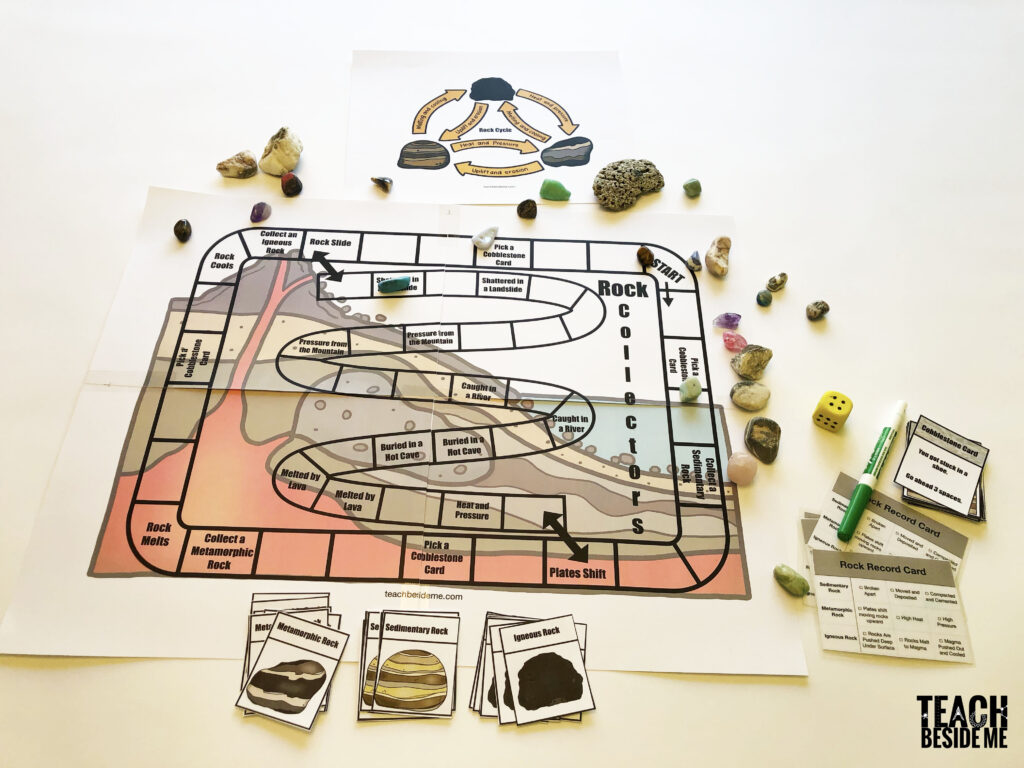
15. Rock Cycle Game

Teach the rock cycle using a game where students advance through different stations representing various stages of the process.

16. Fossil Formation Experiment

Show students how fossils form by simulating the process using clay and seashells or leaves, then discussing how actual fossils are made over time.

17. Mineral Identification

Help students identify various minerals by examining samples and teaching them to recognize key characteristics such as hardness, luster, and streak.

18. Weathering and Erosion

Demonstrate the effects of weathering and erosion on rock formations through hands-on experiments with sugar cubes and water.

19. Earth’s Magnetism

Explore Earth’s magnetic field with compasses, explaining how they function and why Earth’s magnetic poles are essential for navigation.

20. Virtual Field Trips

Take students on virtual field trips to geological landmarks like the Grand Canyon or Yellowstone National Park, using multimedia resources to investigate geological formations and processes.

By incorporating these geology-based activities into the elementary curriculum, we can spark enthusiasm for scientific learning in young minds while helping them appreciate the wonders of our planet.

Thinking Through Primary Teaching

Introduction

Primary teaching is a challenging yet rewarding journey that lays the foundation for a child’s educational and personal growth. Throughout this process, it is crucial for educators to carefully consider each aspect of their teaching methodology, using various strategies and tools to create an engaging learning environment. In this article, we will discuss the importance of thinking through primary teaching and suggest ways to foster successful learning experiences for young students.

The Importance of Thoughtful Planning in Primary Teaching

Effective primary teaching requires thoughtfulness at every stage, from curriculum design to classroom management, all with the ultimate goal of setting students up for success. Embracing a mindful approach to teaching allows educators to:

1. Reflect on their own practices, considering how certain strategies may influence student outcomes.

2. Remain flexible and adaptive, valuing the diverse needs and abilities of all students.

3. Continually develop their professional knowledge and skills by seeking new ideas and approaches to education.

Techniques for Mindful Primary Teaching

To establish an environment conducive to thinking through primary teaching, consider incorporating these practices:

1. Know Your Students: Understand your students’ unique needs and preferences by maintaining open lines of communication with them and their parents or guardians. This information can be used to inform decision-making when planning lessons or creating personalized resources.

2. Differentiate Instruction: Utilize various instructional methods and materials to deliver content in ways that cater to different learning styles—visual, auditory, kinesthetic—and ability levels.

3. Encourage Classroom Discussion: Foster a safe space where students feel comfortable sharing thoughts, questions, and opinions with their peers.

4. Provide Timely Feedback: Evaluate student performance regularly with constructive feedback that motivates them to achieve their full potential.

5. Embrace Collaboration: Work closely with colleagues, sharing experiences, resources, and ideas that contribute towards effective teaching methodologies.

6. Reflect on Practice: Regularly assess and refine your teaching strategies by identifying areas for improvement and implementing necessary changes.

7. Engage in Professional Development: Continuously update your skillset, attending workshops, conferences, and seminars that expose you to new ideas and techniques.

Real-World Application

By applying these principles to real-world scenarios, primary teachers can create thoughtfully planned lessons that engage students from diverse backgrounds:

1. During a science lesson on the water cycle, a teacher might incorporate hands-on activities using visual aids such as diagrams, videos, and physical models to cater to different learning preferences.

2. When introducing multiplication concepts, a teacher could present multiple strategies for solving problems (e.g., skip counting, arrays) so students can choose an approach that best aligns with their individual needs.

3. During a social studies unit on community helpers, the teacher may organize group discussions where students brainstorm ways they can contribute positively to their community.

Conclusion

Thinking through primary teaching is more than simply following a lesson plan. It is about being an engaged and reflective practitioner dedicated to nurturing a love for learning in each student. By employing thoughtful practices across all facets of education, primary teachers pave the way for future success and growth in their students.

16 Whimsical, Wonderful Whale Activities For Various Ages

Introduction:

Whales have always captivated the imagination of people due to their sheer size, intelligence, and friendly nature. To celebrate these incredible creatures and promote awareness about their conservation, we’ve compiled a list of 16 engaging whale activities that are perfect for kids and adults alike. Read on and dive into the fascinating world of whales!

1. Whale Watching Excursion

Embark on a guided boat tour to observe whales in their natural habitat. With various locations offering whale watching opportunities across the globe, this activity is ideal for people of all ages.

2. DIY Whale Tail Bookmark

Create your very own whale tail bookmarks using colored paper, glue, and scissors. This simple activity promotes creativity while encouraging young children to read more often.

3. Whale Size Comparison

Use everyday objects or illustrations to help kids understand just how large some whale species can grow. Compare whale sizes to things like school buses or basketball courts for a fun visual learning experience.

4. Origami Whales

Learn how to fold paper into intricate origami whales. This soothing and skill-building activity is great for older children and adults seeking a creative outlet.

5. Sing-Along: Baby Beluga

Introduce youngsters to the classic Raffi tune “Baby Beluga” by singing together as a group or with an accompanying music video.

6. Whale Anatomy Lesson

Explore the anatomy of different whale species through diagrams or interactive games. Understanding whale biology can inspire awe and appreciation for these gentle giants.

7. Create-Your-Own Whale Species

Unleash your imagination by inventing a unique whale species with its own characteristics, habits, and habitats. This activity encourages creativity while educating participants about real-life whale diversity.

8. Whale Conservation Volunteering

Consider volunteering at a local marine mammal rescue center or participating in beach cleanup events to help protect whales and their ecosystem.

9. Whale Documentary Marathon

Host a movie night featuring documentaries about whales, showcasing their lives underwater and the challenges they face in the modern world.

10. Whale Puzzles and Games

Have fun solving whale-themed puzzles or playing age-appropriate games that focus on memory, coordination, and critical thinking skills.

11. Whale Sounds Meditation

Listen to whale songs while practicing mindfulness meditation or relaxation techniques for a calming experience perfect for all ages.

12. Whale Arts and Crafts

Create beautiful, handcrafted artwork inspired by whales using paint, clay, or other art materials. This activity fosters artistic expression while raising awareness about these magnificent creatures.

13. DIY Whale Mobile

Design a charming whale mobile using paper cutouts or plush toys to hang in a child’s bedroom or classroom as a reminder of these awe-inspiring mammals.

14. Whale Ambassadors Program

Enroll in an educational program where individuals can become “whale ambassadors” by learning about these gentle giants and spreading awareness about their conservation needs.

15. Visit a Marine Mammal Center

Plan an excursion to a nearby marine mammal center where you can learn about research, rehabilitation efforts, and get up close to rescued marine creatures.

16. Organize a ‘Whale Day’ Event

Coordinate with your local community to organize a ‘Whale Day’ event that incorporates various learning activities, entertainment, and opportunities to support conservation efforts.

Conclusion:

These 16 whimsical and wonderful whale activities will undoubtedly offer unique experiences for people of all ages while fostering appreciation, understanding, and love for these amazing creatures. So dive in, explore the realm of whales, and help protect them for generations to come!

25 Adorable Gruffalo Themed Crafts and Activities

Introduction:

The Gruffalo is a beloved children’s book that has captured the hearts of children and grownups alike around the world. The whimsical story and magical creatures have inspired people to create Gruffalo themed crafts and activities. Here’s a list of 25 adorable Gruffalo crafts and activities that you and your little one can enjoy!

1. Gruffalo Finger Puppets: Create fun Gruffalo finger puppets with felt, glue, and scissors.

2. Gruffalo Playdough: Make Gruffalo themed playdough with brown, green, and orange colors.

3. Stick Man Puppet: Make a Stick Man puppet using sticks from your backyard or a nature walk.

4. Gruffalo Memory Game: Create a memory game using printable Gruffalo characters.

5. Mouse Ears Headband: Create an adorable mouse ears headband using felt and a headband.

6. Gruffalo Story Stones: Paint story stones with images of the Gruffalo characters for storytelling.

7. Gruffalo Sensory Bin: Create a sensory bin filled with leaves, twigs, pine cones, and plastic Gruffalo characters.

8. Owl Ice Cream Cone Craft: Decorate an ice cream cone to look like the owl from the story.

9. Snake Paper Plate Craft: Paint a paper plate to create the snake character from the tale.

10. Gruffalo Bookmark: Make a cute DIY bookmark featuring the Gruffalo’s face.

11. Fox Tail Craft: Create an adorable fox tail using orange yarn and felt.

12. Gruffalo Scavenger Hunt: Organize a scavenger hunt for kids to find hidden Gruffalo items.

13. Mouse Puppet: Sew or glue together pieces of felt to create an adorable mouse puppet.

14. Shadow Puppet Theatre: Set up a shadow puppet theatre for kids to reenact Gruffalo scenes.

15. Gruffalo Coloring Pages: Print out Gruffalo-themed coloring pages for kids to color.

16. Stick Man Nature Walk: Take a nature walk with your Stick Man puppet, looking for Gruffalo-inspired items.

17. Gruffalo Bento Box: Make a special Gruffalo themed lunch with creative food art.

18. Paper Bag Puppet: Create a Gruffalo character puppet using a paper bag and craft supplies.

19. DIY Gruffalo Board Game: Turn your favorite board game into a Gruffalo-themed adventure.

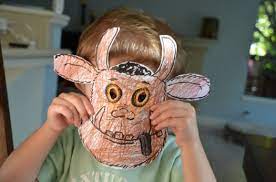
20. Gruffalo Mask: Make a fun mask featuring the Gruffalo’s face using felt and elastic.

21. Fox Mask: Create a fox mask using orange and white felt for the cunning fox character.

22. Snake Finger Puppet: Craft a snake finger puppet with green felt and googly eyes.

23. DIY Gruffalo Puzzle: Turn a printed picture of the Gruffalo characters into a puzzle by cutting it into pieces.

24. Owl Mobile: Use printable owl templates to create an owl mobile to hang in your child’s room.

25. Gruffalo Snack Mix: Create an edible snack mix inspired by the story, including pretzels, dried fruit, and chocolate chips.

Conclusion:

With these 25 adorable Gruffalo themed crafts and activities, you’ll have plenty of ways to bring the magical world of the story alive. From puppets to memory games and art projects, you can immerse your children in the delightful universe of this heartwarming tale while fostering their creativity and imagination skills. So go ahead and join well-loved characters like Mouse, Fox, Owl, Snake, and Stick Man on their adventures!

20 Nontraditional Grade 5 Morning Work Ideas

Introduction:

Morning work is a great way to help grade 5 students transition from home to school while simultaneously reinforcing concepts and skills. However, traditional morning work activities often become repetitive and predictable. Here are 20 nontraditional grade 5 morning work ideas that are engaging, educational, and fun!

1. Morning Mindfulness: Start the day with a mindful moment in which students focus on their breathing, practice gratitude, or visualize the day ahead.

2. Creative Journaling: Provide a writing prompt each morning and allow students to respond creatively in their journals.

3. Puzzle Time: Offer brainteasers, Sudoku puzzles, or crossword puzzles as an exciting way to stimulate thinking and problem-solving skills.

4. Classroom Newspaper: Invite students to create a classroom newspaper where they can write articles and share information about what’s happening in school or the world.

5. Mini Science Experiment: Begin the day with a hands-on science experiment that encourages inquiry and curiosity.

6. Math Challenge: Rotate math challenge stations throughout the week, including money management problems, geometry shapes, and algebra concepts.

7. Inspirational Quotes Discussion: Share an inspirational quote or image with the class and invite students to reflect on its meaning or application to their lives.

8. Vocabulary Building Activity: Introduce new vocabulary words through interactive tasks like charades or word association games.

9. Gratitude Circle: Gather students in a circle and give them an opportunity to share something they are grateful for or a positive experience they had recently.

10. Goal Setting Session: Encourage students to set individual goals for the day or week ahead and discuss strategies for achieving those goals.

11. Artistic Expression: Designate time for students to explore various art forms such as drawing, painting, or collage-making with limited materials.

12. Team-Building Activity: Arrange cooperative games that promote collaboration, communication, and teamwork among students.

13. Silent Reading: Create a cozy reading corner in the classroom and dedicate quiet time for students to enjoy their favorite books or explore new ones.

14. Current Events Discussion: Encourage debate and critical thinking by discussing current events that are relevant to the students’ lives.

15. Outdoor Exploration: Weather permitting, take the class outside for a nature walk or to engage in a science-based observation activity.

16. Foreign Language Exposure: Expose students to new languages through simple activities like learning basic greetings or listening to songs from different cultures.

17. Fact of the Day: Begin each morning with an interesting fact, which could be about nature, history, or humanity, prompting curiosity and discussion among students.

18. Musical Chairs Writing: Have students write on various topics while they circulate desks in a musical chairs pattern; when the music stops, they must continue where their classmate left off.

19. Community Service Project Planning: Begin planning small-scale community service projects that students can execute during the school year.

20. Random Acts of Kindness Challenge: Kick-off the day with a challenge for students to perform random acts of kindness throughout the day and later share their experiences with each other.

Conclusion:

These nontraditional grade 5 morning work ideas provide unique opportunities for students to develop essential skills while having fun and engaging with their peers. Give them a try to foster a positive classroom environment that encourages creativity, collaboration, problem-solving, and well-rounded growth.

Let’s Get Creative With Winter Writing: 22 Unique Prompts For Kids

As the weather turns colder and snowflakes begin to fall, it’s the perfect time for kids to cozy up indoors with fun and creative winter writing prompts. These prompts will inspire them to stretch their imaginations, sharpen their writing skills, and explore the wonderful world of winter. Let’s take a look at 22 unique winter-themed prompts that will help get children’s creative juices flowing during the chilly season.

1. Imagine you are a snowflake falling from the sky. Describe your journey from the cloud to the ground.

2. Write a story about a family of snowmen who come to life at night.

3. How would you spend a day with a magical snow creature?

4. Create an adventure story involving ice skating on a frozen lake with talking animals.

5. Describe your perfect snow day. What activities would you do, and who would you spend it with?

6. Write about an imaginary land where it is winter all year round.

7. Imagine you have a special power that allows you to control snow and ice. What adventures would you have with this ability?

8. Create a poem about winter using descriptive language and vivid imagery.

9. Write a letter to your future self describing your favorite winter memory from this year.

10. Invent a new winter sport, describe its rules and how it is played.

11. Write a story set in an ice castle, inhabited by mysterious creatures.

12. Plan a snowy treasure hunt, detailing the clues and riddles that need to be solved along the way.

13. Imagine you have discovered an entrance to another world hidden beneath the snow in your backyard – describe your journey and what you find there.

14. Create a dialogue between two friends who are building an igloo together for the first time.

15. Write a diary entry as if you were living in Antarctica – how does the cold weather and lack of sunlight affect you?

16. Describe the sights, sounds, and smells of a bustling winter market.

17. Write a persuasive letter to convince your friends or family to join you on a winter vacation in the mountains.

18. Invent a mythical creature that lives in the snowy wilderness – what does it look like and how does it survive?

19. Write a story about a mysterious snowstorm that envelopes your town, causing unusual events to happen.

20. Imagine you are sitting by a crackling fire, watching the snowfall. Describe your cozy, peaceful moment using all five senses.

21. Create a recipe for the perfect cup of hot cocoa. Make sure to include any delicious toppings and unique ingredients.

22. Write about the journey of two friends who set off to find Jack Frost.

These writing prompts will not only keep children entertained during the long winter days but also help them develop their writing skills and unlock their creativity. Encourage them to take their time, let their imagination run wild, and enjoy creating fantastic winter stories!

20 Quick and Easy Grade 4 Morning Work Ideas

As students enter grade 4, morning work becomes an essential component of their daily routine. Ithelps them transition from home to school, and also offers a chance to review and practiceessential skills. Here are 20 quick and easy grade 4 morning work ideas that will help your studentsstart each day on a positive note.

1. Daily journal prompts: Provide students with a new journal prompt every morning, encouraging them to write about various topics ranging from personal experiences to creative stories.

2. Math warm-up: Kick-start the day’s learning with a short math warm-up. Review basic arithmetic, word problems or new concepts introduced in the previous class.

3. Vocabulary practice: Introduce new vocabulary words each week, encouraging students to use these words in sentences or identify their meanings.

4. Spelling challenge: Give students a list of grade-appropriate spelling words and let them practice by writing the words multiple times or creating sentences using the words.

5. Reading responses: Assign a short passage for silent reading and ask students to write a brief summary or answer comprehension questions.

6. Cursive handwriting practice: With the addition of cursive writing, assign a few sentences or paragraphs for daily practice.

7. Brain teasers: Engage your students with logic puzzles, riddles or word games that challenge their problem-solving skills.

8. Group games: Start the morning with collaborative games like charades or Pictionary, inspiring communication and collaboration between classmates.

9. Silent reading time: Allow students to choose a book from the class library and spend 10-15 minutes silently reading during the morning session.

10. Creative writing prompts: Encourage imagination by providing students with creative writing prompts like composing an alternate ending to their favorite story.

11. Map skills practice: Strengthen geography knowledge by having students label parts of maps or identify countries, cities, and geographical features.

12. Goal setting: Encourage grade 4 students to set personal and academic goals for the week or month, helping them stay focused on their objectives.

13. Art projects: Assign quick and easy art projects for students to unleash their creativity and improve their artistic skills.

14. Science experiments: Carry out simple yet exciting science experiments related to recently covered topics, sparking curiosity in young minds.

15. Editing passages: Provide students with short written passages in need of editing, allowing them to practice proofreading and grammar skills.

16. Current events discussions: Present a child-friendly news article and ask students to discuss or write their thoughts about it, promoting awareness of the world around them.

17. Class survey: Facilitate student-led class surveys that involve tallying answers, encouraging data collection and analysis practice.

18. Fitness activities: Spend 10 minutes on a quick exercise routine or yoga session, promoting physical activity and mental alertness at the beginning of the day.

19. Technology time: Utilize educational technology applications such as Kahoot or Quizlet to engage students in interactive learning experiences.

20. Appreciation notes: Encourage students to write brief admiration or thank-you notes to classmates or school staff, fostering kindness and gratitude within the classroom.

Incorporating these quick and easy grade 4 morning work activities into your daily routine will not only keep your students engaged and motivated but also reinforce crucial skills that will help them succeed throughout the school year.

15 Leaf Projects For The Elementary Classroom

Introduction:

The beauty and versatility of leaves make them an ideal resource for creative elementary schoolprojects. Bringing the outdoors into the classroom can stimulate students’ interest in the naturalworld while fostering their artistic skills. Here are 15 fantastic leaf projects for the elementaryclassroom, perfect for incorporating nature into your lesson plans.

1. Leaf Rubbings

Have students place a leaf under a sheet of paper and use the side of a crayon or colored pencil tocreate a rubbing. This simple technique can reveal intricate vein patterns and lead to discussionsabout leaf structures.

2. Leaf Collage

Using various types and colors of leaves, encourage students to create collages in the shape ofanimals, people, or abstract designs, highlighting each leaf’s unique characteristics.

3. Leaf Print Art

Have students dip leaves in paint and press them onto paper to create beautiful prints.Experiment with different color combinations for a vibrant display of nature’s shapes andpatterns.

4. Leaf Identification Booklet

Teach your students about the different types of leaves found locally by creating a leafidentification booklet. Encourage them to collect, press, and label specimens to showcase in theirbooklets.

5. Leaf Symmetry Lesson

Explore the concept of symmetry using leaves as examples. Have students identify lines ofsymmetry in various leaf shapes, reinforcing mathematical concepts with tangible examples.

6. Chlorophyll Experiment

Teach students about photosynthesis and chlorophyll by extracting pigments from green leavesusing rubbing alcohol. This experiment demonstrates the importance of chlorophyll in plant life.

7- Storytelling With Leaves

Inspire your students’ creativity by having them use leaves as props for storytelling or puppetshows. Encourage them to explore themes like friendship, teamwork, or cycles of life using theirleaf characters.

8. Leaf Mosaics

Arrange differently shaped and colored leaves into mosaic patterns on paper or cardstock. Thisproject promotes artistic expression and encourages students to work with natural materials.

9. Natural Mobiles

Suspend leaves, small branches, and other nature items from a central support to create mobilesthat celebrate the beauty of the natural world.

10. Leaf Poetry

Ask students to write poems inspired by leaves, touching upon themes of change or growth.Display their literary work beside their leaf art projects.

11. Leaf Litter Investigation

Teach children about decomposition and the roles insects play by studying leaf litter. Set up a classterrarium containing leaves and observe changes over time.

12. Pressed Leaf Bookmark

Have students create bookmarks using their favorite pressed leaves. Attach a ribbon or tassel for apersonalized touch and encourage reading alongside the appreciation of nature.

13. Leaf Mandala

Invite your class to create intricate, symmetrical patterns with leaves as a meditative activity,promoting mindfulness and focus.

14. Leaf Stained Glass Windows

Place leaves between two sheets of wax paper or clear Contact paper and press together to create a “stained glass” effect that catches sunlight beautifully when hung in the classroom windows.

15. Lifecycle Of A Leaf Lesson

Use leaves in various stages of growth and decay to teach your students about the lifecycle of a leaf. Discuss the processes involved in each stage and how they contribute to the overall health of our planet.

Conclusion:

These engaging leaf projects will allow elementary students to connect with nature while developing key skills in science, art, math, and language arts. Explore different techniques and lessons with your students as you discover just how versatile those fascinating leaves can be!

20 Veterans Day Activities for Elementary Students

1. Pledge of Allegiance: Begin the day by reciting the Pledge of Allegiance together as a class, fostering unity and patriotism.

2. Poppy Art: Create red poppy crafts using different materials like tissue paper or paint to symbolize remembrance and honor for veterans.

3. National Anthem Performance: Have students learn and sing the national anthem together, demonstrating respect for their country.

4. Thank-You Letters: Encourage students to write heartfelt thank-you letters to veterans they or their family members know, expressing gratitude for their service.

5. Flag Coloring Activity: Distribute coloring sheets featuring the American flag so students can color them in and learn about its significance.

6. Historical Heroes: Teach students about famous veterans from history like George Washington, Abraham Lincoln, and Harriet Tubman. Discuss their accomplishments and sacrifices.

7. Read Aloud Books: Choose age-appropriate Veterans Day-themed books to read to the students.

8. Veterans Day Posters: Ask students to create posters illustrating the importance of Veterans Day which can be displayed around the school.

9. Classroom Guests: Invite local veterans to visit the classroom and share stories from their military experiences.

10. Patriotic Hat Craft: Provide materials for making patriotic paper hats that students can wear throughout the day.

11. Veterans Day Acrostic Poem: Guide students in writing acrostic poems using the words “veterans” and “heroes.”

12. Timeline of American Wars: Create a visual timeline illustrating major moments in American military history, highlighting crucial battles and achievements.

13. Military Branches Lesson: Teach students about the different branches of the U.S. military, including their roles and responsibilities.

14. Support Local Veterans Organizations: Organize a fundraiser or drive for donations benefiting local veteran organizations or homeless shelters serving veterans.

15. Military Morse Code Activity: Have students learn basic Morse code and try to decode messages related to Veterans Day.

16. In-Class Documentary: Show an age-appropriate documentary focused on veterans’ stories, followed by a group discussion.

17. Walk for Veterans: Organize a walk-a-thon where students can collect pledges and raise money for veterans’ charities.

18. Veterans Day Quiz: Create a fun trivia quiz about Veterans Day and military history appropriate for the students’ age.

19. Patriotic Songs Sing-Along: Have a sing-along activity in class with patriotic songs like “God Bless America” or “This Land is Your Land.”

20. Reflection Time: At the end of the day, give students time to share what they’ve learned and express their feelings about Veterans Day.

With these 20 activities, elementary students can gain a deeper understanding of the importance of Veterans Day while celebrating and honoring those who have served their country.

25 Transition Ideas for Elementary Students That Teachers Can Use Daily

1. Countdown timer: Have a countdown timer on the board to give students a set amount of time to transition between activities.

2. Bell signals: Use various bell signals to indicate when it’s time to transition from one activity to another.

3. Classroom jobs: Assign students classroom jobs to help with transitions, such as turning off the lights, passing out materials, or cleaning up.

4. Sing-along songs: Choose a specific song that students can sing during transitions, so they know when it’s time to switch activities.

5. Visual cues: Use visual cues like posters or pictures on the board to indicate where students should be during transitions.

6. Thematic chants: Teach students quick chants or rhymes related to the subject or task at hand to use during transitions.

7. Hand-clapping patterns: Create and practice different hand-clapping patterns for students to follow when transitioning between activities.

8. Freeze game: Play music during transitions and have students dance or move until the music stops. When it stops, they freeze and then transition quietly to their next activity.

9. Buddy system: Pair students together and assign each pair a specific area of the classroom to maintain during transitions.

10. Role play: Incorporate role-playing into your class environment by having students pretend to be certain characters while moving between activities.

11. Secret code words: Teach your class a secret code word that indicates it’s time to transition between tasks or activities.

12. Color codes: Assign designated colors for each activity, so students know which station or group they should go based on color codes displayed in the classroom.

13. Yoga stretches: Incorporate simple yoga stretches during transitions as a way for students to refocus their energy on the next task at hand.

14. Positive reinforcement: Offer praise or small rewards such as stickers for those who successfully transition quickly and quietly between tasks.

15. Class cheers: Develop and use a class cheer that students recite during transitions.

16. Estimation games: Engage students in quick estimation games to make transitions more fun and interactive.

17. Alphabetical order: Have students line up or move based on the letter of their first name, last name, or other criteria.

18. Number order: Give each student a number and call them in order for transitions.

19. Alternating patterns: Use left-to-right, front-to-back, or other alternating patterns when calling on students to transition between activities.

20. Two-minute tasks: Assign simple two-minute tasks that students can do during transitions, such as completing a math problem on the board or answering a question related to the topic.

21. Picture puzzles: Create picture puzzles related to the subject matter for students to complete during transitions between tasks or activities.

22. Music themes: Play specific music or sound effects that relate to the current lesson as a signal for transitioning between activities.

23. Movement exercises: Utilize short and simple movement exercises to help students refocus and relax during transitions.

24. Nature sounds: Use calming nature sounds like ocean waves or rainforest ambiance during transitions between activities to create a peaceful environment.

25. Silent speed challenges: Encourage students to silently race against the clock to complete their transitions before a designated time runs out, promoting efficiency and focus.