Elementary Education

10 Great 6th Grade Workbooks You Can Buy Online

1. “Scholastic Success with Reading Comprehension: Grade 6” by Scholastic

This workbook features a variety of fiction and nonfiction texts that engage and challenge your 6th grader. It focuses on boosting reading comprehension skills, ensuring a better overall understanding of texts.

2. “Spectrum Math Grade 6 Workbook” by Carson-Dellosa Publishing

With a range of lessons and exercises that align with national standards, this workbook helps students build their math skills by covering topics such as decimals, fractions, ratios, and more.

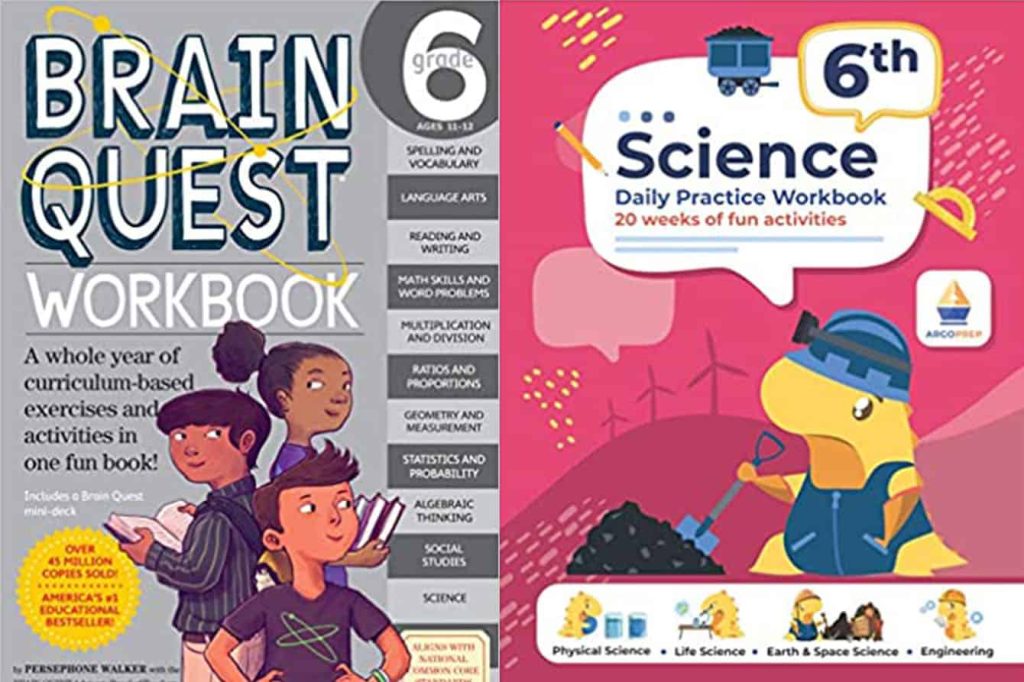
3. “Brain Quest Workbook: Grade 6” by Perseus

This popular workbook series includes curriculum-based exercises, games, and puzzles that offer a comprehensive overview of key subjects like English language arts, math, science, social studies, and more in engaging formats.

4. “Everything You Need to Ace Science in One Big Fat Notebook” by Workman Publishing

This all-in-one science notebook is perfect for students who need extra support in understanding scientific concepts. With helpful diagrams and interactive elements, it covers important topics such as Earth science, physics, chemistry, and biology.

5. “Easy Grammar: Grade 6 Teacher Edition” by Wanda C. Phillips

Teaching grammar is made easy with this comprehensive guide for educators of 6th grade students. The workbook’s format breaks down essential grammar rules into simplified terms with clear explanations and numerous examples.

6. “Spelling Success Grades 4-6” by Garry J. Moes

Sharpen your student’s spelling skills with this comprehensive guide that focuses on commonly misspelled words for grades 4-6. Exercises help reinforce correct spelling patterns while providing opportunities for practice.

7. “IXL Practice Workbook: English Language Arts – Grade 6” by IXL Learning

Develop excellent English language arts skills with this workbook, which focuses on key concepts in grammar, vocabulary, writing, and reading comprehension. Exercises cover an array of topics to enhance understanding and retention.

8. “Math Fundamentals Grade 6 Workbook” by Evan-Moor Educational Publishers

This math workbook provides a solid foundation in essential mathematical concepts through clear explanations, practice problems, and varied exercises. It covers topics like decimals, fractions, ratios, percents, and geometry.

9. “6th Grade Social Studies Workbook: Preparing Early for Success” by Kelly Rapone

Explore various historical events and cultures around the world with this social studies workbook designed for 6th graders. Students will delve into important topics such as ancient civilizations, geography, economics, and government systems.

10. “Cracking The STAAR Test: Grade 6 Writing Workbook” by The Princeton Review

Prepare your 6th grader for success on the standardized STAAR writing test with this comprehensive workbook from The Princeton Review. Featuring expert advice and practice exercises, it’ll help students build their writing and editing skills.

These 10 incredible workbooks offer engaging exercises and comprehensive coverage of essential 6th grade subjects. Purchasing these workbooks will not only reinforce your child’s learning but will also enhance their understanding of these crucial topics.

22 Fantastic Flag Day Activities For Elementary Students

Introduction:

Flag Day is a special annual event that celebrates the adoption of the United States flag. Observed on June 14th, it is an opportunity to teach elementary students about the history and symbolism of the American flag. These 22 fantastic activities will not only engage young minds but also help them understand and appreciate the importance of this national symbol.

1. Flag Salute and Pledge

Start the day with a flag-raising ceremony, including a salute and reciting of the Pledge of Allegiance.

2. Flag Day Trivia

Organize a trivia competition to test your students’ knowledge about the American flag’s history and trivia facts.

3. Flag Day Craft

Design a unique decorative flag from construction paper, glitter, and other craft materials.

4. Patriotic Songs

Teach your students classic patriotic songs like “The Star-Spangled Banner” and “America The Beautiful.”

5. Red, White & Blue Dress-up Day

Encourage students to wear patriotic-themed outfits, including red, white, or blue clothing items.

6. National Symbols Collage

Create a collage of important national symbols like bald eagles, the Liberty Bell, or Uncle Sam using images from magazines or online sources.

7. Historical Timeline

Work together on a timeline highlighting major events in American flag history.

8. Storytime on Flag History

Read aloud stories or articles about how the American flag came into existence.

9. Vocabulary Building Activity

Develop vocabulary exercises focused on words related to Patriotism and Flag Day like “allegiance” or “freedom.”

10. Flag Folding Demonstration

Have someone – perhaps a local veteran – demonstrate how to fold the American flag properly.

11. Parade of Flags

Organize a parade where each student carries a unique homemade flag representing their own interests or hobbies.

12. Write Letters to Veterans

Have students write heartfelt letters to local veterans, thanking them for their service to the country.

13. Betsy Ross Biography Study

Learn about the pioneering woman who is credited with sewing the first American flag.

14. Patriotic Poetry

Explore famous patriotic poems and artworks and discuss their meaning with your students.

15. Design Your Own Flag

Encourage students to design their own flags symbolizing aspects of their individuality, family, or culture.

16. Bake Flag-inspired Treats

Teach your students how to make simple, flag-themed treats like fruit skewers or marshmallow pops decorated with red, white, and blue sprinkles.

17. America’s National Anthem History Lesson

Discuss the history of “The Star-Spangled Banner” and its significance on Flag Day.

18. Create a Mini-Museum Exhibit

Have students create flags from different countries or American historical periods and set up a mini-museum display in the classroom.

19. Patriotic Chalk Art Mural

Head outdoors to create a public display of colorful, patriotic chalk art that will inspire onlookers.

20. Presentations on American Symbols

Assign projects where students research various iconic American symbols and deliver short presentations about their findings.

21. Classroom Decoration Contest

Hold a classroom decoration contest where each student creates their own patriotic decoration for your learning space.

22. Post-Activity Reflections

Encourage thoughtful discussions and reflections by asking your students why they think it is essential to celebrate Flag Day and what they have learned during these activities.

Conclusion:

Flag Day is a prime opportunity for elementary teachers to foster a sense of patriotism and national pride in their students while enhancing their historical knowledge and understanding of this important symbol. These 22 fantastic activities will keep your students engaged and excited to learn more about the proud history of the American flag.

13 Superb Sea Turtle Activities For Kids Of All Ages

Introduction:

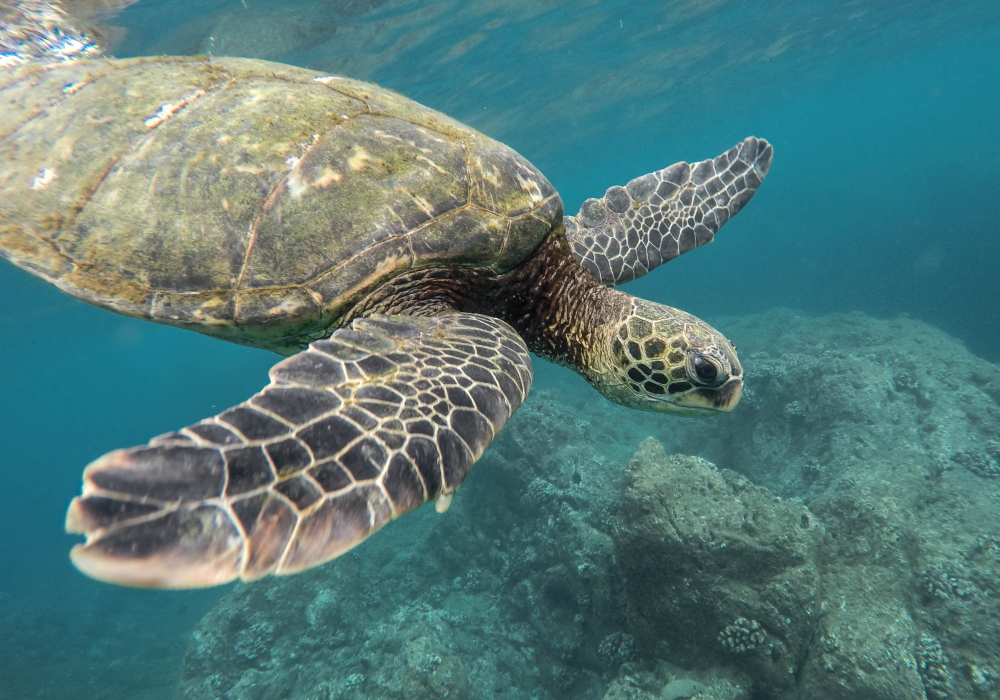
Sea turtles are fascinating creatures that can spark a love for marine life and the environment in children. Here are 13 superb sea turtle activities designed to entertain and educate kids of all ages.

1. Sea Turtle Puzzle:

Create a sea turtle jigsaw puzzle by printing out a sea turtle image and cutting it into various shapes. Have your child piece the puzzle together, promoting problem-solving skills while learning about sea turtles.

2. Design A Sea Turtle:

Provide art materials such as markers, crayons, paints, and colored paper for your child to create their own unique sea turtle design. This imaginative activity promotes creativity and understanding of different sea turtle species.

3. Sea Turtle Puppet Show:

Create simple sea turtle puppets using paper plates or socks, plus craft supplies for decoration. Children can develop their storytelling skills by creating a story featuring these delightful sea creature characters.

4. Sea Turtle Memory Game:

Develop matching skills by printing out pairs of images featuring different types of sea turtles. Have your child flip the cards over to try and find matching pairs, turning this activity into a memory game.

5. Sea Turtle Origami:

Following step-by-step instructions, teach your child how to fold colored paper into a charming origami sea turtle.

6. Decorate A Sea Turtle Shell:

Using papier-mâché or an inflatable ball, help your child create a replica sea turtle shell which they can then paint or decorate with stickers.

7. Sea Turtle Races:

Set up an indoor or outdoor obstacle course where children can pretend to be baby sea turtles racing towards the ocean.

8. Watch A Sea Turtle Documentary:

Invest time in watching an age-appropriate documentary to educate your child on the life cycle, behavior, and habitat of sea turtles.

9. Adopt A Sea Turtle:

Many charities offer symbolic adoptions for endangered species like sea turtles – an excellent way to teach your child about environmental responsibilities and conservation.

10. Sea Turtle Yoga:

Introducing ocean-themed yoga poses such as the sea turtle pose can be a fun way for kids to learn yoga, improving balance and mental focus.

11. Beach Cleanup:

Organize a beach cleanup day with family or friends – an excellent way to teach children about the importance of preserving sea turtle habitats and reducing pollution.

12. Visit A Sea Turtle Rescue Center:

Plan a visit to a local sea turtle rescue or rehabilitation center to learn about the efforts made by experts to protect these unique creatures.

13. Create A Sea Turtle Habitat Diorama:

Have your child build their sea turtle habitat using materials like sand, shells, and toy sea turtles. This activity promotes creativity while also teaching kids about the natural environment in which sea turtles thrive.

Conclusion:

With these 13 superb sea turtle activities, your child will not only be entertained but also educated on these magnificent marine animals. By engaging in these projects, children will develop a love and appreciation for both sea turtles and the environment that contributes to their preservation.

Top 25 Classroom Activities to Celebrate the 100th Day of School

1. “100 Years Old”: Have students dress up as if they were 100 years old, complete with costumes, accessories, and makeup.

2. “100th Day Collage”: Each student creates a unique collage using 100 items from home or school.

3. “100 Acts of Kindness”: Encourage students to perform 100 acts of kindness within their school and community.

4. “I Wish I Had 100…”: Students write about what they would do with 100 of their favorite items.

5. “100 Books Reading Challenge”: Set a goal for the class to collectively read and log 100 books by the 100th day.

6. “Puzzling Fun”: Create a giant, 100-piece jigsaw puzzle for the class to assemble together.

7. “Estimation Stations”: Set up stations throughout the classroom where students can practice estimating items in groups of 10, making their best guess at when they reach 100.

8. “100th Day Word Search”: Provide a word search featuring 100 hidden vocabulary words related to the school, curriculum, or lessons learned so far.

9. “100th Day STEM Challenges”: Provide various hands-on STEM activities for groups of students to complete using only 100 materials or within a time limit of 100 minutes.

10. “Compilation of Memories”: Record student memories and achievements from the first 99 days of school in a collaborative scrapbook or memory wall.

11. “Classroom Currency”: Design special ‘classroom currency’ for students to earn and spend on various activities throughout the day.

12. “Cup Stacking Challenge”: Use disposable cups and challenge classmates to create a tower with exactly 100 cups.

13. “Music Marathon”: Play historical songs throughout each decade as part of a unique musical celebration spanning 100 years.

14. “A Taste of History”: Sample snacks or candies that were popular 100 years ago and explore the food culture of the time.

15. “100 Acts of Gratitude”: Encourage students to write and share thank you notes or appreciations for teachers, classmates, or their families.

16. “Outdoor Math Scavenger Hunt”: Incorporate math problems such as adding up to 100 or finding patterns within nature.

17. “Fitness Challenge”: Set a goal for the entire class to complete 100 fitness-related activities or exercises during the day.

18. “100th Day Time Capsule”: Collect items that represent the current school year, have students write individual messages, and create a class time capsule to bury or display in the school library.

19. “Historical Timeline”: Create a collaborative timeline highlighting major events over the past 100 years.

20. “Teach a 100-Second Lesson”: Students take turns teaching mini-lessons on a subject they are passionate about, with just 100 seconds for each presentation.

21. “Escape Room Challenge”: Design a class escape room using clues and puzzles related to the number 100 and course subjects thus far.

22. “Random Acts of Genius”: Provide space for students to showcase their talents in a mini talent show throughout the day.

23. “Origami Creations”: Use origami paper folding techniques to challenge students to create unique designs with exactly 100 folds.

24. “World Record Attempt”: Choose a simple world record attempt to try as a class and document your efforts for posterity.

25. “Read-a-Thon”: Host an all-day read-a-thon where students can relax in quiet spaces around the classroom, enjoying books from their independent reading or those introduced by their peers.

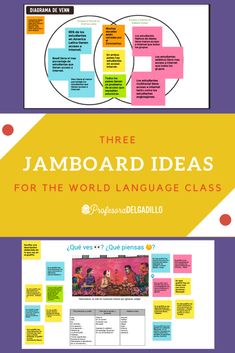
28 Creative Jamboard Ideas for Elementary Classrooms

Introduction:

Jamboard is a digital whiteboard tool that allows for real-time collaboration, creativity, and learning. Teachers in elementary classrooms can use Jamboard to engage their students with interactive activities and foster creativity. Here are 28 innovative ideas to incorporate Jamboard into your lessons.

1. Virtual Morning Meetings: Start each day with a collaborative gathering where students share announcements, discuss the calendar, or answer the question of the day.

2. Brainstorming sessions: Use Jamboard for students to brainstorm ideas together on a topic or project.

3. Vocabulary Word Walls: Create an interactive word wall with challenging vocabulary words for students to define and use in sentences.

4. Story Mapping: Break down stories into their elements (characters, setting, problem, solution) for students to visualize the structure of a story better.

5. Group Storytelling: Students collaborate on composing and illustrating a group story.

6. Daily Schedules: Outline the class schedule each day so students have a visual guide of what to expect.

7. Math Problem Solving: Post mathematical puzzles for students to work on individually or in groups.

8. Spelling Practice: Display weekly spelling words where students can practice or quiz each other using sticky notes.

9. Book Clubs: Share book summaries and pictures relating to a reading assignment for group discussions.

10. Science Experiments: Discuss hypotheses, record observations, and analyze results together as a class.

11. Virtual Field Trips: Present images and information about a location or experience so students can collaborate on exploring new places and cultures.

12. Peer Review Sessions: Share student work for constructive feedback from classmates.

13. Exit Tickets: End lessons with reflection questions where students submit anonymous responses on their understanding of material covered that day.

14. Geometric Shape Identification: Have younger students identify and label different shapes using Jamboard’s drawing tools.

15. Sentence Diagramming: Break down complex sentences into their parts for easier comprehension.

16. Timeline Creation: Collaborate on constructing a historical timeline.

17. Online Art Gallery: Display student artwork and have peers comment on their interpretations.

18. Class Surveys: Create simple multiple-choice surveys for students to identify their opinions, preferences, or learning styles.

19. Interactive Maps: Have students label map features such as countries, states, rivers, and landmarks.

20. Fraction Bars: Visualize and compare fractions using Jamboard’s drawing tools.

21. Community Building Boards: Encourage students to share compliments or gratitude for their classmates.

22. Virtual Bulletin Boards: Share important announcements, homework assignments, or project deadlines in a central spot.

23. Planetary Comparisons: Use Jamboard to represent various planets’ characteristics, like size and distance from the sun.

24. Music Composing: Collaborate on composing a simple song through melodic notation and lyrics.

25. Create Your Own Word Problems: Have students generate math problems related to real-world situations for others to solve.

26. Picture Writing Prompts: Display an engaging image and ask students to create stories based on what they see.

27. Invent Your Own Country: Collaborate on designing a fictional country with its geography, culture, and government.

28. Virtual Playspaces: Use Jamboard to construct imaginative scenes where students write stories that unfold in these settings.

Conclusion:

Integrating Jamboard into elementary classrooms leads to more interactive learning experiences while fostering creativity. With these 28 inventive ideas at hand, teachers can create engaging and collaborative lessons that promote both fun and education for their students.

Empowering Year 7 Pupils to Lead the Plenary

Introduction

In today’s progressive educational landscape, the focus has shifted from a one-size-fits-all model to a more inclusive and diversified learning experience that effectively engages learners of all interests, abilities, and backgrounds. One such innovation that has gained traction in recent years is the active involvement of students in leading the plenary sessions of their classes. This article explores how empowering Year 7 pupils to take charge of these sessions can benefit not only their personal growth but also foster a healthier learning environment for their peers.

Year 7 Pupils Leading the Plenary

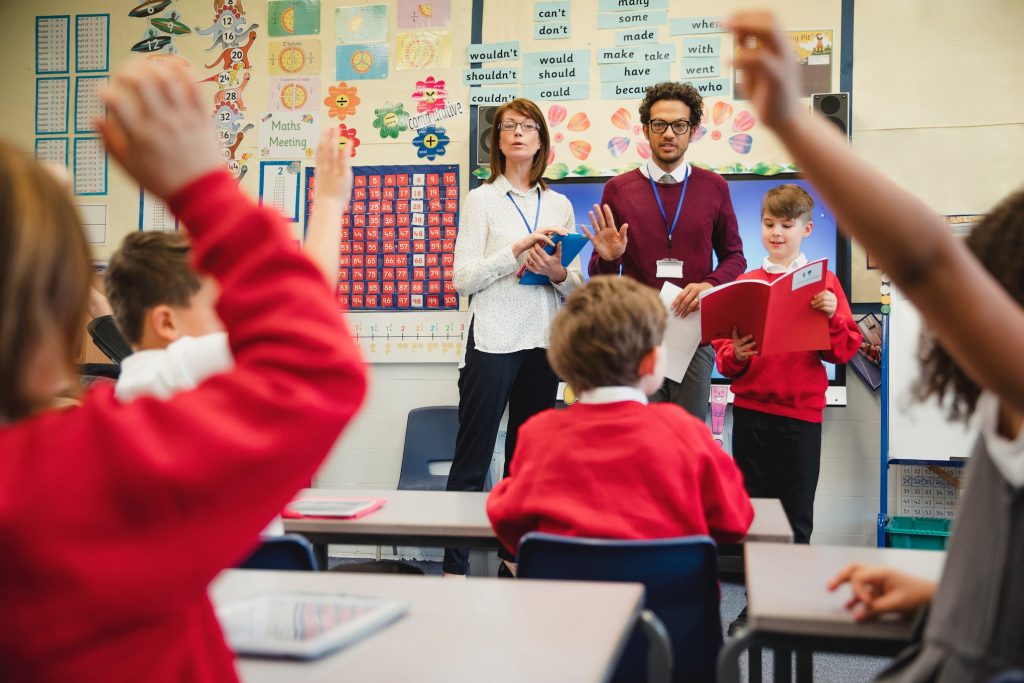
Plenary sessions are typically used by educators as an opportunity to summarize learning, consolidate understanding, and make connections to related topics or real-world scenarios. Traditionally, teachers would handle these sessions on their own, guiding students through the process. However, by involving Year 7 pupils in leading plenary discussions, we can create a more engaging and participative learning atmosphere that promotes active participation from all students.

Benefits of Student-led Plenaries

1. Boosting Confidence and Public Speaking Skills: When pupils lead plenary sessions, they are given a platform to articulate their thoughts and present them effectively to their classmates. This helps build confidence in public speaking and encourages them to be vocal about their ideas moving forward.

2. Developing Leadership Qualities: Being entrusted with the responsibility of guiding class discussions nurtures leadership qualities within students. They learn to empathize with others, manage time effectively, and organize their thoughts well.

3. Encouraging Peer Learning: Peer-to-peer teaching is widely recognized as an effective way to reinforce learning. Students often explain concepts to one another using simpler language and examples which can be easier for peers to understand.

4. Driving Classroom Engagement: Pupil-led plenaries create an inclusive learning environment where students feel empowered to voice their opinions and contribute actively during discussions. This fosters a positive classroom culture and promotes greater collaboration.

5. Enhancing Critical Thinking Skills: The act of summarizing and connecting learned concepts requires students to think critically about the material covered. This exercise helps sharpen their analytical skills, which can serve them well in future academic pursuits.

Implementing Student-led Plenaries

Teachers who are keen to incorporate student-led plenary sessions in their classrooms should first set clear expectations and provide students with adequate support. A rotating schedule can be employed, giving each pupil an opportunity to lead a plenary throughout the school year. It is important to ensure that pupils have adequate preparation time, resources, and appropriate feedback to refine their approach.

Conclusion

By enabling Year 7 pupils to lead plenary sessions, we can empower them with the responsibility of guiding class discussions and foster a more engaging learning environment for all. This approach not only develops their leadership, communications skills and critical thinking but also contributes to an inclusive classroom culture centered on collaboration and active participation. Embracing student-led plenaries is a step towards creating well-rounded learners who are equipped with essential life skills for success beyond the classroom walls.

The Best Books for 6th Graders

Introduction:

As children enter middle school, their reading skills and interests start to expand. It’s crucial to find books that spark their imagination and keep them engaged. A great book can make a significant impact on a 6th grader’s learning and personal growth. This article will introduce some of the best books perfect for 6th graders, focusing on various genres like adventure, fantasy, mystery, non-fiction, and more.

Adventure:

1. “Hatchet” by Gary Paulsen – This thrilling survival story follows Brian Robeson, a 13-year-old boy who finds himself stranded in the Canadian wilderness after a plane crash.

2. “Island of the Blue Dolphins” by Scott O’Dell – Based on a true story, this novel tells the tale of Karana, a young Native American girl who survives alone on an island for several years.

Fantasy:

1. “Harry Potter and the Sorcerer’s Stone” by J.K. Rowling – No list would be complete without this iconic story about a young wizard named Harry who discovers he’s destined for greatness.

2. “The Hobbit” by J.R.R. Tolkien – This classic tale follows the adventure of Bilbo Baggins as he journeys with a group of dwarves to reclaim their mountain home from a fearsome dragon.

Mystery:

1. “Chasing Vermeer” by Blue Balliett – When famous artwork is stolen, two sixth-graders team up to solve the mysterious case using code-breaking skills.

2. “The Westing Game” by Ellen Raskin – A group of neighbors receives an unusual invitation from a wealthy man who claims one of them will inherit his fortune – but only if they can solve his puzzling challenge.

Historical Fiction:

1. “Number the Stars” by Lois Lowry – Set during World War II, this gripping story follows 10-year-old Annemarie as she learns about courage, sacrifice, and the importance of helping others.

2. “Bud, Not Buddy” by Christopher Paul Curtis – This heartwarming tale is about a 10-year-old orphan named Bud, who sets out on a journey to find his father during the Great Depression in America.

Non-Fiction:

1. “Shipwreck at the Bottom of the World” by Jennifer Armstrong – Based on Sir Ernest Shackleton’s ill-fated Antarctic expedition, this book tells the harrowing story of survival and determination.

2. “I Am Malala” by Malala Yousafzai with Christina Lamb – This inspiring autobiography chronicles Malala’s fight for education and women’s rights in Pakistan against the backdrop of terrorism threats.

Conclusion:

Offer your 6th grader a selection of these exceptional books to help them explore various genres, expand their horizons, and find stories that resonate with them. These books not only foster reading comprehension but also inspire imagination, critical thinking, and empathy – all essential skills as they navigate their middle school years.

Primary Assembly: Paralympic Hero Returns to School

Introduction

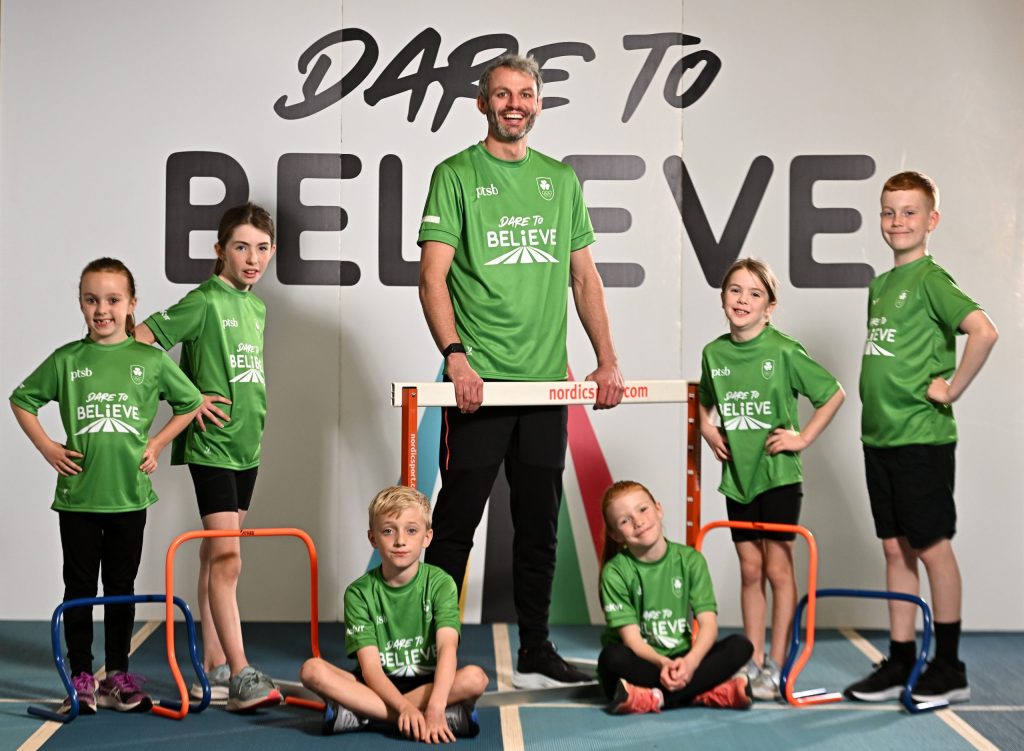
An inspiring event unfolded at a recent primary school assembly when a local Paralympic hero made a special visit to share their incredible journey and inspire the next generation of athletes. The students were in awe as they listened intently to the challenges and triumphs that led this former student to achieve great success at the Paralympic Games.

From Student to Paralympic Champion

The assembly began with an introduction from the school principal, who proudly recounted how this remarkable individual once sat amongst their peers, studying and participating in sports events. Little did they know, their passion for sports would pave the way towards becoming a successful Paralympian. Overcoming physical challenges, this athlete showed immense determination and resilience in their pursuit of sporting excellence.

Sharing Inspiring Stories

The students were captivated by the Paralympian’s vivid recollection of their astounding achievements, including winning multiple gold medals and setting new world records. With each tale, it became clear that behind every success was unyielding dedication, countless hours of training, and strong support from family, friends, and mentors.

Promoting Inclusivity in Sports

Besides recounting personal experiences, the Paralympian used the platform to educate students about inclusive sports programs and debunk common misconceptions surrounding disabilities. Encouraging young learners to be compassionate and understanding towards those who face unique challenges, they emphasized how everyone should have an equal opportunity to participate in sports regardless of ability.

A Lasting Impact on Students

Witnessing their humble beginnings through photos and stories made it easier for the students to relate with this accomplished athlete. It served as a reminder that overcoming obstacles is possible with hard work, perseverance, and a supportive community.

Conclusion

The primary school assembly marked an unforgettable experience for these young students. Through their connection with a Paralympic hero who once shared their classroom, they were motivated to dream big and aspire to their goals while promoting a more inclusive and supportive society in sports. The enthusiasm radiating from these young hearts is a true reflection that this Paralympic hero’s visit will continue to inspire many generations to come.

24 Fun and Simple 1st Grade Anchor Charts

1.Alphabet Chart: A simple, colorful chart displaying all the letters of the alphabet in uppercase and lowercase, accompanied by an easy-to-recognize image for each letter.

2.Numbers 1-20: A fun chart displaying numbers from 1 to 20 with corresponding images for each number to help understand counting and number identification.

3.Days of the Week: A vibrant chart that lists the days of the week in order with accompanying illustrations representing each day.

4.Months of the Year: Introduce students to the months of the year through a beautifully designed chart accompanied by seasonal images to showcase each month.

5.Colors: A rainbow-inspired chart teaching students to identify primary and secondary colors.

6.Shapes: A visually engaging chart displaying various shapes alongside a real-world object example for each shape.

7.Parts of Speech: A clear anchor chart explaining nouns, verbs, adjectives, and pronouns with eye-catching examples to differentiate between them.

8.Simple Sentence Structure: A straightforward guide illustrating how to create a complete sentence using a subject, verb, and object.

9.Classroom Rules: A list of easy-to-follow rules accompanied by illustrations that help students remember expectations in a fun way.

10.Word Families: Three or four basic word family charts displaying common phonetic patterns, such as CVC words or rhyming words.

11.Punctuation Marks: A creative chart explaining different punctuation marks like period, question mark, and exclamation point along with how and when to use them.

12.Telling Time: An interactive clock-inspired anchor chart demonstrating how to tell time by understanding hour and minute hands.

13.Compound Words: A fun illustration depicting how two small words combine into one compound word paired with visual examples.

14.Syllables: An engaging anchor chart showcasing simple strategies like clapping or tapping to break words down into smaller parts or syllables.

15.Fact vs. Opinion: A helpful infographic distinguishing between facts and opinions with colorful examples for each.

16.Reading Strategies: A comprehensive list of reading strategies, like predicting, visualizing, and connecting, to improve students’ reading comprehension.

17.Story Elements: A captivating diagram highlighting essential story elements such as characters, setting, problem, and solution.

18.Weather: An illustrated anchor chart displaying different types of weather and weather-related vocabulary.

19.Seasons: A visually-appealing representation of the four seasons and the characteristics associated with each season.

20.Continents and Oceans: A captivating chart mapping the continents and oceans in a simplified way while introducing geographical terms for young learners.

21.Skip Counting: A chart demonstrating how to skip count by 2’s, 5’s, and 10’s using number lines or counting charts to visualize the concept.

22.Making Plurals: An easy-to-understand guide illustrating how to change singular words into plurals by adding “s” or “es” or making irregular exceptions.

23.Money Matters: An engaging display of different coins and bills with their corresponding names and values for easy identification and understanding of money.

24.Types of Sentences: A colorful chart denoting the difference between declarative, interrogative, imperative, and exclamatory sentences along with examples.

These 24 fun and simple anchor charts will help solidify essential concepts for first-graders while maintaining a playful learning environment in the classroom!

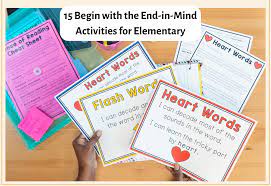
15 Begin with the End-in-Mind Activities for Elementary Students

1. Goal Setting Workshop: Teach students to set SMART (Specific, Measurable, Achievable, Relevant, and Time-Based) goals for themselves. This workshop helps students learn to plan for success by setting realistic yet challenging goals.

2. Vision Board Creation: Have students create vision boards that reflect their interests, dreams, and personal goals. Vision boards give students a tangible medium to visually represent their aspirations.

3. Time Management Lesson: Introduce time management techniques like the Pomodoro Technique or prioritizing tasks within daily schedules. Teaching these skills helps children plan their time effectively as they work toward long-term goals.

4. Personal Mission Statement: Guide students in writing personal mission statements outlining their values and life objectives—helping them clarify what drives them to succeed.

5. Future Letter Writing: Encourage students to write letters to their future selves about their hopes and accomplishments, fostering a sense of purpose and motivation.

6. Seven Habits of Happy Kids Reading: Read “The 7 Habits of Happy Kids” by Sean Covey together as a class to instil essential habits in your students, promoting proactive thinking about their futures.

7. Career Day: Organize a career day where invitees from different professions talk about their experiences, allowing students to explore various paths for their futures.

8. Role Model Presentations: Ask students to research and present role models who embody the principles of beginning with the end in mind—inspiring others to think about actions and consequences positively.

9. Cause and Effect Activity: Teach students how decisions have consequences through cause-and-effect games, developing foresight when making choices that will impact their long-term goals.

10. Responsibility Chart: Create a responsibility chart showing the tasks that need completion every day or week. This visual reminder guides children in acting responsibly while working towards meeting personal expectations.

11. Bucket List Creation: Guide students in creating a “bucket list” of experiences, objects, or achievements they wish for by particular stages of their lives—helping them prioritize future goals.

12. Environmental Impact Study: Students can research and reflect on our actions and decisions’ long-term impacts on the environment, realizing individual choices have global effects.

13. Realistic Expectation Exercise: Teach children to set realistic expectations by breaking big goals into smaller, achievable steps and understanding that setbacks occur even when working diligently.

14. Team Building Exercise: Organize collaborative projects that require long-term planning and resource management. By dividing tasks, delegating responsibilities, and working as a team, students learn how to approach projects strategically.

15. Reflective Journaling: Encourage students to keep reflective journals where they track progress towards goals and visualize future achievements—giving them tangible evidence of personal growth.

These 15 activities provide elementary students with the foundation for beginning with the end in mind, teaching valuable skills that prepare them for their futures while involving their interests, aspirations, and day-to-day experiences.