Elementary Education

travel and transport – Teaching On Ice | Teaching Expertise

Introduction

Travel and transportation play a pivotal role in today’s globalized world. With advances in technology and infrastructure, people can explore various destinations more conveniently and affordably than ever before. In this article, we will examine a unique educational program called “Teaching On Ice” that combines travel, transportation, and learning to offer students an unforgettable experience of exploring the polar regions.

Teaching On Ice: A Revolutionary Approach to Education

Teaching On Ice (TOI) is a pioneering program designed to provide students with profound educational opportunities by immersing them in the Arctic and Antarctic ecosystems. Established in 1999 by Canadian educator Geoff Green, TOI has taken over 1,000 students, educators, and scientists on voyages to the Earth’s farthest frontiers. This unconventional teaching approach seeks to foster a deep understanding of the environment, culture, history, and importance of the polar regions.

Sailing Through Education

Transportation is a fundamental aspect of Teaching On Ice expeditions. Participants travel aboard icebreakers or ice-strengthened ships specifically designed for polar navigation. These vessels are equipped with advanced facilities such as onboard classrooms, lecture halls, laboratories, and libraries. Traveling on these ships allows students not only to visit remote locations but also engages them in real-time experiential learning through practical workshops, research projects, and field excursions.

The Arctic Classroom

One of the main highlights of Teaching On Ice journeys is exploring the Arctic region. The Arctic Circle comprises numerous territories such as Canada’s High Arctic islands, Greenland’s West Coast, Iceland’s Eastern fjords as well as the Svalbard archipelago in Norway. Students get firsthand opportunities to study Arctic wildlife like polar bears and narwhals or understand the effects of climate change on indigenous communities living in these regions.

An Icy Adventure To Antarctica

Antarctica, the Earth’s southernmost continent, is another major focus for TOI expeditions. Boasting unique landscapes and some of the most extreme conditions on our planet, Antarctica provides a perfect learning laboratory for young minds. Students can observe research activities taking place on the icy continent and interact with scientists to discuss the importance of conservation and environmental stewardship.

Imparting Lessons Beyond Academics

Teaching On Ice expeditions go beyond just academics, fostering essential life skills such as leadership, teamwork, adaptability, and perseverance in participants. The program also cultivates a sense of global responsibility among students, encouraging them to become active stewards for the environment and promoting sustainable living.

Conclusion

The innovative Teaching On Ice program successfully integrates travel, transport, and education to provide students with unparalleled learning experiences in Earth’s polar regions. By offering immersive voyages that deepen understanding of these remote environments, TOI enables future generations to appreciate the significance of preserving our fragile ecosystems and working together toward a sustainable future.

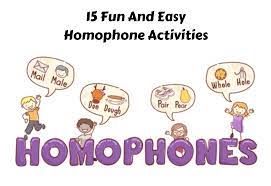
15 Fun And Easy Homophone Activities

Homophones are words that sound the same but have different meanings and spellings, making them a key aspect of language learning. Understanding homophones can sometimes be challenging for students, but there are many fun and easy activities that can help. Here are 15 engaging homophone activities you can use in your classroom or at home.

1. Homophone Bingo: Create a bingo card with different homophones and ask students to identify the correct meaning of each word as they’re called out.

2. Homophone Concentration: Write pairs of homophones on index cards and arrange them face down, then have students take turns flipping cards while trying to match the homophones.

3. Homophone Word Sort: Provide a list of mixed homophones and ask students to sort them into groups with their corresponding homophone partners.

4. Homophone Pictionary: Have students draw pictures to represent various homophones, then challenge classmates to guess the correct word pair.

5. Homophone Charades: Students act out a selected homophone pair for their team to guess within a time limit.

6. Homophone Rhyme Time: Encourage students to write short poems or songs using as many homophones as possible. Share and perform their creations with the class.

7. Homophone Crossword Puzzle: Create crossword puzzles where clues are the definitions of homophones, while answers are the matching word pairs.

8. Homophone Graffiti Wall: Designate an area in the classroom where students can draw or write examples of homophones they find in everyday life or from reading materials.

9. Homophone Jeopardy: Divide the class into teams and create categories, questions, and point values based on different sets of homophones for this interactive game show-style activity.

10. Rainy Day Flashcards: Give each student a flashcard containing a single word. Ask them to write a sentence on the back using the word correctly, then trade cards with a partner and repeat the process with the homophone of their new word.

11. Homophone Speed Race: Write homophone pairs on whiteboards and set the timer. Students work together to discover as many additional homophones as possible within a short timeframe.

12. Homophone Taboo: Similar to Taboo or Catchphrase, this activity challenges students to describe a given homophone without using certain restricted keywords, including its counterpart.

13. Homophone Story Writing: Have students craft a short story that incorporates at least five pairs of homophones, emphasizing proper usage and context.

14. Homophone Memory Chain: Begin by saying a homophone and its meaning, then have the next student repeat the initial pair and add their own, continuing down the line until all students have contributed.

15. Homophone Scavenger Hunt: Create a list of homophones for students to seek out in books, magazines, or online articles within a specified time frame. Encourage collaboration and discussion upon completion.

By incorporating these fun and easy activities into your lesson plans or home learning routines, you’ll be helping students develop a better understanding of homophones while keeping them engaged and entertained.

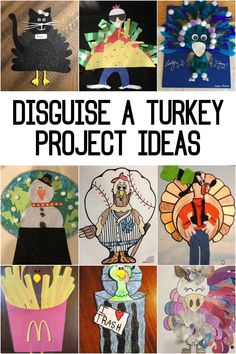
20 Fun and Creative Turkey Disguise Activities for Kids

Thanksgiving is just around the corner, and it’s a great time to engage children in fun and creative activities. One popular activity that sparks kids’ imagination is disguising turkeys so they can escape becoming the main course on Thanksgiving dinner tables! Here are 20 fun and inventive turkey disguise activities that children of all ages will love.

1.Superhero Turkey: Help your turkey save the day by transforming it into a popular superhero, using capes, masks, and other accessories.

2.Princess or Prince Turkey: Dress up your turkey as royalty using tiaras, crowns, and beautiful gowns or princely attire.

3.Camouflage Turkey: Help your turkey blend in with nature by using leaves, twigs, and painted patterns.

4.Sports Star Turkey: Turn your turkey into an athletic champ by dressing it up in various sports uniforms and including sports equipment as props

5.Astronaut Turkey: Send your turkey to outer space by decorating it with a spacesuit and adding celestial elements like stars and planets.

6.Pirate Turkey: Transform your turkey into a swashbuckling pirate with an eye patch, bandana, hook hand, and even a small treasure chest.

7.Rock Star Turkey: Give your turkey some flair with a guitar, microphone, sunglasses, and funky clothing inspired by music legends.

8.Artist Turkey: Dress your turkey as an iconic artist with paintbrushes, colorful palettes, berets, or smocks as accessories.

9.Movie Character Turkey: Dress your turkey as a famous movie character like Harry Potter or Elsa from Frozen – the possibilities are endless!

10.Mythical Creature Turkey: Transform your turkey into a mythical creature like a dragon with scales or a mermaid with fins and sea-themed decorations.

11.Famous Landmark Turkey: Disguise your turkey as the Eiffel Tower, the Statue of Liberty, or any other world-famous landmark using materials and imagination combined.

12.Construction Worker Turkey: Add a hard hat, safety vest, and some tools to turn your turkey into a hardworking construction worker.

13.Chef Turkey: Show off your turkey’s culinary skills by dressing it in a chef hat and apron with kitchen utensils as props.

14.Zoo Animal Turkey: Disguise your turkey as a different animal like a lion or elephant using costumes and even some face paint.

15.Race Car Driver Turkey: Turn your turkey into a speed demon with racing stripes, checkered flags, and steering wheels as accents.

16.Detective Turkey: Give your turkey an investigative edge by dressing it in a trench coat and adding a magnifying glass or spyglass.

17.Historical Figure Turkey: Help your turkey step back in time by dressing it up as renowned historical figures like Einstein, Cleopatra, or George Washington.

18.Emoji Turkey: Transform your turkey into everyone’s favorite texting characters like the laughing face emoji, heart eyes emoji, or even the dancing lady emoji!

19.Snowman/Snowwoman Turkey: Disguise your turkey as winter’s beloved snowman using funny hats, scarves, and buttons to cover up.

20.Rainbow Unicorn Turkey: Merge two beloved mythical creatures by combining feathers in rainbow colors with unicorn horns!

These 20 fun and creative turkey disguise activities will keep children engaged and excited for Thanksgiving. So grab some materials, gather the kids around, and let their creativity soar! Happy disguising!

40 Effective Spelling Activities for Kids

Are you a parent or teacher looking for fun and effective ways to improve your child’s spelling skills? Look no further! This article will provide you with 40 fun and engaging spelling activities to help children master their spelling!

1.Word puzzles: Crossword puzzles and word search games can help young spellers identify words and improve their spelling skills.

2.Rainbow writing: Encourage children to practice the words by writing each letter in different colors. This method turns learning into a fun, creative experience for the kids.

3.Letter scramble: Create letter tiles using paper or foam and ask kids to unscramble the letters to form a word.

4.Hangman: An old favorite, this guessing game helps children practice spelling words while instilling a sense of competition and camaraderie.

5.Silly sentences: Have your child create silly sentences using their spelling words, which will make them more memorable.

6.Flashcards: Use flashcards with pictures to help build word recognition and spelling skills.

7.Rhyming words: Have children practice their spellings by finding rhyming words.

8.Pictionary: Play Pictionary with spelling words, allowing children to visualize the word as they draw it.

9.Chalkboard races: Write the word on a chalkboard or whiteboard and have kids race to write it correctly first.

10.Alphabet beads: Practice spelling with alphabet beads used for jewelry making; string the letters together to create words.

11.Musical chairs with a twist: Play musical chairs but require children to spell a word correctly to remain in the game each time the music stops.

12.Spelling bee contest: Organize a friendly classroom or family contest where children compete against each other to spell a list of words correctly.

13.Interactive online games: Incorporate fun online games that focus on improving spelling skills, like SpellingCity or ABCya.

14.Word slides: Make flashcards that slide to reveal the correct spelling of a word, providing instant feedback for kids.

15.Writing practice: Encourage children to write stories using their spelling words, which helps reinforce learning through repetition.

16.Spelling drills: Create drills with varying difficulty levels to test and improve the child’s spelling abilities over time.

17.Scrabble: Playing Scrabble will not only help build vocabulary but also improve spelling skills.

18.Magnetic letters: Use magnetic letters on a refrigerator or board for hands-on practice and easy rearrangement.

19.Tic-tac-toe spelling: Modify the classic game by requiring players to spell words correctly to claim a space on the grid.

20.Mnemonic devices: Teach kids memory tricks to help them remember difficult spellings.

21.Tablet apps: Use tablet apps designed specifically to help children improve their spelling skills, such as Endless Alphabet or Spelling Monster.

22.Spelling journals: Have kids maintain a journal where they practice and reflect on their progress in learning spellings.

23.Fill-in-the-blank sentences: Create sentences with missing words for your child to complete using their spelling words.

24.Memory game: On index cards, write matching pairs of spelling words and mix them up; have kids turn over pairs of cards, practising their spelling as they match each set correctly.

25.Clay letters: Use clay or playdough to mold the letters of spelling words, helping children engage multiple senses in learning.

26.Leapfrog Spelling Adventures games and activities are great educational tools for young learners who need help with their spelling skills while staying engaged and entertained!

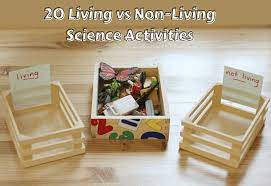
20 Living vs Non-Living Science Activities

Introduction

Exploring the differences between living and non-living things is a fundamental concept in science education. Engaging students through hands-on activities can greatly enhance their understanding of these differences and spark curiosity about the world. This article lists 20 exciting and interactive living vs non-living science activities that can be easily implemented in a classroom or homeschool setting.

1. Nature Scavenger Hunt: Have students explore their surroundings and collect examples of living and non-living things, then classify them accordingly.

2. Plant Observation: Provide each student with a potted plant, and have them observe its growth and care for it over several weeks, monitoring its progress as a living thing.

3. Microscopic Observation: Use microscopes to examine samples of plants, water, and soil to observe living organisms in their natural habitat.

4. Terrarium Building: Students can create mini-ecosystems using both living and non-living components, fostering an understanding of how they interact.

5. Aquatic Exploration: Have students investigate a pond or aquarium environment to identify living organisms versus non-living objects.

6. Decomposition Experiment: Set up controlled environments with various objects (such as food, paper, plastic) and observe how long it takes each one to decompose as an example of a living versus non-living process.

7. Baking Soda Volcano: Demonstrate the difference between organic life processes (like respiration) and non-living chemical reactions (such as the classic vinegar-baking soda reaction).

8. Seed Germination Comparison: Provide seeds pre-soaked in water against seeds that haven’t been soaked for students to observe which ones germinate faster, demonstrating how water is essential for life.

9. Artificial vs Natural Ecosystems: Compare real-world examples of artificial ecosystems (e.g., zoos) with natural ones (e.g., a forest) and discuss the influence of humans on living organisms within these environments.

10. Breathing Experiment: Students hold their breath and observe how the body needs a continuous supply of oxygen to function, illustrating the difference between living and non-living matter.

11. Play-Doh Habitats: Have students create habitats using both living components (such as plants and insects) and non-living elements (like rocks and soil) to represent various ecosystems.

12. Living vs Non-Living Sorting Game: Using photographs or physical objects, challenge students to categorize items into groups of living and non-living things.

13. Fossil Exploration: Study fossils to explore evidence of past living organisms and discuss how their remains have changed over time.

14. Rescue the Worms: Have students retrieve worms from a mixture of soil, leaves, and rocks while discussing the physical characteristics that differentiate living from non-living things.

15. Habitat Construction: Students work in teams to construct habitats designed to support specific living organisms, considering appropriate resources for their survival.

16. Create a Food Web: Use drawings or craft materials to build a food web, demonstrating the interconnectedness of different living organisms.

17. Photosynthesis Experiment: Design an experiment showcasing how plants transform sunlight into energy (a process unique to living things).

18. Pollution’s Impact: Explore the detrimental effects of pollution on living organisms by observing polluted environments and discussing potential consequences.

19. Observing Life Cycles: Study the life cycles of various organisms (such as insects, amphibians, or plants), emphasizing the stages that characterize all living things.

20. The Importance of Water: Conduct experiments highlighting the role water plays in supporting life, such as examining drought-tolerant plants or exploring aquatic ecosystems.

10 Inventive David & Goliath Craft Activities For Young Learners

Introduction

The story of David and Goliath is an inspiring and exciting example of overcoming obstacles, showcasing the importance of courage and faith. Teach young learners about this timeless biblical tale with these 10 inventive David & Goliath craft activities, suitable for various age groups.

1. Stone Slingshot Craft

Create a slingshot using popsicle sticks, rubber bands, and a small piece of fabric. This activity teaches children the importance of resourcefulness and problem-solving while engaging in imaginative play.

2. Goliath Footprint Collage

Using large cardboard cutouts in the shape of footprints, have children add colorful paper, fabric, or paint to create their rendition of Goliath’s massive feet. The outcome will encourage discussion on size differences and facing fears.

3. David & Goliath Clay Figures

Provide molding clay for kids to sculpt their own versions of David and Goliath. This hands-on activity fosters creativity while teaching children about the characters’ contrast in physical appearance and underlying strengths.

4. Storyboard Creation

Encourage young learners to draw or write key moments from the story on individual note cards to create storyboard sequences. This activity helps improve fine motor skills while reinforcing a fundamental understanding of the story’s plot.

5. Five Smooth Stones Painting

Provide five smooth stones for each child to paint or decorate as a keepsake for this inspiring story. The painted stones can be kept as a reminder that small actions can create significant impact.

6. David’s Sheep Origami Craft

Teach the art of origami by folding paper into sheep shapes to represent David’s role as a shepherd before facing Goliath. This activity offers an opportunity to practice patience and focus while learning about David’s humble beginnings.

7. Giant vs Small: Sensory Bin Play

Create two sensory bins filled with different materials, one representing Goliath and the other David. Children can explore the contrasting sizes and textures, allowing them to engage with the narrative in a tactile manner.

8. Paper Plate Goliath

Young learners can use paper plates, construction paper, and various craft materials to create their own giant Goliath faces. This craft encourages facial expression recognition and allows for plenty of creativity.

9. David’s Harp Craft

Construct a simple harp out of cardboard, string, and beads for children to decorate and use as a prop when retelling the story. This engaging craft showcases the importance of music in biblical times and serves as a reminder of David’s many talents.

10. Act out the Story

Equip kids with props like the slingshots, harps or paper plate Goliaths from earlier activities to participate in a dramatized reenactment of the story. Alongside creativity, this performance reinforces public speaking, teamwork, and confidence in young learners.

Conclusion

These 10 inventive David & Goliath craft activities are perfect for teaching young learners about courage, faith, and perseverance in a fun and engaging way. Whether at home or in a classroom setting, these projects will foster creativity, discussion, and hands-on exploration while providing a memorable learning experience for all involved.

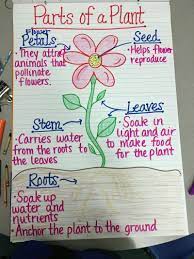
22 Fun And Engaging Activities To Learn About The Parts Of A Plant

Introduction:

The world of plants is fascinating, and teaching children about their different parts can be an enjoyable and engaging experience. In this article, we will explore 22 creative activities that will help students learn about the various components of plants while having a great time. So, without further ado, let’s dive in!

1. Label the Parts: Draw or print out a large diagram of a plant with its basic parts like roots, stem, leaves, and flowers. Provide sticky notes or markers for kids to label each part.

2. Plant Dissection: Bring in real plants for kids to dissect carefully and analyze the different parts.

3. Nature Walk: Go on a nature walk and observe various plant parts in their natural environment.

4. Create a Plant Part Collage: Have children collect various plant parts like leaves, flowers, seeds, etc., to create a collage that showcases all the different components.

5. Plant Part Scavenger Hunt: Make a list of plant parts (e.g., leaf, branch, root) and have students find examples from their neighborhood or school grounds.

6. Edible Plant Parts: Discuss which plant parts are edible (such as carrots – roots, spinach – leaves) and let children taste some samples.

7. Seed Sorting: Provide an assortment of seeds for students to sort by size, shape, or color.

8. Clay Model Creation: Have kids create clay models of different plant parts and label them accordingly.

9. Plant Part Charades: Play a game where kids act out different plant parts while others guess what they are representing.

10. Match Game: Give each child cards with pictures of various plants and another set of cards illustrating individual parts – they must match each part to its respective plant.

11. Mini Greenhouse Experiment: Grow small plants inside clear plastic containers to observe how roots, stems, and leaves grow.

12. Plant Part Dance: Play music and have children dance and move like various plant parts (e.g., sway like a stem, wiggle like a root).

13. Vegetative Propagation: Teach kids how to propagate plants through leaf or stem cuttings.

14. Flower Anatomy: Use diagrams to teach about the different parts of flowers (petals, stamens, pistil) and their functions.

15. Leaf Rubbing Art: Let children create artwork by placing leaves under paper and rubbing crayons over it to reveal intricate leaf patterns.

16. Root Viewer: Set up clear containers with soil, water, and seeds so that children can observe root development over time.

17. Cross-section Drawings: Have children create detailed drawings of cross-sections of various plant parts (e.g., a stem’s inner structure).

18. Seed Germination: Teach kids how seeds need specific conditions for germination by planting seeds in different environments (light/dark, wet/dry).

19. Plant Part Poetry: Invite students to write short poems inspired by different plant parts.

20. Growing Different Types of Plants: Compare the growth and characteristics of various plant species.

21. Photosynthesis Experiment: Set up an experiment to demonstrate photosynthesis by placing a plant in sunlight and tracking the production of oxygen bubbles underwater.

22. Virtual Field Trips: If outdoor field trips aren’t possible, explore virtual gardens or botanical centers online to learn more about plant parts.

Conclusion:

Learning about plants can be enjoyable and engaging when incorporating these 22 creative activities into your lesson plans! By exploring different approaches to teaching about the various parts of a plant, you’ll provide students with a wealth of knowledge while keeping them engaged in their learning journey. Happy planting!

10 Phonics-Building Activities for Teaching and Practicing K-2 Literacy Skills

Introduction:

Phonics is a crucial aspect of early childhood literacy. By helping students understand the relationship between letters and sounds, phonics can act as the foundation for their reading, writing, and communication skills. This article offers 10 engaging and interactive phonics-building activities for K-2 educators that can be easily implemented into the classroom or at home.

1. Alphabet Bingo

With alphabet bingo, children will develop an understanding of both letter recognition and letter sounds. Create bingo cards with various letters, and call out either the letter name or its sound as students try to find it on their card.

2. Letter Tracing

By using their fingers or a writing tool, students can practice tracing different letters on paper or sand trays. This activity helps them learn letter formation while also bridging the gap between visual recognition and muscle memory.

4. Word Family Sort

Tech children about word families by assigning a specific onset or rime (e.g., “at”) to each child. Then, invite students to sort words based on these patterns, allowing them to see similarities within groups of words and understand how sounds make up words.

4. Sound Matching

Create pairs of flashcards with letters and corresponding images (e.g., b-bat). As children pair together the item with its beginning sound, they’ll become more adept at connecting initial sounds to the appropriate letter.

5. Spelling with Manipulatives

Engage tactile learners by using manipulatives such as magnets or letter tiles for spelling activities. Kids can spell familiar words or even blend simple consonant-vowel-consonant (CVC) words while physically placing the individual pieces.

6. Picture Mystery

Hide pictures around your classroom or home that have specific phonetic elements (e.g., short vowel sounds). Children will identify the hidden phonetic feature in each picture, promoting their analytical thinking about sounds in words.

7. Phonics Hopscotch

Draw a hopscotch grid with letters or digraphs (e.g., sh, ch) in each square. Students will hop through the grid, sounding out each letter or digraph as they land on it. This activity promotes physical movement and phonics reinforcement.

8. Phoneme Substitution

Challenge children to substitute specific phonemes in given words (e.g., change the first sound in “cat” to /r/). This activity helps children understand how altering one sound can create a new word.

9. Rhyming Pairs

Give students a list of rhyming words to match together, developing their ability to recognize patterns and similarities among different words.

10. Reading Chain

In small groups or as a whole class, students take turns reading one word at a time from a sentence or story, connecting the text orally as they go. This practice highlights the importance of decoding skills and collaborative learning.

Conclusion:

Implementing these 10 phonics-building activities into your curriculum can cultivate critical literacy skills for K-2 learners. By making learning interactive and engaging, children will progress smoothly through their early reading journey while having fun along the way!

20 Fun-filled Science And Superhero Activities With The PBS Hero Elementary Gang!

Are you ready for some exciting, super-powered activities that bring together superhero and science themes? Join the PBS Hero Elementary Gang for 20 fun-filled adventures that will keep kids entertained and educated!

1. Make Your Own Superhero: Encourage creativity by having kids make an original superhero with unique powers based on scientific principles.

2. Explosive Experiments: Fill balloons with a baking soda and vinegar combination to create controlled explosions.

3. Hovercraft Racing: Build a DIY hovercraft with CDs and balloons to understand how air pressure works.

4. Light-Up Superhero Masks: Use LED lights and circuits to illuminate homemade superhero masks.

5. Crystal Growing Labs: Create beautiful crystals using household items, such as Epsom salt and bluing agents.

6. Elastic Powers: Learn about elasticity with rubber band experiments testing their stretches and launches.

7. DIY Lava Lamps: Explore density and chemical reactions with homemade lava lamps using oil, water, food coloring, and Alka-Seltzer tablets.

8. Invisible Ink Messages: Experiment with lemon juice or milk to create invisible ink that becomes visible when heated.

9. Rocket Launch: Construct miniature rockets powered by baking soda and vinegar to study chemical reactions and motion.

10. Weather Superpowers: Become a weather expert with hands-on activities examining precipitation, cloud formation, and weather patterns.

11. Static Electricity Magic: Experience the power of static electricity using balloons to attract various objects (e.g., hair or paper scraps).

12. Earthquake Simulation: Build an earthquake simulation platform using marshmallows and toothpicks to study the effects of seismic activity.

13. Tornado in a Bottle: Witness the power of tornadoes by constructing one in a bottle, showing the strong swirling force of water vortexes.

14. Edible Slime Lab: Create edible slime using simple ingredients like cornstarch, sugar, and food coloring to explore viscosity.

15. Glow-in-the-Dark Science: Experiment with glow sticks and highlighters to learn about phosphorescence, chemiluminescence, and bioluminescence.

16. Superhero Stomp Rockets: Build powerful stomp rockets using empty soda bottles, launching them into the sky with a leap of superhero strength.

17. Magnetism Mysteries: Unravel the secrets of magnetism with various magnet-related activities such as creating magnetic slime and painting with magnets.

18. DNA Extraction: Extract actual DNA from fruits or vegetables in a simple experiment showcasing basic genetics concepts.

19. Conductive Playdough: Craft playdough infused with salt to conduct electricity and light up small LED lights.

20. Solar Oven Engineering: Harness sunlight to build a DIY solar oven, demonstrating how solar energy can be converted to heat.

The PBS Hero Elementary Gang is here to inspire budding superheroes and curious scientists alike, turning learning into an adventure! These 20 engaging activities will get kids’ brains firing while they have an absolute blast. So let your imaginations soar, put on your capes and lab coats, and jump into the world of science and superheroes!

30 5th Grade Books To Prepare Your Child For Middle School

As your child transitions from elementary to middle school, it’s essential to provide them with books that challenge their reading skills and prepare them for the more advanced topics they’ll face. Here is a list of 30 books suitable for 5th graders that will not only entertain but also help them grow as readers and individuals.

1.Wonder by R.J. Palacio

2.The Giver by Lois Lowry

3.Holes by Louis Sachar

4.Bridge to Terabithia by Katherine Paterson

5.Matilda by Roald Dahl

6.Harry Potter and the Sorcerer’s Stone by J.K. Rowling

7.The One and Only Ivan by Katherine Applegate

8.Because of Winn-Dixie by Kate DiCamillo

9.The Westing Game by Ellen Raskin

10.Hatchet by Gary Paulsen

11.Number the Stars by Lois Lowry

12.The Phantom Tollbooth by Norton Juster

13.The Secret Garden by Frances Hodgson Burnett

14.Charlotte’s Web by E.B White

15.Percy Jackson and the Lightning Thief by Rick Riordan

16.Esperanza Rising by Pam Muñoz Ryan

17.Frindle by Andrew Clements

18.Out of My Mind by Sharon M. Draper

19.A Wrinkle in Time by Madeleine L’Engle

20.Bud, Not Buddy by Christopher Paul Curtis

21, Tuck Everlasting by Natalie Babbitt

22, The Lion, the Witch, and the Wardrobe by C.S Lewis

23.Coraline by Neil Gaiman

24.Tales of a Fourth Grade Nothing by Judy Blume

25, Harriet the Spy by Louise Fitzhugh

26, Island of the Blue Dolphins by Scott O’Dell

27.Little House on the Prairie series by Laura Ingalls Wilder

28.The Chronicles of Narnia series by C.S Lewis

29.The Lightning Thief by Rick Riordan

30, Maniac Magee by Jerry Spinelli

These books cover a range of topics, from friendship and family struggles to fantasy and adventure, allowing your child to explore various genres and themes. Encourage your 5th grader to read these books independently or make it a family activity by reading together and discussing the stories. These engaging and thought-provoking books will help prepare your child for middle school while fueling their love for reading.