Elementary Education

Enrichment Activities: Internet Safety and Animals for Peace

Introduction

In today’s fast-paced world, the internet has become an essential tool for communication, learning, and entertainment. With its immense potential comes the responsibility of ensuring the safety of its users, especially children. On the other hand, animals have played a vital role in promoting peace and harmony among communities throughout history. This article highlights the importance of enrichment activities centered around internet safety and animals for peace.

Internet Safety Enrichment Activities

With children spending more time online, it is crucial to create awareness about potential risks and provide guidance on how to stay safe while navigating the digital landscape. Here are some educational activities that can help teach kids about internet safety:

1.Online Safety Pledge: Encourage kids to take an online safety pledge that outlines the rules of responsible behavior while using the internet, such as not sharing personal information with strangers and reporting any inappropriate content to adults or authorities.

2.Digital Footprint Activity: Teach kids about their digital footprint by having them draw a timeline of their activities online, including websites visited and social media accounts created. This reinforces the idea that what they do online can have lasting consequences.

3.Cyberbullying Roleplay: Organize a roleplay activity where children act out various scenarios involving cyberbullying to help them recognize and respond to this issue.

Animals for Peace Enrichment Activities

Animals have a unique ability to bridge gaps between people and bring communities together. By harnessing this power, enrichment programs can promote peace using animals as ambassadors. Some examples include:

1.Therapy Animals: These specially trained animals – often dogs or cats – can provide comfort and emotional support for people in stressful situations, such as hospitals or disaster areas. Organize a visit from a therapy animal program to teach kids about empathy and compassion.

2.Conservation Education: Raise awareness about endangered species by incorporating these animals into art or storytelling projects, demonstrating the importance of protecting wildlife and their habitats for the benefit of all living creatures.

3.Service Learning with Animals: Organize a community service project that involves working with animals, such as volunteering at a local animal shelter or wildlife rehabilitation center. This provides hands-on experience that strengthens community bonds and encourages responsible stewardship of the earth’s creatures.

Conclusion

Enrichment activities focusing on internet safety and animals for peace can help shape a generation of responsible and compassionate digital citizens who value the power of unity and understand the importance of coexistence. By educating kids about potential online risks and helping them forge meaningful connections with the natural world through animals, we are nurturing empathy and instilling essential life skills for a peaceful future.

18 Clever Word Building Activities for Kids

1.Scrabble Tile Hunt: Hide scrabble tiles around the house and have the kids find them, making words with the tiles they find.

2.Letter Maze: Create a maze on a large piece of paper with letters along the path. Have children follow the path and read the word once they reach the end.

3.Alphabet Train: Assign each child a letter from the alphabet and have them form words by arranging themselves in a line.

4.Magazine Word Collage: Give children old magazines and have them cut out letters to create a collage of words on a poster board.

5.Word Relay Race: Divide children into teams and assign each team a word. Each child runs to a board, writes one letter of the word, and passes the marker to the next teammate.

6.Scrabble Junior: Play a simplified version of Scrabble, using pictures as hints for younger children.

7.Blindfolded Letter Sorting: Have children sort letter magnets by touch alone while blindfolded.

8.Alphabet Pasta Art: Use alphabet pasta to create words on construction paper, gluing them down with white glue.

9.Hangman: Play Hangman with each child selecting words for their opponents to guess.

10.Build-a-Word Legos: Write letters on small Lego pieces and allow children to build words by connecting letters together.

11.Sticky Note Story: Tell an improvised story written in short sentences on sticky notes, which your child can then rearrange into different stories or sentences.

12.Spelling Memory Game: Create pairs of cards with matching words or pictures for a spelling memory game.

13.Letter Dodgeball: Write letters on dodgeballs and have one person call out a word while other kids try to catch dodgeballs to create that word.

14.Mystery Word Bag: Fill a bag with small items representing specific words, allowing kids to feel inside and guess the corresponding words.

15.Word Ladder: Create an ascending or descending word ladder, with each step changing one letter from the previous word.

16.Sight Word Twister: Write sight words on pieces of paper and have kids stand on them as they play Twister.

17.Alphabet Soup Scrabble: Use alphabet soup noodles to create word-based meals on plates or in bowls.

18.Touch-and-Guess Sentence Builder: Blindfold a child and have them touch objects or textures with corresponding words written on cards, then arrange those cards to form a sentence that describes their experience.

25 Creative Things to do with Kids’ Artwork

Introduction:

Kids are budding artists, and their creativity knows no bounds! As parents, we cherish our children’s artwork and often struggle to find the perfect way to showcase and preserve their masterpieces. Here are 25 imaginative ways you can make use of your little artist’s creations:

1.Create a gallery wall: Dedicate a wall or hallway to display your child’s artwork, giving it a professional and organized appearance.

2.Make a scrapbook: Compile and arrange their artwork in a scrapbook, complete with dates and special memories.

3.Fridge magnets: Display masterpieces on the fridge with decorative magnets, allowing you to rotate them frequently.

4.Digitize the art: Scan the artwork and create a digital collection that can easily be shared with friends and family.

5.Custom calendar: Turn your child’s art into a unique yearly calendar.

6.Personalized greeting cards: Re-purpose art as greeting cards for holidays or birthdays, adding a special touch for loved ones.

7.Create a quilt: Sew together various art pieces into an incredible homemade quilt, perfect as a cozy blanket or wall hanging.

8.Transform it into jewelry: Craft unique necklaces or keychains using shrink plastic and the kids’ designs.

9.Photo album: Print high-quality photos of your child’s work and arrange them in an album sorted by year.

10.Custom jigsaw puzzles: Turn pieces of art into jigsaw puzzles for hours of family fun!

11.Lampshade gallery: Affix your child’s creations onto lampshades, giving their room an artistic touch.

12.DIY placemats: Laminate the artwork and turn them into colorful placemats for dinnertime conversation starters.

13.Memory box: Store physical copies of the art in a decorative box or chest as precious keepsakes.

14.Gift wrap paper: Make gift-giving extra meaningful by using artwork as wrapping paper.

15.Create a slideshow: Compile digital images into a moving slideshow accompanied by music and voiceovers.

16.Custom tote bags: Print your little one’s art pieces onto reusable tote bags.

17.Mobile masterpiece: Fashion a rotating mobile that hangs in their room, showcasing incredible artwork.

18.T-shirt designs: Transfer the artwork onto t-shirts for a custom fashion statement.

19.DIY coasters: Transform your child’s mini-masterpieces into functional and creative coasters.

20.Picture frame matting: Embellish picture frames with the kids’ artwork as customized matting.

21.Art into embroidery: Convert the art into embroidery patterns for beautiful and unique textile creations.

22.Decorative throw pillow: Print the art onto fabric to make colorful throw pillows for their room or living area.

23.Fabric bookmarks: Use fabric versions of their best pieces to create one-of-a-kind bookmarks.

24.Custom ornaments: Turn your child’s art into festive ornaments to adorn your holiday tree or to gift loved ones during the holidays.

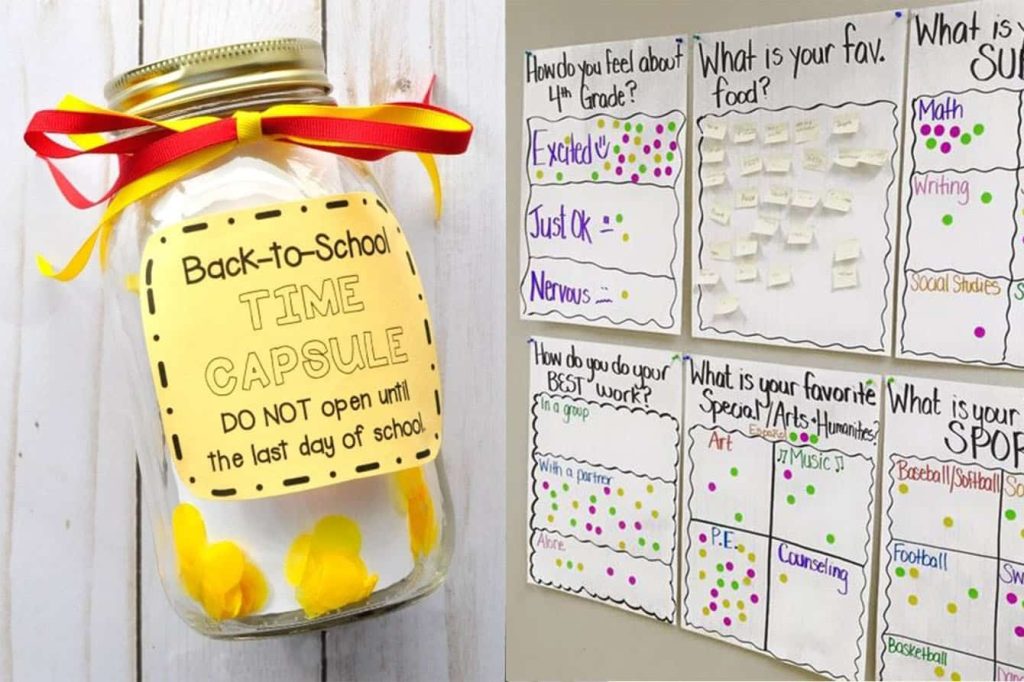
25.Time capsule: Preserve selected artwork in a time capsule to be opened years later, revealing precious memories.

Conclusion:

There are countless ways to cherish and showcase your children’s artwork, giving them a sense of pride and accomplishment in their creative skills. With these 25 ideas, you’ll never run out of inspiration or space for displaying their unique masterpieces!

20 4th Grade Classroom Ideas To Make Yours Every Student’s Favorite!

1. Flexible Seating: Offer a variety of seating options, such as bean bags, floor cushions, low stools, and chairs at different heights to provide a comfortable learning environment.

2. Interactive Whiteboard: Incorporate an interactive whiteboard in the classroom to encourage student engagement and collaboration during lessons.

3. Classroom Library: Create a cozy reading corner with a diverse collection of books to foster a love for reading among your students.

4. Inspirational Quotes: Display inspirational quotes or growth mindset posters on the walls to motivate and encourage positivity.

5. Class Garden: Involve students in creating a class garden, where they can learn about the life cycle of plants and the importance of sustainability.

6. Art Space: Designate an area for creative expression, stocked with art supplies such as paints, crayons, markers, and colored pencils.

7. Classroom Pets: Introduce low-maintenance classroom pets, like fish or small reptiles, to teach responsibility and empathy towards animals.

8. Themed Decorations: Choose an exciting theme for your classroom and decorate accordingly with posters, props, and student artwork.

9. Subject Stations: Designate areas within the classroom for different subjects (Math, Science, Language Arts), equipped with relevant materials for hands-on learning activities.

10. Calm Down Corner: Create a quiet space stocked with calming materials like sensory items or soft cushions where students can go when they need to regain focus or relax.

11. Class Jobs System: Assign class jobs to students that rotate weekly, instilling a sense of ownership and responsibility while building teamwork skills.

12. Morning Meetings: Start each day with morning meetings to set goals, reflect on achievements and discuss any challenges for the day ahead.

13. Personalized Name Tags: Customize name tags for your students’ desks using their interests or allowing them to decorate their name tags themselves.

14. Student Work Showcase: Dedicate wall space for displaying students’ best work to recognize their accomplishments and boost confidence.

15. Encourage Collaboration: Arrange desks in groups or use round tables to promote teamwork and cooperation among students during activities and projects.

16. STEM Learning Centers: Incorporate STEM learning centers in your classroom setup to encourage problem-solving, critical thinking, and creativity.

17. Multiculturalism: Display a variety of cultural items, maps, and flags to promote diversity and inclusivity in your classroom.

18. Birthday Celebrations: Recognize each student’s birthday by decorating their desk and including a special birthday-related activity during the day.

19. Reflection Station: Develop a reflection station where students can privately record their thoughts, accomplishments, and challenges throughout the year in a designated journal.

20. Color Code Organization: Use color-coded bins or labels to keep the classroom organized, with each subject or activity having its own designated color for easy identification and tidy up.

With these 20 engaging 4th-grade classroom ideas, you’ll be well on your way to creating a fun, vibrant, and inclusive learning space where every student feels valued and excited about learning!

23 Fun Periodic Table Activities For Kids

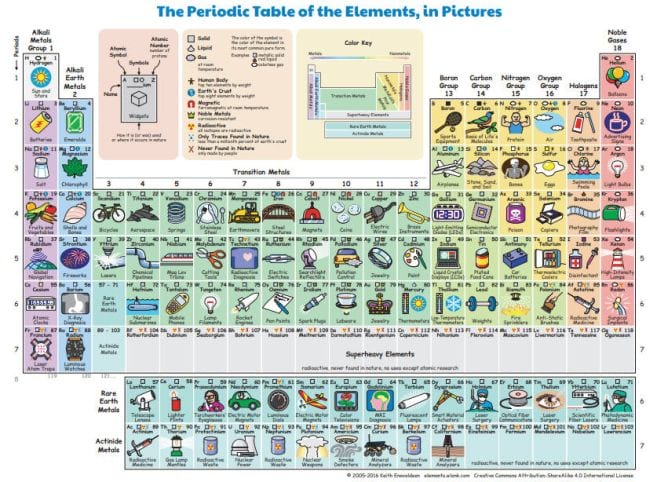
Introducing the periodic table to kids can be a challenging task, but making it fun and engaging can help them develop an interest in chemistry and science. Here are 23 fun periodic table activities that your kids will surely enjoy:

1. Periodic Table Puzzle: Cut out element tiles from the periodic table and have your kids put them together like a jigsaw puzzle.

2. Element Flashcards: Create flashcards with element names and symbols for a quick memorization game.

3. Elemental BINGO: Design BINGO cards using element symbols, and call out element names as clues.

4. Atomic Cookies: Bake cookies in the shape of atoms, labeling each with edible markers to represent their atomic number and symbol.

5. Balloon Molecules: Use balloons to create various molecules by connecting them with strings that represent bonds.

6. Edible Periodic Table: Use candy, fruits, or other snacks to create a delicious periodic table representation.

7. Color-Coded Elements: Have kids color-code elements based on their group (e.g., metals, non-metals, noble gases).

8. Periodic Table Treasure Hunt: Hide printed element cards around your home, and have your kids search for them using clues related to each element’s properties.

9. Atomic Number Race: Have kids compete to arrange elements from lowest to highest atomic numbers.

10. Element Word Search: Create a word search puzzle using element names for a fun vocabulary challenge.

11. Element Symbol Matching Game: Print two sets of element symbols and play a memory match game with your kids.

12. Element Skits: Assign each child an element and have them research its properties, then act out a short skit showcasing their findings.

13. Elemental Storytelling: Use the elements as inspiration for fictional stories or comics that teach about their properties and uses.

14. Periodic Table Scavenger Hunt: Have kids find household items made from various elements (e.g., aluminum, copper, iron).

15. Atom Model Craft: Use Styrofoam balls and pipe cleaners to create 3D atom models for each element.

16. Periodic Table Battleship: Adapt the classic game of Battleship using element symbols as grid positions.

17. Element Trading Cards: Create trading cards featuring different elements, complete with interesting facts, properties, and uses.

18. Element Charades: Act out clues related to an assigned element while your kids guess which element it is.

19. Elemental Music: Write songs or rhymes about the elements to make learning more memorable.

20. Periodic Table Quiz Show: Host a quiz show-style competition with questions about the elements and their properties.

21. Chemical Reaction Experiments: Perform safe experiments at home that demonstrate the properties of various elements and the outcomes of combining them.

22. Virtual Periodic Table Exploration: Utilize online resources and interactive periodic tables to discover more about each element and their applications.

23. DIY Periodic Table Journal: Encourage your kids to create a personalized periodic table journal where they can record information on each element as they learn about them.

These fun-filled activities will not only help your kids explore the fascinating world of the periodic table but also inspire a love for chemistry and science as they see its relevance in everyday life.

21 Educational Digital Word Games for School-aged Kids

In the age of digital technology, educators and parents are constantly looking for innovative ways to make learning fun and engaging for school-aged children. Word games are an excellent tool for helping students develop their literacy skills, expand their vocabulary, and reinforce spelling concepts. Here is a list of 21 educational digital word games designed specifically for school-aged kids.

1.ABCya Word Clouds: This game allows children to create word clouds by inputting their favorite words or text from a story or poem. It encourages creativity and language learning.

2.Boggle With Friends: Based on the popular board game, players race against the clock to find as many words as possible by connecting adjacent letters.

3.Chicktionary: This adorable game has players create words from a set of jumbled letters while cute animated chickens offer plenty of encouragement.

4.Cliffhanger: Players must complete sentences with the correct missing word to help a character climb up a cliff and reach safety.

5.Crossword Puzzles: Teach kids problem-solving and language skills with age-appropriate crossword puzzles available on various websites and apps.

6.Hangman: The classic game of Hangman can be played digitally, providing endless possibilities for word challenges.

7.JumbleKids: Targeted for elementary school students, JumbleKids offers daily word scramble puzzles suitable for different age groups.

8.Learning Games For Kids Word Searches: Children can enjoy various themes and levels of difficulty in these online word search puzzles.

9.Lexica: This adventure game lets players solve word puzzles using fragmented tiles to unlock different areas of a virtual library.

10.Merriam-Webster Quizzes: Engage kids with quizzes exploring synonyms, antonyms, idioms, and more from this renowned dictionary’s website.

11.Monkey GO Happy Words: In this puzzle-solving game series, young players search for hidden words to make their cute monkey character happy.

12.Mystery Word Town: Players become word sleuths as they explore a Wild West-themed town and solve word challenges to progress.

13.Pictoword: In this game, kids combine two images to form a new word, – an excellent option for visual learners.

14.Quiddler: A challenging card game that pushes players to create words from their set of cards with point values that determine the winner.

15.Scrabble GO: The digital version of this classic board game is perfect for improving vocabulary while competing with friends or against computer opponents.

16.Sight Words Ninja: In this fast-paced game, children practice recognizing English sight words while slicing and dicing them like a ninja.

17.SpellingCity: With an array of spelling games and activities, SpellingCity makes learning even the most challenging words fun.

18.Wordfeud: This multiplayer game offers the chance to compete with other players by creating words on a virtual game board.

19.Word Hurdles: Kids test their vocabulary skills in a race against time as they jump over hurdles made of letters and attempt to spell the given word.

20.Word Wipe: Fast-paced and addictive, players find and connect adjacent letters to form new words before time runs out.

21.Wordbrain: In this popular puzzle game, kids swipe tiles to form words and challenge themselves through increasingly difficult levels.

These 21 digital word games not only entertain but also enhance literacy skills for school-aged children. By integrating these games into students’ educational routines, parents and educators can help students develop a lifelong love of learning and language mastery.

15 Inquiry Activities for Elementary Students

1.Plant Growth Experiment: Have students plant seeds in pots and observe their growth over time while adjusting the variables like water, sunlight, and soil.

2.Animal Habitats: Let students research different animal habitats by bringing in small creatures like insects or worms. They can then recreate a habitat and observe their behaviors.

3.Shadow Tracing: Encourage outdoor exploration by having students trace shadows using chalk throughout the day to understand how the sun moves across the sky.

4.Sink or Float: Fill a tub with water and invite students to discover which objects sink and which float by experimenting with various items like fruits, toys or coins.

5.Mystery Box: Place an object inside a box with a small opening that allows them to feel but not see it. Let students ask questions and make observations to identify the object.

6.Weather Journal: Help students create a weather journal to record daily weather observations like temperature, cloud cover, and precipitation.

7.Water Cycle Model: Challenge students to create a model of the water cycle using plastic wrap, ice cubes, and a heat source like a lamp.

8.Simple Machines Scavenger Hunt: Teach basic physics concepts by organizing a scavenger hunt where they need to identify different simple machines such as levers, pulleys, and ramps around their school or home.

9.Magnet Masterpiece: Inspire creativity by providing various magnetic objects such as paper clips, bottle caps, or coins and guiding them to create art using magnets on a magnetic surface.

10.Taste Test Challenge: Promote scientific inquiry by having groups of students compare the tastes of different apples or other fruits while blindfolded.

11.Sound Experiment: Teach sound waves and vibrations by demonstrating how sounds can be created through different actions like plucking strings, striking surfaces or blowing into containers filled with water at various levels.

12.Eco-Friendly Inventions: Encourage students to design and create their eco-friendly products using recycled materials, such as plastic bottle planters or newspaper seedling pots.

13.Math Mysteries: Give the class a variety of math puzzles and riddles to solve. This nurtures analytical thinking tied to math concepts.

14.DIY Fingerprint Analysis: Teach them about fingerprints with an activity that involves analyzing their print patterns and studying others to compare and contrast similarities and differences.

15.Rube Goldberg Machine: Spark curiosity and creativity by challenging students to design and build a Rube Goldberg machine, using everyday materials to achieve a simple task through multiple complex steps.

These 15 inquiry activities promote critical thinking, curiosity, and problem-solving in elementary students, laying the foundation for lifelong learning.

The Perfect Math Challenge for K-2 Kiddos – And It’s Free!

Introduction:

Mathematics is a vital skill that lays the foundation for a child’s future success. Introducing math challenges to young students can aid in building mental agility, problem-solving skills, and confidence. For K-2 kids, we present the perfect math challenge that not only engages their minds but is also free of cost!

The Perfect Math Challenge: Math Puzzler for K-2 Kiddos

The perfect math challenge for K-2 kiddos involves a series of engaging, age-appropriate mathematical puzzles called the “Math Puzzler.” These puzzles are designed to enhance basic math concepts such as addition, subtraction, counting, and more. As a free resource, parents and teachers can rely on it for educating their children in an enjoyable and stimulating environment.

Why Choose Math Puzzler for K-2 Students?

1. Adaptability: The Math Puzzler has been developed considering the diverse learning abilities of K-2 students. The level of difficulty gradually increases as the child moves from one challenge to another, ensuring that they remain motivated while enhancing their cognitive capabilities.

2. Creative Engagement: Through colorful images, intriguing animations, and lively sound effects, the Math Puzzler invites kids into an interactive and captivating world of mathematics.

3. Comprehensive Content: The Math Puzzler covers an array of mathematical concepts such as addition, subtraction, shapes recognition, patterns identification, measurement comparisons, number sense development, among others.

4. User-friendly Interface: With easy navigation and a child-friendly interface, K-2 kiddos can swiftly access different challenges that cater to their specific needs.

5. Performance Tracking: The Math Puzzler enables parents and teachers to track a child’s progress over time via a reporting feature that highlights areas for improvement.

How to Access the Free Math Puzzler

To access this amazing resource, simply visit the Math Puzzler website and sign up for a free account. Browse through the diverse range of puzzles and let your K-2 kiddos embark on their journey to math proficiency.

Conclusion:

Introducing the perfect math challenge for K-2 kiddos is an essential step towards nurturing a love for mathematics early in life. The free Math Puzzler offers engaging, adaptable, and comprehensive content that will foster skills and confidence in young learners while preparing them for a promising academic future. Don’t miss out on this excellent opportunity to empower your children with crucial mathematical skills, all at no cost!

14 Dino-Mite Dinosaur Videos for the Classroom

Introduction

Dinosaurs have always been a fascinating topic for children and adults alike. These prehistoric creatures never fail to capture the imagination and curiosity of students. To teach students about dinosaurs in an engaging and interactive way, incorporating videos into the classroom is an effective approach. Here is a curated list of 14 dino-mite dinosaur videos that are perfect for the classroom setting!

1. BBC Earth’s ‘The World of Dinosaurs’: Journey through time with this captivating video by BBC Earth, offering a glimpse into the various types of dinosaurs that once roamed our planet.

2. Ted-Ed’s ‘What Happened to the Dinosaurs?’: This animated video from Ted-Ed discusses different theories about what caused their extinction and encourages students to explore further.

3. National Geographic’s ‘Discovering New Dinosaurs’: Hear from paleontologists in this National Geographic documentary about their search for new dinosaur species.

4. PBS Eons’s ‘When Dinosaurs Roamed America’: This documentary from PBS Eousand covers the diverse range of dinosaur species that inhabited North America millions of years ago.

5. NOVA’s The Day The Dinosaurs Died: Experience the events leading up to the asteroid impact that contributed to the end of dinosaurs in this gripping documentary.

6. The Magic School Bus: In The Time Of The Dinosaurs: Join Ms. Frizzle and her class as they embark on an educational adventure into the prehistoric era, learning about various dinosaurs along their journey.

7. FreeSchool’s ‘All About Dinosaurs’: This informative video gives an overview of dinosaur history and their characteristics, making it suitable for younger students or as a quick refresher course.

8. Walking With Dinosaurs: Using state-of-the-art computer-generated imagery, this immersive documentary series takes viewers on an incredible journey through the prehistoric world, showcasing many different species of dinosaurs.

9. Dinosaur Train: This children’s television series offers a fun and educational exploration of dinosaurs and their habitats, appealing to young audiences.

10. Dinosaurs 101: National Geographic Kids: This introductory video provides a clear description of various types of dinosaurs and their unique features, making it accessible for younger students.

11. DinoLapse’s ‘Dinosaur Size Comparison’: This visually stimulating video compares the sizes of different dinosaurs, providing students with an awe-inspiring look at these prehistoric creatures.

12. The Good Dinosaur: Although this animated film focuses on a fictional story, it introduces many dinosaur characters that can spark interest and discussion in the classroom.

13. SciShow Kids: ‘Dinosaurs with Jessie’: Join host Jessie as she discusses interesting facts about dinosaurs in a child-friendly manner, touching on topics like fossils and paleontologists.

14. Smithsonian Channel’s ‘Dinosaur Revolution’: Delving into the latest research about prehistoric life, this captivating video delves into dinosaur evolution, behavior, and anatomy – opening up intriguing discussions about these ancient creatures.

Conclusion

The diverse range of videos on this list ensures that educators can find the perfect resource for their classroom’s needs. From documentaries to animated series, these videos provide engaging insights into the fascinating world of dinosaurs – making learning both fun and memorable for students!

18 Veterans Day Videos for Elementary Students

Introduction:

Veterans Day is a time to honor and remember the men and women who have served in the United States military. As we express our gratitude and respect, it’s essential to educate our young generations about the importance of this day. To help teachers and parents impart this vital knowledge, we have compiled a list of 18 engaging and educational Veterans Day videos that are perfect for elementary students.

1. Sesame Street: The Sesame Street gang teaches us about the significance of Veterans Day and how to show respect and appreciation to veterans through a heartwarming discussion.

2. What is Veteran’s Day? A brief animated video explaining the history and purpose of Veterans Day.

3. Kid President’s Letter To A Veteran: Kid President shares a heartfelt letter expressing gratitude towards veterans in his unique, feel-good style.

4. Reading Rainbow – America the Beautiful: LeVar Burton shares a beautiful rendition of “America the Beautiful” as a tribute to all veterans.

5. Time for Kids: Veterans Day – This video offers a kid-friendly explanation of the significance of Veterans Day by showcasing interviews with military personnel.

6. All About the Holidays: Veterans Day – Children can learn about the history, traditions, and purpose behind celebrating Veterans Day with this informative video.

7. H is for Honor – A Veterans Day Tribute: This is an uplifting short film showing children honoring veterans on this significant day with various activities.

8. History Channel: The History of Veteran’s Day – This educational video from the History Channel dives into the origins and evolution of this important national observance day.

9. National Geographic Kids: Heroes All Around Us – This inspiring video introduces young students to courageous American heroes who fought in wars to protect our freedom.

10. Scholastic News Interactive Video – This captivating video shares touching stories about veterans’ sacrifices, featuring interviews and firsthand accounts by several former military members.

11. The Veterans Day Story – This animated short narrates the story behind Veterans Day and its historical roots, presented in a captivating and age-appropriate manner.

12. A Tribute to Our Soldiers – An emotion-evoking musical video that pays tribute to the brave men and women of the United States military.

13. Veterans: Heroes in Our Neighborhood – A lively, animated adaptation of this children’s book that introduces young learners to local everyday heroes who have served our nation.

14. Why Is There a Two-Minute Moment of Silence? – This informative video teaches students about the significance of observing a two-minute moment of silence on Veterans Day.

15. The Poppy Story: Animated Tale for Kids – Learn about the origin of the poppy as a symbol of remembrance for fallen soldiers and its connection to Veterans Day through this animated story.

16. Living American Flag – Watch how thousands of children come together to create an enormous living flag as an inspirational tribute to veterans.

17. JumpStart’s Veterans Day Anthem – Sing along to this catchy tune with lyrics that celebrate our brave veterans on this remarkable day.

18. Animated Hero Classics: George Washington Carver – Witness the story of George Washington Carver, a prominent African-American scientist and inventor who served in World War I, through this fascinating animated biography.

Conclusion:

These 18 Veterans Day videos for elementary students offer informative, engaging, and inspiring content to teach children about the sacrifices made by military members to protect our freedom. Whether you’re a teacher looking to supplement your curriculum or a parent searching for meaningful ways to observe this holiday with your child, these videos will help instill respect and admiration for those who have served in the United States military.