Elementary Education

A Second Grade Teacher’s Unforgettable School Year Surprise

Every educator knows that teaching is a rewarding but challenging job, requiring dedication, patience, and creativity. Often forgotten behind stacks of lesson plans and textbooks, their commitment to shaping young minds can sometimes go underappreciated. But for one second grade teacher, an unexpected surprise was about to change the course of her school year.

Mrs. Anderson, a beloved teacher at Elmwood Elementary School, has spent over ten years inspiring her students with engaging lessons and an unwavering enthusiasm for learning. As a well-respected figure in her community, she’s often the first person parents turn to when they need guidance with their children’s education. Little did she know that the students, parents, and staff had a heartwarming surprise waiting just around the corner.

Her regular Wednesday morning began with Mrs. Anderson greeting her students with her trademark enthusiasm as they filed into their classroom. But today was different: as she walked in, she was met with the sight of colorful balloons and streamers decorating every corner of the room.

Confused and delighted by this display, Mrs. Anderson’s eyes began to well up as she took in the array of banners celebrating her achievements. The students couldn’t hold back their excitement any longer and burst into applause while presenting her with handmade thank-you cards crafted with love.

A heartwarming video was projected onto the whiteboard, showcasing messages of gratitude from not only current but also former students who wanted to express their appreciation for Mrs. Anderson’s impact on their lives. With each heartfelt message, it became increasingly evident just how many lives this incredible teacher had touched throughout her career.

Parents didn’t want to miss out on the festivities either: a committee had been formed weeks before to organize a surprise potluck luncheon for Mrs. Anderson that very day. Reflecting on the experience later, she shared how deeply moved she was by this outpouring of support and admiration, vowing to treasure this unforgettable moment for the rest of her life.

This heartening surprise is a testament to the influence that dedicated teachers like Mrs. Anderson have on their students. It reminds us all of the importance of acknowledging and appreciating the hard work, commitment, and sacrifice that goes into educating our children. The bond between teachers and their students is a powerful one that can inspire and uplift everyone involved.

Let Mrs. Anderson’s story serve as a reminder to express our gratitude to the educators in our lives — not just during Teacher Appreciation Week but all year long. In doing so, we not only honor their hard work but also recognize the incredible impact they have on shaping future generations.

All Your 2nd Grade Resources for Teaching

As a 2nd grade teacher, you constantly look for engaging and effective resources to make learning fun and meaningful for your students. No need to look any further because we have gathered all the essential resources you need for teaching 2nd grade. These resources cover various subjects, including reading, math, science, and social studies, to help you create a well-rounded and exciting learning experience in your classroom. So, let’s dive in!

1. Reading Resources

a. Read-aloud books: Introduce your students to the joy of reading with engaging read-aloud books. Some popular second-grade books include The Magic Tree House series by Mary Pope Osborne, Charlotte’s Web by E.B. White, and The Boxcar Children by Gertrude Chandler Warner.

b. Reading comprehension worksheets: Enhance your students’ understanding of texts with worksheets that encourage them to respond to questions and analyze story elements.

c. Phonics games: Reinforce phonics skills with interactive games that help students practice blending sounds, segmenting words, and identifying patterns.

2. Math Resources

a. Manipulatives: Teach mathematical concepts using manipulatives like base ten blocks, fraction tiles, pattern blocks, and tangrams.

b. Math workbooks: A wide range of math workbooks is available that focus on specific skills such as addition and subtraction, word problems, telling time, counting money, and more.

c. Math games: Introduce an element of fun to math practice with engaging games that teach strategic thinking and problem-solving.

3. Science Resources

a. Science experiments: Bring science to life with hands-on experiments using everyday materials that explore topics like states of matter or the water cycle.

b. Field trips: Plan field trips to local nature centers or science museums to give students a real-world context for their learning.

c. Science videos: Utilize educational videos to introduce new concepts and ignite students’ curiosity about the world around them.

4. Social Studies Resources

a. Historical fiction: Encourage your students to explore history from diverse perspectives with historical fiction that covers topics like the pioneers, ancient civilizations, and the American Revolution.

b. Maps and globes: Teach geography skills using maps, globes, and other resources that encourage spatial thinking.

c. Cultures & traditions: Celebrate cultural diversity by exploring global traditions, holidays, and customs.

5. Classroom Management Tools

a. Reward systems: Motivate your students to achieve academic and behavioral goals using reward systems like class Dojo or sticker charts.

b. Task cards: Utilize task cards for group work or independent practice to help students stay focused on learning objectives.

c. Organizational tools: Keep your classroom running smoothly with clear expectations and routines by using organizational tools like daily schedules, visual reminders, and storage solutions.

By incorporating these resources into your 2nd grade classroom, you can create a rich, well-rounded learning environment that supports all types of learners in their development. Use this toolkit as a starting point for your planning and adapt it according to your unique group of students’ needs. Happy teaching!

K-8 Science Experiments for Kids That Will Thrill Every Student You Have

Introduction:

Science is an exciting subject that offers endless opportunities for exploration and discovery. One of the best ways to engage students in learning about science is through hands-on experiments. In this article, we will introduce a range of K-8 science experiments that will captivate every student’s interest and bring the magic of science into your classroom.

1. The Great Volcano Eruption

Grade level: K-2

Teach young students all about chemical reactions by helping them to create their very own volcanic eruptions. Mix baking soda and vinegar in a small container placed within a larger one to mimic lava overflowing from a volcano. This simple experiment is not only fun and safe but also serves as an excellent introduction to chemistry.

2. Solar System Diorama

Grade level: 3-5

Introduce your students to the wonders of our solar system with this creative and engaging diorama project. Have each student pick a planet or celestial body to research, then give them some craft materials to create their own representation of that object. Once complete, arrange the individual projects into a shared solar system display.

3. The Magic of Magnetism

Grade level: 3-5

Explore the fascinating world of magnetism with this interactive experiment. Provide each student with a magnet and have them search for household items that can be picked up using the magnet’s force. This hands-on approach to learning about magnetic properties encourages curiosity and helps students understand scientific concepts more easily.

4. Edible DNA Model

Grade level: 6-8

Bring life science to life with this tasty DNA model experiment! Have students use edible materials such as gummy candies, toothpicks, and string licorice to construct their own models of DNA structure. Encourage creativity while teaching important concepts like base pairing and the double-helix design.

5. Self-Inflating Balloon

Grade level: 6-8

Demonstrate the power of chemical reactions with this entertaining science experiment. Mix vinegar and baking soda in a water bottle, then quickly slip a balloon over its opening and watch as gas produced by the reaction inflates the balloon. This simple and awe-inspiring demonstration provides a great opportunity to discuss the principles of chemical reactions, conservation of mass, and gas production.

Conclusion:

K-8 science experiments can be a powerful tool in engaging students and fostering a love for learning about the natural world. From chemistry to astronomy, these hands-on activities will leave lasting impressions on young minds. By incorporating interactive experiments into your science curriculum, you can inspire curiosity and enthusiasm for scientific inquiry in every student you have.

Your Guide to Kindergarten Lessons and Ideas

Introduction

Kindergarten is an exciting time for children as they embark on their educational journey. With an array of creative lesson ideas, activities, and teaching methods available, it can be a challenge for parents and teachers to choose the best learning approaches that will cater to their young ones’ needs. This guide will help you navigate through various kindergarten lessons and ideas to enhance your child’s early learning experience.

1. Establishing a routine:

Creating a daily schedule ensures that the kindergarten students are aware of what to expect throughout the day. The routine should consist of group activities, playtime, snack time, learning centers, and storytime. A well-structured routine encourages a sense of security in children and allows them to develop healthy habits.

2. Incorporating play-based learning:

Play is integral to children’s development in kindergarten. Through play-based learning, kids can engage in various activities designed to stimulate their curiosity and creativity while developing essential skills such as problem-solving, socializing, and communication.

3. Introducing reading and literacy skills:

Kindergarten lessons should include activities that introduce children to books, letters, sounds, print concepts, and writing. Use storytime as an opportunity to read engaging narratives aloud while encouraging questions and discussion about the material.

4. Focusing on mathematical concepts:

It’s essential to familiarize young minds with basic math skills during their kindergarten years. Teachers can introduce numbers, shapes, patterns, sorting activities, and simple addition/subtraction exercises through fun games or educational materials such as puzzles or songs.

5. Exploring art and creativity:

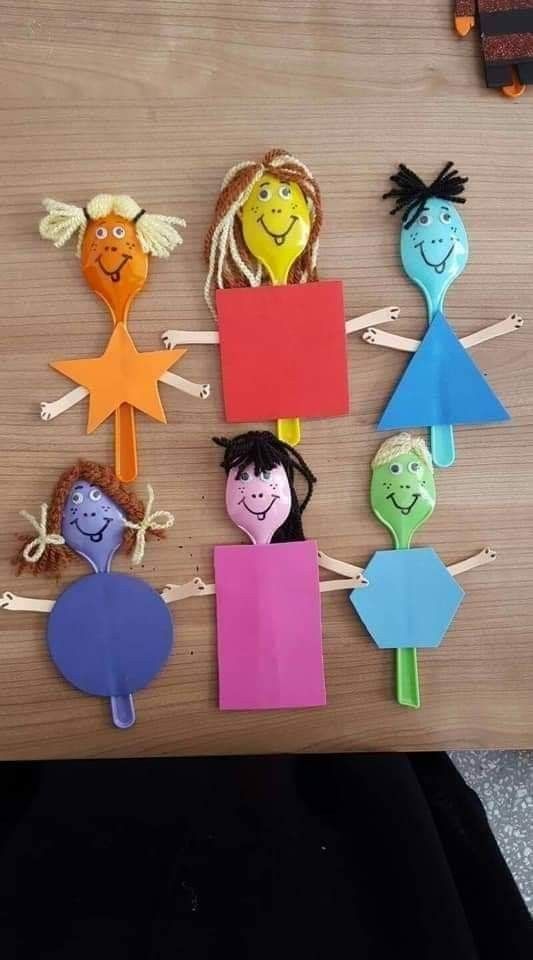
Allowing kindergarteners to express themselves through art allows them to work on their fine motor skills while fostering creativity. Assign projects like drawing or painting using various materials (e.g., crayons or finger paints), paper crafting activities like making collages or puppets, or even exploring pottery or clay modeling.

6. Emphasizing social skills and emotional development:

Encourage kindergarten students to engage in cooperative games and group activities that help them learn how to share, communicate their feelings, and empathize with one another. Creating a warm, safe environment where children feel comfortable discussing their emotions is crucial for overall development.

7. Instilling a love for science and inquiry-based learning:

Involve children in hands-on activities that will spark their natural curiosity about the world around them. Simple experiments, nature walks, and exposure to various scientific concepts can lay the groundwork for a lifetime of scientific appreciation and understanding.

8. Encouraging physical activity:

Physical activity is integral to kindergarten education for enhanced motor skills, coordination, balance, and overall health. Provide ample opportunities for your students to engage in both structured sports and games as well as free play.

Conclusion

Ultimately, successful kindergarten lessons are focused on creating a solid educational foundation that will serve young students throughout their school years. By incorporating various teaching methods and focusing on play-based learning experiences, teachers can cultivate an engaging environment that nurtures the cognitive, emotional, and social growth of their kindergarteners.

Don’t Skip the Table of Contents! 9 Ways to Teach Nonfiction Text Features

When teaching nonfiction texts, it is crucial that students learn how to effectively navigate and understand text features. These features help organize information, making it easier for readers to comprehend the content. One often overlooked, but essential part of nonfiction books is the table of contents. In this article, we will explore 9 ways to teach students about nonfiction text features, with a focus on the importance of the table of contents.

1. Start with an Explanation

Introduce students to nonfiction text features by discussing their purpose and how they can support comprehension. Specifically explain the role of a table of contents in organizing and providing an overview of the text.

2. Spotlight for Exploration

Dedicate a class session or multiple sessions for students to explore a variety of nonfiction books and identify text features within them, including tables of contents. Allow them to compare different books to notice similarities and differences in layout and organization.

3. Guided Instruction

Through explicit instruction, explain each section of a table of contents to your students. You can use a projection tool to show examples or have students follow along with their own texts.

4. Interactive Matching Activities

Create interactive matching activities where students must pair examples of each text feature with its corresponding definition or purpose. For example, they would match a sample table of contents with a description explaining its role in nonfiction texts.

5. Scavenger Hunt

Organize a scavenger hunt in which you give students a list of various text features they must find within their assigned readings or within other nonfiction texts provided by you. Be sure to include the table of contents in this game so they become familiar with its importance.

6. Table of Contents Creation

Assign students a reading passage from a textbook or article and have them create their own table of contents based on the information found therein. This exercise will help them understand how the table of contents is designed and its role in organizing information.

7. Daily Warm-ups

Start your class session with a short warm-up exercise where students are asked to identify different text features in a given passage, including the table of contents. This will reinforce learning and keep their skills sharp.

8. Group Projects

Divide your students into small groups and provide each group with a nonfiction book or article. Instruct the groups to create a presentation focusing on the text features found in their assigned reading and explain how these features aid in comprehension.

9. Assessment and Reflection

To assess understanding of nonfiction text features, including the table of contents, include quizzes or tests that require students to identify, explain, and utilize different text features accurately. Reflect on this knowledge by asking students to create self-assessment reports or reflect on their growth since they began learning about nonfiction text features.

In conclusion, while teaching nonfiction texts, educators must take the time to emphasize the importance of text features like tables of contents. Through targeted instruction, students can become more skilled readers of nonfiction content and better comprehend vast amounts of information.

12 Tips for Growing Your Classroom Library on a Teeny Tiny Budget

Educators know the importance of stocking their classrooms with a diverse range of books, but cultivating an extensive library can be challenging when operating on a skimpy budget. If you’re trying to stretch your pennies while still providing an engaging reading environment for your students, consider the following 12 tips for growing your classroom library on a teeny tiny budget.

1. Book swaps: Organize a book swap event, where students and parents bring in gently-used books and exchange them for others. This allows you to acquire fresh titles without spending any money.

2. Crowdfunding: Utilize platforms like DonorsChoose or GoFundMe to solicit contributions from friends, family, and sympathetic strangers who are passionate about supporting education.

3. Scholastic points: Encourage parents to order books through Scholastic Book Clubs, which will earn points that can be used to purchase additional materials for your classroom library.

4. Garage sales and thrift stores: Keep an eye out for garage sales and thrift stores that may have affordable books. These venues often sell books at heavily discounted prices.

5. Collaborate with other teachers: Speak with fellow educators to share resources or trade titles that are no longer needed in your respective classrooms.

6. Library sales: Check with your local public library about their annual book sales, which often offer a sizable collection of gently-used books at meager prices.

7. Write grants: Apply for educational grants specifically geared toward expanding classroom resources, such as literacy programs or charitable foundations that support education.

8. Reach out to community organizations: Contact nearby businesses and community groups to request book donations or financial assistance in purchasing new titles.

9. Consider ebooks and digital resources: Incorporate eBooks and digital resources into your classroom library, as they are frequently more affordable than physical books and can be shared among multiple devices.

10. Social media giveaways: Follow publishers, authors, and book bloggers on social media to stay informed about giveaways and discounted books.

11. Create a classroom wishlist: Share a list of desired books for your classroom library with parents and the school community. Invite them to contribute by purchasing a book as a gift during holidays or special occasions.

12. Make friends with local authors: Connect with authors in your area, who might be willing to donate copies of their books or provide discounts for bulk purchases.

With determination, creativity, and by leveraging the resources around you, it’s possible to build an engaging classroom library on a tight budget. Keep these 12 tips in mind and foster your students’ love for reading without breaking the bank.

Are You Unintentionally Stifling Creativity in the Classroom?

In today’s fast-paced and ever-evolving world, creativity has become a highly sought-after skill. Encouraging creativity in the classroom helps students develop critical thinking skills, adaptability, and mental resilience. In some cases, however, well-intentioned teaching practices may unintentionally stifle students’ creative potential. Here are some ways you may be inhibiting creativity in your classroom and what you can do to encourage a more imaginative learning environment.

1. Overemphasis on standardized tests: While standardized tests play a role in assessing students’ competence, they may not fully capture their imaginative capabilities. To foster creativity, consider using project-based assessments or incorporating collaborative group work to allow learners to express their creative thinking freely.

2. Rigid lesson plans: Structured lessons aid in organization and measurable learning outcomes; however, overly rigid plans can hinder students from applying novel ideas and exploring new perspectives. Introduce flexible lesson plans that encourage experimentation and exploration by allocating time for brainstorming, open discussion, and hands-on activities related to the subject matter.

3. Lack of diverse learning materials: Using a single textbook or resource as the basis for teaching restricts opportunities for students to expand their knowledge base and cultivate innovative insights. By incorporating a variety of resources like multimedia presentations, podcasts, games, or guest speakers from different fields, you can expose your students to diverse perspectives that fuel creativity.

4. Discouraging questions and mistakes: Fearing failure or ridicule can inhibit students from asking questions or taking risks necessary for creative growth. Foster a culture of curiosity by encouraging questions during lessons and presenting mistakes as opportunities for learning rather than setbacks.

5. Comparing and competing: A competitive atmosphere can create undue pressure on students, leading them to focus on outperforming others rather than delving into their creative potential. Instead of comparing students’ accomplishments, focus on recognizing the unique talents of each individual and appreciating their progress.

6. Limited opportunities for self-expression: Allowing students to express themselves in their learning process can enhance creative thinking. Encourage students to choose their projects or draw connections between the subject matter and their interests, which will help them approach problems from various angles.

7. Disregarding the value of play: Play evokes imagination, curiosity, and experimentation, essential elements in fostering creativity. Incorporate play into your classroom activities through the use of educational games or providing scenarios where learners can apply their knowledge in a playful, low-pressure environment.

By addressing these issues, teachers can create an environment that nurtures creativity in students, equipping them with the ability to think outside the box and develop innovative solutions to real-world problems. Cultivating a creative foundation in today’s classroom paves the way for a generation of critical thinkers, innovators, and problem-solvers who will contribute to a flourishing society.

Teach About Shapes & Creativity at the Same Time With This Simple Idea

Benefits of Learning About Shapes and Creativity

Understanding shapes is crucial for children as it helps them develop their cognitive skills, spatial awareness, and mathematical thinking. Additionally, fostering creativity at a young age provides an opportunity for self-expression, problem-solving, and imaginative play, all while building self-esteem and confidence.

When you combine these two concepts, teaching children about shapes through creative activities can be a powerful educational tool. In this article, we introduce a simple yet effective idea to help you teach your kids about shapes and encourage creativity simultaneously.

The Shape Collage: A Simple Idea with Endless Possibilities

A shape collage is a versatile project that can be easily adapted to different age groups and skill levels. It involves creating unique and imaginative artworks composed of various geometrical shapes. The activity allows children to experiment with various mediums and materials while learning about shapes in an engaging manner.

Materials Needed:

1. Cardstock or construction paper (any colors)

2. Scissors

3. Glue or tape

4. Craft supplies (stickers, markers, crayons, colored pencils)

5. Magazines or age-appropriate books (optional)

Instructions:

1. Explain to your child that they will be creating their own artwork using shapes such as circles, squares, rectangles, triangles, etc. You can also discuss the names of the shapes and their common characteristics.

2. Have your child select their desired cardstock color for the background of their collage. If they are younger or might struggle with cutting shapes themselves, pre-cut a variety of shapes in different sizes for them to use.

3. Provide your child with scissors and additional construction paper if they prefer cutting their own shapes. Encourage them to think creatively by mixing different sizes and colors together while exploring the relationships between those shapes.

4. As your child creates their collage, ask them questions about the shapes and how they fit together. You can also discuss what happens when they overlap or combine the shapes.

5. Include various craft supplies like stickers, markers, crayons, or colored pencils to add more creativity to the project. Allow your child to express themselves freely with their artwork.

6. If using magazines or age-appropriate books, help your child search for images with interesting shapes and patterns. Encourage them to incorporate these images into their collage.

7. Display the finished artwork proudly so that it serves as a reminder of the fun learning experience.

Expanding on The Shape Collage Idea

The shape collage is just one idea for teaching children about shapes and promoting creativity at the same time. You can also consider other activities such as shape scavenger hunts, creating 3D models of shapes using craft materials, or even exploring digital artistic tools that focus on shape recognition and creativity.

Remember that combining educational concepts with creativity will make learning more enjoyable for your children, ultimately helping them develop important skills and positive learning habits for their future endeavors.

23 Fantastic Number 3 Preschool Activities

Introduction:

Introducing the concept of numbers to young children can be a fun and educational experience. Here are 23 fantastic number 3 preschool activities that will engage your little ones and enhance their numeracy skills.

1.Tracing Number 3: Provide children with worksheets that feature the number 3, and allow them to trace the number using washable markers or crayons.

2.Number 3 Playdough Mat: Create a playdough mat with the number 3 on it. Encourage children to use playdough to form the shape of the number.

3.Three Little Pigs Storytelling: Share the classic fairy tale of The Three Little Pigs and encourage children to act out the story using puppets or toys.

4.Three-Finger Counting: Have children practice counting to three with their fingers.

5.Number 3 Collage: Encourage children to create a collage using items representing the number 3, such as leaves, buttons, or stickers.

6.Songs About Three: Sing popular children’s songs that emphasize the number 3, like “Three Blind Mice” or “Three Little Monkeys.”

7.Number Hunt: Hide objects in groups of threes around your classroom or play area and challenge children to find them.

8.Sorting by Threes: Gather a variety of objects and ask children to separate them into groups of three.

9.Three-Item Patterns: Provide items for children to arrange in patterns featuring three items in each sequence.

10.Number 3 Memory Game: Create a memory game with flashcards depicting sets of objects in groups of three.

11.Staircase Counting Activity: Offer a staircase counting activity where students ascend and descend steps while counting by threes.

12.Three-Legged Race: Organize a three-legged race for a fun and engaging outdoor activity.

13.Number 3 Painting: Allow children to use paint to create artwork featuring the number 3 or groups of three objects.

14.Counting Beads: Offer children necklaces or bracelets with three beads for them to practice counting on.

15.Baking with Threes: Incorporate counting into a baking activity, such as measuring three cups of flour or adding three eggs to a recipe.

16.Grouping in Threes: Create a game where children must find partners to form groups of three.

17.Number 3 Hopscotch: Modify hopscotch by having three spaces instead of the traditional ten.

18.Three-Leaf Clover Art: Have children create artwork featuring three-leaf clovers using finger paint or collage materials.

19.Domino Threes: Invite children to match dominoes by connecting the side showing three dots.

20.Three Step Dance: Teach children a simple dance routine that involves three steps, and challenge them to perform it together as a group.

21.Counting Books about Three: Share engaging counting books that focus on the number 3 with your little ones.

22.Creating Sets of Three Objects: Provide a variety of items and ask children to create sets containing three objects each.

23.Iconic Trios Matching Game: Create a matching game featuring iconic trios from pop culture or literature, such as Harry Potter, Hermione Granger, and Ron Weasley.

Conclusion:

These 23 fantastic number 3 preschool activities will help your little ones develop a strong foundation in numeracy and become more confident in their counting abilities. So, make learning fun and memorable by incorporating these activities into your curriculum today!


28 Second Grade Workbooks to Help Learners Bridge the Pandemic Gap

Introduction:

The COVID-19 pandemic has drastically changed the way children learn and engage with their education. With many schools resorting to remote learning or hybrid models, students, especially young learners, might be struggling to keep up with their usual academic progress. Second-grade workbooks can provide a valuable practice opportunity for children and help bridge the gap created by these turbulent learning conditions. Here are 28 top second-grade workbooks that cover various subjects and cater to different learning styles.

List of Second Grade Workbooks:

  1. Scholastic Success with Reading Comprehension, Grade 2
  2. Carson Dellosa Common Core Connections Math Workbook, Grade 2
  3. Brain Quest Workbook: Grade 2 – Reading and Writing
  4. Spectrum Language Arts Workbook, Grade 2
  5. School Zone – Big Second Grade Workbook
  6. Singapore Math Primary Mathematics Workbook 2A
  7. Wordly Wise 3000 Book 2: Systematic Academic Vocabulary Development
  8. DK Workbooks: Geography, Second Grade
  9. Evan-Moor Daily Science Workbook, Grade 2
  10. The Complete Book of Time & Money Workbook, Grade 2
  11. Star Wars Workbook: 2nd Grade Reading and Writing Skills
  12. Reading Adventures Sofia the First Level Pre-1 Boxed Set
  13. Week-by-Week Phonics Packets Workbook for Grades K-2
  14. Explode the Code Book 3: Essential Lessons for Phonics Mastery, Grades 1-3
  15. Kumon Math Subtraction Workbook, Grade 2
  16. Jumpstart Grade Level Standards-Based Workbooks: Math, Grade 2
  17. Templates for Cursive Writing Practice Workbook (Second Edition – for Home Learning)
  18. Harcourt Family Learning: Science at Home: More than 100 Easy Science Experiments for Families
  19. Making Connections: Reading Workbook, Grade 2
  20. Teach Your Child to Read in 100 Easy Lessons Workbook
  21. Time4Learning Online Second Grade Curriculum and Learning Activities
  22. Highlights Learning Big Fun Workbook: Second Grade
  23. McGraw-Hill Education Language Arts Workbook for the GED Test, Second Edition
  24. Everything You Need to Ace Math in One Big Fat Notebook: The Complete Middle School Study Guide
  25. Let’s Get Ready for 2nd Grade!: A One-Stop Resource for Math, Reading, Writing, and More!
  26. Animal Adventure Collection for Grades 1-2: Guided Reading Fiction & Nonfiction Stories
  27. Carson Dellosa Common Core Connections Language Arts Workbook, Grade 2
  28. Early Years Basics Workbook: Ages 6-7

Conclusion:

These second-grade workbooks offer a diverse range of engaging activities and learning resources that can complement your child’s in-school lessons or remote learning experience. By focusing on core subjects like math, reading comprehension, language arts, science, and geography—these workbooks provide a strong foundation for second-grade learners as they adapt to the challenges of learning during the pandemic. These materials not only help bridge the gap but also give children a sense of confidence and accomplishment as they progress through their learning journey despite unprecedented circumstances.