Elementary Education

Teaching With Lightyear: Activities for 1st Through 3rd Grades

Introduction

Teaching young children about the wonders of space can be both fun and educational. One popular way to introduce them to the cosmos is by using Lightyear, a comprehensive suite of activities and learning resources designed for students in 1st through 3rd grades. In this article, we will explore different hands-on activities that use Lightyear, providing engaging and immersive experiences for young learners.

1. Solar System Model

Students can begin their space exploration journey by creating a model of our own solar system. Using readily available materials such as styrofoam balls or paper cut-outs, children can represent the Sun and the eight planets. To enhance their learning experience, they can color-code each planet according to its actual appearance and position them in order of distance from the Sun.

2. Space Bingo

Create custom bingo cards featuring different celestial bodies, constellations, and space-related terms. This game not only helps students learn about different elements of space but also allows them to practice listening skills and develop a basic understanding of scientific terminology.

3. Constellation Stories

Using printable star maps or guides, students can learn how to identify constellations and their positions in the sky. Encourage them to create their own stories based on these celestial patterns as an imaginative exercise or ask them to research ancient myths associated with the constellations.

4. Starry Night Art Project

Inspired by famous artworks such as Vincent van Gogh’s Starry Night, have students paint their own night sky scene using watercolors or acrylics. This activity not only helps in nurturing artistic skills but also allows them to memorize key constellations and celestial bodies through a creative channel.

5. Moon Phase Calendar

Help your young learners understand how moon phases change over time by creating a moon phase calendar. Have students draw a circle for each day of the month and shade the moon with respect to its visible portion on that day. They can also mark important astronomical events, such as full moons, new moons, and lunar eclipses.

6. Rocket Launch Experiment

Introduce students to the concept of force and motion by organizing a simple rocket launch experiment using film canisters or small plastic tubes. Fill one-third of the container with water, then add an effervescent tablet and seal it tightly. When the tablet dissolves, gas pressure will build up inside the container and cause it to launch like a miniature rocket!

Conclusion

Using Lightyear, educators can ensure that their 1st through 3rd-grade students have engaging, hands-on activities to learn about space and astronomy. By incorporating these activities into their lesson plans regularly, teachers will spark curiosity in young minds and cultivate a fascination for the cosmos that may last a lifetime!

Programming for First Graders? Yes, They Can Learn It!

It may come as a surprise to some, but programming isn’t just for college students and professionals. In fact, first graders can learn the basics of programming too! With the right approach, children as young as six or seven can grasp the fundamental concepts behind coding and develop invaluable problem-solving skills that will last their entire lives.

Why Teach Programming to First Graders?

In an increasingly digital world, programming has become a highly sought-after skill. By introducing children to programming at a young age, we not only prepare them to navigate a tech-driven society but also provide them with essential problem-solving and critical-thinking abilities. Moreover, learning programming enables children to express their creativity and build their own stories or games.

Choosing Age-Appropriate Tools and Techniques

The key to successfully teaching programming to first graders is using age-appropriate tools and techniques. For instance, block-based visual programming languages like Scratch by MIT are designed specifically for younger learners. These platforms allow kids to create their own programs using simple drag-and-drop interfaces instead of typing complex code strings.

Start with Simple Concepts

Starting with basic concepts, such as sequences and loops, will help first graders build a strong foundation in programming fundamentals. Begin by teaching children how to string together simple instructions (e.g., moving their favorite character forward) and gradually introduce more complex concepts like conditional statements (if-then statements) and algorithms.

Make it Fun and Engaging

It’s important to remember that programming should be engaging and enjoyable for kids. Teachers can conduct hands-on activities or create an interactive learning environment where students experiment with various characters, backgrounds, and challenges. Apps like Kodable or Lightbot introduce programming through puzzles that utilize core elements of coding in a playful manner.

Collaboration is Key

Encourage collaboration among students while they learn programming – this allows them to share ideas, solutions, and even code with one another. Collaboration fosters teamwork, communication skills and the imperative exchange of knowledge.

Celebrate Success

Celebrate small achievements and milestones during the learning process. This not only boosts students’ confidence and encourages them to continue exploring programming but also reinforces their understanding of the concepts they’ve learned.

In Conclusion

Introducing programming to first graders is certainly achievable – it’s all about presenting it in a way that is engaging, age-appropriate, and relevant to their interests. By doing so, we arm these youngsters with crucial skills that will serve them well in their future endeavors while nurturing a love for technology and learning.

20 Engaging Citing Textual Evidence Activities for Kids

Introduction:

Citing textual evidence is an important skill kids need to develop for reading comprehension and writing. Here are 20 fun activities to engage students and help them practice this critical skill.

1.Evidence Scavenger Hunt

Create a scavenger hunt with a list of quotes or pieces of evidence students have to find in a given text. This encourages them to search the text carefully for supporting details.

2.Highlighter Practice

Provide students with highlighters and ask them to mark specific evidence types in different colors when reading a passage.

3.Text Detective

Have students pretend they are detectives solving a case by finding evidence in the text to prove an argument or answer a question.

4.Sticky Note Annotations

Students use sticky notes to mark crucial pieces of evidence in a text and then write brief explanations of why each piece is important.

5.Concept Webs

Using concept webs, students draw connections between passages and pieces of evidence that support larger themes and ideas.

6.Quote Puzzles

Cut up quotes from a text and have students reconstruct the original order based on context clues and cited textual evidence.

7.Evidence Charades

Students act out scenes or quotes from the text while their classmates guess the passage based on provided evidence.

8.Discussion Rings

Arrange desks in concentric circles, allowing students to discuss textual evidence face-to-face with peers in an inner and outer ring format.

9.Three-Part Claims

Students compose claims that include an assertion, supporting evidence from the text, and analysis of that evidence.

10.Graphic Organizers

Junior students use graphic organizers such as Venn diagrams or T-charts to visually organize textual evidence.

11.Reader’s Theater

Assign roles and have students perform a play or script based on a text, emphasizing key scenes backed up by evidence from the script.

12.Quick Writes

Ask students to write short responses using textual evidence to answer a question or support a claim.

13.Jigsaw Reading

Divide a text into sections and have students become “experts” on their assigned portion, presenting textual evidence to support their findings.

14.Paragraph Freeze

Students memorize and recite a paragraph from the text, explaining its significance using cited evidence.

15.Questions Cube

Create a cube with different prompts or questions, encouraging students to use textual evidence when answering the question they rolled.

16.Flash Evidence Debate

Students are given one minute to debate a topic or statement, using strict evidence from the text to support their argument.

17.Evidence Tableau

In groups, students create tableaus (frozen, dramatic images) depicting scenes from the text, supported by quoted evidence.

18.Chain Reaction Storytelling

Each student recounts a scene in the story while providing cited evidence to validate their contribution, building upon the previous scene described by another student.

19.Thumbs Up/Thumbs Down

As students discuss an aspect of the text, they give a thumbs up or down depending on if they agree or disagree with cited evidence presented.

20.Fact vs. Opinion Debate

Students analyze statements about a text to identify whether they are fact (evidence-based) or opinion and then justify their conclusions with textual support.

Conclusion:

These 20 activities will not only make citing textual evidence fun for kids but will also help them comprehend texts better and improve their writing skills. Experiment with these ideas in your classroom and watch your students’ abilities grow!


All Your 3rd Grade Resources for Teaching

As a 3rd grade teacher, you have the responsibility of creating a fun and educational environment for your students to thrive in. Gathering the right resources for teaching is key to ensuring their success. With an endless amount of materials available, it can be overwhelming to know where to start. In this article, we will discuss a variety of resources that you can use to enrich your 3rd grade teaching experience.

1. Textbooks: Selecting the right textbook for each subject matter is crucial as it provides a foundation for your curriculum and lesson plans. Choose engaging and age-appropriate textbooks that cover the necessary topics in math, science, English, and social studies.

2. Online Resources: The internet is a treasure trove of free and paid educational materials that can supplement your lessons. Websites like ixl.com, khanacademy.org, and pbslearningmedia.org offer interactive exercises, video tutorials, and quizzes to keep students engaged while learning.

3. Teaching Aids: Visual aids like posters, charts, and diagrams help reinforce concepts and make lessons more engaging for visual learners. Invest in a variety of aids covering different subjects and concepts.

4. Manipulatives: Hands-on learning tools such as base ten blocks, fraction circles, geometric shapes, and counters are essential for teaching 3rd grade math concepts. These manipulatives help students understand abstract ideas by giving them a tangible way to explore the concepts.

5. Educational Games: Turn learning into playtime with educational games that reinforce important skills in math, language arts, science, and social studies. From board games to apps, there’s something available for every classroom.

6. Literature: Build up your class library with diverse titles that appeal to all readers in your classroom! Stock up on popular series like Magic Tree House or Captain Underpants as well as more advanced chapter books that touch on important themes like friendship, diversity, and overcoming obstacles.

7. Project-Based Learning (PBL): Encourage critical thinking and collaboration through PBL activities. Assign group projects where students develop solutions to real-world problems, engage in research, and present their findings.

8. Classroom Supplies: Set up a well-stocked classroom with essentials such as rulers, calculators, whiteboards, colorful markers, and scissors to aid in learning.

9. Professional Development: Attend conferences, workshops, and seminars to stay up-to-date on the latest teaching strategies and educational trends. Networking with other educators can help you gain new ideas and inspiration for your own classroom.

10. Support Groups: Connect with other 3rd grade teachers through online forums or local educator groups. Share ideas, ask questions, and offer advice on managing the unique challenges of 3rd-grade instruction.

Putting together a comprehensive collection of resources takes time and effort but will greatly benefit your students’ educational journey. By creating a well-rounded environment enriched by quality materials across multiple subjects and learning styles, your 3rd-grade students are sure to succeed throughout the year!

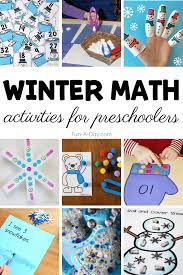
20 Awesome Winter Math Activities for Kids

The chilly winter months can be a perfect time to explore new and exciting math activities with your children. Cold days spent indoors can be fun and educational when you engage kids with these 20 awesome winter math activities. Let’s get started!

1. Snowflake Symmetry: Have your children create paper snowflakes and discuss the concept of symmetry and how each fold creates a mirrored pattern.

2. Snowball Counting: Create snowballs out of cotton balls or crumpled paper, and have your children practice counting them and sorting them into groups by size or number.

3. Winter Graphing: Create simple bar graphs to track winter weather trends, such as daily highs and lows, snowfall amounts, or hours of daylight.

4. Penguin Number Bonds: Use penguin-themed printables or toys to teach number bonds and practice addition.

5. Hot Chocolate Math: Combine measuring ingredients for hot chocolate with practicing fractions, addition, and multiplication.

6. Ski Slope Math: Build a ski slope out of cardboard or paper, then have kids race toy skiers down while calculating time, speed, or distance.

7. Iceberg Measurement: Freeze different-sized chunks of ice and have kids measure their dimensions and compare their sizes.

8. Winter Word Problems: Write winter-themed word problems that incorporate season-specific scenarios such as gift-giving, snow removal jobs, or holiday baking.

9. Snowman Fractions: Build different-sized snowmen (either real or drawn) out of fractional parts to teach about fractions.

10. Winter Tangrams: Cut out winter-themed shapes from construction paper, challenge your kids to create complex images using the shapes without any overlaps or gaps.

11. Icicle Patterns: Create icicle-shaped templates with dotted lines and have children measure the length/diameter change across the icicle’s length.

12. Snowy Day Addition: Scatter white pom poms or cotton balls around the room to represent snow. Encourage kids to solve addition problems by adding specified amounts of “snow” to a designated area.

13. Mittens and Gloves Match: Use winter gloves and mittens to teach one-to-one correspondence, counting, and basic sorting skills.

14. Winter Sudoku: Print or create winter-themed Sudoku puzzles to boost problem-solving skills.

15. Snowball Estimation Jars: Fill jars with different amounts of marshmallows or cotton balls and have students estimate the quantity in each jar before counting to check their guesses.

16. Temperature Comparison: Teach children about negative numbers by comparing and ordering daily winter temperatures.

17. Pine Cone Geometry: Use pine cones to demonstrate the concepts of 3-dimensional shapes and explore properties like vertices, edges, and faces.

18. Snowflake Multiplication: Draw snowflakes with various numbers of points and arms, and have kids practice multiplication by calculating the total number of points.

19. Skating Race Math: Have toy figures “skate” across a number line while practicing addition and subtraction with positive and negative numbers.

20. Snowy Day Subtraction: Using toy snow shovels or spoons, have children “clear” a given amount of snow (mini marshmallows or cotton balls) from a designated area while calculating the difference between starting amounts and remaining amounts.

These engaging winter math activities will not only keep your kids entertained but will also reinforce essential math skills in various creative ways. Give them a try and make the most out of those cold winter days!

Elementary Teachers: Win a Complete Math Kit With Manipulatives!

Attention all elementary teachers! Are you looking for an exciting opportunity to enrich your math curriculum and engage your students in hands-on learning experiences? If so, we have an offer you won’t want to miss: our Complete Math Kit With Manipulatives giveaway!

In the realm of teaching mathematics, visualization and hands-on exploration are essential for enhancing young minds’ understanding of mathematical concepts. Manipulatives – tangible objects that help students visualize and better comprehend complex ideas – have become an integral part of elementary mathematics instruction. These tools enable educators to establish strong foundation skills in number sense, arithmetic, geometry, and more.

Keep reading to discover how you can enter for a chance to win this valuable teaching resource that is bound to impact your classroom instruction and strengthen your students’ understanding of math concepts.

What’s Included in the Complete Math Kit

Our Complete Math Kit contains manipulatives suitable for teaching various math concepts to elementary students. The kit includes:

1. Base Ten Blocks: Perfect for helping students understand place value and arithmetic operations.

2. Geometric Solids: Multi-shaped three-dimensional figures that assist with teaching geometry principles.

3. Pattern Blocks: A versatile resource for exploring patterns, geometry, fractions, and problem-solving.

4. Fraction Tiles: Essential for demonstrating relationships between fractions, decimals, and percentages.

5. Number Cards: Useful for teaching numeracy skills like counting, number recognition, addition, subtraction.

6. Two-Colored Counters: Excellent for use in probability experiments or exploring patterns.

Entering the Giveaway

To participate in the giveaway and get a chance to receive this fantastic toolset, follow these simple steps:

1. Like our Facebook page (or follow us on Twitter/Instagram)

2. Share our giveaway post on your social media with a brief statement about why you’re excited about winning the Complete Math Kit

3. Tag three other elementary teachers who may be interested

The giveaway contest closes on [DATE], so hurry up, spread the word, and enter now for a chance to win a Complete Math Kit With Manipulatives for your classroom!

Final Thoughts

As an elementary teacher passionate about helping your students excel in math, you understand the importance of engaging and innovative instructional materials. Winning this Complete Math Kit With Manipulatives would certainly be a valuable addition to your teaching repertoire. So don’t miss out – enter the giveaway today and take a step closer to transforming your math lessons and fostering your students’ love of learning!

29 Wonderful Wildlife Activities For Kids

Introduction

Encouraging a sense of wonder and curiosity, wildlife activities can provide kids with immense enjoyment and learning opportunities. This article lists 29 wonderful wildlife activities that children will love and benefit from as they develop connections with the natural world.

1. Birdwatching: Teach your kids to spot, identify, and learn about different birds in their natural habitat.

2. Nature Hike: Take a hike through a nearby nature trail or park and observe various plants, animals, and insects.

3. Butterfly Garden: Help your kids create a butterfly garden by planting flowers that attract these beautiful insects.

4. Wildlife Photography: Give them a camera to take photos of animals they encounter outside.

5. Create a Worm Farm: Teach the importance of composting using worms to break down organic material.

6. Animal Tracks: Teach your kids to identify animal tracks in the mud or snow.

7. Visit an Animal Sanctuary: Choose a local sanctuary where you can learn about rescued wildlife animals.

8. Pond Dipping: Explore life in a pond by gently scooping small aquatic creatures into a container for observation before returning them safely.

9. Build an Insect Hotel: Use sticks, leaves, and other natural materials to construct homes for insects.

10. Go on a Bug Hunt: Venture to explore various insects living in the garden or nearby parks.

11. Identify Trees: Take walks in wooded areas and teach your kids how to identify trees by their leaves, bark, or fruits.

12. Start a Nature Journal: Encourage them to document their observations of plants and animals around them through writing or drawings in their journal.

13. Wildlife Origami: Teach your children how to create origami versions of their favorite animals which can help them develop fine motor skills.

14. Rock Painting with Wildlife Themes: Use paint to create pictures of animals on small stones that can be displayed around your garden or in the home.

15. Bird Feeder Craft: Recycle household items, such as plastic bottles, to create bird feeders that can be placed in your garden.

16. Visit a Nature Center: Learn about the wildlife and ecosystems in your area by visiting a nature center or museum.

17. Nature Scavenger Hunt: Create a list of items for your kids to find outside, such as leaves, feathers, and acorns.

18. Watch a Wildlife Documentary: Educate your kids on different species and their environments through engaging documentaries.

19. Build a Bat Box: Construct shelter for bats in your yard and encourage their presence, which helps control insect populations.

20. Explore Tide Pools: Visit the seashore and investigate tide pools to find marine life like crabs and sea urchins.

21. Grow a Wildlife-Friendly Garden: Plant flowers and shrubs that will provide food and habitat for local wildlife.

22. Star Gazing: Teach your kids about constellations while observing the night sky.

23. Make an Animal Mask: Allow children to unleash their creativity by crafting masks that resemble their favorite animals.

24. Read Wildlife Books Together: Choose age-appropriate books about animals and read them together as a family.

25. Frog Watching: Spend time near ponds or creeks to search for frogs and learn about their behavior.

26. Attend Wildlife Workshops: Participate in organized workshops that teach children about various animals and conservation efforts.

27. Create a Backyard Habitat Map: Help your children map out the types of wildlife that live in your backyard or nearby parks.

28. Identify Birds Songs: Use audio recordings or phone apps to help identify bird calls in nature.

29. Make Pinecone Animals: Collect pinecones from your outdoor adventures and transform them into cute animal crafts using paint.

10 Quick And Easy Pronoun Activities

Pronouns are an essential part of speech in the English language, and teaching them effectively is critical for students’ success in reading, writing, and communication. Here are 10 quick and easy pronoun activities that you can incorporate into your lesson plans to help your students master this important grammar concept.

1. Pronoun Hunt

Ask your students to search for pronouns in a piece of text and underline or highlight them. This activity helps them identify and understand different types of pronouns in various contexts.

2. Pronoun Matching Game

Create a set of cards with nouns on one set and their corresponding pronouns on another. Students have to match the noun with the correct pronoun in a memory-like game.

3. Fill-in-the-Blanks

Provide sentences with missing pronouns and ask your students to fill in the blanks using appropriate pronouns. This activity strengthens their understanding of pronouns’ usage in sentences.

4. Pronoun Charades

Students select a card with a sentence containing a pronoun and act out the sentence without talking while their classmates have to guess what the sentence is.

5. Pronoun Swapping

In this activity, students rewrite sentences by replacing a noun with an appropriate pronoun, considering factors like gender, number, or position in the sentence.

6. Personal Pronouns Board Game

Design a board game where students roll a dice and move across the board, answering questions or completing activities related to personal pronouns to progress through the game.

7. Pronoun Bingo

Create bingo cards with different types of pronouns in each square. Students listen as you read sentences aloud and mark off the squared when they correctly identify which type of pronoun has been used.

8. Pronoun Relay Race

Divide students into teams and set up a relay race where they must race to a board, pick out an appropriate pronoun from a list to complete a sentence, and race back to their team.

9. Pronoun Scavenger Hunt

Hide pieces of paper with pronouns around the classroom, and have students search for them. When they find a pronoun, they must identify its type and give an example of using it correctly in a sentence.

10. Pronoun Story Time

Ask students to rewrite a short story or fairy tale, replacing all the nouns with pronouns where appropriate. This activity challenges them to maintain meaning while using pronouns effectively.

Incorporating these engaging and interactive pronoun activities in your classroom will not only help your students grasp the concept, but also make it a more fun and enjoyable experience for them. Don’t forget to provide plenty of practice opportunities and review the different types of pronouns regularly!

Teaching With The Bad Guys: Activities for 1st-3rd Grade

Introduction:

Every teacher knows that students love a good story with heroes and villains. Engaging kids in learning by using the bad guys as the protagonists can be a fun and exciting educational experience. In this article, we will explore activities designed for 1st-3rd-grade students that incorporate lessons with infamous characters from classic stories.

Activity 1: Villainous Vocabulary

Objective: Expand students’ vocabulary in relation to the story’s villain(s).

Materials:

– Class set of a story featuring a prominent villain (e.g., the Big Bad Wolf from “The Three Little Pigs”)

– Word cards related to the villain or their actions

Instructions:

1. Divide students into pairs and provide each pair with selected word cards.

2. Have them read and discuss the words together, using context clues from the story to guess their meanings.

3. After discussion, have a group review where students share their findings and then provide accurate definitions.

Activity 2: Create A Comic Strip

Objective: Use storytelling skills to create a comic strip featuring their chosen villain making a turn for the good.

Materials:

– Drawing paper

– Pencils and color pencils/markers

– Optional: copies of comic strip templates

Instructions:

1. Have each student choose their favorite villain from any book or fairy tale.

2. Instruct them to plan out a short comic strip that tells an original story where the villain learns a valuable lesson or makes amends.

3. Provide guidance on creating panels, speech bubbles, and illustrations.

4. Let students share their finished comic strips with the class.

Activity 3: Villain Debate

Objective: Develop critical thinking and debate skills by defending or opposing a particular villain’s actions.

Materials:

– List of villains from popular stories (and possibly a brief description of their actions)

– Index cards for note-taking

Instructions:

1. Arrange students in two groups and assign a villain to each group. One group will act as the defense, arguing for the villain’s justifications or motivation; the other will act as the prosecution, condemning the villain’s actions.

2. Each group researches their assigned villain and prepares arguments for or against their actions.

3. Have a short debate in which each group presents their side in response to questions posed by you or their peers.

Closure:

These creative activities can add an interesting twist to your curriculum while teaching important skills such as vocabulary, storytelling, and critical thinking. Remember to guide students through discussions about good choices and how even villains can learn from their mistakes. By incorporating these lessons with classic villains, learning becomes an engaging and enjoyable experience for younger students in 1st-3rd grades.

Primary Assembly: The Battle of Britain

Introduction:

The Battle of Britain is a significant event in World War II and British history. It was an aerial battle that took place between the British Royal Air Force (RAF) and the German Luftwaffe from July to October 1940. This important battle showcased the bravery of pilots on both sides, along with the resilience of the British people. In this primary assembly, we will explore this historical event and pay tribute to everyone involved.

Background:

The Battle of Britain began after Germany’s rapid invasion of Europe in the late 1930s and early 1940s. In May 1940, German dictator Adolf Hitler turned his attention to Britain, intending to invade and take control of the country. However, he first aimed to weaken Britain’s air defenses and eliminate its air superiority.

The Players:

Two primary forces fought in the Battle of Britain: the British Royal Air Force (RAF) and the German Luftwaffe. The RAF was primarily composed of British pilots but also included servicemen from allied countries such as Canada, Australia, New Zealand, Poland, and Czechoslovakia.

On the other hand, the German Luftwaffe was led by Hermann Göring, a World War I flying ace who was both experienced and confident in his forces.

Key Battles & Turning Points:

The Battle of Britain occurred in three main phases:

1. The first phase lasted from July 10 to August 11, 1940, which witnessed Germany targeting coastal shipping convoys and British ports.

2. The second phase started on August 13, known as “Eagle Day,” when Germany shifted its focus to RAF airfields and vital infrastructure.

3. The final phase commenced from September 7 until October 31 when Germany began targeting London in night-time bombing raids known as “The Blitz.”

One of the major turning points happened on September 15, 1940, now commemorated as Battle of Britain Day. On this day, the RAF successfully repelled two massive Luftwaffe attacks on London. This marked a significant defeat for Germany, and it became clear that the Luftwaffe could not sufficiently weaken Britain’s defenses.

Impact & Significance:

The Battle of Britain had vital strategic implications for both the Allies and the Axis powers. It prevented a German invasion of Britain and was the first significant defeat for Germany in World War II. Moreover, it preserved Britain as a base to launch future offensives and conduct aerial bombings against Germany.

This battle showcased the importance of air power during wartime and marked several major developments in aircraft technology and tactics. Most importantly, it displayed the bravery and resilience of the British people during times of extreme adversity – attributes that still resonate in modern times.

Conclusion:

As we revisit this primary assembly on the Battle of Britain, let us remember the sacrifices made by those who fought in this monumental struggle. The combined efforts of courageous pilots, ground crews, and civilians ensured that Britain maintained its freedom and laid a foundation to rise against tyranny. We must always honor their memory, remembering their bravery and resilience in shaping our world today.