Elementary Education

These Birthday Certificates Make It Easy to Celebrate Your Students’ Big Days

Introduction:

Birthdays are a special occasion for everyone, young and old alike. For students in particular, celebrating their birthdays can make them feel extra special in a learning environment, fostering a sense of belonging and joy. Birthday certificates offer an easy, cost-effective, and memorable way to mark your students’ big days. In this article, we will discuss why these certificates are crucial for creating a positive atmosphere within classrooms and how you can effectively use them.

The Importance of Celebrating Birthdays in the Classroom:

  1. Boosts self-esteem – Recognizing a student’s birthday can have a significant impact on their self-confidence. When teachers acknowledge their special day, it sends a message that each student is essential and cared for equally.
  2. Fosters social connections – Arranging little celebrations where classmates can actively participate, such as singing happy birthday or sharing treats, enhances bonding among peers.
  3. Breaks the monotony of school life – Taking some time away from regular lessons to commemorate a classmate’s birthday gives students something to look forward to and lightens the mood in the classroom.
  4. Encourages inclusivity – By celebrating each student’s birthday with enthusiasm, teachers demonstrate that every individual is valued, promoting diversity and inclusiveness within the class.

Birthday Certificates: The Perfect Way to Mark the Celebration:

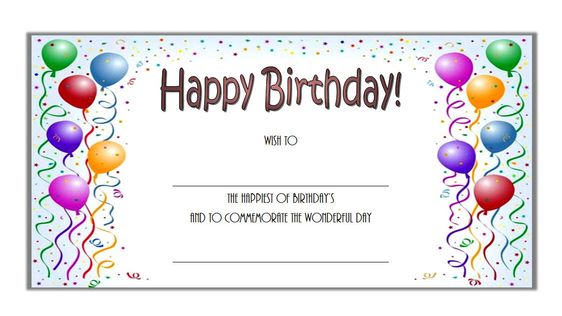
Birthday certificates are printable awards handed out by teachers to students on their birthdays. Here are some reasons why they make ideal celebratory tokens for students’ big days:

  1. Easy-to-customize – A wide range of templates is available online that can be easily customized with names, dates, graphics, or personalized messages to suit individual preferences.
  2. Cost-effective – Printable birthday certificates save costs compared to other celebratory items like treats or gifts. All you need is access to a printer and good quality paper.
  3. Boosts morale – Receiving a certificate on their special day makes students feel proud, as it serves as tangible proof of being acknowledged by their teachers and peers.
  4. Eco-friendly – Choosing to present a certificate instead of using balloons or disposable items also makes birthdays an eco-friendly affair.
  5. Keepsake – Students and their families can keep the certificates as mementoes, cherishing the memories formed in the classroom over the years.

In conclusion, celebrating birthdays within the classroom environment goes a long way in bolstering students’ self-esteem and enhancing their social connections. While there are numerous ways to make a student’s day memorable, birthday certificates stand out as easy-to-customize, cost-effective, emotionally significant rewards that your students will cherish for years to come.

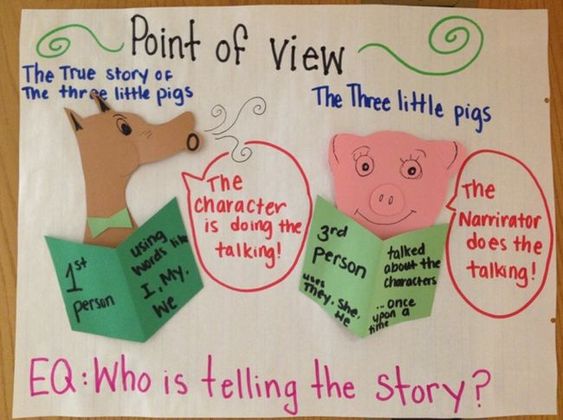
15 Engaging and Helpful Point of View Anchor Charts

Introduction:

Point of view anchor charts are a fundamental teaching tool used by educators in classrooms to improve students’ reading comprehension and writing skills. They help students understand the different perspectives used by authors when narrating stories or presenting arguments. Here are 15 engaging and helpful point of view anchor charts that can enhance your classroom instruction and deepen student understanding.

1. First-Person Point of View

This anchor chart teaches students to identify first-person narration, which uses “I” and “me” pronouns. Provide examples and display the chart while discussing texts that feature this point of view.

2. Second-Person Point of View

Second-person narration is less common but still essential for students to recognize. This chart instructs learners on identifying instances of second-person narration, which uses “you” pronouns.

3. Third-Person Point of View

Third-person narration is divided into several types: limited, objective, and omniscient. This anchor chart demonstrates the differences between these subcategories and guides students in determining third-person point of view examples.

4. Choosing the Right POV

This handy reference chart presents various factors to consider when choosing which point of view is best for a story, such as how much information to reveal, character relationships, and stylistic preferences.

5. Narrator Reliability

A valuable anchor chart for discussing the concept of reliable versus unreliable narrators, helping students to analyze a story’s credibility based on the narrative perspective.

6. Evaluating Perspectives

This interactive anchor chart guides students through evaluating different perspectives within informational texts or arguments, leading to informed opinions or deeper understanding.

7. Comparing Points of View

Students can use this chart as a visual aid to compare multiple points of view in a given text, fostering discussions on differences in storytelling or messaging techniques among authors.

8. Characters’ Points of View

Showcase this chart to teach students about understanding and analyzing characters’ individual perspectives throughout a story, helping identify and empathize with the characters.

9. Tone in Point of View

This anchor chart supports students in recognizing how an author uses tone or mood to shape a narrative and create voice variety within a text.

10. Connecting POV to Theme

An essential resource for understanding the link between point of view and thematic development, this anchor chart encourages students to explore how narrative perspective can reinforce or challenge major themes in reading materials.

11. Analyzing Bias

Anchor charts that teach students how to recognize bias within points of view can encourage critical thinking and empower them to question an author’s intentions.

12. Point of View Shifts

This visual aid highlights the various reasons authors shift points of view within a story, such as offering multiple perspectives or creating suspense, providing helpful examples for students.

13. Charting Points of View

An interactive anchor chart that allows students to track different points of view within a literary work. It helps them understand how authors develop complex characters and narratives through varied perspectives.

14. Visualizing Point of View

This creative anchor chart instructs students on taking abstract ideas from textual elements and creating concrete visual representations that depict various points of view throughout a literary piece.

15. Perspective Writing Prompts

An excellent resource for writing practice, this anchor chart provides engaging prompts related to narrative perspective changes, character analyses, or theme development.

Conclusion:

Utilizing these 15 engaging and helpful point of view anchor charts will lead to deeper student comprehension and more meaningful discussions around reading materials. By supporting learners with these educational tools, educators can foster both analytical and empathetic thinking skills that will serve students well beyond the classroom setting.

6 Diversity and Inclusion Activities for Back-to-School

As students return to school, it’s essential to create an inclusive and diverse classroom environment where everyone feels welcome and valued. Here are six diversity and inclusion activities that can help educators foster a positive and respectful atmosphere for the new school year.

1. Introduce Yourself Activity

Have each student introduce themselves by drawing or writing about their interests, hobbies, family life, cultural background, or other important aspects of their lives. This exercise encourages sharing personal stories and helps develop empathy among students. Teachers can display these introductions in the classroom to celebrate each individual’s uniqueness and create a sense of belonging.

2. Around the World Map

Provide a large world map and have each student mark their ancestral roots or countries that hold significance for them. This activity promotes cultural awareness and gives students an opportunity to learn about different countries and heritages. Teachers can further enhance this activity by encouraging students to discuss and share unique aspects of their cultural background with the class.

3. Mix & Mingle Icebreaker

This icebreaker requires students to interact with classmates they might not know well. Have each student write down a few facts about themselves on slips of paper. Then, encourage everyone to meet new people by swapping slips and trying to find someone who shares similar interests or backgrounds. Afterward, allow discussion time for students to forge connections with one another based on shared experiences or interests.

4. Classroom Agreement

Create a set of guidelines as a collective class agreement promoting respectful behavior, empathy, and inclusivity among all students. This can be done through collaborative brainstorming sessions where teachers prompt discussions about how everyone should be treated in class. Once the agreement is finalized, display it prominently in the classroom as a visual reminder of expected behavior.

5. Multicultural Read-Aloud

Select books that showcase diverse characters, cultures, perspectives, or experiences and make it part of your regular read-aloud sessions. Exposure to a variety of literature can help expand students’ understanding of different cultures and foster open-mindedness. Engage in discussions about the stories to encourage students to reflect upon broader themes and values.

6. Inclusive Challenges or Projects

Design classroom challenges or projects that promote collaboration, communication, and problem-solving among all students. Group work enables students from diverse backgrounds to learn from one another, build trust, and develop a sense of community. Encourage students to work together on tasks that require teamwork, discussion, and critical thinking across different disciplines.

By incorporating these activities into your back-to-school routines, educators can foster a diverse and inclusive classroom environment where all students feel respected, valued, and supported in their learning journey.

12 Buzzworthy Insect Activities For Grades K-6

Introduction:

Insects are fascinating creatures that can spark curiosity and interest in young minds. Teachers can use this enthusiasm to create engaging, hands-on learning experiences for their students. Here are 12 buzzworthy insect activities for grades K-6 that will get students excited about learning!

1. Butterfly Life Cycle Craft

Have students create a visual representation of the butterfly life cycle using pasta shapes, paper, and glue. This activity helps illustrate the complex process of metamorphosis while allowing students to get creative with their designs.

2. Insect Scavenger Hunt

Organize an insect scavenger hunt where students search for common insects found in your school’s playground or garden. Provide each student with a list of insects to find and encourage them to observe and document their discoveries.

3. Build a Bug Hotel

Design and build a bug hotel using recycled materials like cardboard tubes, wooden pallets, and twigs. This will create habitat for beneficial insects while teaching students about recycling.

4. Create Insect Art

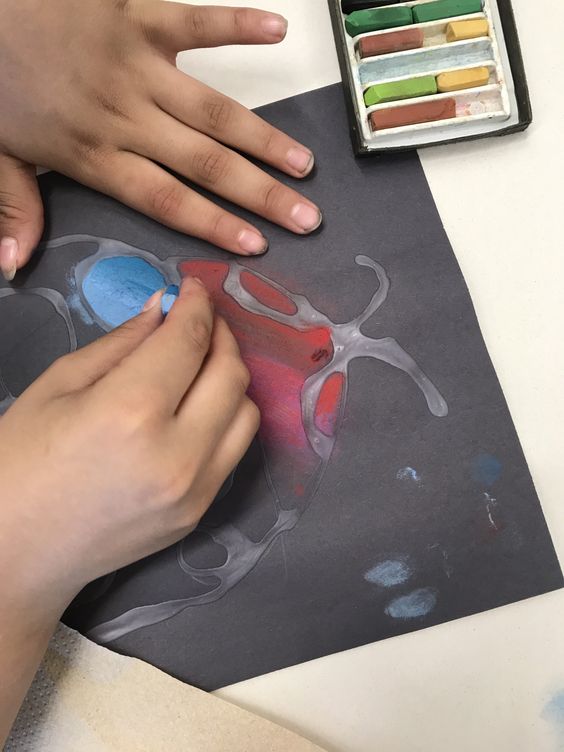
Ask students to create insect-inspired artwork using various materials like paints, colored pencils, or pastels. Display their creations around the classroom as an educational gallery.

5. Insect Spelling Games

Practice spelling words by incorporating insects into your lesson plans. For example, have students spell the names of different insects by hopping like a cricket or crawling like an ant.

6. Insects & Geometry

Explore the geometric shapes found in insect bodies and wings. Have students identify shapes and patterns in images of insects and even design their own geometrical bugs.

7. Observation Journals

Provide students with observation journals where they can record their findings about insects they encounter throughout the school year, both in class and during outdoor activities.

8. Insect A-Z

Create an insect-themed alphabet book with each letter representing a different type of bug, including fun facts about each one. This interactive learning tool can be used in class or taken home to share with family members.

9. Insect Races

Set up an obstacle course and let students race their favorite insect toys. Discuss the different adaptations and abilities that allow insects to move quickly in their environments.

10. Edible Insect Treats

Prepare a treat made with insects, such as cricket flour cookies, to give students a taste of entomophagy (eating insects). Discuss the nutritional benefits of insects, as well as their potential role in addressing global food security.

11. Insect Theatre

Put on an insect-themed play or puppet show, enlisting students to act out the roles of different insects and use props and costumes to bring their characters to life.

12. Bug Bingo

Create a bingo game featuring images of various insects. As you call out the name of each insect, students must identify them on their bingo cards. This is a fun way to teach insect identification while also reinforcing other skills like listening and concentration.

Conclusion:

These 12 buzzworthy insect activities will not only engage your students but also provide valuable learning experiences that can be adapted for different grade levels and diverse classroom needs. Encourage your students to get hands-on with these activities, and they’ll soon develop a thorough understanding of the exciting world of insects!

Teach Non-Standard Weights & Measurement With A DIY Weigh Station

In today’s fast-paced, technology-driven world, it’s essential to arm our children with a multifaceted understanding of weights and measurements. Traditional teaching methods often focus on standard units of measurement like the metric system. However, exposing students to non-standard units can help them develop a more comprehensive and holistic approach to problem-solving. One innovative way of doing this is by creating a DIY weigh station using easily available materials and resources.

A DIY weigh station not only provides a hands-on learning experience but also fosters creativity and encourages students to think outside the box. In this article, we will guide you through the steps for building a DIY weigh station and how to use it effectively for teaching non-standard weights and measurements.

Materials Required:

1. A sturdy ruler or wooden stick

2. Two paper or plastic cups

3. String

4. Scissors

5. A set of objects with varying weights (for example: stones, coins, buttons)

Step 1: Prepare the Scale

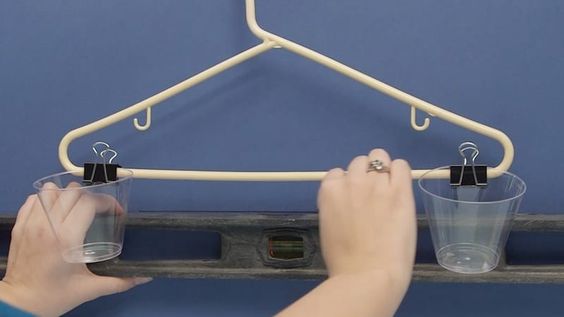
Create your own simple balance scale using the ruler or wooden stick as the central beam. Attach one cup to each end of the beam using string and ensure that both cups hang at equal heights when the middle of the ruler is held from above. This setup allows you to create a basic weighing mechanism using everyday materials.

Step 2: Gather Non-Standard Measuring Units

Introduce non-standard measuring units by collecting objects with varying weights such as small rocks, paper clips, or even household items like teaspoons. Explain that these non-standard units can be used to compare the weights of different objects while demonstrating their practical use.

Step 3: Explore Non-Standard Weights & Measurements

Encourage students to place objects in one cup and use non-standard measuring units to balance it in the other cup. This hands-on activity will enable them to understand concepts like heavy, light, and equal while also teaching them the importance of estimation and approximation.

Step 4: Encourage Comparisons and Critical Thinking

Ask students to compare objects using their self-discerned measuring units and share their observations. This allows them to engage in critical thinking and promote discussions on the advantages and limitations of using non-standard units for weight measurement.

Step 5: Integrate the DIY Weigh Station into Lessons

Make the most out of your DIY weigh station by incorporating it into various classroom activities. For example, use it during science experiments to learn about mass or introduce it in math lessons focusing on addition or subtraction with objects of different weights.

In conclusion, a DIY weigh station provides an engaging platform for teaching non-standard weights and measurements. By encouraging creativity and hands-on experience, students can learn essential estimation skills, enhance their understanding of tangible concepts, and appreciate the diversity of measurement approaches. This powerful educational tool has the potential to transform traditional teaching methods, making it an invaluable addition to your classroom.

10 Writing Center Ideas We Love

Writing centers are an essential resource for students and educators alike, providing a space for brainstorming, writing, editing, and improving writing skills. But how can we make writing centers inviting, engaging, and effective? Here are ten writing center ideas we love to use in our classrooms!

1. Peer-to-Peer Feedback

Encourage students to share their writing with their peers and provide constructive feedback. Not only does this create a supportive writing community, but it also helps students to become better writers by learning from one another.

2. Comfortable Seating

Instead of traditional desks and chairs, consider providing comfortable couches or bean bags where students can unwind and relax while they write. This can help inspire creativity and reduce anxiety around the writing process.

3. Colorful Inspiration

Use colorful visual aids such as posters, postcards, or word walls to motivate your students. Display pictures with quotes from famous authors or inspiring words to help spark ideas and keep them focused on their work.

4. Writing Prompts

Provide a variety of fun and engaging writing prompts for students to choose from to help them get started on their pieces. You can switch up the prompts weekly or monthly so that they always have something new and inspiring to work on.

5. Technology

Incorporate technology into your writing center by providing access to computers or tablets that can be used for research, drafting, or finalizing papers. Make sure each tool is equipped with helpful apps like grammar checkers, thesauruses, or collaborative platforms like Google Docs.

6. Reward System

Create a reward system for students who visit the center regularly or show improvement in their writing skills. This could include certificates of achievement, small prizes, or simply recognition among their peers.

7. Workshops

Organize regular workshops covering different aspects of the writing process; invite expert guest speakers like authors or local journalists who can share valuable insights and tips.

8. Personalized Journals

Provide students with personalized journals to record their ideas, draft stories, or simply jot down their thoughts. This acts as a safe space for them to express themselves without fear of judgment and encourages creativity.

9. Mini Book Clubs

Establish small book clubs within the writing center where students can read and discuss various works of literature. By doing this, they can learn about different writing styles and techniques while bonding with fellow writers.

10. Open Mic Sessions

Organize open mic sessions where students can showcase their work by reading aloud. This not only helps develop public speaking skills but also fosters self-confidence and a sense of accomplishment.

Implementing these ten ideas in your writing center will lead to a more positive, supportive, and creative atmosphere that fosters growth and development in your students’ writing abilities. Happy writing!

13 Easy and Fun Virtual Valentine’s Day Activities for Kids

Introduction:

Valentine’s Day is just around the corner, and while we continue to adapt to social distancing measures, virtual activities are becoming increasingly popular. In this article, we will explore 13 easy and fun virtual Valentine’s Day activities for kids that can be enjoyed from the comfort of your home, keeping everyone safe and entertained.

1. Virtual Valentine’s Day Card Exchange

Organize a virtual card exchange by inviting kids to create digital Valentine’s Day cards using apps like Canva or Adobe Spark. Once complete, they can send their cards to friends via email or even share them on social media.

2. Online Pictionary

Gather the kids in a virtual meetup and engage them in a game of Valentine’s Day-themed Pictionary. Use a drawing app like SketchParty TV or Drawful 2 for seamless gameplay.

3. Virtual Baking Party

Host a virtual baking party and have kids follow along with an online recipe tutorial. They can bake heart-shaped cookies, cupcakes with pink frosting, or any treat that represents love!

4. Craft Session

Engage kids in arts and crafts using simple supplies like construction paper, scissors, glue, and markers to create lovely Valentine’s Day-themed decorations.

5. Virtual Scavenger Hunt

Create a list of Valentine’s-themed items or words that each participant needs to find within their own homes. Whoever finds all the listed items first is declared the winner!

6. Online Storytime

Connect via video chat and read aloud favorite love-themed children’s books like ‘Guess How Much I Love You’, ‘Love Monster’, or ‘The Day It Rained Hearts’.

7. Customized Love Playlists

Encourage kids to make their own love-themed playlists using music streaming services like Spotify or Apple Music and then share these playlists with their friends.

8. Virtual Movie Night

Organize a virtual movie night by streaming a love-themed family movie like ‘Lady and the Tramp’, ‘Beauty and the Beast’, or ‘The Princess Bride’.

9. Online Dance Party

Have an online dance party by sharing a dance tutorial video, or even go live and teach your own Valentine’s Day sequel.

10. Virtual Escape Room

Find a Valentine’s Day-themed online escape room that kids can work together to solve puzzles and escape in time.

11. DIY Gift Exchange

Set up a virtual crafting session for kids to create handmade gifts for one another, such as origami hearts, beaded bracelets, or custom drawings. Once completed, have them exchange gifts via mail.

12. Online Dress-up Party

Encourage kids to dress up in Valentine’s Day-themed costumes and host a virtual costume party where they can show off their unique and creative ensembles.

13. Virtual Valentine’s Day Trivia

Find love-themed trivia questions or create your own to host a virtual Valentine’s Day trivia contest. Kids will have fun while also learning interesting facts about this special day.

Conclusion:

These 13 easy and fun virtual Valentine’s Day activities for kids are adaptable and accommodate all ages, allowing everyone to feel the love this holiday without leaving their homes. With a little creativity and planning, you can ensure that your little ones still have a memorable Valentine’s celebration while staying safe in today’s digital age.

Phonics Songs for Kids to Learn Letter Sounds The Fun Way!

Introduction

Phonics is a crucial building block in children’s literacy development, and introducing phonics songs can be an engaging and entertaining way to teach letter sounds. By using phonics songs, children can learn the sounds of letters while having fun, which will help lay the foundation for reading and spelling skills later on. In this article, we will explore some fantastic phonics songs that will make learning letter sounds exciting and enjoyable for kids.

Top Phonics Songs for Kids

1. The Alphabet Song (The ABC Song)

Perhaps the most classic and well-known phonics song, the Alphabet Song is a traditional starting point to help children learn about the 26 different letter sounds. With its catchy tune and simplicity, kids often find it easy to grasp and enjoy singing along.

2. Letter Sounds Song by Have Fun Teaching

This catchy song takes kids through each letter of the alphabet while providing an example of a word that starts with each sound. The accompanying animation helps children visually connect the letter with its sound, which reinforces learning.

3. Phonics Song 2 by KidsTV123

With its infectious melody and charming animation, this song teaches letter sounds through repetition and visual association. Each letter is presented along with objects or animals beginning with that sound, helping children make connections between letters and real-life examples.

4. LeapFrog’s Letter Factory

This engaging video takes young learners through a tour of a “Letter Factory,” where letters are produced with their corresponding sounds by friendly characters. This imaginative approach to teaching phonics keeps kids captivated while instilling essential letter-sound knowledge.

5. Jolly Phonics Songs

Jolly Phonics offers a comprehensive set of songs that cover all 42 English phonemes (letter sounds). These lively tunes and rhymes make it enjoyable for kids to learn both basic and more complex letter combinations as they engage in fun and interactive singing.

6. Alphablocks on CBeebies

Alphablocks is a popular TV series that also features phonics songs and animations for the little ones. Each episode introduces new letter sounds through endearing stories, songs, and colorful blocks that represent each letter, allowing children to learn in an entertaining and appealing setting.

Conclusion

Phonics songs can be an invaluable tool for teaching children letter sounds while making the learning experience enjoyable and engaging. With plenty of kid-friendly tunes available out there, it’s easy to create a playlist that helps children learn phonics through playful repetition. By introducing these entertaining phonics songs early on, parents and educators can help pave the way for success in reading, writing, and overall literacy development.

25 Third Grade Brain Breaks To Beat The Slump

Introduction:

In the midst of a busy school day, third graders often experience moments of exhaustion and low energy. To help reenergize them and enhance concentration, it’s crucial to introduce brain breaks – activities that combine fun, physical movement, and cognition. Here are 25 third-grade brain breaks that teachers can use to beat the slump in their classroom.

1. Dance Party

Play an upbeat song and encourage students to dance and release their energy.

2. Yoga Poses

Teach simple yoga poses to relax both body and mind.

3. Simon Says

A classic game of following instructions while promoting listening skills.

4. High-Five Circle

Students form a circle and take turns giving energizing high-fives to their neighbors.

5. Jumping Jacks

Have the students perform jumping jacks to boost blood circulation.

6. Freeze Dance

Play music for students to dance, freezing their motion when the music stops.

7. Alphabet Aerobics

Combine movements with alphabetical learning using physical actions for each letter.

8. Scavenger Hunt

Send students on a quick scavenger hunt with simple items or clues inside the classroom.

9. 10-Second Challenges

Create a series of 10-second challenges, such as balancing on one foot or rapid counting.

10. Paper Airplane Toss

Allow students to make paper airplanes and race them across the room.

11. Indoor Snowball Fight

Let students crumple up scrap paper and engage in a friendly snowball fight.

12. Spelling Relay Race

Split your class into teams for a relay race where spelling words are passed through teammates.

13. Classroom Charades

Take turns acting out objects or actions while peers guess what they represent.

14. Rock-Paper-Scissors Tournament

Organize a quick tournament competing in this classic decision-making game.

15. Animal Impersonations

Act out different animals and have students guess which animal they are.

16. 2-Minute Exercise Break

Encourage some bodyweight exercises, like push-ups, squats, or lunges.

17. Moving Math Problems

Have students act out math problems using fingers, toes, or physical objects.

18. Mirror Me

Select a student to perform a series of movements that classmates mimic.

19. Creative Storytelling

Choose a prompt or setting and let students co-create a story together.

20. Positivity Share

Invite students to share something positive or uplifting that happened recently.

21. Mindfulness Breathing

Guide the class through deep breathing exercises to refocus their attention.

22. Thumbs Up Quiz

Ask yes-or-no questions for students to respond by putting their thumbs up or down.

23. Secret Handshake

Develop a secret handshake to build camaraderie and physical connection among classmates.

24. Hula Hoop Pass

Invite students to join hands and maneuver a hula hoop around the circle without breaking their grip.

25. Fist Bump Cheers

Finish off strong by having students fist bump each other and cheer for collective accomplishment.

Conclusion:

These third-grade brain breaks provide a much-needed mental refresh for young learners, keeping them engaged and performing at their best throughout the school day. By incorporating these activities into your classroom routine, you’ll witness an improvement in energy levels, attention spans, and overall happiness in your students as they navigate their learning journey together.

Your Guide to Teaching 1st Grade Online

In recent years, online education has grown exponentially and, with the global pandemic, has become a necessity for many educators. Teaching 1st grade online may seem daunting, but with the right approach and tools, it can be an enriching experience for both teachers and students. This article will provide guidance and tips on how to successfully teach 1st grade in an online environment.

1. Utilize age-appropriate platforms and tools

First and foremost, select platforms and tools that are specifically designed for young learners. Online applications such as Google Classroom, Seesaw, and ClassDojo provide user-friendly interfaces that allow teachers to manage assignments, communicate with parents, and track student progress.

2. Establish a predictable routine

Structure is essential for young learners. Create a consistent daily schedule that includes time for morning meetings, independent work, group activities, breaks, and wrap-up discussions. Be sure to share this schedule with students and parents regularly to maintain clear expectations.

3. Encourage interaction

Online learning can contribute to feelings of isolation among students; therefore, prioritize activities that promote interactions such as breakout rooms for small group projects or partner work during video chat sessions. These interaction opportunities will help build relationships within the class community.

4. Use engaging instructional strategies

Ensure you present your materials in fun and engaging ways by incorporating a variety of instructional methods such as storytelling; sing-alongs; project-based activities; virtual field trips; educational videos; interactive presentations; physical activities; art projects; and short assessments or quizzes that motivate students to participate actively.

5. Provide clear instructions

When assigning tasks or introducing new concepts, deliver instructions in a concise manner using simple language first-graders can easily comprehend. You might want to consider posting step-by-step instructions or using visual aids like pictures or sketches when necessary.

6. Offer frequent feedback

First-graders thrive on knowing their progress, so provide feedback on assignments and behavior regularly. Offering audio or video feedback can be highly effective in enhancing interpersonal connection.

7. Encourage parent involvement

Successful online learning requires a strong partnership between teachers and parents. Keep parents informed about upcoming assignments, projects, or deadlines and suggest ways they can support their child’s learning experience.

8. Prioritize self-regulation & social-emotional learning

Promote students’ ability to manage their emotions and behavior by teaching coping strategies such as mindfulness exercises or writing in a gratitude journal. Additionally, schedule time for class discussions about feelings, friendships, and conflicts to promote emotional intelligence.

9. Adapt assessments

Consider using alternative assessment formats such as online quizzes with immediate feedback, digital portfolios, or project-based evaluations that accurately measure learning progress in an online setting.

10. Maintain reflection & adjustment

Evaluate the effectiveness of your online teaching strategies by seeking feedback from students and parents or conducting regular self-assessments to identify areas of improvement.

With thoughtful planning, adaptation, and tools that cater to young learners’ needs, successfully teaching 1st grade online can be a fulfilling experience for both teachers and students alike. Stay committed to continuous growth and development as you navigate through this exciting teaching journey.