Math Education

Don’t Miss Our Free Multiplication Worksheets Bundle!

Are you looking to help your child or student boost their math skills and gain confidence in multiplication? Look no further! We are excited to introduce our Free Multiplication Worksheets Bundle, a comprehensive and engaging resource designed to help learners master multiplication like never before.

Why Multiplication Worksheets?

Multiplication is a critical skill that forms the foundation for higher-level math concepts. As both children and adults utilize multiplication in everyday life, it is essential to have a firm grasp of this fundamental arithmetic operation. Our carefully crafted bundle of worksheets offers a step-by-step approach to learning and reinforcing multiplication skills, ensuring success for users of all ages and abilities.

What’s Included in the Bundle?

Our Free Multiplication Worksheets Bundle includes a wide variety of activities, all thoughtfully designed to cater to different learning styles. The bundle features:

1. Basic Multiplication Facts: Start by mastering single-digit multiplication with these straightforward practice sheets.

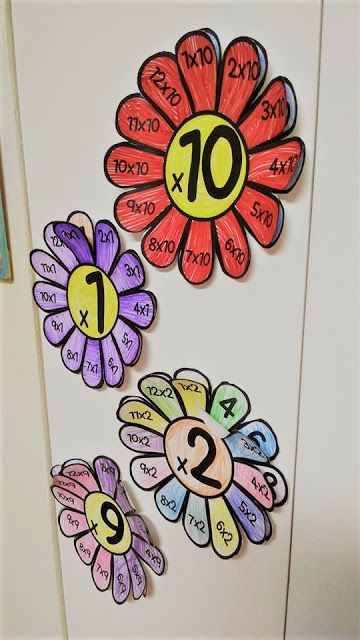
2. Times Tables: Develop fluency in times tables up to 12×12 using these visually appealing charts and worksheets.

3. Multi-Digit Multiplication: Advance your learning with worksheets that tackle multi-digit multiplication problems.

4. Word Problems: Build problem-solving skills with real-life scenarios that require the use of multiplication.

5. Arrays and Area Models: Learn how to use visual representations for solving multiplication problems through arrays and area models.

6. Fun Activities: Engage learners with crossword puzzles, mazes, and other entertaining exercises that incorporate multiplication facts.

Why Choose Our Free Multiplication Worksheets Bundle?

Here are some reasons why you shouldn’t miss out on this fantastic resource:

– Comprehensive: The bundle covers everything from basic single-digit multiplication facts up to applying the concept in real-life situations.

– Adaptable: Our worksheets cater to multiple age groups and abilities, making them perfect for both classroom use and home practice.

– Engaging: With fun activities and visually appealing designs, learners remain engaged while mastering multiplication.

– Convenient: The bundle is available in a downloadable, printable format, making it easy to access and use anytime, anywhere.

Don’t miss this opportunity to help your child or student excel in multiplication by downloading our Free Multiplication Worksheets Bundle today! With consistent practice using these engaging resources, their math skills will multiply and their confidence will soar.

Rounding “Tricks” Miss the Point of Teaching Rounding

In today’s fast-paced world, it seems that everyone is looking for shortcuts and tricks to make life more manageable. This mentality has even made its way into our educational system. In the case of rounding numbers, some teachers and parents may rely on rounding “tricks” to simplify the concept for their learners. However, these tricks can often lead to a shallow understanding of what rounding truly means and why it is essential in daily life. Let’s explore the pitfalls of these rounding “tricks” and ways we can better teach rounding to ensure a solid foundation in mathematics.

Rounding is a critical skill in understanding numbers, estimating, and being comfortable with general numerical manipulation. It allows individuals to process information by simplifying complex or lengthy calculations and fosters an appreciation for the scope of values in various scenarios. The most common method for teaching rounding is by using rules such as “rounding up if the next digit is 5 or above, and rounding down if it is 4 or below”. While this rule itself is valid, relying solely on it as a “trick” does not help learners develop a comprehensive understanding of rounding principles.

Relying on tricks may seem like an efficient solution in the short term, but they can result in long-term consequences. Learners who don’t understand the core concept of rounding are likely to struggle when faced with more advanced mathematical problems, such as those involving decimals or various forms of approximation. This educational gap can lead to difficulty later in life as adults rely heavily on numerical fluency in both personal and professional settings.

To teach rounding effectively, educators must emphasize its purpose beyond mere memorization of rules. A thorough explanation includes stressing the importance of place value when working with numbers and demonstrating practical applications where rounding could be beneficial. For instance, students might practice rounding prices when budgeting or estimating distances while planning a trip. Such real-life examples will help them grasp rounding’s role and utility in daily life.

Moreover, teaching the concept through hands-on activities and engaging learners in dialogue about various rounding scenarios can reinforce their understanding. This will encourage critical thinking and help students apply the technique appropriately across different numerical contexts.

In conclusion, while shortcuts or “tricks” may seem appealing for simplifying complex concepts like rounding, they can hinder a deep understanding of the skill being taught. Teachers and parents must recognize that these shortcuts aren’t always the most effective method for long-term success, especially when it comes to mathematics. To foster a strong foundation in number manipulation and estimation skills, we must prioritize teaching rounding through practical applications and emphasize its importance in our students’ everyday lives. By doing so, we are bettering their chances for success not only in math but in their future pursuits as well.

15 Mathematics For Elementary Teachers With Activities

Introduction:

Mathematics is a fundamental subject that helps children develop various essential skills such as critical thinking, problem-solving, and logical reasoning. Elementary teachers play a vital role in making math interesting and fun for young minds. To help you out, we have compiled a list of 15 engaging mathematics activities that will inspire curiosity and keep your students engaged throughout the learning process.

1.Counting Beads

Use colorful beads and strings to help students practice their counting skills. Create different sets of bead numbers, and ask the students to count them and arrange them in ascending or descending order.

2.Tangram Puzzles

Introduce your students to tangrams – geometrical puzzles made up of seven pieces that can be arranged to create various shapes and figures. This activity promotes spatial awareness and shape recognition.

3.Fraction Pizza

Make a paper pizza craft by dividing it into fractions to teach students the concept of fractions visually. Let them decorate their “pizza” with various toppings to make it a fun experience.

4.Multiplication chart hopscotch

Draw a multiplication chart on the playground using chalk, so children can learn their multiplication tables while playing hopscotch. They must jump on the correct product in sequence.

5.Geometry scavenger hunt

Organize a scavenger hunt where students look for geometrical shapes in their surroundings (e.g., classroom, playground). This activity helps them better understand shapes like triangles, squares, rectangles, circles, etc.

6.Math Flip Book

Create flipbooks with various simple arithmetic problems (addition, subtraction). Students would then work in pairs or groups to discuss and solve these problems.

7.Measuring lengths with non-standard units

Introduce the concept of measurement by using non-standard units like pencils, paperclips, erasers, etc., to measure lengths of various objects around the classroom.

8.Clock Reading Challenge

Teach your students how to read analog clocks and then have them participate in a clock-reading challenge where they need to identify specific times accurately, helping improve their time-telling skills.

9.Money Math

Use play money to teach students basic money-related calculations like making change, counting totals, and understanding the value of different coins and bills.

10.Probability games

Introduce probability concepts through simple games using dice or coins. Students can record the outcomes and discuss the likelihood of each event occurring.

11.Stacking Cups

Teach students how to measure volume by stacking cups of different sizes and discussing the relationship between height, width, and capacity.

12.Magic Squares

Introduce magic squares – numbered grids with rows, columns, and diagonals adding up to the same total. Have students create their own magic squares while exploring patterns and sequences in numbers.

13.Pattern Block Designs

Let students create designs using pattern blocks with specific guidelines that involve symmetry, rotation, or reflection. This activity promotes creativity while teaching geometric transformations.

14.Estimation Jar

Have an estimation jar with small objects like beads or marbles inside it. Encourage students to estimate the number of items inside the jar and discuss strategies for estimation.

15.Mental Math Challenge

Promote mental math skills with fun challenges where students solve simple arithmetic problems without using pencil or paper.

Conclusion:

By incorporating these engaging activities into your mathematics curriculum, you can make learning math an enjoyable experience for your elementary students. These activities not only improve math skills but also boost critical thinking, problem-solving abilities, and teamwork among young learners.

Adventures in Math: Real-world math and money activities for K—8

Introduction:

Mathematics is not just about numbers and equations—it’s an essential life skill that helps us navigate the world around us. By incorporating real-world math and money activities into classroom lessons, educators can engage students in the K—8 age group and make learning a fun adventure. This article explores some practical yet enjoyable math activities that demonstrate the relevance and importance of mathematical concepts in our everyday lives.

1. Grocery Store Fun

One of the most relatable real-world math scenarios is grocery shopping. Teachers can set up a mini grocery store in the classroom, complete with play food, price tags, shopping baskets, and pretend money. Students can then take turns playing the roles of shopper and cashier, practicing addition and subtraction as they calculate the cost of their purchases and give change.

2. Lemonade Stand Economics

A lemonade stand is the quintessential symbol of childhood entrepreneurship, and it offers valuable lessons in economics, budgeting, and profit calculation for young learners. In this activity, students work together to create a basic business plan for a mock lemonade stand. They’ll determine costs for supplies—such as lemons, sugar, cups—and set prices to turn a profit. Through this hands-on exercise, students learn about revenue, expenses, pricing strategies, and financial responsibility.

3. Bank on It

Teaching children about banking concepts such as saving, interest rates, and account management is crucial for their long-term financial literacy. Teachers can assign roles of bankers and customers as children create practice accounts using pretend currency. Students learn to deposit money, withdraw funds responsibly, calculate interest earned over time, and monitor their account balances.

4. Measure Me Up

Incorporating distance measurement in real-life situations engages young learners in spatial awareness and problem-solving skills. Invite students to use measuring tapes or non-standard units like blocks or paper clips to measure various items and distances in their classroom or school. This activity reinforces concepts like length, width, and perimeter while allowing kids to observe mathematical concepts outside of textbooks.

5. Time is Money

Time management is a crucial life skill, and what better way to teach it than by exploring the relationship between time and money? Teachers can provide students with real-life scenarios where they have to make choices about how to allocate their time wisely to maximize productivity and profit. For instance, if a student works part-time after school, they must balance their earning potential with completing homework assignments on time.

Conclusion:

Adventures in Math: Real-world math and money activities for K—8 provide exciting learning opportunities that go beyond conventional classroom lessons. By engaging students in practical experiences and applying mathematical concepts to everyday situations, educators nurture a deeper understanding of the subject matter.

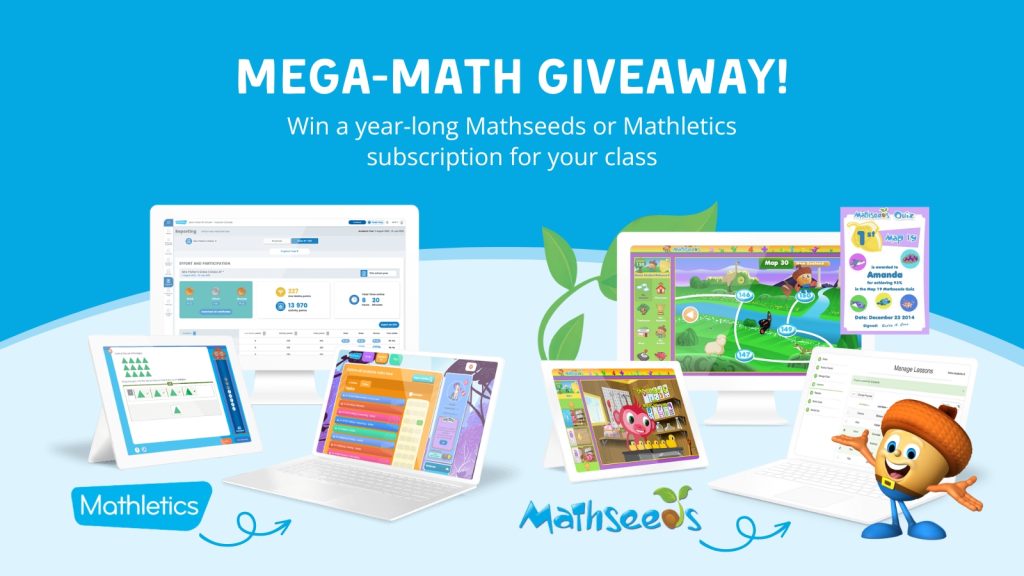
Enter to Win a Mathseeds or Mathletics Subscription: Enhance Your Child’s Learning Experience

Are you searching for innovative and engaging ways to help your child improve their math skills? Look no further! We are thrilled to announce our latest giveaway: the chance to win a subscription for either Mathseeds or Mathletics, two dynamic online platforms designed to revolutionize the way children learn math.

Mathseeds and Mathletics: Making Mathematics Fun and Accessible

These award-winning programs have been developed with the aim of creating a captivating and interactive learning experience for children. Here’s what sets them apart:

1. Mathseeds: Suitable for ages 3-9, Mathseeds utilizes an engaging and self-paced online curriculum filled with educational games, songs, and activities that appeal to younger learners. The program presents essential mathematical concepts in a way that’s both entertaining and instructive.

2. Mathletics: Geared toward students aged 5-14, Mathletics combines captivating multimedia lessons with competitive games, encouraging students to master essential mathematics concepts while having fun. The comprehensive program covers all areas of math, including algebra, geometry, statistics, probability, and more.

Benefits of Winning a Subscription

Winning a subscription for either Mathseeds or Mathletics can prove invaluable in supporting your child’s mathematical development. Some key benefits include:

– Personalized learning pathways tailored to your child’s abilities

– Interactive lessons that keep them engaged

– Progress tracking to monitor improvement

– Instant feedback that reinforces correct techniques

– Accessible on multiple devices for convenient learning

How to Enter

Don’t miss out on this fantastic opportunity! To enter the giveaway for a chance to win a subscription, simply follow these steps:

1. Like and Share our page on social media

2. Leave a comment below explaining why your child would benefit from using either platform

3. Fill out the entry form provided on our website

The contest is open from now until [end date]. Winners will be announced on our social media pages and contacted via email, so keep your eyes peeled for the exciting results!

Invest in Your Child’s Future Success

A solid foundation in mathematics is essential for future academic success. By entering this giveaway, you could give your child the opportunity to cultivate strong math skills in a fun and engaging environment. So why wait? Enter today for a chance to win a Mathseeds or Mathletics subscription and let the learning begin!

Teachers’ Words Matter: Why I Quit Math in Sixth Grade

Introduction:

As we walk down memory lane from our childhood days to adulthood, some experiences leave indelible memories and continue to shape our lives. One such experience is the impact of teachers’ words on students. In a world where academic success hinges on student-teacher relationships, understanding the power of teachers’ words becomes all the more critical. My story of giving up math in the sixth grade highlights why words matter and how they can significantly affect a student’s life trajectory.

The Beginning:

When I was in elementary school, I loved math. I found joy in solving equations, discovering new methods to tackle problems, and devising shortcuts on my own. The praise and encouragement I received from my teachers fueled my passion for math and inspired me to explore it more deeply.

Enter Sixth Grade:

However, things took an unexpected turn when I began sixth grade with a new math teacher. From day one, she seemed to doubt my abilities and questioned my understanding of concepts incessantly.

The Words that Changed Everything:

One fateful day during a class discussion, she called me out on a mistake I had made solving a problem on the board. “Maybe you’re just not good at math,” she stated flatly in front of the whole class. That statement shattered my confidence and made me feel worthless.

The Aftermath:

I could no longer muster the enthusiasm to tackle math problems with curiosity or excitement – every interaction with numbers felt like wading through quicksand. My performance in math plummeted as the belief that I wasn’t cut out for it solidified within me.

The Lingering Effects:

As I grew older, I actively avoided anything related to math or subjects that required numerical skills. This aversion greatly limited my educational and career choices, leaving me wondering what opportunities I might have missed due to that moment in sixth grade.

Reflections:

Looking back, I now realize that a single negative comment from a teacher can be as influential as years of positive reinforcement. In an instant, the words spoken can break a student’s spirit, effectively dashing their academic dreams.

A Call for Mindful Communication:

Teachers are essential figures in shaping young minds, and they wield tremendous power through their spoken words. It is crucial that educators be mindful of the language used in addressing students and strive to foster a nurturing and supportive classroom environment.

Final Thoughts:

My story is not an isolated case – countless students have had their aspirations crushed by thoughtless comments from teachers who may not even remember the conversation. As we move forward, let us prioritize empathy and supportive communication in education, ensuring that no student has to endure what I experienced in sixth grade. Teachers’ words matter – let’s use them responsibly to build confident learners who can achieve great heights.

20 Dot Plot Activities Your Students Will Love

1.Emoji Emotions: In this activity, students survey their classmates on their emotions and use the data to create a dot plot using emojis as the plot points.

2.Sports Scores: Students gather data on the scores of various sports games and represent the data on a dot plot, comparing the different teams’ performances.

3.Weather Watchers: Task students with tracking temperature patterns over a week or month. Then, they can create a dot plot to visually represent the highs and lows of each day.

4.Book Characters: Have students choose their favorite book character and create a dot plot showing their character’s traits according to frequency.

5.Snack Attack: Students survey the class on their favorite snacks and build a dot plot illustrating the results.

6.Movie Ratings: Assign students to collect data from friends and family members about movie ratings out of 10 points. Use this information to create a dot plot that ranks the films.

7.Height Comparison: In this activity, students measure their heights and use that data to construct a dot plot showcasing height distribution within the class.

8.Pet Parade: Students collect data about pets in their neighborhood and create a dot plot categorizing them by species frequency.

9.Music Genres: Classmates share their favorite music genres, and students create a dot plot reflecting the popularity of each genre within the class.

10.Travel Tales: Have students inquire about countries classmates have visited or would like to visit one day, then illustrate these desired destinations in a dot plot format.

11.Weekend Planner: Task students with listing their preferred weekend activities; record these options in a visually appealing dot plot structure.

12.Environmental Awareness: Survey students’ knowledge or opinions regarding climate change issues and represent the data in an easily digestible dot plot format.

13.School Subjects: Create a dot plot showcasing students’ favorite subjects, allowing for comparisons between subject areas.

14.Fashion Trendsetters: Indulge in trend forecasting by graphing the frequency of various clothing styles worn by students throughout the week in a unique dot plot.

15.Dream Jobs: Encourage students to share their dream jobs and use this information to build a dot plot illustrating student aspirations.

16.Lunchtime Favorites: Collect data about favorite meals served at school, then create a dot plot demonstrating which lunches are most popular.

17.Recycling Efforts: Survey fellow students on the number of items recycled per day and create an informative dot plot, showcasing waste reduction habits in your class.

18.Plant Growth: Have students plant seeds and track their growth over time, using a dot plot to visualize height differences at particular milestones.

19.Exercise Goals: Ask each student to document the number of minutes they exercise per day, then report results in a dot plot for visual comparison.

20.Artistic Expression: Allow students to choose an emotion or theme, create an artwork inspired by that concept, and display their creations on a wall organized like a dot plot according to frequency spent on the artwork.

Incorporating these engaging dot plot activities into your classroom can help students foster critical analytical skills while igniting their passion for learning about data trends and visualization.

5 Ways to Teach Perseverance in Math Class

Introduction:

One of the most valuable lessons a student can learn in life is perseverance. As educators, we have a responsibility to instill this essential skill into our students’ minds and daily lives. In math class, a subject with varying degrees of difficulty and complexity, teaching perseverance can be crucial to a student’s success. Here are five tried-and-tested ways to teach perseverance in math class.

1. Embrace Challenge:

Encourage students to tackle difficult math problems and praise their efforts, regardless of the end result. Emphasizing the importance of tackling challenging tasks helps build confidence and strengthens their problem-solving skills. Teach them that there is no such thing as a “math person” and that everyone can learn and grow with practice.

2. Foster Growth Mindset:

Promote a growth mindset by praising effort over talent. Emphasize the importance of learning from mistakes and overcoming countless trials on the way to success. When students struggle, remind them it’s just an indication that their brain is growing stronger.

3. Create a Safe Learning Environment:

Establish a classroom culture where students feel comfortable sharing their thoughts, asking questions, and admitting they don’t understand something without fear of judgment or ridicule. Encourage collaboration among peers as they solve mathematical tasks together, allowing open communication that leads to breakthroughs.

4. Provide Scaffolding:

When students face complex math problems or concepts, offer guidance by breaking tasks into small manageable steps for them to follow systematically. Provide support as needed but gradually reduce assistance along the way, helping encourage independent problem-solving skills.

5. Celebrate Progress and Setbacks:

Teach students the importance of celebrating progress, not just success at the end goal. Acknowledge small victories along the way and ensure your learners understand that setbacks are part of learning – even skilled mathematicians face challenges! Encourage reflection on how they’ve grown throughout each process.

Conclusion:

Incorporating these techniques into your math classroom will not only boost student achievement but also foster a sense of perseverance that students will carry with them in all areas of life. The ability to persist through challenges, even when they seem insurmountable, is a skill that will help our students excel well beyond the walls of the math classroom.

Thinking Through Mathematics

Introduction

Mathematics is often viewed as a complex subject, full of abstract concepts and challenging calculations. However, it is much more than just numbers and equations; it is a tool to enhance cognitive processes, critical thinking, and problem-solving skills. In this article, we delve into the world of thinking through mathematics, exploring its benefits and providing tips for enhancing one’s mathematical thought process.

Unlocking the Power of Mathematics

Thinking through mathematics is an approach that emphasizes the importance of fostering creative and logical thinking. When we view mathematics as a means to sharpen mental abilities rather than solely solving problems, it becomes a powerful tool in everyday life and decision-making processes.

Benefits of Thinking Through Mathematics

1.Critical Thinking Skills: A strong foundation in mathematics can improve critical thinking skills by teaching students to analyze complex problems and find effective solutions. By learning to sort, manipulate, and analyze data or variables, they become better equipped to form logical conclusions.

2.Pattern Recognition: Recognizing patterns is inherent in human nature, but leveraging it in problem-solving enriches our cognitive abilities. Mathematics presents numerous opportunities for pattern recognition, which aids memory retention and can be applied across various disciplines.

3.Enhancing Creativity: Mathematical reasoning often involves finding unique ways to approach problems, nurturing creativity by presenting different perspectives or methods for solution-finding.

4.Decision-Making Skills: The ability to think through mathematics highlights essential components that drive effective decision-making – evaluating options, assessing risks, weighing costs/benefits – all of which contribute to more informed choices.

5.Confidence & Resilience: Building mathematical understanding can boost confidence and resilience in learners as they realize they have the mental tools required to tackle challenges both within and beyond the mathematical realm.

Tips for Enhancing Mathematical Thought Processes

1.Practice Mind Mapping: Mind maps are visual representations used to organize information effectively while also stimulating creativity. Use this technique to break down complex mathematical concepts, making them easier to comprehend and apply.

2.Engage in Active Problem Solving: Treat every math problem as a puzzle that requires critical thinking and creativity to solve. Adopt different strategies, explore various solutions, and work through challenges step by step.

3.Build Mathematical Vocabulary: Learning the unique language used in mathematics will facilitate better communication of ideas and help connect different principles and concepts.

4.Reflect on Solutions: After solving a mathematical problem, take time to reflect on the process followed and explore alternative methods. Reflection aids in understanding the hows and whys of mathematics, which leads to improved problem-solving abilities.

5.Collaborate with Others: Sharing knowledge and working together strengthens understanding and enhances mental processes. Engage with peers or mentors to create an environment conducive to learning from each other while building confidence in your skills.

Conclusion

Thinking through mathematics is an invaluable approach to unlocking creative, logical thinking processes that extend far beyond classroom walls. Employing techniques specifically designed to promote mathematical thought can empower individuals with essential tools for critical thinking, decision-making, and creative problem-solving applicable across various aspects of daily life. By embracing the notion of thinking through mathematics, we continue shaping resilient, intellectually-curious minds prepared for a world where adaptability and innovation are indeed valued assets.

Triumph Learning: Score Big in Math and Reading

Introduction:

Triumph Learning, a renowned educational company specializing in dynamic learning solutions, has been empowering students across the nation to score big in math and reading. With their well-crafted materials designed for K-12 students, this organization aims to simplify challenging concepts and make learning a fun and engaging experience.

The Importance of Math and Reading Skills:

Math and reading are fundamental skill sets that serve as the building blocks for a student’s successful academic career. These subjects provide them with necessary problem-solving techniques, analytical skills, and critical thinking abilities that can significantly impact their future endeavors. Triumph Learning recognizes this importance and is committed to nurturing these essential skills.

How Triumph Learning Works:

Triumph Learning offers a comprehensive range of educational resources that cater to students’ various needs. Brought to life by experienced educators and subject matter experts, their offerings include:

1. Curriculum Support: Their curriculum solutions provide educators with the necessary tools to augment current instructional plans in both math and reading. Engaging lesson plans, interactive activities, and formative assessments promote student engagement.

2. Instructional Materials: Triumph Learning crafts educational materials specifically designed to target core math and reading skills. Students benefit from age-appropriate content that challenges them academically while focusing on concept mastery.

3. Professional Development: Triumph Learning extends support to educators by offering professional development opportunities designed to enhance teaching methods and optimize student outcomes in math and reading.

4. Digital Integration: In line with recent advances in technology, Triumph Learning’s digital platform ensures engaging content reaches students beyond the classroom setting. Their digital resources ensure seamless integration into existing curricula.

Success Stories of Students Excelling in Math & Reading:

Hundreds of schools have witnessed marked improvements using Triumph Learning’s engaging resources to support their math and reading curriculums. Students have experienced increased comprehension of complex mathematical concepts as well as improvement in their reading abilities with respect to vocabulary, grammar, and expression.

Why Choose Triumph Learning:

Triumph Learning’s dedication to excellence in education has earned them a reputation as experts in the field of curriculum enhancement. They take pride in understanding the diverse needs of students while focusing on their academic growth in math and reading.

Conclusion:

With its top-of-the-line resources, comprehensive support systems, and expert guidance, Triumph Learning is instrumental in helping K-12 students score big in math and reading. By ensuring the development of strong foundations in these foundational subjects, Triumph Learning equips young learners with the skills needed for academic excellence and future success.