Math Education

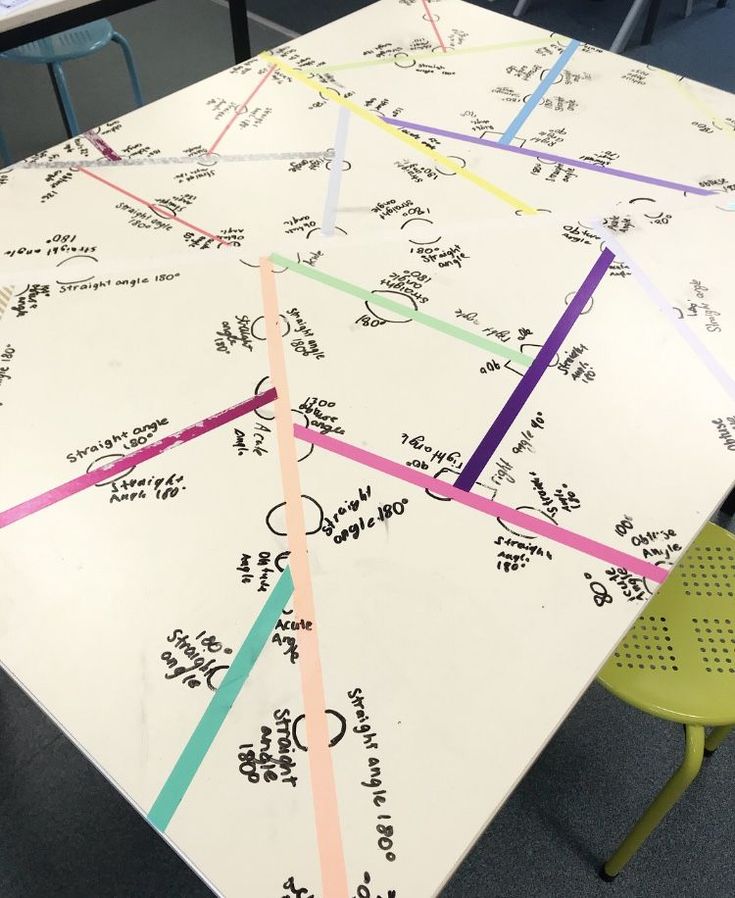
19 Exciting Math Activities to Practice Identifying & Measuring Angles

Introduction:

Angles are fundamental in mathematics, and being able to identify, measure, and understand them is crucial in improving math skills. Spice up your angle-learning sessions with these 19 exciting activities that will make math fun and educational.

1.Angle Walk: Walk around the room identifying angles found in everyday objects, such as corners of tables or books.

2.Geoboards: Create different angles using rubber bands on geoboards.

3.Protractor Scavenger Hunt: Hide protractors around the room at different angles, and let students find and measure them.

4.Angle Art: Use art techniques like paper folding to explore various angles.

5.Online Angle Games: Use online resources with interactive angle games for learners to practice measuring angles.

6.The Angling Game: Create a matching game where students match angle names (acute, obtuse, right) with their measurements.

7.Estimation Challenge: Divide the class into teams and give them a series of angles to estimate without a protractor.

8.Playdough Angles: Let students create angles using playdough or clay modeling.

9.Angle Dance-Off: Choreograph a dance incorporating different types of angles in the dance moves.

10.Outdoor Angle Hunt: Take the lesson outside to identify various natural and man-made angles found around the schoolyard or park.

11.Origami Exploration: Practice folding different origami shapes while noticing and discussing the angles formed at each fold.

12.Puzzling Angles: Solve angled jigsaw puzzles together or on your own for an exciting way to practice measuring angles.

13.Photo Angle Hunt: Have students take pictures of various object’s angles, share with classmates, and discuss their findings.

14.Stacking Cups Challenge: Stack cups at different angled positions to create unique structures while exploring measurements of angles.

15.Angle Measurement Relay: Split students into teams, and have a relay race where each student measures an angle on a card as accurately as possible before passing it to the next team member.

16.Lego Geometry: Build different shapes with Lego bricks and identify the angles created.

17.DIY Protractors: Enhance creativity by having students make their own protractors using paper plates or compasses to assist in measuring angles.

18.Angle Obstacle Course: Set up an obstacle course incorporating various angled challenges, like crawling under raised barriers at various angles or climbing over angled ramps.

19.Collaborative Angle Mural: Create a large mural with angular designs where each student contributes their unique angle or shape to complete the masterpiece.

Conclusion:

Make math enjoyable and engaging by introducing these 19 stimulating activities into your lesson plan. Students will not only improve their understanding of angles but also enhance their creativity, collaboration, problem-solving abilities, and critical thinking skills, empowering them for future success in mathematics.

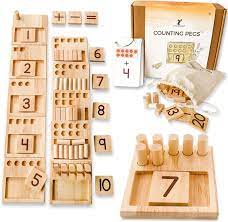
15 Mathtastic Board Games To Make Learning Fun

Introduction:

Mathematics is an important life skill, and introducing it to youngsters in a fun and engaging way is crucial. Board games are a fantastic method to make learning math enjoyable, allowing kids to practice problem-solving, strategy, and calculations while having a blast. Here, we have compiled a list of 15 mathtastic board games that will surely make learning math a delight for children of all ages.

1. Monopoly: A classic game adored by both kids and adults, Monopoly teaches players about money management, addition, subtraction, and budgeting while they compete to dominate the real estate market.

2. Sum Swamp: This entertaining board game tailored for younger kiddos involves adding and subtracting small numbers while trying to cross a swamp filled with exciting creatures.

3. Ticket to Ride: Teach kids about planning and strategy with Ticket to Ride—players collect train cards to claim railway routes across North America and earn points based on the routes’ length.

4. Mathopoly: Inspired by Monopoly, Mathopoly combines math skills (such as multiplication, division, and percentages) with property trading in an intriguing and educational way.

5. Prime Climb: With colorful mathematical patterns on its board, this game helps kids learn arithmetic operations using prime numbers in their quest to reach the finish line first.

6. Pizza Fraction Fun!: Improve kids’ understanding of fractions by serving up delicious pizza slices! Players draw cards with fraction tasks that they must complete by using pizza slice-shaped pieces representing different fractions.

7. Equate: In this Scrabble-like game, players create and complete numerical expressions using tiles numbered 0-9 and various mathematical symbols.

8. Abacus: The Arithmetic Game: By solving arithmetic problems within a certain time limit, players race around a world map and explore various cities, making it both fun and educational.

9. Math Dice Chase: This quick and entertaining game challenges players to solve mental math problems by rolling their dice and calculating the sum before passing the dice on to the next player.

10. The Game of Life: In this classic game, players navigate through life’s ups and downs while managing finances, careers, and family priorities—an excellent way to learn about decision-making and money management.

11. S’Math: A crossword-style game that requires players to create math equations using number and operator tiles, S’Math encourages critical thinking and sharpens arithmetic skills.

12. Set: This card game tests players’ pattern recognition and mental math abilities as they race to find sets of three cards with common attributes.

13. Yahtzee: This popular dice game improves addition, multiplication, and probability skills as players calculate their scores based on various combinations of dice rolls.

14. Blokus: Strengthen geometry and spatial reasoning skills with Blokus—a strategy board game in which players place uniquely shaped tiles on the playing surface while attempting to block their opponents’ moves.

15. Qwirkle: A colorful tile-matching game that helps kids develop strategy and critical thinking skills, Qwirkle combines elements of Scrabble and dominoes while encouraging pattern recognition and spatial reasoning.

Conclusion:

These 15 mathtastic board games are not only fun for children but also enrich their understanding of various mathematical concepts such as problem-solving, arithmetic operations, strategy, and more. Let your kids enjoy learning math through play by introducing these engaging games into their daily routine!

Math: The Good, the Bad, and the Inspiring

Introduction

Mathematics is a subject that has elicited diverse feelings from students and professionals alike throughout human existence. While some people view math as an essential tool for understanding the world and solving complex problems, others perceive it as a confusing maze of numbers and symbols. This article aims to explore the good, bad, and inspirational aspects of mathematics and how it has shaped our civilization over time.

The Good

1. Critical Thinking: Math teaches us critical thinking skills which are vital in various aspects of our lives. From making informed decisions to solving problems methodically, such skills can lead to success in different fields.

2. Universal Language of Science: Mathematics serves as a common language for scientists across different disciplines. It allows researchers from physics, chemistry or biology to communicate effectively about their work and build upon each other’s findings.

3. Technological Advancements: The role of math in technological innovation is undeniable. Mathematical algorithms and models have driven advancements such as computing technology, medical imaging, and space exploration.

4. Infrastructure Development: Many aspects of daily life rely on math concepts like geometry and calculus for their design and maintenance; including transportation networks, building construction plans, and even power grids.

The Bad

1. Anxiety: Math anxiety is a common problem faced by many people around the world. This psychological phenomenon can develop from negative experiences or poor teaching methods in school, leading individuals to avoid math-related tasks later in life.

2. Difficult Concepts: Some mathematical concepts are abstract or complex, making them difficult for students to grasp without effective teaching approaches—a challenge that can create a negative perception of mathematics.

3. Overemphasis on Grades: In educational institutions, grades often hold great significance for students’ self-worth and academic achievement. However, an unhealthy focus on obtaining high grades can demotivate students who struggle with math-related subjects or cause undue stress on those who excel.

The Inspiring

1. Mathematicians’ Achievements: Throughout history, mathematicians have made tremendous breakthroughs that transformed human knowledge and understanding. From Isaac Newton’s development of calculus to Grace Hopper’s invention of the first compiler, mathematicians continue to push the boundaries of knowledge.

2. Unique Solutions: Math problems often have multiple solutions that encourage creative problem-solving—an inspirational aspect of mathematics that fuels curiosity and rewards unconventional thinking.

3. Real-World Applications: Math has been instrumental in solving real-world problems, such as predicting natural disasters like floods or earthquakes, optimizing manufacturing processes, or developing efficient algorithms for computer systems.

Conclusion

Mathematics is a multi-faceted discipline with both good and bad aspects that continue to shape its perception across the globe. However, it is undeniable that the practical applications and profound insights into our world offered by math far outweigh its challenges. By embracing the inspiring aspects of mathematics, we can overcome common struggles and foster a healthier, more accurate public understanding of this essential domain.

11 Creative Ways to Use Guinness World Records to Teach Math

Introduction:

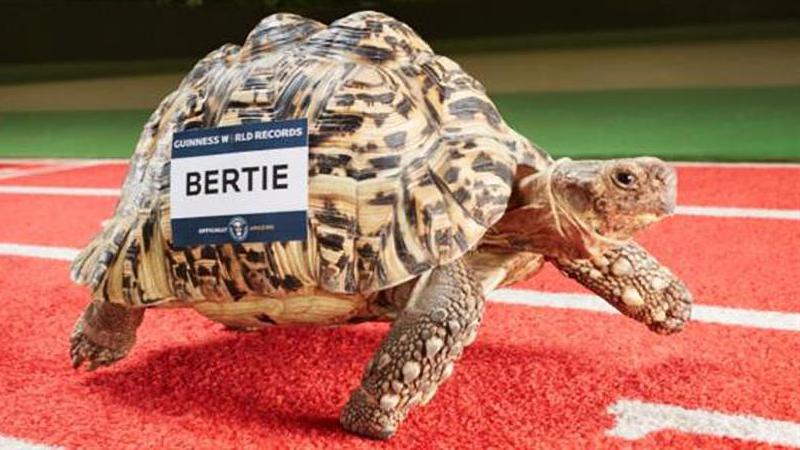
The fascination surrounding Guinness World Records offers a fascinating and engaging way to teach students mathematical concepts. Here are 11 creative ways to incorporate record-breaking data into your math lessons:

1. Fastest Calculation:

Present students with the record for completing rapid arithmetic calculations, such as the fastest time to multiply two 13-digit numbers. Challenge them to improve their calculation speed over time, sparking motivation for mental math practice.

2. Longest Mathematical Proof:

Introduce the longest mathematical proof ever documented in the Guinness World Records while teaching advanced geometry or formulas. Encourage students to discuss the significance of this achievement and its relevance to their studies.

3. Tallest Tower of Pancakes:

Teach ratio and proportion using real-world examples such as the tallest tower of pancakes ever recorded. Ask students to calculate how many pancakes were required for each layer and determine any pattern or ratios involved.

4. Highest-Calorie Burger:

Teaching nutrition-based mathematics can be brought to life by examining records like the highest-calorie burger ever made. Have students break down the burger’s ingredients and calculate each component’s calorie contribution using percentages and decimals.

5. Largest Snow Maze:

Students can practice area calculations by analyzing real-life examples like the world’s largest snow maze. Ask them to estimate its size, discuss different methods for measuring it, and compare their calculations with other students.

6. Word Problem-Based Records:

Convert Guinness World Records data into word problems that require calculating distance, time, or amount (e.g., “If a person travels at X km/h speed while setting a skateboard distance record, how long did it take them?”). Modify problems for different skill levels.

7. Graphing Extremes:

Charting record-breaking achievements in various categories can help teach graphing concepts like bar charts, line graphs, and scatter plots. Students can analyze patterns, trends, and correlations using graphical representations of real data.

8. Probability and Records:

Examine records with a probabilistic angle by posing questions such as, “What are the chances of two people in a class of 30 students holding a world record?” This encourages students to explore probability theory concepts in a relatable context.

9. Pi Memorization Record:

Celebrate Pi Day (March 14th) by introducing the record for most digits of pi memorized. Encourage students to explore mnemonics and techniques used by memory experts while learning about the importance of pi in geometry and trigonometry.

10. Weighty Questions:

Utilize records related to weight or mass measurement (largest pumpkin or smallest living dog) to teach topics like unit conversion or mass-related calculations. Students can apply their mathematical skills to real-life contexts.

11. Record-Breaking Classroom:

Inspire your students to think creatively by planning a lesson where they attempt to break an existing math-related world record or create a new one. Design activities that encourage teamwork, problem-solving, and critical thinking skills.

Conclusion:

Using Guinness World Records as a teaching tool can help make complex mathematical concepts more accessible and enjoyable for students. It’s not only fun but also fosters a curiosity for learning as students connect math principles to the world around them.

A Creative, Hands-On Multiplication Lesson Plan

Introduction

Teaching multiplication can be a challenging and repetitive task, especially when students struggle to grasp the concept. That’s why incorporating a creative hands-on multiplication lesson plan can help students engage, understand, and retain the vital skill of multiplication. In this article, we will outline a fun and interactive method to teach multiplication with a unique hands-on activity.

Objective

The objective of this hands-on lesson plan is to provide students with an engaging and tactile method to learn multiplication. By using physical manipulatives and visualization, students will grasp multiplication concepts more easily and be able to apply them independently.

Materials Needed

– A1-sized grid paper (large enough for students to work on)

– Different colored square tiles or counters (each color representing a different number)

– Dry-erase markers

– Whiteboard or chart paper for displaying completed example

Procedure

1. Begin the lesson with a brief introduction on what multiplication is and its importance in everyday life.

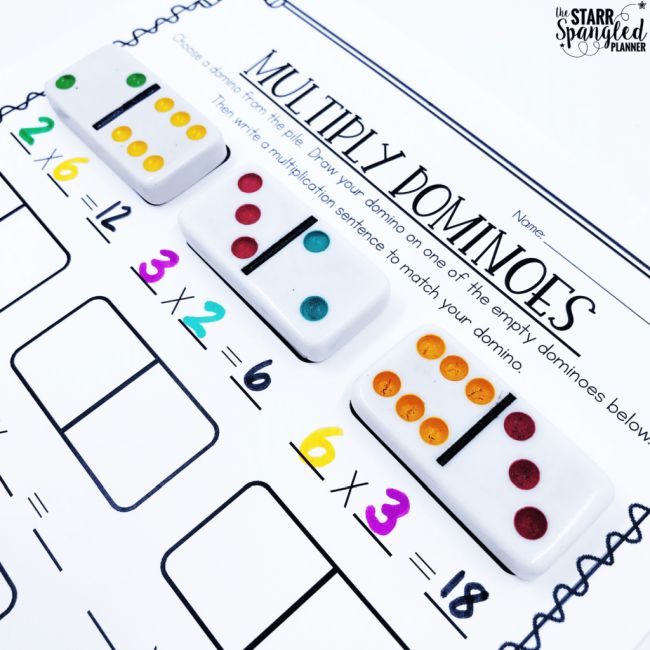
2. Present an example problem: Let’s say you want to find out how many tiles are needed for the floor of a 4×6 room. Show two sets of square tiles—one with four tiles and one with six—arranged in rows and columns. Use different colors to represent the numbers for easy visualization.

3. Ask the students how many total tiles there are without counting them one by one. Explain that they can use multiplication as a shortcut method to find the answer.

4. Introduce the physical manipulatives (colored square tiles) and A1-sized grid paper; have them placed at stations around the room for students to work comfortably.

5. Group students into pairs or small teams and assign each group a different multiplication problem to solve using the colored square tiles (e.g., 3×5 or 2×8). Encourage collaboration and discussion within groups.

6. Instruct each group to place the appropriate number of colored tiles on the grid paper, keeping in mind different colors for each number. Ensure they arrange these tiles in rows and columns that represent their multiplication problem.

7. Once all groups have completed their multiplication using the tiles, use dry-erase markers to show the equation and solution for each individual group’s assignment on a whiteboard/chart paper.

8. Have groups check their answers against the displayed solutions to ensure understanding and accuracy.

9. Lastly, engage in a group discussion about the strategies they have used, their experiences with the hands-on approach, and the benefits of understanding multiplication conceptually.

Conclusion

By utilizing this creative, hands-on multiplication lesson plan, teachers enable students to visualize and physically manipulate numbers during multiplication. This approach not only helps with conceptual understanding but also promotes active learning and teamwork in the classroom. Give it a try and watch your students evolve into confident problem solvers who excel at multiplication!

Build Better Math Lessons With LEGO® Education MoreToMath

Introduction

Mathematics is often considered a challenging subject for many students, leading educators worldwide to search for ways to make math instruction more engaging and effective. With the advent of innovative educational tools like LEGO® Education MoreToMath, teachers can now create more interactive and exciting learning environments for students that transform traditional math lessons into enjoyable, hands-on experiences.

The Power of LEGO® Education MoreToMath

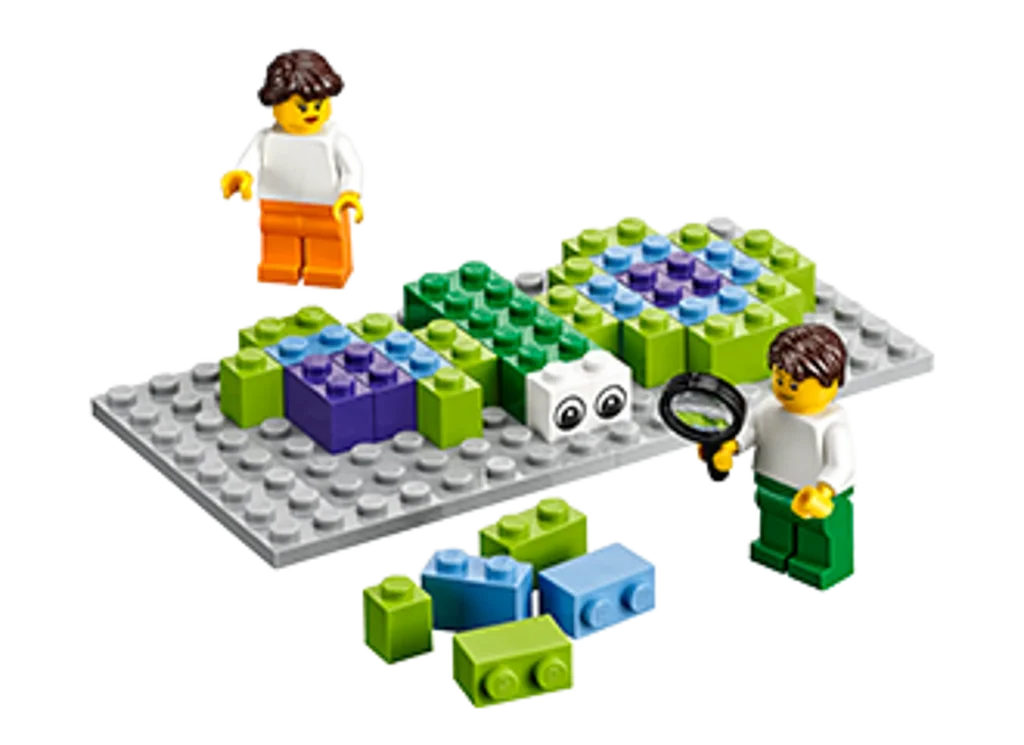
LEGO® Education MoreToMath uses specially designed LEGO bricks and unique activities to help students in grades 1-2 (ages 6-8) build a stronger foundation in math skills. This innovative teaching tool encourages students to explore mathematical concepts and develop problem-solving abilities through hands-on learning, creative play, collaboration, and critical thinking.

How It Works

LEGO® Education MoreToMath consists of several key components that come together to create a powerful learning experience:

1. Customized LEGO bricks: The MoreToMath set includes uniquely shaped LEGO building elements designed explicitly for developing math skills in young learners. These bricks help students learn concepts such as counting, addition, subtraction, multiplication, division, and more.

2. Core Curriculum Activities: The program offers a wide range of age-appropriate curriculum-based activities that engage students’ creativity and strengthen their understanding of mathematical principles. Each activity is carefully developed and aligned with learning standards to ensure a comprehensive mathematics education.

3. Detailed Teacher Guides: To support educators in implementing MoreToMath effectively in their classrooms, the program also includes step-by-step teacher guides outlining activity objectives, required materials, duration, and suggested extensions or modifications.

4. Collaboration Opportunities: By working together on LEGO-based math projects, students foster teamwork skills while exploring mathematical concepts together – making it an invaluable tool for developing not only mathematical proficiency but also valuable social competencies.

Benefits of Using LEGO® Education MoreToMath

1. Engaging Learning Experience: MoreToMath transforms mundane math lessons into exciting and interactive experiences, capturing students’ interest and motivating them to learn. By bringing a playful element to math education, students are more likely to enjoy the subject and retain the knowledge they gain.

2. Comprehensive Mathematics Instruction: The customizable activities provided by MoreToMath cater to multiple learning styles, abilities, and levels of understanding. This adaptability ensures that all students have the opportunity to build a solid foundation in essential math skills.

3. Real-World Problem-Solving: LEGO® Education MoreToMath encourages students to apply their mathematical knowledge to realistic scenarios and challenges. By allowing learners to see how mathematics can be directly applicable in real-life situations, they develop a more profound appreciation for the subject.

4. Enhanced Social Skills: Through collaborative LEGO-based projects, students learn vital social skills such as communication, cooperation, and conflict resolution. These abilities extend beyond the classroom and can be transferred into numerous aspects of their everyday lives.

Conclusion

LEGO® Education MoreToMath offers educators a versatile, engaging tool for building better math lessons catered to the unique needs of young learners. By harnessing the power of LEGO bricks and hands-on activities, teaching essential mathematical concepts becomes an enjoyable task for both teachers and students – ultimately leading to improved academic outcomes and a lifetime love for learning.

20 Fun Ratio and Proportion Activities for Middle School

Introduction:

Instilling a strong understanding of mathematical concepts, such as ratio and proportion, is essential for middle school students. By providing fun and engaging activities, educators can make learning enjoyable and increase comprehension. Here are 20 exciting ratio and proportion activities designed specifically for middle school students.

1.Skittle Counting:

Give each student a small bag of Skittles. Have them sort the colors and create ratios comparing the number of each color to the total amount.

2.Paint Mixing:

Supply students with three primary colors — red, blue, and yellow — then have them create different shades by following assigned ratios.

3.Cooking with Ratios:

Using simple recipes, such as making lemonade or cookies, teach students about using ratios in cooking.

4.Map Scaling:

Have students create scale models of their school or neighborhood using given scaling ratios.

5.Currency Conversion:

Provide currency exchange rates and have students calculate how much money they would receive when converting their money into another currency.

6.Candy Bar Fractions:

Using various candy bars with different proportions represented in their packaging design, have students compare the different fractions.

7.Proportion Pictionary:

Have students draw objects in proportionate sizes according to specific calculations.

8.Building Budgets:

Set up a pretend store filled with items at different prices and provide an imaginary budget. Students must determine the proportions they can buy within their allocated budget.

9.Solve Proportion Problems:

Create a list of word problems involving real-world scenarios that require solving for ratio or proportion.

10.Grocery Store Trip:

Take your class to a grocery store or set up a pretend store inside your classroom where students will use ratios to calculate discounts on items during sales events.

11: Newspaper Ads Analysis:

Ask students to analyze ads in newspapers and evaluate the claims made based on proportions or percentages given in the ad copy.

12.Speed and Distance Calculation:

Using ratios, have students calculate how long a road trip would take given different average speeds and distances.

13.Ratio Hunt:

Arrange objects in predetermined ratios throughout the classroom and have students hunt for the specific object combinations.

14.Sports Statistics Comparison:

Give students sports statistics of their favorite players or teams and ask them to compare the performance ratios.

15.Proportional Art:

Incorporate proportions into art projects to teach size comparisons between drawn or painted objects.

16.Recipe Resizing:

Have students adjust the ingredient quantities in a given recipe to serve different numbers of people while maintaining proper proportions of each ingredient.

17.Sharing Meal Portions:

Provide a meal scenario with various items to share amongst friends, teaching students how to evenly portion food according to given ratios.

18.Classroom Decorating Decisions:

Give your class a predetermined budget for purchasing classroom decorations, allowing them to use ratio calculations in their decision-making about which decorations provide better value.

19: Water Conservation Game:

Students simulate daily activities that use water, such as brushing teeth or taking a shower, illustrating how using water in different amounts affects total consumption with different proportions.

20.National Park Ecosystem Study:

Discuss and calculate the relationships between different species’ populations in a particular national park ecosystem using scientific data collected by researchers.

Conclusion:

These 20 fun and engaging activities will help middle school students better understand and enjoy learning about ratio and proportion concepts. By incorporating hands-on experiences and connecting mathematics to the real world, educators can provide meaningful learning experiences that reinforce critical skills.

Teach Place Value Using Sidewalk Chalk

Introduction:

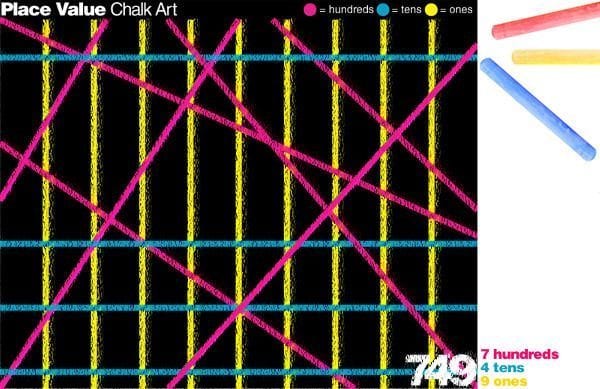
Place value is an essential mathematical concept that helps children understand the significance of each digit in a number. While conventional teaching methods can sometimes make the learning process dull, incorporating fun and engaging activities into the curriculum can significantly improve a student’s interest and comprehension. One such activity is teaching place value using sidewalk chalk. This article explores how to use this simple, yet effective method to teach place value.

Materials Needed:

– Sidewalk chalk in various colors

– A large outdoor area with a safe, flat surface (such as a driveway or school playground)

Instructions:

1. Preparation: Choose a spacious and safe area for the children to work on. Make sure the surface is clean and dry. Provide each child with their own set of colored sidewalk chalk.

2. Warm-up: Start with a brief review of place value concepts, emphasizing ones, tens, hundreds, thousands, and so on. Ensure the children are familiar with the base ten numbering system.

3. Introduction: Explain that they will be creating large place value charts on the ground using their colored sidewalk chalk. Describe each column as ones, tens, hundreds, etc., and assign specific colors for each column to maintain consistency.

4. Drawing place value charts: Instruct each child to draw a large grid representing the place value chart with rows for numbers 0-9 as per their understanding level (e.g., up to tens or hundreds). Ensure their name is written above the chart for easy identification.

5. Practice: Assign each child or group a few different mixed-digit numbers randomly and have them represent it in their respective charts by writing the digits in correct place value columns.

6. Interactive learning: Encourage children to walk around and observe their classmates’ charts for any discrepancies or creative representations of numbers.

7. Discussion: Once all children have completed their charts, initiate a discussion in which they share their experience, any challenges they faced, and what they learned from the activity.

8. Cleanup: Make sure to allot time for children to clean up their learning area and collect the chalk properly.

Conclusion:

Teaching place value using sidewalk chalk is a fun, interactive, and engaging way to help children grasp essential mathematical concepts. This outdoor activity not only promotes creative learning but also encourages peer-to-peer interaction and collaboration. By making learning enjoyable, students are more likely to retain crucial information and develop a positive attitude towards education – especially when it comes to mathematics.

How to Teach Math and Science With Matchbox Cars

Introduction:

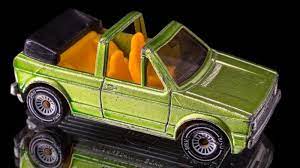
Matchbox cars provide a fun and engaging way for children to learn math and science concepts. By using these small toy vehicles, you can create hands-on learning activities that keep children interested and make learning enjoyable. In this article, we’ll explore how to teach math and science with Matchbox cars.

1. Measuring distance:

A simple activity you can do with Matchbox cars is measuring distance traveled. Place two lines of tape on the floor or table, creating a track for the cars. Then, ask your child to push the car from one line to the other and measure the distance it travels with a ruler.

You can use this activity to teach units of measurement, such as inches or centimeters, or ask your child to compare the distances traveled by different cars. This activity will help develop their understanding of distance and enhance their problem-solving skills.

2. Counting and sorting:

Using Matchbox cars can also be an excellent tool for teaching counting and sorting skills. Encourage your child to put their toy cars into groups according to various characteristics, such as color, size, or type (race cars, trucks, etc.). They can count the number of cars in each group or arrange them from biggest to smallest.

By doing this activity, children will practice their counting skills and learn how to categorize objects based on specific properties.

3. Exploring force and motion:

Another approach in using Matchbox cars for teaching science is by exploring force and motion concepts. You can demonstrate how different forces affect car movement by asking your child to push a car down a ramp of various heights or angles.

Through these experiments, children will learn about gravity, friction, acceleration, and other forces while observing how they impact the motion of their toy car.

4. Teaching basic physics principles:

You can use Matchbox cars for teaching key principles in physics such as speed, velocity, and acceleration. Construct a simple racetrack with straight sections and curves. Compare how fast cars travel on different parts of the track or compete with each other to make physics lessons more engaging.

For an additional challenge, create a DIY scale using common household items and determine the weight of the cars in grams or ounces. These hands-on experiences will reinforce important physics concepts.

5. Creating graphs and charts:

As your child engages in these various activities, you can also introduce graphs and charts to visualize data collected from their Matchbox car experiments. For instance, after measuring the distance different cars travel, you can help your child create a bar graph comparing the results.

This way, children will learn how to interpret data and analyze information from their hands-on experiences with Matchbox cars.

Conclusion:

Using Matchbox cars as teaching tools for math and science is a fun way to make these subjects more interesting while creating memories that last a lifetime. By participating in these engaging activities, children are likely to develop a strong foundation in key math and science concepts that will help them excel in their future academic endeavors.

Win a GIGANTIC Math Teaching Prize Pack

Introduction:

Attention, math educators! We have fantastic news for you. Now is your chance to win a GIGANTIC Math Teaching Prize Pack and revolutionize the way you teach mathematics. This contest aims to provide you with all the tools and resources necessary to create an engaging and interactive learning experience for your students. Imagine the possibilities when you can transform your classroom into a vibrant learning hub where students actively participate in mathematical challenges.

How to Enter:

Participating in this contest is simple and easy. All you need to do is follow these three simple steps:

1. Visit our contest website and sign up with your name, email address, and school details.

2. Share a brief story about a creative or innovative teaching method you’ve used in the past or plan on using in the future.

3. Submit your entry before the deadline.

Winner Selection:

A panel of expert judges will carefully review all submissions and select the top entries based on originality, creativity, impact on student learning, and alignment with math teaching standards. There’s no limit to what you can submit, as long as it contributes positively to learning.

The Grand Prize:

The lucky winner of the GIGANTIC Math Teaching Prize Pack will receive an assortment of classroom resources that cater to all aspects of mathematics education. The prize pack includes:

– Cutting-edge digital tools for interactive learning and student collaboration

– A collection of math-themed books containing activities and lesson plans

– Various manipulatives like geometric shapes, counting blocks, and fraction tiles

– Memberships to professional development programs for teachers

– Exclusive access to webinars and workshops on innovative math teaching strategies

This fantastic prize pack ensures that both you and your students have everything needed for an engaging and effective mathematics experience.

Why Participate?

Beyond just winning incredible resources for your classroom, this contest encourages peer-learning among educators by sharing their best practices and strategies. By participating, you’ll be part of a community that supports and inspires each other in providing optimal math learning experiences for their students.

Don’t miss this opportunity to level up your teaching methods, create a more dynamic and engaging classroom environment, and provide better learning experiences for your students. Enter the Win a GIGANTIC Math Teaching Prize Pack contest today and be prepared to revolutionize the way you teach mathematics.