Middle School Education

20 Fun Advisory Activities for Middle School

1. Icebreaker Bingo: Create a bingo card with different traits or experiences for students to find among their peers. Students must find classmates who match each item and have them sign it.

2. Human Knot: Students stand in a circle, reach across and grab the hands of two different people, then work together to untangle themselves without letting go of hands.

3. Two Truths and a Lie: Each student shares two true statements and one lie about themselves. The rest of the group must guess which statement is the lie.

4. Friendship Bracelet Making: Teach kids how to make friendship bracelets and encourage them to give them away as a token of appreciation to fellow classmates.

5. Time Capsule: Students write letters to their future selves, seal them in envelopes, and store them away in a designated location to be opened upon middle school graduation.

6. Snowball Fight: Provide each student with paper to write down a personal goal or dream. Crumple the paper and have an indoor “snowball” fight before collecting the goals for sharing/discussion.

7. Movie Day: Watch an inspiring movie or documentary as a group, focusing on themes such as teamwork or overcoming challenges, followed by a discussion.

8. Team-Building Scavenger Hunt: Create a list of challenges/tasks that require teamwork, communication, and problem-solving skills for students to complete in groups.

9. Positivity Board: Designate a bulletin board for students to post kind messages, positive quotes, or words of encouragement for their peers.

10. Mindfulness Exercises: Practice mindfulness through guided meditation or deep-breathing exercises suitable for middle schoolers.

11. Community Service Projects: Encourage empathy by volunteering together at local charities or exploring options for community service.

12. Charades: Play charades with categories relevant to middle school curriculum; great for practicing active listening and non-verbal communication.

13. Board Game Day: Gather an assortment of fun and educational board games for a day of friendly competition.

14. Would You Rather: Generate age-appropriate “Would You Rather” questions to encourage critical thinking and group discussion.

15. Hula Hoop Challenge: In teams, students must pass a hula hoop from one person to the next without releasing hands or stepping through it.

16. Escape Room: Design a middle-school-friendly escape room puzzle that challenges students’ problem-solving and teamwork abilities.

17. Debate Club: Introduce kid-friendly debate topics to hone public speaking and critical thinking skills, being sure to emphasize respect for differing opinions.

18. Skits and Improv: Encourage creativity and on-the-spot thinking by allowing students to perform short skits or improvisational scenes based on chosen themes/topics.

19. Bucket List Creation: Have each student create their own “bucket list” of significant goals/wishes they hope to accomplish while in middle school or beyond.

20. Virtual Field Trips: Explore various places around the world or within your subject matter through virtual fieldtrips, utilizing resources such as Google Earth or interactive museum experiences.

20 Social-Emotional Learning (SEL) Activities for Middle School

1. Empathy mapping: Students create empathy maps for different individuals, helping them understand and appreciate other people’s perspectives and feelings.

2. Gratitude journal: Encourage students to maintain a gratitude journal, reflecting on the things they are thankful for and the positive experiences they’ve had each day.

3. Emotion charades: Students take turns acting out different emotions while their classmates guess what emotion they are portraying.

4. Goal-setting: Have students set personal goals, both short-term and long-term, then discuss the steps they can take to achieve them.

5. Emotional thermometer: Students use an emotional thermometer to identify and express their feelings at different times throughout the day.

6. Conflict resolution exercise: Create role-playing scenarios where pairs of students must work through disagreements or conflicts using effective communication skills.

7. Appreciation circle: Establish a regular time for students to share their appreciation for one another by offering compliments or expressing gratitude for acts of kindness.

8. Random acts of kindness challenge: Encourage students to perform random acts of kindness within the school community and discuss their experiences during class meetings.

9. Team-building games: Foster collaboration and communication through team-building activities, like group puzzles, trust falls, or other cooperative games.

10. Mindfulness meditation: Teach students mindfulness techniques, such as deep breathing or guided meditation, which can help them manage stress and improve focus.

11. Emotional vocabulary activity: Prompt students to brainstorm synonyms for commonly used emotions, expanding their emotional vocabulary and awareness of the nuances in feelings.

12. Personal strengths inventory: Lead a discussion on personal strengths and have students identify their unique abilities and how they can leverage them in various situations.

13. Feelings art projects: Challenge students to express their emotions through creative outlets like drawing, painting, or collage making.

14. Active listening exercise: Teach students effective listening skills by practicing paraphrasing and asking follow-up questions during partner conversations.

15. Resilience-building activities: Host workshops or sessions focused on building resilience and coping techniques, such as learning about growth mindset or practicing self-compassion.

16. Emotional support network: Have students create a list of people they can turn to for emotional support, including family, friends, teachers, and counselors.

17. Peer mediation training: Implement a peer mediation program to teach students how to resolve conflicts and promote a positive school climate.

18. Social awareness movie clips: Use movie clips or TV show scenes to prompt discussions about social awareness topics, like empathy, prejudice, or inclusion.

19. Identifying triggers: Help students recognize and understand the situations or factors that can trigger strong emotions or reactions, then brainstorm healthy strategies for coping with them.

20. Reflection and journaling: End each week with a reflection session where students write their thoughts and feelings about the week in their journals, promoting emotional expression and self-awareness.

20 Engaging Eclipse Activities for Middle School

Introduction

A solar eclipse is a rare and fascinating astronomical event that captures the attention of people around the world. These events are not only visually stunning, but they also provide an excellent opportunity for middle school students to learn about astronomy and related scientific concepts. Here are 20 engaging eclipse activities that can be used in middle school classrooms to enhance learning and foster interest in astronomy.

1.Eclipse Art

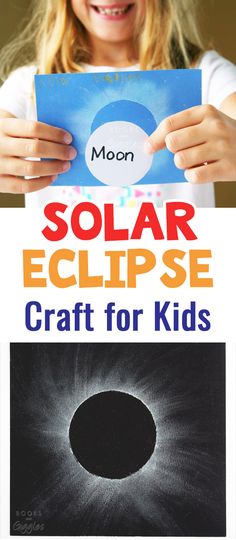
Have students create their own artistic interpretations of a solar eclipse using various materials and methods, such as painting, collage, or digital media.

2.Eclipse Diary

Have students keep a diary documenting their observations, thoughts, and feelings about an upcoming eclipse.

3.Pinhole Projector

Students can build a simple pinhole projector to safely observe the progress of the solar eclipse.

4.Eclipse Bingo

Create custom bingo cards with terms related to eclipses and play a fun game as you teach them about the event.

5.Eclipse Vocabulary

Gather a list of vocabulary words associated with eclipses and have students create flashcards to learn their definitions.

6.Scale Model Solar System

Using different materials, have students create a scale model of the solar system to better understand the relative distances between celestial bodies.

7.Shadow Tracking Experiment

Have students track shadows on the ground before, during, and after an eclipse to observe how they change with time.

8.Umbra and Penumbra Exploration

Demonstrate the concept of umbra and penumbra by having students use flashlights and objects to create shadow effects.

9.Fantasy Eclipse Story Writing

Encourage creative writing by asking students to create stories based on imaginary eclipses taking place on alien worlds.

10.Eclipse Cooking Class

Incorporate simple cooking tasks into your lessons to create themed snacks like sun-shaped cookies or moon-shaped sandwiches during an eclipse party.

11.Solar vs Lunar Eclipses

Explain the differences between solar and lunar eclipses and have students compare and contrast them using Venn diagrams.

12.Eclipse Online Scavenger Hunt

Create a list of facts and information related to eclipses that students need to find online, with a prize for the first group to complete the hunt.

13.Eclipse Timeline

Have students create timelines of significant eclipses in history, such as total solar eclipses visible from specific locations, or those observed by famous astronomers.

14.Moon Phase Poster

Ask students to create posters explaining the different phases of the moon and their relation to lunar eclipses.

15.Eclipse Observation Report

Have students write an observation report describing their experiences during a solar or lunar eclipse, focusing on scientific aspects or personal reactions.

16.Eclipse Safety Presentation

Encourage students to research and present the importance of safe eclipse-viewing practices, including proper eye protection.

17.Solar Eclipse Photography

Teach students how to safely capture photos of an eclipse using smartphones or cameras while discussing techniques for optimal results.

18.NASA Eclipse Resources

Introduce your students to NASA’s vast collection of educational eclipse resources, including videos, articles, and interactive activities.

19.Eclipses in Myths and Folklore

Explore various myths and legends surrounding solar eclipses from different cultures and discuss why these fantastical stories came into existence.

20.Celestial Event Calendar

Wrap up your eclipse unit by having students create a calendar marking upcoming celestial events such as eclipses, meteor showers, or planetary conjunctions for a long-term reference.

Conclusion

Engaging middle schoolers with fun, hands-on eclipse activities can peak their interest in astronomy while providing an opportunity to learn important scientific concepts. These 20 interactive activities offer diverse learning experiences that can help students deepen their understanding and appreciation of these extraordinary natural phenomena.

22 Exciting Animal-Themed Middle School Activities

Introduction:

Middle school is a critical time for students to explore their interests and engage in creative learning opportunities. One fun and educational way to spark curiosity in middle schoolers is by incorporating animal-themed activities into the classroom. Here are 22 exciting animal-themed middle school activities that will make learning an adventure!

1. Habitat Dioramas – Using a shoebox, have students create dioramas depicting an animal’s habitat.

2. Animal Research Project – Assign each student an animal to research and present to the class.

3. Adopt a Class Pet – Choose a small, low-maintenance pet that students can care for and learn about.

4. Zoo Field Trip – Organize a field trip to the local zoo.

5. Animal Classification Game – Have students classify animals based on their characteristics.

6. Wildlife Photography Competition – Arrange a photography competition where students take pictures of animals in their natural environment.

7. Mammal vs. Bird Debate – Divide the class into two groups, each supporting whether mammals or birds are more interesting.

8. Create Your Own Mythical Creature – Encourage students to design their own creature by combining traits from various animals.

9. Animal Alphabet Book – Have each student contribute one letter of the alphabet with an animal illustration and description.

10. Endangered Species Awareness Campaign – Teach students about endangered species and encourage them to create awareness posters for the school.

11. Sketch My Specimen – Bring in preserved specimens for students to observe and sketch.

12. Wildlife Conservation Debates – Host debates on current wildlife conservation issues.

13. Local Wildlife Walk – Take students on a nature walk around school grounds to observe local wildlife.

14. Marine Biology Exploration – Invite a marine biologist to speak about their profession with your class, then host ocean-themed activities.

15. Amphibian Life Cycle Presentation – Guide students through a lesson about amphibian life cycles using live tadpoles and frogs.

16. Wildlife Film Festival – Hold a mini-film festival featuring nature documentaries.

17. Animal Career Fair – Invite professionals from various animal-related careers to speak to your students about their jobs.

18. Invertebrate Exploration – Provide students with magnifying glasses for observing invertebrates up close.

19. Bird-watching Club – Establish a lunchtime or after-school bird-watching club.

20. Nocturnal Animals Presentation – Arrange a presentation on nocturnal animals with a naturalist from your local nature center.

21. Ecology Field Study – Conduct a field study to examine the interactions between organisms and their environment in a nearby ecosystem.

22. Dissection Lab – Offer an optional dissection lab for students who are interested in learning about animal anatomy.

Conclusion:

Using these engaging animal-themed activities, middle school teachers can create memorable educational experiences that will encourage students’ enthusiasm for the natural world and cultivate lifelong curiosity about wildlife and conservation efforts.

20 Awesome Punnett Square Activities for Middle School

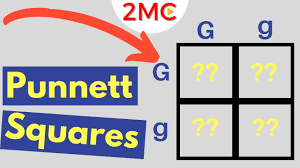
1. Punnett Square Bingo: Transform traditional bingo into an engaging genetics lesson by using Punnett squares for game boards and genotype or phenotype combinations as callouts.

2. Genotype Dice Game: Students create genotypes using dice rolls to determine the alleles for various genetic traits, then use Punnett squares to predict offspring outcomes.

3. Interactive Punnett Square Online Simulations: Incorporate technology into your lesson with interactive online simulations that enable students to practice creating and analyzing Punnett squares.

4. Genetic Trait Scavenger Hunt: Students interview their peers to discover inherited traits in their classmates, then create Punnett squares to represent the data they gathered.

5. Punnett Square Memory Match: In this activity, students match corresponding genotype and phenotype cards using their knowledge of Punnett squares and genetic inheritance.

6. Monohybrid Cross Activity: Students practice monohybrid crosses with plant and animal examples, further strengthening their understanding of Punnett squares and inheritance patterns.

7. Dihybrid Cross Problems: Introduce dihybrid crosses by having students work through sample problems with multiple genetic traits, allowing them to explore the complexities of genetic inheritance.

8. Dragon Genetics Lab: Students simulate the breeding of virtual dragons, using Punnett squares to predict offspring phenotypes based on parental genotypes.

9. Alien Genetics Activity: In a fun twist on traditional genetics activities, students create hypothetical alien species and crossbreed them using Punnett squares to predict offspring phenotypes.

10. Candy Genetics Lab: An edible activity where students use candies representing alleles to create offspring genotypes, then analyze the data with a Punnett square.

11. Dog Breeding Simulation: Students simulate dog breeding by determining canine genotypes and creating Punnett squares for different physical traits, such as coat color or ear shape.

12. Mendelian Genetics Puzzles: These puzzles challenge students to identify genotypic and phenotypic ratios within Punnett squares, strengthening their critical thinking skills.

13. Punnett Square Practice Worksheets: Practice makes perfect! Provide students with a variety of worksheets to cement their understanding of Punnett squares and genetic inheritance patterns.

14. Family Genetic Tree Project: Students explore their own family’s genetic traits and create Punnett squares representing their grandparents’, parents’, and siblings’ genotypes.

15. SpongeBob Genetics Worksheet: Engage students with a familiar character by presenting SpongeBob-inspired genetics scenarios, requiring them to use Punnett squares for analysis.

16. Inheritance Battleship: A creative twist on the classic game, students use Punnett square concepts to “sink” their opponent’s ships based on genotype and phenotype combinations.

17. Genetic Drift Simulation with M&Ms: Students learn about genetic drift by using manipulatives, such as M&Ms candies, to simulate allele frequencies in populations over time.

18. Flip a Coin Lab: A thrilling chance-based activity where students flip coins to determine offspring genotypes based on parental alleles and then predict inheritance patterns using Punnett squares.

19. Punnett Square Races: In this competitive activity, student pairs race against each other while solving Punnett square problems, promoting collaboration and critical thinking.

20. Create Your Own Creature Genetics Lesson: Students design hypothetical organisms with unique genetic traits and use Punnett squares to predict the appearance of future generations.

With these activities, middle school students will have a blast while learning about genetics, inheritance patterns and becoming experts in utilizing Punnett squares!

From Broadway to Middle School

Introduction:

The Lion King is a beloved Disney classic that has made generations of audiences fall in love with its engaging story, colorful characters, and captivating music. From the animated film to the highly successful Broadway adaptation, the magic of The Lion King can also be brought to middle school stages with The Lion King Experience! This article will guide you through the process of staging a fantastic and memorable middle school production of this enchanting tale.

Getting Started: Acquiring Rights and Materials

Before you can start planning your middle school production, you’ll need to acquire the necessary rights and materials from Music Theatre International (MTI), who offers The Lion King Jr. licensing package specifically designed for schools. Upon obtaining permission, you’ll receive an authorized script and a range of useful resources such as production handbooks, music tracks, marketing materials, and more.

Casting Your Production

Choosing the right cast members is crucial for any successful production. Consider hosting auditions where students can showcase their acting, singing, and dancing abilities. Remember to keep an open mind and offer roles to students who show dedication and enthusiasm.

Designing the Set 

One of the most iconic aspects of The Lion King is its vibrant African landscapes. With creativity and resourcefulness, you can turn your school stage into a stunning rendition of Pride Rock. Some ideas include using cardboard or foam to create rock formations, constructing colorful backdrops featuring the savannah or jungle scenes, and incorporating platforms or ramps for added depth.

Costumes and Makeup

The characters in The Lion King are primarily animals, so it’s important to balance theatricality with realism in your costume designs. Utilize simple yet effective designs such as patterned leotards or tunics in animal colors (e.g., orange for Simba), accessorized with key elements like lion’s mane headpieces or bird feathers. Additionally, use face makeup or masks to accentuate each character’s animal features.

Lighting and Sound

To further enhance the ambiance of your production, focus on lighting and sound that helps transport the audience to the world of The Lion King. Use warm orange and yellow shades for daylight scenes and cool blues for nighttime sequences. Work with your tech crew to ensure that music and sound effects are well-timed, balancing the volume to maintain a harmonious blend between live vocals and backing tracks.

Rehearsals

Schedule regular rehearsals to allow the cast and crew enough practice time to perfect their roles. Encourage a positive atmosphere, emphasizing teamwork, respect, and discipline. Don’t forget to celebrate small accomplishments along the way in order to maintain motivation.

Promotion

Promote your production by designing posters, flyers, or even creating social media pages. In addition to announcing show dates, provide teasers on your cast members by showcasing behind-the-scenes photos, fun facts about the actors, or sneak peeks into costume design processes.

Final Thoughts

Staging The Lion King Experience at your middle school requires hard work, collaboration, creativity, and dedication from all members of the team. With proper planning, strong determination, and enthusiasm from everyone involved, your school’s rendition of this timeless classic is sure to be a roaring success!

An Informative List Of Comparative And Superlative Activities For Middle Schoolers

Introduction

Building a strong foundation in grammatical concepts is crucial for middle schoolers, as they prepare for more complex English language studies. One of the essential English grammar components for students to grasp is comparative and superlative adjectives. To help create a fun and engaging learning environment, we’ve compiled an informative list of comparative and superlative activities suitable for middle school students.

1. Word Search Puzzles:

Create a word search puzzle using regular adjectives, their comparative forms, and their superlative forms. Have students identify and highlight each form of the adjectives they find. This activity promotes both vocabulary expansion and recognition of adjective forms.

2. Comparative Charades:

Separate your students into two or more teams. Provide each team with a stack of cards, each containing a basic adjective (e.g., fast, slow, tall). The student acting out the word can give hints about the adjective to their teammates, but cannot use words to do so. When the team guesses the correct adjective, they have to quickly come up with its comparative and superlative forms. The team with the most points after a certain amount of rounds wins.

3. The Degree Challenge Game:

Divide your students into groups of 3-4 members. Assign each group several regular adjectives printed on cards along with instructions to arrange them in ascending order, starting from the least intense to the most intense form (regular, comparative, superlative). This activity encourages collaboration and discussion among group members while solidifying their understanding of adjective degrees.

4. Fill in the Blank Sentences:

Provide students with some prepared sentences that have blanks for either the basic form or derived forms of an adjective—comparatives and superlatives included. Students will fill in those blanks using their knowledge of appropriate adjective forms. This activity helps reinforce the proper usage of adjective forms within the context of sentences.

5. Advertisement Analysis:

Play or display examples of advertisements that use comparative and superlative adjectives. Then, have your students identify the adjectives in those ads and discuss their impact on consumers. This exercise allows students to analyze the practical application of grammar within real-life contexts.

6. Memory Match Game:

Create a set of cards, half containing base adjectives, and the other half containing their comparative and superlative forms. Place all cards face down on a table, and have students take turns flipping over two cards at a time to find matching pairs. This engaging matching game benefits visual learners, aiding memorization and recognition of adjective forms.

7. Adjective Flip Book:

Instruct your students to create an illustrated flip book that contains a list of adjectives in their regular form, followed by their respective comparative and superlative forms. Encourage your students to also draw pictures representing each adjective degree for added creativity. The flip book acts as an excellent reference tool and reinforces the concept through an interactive visual medium.

Conclusion

Using various learning activities tailored specifically for middle schoolers is key to engaging them in class while enhancing their understanding of comparatives and superlatives. The above activities can easily be adapted for different skill levels and will help students grasp the grammatical concepts in an enjoyable way, setting them up for future success in English language studies.

20 Overpopulation Activities for Middle School Students

Introduction:

Overpopulation is an important global issue that affects our environment, resources, and quality of life. Teaching middle school students about overpopulation can help them understand its consequences, factors, and possible solutions. Engaging activities will make learning about this complex subject more accessible and enjoyable for young minds. Here are 20 overpopulation activities suitable for middle school students:

1.Population Clock: Have students monitor the world population clock online and observe changes in real-time.

2.Class Debate: Organize a class debate on the effects of overpopulation on various aspects such as environment, resources, and space.

3.Poster Presentation: Encourage students to create informative posters about overpopulation causes and consequences.

4.Group Research Project: Assign groups to research different factors contributing to overpopulation and present their findings to the class.

5.Skit Performance: Have students create short skits or plays related to the topic of overpopulation to perform in front of their peers.

6. Graph Analysis: Provide students with population graphs from different countries, then discuss the factors affecting differences in population growth rates.

7.Documentary Screening: Watch a documentary on overpopulation and have a class discussion on key takeaways and possible solutions.

8.Essay Writing Contest: Have students write essays on topics such as how they would address overpopulation if they were world leaders or how overpopulation impacts their local communities.

9.Online Quiz: Create an online quiz for students to test their knowledge about global population trends.

10.Population Density Maps: Use colored maps to have students compare population density among various countries or regions.

11.Build a Sustainable City: In groups, ask students to design sustainable cities that accommodate rising population rates using eco-friendly strategies and technologies.

12.Human Impact Timeline: Create a timeline showcasing human impact on the environment related to population growth throughout history.

13.Guest Speaker Event: Invite a guest speaker from an environmental organization to discuss overpopulation and potential solutions.

14.Virtual Field Trip: Organize a virtual field trip to countries with widely differing population densities, showcasing the challenges and opportunities unique to each situation.

15.Short Story Writing: Have students write short stories that explore various aspects of overpopulation, such as a day in the life of someone living in an overcrowded city.

16.Simulations and Games: Engage students with quality overpopulation-related online simulations and games that encourage critical thinking and problem-solving.

17.Infographic Design: Teach students how to create informative infographics on important aspects of overpopulation using visuals and data.

18.UN Goals Analysis: Analyze United Nations’ Sustainable Development Goals related to population growth and resource management, discussing implementation strategies and challenges.

19.Keep a Sustainability Journal: Have students keep a journal where they record simple changes they make in their daily lives to reduce their environmental impact associated with overpopulation’s strain on resources.

20.Community Service Project: Organize a community service project that addresses aspects of overpopulation, such as planting trees in an urban area or helping at a local food bank.

In conclusion, engaging middle school students in these creative activities will not only increase their awareness about the complex issue of overpopulation but also stimulate critical thinking, reasoning, and problem-solving skills essential in finding sustainable solutions for our future generations.

20 Healthy Hygiene Activities for Middle School Students

Introduction:

With adolescence comes a new responsibility towards personal hygiene. Middle school students are at an age where their bodies are going through significant changes, and it is essential to educate them about good personal hygiene practices. This article explores 20 healthy hygiene activities to integrate into middle school activities, promoting cleanliness and a healthy lifestyle.

1.Handwashing Demonstration: Teach students the proper technique of handwashing using soap and water, emphasizing the importance of washing all parts of the hands for at least 20 seconds.

2.Dental Care Workshop: Invite a dental professional to teach students about proper oral hygiene, including brushing, flossing, and mouthwash use.

3.Personal Grooming Carousel: Set up stations in the classroom where students learn how to effectively use grooming tools like deodorant, hairbrushes, nail clippers, etc.

4.Hygiene Charades: Engage students in a game of charades where they have to act out various personal hygiene practices.

5.Skincare Education: Teach students about the importance of skincare routines for their changing skin types, such as cleansing, moisturizing, and applying sunscreen.

6.Peer Discussions: Arrange group discussions where students feel comfortable discussing personal hygiene issues and ask each other questions.

7.Design Your Own Hand Sanitizer Label: Encourage creativity by having students design their own hand sanitizer labels to promote good hand hygiene.

8.Proper Hydration Habits: Discuss the benefits of proper hydration and teach the signs of dehydration in a fun and interactive way.

9.Exercise and Sweating Lesson: Explain the importance of exercise for overall health and its effects on sweating followed by suggestions on how to maintain proper hygiene while staying active.

10.Menstruation Education: Provide age-appropriate information about menstruation including advice on how to maintain proper hygienic practices during this time.

11.Personal Hygiene Quiz: Distribute a quiz to test students’ knowledge about personal hygiene and preventive measures.

12.Germ Spread Simulation: Use a classroom experiment to demonstrate how easily germs can spread from one person to another.

13.Proper Restroom Etiquette: Teach good restroom habits like handwashing, flushing, and keeping the space clean.

14.Keeping a Clean Environment: Discuss the importance of maintaining a clean living environment and demonstrate simple cleaning techniques.

15.DIY Natural Hygiene Products: Show students how to make homemade hygiene products like toothpaste or deodorant using natural ingredients.

16.Hygiene Superhero Comic Strip: Encourage students to create their own hygiene-themed comic strip featuring superheroes who tackle various cleanliness challenges.

17.Handling Acne: Provide guidance on how to cope with acne and establish an appropriate skincare routine to avoid it becoming a severe issue.

18.Food Safety Education: Discuss proper food handling techniques and emphasize the importance of good hygiene while preparing meals.

19.Healthy Sleep Habits: Educate students about the importance of getting adequate sleep and practicing good bedtime hygienic routines.

20.Personal Hygiene Bingo: Create a bingo game centered around personal hygiene topics to conclude your hygiene unit with an element of fun competition!

Conclusion:

Educating middle school students about proper hygiene practices is vital for their overall health and well-being. With these 20 engaging activities, teachers can empower students with the knowledge and skills they need to develop healthy habits that will last a lifetime.

25 Fun Activities for Middle School Students to Do at Home

As middle school students spend more time at home, it’s essential to keep them engaged and excited through various activities. Here is a list of 25 fun activities that middle school students can do at home to have a fantastic time while learning and staying physically active.

1.DIY Science Experiments: Encourage curiosity by trying safe and simple science experiments using household items, like making a volcano, slime, or invisible ink.

2.Write a Short Story: Encourage creativity by writing a short story or poetry, which they can later share with friends and family members.

3.Drawing and Painting: Give them art supplies and let their artistic skills flourish through drawing or painting.

4.Cooking Lessons: Teach some simple recipes that they can try themselves, helping them nurture cooking skills and learn about measurements, nutrition, and more.

5.Movie Marathon: Have a themed movie night by selecting movies from the same genre or featuring the same actor.

6.Indoor Gardening: Learn how to grow herbs or plants in containers inside the house.

7.Board Game Nights: Organize board game nights with family members to develop critical thinking and strategy skills.

8.Learn a New Language: Use language learning apps or websites to help them learn a new language in a fun way.

9.Create a Podcast: Let them express their ideas by creating and recording their podcast, discussing topics relevant to middle school students.

10.Make Homemade Instruments: Create musical instruments from everyday household items like pots, pans, and rubber bands.

11.Solve Puzzles: Keep their minds sharp with jigsaw puzzles, Sudoku, crosswords or word search puzzles.

12.DIY Craft Projects: Discover their creative side with craft projects like making jewelry, scrapbooking or knitting.

13.Dance Party: Turn on their favorite music playlist and let them shake off some energy through dancing.

14.Build a Fort: Use pillows, blankets, and chairs to build a fun indoor fort.

15.Educational Apps: Encourage learning through various educational apps that are engaging and interactive.

16.Explore the World Virtually: Experience exciting adventures through virtual field trips to museums, zoos or famous landmarks.

17.Create a Video Diary: Have them record their daily experiences and feelings in a video diary to understand themselves better.

18.Online Volunteer Work: Help them find online volunteer opportunities within their areas of interest.

19.Play Interactive Video Games: Choose age-appropriate video games that help build problem-solving abilities and promote team spirit.

20.Origami: Teach the art of origami, allowing them to create intricate shapes and designs with paper.

21.Create Stop-Motion Animations: Experiment with stop-motion animation using toys or crafting clay models.

22.Perform a Play: Write and perform a play with siblings or friends online with costumes made from everyday household items.

23.Yoga or Meditation: Teach relaxation techniques like yoga or meditation for stress management and self-awareness.

24.Geocaching Apps: Use geocaching apps that allow them to explore hidden treasures in their local area without leaving home.

25.Bake-Off Contest: Organize a friendly baking competition at home involving family members, making delicious treats together.

These activities will not only keep middle school students entertained at home but also help them develop essential skills, boost their confidence, expand their knowledge, and create unforgettable memories.