Early Childhood & K-12 EdTech

Activities to develop fine motor skills

Introduction

Fine motor skills are the subtle movements that involve the coordination of small muscles and hand-eye synchronization. Developing fine motor skills in children is crucial, as they contribute to essential functions such as writing, buttoning clothes, handling utensils, and various other daily tasks. Engaging in fun and creative activities will not only improve these abilities in children but also foster their cognitive and emotional growth. Here are some entertaining activities to help develop fine motor skills.

1. Stringing Beads

Stringing small beads onto a thread or pipe cleaner is an entertaining way for children to refine their fine motor skills. This activity strengthens little fingers and promotes hand-eye coordination when selecting specific beads for their creations.

2. Play Dough

Manipulating play dough offers endless opportunities for developing fine motor skills as kids pinch, stretch, roll, and cut the dough. Encourage children to create shapes, letters, or sculptures while building their muscle strength and dexterity.

3. Scissor Practice

Teaching children how to use scissors safely can significantly improve their bilateral coordination and the precision of their hand movements. Have them start by cutting simple shapes from paper or play dough before progressing to more complex patterns.

4. Jigsaw Puzzles

Assembling puzzles are an excellent way to engage children’s cognitive and problem-solving skills while improving their hand-eye coordination. Choose age-appropriate puzzles that provide a reasonable challenge without overwhelming them.

5. Sticker Collages

Peeling stickers off sheets can be surprisingly beneficial for fine motor skill development. Create collages by having children layout various shapes, sizes, and textures of stickers on paper or cardstock – a fantastic way to encourage creativity while honing these skills.

6. Lego Building

Legos and other building block toys provide ample opportunity for developing fine motor skills with every connection made between pieces. Encourage imaginative play by setting challenges or suggesting themed structures they can create.

7. Coloring and Drawing

Artistic expression is essential for children’s development, both emotionally and cognitively. Provide an array of coloring implements, such as crayons, colored pencils, markers, or paint, to stimulate creativity while refining their fine motor skills.

8. Finger Painting

Finger painting is not only messy fun but an effective activity for strengthening finger control and hand-eye coordination. Engage children in this sensory experience by guiding them to create different shapes, letters, or images on their canvas.

9. Tweezer Transfer

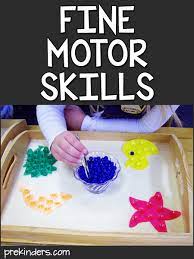
This simple but engaging activity involves using tweezers or small tongs to transfer items like pompoms, beans, or small toys from one container to another. It promotes concentration, hand-eye coordination, and fine motor skill development.

10. Lacing Cards

Using lacing cards is another great activity that encourages precision in hand movements as kids string shoelaces or yarn through the holes in cards. Have children practice weaving intricate patterns while improving their focus and motor skills.

Conclusion

Incorporating these enjoyable and creative activities into a child’s daily routine will significantly enhance their fine motor skill development, promoting independence and success in everyday tasks. Remember to choose age-appropriate activities and provide plenty of variety to keep them engaged and motivated over time.

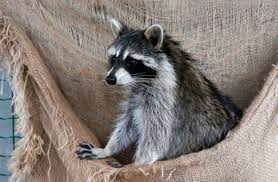
19 Radical Raccoon Activity Ideas

Raccoons are creatures known for their curiosity, adaptability, and intelligence. These furry bandits have a knack for getting into everything and causing mischief. For those who adore raccoons and enjoy spending time with them, we have compiled a list of 19 radical raccoon activity ideas that will keep both you and your raccoon friend entertained.

1. Hide-and-seek: Raccoons love using their senses to find hidden objects. Hide their favorite treats or toys around your backyard or house and watch them eagerly search for their prizes.

2. Puzzle feeder: Buy or create a puzzle feeder designed for raccoons to challenge their problem-solving skills while providing them with tasty snacks.

3. Obstacle course: Set up an obstacle course using furniture, boxes, and other items to test your raccoon’s agility and dexterity.

4. Water play: Provide shallow water for your raccoon to splash around in on a hot day, as they are naturally drawn to water.

5. Painting: Many raccoons enjoy creating art by dipping their paws in non-toxic paint and leaving their unique prints on paper or canvas.

6. Treasure hunt: Create a treasure hunt around your property with clues and riddles that lead your raccoon on an exciting adventure.

7. Climbing trees: Encourage your raccoon to climb trees for exercise and enjoyment, but be sure to supervise them closely to ensure safety.

8. Toy chase: Engage your raccoon in play by rolling or shaking toys like rattles, balls, or stuffed animals for them to chase.

9. Hammock time: Create a cozy hammock for your raccoon to nap or relax in after a day of fun activities.

10. Sand pit: Build a sand pit where your raccoon can dig and explore, stimulating both physical and mental exercise.

11. Training tricks: Teach your raccoon simple tricks such as rolling over, shaking hands, or giving high-fives using reward-based training methods.

12. Stargazing: Set up a comfortable spot in your backyard to watch the stars with your raccoon, incorporating their natural curiosity of their surroundings.

13. Gardening: Plant a garden with your raccoon, allowing them to dig holes for seeds and tend to the plants.

14. Make music: Provide instruments like small drums, shakers, or bells for your raccoon to experiment with creating sounds and melodies.

15. Nature walks: Take your raccoon on short, supervised walks through nature trails and parks so they can explore new environments.

16. Tug-of-war: Play tug-of-war with a soft toy or rope to engage your raccoon in a friendly competition.

17. Outdoor movies: Set up an outdoor movie night with a projector and screen where you can watch movies together under the stars.

18. Fashion show: Dress up your raccoon in adorable outfits for a fun photoshoot or fashion show in your living room.

19. Raccoon playdates: Introduce your raccoon to other raccoons at local wildlife centers or safe meet-up spots to build friendships and socialization skills.

These 19 radical raccoon activity ideas provide unique ways for you to bond and interact with these amazing creatures while promoting mental and physical stimulation. Enjoy hours of laughter and exploration as you create unforgettable memories together!

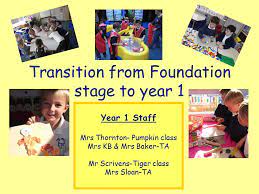
The transition from foundation stage to key stage 1

Introduction

The transition from the foundation stage to key stage one (KS1) marks a significant milestone in a child’s educational journey. As children progress from an early learning environment focused on play-based activities to more structured learning experiences, it can be both an exciting and challenging time for them, as well as their parents and educators. This article explores the importance of understanding and supporting this crucial transition period to ensure a positive, smooth, and successful shift into KS1.

Characteristics of the Foundation Stage and Key Stage 1

To better comprehend how we can guide children through this transformation, it is essential to understand the primary differences between these two stages in educational development.

Firstly, the foundation stage – consisting of nursery and reception classes – has a distinct focus on fostering young children’s social skills, emotional development, creativity, and independence. The curriculum is play-based, offering a multitude of practical activities that encourage self-expression and hands-on exploration. These experiences help lay the groundwork for a solid educational foundation while also building self-esteem and resilience.

In contrast, key stage one encompasses years 1 and 2 when students shift toward more structured learning. While some interactive and play-based approaches may continue during this stage, there is greater emphasis on conventions like reading, writing, maths, science, art, physical education (PE), history and geography. As such, KS1 may seem notably different for children moving from the informal methods of foundation stage learning.

Supporting Smooth Transition

Now that we’ve understood the primary differences between these two phases, we must deliberate on practical strategies educators and parents can employ to facilitate a seamless transition.

1. Building Relationships: Open communication between reception teachers and year one teachers is vital in ensuring continuity of learning for each child. Sharing information about a child’s progress through detailed observations and assessments enables incoming teachers to better adapt their lessons to cater to the unique needs of new students.

2. Encouraging Independence: Fostering independence in the foundation stage enables children to cultivate and enhance their problem-solving skills as they step into key stage one. Simple tasks such as putting on coats, looking after their belongings, and taking turns can go a long way in preparing children for a more structured environment.

3. Familiarising with Key Stage 1 Routine: School visits, in which nursery and reception students observe or participate in KS1 activities, can help familiarise children with new routines. This exposure can improve their confidence and reassure them about the forthcoming changes.

4. Gradual Shift toward Formal Learning: Reception teachers can introduce more structured sessions during the summer term to ease children into the expectations of KS1. Similarly, year one teachers can commence their term with some play-based activities before progressively moving towards more disciplined learning methods.

5. Parent Support: Parents must be informed about these transitions well in advance to prepare themselves and their children for the shift. Educators can provide guidance via meetings, newsletters or workshops, focusing on curricula shifts and other essential aspects of key stage one learning.

Conclusion

The transition from foundation stage to key stage 1 is a critical milestone in every child’s educational journey. By understanding the differences between these stages, nurturing independence, fostering communication between educators, gradually introducing more structured learning experiences and ensuring adequate parental support, we can create an encouraging environment for children to flourish as they embark upon this exciting new phase of their education.

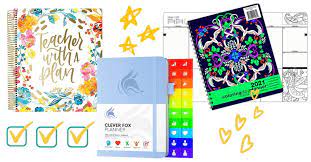
Best Teacher Planners to Increase Productivity

Introduction:

A well-designed and efficient planner is crucial for teachers to stay organized and increase their productivity. With the vast array of teacher planners available on the market, it can sometimes be a challenge to choose the best one tailored to your needs. In this article, we will go through some of the top teacher planners that can help you manage your workload effectively and stay on top of your game.

1. Erin Condren Teacher Lesson Planner:

The Erin Condren Teacher Lesson Planner is a popular choice among educators due to its customizability and appealing design. It provides monthly and weekly planning layouts, checklists for managing students, and extra pages for notes or creative ideas. You can select from a range of cover designs and personalize your planner with your name, school name, or initials.

2. Blue Sky Academic Year Planner:

The Blue Sky Academic Year Planner provides a minimalistic design with ample space for daily lesson planning and organizing tasks. The planner features monthly calendar views followed by weekly layouts with separate sections to plan lessons across subjects. With its sturdy poly cover, this planner is perfect for teachers who want an affordable yet stylish option.

3. Plum Paper Teacher Planner:

The Plum Paper Teacher Planner offers extensive customization options allowing you to create a planner tailored to your specific needs. You can add additional sections such as grade sheets, communication logs, or meeting notes, choose your cover design, and personalize with your name or initials. The spiral-bound planner includes monthly calendars, subject-specific planning sections, and dedicated spaces for important dates or events.

4. The Happy Planner Big Teacher Box Kit:

For those who love decorating their planners with stickers and inspirational quotes, The Happy Planner Big Teacher Box Kit is an ideal choice. This kit comes with a 12-month planner featuring both monthly calendars and weekly lesson layouts in vertical format. Additionally, it includes an assortment of stickers that can be used to decorate your planner and motivate you to stay organized.

5. Moleskine Classic 12 Month 2021-2022 Teacher Planner:

The Moleskine Classic Teacher Planner is an elegant option for those who prefer a more traditional and simple design. This hardcover planner offers monthly and weekly layouts, and a spacious layout providing plenty of space for lesson planning and organizing your tasks. It also includes a pocket in the back cover to store loose notes or papers.

Conclusion:

Finding the right teacher planner that meets your individual needs is essential in increasing productivity and staying organized throughout the academic year. The options mentioned above cater to various preferences so that you can make an informed decision about the best planner for you. Happy planning!

20 Children’s Books about Letter Writing

The joy of letter writing is an experience few children can forget. It provides a platform for children to express themselves creatively through written language while connecting with others. If you want to introduce your child, student, or young family member to this magical experience, here are 20 hand-picked children’s books that celebrate letter writing. Get ready to spark the imagination of young minds and foster a love for sending and receiving letters!

1. “The Day the Crayons Quit” by Drew Daywalt

2. “Dear Mr. Blueberry” by Simon James

3. “The Jolly Postman” by Janet & Allan Ahlberg

4. “Mailing May” by Michael O. Tunnell

5. “With Love, Little Red Hen” by Alma Flor Ada

6. “Can I Be Your Dog?” by Troy Cummings

7. “Griffin & Sabine: An Extraordinary Correspondence” by Nick Bantock

8. “Letters from Rifka” by Karen Hesse

9. “Click, Clack, Moo: Cows That Type” by Doreen Cronin

10. “The Gardener” by Sarah Stewart

From classic tales about pen pals to whimsical stories featuring animals or imaginary creatures as letter-writers, these books cater to various age groups and interests.

11. “Dear Dragon” by Josh Funk

12. “First Year Letters” by Julie Danneberg

13. “Dear Peter Rabbit” by Alma Flor Ada

14. “Love, Ruby Lavender” by Deborah Wiles

15. “Letter Lunch” by Elisa Gutierrez

16. “The Quiet Place” by Sarah Stewart

17. “Flat Stanley’s Worldwide Adventures #1: The Mount Rushmore Calamity” by Jeff Brown

18. “Yours Sincerely, Giraffe” by Megumi Iwasa

19. “P.S. Longer Letter Later” by Paula Danziger and Ann M. Martin

20. “Last Stop on Market Street” by Matt de la Peña

These books are sure to inspire curiosity and fascination for the time-honored tradition of letter writing. Whether it’s through humorous scenarios or heartfelt stories of friendship and family, these children’s books will spark a love for communication through letters.

So gather your pens, pencils, stamps, and stationery! Introduce a young reader to one (or several) of these delightful stories and watch their interest in letter writing blossom. Who knows? It may even inspire them to pen a heartfelt note of their own!1

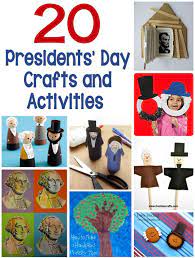
20 Presidents Day Preschool Activities

Introduction:

Presidents Day is a great time to teach young children about the history and significance of the United States presidency. Here are 20 fun and educational activities that preschoolers can engage in to learn more about this important holiday while having a blast!

1. Paper Plate George Washington:

Have children create their very own George Washington out of paper plates, cotton balls for hair, and markers for facial features.

2. Abe Lincoln’s Log Cabin:

Use popsicle sticks or other craft materials to build miniature replicas of Abraham Lincoln’s famous log cabin.

3. Presidents Day Memory Game:

Create a matching game with pictures of various presidents for preschoolers to play.

4. Design Your Own Currency:

Children can design their own coins or bills with images of famous presidents.

5. President Puppet Show:

Craft stick puppets representing different presidents and have children put on a puppet show.

6. White House Art:

Use construction paper and other crafting supplies to build replicas of the White House.

7. Tricorn Hat Craft:

Create tricorn hats out of construction paper for children to wear during their Presidents Day activities.

8. Dress Like a President:

Have children dress up like their favorite president using costumes or classroom materials.

9. Presidential Timeline:

Create a visual timeline with pictures of each president in order, allowing preschoolers to understand the progression of U.S. leadership.

10. Mount Rushmore Playdough Sculptures:

Have children recreate the iconic Mount Rushmore using playdough or clay.

11. Cherry Tree Painting Activity:

Commemorate George Washington’s famous cherry tree story with some cherry-themed finger painting.

12. “I Cannot Tell a Lie” Honesty Lesson:

Discuss the importance of honesty through stories about George Washington and Abraham Lincoln.

13. Kid-friendly Presidential Biographies:

Read age-appropriate biographies about select presidents, encouraging discussion and questions.

14. Red, White, and Blue Collage:

Create a patriotic collage using red, white, and blue materials such as tissue paper, cotton balls, or feather boas.

15. Presidents Day Songs:

Teach children catchy songs about the presidents or the history of the United States.

16. Write a Letter to the President:

Have preschoolers dictate or write a letter to the current president, sharing their thoughts or asking questions.

17. Presidential Speech Practice:

Discuss famous presidential speeches and have children practice speaking like a president in front of their peers.

18. Presidents Day Parade:

Organize a mini parade with children dressed as presidents or waving flags to celebrate the holiday.

19. American Flag Craft:

Create an American flag using popsicle sticks or construction paper for kids to display proudly in the classroom.

20. U.S. Map Puzzle Activity:

Provide a simple map puzzle of the United States, allowing preschoolers to develop an understanding of geography while having fun.

Conclusion:

With these engaging Presidents Day activities for preschoolers, you’ll be able to foster both learning and enjoyment. Children will gain valuable knowledge of U.S. history and presidential figures while partaking in creative crafts and interactive lessons. Happy Presidents Day!

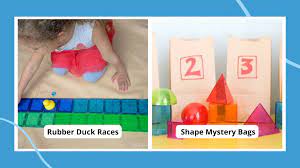
The Complete Math and Science Giveaway for Early Childhood

Introduction

In the realm of early childhood education, mathematics and science are more than just subjects—they are the foundations upon which a lifetime of learning is built. With the rapid growth in STEM fields, parents and educators alike have come to recognize the importance of incorporating math and science at an early age. The Complete Math and Science Giveaway for Early Childhood aims to make these essential subjects accessible, engaging, and enjoyable for our youngest learners.

The Giveaway – What’s Included

This one-of-a-kind giveaway includes not only a comprehensive collection of educational resources but also hands-on materials that will inspire creativity, problem-solving, and a love for learning.

1. Fun Activity Books: Expand upon key math and science concepts with colorful, interactive activity books designed especially for young minds. From counting and measurement to simple experiments, these books encourage exploration and connection to the world around them.

2. Educational Toys: Build foundational skills in math and science through play with educational toys that promote sorting, counting, spatial awareness, and more. From building blocks and puzzles to sensory toys promoting curiosity about nature, these materials develop logic, reasoning, and motor skills.

3. Digital Media Resources: Equip your early learner with engaging videos, apps, games, and other digital tools reinforcing key concepts in age-appropriate ways.

4. Learning Resources Kit: Assemble a collection of teaching aids such as posters, flashcards, markers, and stickers to create a vibrant learning environment that encourages hands-on learning.

5. Parent’s Handbook: A comprehensive guide to nurturing your child’s development in math and science from infancy through preschool years filled with practical advice on how to introduce new concepts in engaging ways.

6. Professional Development for Educators: Gain access to exclusive workshops and seminars led by experts in early childhood education on incorporating math and science into age-appropriate activities.

Unlocking a World of Possibilities

With the Complete Math and Science Giveaway for Early Childhood, parents and educators can help young children overcome any initial challenges or hesitations they may have in engaging with mathematics and science. By introducing these subjects through fun, interactive, age-appropriate methods, children will develop essential skills that will benefit them throughout their entire lives.

The importance of math and science education in a child’s early years cannot be stressed enough. When offered tools and resources designed to inspire passion and curiosity in these areas, we equip the next generation with the foundation needed to flourish in an increasingly STEM-focused world.

Don’t miss out on this incredible giveaway that has the power to transform your child’s or students’ learning experiences. Sign up today and inspire a lifelong appreciation for math and science!

Embracing the Snow with Snow Sticks

Introduction

As the winter season arrives, there’s excitement in the air over a variety of activities to enjoy. One such activity that has emerged as a favorite for many is playing with snow sticks. These delightful tools are designed to enhance the fun and enjoyment of a snowy day outdoors. In this article, we’ll be exploring the exciting world of snow sticks, their origins, and some creative ways to enjoy them during the chilly season.

History of Snow Sticks

The concept of snow sticks can be traced back to ancient times when indigenous people used wooden sticks to pack snow into various shapes and sizes. Over time, people around the world began embracing this technique for a variety of purposes, ranging from building igloos and snow shelters to simply creating snow sculptures for fun. The modern-day snow stick was created as an innovative way to bring this age-old tradition into contemporary times by fashioning ergonomically-designed tools specifically for sculpting and playing with snow.

The Design of Snow Sticks

Snow sticks are similar in appearance to traditional walking sticks but come with significantly more features that make them perfect for winter play. The handle offers excellent grip and control, while the sturdy shaft ensures stability as you engage in various snow-related activities. Attached to the bottom end is a unique tool designed for molding and shaping snow into various forms.

Creative Ways to Use Snow Sticks

There are countless ways in which you can use snow sticks during wintertime, but here are some ideas to get you started:

1. Building Snow Forts: By using your snow stick as an all-in-one snow-shaping tool, you can create elaborate forts and mazes that offer endless hours of fun for kids and adults alike.

2. Creating Snow Art: Unleash your inner artist by using your snow stick to sculpt beautiful masterpieces in your backyard or local park. You can create snowmen, animals, or even abstract creations.

3. Snowball Fights: With the help of a snow stick, you can quickly create uniform-sized snowballs for an epic snowball fight with friends and family.

4. Snow Stick Races: Organize a fun-filled race where participants use their snow sticks to navigate through a snowy obstacle course. This challenging and engaging activity is sure to foster laughter and camaraderie among those brave enough to participate.

5. Trail Markers: Use brightly colored snow sticks to mark your route during wintertime hikes or cross-country skiing adventures, ensuring that you never lose your way in the snowy wilderness.

Conclusion

As winter approaches, it’s time to dust off your snow stick and delve into the myriad of fun activities it offers. Whether you’re creating elaborate snow forts, engaging in friendly competitions, or simply enjoying a peaceful walk amidst the winter wonderland, snow sticks are versatile tools that add a new level of excitement to traditional seasonal pastimes. So grab your snow stick and embrace the frosty fun that awaits!

20 Fun Hand-Tracing Activities For Kids

1. Handprint Zoo: Using different colors of paint, let your child trace and paint their hands to create a zoo full of colorful handprint animals.

2. Alphabet Hands: Help your child trace and cut out the outline of their hand and then write a letter of the alphabet on each one to create their own alphabet hands.

3. Seasonal Hand Tracings: During different seasons, trace your child’s hand onto seasonal-themed paper or use season-specific colors for a fun activity throughout the year.

4. Handprint Butterflies: Create beautiful butterflies by tracing both hands and then decorating them with colorful patterns and shapes.

5. Family Tree: Get the whole family involved by tracing each member’s hand and creating a unique family tree.

6. High Five Wall: Create a “high five” wall where your child can trace their hand and color it in each time they reach a goal or accomplish something special.

7. Handprint Calendar: Let your child create a custom calendar by tracing their hand for each month, then decorate with holiday themes or seasonal symbols.

8. Flower Garden: Trace hands on various colors of paper to make petals, allowing your child to assemble and create their own colorful paper flower garden.

9. Thanksgiving Turkey: Use hand tracings to make the feathers of a turkey for Thanksgiving decoration.

10. Handprint Wreath: Create festive wreaths using traced hands from multiple kids as decorations for holidays like Christmas or Easter.

11. Outer Space Rocket Ship: Make an outer space scene by tracing your child’s hand as a rocket ship flying into the cosmos.

12. Handprint Cityscape: Create a cityscape by stacking traced hands together as buildings in an imaginative urban scene.

13. Fishy Friends Aquarium: Let your child create different types of fish using colorful handprints with added fins, tails, and eyes for fun underwater pals.

14. Handprint Peace Dove: Create a unique representation of peace by tracing hands and assembling them into a flying dove shape.

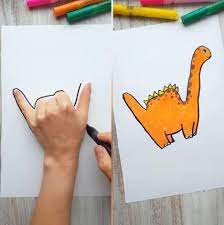
15. Handprint Dinosaurs: Let your child’s imagination roam into the prehistoric era by using hand tracings to make various dinosaurs, complete with spikes, wings, or other realistic features.

16. Henna Inspired Hand Art: Use non-toxic washable markers to create henna-inspired designs on traced hands for a fun multicultural activity.

17. Growing Beanstalk: Create a beanstalk by tracing hands and gluing them together, symbolizing growth and learning.

18. Handprint Rainbow: Layer traced and colored hands in a semi-circle to create a vibrant rainbow that brightens up any room.

19. Sunflower Artwork: Use yellow hand tracings as petals and green tracings as leaves, to create stunning sunflower artwork, perfect for a home decoration.

20. Team Spirit Hands: Trace hands onto your child’s favorite sports team colors to show support and build excitement for game day.

Kindergarten During COVID Isn’t Kindergarten at All

Introduction:

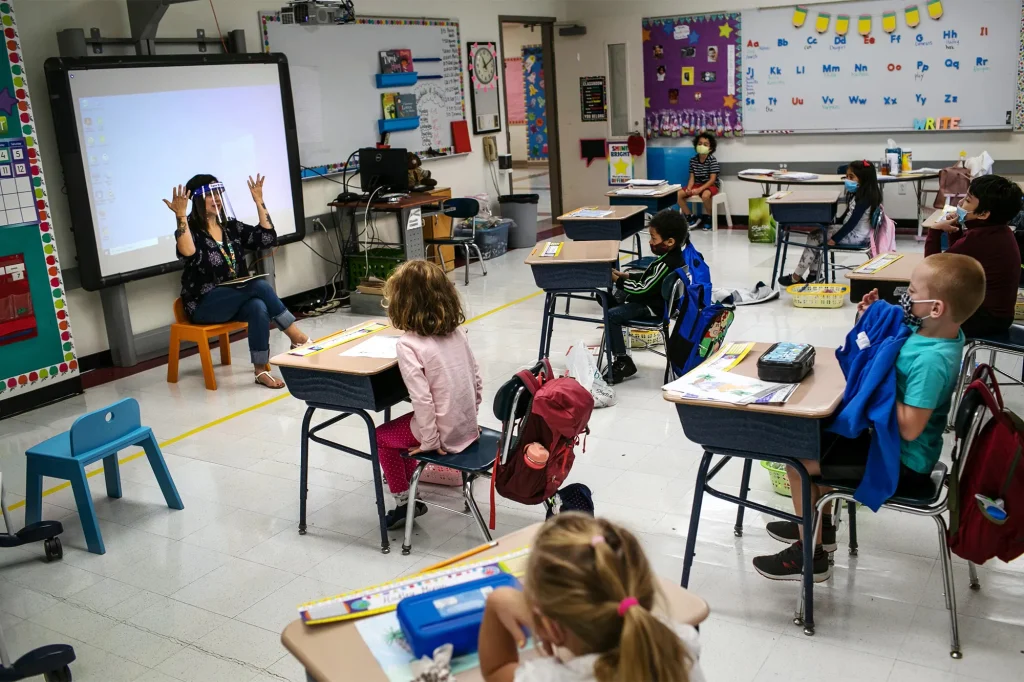
The COVID-19 pandemic has significantly impacted the education system worldwide, particularly the experience of young students in kindergarten. The essence of kindergarten lies in social interactions, creative play, and cultivating essential life skills. But with COVID-induced restrictions disrupting the traditional classroom experience, it’s clear that kindergarten during COVID isn’t kindergarten at all.

The Impact of Remote Learning on Kindergarteners:

Switching to remote learning has been a major challenge for kindergarteners. Teachers struggled to recreate the interactive, hands-on experiences that make up a typical kindergarten classroom. Screen time restrictions, reduced communication between students and teachers, and limited access to critical early learning resources have hindered the experiences young learners would usually have.

Loss of Social Interaction:

Arguably, one of the primary purposes of kindergarten is to help children develop essential social skills. Interaction with peers lay the foundation for learning how to share, communicate, collaborate, solve conflicts and even make friends. With remote and socially distanced learning, these once organic interactions become limited or completely absent – causing children to miss out on invaluable life lessons.

Challenges in Meeting Students’ Unique Needs:

Each child learns differently, and online education has only exacerbated these challenges. In a physical classroom setting, teachers can directly address students’ unique needs and offer personalized support. However, remote learning greatly limits this individualized attention. Many young children lack the ability necessary to navigate digital platforms effectively without consistent help from adults.

Negative Impact on Mental Health:

Social isolation, uncertainty about school routines and being cooped up indoors can take a toll on the mental health of kindergarteners. Missing out on playtime with their peers or having limited opportunities to interact can lead to increased anxiety levels among these young students. The need for increased structure at home can also negatively affect their coping abilities with stressors.

Parental Struggles:

In addition to challenges faced by kindergarteners, parents also struggle with the hardships of online learning. Many juggle their schedule to provide supervision, support their children’s education and manage their jobs. The added stress negatively impacts both parents’ and children’s mental wellbeing.

Adapting for The Future:

As schools gradually transition back to in-person learning, it is crucial for teachers and parents to recognize the struggles kindergarteners faced during the pandemic and address them accordingly. Fostering environments that nurture social skills, provide individualized attention, limit screen time, and prioritize mental health are essential in ensuring that all young learners can bounce back and thrive in the post-pandemic world.

Conclusion:

COVID-19 has dramatically changed the face of kindergarten education. Although remote learning has made attending school possible during these unprecedented times, it cannot replace the essential social interactions and experiences central to traditional kindergarten teaching. As we look toward a future free from pandemics, we must continue to adapt our educational systems and ensure that children have access to the engaging, nurturing environment they need to succeed in their formative years.