Early Childhood & K-12 EdTech

Important Skills Kids Can Learn From Watching Sesame Street

Sesame Street has been a beloved educational television show for decades, introducing children to a variety of important concepts through engaging stories and catchy songs. Often seen as an early learning resource for young children, the show offers much more than just entertainment. Here are some vital skills children can acquire from watching episodes of Sesame Street.

1. Literacy and Language Skills

Sesame Street is well-known for teaching children the alphabet and helping them develop early reading skills. The show explores new vocabulary words and common phrases, providing context to help children understand their meanings. Additionally, the characters’ dialogue is designed to improve listening skills, preparing kids for successful communication.

2. Mathematical Concepts

The series incorporates math into its lessons by demonstrating basic counting techniques, helping kids learn their numbers, shapes, and patterns. It also introduces concepts like addition, subtraction, and measurements through accessible examples tailored to a young audience.

3. Emotional Intelligence

Sesame Street characters often experience various emotions in each episode, allowing kids to recognize, understand, and express their feelings. The show encourages empathy by having characters respond to others’ emotions in appropriate ways while promoting problem-solving strategies during conflicts.

4. Cultural Diversity and Inclusivity

The diverse array of characters on Sesame Street offers an opportunity for children to learn about different cultures, customs, and traditions. The show emphasizes that people may come from different backgrounds but can still respect one another and live harmoniously.

5. Social Skills

One of Sesame Street’s primary objectives is nurturing social skills in children by teaching them about sharing, cooperation, and friendship. Kids will learn the importance of teamwork through examples involving group activities or working together to solve problems.

6. Creativity and Imagination

Through music, puppetry, storytelling, and art, Sesame Street encourages kids to explore their creative side while fostering self-expression. Characters engage in imaginative play, which helps children develop a sense of wonder and inventiveness.

7. Healthy Habits

Sesame Street emphasizes the significance of physical well-being by encouraging kids to stay active and build healthy habits at an early age. The show discusses proper hygiene, nutrition, exercise, and general safety tips in order to create a healthy lifestyle foundation.

In conclusion, Sesame Street is an invaluable resource that equips children with essential life skills. As kids watch and learn from this beloved show, they will not only be entertained but will develop a strong foundation for their educational journey and character growth.

Young Students May Be Returning to More Make-Believe Play: Rekindling the Lost Art of Imagination in Education

In recent years, a remarkable shift has been observed in the educational landscape for young students. Amidst the increasing demands for structured, technology-driven learning, there appears to be a resurgence of interest in make-believe play. This shift signifies a move away from the rigid, standardized curricula and towards a more nurturing environment that fosters creativity and exploration.

Make-believe play, also known as imaginative or pretend play, is an essential component of early childhood development. It allows children to explore different roles and scenarios, learn social skills and empathy, practice problem-solving abilities, and exercise their creativity. The current digital age has disrupted this natural process of learning and personal development resulting from imaginative play.

A growing number of educators and parents are advocating for the return of make-believe play in schools and at home. They emphasize the importance of nurturing creativity and harnessing the power of imagination to foster well-rounded, adaptable individuals ready to meet future challenges.

Several evidence-based approaches are being adopted in classrooms that encourage imaginative play among young learners. The most notable among them is the introduction of dedicated ‘playtime’ during school hours. Teachers are incorporating activities that stimulate creative thinking through storytelling, role-playing games, art projects, and other self-expression outlets.

Another approach is collaborating with school administrators and community members to redesign educational spaces like playgrounds or activity centers. By promoting accessibility to open-ended materials like blocks, costumes, art supplies, and musical instruments within these spaces, children can freely explore their potential without any limitations or constraints.

It is essential for parents and caregivers to support this endeavor by encouraging their children’s imagination at home. By engaging in simple role-playing games or crafting exciting storylines together with toys or household objects as props, parents can help rekindle their child’s inherent creative spirit.

The benefits of make-believe play in young students’ learning experience are manifold. The process stimulates their cognitive development, emotional well-being, social skills, and even the ability to empathize with others. More importantly, these skills can positively impact academic performance and help learners develop critical thinking necessary for their future professions.

The revival of make-believe play is a hopeful development that could represent a pivotal moment in redefining early education. It is essential to encourage and embrace this trend if we aspire to shape young minds that are imaginative, resilient, and adaptable — the foundation for a thriving society in an ever-changing world.

25 Collaborative & Exciting Group Games For Kids

Introduction:

In today’s fast-paced world, it can be challenging for kids to find activities that promote interaction, cooperation, and active play. Group games are the perfect solution, fostering social skills, teamwork, and lots of fun! Here are 25 collaborative and exciting group games for kids that will have everyone engaged, laughing, and learning together.

1. Duck, Duck, Goose: A classic game that requires children to sit in a circle while one kid ‘tags’ others by tapping their head and naming them “duck” or “goose.”

2. Freeze Dance: A musical game where kids dance around and freeze in place when the music stops.

3. Relay Races: Split into teams for various relay races such as carrying an egg on a spoon or racing with a balloon between legs.

4. Simon Says: An engaging game that teaches children to follow directions attentively.

5. Red Rover: A favorite where two teams form lines and link hands while calling opponents over to try breaking through.

6. Capture the Flag: A strategic game where teams work together to capture the opponent’s flag while defending their own.

7. Musical Chairs: Place chairs in a circle, removing one each round as kids scramble to find a seat when the music stops.

8. Obstacle Course: Create an obstacle course to challenge and entertain kids while promoting teamwork.

9. Human Knot: Arrange kids in a circle with their arms outstretched, linking hands with two other people. The goal is to untangle the knot without releasing hands.

10. Four Corners: Assign a number to each corner of the room; kids randomly pick corners while one child calls out a number – those stood in the corner are out.

11. Parachute Play: Using a large parachute, shake up balloons or balls for added fun!

12. Hula Hoop Pass: A cooperative game that involves passing a hula hoop around a circle of children without breaking the hand link.

13. Blindfold Obstacle Course: Guide blindfolded teammates safely through an obstacle course.

14. Hot Potato: Pass a ball or beanbag in a circle until the music stops; whoever holds the “potato” is out.

15. Keep It Up: Kids work together to keep a balloon off the ground for as long as possible using only their hands.

16. Sardines: A reverse hide-and-seek game where one person hides and others join them until there’s one left searching.

17. Shark Attack: One person (the shark) tries to “catch” players while they run between two safe zones.

18. Telephone: Pass a message from child to child, and see how it changes by the end of the line.

19. Tug-of-War: A classic team-building game that develops strength and cooperation.

20. Steal the Bacon: Divide the group and assign each kid a number; call numbers randomly and watch as kids race to claim the “bacon.”

21. Traffic Light Game: One person directs players with color-coded commands–red (stop), yellow (slow), and green (go).

22. Balloon Stomp: Players attach balloons on their ankles, aiming to stomp on others’ balloons while protecting their own.

23. Giants, Wizards, Elves: A larger-than-life version of rock-paper-scissors with theatrical elements.

24. Blob Tag: The “it” person tags others who then join hands to create a growing blob; last person untagged wins.

25. Pass the Ball Relay: Similar to Hot Potato but with teams competing over who can pass a ball down the line fastest – loser must pass an additional ball in subsequent rounds.

17 Teacher Ties You’ll Want to Add to Your Wardrobe

Every teacher knows the value of a good tie that can reflect their personality and style. A unique, fun, or professional-looking tie not only makes a statement, but it can also help brighten your students’ day. With 17 fabulous teacher ties to choose from, you’ll have no trouble finding the perfect addition to your wardrobe.

1. Chalkboard Tie: This black chalkboard-inspired tie is perfect for teachers who want to show off their creativity while keeping things scholarly. It features handwritten math equations, inspiring quotes, and colorful drawings made with chalk-like designs.

2. Apples and Books Tie: This delightful tie showcases a playful pattern of apples and books, symbolizing the essential elements in education. You’ll receive compliments on this eye-catching wardrobe addition.

3. Periodic Table Necktie: Science teachers will love this necktie featuring a comprehensive periodic table of elements! Stand out and showcase your passion for chemistry with this all-in-one wearable reference tool.

4. World Map Tie: Geography enthusiasts will appreciate this beautifully designed tie featuring an accurate world map with countries clearly displayed. Add a touch of sophistication to your outfit while expressing your love for geography.

5. Music Note Tie: Music teachers can harmoniously blend fashion and melody with this elegant black tie adorned with white music notes. Look sharp while sharing your passion for music in the classroom.

6. Shakespearean Words Tie: Literature buffs will adore this unique tie inspired by Shakespeare’s most famous plays and quotes. Showcase your fondness for the Bard while teaching his timeless works.

7. Pi Symbol Tie: Math just got more fashionable! This quirky tie displays a stylish pattern filled with Pi symbols, perfect for mathematicians who want to add a little fun to their wardrobe.

8. Solar System Tie: Take fashion into outer space with this fantastic celestial-themed necktie, featuring vivid illustrations of our solar system’s planets. Share your love for astronomy with your students and colleagues.

9. Pencil Tie: Keep it simple and to the point with this charming pencil pattern tie. Ideal for any subject, it’s a great conversation starter and shows off your dedication to education.

10. Binary Code Tie: Computer science teachers will appreciate this necktie incorporating a sophisticated binary code design. Go digital, while adding some flair to your outfit.

11. Colourful Crayon Tie: Embrace your inner artist with this vibrant crayon-themed tie, complete with various shades and lengths. Art teachers will undoubtedly make a statement while showcasing their passion for creativity.

12. Historical Figures Tie: Channel the wisdom of past leaders with this elegant tie featuring some of history’s most influential figures. Perfect for social studies or history teachers, inspire students to learn from great minds of the past.

13. Filmstrip Tie: Cinematography enthusiasts will love this unique filmstrip pattern tie. Show off your appreciation for the magic of movies while teaching elements of film production and analysis.

14. DNA Helix Tie: Biology teachers can express their passion for genetics with this fascinating DNA helix tie. Unveil the building blocks of life while looking stylish in the process.

15. Weather Pattern Tie: Meteorology-loving educators can showcase their knowledge of weather patterns with this eye-catching design filled with suns, clouds, raindrops, and snowflakes.

16. Geometric Shapes Tie: Add a pop of color to your wardrobe while celebrating geometry! This geometric shapes-filled necktie is perfect for math-minded individuals who love expressing themselves through fashion.

17. Paint Splatter Tie: Creative souls will enjoy this abstract paint splatter tie that resembles a modern art masterpiece. Perfect for any subject area, express your artsy side and brighten up any outfit.

20 Fun Phonemic Awareness Activities for Preschoolers

Introduction

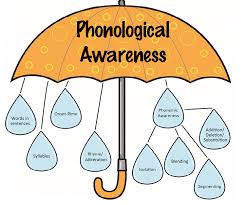
Phonemic awareness is an essential building block for young children to develop strong reading and writing skills. Helping preschoolers recognize and manipulate the sounds in words through engaging activities can set them up for future academic success. Here are 20 fun phonemic awareness activities that parents and educators can use with their preschoolers.

1. Rhyming Pairs

Gather several objects or images that rhyme, such as cat and hat, or dog and frog. Ask your preschooler to identify the rhyming pairs and explain why they sound the same.

2. Listening Walk

Take a walk with your child and encourage them to listen carefully to the sounds around them. Ask them to identify the sounds they hear and describe what made the noise.

3. Sound Hopscotch

Create a hopscotch grid with letters or letter combinations representing different sounds. Have your child jump on each square while saying the sound aloud.

4. Syllable Clapping

Say a word and encourage your child to clap out the syllables. This helps them develop a stronger understanding of how words are constructed.

5. Swat the Sound

Write different letters or letter combinations on sticky notes and stick them around your home or classroom. Provide your child with a toy swatter, call out a sound, and have them swat the corresponding sticky note.

6. Sound Detective

Have your child act as a detective by searching for objects in the room that begin with a specific sound.

7. Alphabet Soup

Create a tub of water mixed with foam letters or letter tiles, and ask your child to find specific letters while saying their corresponding sounds.

8. I Spy Sounds

Play ‘I Spy’ with your child by asking them to find items that start or end with specific sounds.

9. Word Train

Ask your child to link words by repeating the last sound of the previous word as the first sound of the next one (e.g., dog, goat, table).

10. Alliteration Art

Create a collage using images of items that start with the same sound and say their names aloud as you place them.

11. Sound Matching

Call out a sound and ask your preschooler to match it with an object or image that begins with that sound.

12. Missing Sounds

Say a word aloud and omit one of its sounds, then ask your child to identify the missing sound.

13. Name Rhyming

Help your child come up with unique and funny rhymes for their friends’ or family members’ names.

14. Syllable Sorting

Print out images of familiar objects and have your child sort them based on the number of syllables in each word.

15. Phoneme Puddle Jumping

Place pictures or objects representing different sounds around your room, and have your child jump from one to another while saying the corresponding sound.

16. Silly Sentences

Make up silly sentences using alliteration or rhyme, encouraging your child to identify the repeated sounds.

17. What’s That Sound?

Play sounds from nature, music, or daily life and ask your child to identify what made the noise.

18. Secret Sound Bag

Place an object in a bag and encourage your child to guess what it is based on its initial sound (e.g., apple for /a/).

19. Musical Phonemes

Play a musical instrument to represent various phonemes, asking your child to identify each one as you play.

20. Nursery Rhyme Fun

Encourage your preschooler to sing along with rhyming nursery rhymes and pay attention to similar sounds in words.

23 Engaging Green Eggs and Ham Activities for Preschoolers

Introduction:

Green Eggs and Ham by Dr. Seuss is a timeless classic, adored by children for its fun rhymes, quirky characters, and valuable life lessons. One of the best ways to engage preschoolers in early literacy development is through related activities inspired by their favorite books. Here are 23 engaging Green Eggs and Ham activities to immerse your little ones in the wacky world of Dr. Seuss.

1. Storytime Reading: Share the story of Green Eggs and Ham aloud with your preschoolers to explore rhymes, word patterns, and characters.

2. Memory Game: Create a matching card game using characters and scenes from the book.

3. Rhyme Time: Organize a rhyming words scavenger hunt using objects related to the story.

4. Prop Play: Set up a dramatic play area with green plastic eggs, stuffed animals or toys representing Sam-I-Am, and ham props.

5. Costume Party: Encourage children to dress up as their favorite Green Eggs and Ham character.

6. Sensory Exploration: Provide green playdough for children to create their own green eggs and ham dishes.

7. Green Eggs Cooking Class: Follow a recipe together to make (and taste) real green eggs using spinach or food coloring.

8. Puppet Show: Use character puppets or finger puppets to retell the story.

9. Musical Chairs with a Twist: Play a Green Eggs and Ham-themed version of musical chairs using quotes from the book as cues.

10. Coloring Sheets: Provide preschoolers with coloring pages based on illustrations from the book.

11. Do You Like Green Eggs and Ham? Graph: Create a graph that visually represents whether kids like green eggs and ham after trying them.

12. Wacky Scavenger Hunt: Have children search for unusual items around the room inspired by the book.

13. Sticky Sight Words: Have children practice sight words by matching them to corresponding Green Eggs and Ham characters using sticky notes.

14. What’s in the Lunchbox?: Create a sorting activity where preschoolers identify foods belonging to Sam-I-Am’s lunch box.

15. Train Trip: Arrange a toy train or blocks to recreate the train scene from the book, encouraging imaginative play.

16. Syllable Stomp: Encourage kids to identify and clap out the syllables of Green Eggs and Ham-related words.

17. Word Family Roll: Write word endings on small balls or blocks and encourage preschoolers to build new words using Sam-I-Am’s favorite “am” ending.

18. Egg Hunt: Hide green plastic eggs around your space for an egg-citing adventure.

19. Story Retelling Basket: Provide a basket of props, including miniature ham, eggs, and characters for children to practice retelling the story independently or with peers.

20. Playdough Recipe Cards: Create visual recipe cards for kids to follow as they sculpt related items using playdough

21. Character Yoga: Teach children simple yoga poses inspired by scenes from the book.

22. Story Charades: Act out key events from the story as a lively group game using charades.

23. Measuring Mayhem: Provide rulers, measuring tapes, or other tools for preschoolers to measure different foods found in Green Eggs and Ham.

Conclusion:

These 23 engaging Green Eggs and Ham activities are sure to capture your preschoolers’ imaginations while reinforcing vital literacy skills. Encourage their love for reading by incorporating these fun and interactive elements into your lesson plans today!

20 Creative Chinese New Year Activities for Preschool

1. Chinese New Year Banner: Decorate the classroom with a colorful banner that features traditional Chinese symbols, such as lanterns or dragons. Children can help create this festive decoration.

2. Lantern Making: Teach children how to make simple paper lanterns using red and gold paper, and let them decorate their creations with markers or stickers.

3. Dragon Dance: Encourage children to create their own dragon masks and then perform a dragon dance around the classroom.

4. Fortune Cookies: Provide each child with a pre-made fortune cookie containing a positive message or fun activity suggestion for the day.

5. Calligraphy Art: Teach children simple Chinese characters and let them practice writing them in watercolor paint on large sheets of paper.

6. Chopstick Challenge: Teach children how to use chopsticks by providing them with bowls of cotton balls or pom-poms to pick up and transfer between bowls.

7. Paper Fans: Guide students in creating their own decorative paper fans using craft sticks and colored tissue paper.

8. Chinese Zodiac Animals: Teach children about the Chinese zodiac and have them create animal masks for each sign using cardstock, markers, and other craft supplies.

9. Red Envelope Craft: Have kids create their own red envelopes using red construction paper, scissors, and glue sticks. Once completed, they can exchange these envelopes with small tokens or treats inside.

10. Noodle Painting: Let kids experiment with painting on a unique canvas by using pre-cooked noodles as brushes against large sheets of white paper.

11. Traditional Music Exploration: Play traditional Chinese music in the background throughout the day, encouraging kids to dance along or even try some traditional instruments like drums or finger cymbals.

12. Storytelling Time: Share Chinese folktales or myths, allowing students to act out scenes from the stories as they learn about Chinese culture.

13. Dumpling Decorating: Provide pre-made dumplings and edible decorations for children to create their own festive treats.

14. Chinese Puzzle Games: Introduce kids to age-appropriate Chinese puzzles, such as tangrams or wooden a-maze puzzles.

15. Mandarin Counting: Teach children how to count from 1-10 in Mandarin and incorporate this into group games or activities.

16. Chinese New Year Fashion Show: Encourage kids to dress up in traditional Chinese clothing, such as qi pao or hanfu, and hold a fashion show for parents and classmates.

17. Chinese Hat Making: Provide materials for children to create traditional conical hats using colored cardstock and string.

18. Lucky Oranges: Display a bowl of oranges in the classroom as a symbol of luck, wealth, and happiness in the coming year.

19. Ribbon Dance: Teach students a simple ribbon dance involving colorful ribbons on sticks and set it to traditional Chinese music.

20. Cherry Blossom Painting: Provide students with pink watercolor paints and let them paint cherry blossom trees on large sheets of white paper as a creative nod to springtime and new beginnings during the Chinese New Year celebration.

Engaging your preschoolers in these 20 creative activities is an excellent way to explore and learn about the rich traditions of the Chinese New Year with fun, interactive experiences that will leave a lasting impression on your students.

20 Mind-Blowing Three Little Pigs Preschool Activities

Introduction

The story of the Three Little Pigs is not only a classic fairy tale but also a fantastic opportunity for learning and development in preschool children. With its engaging plot and memorable characters, the story lends itself to countless creative and educational activities. In this article, we will explore 20 mind-blowing activities inspired by the Three Little Pigs – perfect for enhancing skills such as critical thinking, creativity, problem-solving, motor abilities, and more!

1. Storytelling Session

Start by reading or narrating the Three Little Pigs story to the children. Encourage them to join in with actions or sound effects as appropriate.

2. Straw, Stick, and Brick Building Challenge

Provide materials such as straws, sticks, toy bricks or blocks for children to build their own houses modeled after the three little pigs’ houses. See whose house can withstand the ‘big bad wolf’ – a strong gust of wind from a fan.

3. Puppets Playtime

Create simple pig and wolf puppets using paper bags or socks to encourage imaginative play and storytelling.

4. Piggy Pancakes

Have fun in the kitchen cooking up some pig-shaped pancakes for a delicious snack that ties into the theme.

5. Sequencing Game

Cut out pictures from key moments in the story and have children place them in order on a storyboard.

6. Huff & Puff Science Experiment

Explore basic physics concepts by having children blow through straws to move objects of varying sizes and weights.

7. Sensory Bin Exploration

Create sensory bins filled with straw, sticks, and bricks (or alternatives) for tactile exploration while discussing how each material felt to their little fingers.

8. Piggy Bank Craft

Construct homemade piggy banks using paper mache techniques or recycled plastic bottles painted pink.

9. Wolf Mask Creation

Help children create their very own wolf masks using paper plates and craft supplies.

10. Musical Chairs – Piggy Edition

Play a fun game of musical chairs, but with a twist: participants have to move like pigs instead of walking!

11. Big Bad Wolf Tag

Combine the traditional game of tag with the Three Little Pigs theme, designating one child as the big bad wolf and others as the pigs.

12. Story Retell

After listening to the story, encourage children to retell the tale using their own words and imagination.

13. Painting with Hay

Experiment with various textures in art by using pieces of hay as paintbrushes.

14. Three Little Pigs Yoga

Incorporate yoga poses inspired by pigs, wolves, and houses into your circle time or mindfulness activities.

15. House Sorting Activity

Have children categorize objects into three groups depending on which little pig’s house they think the item belongs in (straw, stick, or brick).

16. Cause and Effect Discussion

Discuss cause-and-effect scenarios from the story and relate those ideas to everyday life.

17. Little Pig, Little Pig, Let Me In!

Incorporate this phrase into a fun knocking and answering game involving doors or playhouses at your preschool setting.

18. Comparing Sizes

Use printouts or toys of various size pigs (and wolves) to compare sizes and discuss concepts like bigger and smaller.

19. Three Little Pigs Snack Time

Create tasty themed snacks like pig-shaped sandwiches or wolf-shaped cookies for children to enjoy during snack time.

20. Incorporate Story Values

Discuss themes of hard work, determination, perseverance, and cooperation within various activities throughout your day.

Conclusion

These activities inspired by the Three Little Pigs are sure to engage preschoolers in developing essential skills while having fun exploring this classic tale!

23 Creative Games with Stuffed Animals

Stuffed animals are not only cute and cuddly, but they can also be the center of some fantastic and imaginative games for children. These games help develop essential skills like creativity, fine motor, coordination, and social skills. Here are 23 creative games with stuffed animals that you can try at home or in the classroom.

1. Stuffed Animal Hide-and-Seek: Just like the regular game, but with stuffed animals as the ones hiding!

2. Animal Hospital: Set up a make-believe hospital for your stuffed animals. Give them check-ups and bandage their pretend injuries.

3. Fashion Show: Dress up your stuffed animals using scraps of fabric or doll clothes and have a fashion show.

4. Stuffed Animal Puppet Show: Create skits and dialogues and let your stuffed animal toys act them out as puppets.

5. Match-the-Sound Game: Make an animal sound, and have others guess which stuffed friend belongs to that sound.

6. Stuffed Animal Parade: Line up your stuffed animals on the floor and march together as a fun parade.

7. Teddy Bear Picnic: Set up an indoor or outdoor picnic and invite all your favorite furry friends to join in the fun.

8. Stuffed Bowling: Arrange your stuffed friends as pins and use a soft ball to knock them over – just like real bowling!

9. Obstacle Course: Create an obstacle course for your little ones using furniture, cushions, and blankets and race your stuffed companions through it.

10. Rescue Mission: Pretend some of your animal friends are trapped or stuck somewhere in the house and need rescuing; save them one by one!

11. Tea Party Time: Host a tea party with all of your child’s favorite plush companions as guests.

12. Ice Cream Shoppe: Use toy dishes, bowls, and spoons to create an ice cream shop scenario where the stuffed animals can enjoy their favorite flavors.

13. Animal Interviews: Interview your plush friends with questions about their habitat, favorite foods, and more.

14. Story Time: Gather around your stuffed animals and read a story together, changing the character names to match those of the toys.

15. Plush Talent Show: Have each stuffed animal exhibit a special talent, like dancing, singing, or balancing on one leg.

16. Simon Says: Play a round of Simon Says using your stuffed animals – only follow those commands given by “Simon.”

17. Animal Soccer: Arrange teams of stuffed animals for a friendly soccer match using a soft ball.

18. Round-up Race: Scatter stuffed animals across the room and see who can pick them up and put them away in the shortest time possible.

19. Weightlifting Challenge: Encourage children to practice weightlifting using their plush toys; they’ll pretend to get stronger with each lift!

20. World Travelers: Use maps or globes in tandem with your stuffed animals’ species to explore different countries and continents where they might live.

21. Musical Chairs: Line up your animals around chairs or other seating options; kids will try to find a seat next to their fluffy friends when the music stops.

22. Alphabet Adventure: Place a letter on each of your stuffed animal’s tags or attach it somehow. Children must place them in alphabetical order as fast as possible or shout out words starting with that letter.

23. Stuffed Sleepover: Encourage children to invite their favorite cuddly friends for a slumber party-themed event with sleeping bags, pillows, and bedtime stories.

These 23 creative games with stuffed animals are entertaining and engaging ways for children to play while also developing essential life skills through imagination and creativity.

20 Insect Activities for Preschoolers

Introduction:

Insects are fascinating creatures that can spark the curiosity of young children. Engaging in insect-related activities allows preschoolers to learn more about these tiny creatures while developing important skills. Here are 20 insect activities that can be done with preschoolers to keep them entertained and informed.

1. Bug Hunt: Take the children outdoors on a bug hunt, encouraging them to explore their surroundings and discover the insects living nearby.

2. Insect Finger Puppets: Create simple finger puppets in the shape of different insects and have fun putting on puppet shows.

3. Bug Sensory Bin: Fill a large container with natural materials, like leaves, soil, and sticks, then add plastic insects for kids to find and play with.

4. Lifecycle of a Butterfly: Teach children about metamorphosis using photographs or illustrations and include hands-on activities like raising caterpillars into butterflies.

5. Ant Farm: Set up an ant farm for your preschoolers to observe the ants at work in their natural habitat.

6. Insect-themed Storytime: Read books featuring various insects as main characters, like “The Very Hungry Caterpillar” or “Miss Spider’s Tea Party.”

7. Drawing & Coloring Insects: Encourage creativity by providing coloring sheets of different insect species and prompt children to create their own unique bugs.

8. Ladybug Counting Game: Use small stones painted as ladybugs for a counting activity that incorporates numeracy skills.

9. Beehive Craft: Repurpose egg cartons into colorful beehives, allowing children to pretend they are busy bees collecting nectar.

10. Insect Sorting: Provide pictures or plastic replicas of various insects and instruct kids to sort them based on categories, such as winged vs non-winged or by color.

11. Make Your Own Bug Hotel: Encourage teamwork by building an insect hotel from recycled materials – giving insects a safe place to stay in your garden.

12. Songs about Insects: Teach children catchy tunes like “Fuzzy Wuzzy Caterpillar” and “I’m a Little Bumblebee” to sing along.

13. Insect Yoga: Lead your preschoolers through insect-inspired yoga poses, such as butterfly pose or grasshopper pose.

14. Sticky Spider Web: Create a giant spider web using painter’s tape on the floor or wall and have children toss lightweight objects onto it, seeing if they can make them stick.

15. Insect Matching Game: Create pairs of matching insect images and have children find matching pairs by turning over cards one at a time.

16. Bug Slime: Mix up a batch of insect-inspired slime and add small plastic bugs for a gooey, hands-on activity.

17. Role-play Insect Scenarios: Encourage preschoolers to imagine themselves as insects living in a big, busy world, and act out scenes together.

18. Jumping Grasshoppers Activity: Design a simple jumping mechanism for paper grasshoppers, then hold jumping contests to see whose grasshopper jumps the farthest.

19. Taste Testing Honey: Let children taste-test different types of honey like clover, orange blossom, or wildflower, while discussing honeybees’ role in nature.

20. Create a Butterfly Garden: Plant flowers that attract butterflies and learn about the importance of pollinators in our ecosystem.

Conclusion:

Incorporate these 20 insect activities into your preschool curriculum to keep young learners engaged while fostering their curiosity about the fascinating world of insects. These educational and entertaining activities are sure to be buzzing with excitement!