Early Childhood & K-12 EdTech

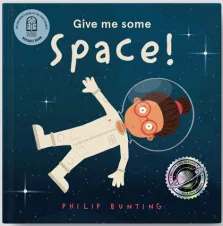
Free Read Alouds: Story Time From Space – A Cosmic Adventure for Kids

Introduction:

Have you ever imagined what it would be like to hear a story narrated from space? Believe it or not, it’s now possible! Thanks to the innovative program, Story Time From Space, children and adults alike can enjoy free read alouds from the unique environment of outer space. Combining the power of storytelling with the allure of space, Story Time From Space captivates audiences and inspires children to embrace not just reading but also subjects like science, technology, engineering, and math (STEM).

What is Story Time From Space?

Story Time From Space is a fascinating educational project created by the Global Space Education Foundation. In collaboration with astronauts aboard the International Space Station (ISS), this project aims to encourage reading and spark interest in STEM fields by highlighting the real-life experiences of scientists living and working in space.

How Does It Work?

Astronauts onboard the ISS make videos of themselves reading popular children’s books related to space and astronaut adventures. These books are specially chosen for their potential to engage young minds and encourage learning. The videos are then uploaded on the Story Time From Space website and YouTube channel, making them publicly available for anyone interested in tuning in.

Benefits:

There’s no denying that hearing a story read aloud by an astronaut floating in zero gravity is an unforgettable experience. But beyond its novelty factor, Story Time From Space offers several strong educational benefits:

1) Creating Interest in STEM: By narrating stories involving space themes or astronaut characters, the program encourages children to learn about STEM fields.

2) Cultivating Reading Habits: The read-aloud format helps nurture a child’s love for reading, eventually fostering independent reading habits.

3) Connecting with Real Astronauts: Children can see real-life astronauts sharing their experiences while floating in space – this makes science more tangible and approachable.

4) Encouraging Imagination and Curiosity: Story Time From Space stirs kids’ innate sense of curiosity, inspiring them to imagine the vast possibilities awaiting them in the future.

Conclusion:

Free read alouds: Story Time From Space is a unique and engaging program that brings storytelling to a new dimension. By blending the enchantment of stories with the wonder and adventure of space, this program creates an unforgettable experience for kids and adults alike. So why not embark on a cosmic adventure with your little ones by tuning into Story Time From Space? The stars are just a story away!

The Head Start Debate: Long-Term Benefits Explored

Introduction:

The Head Start program, launched in 1965, is a comprehensive early childhood education program in the United States that aims to help children from low-income families prepare for school and break the cycle of poverty. While the program enjoys widespread support, there has been much debate about its long-term benefits. This article aims to critically examine key aspects of the discussion surrounding the long-term benefits of the Head Start program.

Supporting Evidence of Long-Term Benefits:

Numerous studies have been conducted on the Head Start program’s impact on participants throughout their lives. Some studies indicate that children who have participated in Head Start programs, as compared to those who have not, tend to perform better academically, socially, and emotionally.

Some key findings supporting the long-term benefits of Head Start include:

1. Higher high school graduation rates for participant children

2. Improved performance in math, reading, and social skills

3. Reduced incidences of grade retention and special education placement

4. Increased likelihood to attend college

5. Higher adult employment rates

Moreover, research has indicated that society as a whole can benefit from Head Start by saving on costs associated with remedial education, criminal justice expenses, and reduced dependency on welfare programs.

Counterarguments and Critiques:

While numerous studies present promising results regarding the potential long-term benefits of Head Start, critics argue that some studies reveal weak or temporary effects. They maintain that while there may be short-term gains, those gains tend to fade away over time as children progress through elementary school.

Some criticisms include:

1. Lack of proper controls in evaluation studies

2. Variability in program quality across different locations

3. Difficulty in isolating Head Start’s contribution from other factors like family support and community resources

Opportunities for Improvement:

The ongoing discussions surrounding the long-term benefits of Head Start denote areas where the program could be improved to maximize its effectiveness. Some suggested improvements include:

1. Implementing higher-quality curricula and teacher training

2. Ensuring consistency across different Head Start locations

3. Continuously adapting the program to meet the diverse needs of the participant population

4. Encouraging better collaboration between the program and local schools

Conclusion:

Although the Head Start debate regarding long-term benefits has raised some valid concerns, many studies highlight the potential positive impact that Head Start may have on participants’ lives. By addressing identified areas for improvement, policymakers and educators can work together to maximize the program’s long-term benefits and support children from low-income families in building a strong foundation for their future.

5 Things I Learned on the Kindergarten Tour

Introduction:

The journey through a child’s education begins with the first steps into a kindergarten classroom. As a parent, you want to ensure that your child’s early educational experience is both enriching and enjoyable. A kindergarten tour is an excellent way for parents to get a firsthand view of a school and its offerings. These are the top five things I learned during my recent kindergarten tour.

1. Importance of Classroom Environment:

During the kindergarten tour, I was able to observe various classroom environments. The best classrooms were clean, organized, and filled with natural light. They were also adorned with colorful decorations and student artwork that created a visually appealing and stimulating atmosphere for young learners.

2. Teacher-Student Interactions:

Observing how teachers interact with their students is a crucial aspect of evaluating any kindergarten program. On the tour, I noticed dedicated teachers who took time to engage each child in age-appropriate learning activities and positively guided them towards achieving academic milestones.

3. Emphasis on Play-Based Learning:

The most effective kindergarten programs incorporate play-based learning methods that foster critical thinking and encourage creative exploration. During the tour, I observed classrooms that featured imaginative centers, such as sand play areas, reading nooks, and block building stations.

4. Opportunities for Parental Involvement:

A strong partnership between parents and educators is essential for promoting children’s success in school. The kindergartens on the tour demonstrated various ways parents could be involved in their children’s education – from participating in school-wide events to assisting in special projects or volunteering for field trips.

5. Safety Measures and Emergency Procedures:

The safety of children at school is always a top concern for parents. During the tour, I was reassured by the schools’ emphasis on creating a secure environment for students, through strict visitor policies, security cameras, and clear emergency procedures in case of any unexpected incidents.

Conclusion:

The kindergarten tour allowed me to explore different educational environments and gave me valuable insight into the factors that contribute to a successful kindergarten experience for young children. While each school may have its unique offerings and teaching styles, focusing on the five key takeaways mentioned above should help parents make informed decisions about their children’s early education.

5 School Culture Lessons From Preschoolers

Introduction:

School culture plays a significant role in the success of students and staff. It forms the foundation for learning, collaboration, and innovation. Interestingly, some of the most impactful lessons in creating a positive and productive school culture can be observed in preschool classrooms. Preschoolers are full of wisdom, without even realizing it! This article will discuss five essential school culture lessons that we can all learn from preschoolers.

1. The Power of Play

One of the most important lessons we can learn from preschoolers is the importance of play in learning. In preschool, children learn through play, whether it’s building structures, pretending, or engaging in simple games. Play promotes creativity, problem-solving, and social skills – all vital components of a healthy school culture.

Lesson for schools: Encourage play-based learning at all grade levels to foster critical thinking and collaboration among students.

2. The Importance of Emotional Intelligence

Preschoolers express their emotions freely – laughing when happy, crying when upset – and through this openness, they slowly build emotional intelligence. Learning to identify and regulate emotions is essential for a healthy school culture where people feel safe sharing their thoughts and feelings with one another.

Lesson for schools: Integrate social-emotional learning into curriculums to help students understand their emotions better and foster empathy in interpersonal relationships.

3. Celebrating Diversity

In a preschool classroom, you will find children from various backgrounds with unique abilities and strengths. These young learners embrace each other’s differences and view them as an opportunity to learn from one another.

Lesson for schools: Create environments that celebrate diversity and encourage inclusiveness by promoting understanding and respect for different backgrounds, traditions, beliefs, abilities, and lived experiences.

4. The Art of Collaboration

Preschoolers often work together on projects or activities without worrying about taking credit or competing against one another. They inherently understand the value of collaboration in problem-solving and idea generation.

Lesson for schools: Nourish a cooperative culture by providing opportunities for students to collaborate on projects and engage in peer-to-peer learning, fostering teamwork among students and staff.

5. The Thrill of Discovery

For many preschoolers, learning about the world around them is an exciting adventure. Their curiosity drives their motivation to explore and learn new concepts. By nurturing that innate curiosity, preschool classrooms create a love for learning that can last a lifetime.

Lesson for schools: Encourage and support curiosity. Ignite the passion for learning by exposing students to diverse subjects, engaging lessons, hands-on experiences, and field trips.

Conclusion:

By observing these five key lessons from preschoolers – the power of play, the importance of emotional intelligence, celebrating diversity, the art of collaboration, and the thrill of discovery – we can take steps towards building a healthier, more positive school culture across all grade levels. Embracing these lessons will not only contribute to a thriving school environment but also foster lifelong skills crucial for personal and professional success throughout life.

The Teacher Report: How Flipped Teaching Can Work in the Younger Grades

In recent years, flipped teaching has emerged as a strategic approach to enhance students’ learning experiences. With this model, teachers utilize technology to reverse the traditional roles of lectures and homework. By providing educational content for students to access at home, educators can focus on interactive and applied learning experiences during class time.

While flipped teaching has been readily adopted by many high schools and universities, educators have begun investigating how this method can benefit younger grades. This article explores the potential of flipped teaching in elementary schools and how teachers can adapt the method to work with younger students.

Adjusting Flipped Teaching for Younger Grades

Flipped teaching typically relies on video lectures for students to review off-campus; however, adapting the methodology for younger children requires creativity. Elementary school teachers can introduce flipped teaching through various platforms:

1. Audio recordings: Teachers can record sample lessons or read stories for students to listen at home. This technique helps young learners practice their listening skills and absorb new information.

2. Interactive games and activities: Using online resources, teachers can provide engaging educational games that reinforce specific subjects. For example, younger students can play games related to counting or phonics.

3. Short videos: Teachers should create concise videos illustrating certain concepts or lessons on age-appropriate topics. Shorter content helps maintain young children’s attention spans and encourages them to engage with the material actively.

Providing Support at Home

To maximize the benefits of flipped teaching in younger grades, parents and guardians play a crucial role in facilitating their child’s learning process. Educators should provide clear instructions and routinely communicate with parents about their child’s progress.

Additionally, offering accessible resources for families without technology access is vital in implementing successful flipped teaching strategies for all students in the classroom.

Benefits of Flipped Teaching in Elementary Schools

By incorporating flipped teaching methods within younger classrooms, several advantages arise:

1. Enhanced individual learning: The flexible format of flipped teaching allows students to learn at their own pace, catering to diverse learning styles.

2. Increased communication between home and school: Flipped teaching establishes a consistent connection between parents and teachers, leading to more informed relationships and a better understanding of children’s learning needs.

3. Active learning experiences: With core content delivered through off-campus platforms, students can engage in classroom projects, group discussions, and interactive activities that foster deep learning.

4. Greater teacher-student interaction: Freeing up class time enables educators to provide one-on-one support for students who may be struggling with specific concepts.

Flipping the younger grades’ classrooms can benefit both students and teachers by complementing traditional teaching methods with this innovative approach. By tailoring flipped learning techniques for the younger audience and collaborating with parents, educators in elementary schools can create a more engaging and inclusive educational experience for all. With patience, persistence and creativity, the flipped classroom model can become an integral part of early education.

25 Amazing Sea Life Activities for Preschoolers

Introduction:

Bring the wonders of the ocean to your preschoolers with these 25 amazing sea life activities. These engaging and educational projects will stimulate your little ones’ curiosity, develop their creativity, and help build a strong foundation for learning about marine life. Dive into these underwater adventures and watch your preschoolers become enthralled with the beauty of the sea!

1.Ocean Sensory Bin – Fill a large container with water, blue food coloring, and various sea creatures to create an interactive sensory experience for your preschoolers.

2.Seashell Sorting – Gather different types of seashells and have your preschoolers sort them by shape, size, or texture.

3.Fishbowl Craft – Make a fishbowl out of paper plates, paint, and colorful fish cutouts.

4.Jellyfish Mobile – Create a hanging jellyfish mobile using paper plates, colorful streamers, and string.

5.Ocean Animal Yoga – Teach your preschoolers ocean-themed yoga poses like “starfish,” “seahorse,” or “turtle.”

6.Saltwater Painting – Have your preschoolers paint on paper using watered-down paint mixed with salt for a unique ocean effect.

7.Feed the Shark Game – Create a shark out of cardboard or foam board with an open mouth, then have kids toss beanbags or other objects into its mouth.

8.Coral Reef Collage – Use different colored tissue paper to create a beautiful coral reef scene on construction paper.

9.DIY Fish Tank – Make mini fish tanks using clear plastic cups, blue Jell-O, crushed graham crackers, and Swedish fish candies.

10.Octopus Windsock Craft – Create colorful octopus windsocks using toilet paper rolls, paint, and crepe paper strips.

11.Ocean Themed Bingo – Play bingo using ocean-themed words or pictures.

12.Seaweed Spaghetti – Cook and dye green spaghetti, then let your preschoolers explore its seaweed-like texture.

13.Seashell Painting – Let your preschoolers paint seashells using watercolors or acrylic paints.

14.Bubble Wrap Starfish – Create starfish shapes using bubble wrap, paint, and paper.

15.Paper Plate Puffer Fish – Make adorable puffer fish out of paper plates, paint, and tissue paper.

16.Musical Seashells – Use seashells as musical instruments by having preschoolers create rhythms by shaking or tapping them together.

17.Ocean In a Bottle – Fill a water bottle with water, blue food coloring, glitter, and small ocean-themed toys for a mesmerizing sensory experience.

18.Sea Animals Memory Game – Create a memory game with pictures of different sea creatures on index cards.

19.Beach Ball Toss – Inflate beach balls in various sizes for preschoolers to toss around the classroom or play area for some ocean-themed fun.

20.Sea Creature Handprint Art – Have your preschoolers create beautiful handprint art by painting colorful ocean creatures using their hands as stencils.

21.Sand Playdough – Make sand playdough using sand, flour, salt, water, and cream of tartar for an engaging tactile activity.

22.Dolphin Charades – Let your preschoolers imitate different sea animals’ movements while playing a game of charades.

23.Ocean Scavenger Hunt – Set up an ocean-themed scavenger hunt around your classroom or play area with hidden sea creature toys or pictures.

24.Floating Fish Experiment – Teach your little ones about buoyancy by having them create fish from foil and testing whether they float or sink in water.

25.Storytime Under the Sea – Read ocean-themed stories and encourage your preschoolers to act out their sea.

Teachers in December as Told by Kimmie Schmidt

As the festive season rolls in, it’s time to take a peek into what December means for teachers from the unique perspective of Kimmie Schmidt, a veteran educator who has experienced countless holiday seasons in her dynamic career. Get ready to dive into the challenges, joys, and learning opportunities that present themselves during this merry month.

When asked about her experiences, Kimmie Schmidt didn’t hesitate to express that the Christmas season is one to celebrate. She shared some of the many heartwarming moments she encounters while surrounded by students excitedly preparing for class festivities and winter break.

“The joy on the children’s faces when they exchange holiday cards or discuss their family traditions is priceless,” she says. “We all inevitably learn more about each other’s culture and beliefs. It allows me as an educator to create more inclusive lesson plans that encompass various celebrations, traditions, and customs.”

However, teachers also face their share of struggles during December. As excitement mounts and the inevitable countdown to days off begins, it becomes increasingly difficult to keep students focused on academics. Additionally, there are always several tasks left undone before year-end.

Kimmie notes that maintaining balance and setting expectations are key factors in keeping everyone on track. “I like to plan engaging lesson plans around popular holiday themes tied into core subjects such as math and language arts,” she adds.

Another challenge faced by teachers during December is managing student stress levels due to the anticipation of report cards and parent-teacher conferences looming nearby. Kimmie shares her approach: “I make sure I check-in frequently with my students individually and provide constructive feedback on their progress before final evaluations.”

Extra-curricular activities or charitable programs also characterize December for many teachers. Kimmie points out that it’s an excellent time for students and educators alike to rally together around community initiatives such as food drives or donation collections-a perfect opportunity to teach about kindness, empathy, and compassion.

In navigating the unique blend of challenges and joys in December, Kimmie emphasizes the importance of self-care for teachers. “Just like the students, we need to recharge our batteries and take some time for ourselves.” She recommends mindfulness exercises or spending quality time with loved ones to decompress and rejuvenate before ringing in the new year.

As teachers embark on their December journey, Kimmie Schmidt’s insightful perspective serves as a reminder that amidst the chaos lies opportunities for learning, growth, and memorable experiences. Embrace this magical season wholeheartedly and let the spirit of giving, sharing, and learning fill every classroom.

Boo! These Darling Early Readers Are Perfect for Halloween

As the days grow shorter and the nights turn colder, pumpkins begin to decorate doorsteps, and a sense of mystery fills the air. It can only mean one thing: Halloween is fast approaching! This spooky season, introduce young readers to the magic of All Hallows’ Eve with these delightful early reader books perfect for those just starting their reading journey.

1. The Haunted House (I Can Read Level 1) by Mercer Mayer

Little Critter is about to embark on an eerie adventure in this Halloween-themed book from popular children’s author Mercer Mayer. As he bravely enters a creepy haunted house with his friends, your early reader will be kept on the edge of their seat, wondering what spooktacular surprises await.

2. Pete the Cat: Trick or Pete by James Dean

Young cat lovers will be delighted as they follow Pete the Cat on his trick-or-treating adventure through town. With colorful illustrations and fun rhyming text, this engaging read is sure to keep early readers entertained.

3. In a Dark, Dark Room and Other Scary Stories (I Can Read Level 2) by Alvin Schwartz

Alvin Schwartz’s collection of slightly scary stories will introduce budding readers to intriguing characters and fun twists all while developing their reading skills. An ideal choice for learning about storytelling and perfect for prepping young kids for Halloween fun.

4. It’s Halloween, I’m Turning Green! (My Weird School Special) by Dan Gutman

A.J. and his classmates are faced with an impending disaster when they discover that a zombie may be lurking within their school grounds in this hilarious installment from Dan Gutman’s “My Weird School” series. A fun way to engage early readers with humor while immersing them in the spirit of Halloween.

5. Pinkalicious: Pink or Treat! by Victoria Kann

Pinkalicious is determined to save her town from a Halloween blackout and ensure successful trick-or-treating. Join her on this sweet adventure filled with humor, courage, and determination, all told through charming illustrations and simple text for beginner readers.

6. Biscuit Visits the Pumpkin Patch (My First I Can Read) by Alyssa Satin Capucilli

Biscuit the lovable pup is headed to the pumpkin patch for some fall fun! With engaging illustrations and straightforward storytelling, young readers will be excited to follow Biscuit as he embarks on his pumpkin adventure.

These darling early readers are perfect for getting into the Halloween spirit while developing reading skills in youngsters. Adding these books to your family’s library will make for a spooktacular Halloween tradition that young readers will cherish for years to come. So, gather around the pumpkin-spiced candles and enjoy these delightful tales with your little goblins and witches. Happy reading!

The Acronym That Saves Me as a Kindergarten Teacher

As a kindergarten teacher, it is always important to develop efficient strategies to manage and engage with students in the classroom. Young children are filled with curiosity, boundless energy, and an eagerness to learn new things. Addressing these characteristics while maintaining a sense of structure is essential for every kindergarten teacher. One acronym that has made a significant difference for me in my teaching journey is E.C.H.O.

E.C.H.O. stands for Empathy, Consistency, Humor, and Organization. These four elements have transformed my teaching approach and enhanced the overall learning environment for my students.

Empathy:

Young children are easily influenced by their surroundings. It’s crucial to create a nurturing and supportive atmosphere where they feel safe to express their thoughts and emotions. Empathy allows us to connect with our students on a deeper level, being attentive to their needs and concerns. Providing emotional support encourages them to take risks without fear of failure, contributing to their development of self-confidence and resilience.

Consistency:

Children thrive in environments where there is consistency in rules, expectations, and daily routines. Maintaining consistency in the classroom ensures that students feel secure and know what to expect throughout the day. This also includes having clear consequences for inappropriate behavior or breaking rules. By being consistent, we reinforce routines and expectations that guide our students while fostering a sense of belonging and safety.

Humor:

A lighthearted and fun classroom atmosphere can significantly impact young learners’ engagement levels. Incorporating humor into everyday activities not only keeps students entertained but also promotes a positive outlook on learning. Since laughter is contagious, using humor makes the classroom more enjoyable for both teachers and students alike—also promoting better concentration and memory retention. Whether it’s through storytelling, jokes, or playful activities – humor can be an effective tool that contributes to better learning outcomes.

Organization:

Kindergarteners are still developing their organizational skills. As teachers, we must establish a well-organized classroom structure to support their growth in this area. By organizing materials, creating visual reminders for routines, and regularly reviewing schedules with students, they will gradually internalize the importance of being organized. A structured environment not only assists students in managing their belongings but also instills essential life skills necessary for future academic success.

In conclusion, the E.C.H.O acronym has been a lifesaver for me as a kindergarten teacher. Embracing empathy, consistency, humor, and organization continuously enhances the overall classroom experience for my young students. By adopting these strategies, kindergarten teachers can create a more effective learning environment that nourishes children’s minds and hearts in equal measure.

A Teacher’s Day As Told By Babies

Once upon a time, in a daycare center filled with joy and laughter, a group of babies decided to honor their teacher on the special occasion of Teacher’s Day. Eager to express their love and appreciation, they put together their thoughts and giggles to narrate what a typical day looks like for their beloved teacher.

The day begins bright and early, as the teacher sets foot in the daycare center. The room is filled with delightful toys, cozy little cots, and excited babies waiting for the day’s adventures. Greeted by her name – “Miss Jane” – she is welcomed with wide grins and tiny cheers from the little hands that eagerly reach out to hug her.

The first activity on Miss Jane’s agenda is Circle Time. The babies wiggle onto colorful mats, forming a perfect semi-circle around their favorite teacher. Filled with enthusiasm, she engages them in delightful songs paired with animated gestures. The babies sway and clap along, captivated by Miss Jane’s enchanting voice.

Next comes Snack Time – arguably the most popular part of her schedule! Armed with small spoons and soft bowls, she patiently feeds each baby with great attention to detail, ensuring every last morsel of mashed peas make it into those tiny mouths. Wearing her warmest smile, she handles spills gracefully – after all, messes are part of the job!

After snacks are devoured and hands are wiped clean, it’s finally Nap Time. Miss Jane gently rocks each baby to sleep while sweet lullabies fill the air. Her soothing voice creates an atmosphere where even the fussiest of babies drift off to slumber.

Once Nap Time ends, our persistent little storytellers declare it Play Time! As Miss Jane navigates through a maze of chubby legs and energetic squeals, she ensures every child has opportunities to learn and explore. Her watchful eyes keep a close watch on their safety, while her guidance supports their blooming independence.

Just when the babies feel they have exhausted all possible games and activities, it is time for Story Time. Miss Jane transports the little ones to enchanted worlds brimming with talking animals, brave heroes, and magical adventures. They listen with rapt attention, their imaginations expanding with each colorful tale.

As the day comes to an end, parents eagerly arrive at the daycare center to pick up their little ones. Miss Jane greets each parent with a beaming smile and shares the day’s highlights. The babies shower her with hugs and kisses that melt her heart every single time, rewarding her commitment that goes far beyond a typical job.

So ends this heartwarming tale of A Teacher’s Day As Told By Babies. They may not be able to express it like grownups, but their appreciation for Miss Jane resonates deeply – after all, she is the hero in their tiny world!