Early Childhood & K-12 EdTech

23 Baseball Activities for Your Little Ones

Introduction:

Baseball is more than just a sport; it’s a great way to build life skills such as teamwork, discipline, and coordination while having fun. For parents looking for ways to engage their little ones in this fantastic pastime, here are 23 baseball activities that can be enjoyed by kids of different ages.

1. Tee-ball: This modified version of baseball is perfect for introducing the basics of the game to young beginners.

2. Soft-toss practice: Help your child improve their batting by tossing soft baseballs underhand for them to hit.

3. Backyard home run derby: Set up a makeshift field in your backyard and have a friendly competition seeing who can hit the most “home runs.”

4. Base-running races: Set up bases and have your kids race around them to improve their speed and agility.

5. Glove flips: Teach your child how to flip the ball onto their throwing hand using their glove hand.

6. Batting stance practice: Work on perfecting your child’s batting stance to develop good habits early.

7. Wall ball: Use a wall and a tennis ball for catch-and-throw practice. This activity helps improve throwing accuracy.

8. Catching fly balls: Hit or throw fly balls high into the air for your child to practice running and catching.

9. Relay races: Divide children into teams and have them run relay races around the bases, passing a baseball baton instead of a track baton.

10. Wiffle ball games: Wiffle balls are lighter than regular baseballs, making them safer for young kids during games.

11. Baserunning drills: Teach your child how to effectively round bases with short sprints followed by quick stops.

12. Groundball drill: Work on fielding skills by rolling groundballs and having your child scoop them up with their glove hand.

13. Hot potato: Players form a circle and toss around a baseball, focusing on maintaining a good throwing and catching technique.

14. Bucket toss: Set up targets (buckets) at a distance and have your child practice throwing the ball into the buckets.

15. Water balloon toss: Replace baseballs with water balloons for a fun twist in the heat of summer.

16. Simon says: Incorporate baseball-specific instructions in the game of Simon says, including “swinging a bat,” “catching a ball,” or “running to first base.”

17. Baseball obstacle course: Create an obstacle course incorporating baseball skills like running, throwing, and catching.

18. Balloon baseball: Replace regular baseballs with balloons. It’s fun and safer for younger kids entering the world of baseball.

19. Baseball duck-duck-goose: Play duck-duck-goose with kids acting out baseball actions as they run around the circle.

20. Freeze tag baseball style: When tagged, players must freeze in specific baseball stances or poses chosen by the tagger.

21. Baseball charades: Write down different plays or actions related to baseball, and have your child act them out as part of a family-friendly game night.

22. Baseball-themed crafts: Make DIY baseball-themed arts and crafts like decorating balls, gloves, or creating team pennants to hang on the wall.

23. Baseball-inspired scavenger hunt: Hide stickers or trinkets related to baseball around your house or yard for your little ones to find during a scavenger hunt.

Conclusion:

With these 23 baseball activities, parents can introduce their young children to America’s favorite pastime in fun and engaging ways. Whether it’s playing tee-ball or participating in relay races that incorporate aspects of the game, these ideas will keep your little ones entertained while building essential life skills.

38 of the Best Halloween Books for Kids

Introduction:

Halloween is an enchanting time of the year, filled with costumes, trick or treating, and all things spooky. It’s no surprise that kids love to dive into thrilling tales that keep them on the edge of their seats! Here’s a list of 38 of the best Halloween books for children that will send shivers down their spines while sparking their imaginations.

1. Room on the Broom by Julia Donaldson

2. The Hallo-Wiener by Dav Pilkey

3. The Little Old Lady Who Was Not Afraid of Anything by Linda Williams

4. Scary Stories to Tell in the Dark by Alvin Schwartz

5. Halloween Hustle by Charlotte Gunnufson

6. Creepy Carrots! by Aaron Reynolds

7. Skeleton Cat by Kristyn Crow

8. Bone Soup: A Spooky, Tasty Tale by Alyssa Satin Capucilli

9. Click Clack Boo!: A Tricky Treat by Doreen Cronin

10. Ten Timid Ghosts by Jennifer O’Connell

11. Peek-A-Boooo! by Sandra Magsamen

12. The Night Before Halloween by Natasha Wing

13. Haunted Castle On Hallows Eve by Mary Pope Osborne

14. Stumpkin by Lucy Ruth Cummins

15. The Fierce Yellow Pumpkin by Margaret Wise Brown

16. Crybaby Hollow by Natalie Rompella

17. Big Pumpkin by Erica Silverman

18. Mouse’s First Halloween by Lauren Thompson

19. Zombie Kid Diaries: Playing Dead by Fred Perry

20. How To Catch a Monster! By Patricia Hegarty

21. Little Boo! By Stephen Wunderli

22. Goodnight Goon: A Petrifying Parody! By Michael Rex

23. Frankenstein Makes a Sandwich by Adam Rex

24. The Vanishing Pumpkin by Tony Johnston

25. Trick or Treat, Little Critter! By Mercer Mayer

26. Pumpkin Eye by Denise Fleming

27. Creepy Pair Of Underwear! By Aaron Reynolds

28. Ghostbusters: Who You Gonna Call? By Ivan Reitman and Dan Aykroyd

29. Berenstain Bears Go on a Ghost Walk by Stan & Jan Berenstain

30. The Monsters’ Monster by Patrick McDonnell

31. It’s Halloween, I’m Turning Green! By Dan Gutman

32. Boo Ha Ha!: A Happy Haunted Party Book by Alastair Graham

33. Thomas’ Halloween Delivery (Thomas & Friends) by Reverend W Awdry

34. Arthur’s Halloween: An Arthur Adventure by Marc Brown

35. Splat the Cat and the Pumped-Up Pumpkin by Rob Scotton

36. Clifford’s Halloween by Norman Bridwell

37. Junie B., First Grader: Boo…and I Mean It! By Barbara Park

38. Long Legs Witches: A Delightfully Dark Tale for Young Readers ền

Conclusion:

Give your young readers a thrilling treat with these 38 enchanting Halloween books that will surely become favorites during the spooky season! From creepy to humorous, mysterious to magical, these stories are perfect for children to enjoy all October long as they eagerly await the arrival of Halloween night.

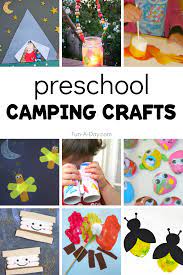
20 Fun & Engaging Preschool Camping Activities

Camping is an excellent opportunity for preschoolers to explore nature and engage in various entertaining activities. Here are 20 fun and engaging preschool camping activities that you can try during your next outdoor adventure.

1. Nature Scavenger Hunt: Create a list of items found in nature for the children to find, such as leaves, rocks, or pinecones. This activity encourages exploration and discovery.

2. Campfire Sing-Along: Gather around the campfire and sing traditional camping songs like “Kumbaya” and “Michael Row the Boat Ashore.”

3. Marshmallow Roasting: Teach children how to roast marshmallows safely over a fire and enjoy the delicious result – s’mores!

4. Storytelling: Share spooky or funny camping stories while huddled around the campfire.

5. Nature Art: Collect natural materials like leaves, sticks, and stones, and use them to create beautiful works of art.

6. Flashlight Tag: Play a game of tag with flashlights once it gets dark outside.

7. Insect Observation: Teach children about different insects they may encounter during the camping trip.

8. Tent Building: Show preschoolers how to set up tents, giving them hands-on experience with essential camping skills.

9. Camping Yoga: Practice yoga poses inspired by nature, such as tree pose, mountain pose, or downward-facing dog.

10. Wildlife Bingo: Create a bingo card with pictures of animals native to the campsite area and have children search for them throughout the trip.

11. Star Gazing: Teach children about astronomy by pointing out constellations during clear night skies.

12. Fishing: If there’s a nearby lake or river, teach children the basics of fishing (with adult supervision).

13. Nature Walks: Take short hikes around the campsite, teaching preschoolers about local flora and fauna along the way.

14. Map Reading: Introduce basic map-reading skills, helping children understand their surroundings and become confident navigators.

15. Leaf Rubbings: Gather unique leaves around the campsite and use crayons or pencils to create leaf rubbing art.

16. Bird Watching: Teach children about different bird species they might encounter while camping and how to identify them by their songs.

17. Campfire Cooking: Prepare a simple campfire meal like hot dogs or grilled cheese sandwiches, teaching preschoolers about safe cooking methods in an outdoor setting.

18. Solar Oven: Use aluminum foil and cardboard to create a makeshift solar oven, demonstrating the power of sunlight for cooking purposes.

19. Water Relay Race: Fill water buckets and have children race against each other while carrying the buckets without spilling any water.

20. Camping Journal: Encourage children to record their memories and experiences by creating a camping journal with drawings or written descriptions of the trip.

These 20 preschool camping activities offer various ways to engage young minds, teach them valuable skills, and create unforgettable memories that will last a lifetime.

4 Ways to Use iPads in Kindergarten

In recent years, iPads have become a valuable tool in the field of education, making their way into classrooms across the world. When implemented correctly, they can provide interactive and engaging experiences for students, especially in kindergarten. Here are four innovative ways to incorporate iPads into your kindergarten curriculum.

1. Interactive Storytelling

One of the most effective ways to use iPads in kindergarten is through interactive storytelling apps. These apps provide a unique blend of visual and auditory elements, presenting stories to children in an engaging manner. With animated illustrations, voiceovers, and sound effects accompanying the text, interactive storytelling helps bring stories to life. Teachers can select age-appropriate story apps that align with their curriculum objectives and captivate the imagination of young learners while improving their reading skills.

2. Educational Games

Another way to utilize iPads in kindergarten is by exploring educational games developed specifically for this age group. With a wide range of subjects available such as math, language, science, and even social skills development, there are numerous options for teachers to choose from based on their lesson plans. These games provide children with an enjoyable outlet to practice essential skills and tackle new concepts at their own pace. Moreover, educational games often feature progress reports that allow educators to track students’ progress and identify areas requiring improvement.

3. Art and Creativity

iPads also offer a plethora of art applications that cater to young learners’ creative instincts. From drawing and painting apps to digital collage makers, these platforms allow children to experiment with colors, textures, shapes, and various tools without creating a mess or wasting resources. This use of technology not only fosters creativity but also aids in fine motor skill development as well as hand-eye coordination.

4. Virtual Field Trips

Another exciting way to bring technology into the classroom is by embarking on virtual field trips using iPads. Thanks to advances in augmented reality and virtual reality, students can now explore distant locations or environments without leaving their classrooms. This immersive experience enables a deeper understanding of the world around them, be it topical subjects like historical landmarks or wildlife habitats. Integrating global experiences can complement a geography or history lesson in a captivating and innovative way.

In conclusion, iPads possess the potential to transform learning experiences for kindergarten students in various ways. By incorporating interactive storytelling, educational games, art applications, and virtual field trips into your curriculum, you can create an enriched and versatile learning environment. With proper supervision and responsible use of technology, the possibilities are endless for young minds to grow and aspire in this digital age.

14 Genius Ideas for Creating a DIY Sensory Board in Your Classroom

Introduction:

Sensory boards are fantastic tools used to enhance children’s learning by engaging their senses. In education, these boards help students explore, discover, and engage in a multisensory way. Creating a DIY sensory board in your classroom can be an affordable and fun project that encourages creativity and enhances learning experiences. Here are 14 genius ideas to help inspire you when creating your own DIY sensory board.

1. Textured Fabric Swatches:

Create a tactile experience by attaching different fabric swatches like velvet, faux fur, or corduroy to the board. This variety of textures will encourage children to touch and explore while also learning about different materials.

2. Locks and Latches:

Incorporate various locks, latches, or bolts for children to manipulate and develop fine motor skills. This will also help them learn about colours and shapes as they match each piece.

3. Scented Items:

Including scented objects, like lavender sachets or cinnamon sticks, can provide an olfactory experience that helps stimulate memory and recognition.

4. Zipper Board:

Attach zippers of different colours and sizes for children to practice zipping and unzipping, helping them develop fine motor skills and coordination.

5. Velcro Shapes:

Cut out various shapes from felt or foam and attach one side with velcro, while attaching the opposite side on the board as a way for kids to match shapes and colours.

6. Magnetic Alphabet:

Place magnetic letters on a metal sheet as part of the sensory board for children to spell simple words or practice identifying letters.

7. Puzzles:

Incorporate age-appropriate puzzles into your sensory board that challenge students’ problem-solving abilities.

8. Light Touch Buttons:

Install small touch-activated lights on the board, allowing children to increase their understanding of cause-and-effect as they press a button and the board lights up.

9. Mirrors:

Attach mirrors of different shapes and sizes to engage children in self-recognition and observation.

10. Bead Maze:

Include a bead maze or create your own by attaching wire and beads to the board for students to practice hand-eye coordination.

11. Sandpaper Letters:

Make sandpaper letters for kids to trace with their fingers, offering a tactile way of learning the alphabet and improving fine motor skills.

12. Mini Chalkboard or Dry Erase Board:

Encourage creativity and writing skills by incorporating a small chalkboard or dry erase board into your sensory board design.

13. Kitchen Utensils:

Include various safe kitchen utensils like silicone brushes or whisks for children to manipulate and explore.

14. Sensory Bags:

Create DIY sensory bags filled with materials like rice, beans, or water beads. Attach them securely to the board, allowing children to feel the different textures through the bag’s surface.

Conclusion:

With these 14 genius ideas as inspiration, creating a DIY sensory board for your classroom can be an enjoyable process that results in an affordable, customized learning tool tailored to your students’ needs. Embrace your creativity, involve your students in developing it, and watch as they explore new concepts using their senses.

10 Virtual Volunteer Jobs Teens Can Do During National Volunteer Week

National Volunteer Week is a time to celebrate the power of volunteerism in our communities. With the need for social distancing, volunteering may seem impossible; however, virtual volunteer opportunities are on the rise. This list highlights ten virtual volunteer jobs that teens can do during National Volunteer Week.

1. Tutoring younger students: Many students are struggling with remote learning, so offer your help as an online tutor in subjects you excel at.

2. Fundraising and awareness: Support your favorite non-profit organization by creating online campaigns to raise funds and increase awareness.

3. Graphic design: If you have a talent for graphic design, offer your skills to charities needing promotional materials or infographics.

4. Social media management: Help organizations improve their social media presence by creating content and engaging with followers.

5. Transcribing and translating: Transcribe historical documents or interviews for museums and archives or translate materials for non-English speaking audiences.

6. Writing articles and blog posts: Share your passion for a cause by writing articles or guest blog posts for nonprofits in need of content.

7. Coding projects: Put your programming skills to good use by helping nonprofits develop their websites, apps, or software.

8. Remote support for seniors: Assist homebound seniors by providing companionship through phone calls or video chats, teaching them digital skills, or helping them navigate online resources.

9. Environmental action: Participate in digital platforms that collect data on the environment, like citizen science initiatives tracking climate change or identifying wildlife in photos.

10. Virtual mentorship: Join online mentorship programs to provide guidance and support to younger kids who may be feeling isolated during this time.

In conclusion, while traditional volunteer work may be a challenge during these times, virtual opportunities are abundant. Embrace digital volunteerism during National Volunteer Week and make an impact from the comfort of your own home.

11 Ways Kids Can Still Have Recess at Home

With schools shifting to online learning and social distancing becoming the new norm, kids are missing out on the fun and excitement of recess. Parents can step in and recreate the traditional school recess experience at home by implementing a few creative ideas. Here are 11 ways to ensure your child has an enjoyable recess at home.

1. Designate a Play Area: Set up a designated play area in your backyard or living room with plenty of space for your kids to move around. Provide age-appropriate toys, games, and activities that help them stay active and entertained.

2. Schedule a Recess Time: Establish a consistent daily routine consisting of study time, breaks, and recess. This helps maintain structure, and ensures that both academic tasks and leisure activities are balanced.

3. Involve Siblings: Encourage siblings to participate in recreational activities together. This not only promotes teamwork but also helps them share more quality time and learn from each other.

4. Set Up Relay Races: Organize relay-style races with simple rules that require minimal equipment, such as running while holding a spoon with an egg on it or balancing a book on your head.

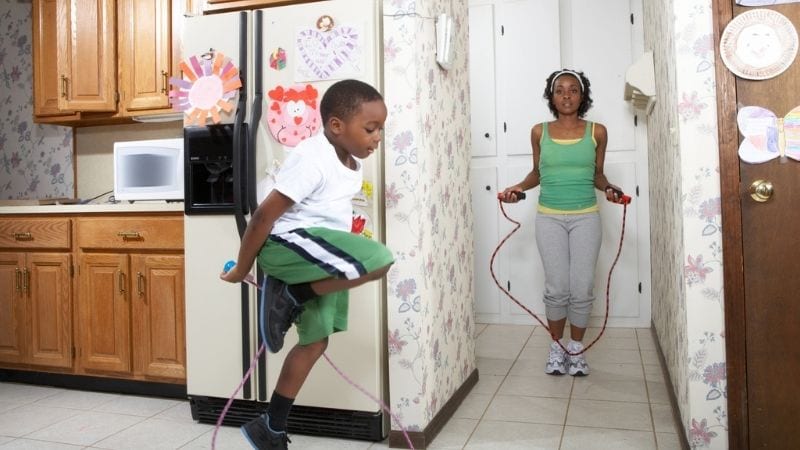
5. Encourage Outdoor Play: Take advantage of good weather by encouraging outdoor playtime. Simple activities such as hopping, skipping, jumping rope, or playing catch can provide kids with both physical exercise and mental relaxation.

6. Create DIY Obstacle Courses: Build obstacle courses using household items like pillows, chairs, boxes, or blankets. This helps improve their problem-solving skills and motor coordination while keeping them engaged for hours.

7. Host Dance Parties: Organize impromptu dance parties for kids to practice their dance moves or even invent new ones! Dancing is an excellent way for them to exercise and burn off energy while having fun.

8. Practice Yoga or Meditation: Introduce yoga or meditation sessions during recess time to teach kids self-awareness, relaxation techniques, and stress management skills.

9. Organize Art Breaks: Encourage your kids to express their creativity by organizing paint or craft breaks where they can draw, paint or work on other fun projects.

10. Set Up Virtual Playdates: Arrange for virtual playdates with school friends using video call apps. This helps kids maintain social connections and offers them an opportunity to share ideas and play games together.

11. Family Game Time: Participate in indoor family game sessions with board games, card games, or interactive video games. This encourages bonding as a family and introduces the importance of teamwork.

In conclusion, despite being at home, kids can still enjoy the fun-filled world of recess through these innovative activities. Parents play a crucial role in ensuring that children utilize their time well between academics and leisure pursuits. Remember to keep things engaging and adaptive to meet the changing needs of your child’s development.

15 Dental Health Activities for Preschoolers and Kinders

Introduction:

Promoting dental health at an early age is important to establish good oral hygiene habits. Engaging preschoolers and kindergarteners in fun dental health activities can make learning about oral care enjoyable and beneficial. Here are 15 dental health activities that you can introduce to young children:

1. Toothbrush Painting: Give each child a toothbrush and allow them to create artwork using non-toxic paint, helping them become familiar with the brushing motion.

2. Flossing Activity: Use pipe cleaners and beads to create a simple flossing activity, demonstrating the importance of cleaning between teeth.

3. Playdough Teeth Mold: Provide playdough and small mirrors for children to create impressions of their teeth, observing their unique dentition.

4. Tooth Fairy Storytime: Share tooth fairy stories or have a guest “tooth fairy” come and read about dental health to the children.

5. Healthy Food Collage: Create a collage of healthy foods that are good for teeth, explaining the benefits of different foods for oral care.

6. Dental Office Dramatic Play: Set up a pretend dental office with props such as toothbrushes, toothpaste, floss, and dental masks for children to role-play as dentists and patients.

7. Brush Your Teeth Song: Sing songs about brushing teeth while encouraging children to practice proper toothbrush techniques.

8. Dentist Visit Puppet Show: Perform a puppet show that teaches children about what happens during a dentist visit and why it is important.

9. Cavity Experiment: Demonstrate how cavities develop by submerging eggs in various liquids (such as juice, soda, milk, and water) over time, showcasing their impact on tooth enamel.

10. Fluoride Demonstration: Highlight the benefits of fluoride toothpaste by comparing chalk soaked in water with chalk soaked in fluoride-containing water, observing the difference in erosion levels.

11. Toothpaste Tasting: Conduct a toothpaste tasting with various kinds of child-approved toothpaste, guiding children to choose their favorites.

12. Smile Crafts: Create different smile crafts, like making a beaded smiley face bracelet or decorating a paper plate with a big smile.

13. Brushing Teeth Timer: Make brushing teeth timers by filling small bottles with sand or colored rice and having children brush their teeth for the duration of the timer.

14. Dental Vocabulary Bingo: Create bingo cards with dental-related words such as cavity, toothbrush, floss, and dentist to teach children about dental care terminology.

15. Oral Health Sticker Charts: Provide children with stickers for successfully completing daily oral hygiene tasks such as brushing their teeth and flossing to help them learn responsibility for their dental health.

Conclusion:

These engaging dental health activities for preschoolers and kindergarteners encourage curiosity and provide essential knowledge about good oral hygiene practices. By introducing these activities early on, you can contribute to building lifelong healthy habits and bright smiles for the children in your care.

5 High-Impact, Low-Prep Activities for Creative Arts in Early Childhood

Introduction:

As educators and parents, our goal is to make the most out of every opportunity we have to stimulate a child’s development. Creative arts activities are an excellent way for young children to express themselves while also developing their cognitive and motor skills. Here are five high-impact, low-prep activities that you can easily implement in your early childhood classroom or at home to cultivate creativity and imagination.

1. Finger Painting:

There’s nothing more fun for a child than getting their hands messy with paint. Finger painting allows young kids to explore different colors, textures, and techniques without the need for brushes or other tools. Set up a space with non-toxic, washable paints, and large sheets of paper for them to create their masterpieces. They’ll learn about color mixing and develop fine motor skills as they play.

2. Dance/Movement Activities:

Dance and movement activities provide an opportunity for children to express themselves physically while developing their gross motor skills. Put on some kid-friendly music and encourage them to move their bodies freely. You can also incorporate fun props like scarves or ribbons if you wish. This activity can be done indoors or outdoors, making it versatile and adaptable to your space.

3. Clay or Play Dough Exploration:

Playing with clay or play dough is an excellent sensory experience that fosters creativity in young children. Provide various colors of clay or play dough for them to mold, shape, and create whatever they imagine. Add some simple tools like plastic knives, cookie-cutters, rolling pins, or even natural items like sticks and leaves for them to experiment with texture and design.

4. Collage Creation:

Collages allow children to explore different materials and textures while creating a unique piece of art. Provide an assortment of pre-cut paper shapes, fabric scraps, buttons, beads, sequins, yarn, and other items that can easily be glued onto paper. Encourage children to arrange the materials in interesting and creative ways, enhancing their skills in composition, pattern recognition, and design.

5. Music Station:

Music is an essential part of a child’s development, and allowing them to experiment with various instruments is highly beneficial. Set up a simple music station with items like tambourines, maracas, xylophones, or mini keyboards. Encourage children to make their own rhythms, melodies, or recreate songs they know. Experimenting with these instruments builds fine motor skills along with their understanding of pitch and rhythm.

Conclusion:

Creative arts activities are vital in early childhood development as they help children express themselves and enhance their cognitive growth. These five high-impact, low-prep activities are easy to set up and cater to various learning styles and interests, making them perfect additions to any early childhood environment. Let your child explore, create, and learn through art – the possibilities are endless!

Our Favorite School Spirit Shirts: A Celebration of Pride and Unity

School spirit shirts play a crucial role in promoting unity and a sense of belonging among students, faculty, and staff. These shirts serve as a tangible representation of the passion, pride, and camaraderie that flourish within academic institutions. In this article, we will explore some of our favorite school spirit shirt designs that have captured our hearts and inspired us to wear them with pride.

1. The Classic Mascot Design

A timeless classic, the mascot design is perhaps the most popular choice for school spirit shirts. This design prominently features the school’s mascot along with the institution’s name and colors. The mascot serves as a rallying point for everyone in the school community, showcasing an unmistakable source of pride.

2. The Vintage Collegiate

With its timeless appeal, the vintage collegiate shirt is perfect for those who appreciate a retro yet stylish look. This design typically includes the school’s name in an elegant script font, along with a graphic emblem symbolizing the institution’s heritage or achievements. The vintage collegiate shirt is a classy option for those who want to display their school spirit with understated sophistication.

3. The Bold Typography

Bold typography designs are great for making a statement with your school spirit shirt. With large, eye-catching letters spelling out your school’s name or initials, there are endless possibilities for customization. Choose unique fonts or juxtapose multiple typography styles to create a shirt design that truly stands out from the pack.

4. The Abstract Expression

For those looking to infuse their school spirit shirt with an artistic flair, abstract expression designs are an ideal choice. These shirts feature creative illustrations or patterns that represent ideas or themes central to the school’s identity. Examples of elements used in abstract expression designs include geometric shapes, nature-inspired motifs, or even architectural landmarks from your campus.

5. The Inspirational Motto

Nothing says school pride quite like an inspirational motto or quote emblazoned on your spirit shirt. Whether it’s a phrase that has been passed down through generations or a line from your school’s fight song, an inspirational motto design reminds everyone of the values and traditions that they hold dear.

6. The Customizable Class

Another favorite school spirit shirt design is the customizable class shirt, which features spaces for signatures or custom messages from classmates. These shirts become priceless keepsakes, filled with memories of friendships forged and experiences shared throughout your educational journey. They are perfect for class reunions, senior events, or as celebratory gifts.

In conclusion, school spirit shirts are powerful symbols of unity, pride, and shared identity within academic communities. The designs we’ve highlighted here represent just a few of the many creative ways you can express your love for your school and fellow members. No matter which design you choose, wearing a school spirit shirt is an enduring statement of support and allegiance to your institution – a sentiment that transcends beyond the walls of the classroom.