Pedagogue Blog

These Embarrassing Teacher Moments Have Happened to Us All

Every profession has its moments of embarrassment, and teaching is no exception. Teachers are on the frontlines, interacting with students and fellow educators every day, which means there are bound to be some cringe-worthy moments. In this article, we’ll explore some of the most common embarrassing teacher moments that have happened to educators all over the world.

1. Calling a student by the wrong name

We’ve all been there: accidentally calling a student by someone else’s name. This could be due to the sheer number of students or just a simple brain lapse. What makes this particularly excruciating is that it’s often followed by laughter from the entire class, leaving the teacher red-faced and apologetic.

2. Forgetting your lesson plan

There are times when even seasoned teachers walk into the classroom and draw a blank on what was supposed to be covered that day. The scramble to remember or improvise can lead to nervous laughter, awkward silences, or hastily thrown-together lessons.

3. Wardrobe malfunctions

All teachers have experienced wardrobe malfunctions at some point in their careers: buttons popping off, zippers giving out, or walking around with clothes turned inside out all day unwittingly. The students love pointing this out as it provides comic relief and lightens up the atmosphere.

4. Technical difficulties during presentations

As technology becomes integral in education, so do technical issues during important presentations. Whether it’s failed audiovisual connections or accidentally sharing personal files onscreen – these hiccups can be both embarrassing and nerve-wracking for teachers trying to make it through their lectures.

5. Stumbling over words or mispronunciations

Even seasoned educators occasionally trip over their words or mispronounce terms during lectures. Students may tease or correct them, leading to nervous laughter or blushing by the embarrassed teacher.

6. Accidental slips and falls

Teachers, just like everyone else, can have their clumsy moments. Slipping on a wet floor or tripping over a bag in the classroom may result in an embarrassing fall. Thankfully, most students are empathetic and quick to help their teachers up.

7. Being caught off guard by students’ questions

Sometimes students ask questions that seem to come out of left field, leaving teachers momentarily stumped. The pressure to come up with a solid answer on the spot can be daunting, often leading to embarrassment or awkward silences before regaining composure.

In conclusion, teaching is a rewarding but sometimes humbling profession. These embarrassing teacher moments have happened to us all, making us not only more human and relatable but also reminding us that it’s okay to laugh at ourselves sometimes. After all, these shared experiences are part of the job and what makes the journey memorable — for both educators and their students.

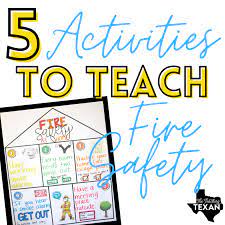
My Top 5 Resources for Teaching Fire Safety in Grades 3-5

Introduction:

Teaching fire safety to young children is critical to help them understand the risks and learn essential skills for prevention and emergency response. As an educator, it can be challenging to find engaging resources that effectively convey these important messages to your students. To assist you in your quest for finding the best resources, here are my top five recommendations for teaching fire safety in grades 3-5.

1. National Fire Protection Association (NFPA) – Sparky School House

The NFPA’s Sparky School House (https://www.sparkyschoolhouse.org/) is a comprehensive source of engaging fire-safety educational materials for children in grades K-5. Apart from videos, games, and lesson plans, this resource offers printable activities like “Sparky’s Birthday Surprise” and “Sparky’s Home Fire Safety Checklist”. These tools give an interactive learning experience suitable for various learning styles.

2. Scholastic’s Fire Safety Teaching Guide

Scholastic’s Fire Safety Teaching Guide (https://www.scholastic.com/teachers/sponsored-content/fire-safety/) provides essential fire-safety documents specifically designed for teachers. This resource features lesson plans, printables, and interactive whiteboard activities that encourage students to think critically about fire safety. The activities in this guide can be easily incorporated into your existing curriculum and adapted to various grade levels.

3. American Red Cross – Prepare with Pedro Disaster Preparedness Activity Book

This activity book from the American Red Cross (https://www.redcross.org/content/dam/redcross/get-help/pdfs/pdf_Disaster/Prepare-with-Pedro_Book.pdf) features Pedro the Penguin who teaches children about fire safety and disaster preparedness in a fun, engaging manner. The book includes a variety of activities like crossword puzzles, word searches, coloring pages, and connect-the-dots games that teach valuable fire-safety tips while keeping students entertained.

4. U.S. Fire Administration – Kids’ Firetruck Foldup Activity Sheet

Another engaging resource for students in grades 3-5 is the Kids’ Firetruck Foldup Activity Sheet provided by the U.S. Fire Administration (https://www.usfa.fema.gov/downloads/pdf/publications/fire_truck_activity_sheet.pdf). This printable sheet includes important fire safety messages and instructions, as well as a template for children to build their own paper fire truck. By incorporating a hands-on activity, this resource educates students about fire safety while stimulating their creativity and fine motor skills.

5. Safe Kids Worldwide Share – Home Fire Drill Lesson Plan

Safe Kids Worldwide’s Home Fire Drill Lesson Plan (https://www.safekids.org/lesson-plan/) is a helpful tool for teaching students how to create and practice an effective home fire evacuation plan. This step-by-step exercise encourages a detailed discussion about fire-safety practices and the importance of communication with families about potential risks at home.

Conclusion:

These resources offer an excellent starting point for teaching fire safety in grades 3-5. Remember, it’s important to engage your students in interactive activities that allow them to absorb essential knowledge while enjoying the learning process. By utilizing these tools, you can help your students develop lifelong fire-safety habits that will keep them safe both at home and school.

FREE Poster Set! Sustainability Posters for the Classroom

Introduction:

Educators have a unique opportunity to teach their students about sustainable practices and the importance of preserving our environment. One amazing teaching resource that can help achieve this goal are sustainability-themed posters for the classroom. These posters not only promote understanding of environmental themes but also encourage individual action for a greener future. We are excited to introduce a fantastic FREE poster set, specifically designed to educate students about sustainability.

The Sustainability Poster Collection:

This set of free posters covers critical topics in sustainability, including waste management, renewable energy, water conservation, and protection of biodiversity. Each poster features captivating graphics and straightforward messaging to help students grasp core ideas easily.

1. Reduce, Reuse, Recycle

This classic mantra is a cornerstone of waste management and an important part of sustainability efforts. This poster reinforces the practical steps one can take to reduce waste and minimize strain on our planet.

2. Renewable Energy Sources

A pivotal aspect of a sustainable future is transitioning from fossil fuels to renewable energy sources such as solar, wind, hydroelectric, and biomass power. This poster showcases different renewable energy types and highlights their benefits.

3. Water Conservation

Water scarcity is becoming a major global challenge; thus, we must prioritize water conservation measures. This poster illustrates various methods we can deploy to save water both at home and school.

4. Protecting Biodiversity

Our planet’s wellbeing depends on maintaining a delicate balance within ecosystems. This poster emphasizes the importance of protecting biodiversity by preserving habitats and avoiding activities that harm the environment.

5. Green Transportation

Reducing air pollution through alternative transportation options like walking, biking, using public transit, or driving electric vehicles is vital for a sustainable future. The green transportation poster outlines these eco-friendly options while encouraging their adoption.

6. Plant More Trees

Trees play an essential role in cleaning our air, providing habitat for wildlife, and combating climate change. This poster nudges students to plant more trees and participate in greening activities.

Benefits of Sustainability Posters:

– Enhancing Environmental Awareness: The posters help raise awareness about different sustainability aspects, providing students with knowledge they can apply to protect the environment.

– Encouraging Positive Behavior: Through concise messaging and compelling graphics, these posters promote environmentally friendly actions among students, fostering sustainable values.

– Easy-to-Integrate Resource: Teachers can seamlessly incorporate sustainability posters into their classrooms by displaying them alongside other educational materials or by using them as visual aids during lesson planning.

Conclusion:

As educators, it’s our responsibility to prepare the next generation for a greener future. By using this free sustainability poster set in your classroom, you can inspire your students to take an active role in safeguarding our planet. So, why wait? Start incorporating these posters into your teaching materials today and make a lasting impact on promoting sustainability among young minds.

8 Ways to Help A Pregnant Teaching Friend

When a close teaching friend is expecting a baby, it’s essential to show your support and help them during this exciting time. Here are eight ways you can assist your pregnant teaching friend in making their journey as smooth as possible.

1. Offer Emotional Support: Pregnancy can be an emotional rollercoaster for expecting mothers. Be there for your friend to listen and offer a shoulder to lean on when needed.

2. Help with Classroom Tasks: Lend a helping hand with grading papers, preparing lesson plans, or organizing their classroom. Taking some of the workload off their plate can alleviate stress and allow your friend to focus on their health and the baby.

3. Organize a Meal Train: Coordinate with other colleagues and parents to arrange a meal delivery schedule for your friend during the last trimester or after the baby is born. This will ensure they have nutritious meals without having to cook themselves.

4. Host a Baby Shower: Organizing a surprise baby shower at school or outside of work hours can be an excellent way to show appreciation and support for your friend while also giving colleagues a chance to celebrate together.

5. Share Useful Resources: Offer tips on relaxation techniques, parenting books, or any helpful resources that you may have come across during your own pregnancy or that of others around you.

6. Accompany Your Friend to Prenatal Appointments: If possible, join your friend at doctor appointments or prenatal classes so they have someone to drive them there and provide moral support.

7. Coordinate Substitute Plans: Help your friend by arranging substitute teachers when needed, especially when they have prenatal appointments or if they start feeling unwell during work hours.

8. Create a Supportive Environment: Encourage your teaching colleagues to be understanding of your pregnant friend’s needs during this time, whether it’s allowing more frequent breaks, providing comfortable seating, or offering flexibility in their schedule.

In conclusion, supporting a pregnant teaching friend is not only essential for their physical and emotional well-being but also helps in creating a positive work atmosphere. By following these eight ways, you can be an integral part of your friend’s journey into motherhood while strengthening your bond with them.

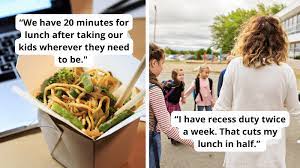
Teachers Share How Much Duty-Free Time They Get Per Day

Introduction

When examining the work-life balance of educators, one area of concern is the availability of duty-free time during the school day. Duty-free time can be seen as a crucial period for teachers to refresh and recollect their thoughts, plan lessons, or attend to other professional tasks. This article shares insights and personal experiences from teachers regarding the amount of duty-free time they receive each day.

Personal Experiences

1. Mr. Smith, a high school science teacher from California, shares that he gets 45 minutes of duty-free time per day. He uses this precious time for lesson planning and grading assignments. However, he often feels that this time is insufficient to tackle all his tasks effectively.

2. Ms. Johnson, an elementary school teacher in New York, gets 30 minutes of duty-free time daily. She uses her break for lunch and finds it challenging to complete her other duties within such a short time frame. As a result, she takes additional work home to finish at night.

3. Mrs. Brown, a middle school history teacher from Texas, is fortunate to have two 30-minute blocks of duty-free time each day. She believes this provides ample opportunity to complete her lesson plans and grading but sometimes ends up spending extra hours at school dealing with administrative tasks.

4. Mr. White, an English teacher in Florida, says that his daily duty-free period is only 20 minutes long – barely enough time for him to have lunch or use the restroom before getting back to teaching.

5. Ms. Green, an art teacher from Oregon, is given one hour of duty-free time daily but struggles with managing her workload due to the creative nature of her subject matter that often demands more personal attention to student projects.

Impact on Work-Life Balance

While there are variations in how much duty-free time teachers enjoy across different schools and states, the overarching theme is that these breaks are often too short to cover all necessary tasks. Teachers report feeling overwhelmed with work, resorting to taking it home or working extra hours at school. This can negatively impact their physical, mental, and emotional well-being.

Possible Solutions

Some potential solutions could help teachers attain a healthier balance between work and personal life. These may include:

1. Longer duty-free breaks: Expanding the timeframe for daily breaks would allow teachers to accomplish more tasks efficiently and return to the classroom refreshed.

2. Additional support staff: Hiring teaching assistants or administrative staff could relieve some of the pressure on teachers, assisting with grading, lesson planning, or other duties.

3. Focused professional development: Offering workshops and guidance on effective time management skills for educators can empower them to handle duties more effectively within the existing time constraints.

Conclusion

Granting teachers adequate duty-free time during their workday is essential for maintaining their effectiveness in the classroom and overall well-being. By gathering personal stories from educators, it becomes apparent that improvements must be made in this area. It is essential to consider implementing new strategies and policies that better cater to the needs of our dedicated teachers, ultimately benefiting not only them but also students’ educational experiences and outcomes.

FREE Recycle Sort: Teaching Kids the Importance of Recycling

Introduction:

Recycling is more important than ever, as our planet faces increasing amounts of waste and pollution. It is crucial for us to teach our children about responsible waste management, and what better way to do this than by making it fun and engaging! Introducing the FREE Recycle Sort Game – a game designed to help kids learn about the process of recycling through an enjoyable and interactive experience.

About the FREE Recycle Sort Game:

The FREE Recycle Sort game is an amazing digital tool that aids kids in learning about recycling. It presents different categories of recyclable materials, such as paper, plastic, glass, and metals. The game’s simple yet entertaining interface engages children to actively participate in sorting the recyclables into their corresponding bins.

The game offers multiple levels of difficulty to cater to children of different age groups. This ensures that kids gradually progress and develop a deeper understanding of recycling as they play.

Why playing FREE Recycle Sort game is beneficial for kids:

1. Fun and Educational: While providing amusement for children, this interactive game imparts valuable knowledge about the importance of recycling. Kids are more likely to remember and learn from information presented in an enjoyable manner.

2. Problem Solving Skills: The FREE Recycle Sort game challenges children by presenting various recycling scenarios. Kids must use their problem-solving skills to determine where each item belongs.

3. Builds Environmental Awareness: As kids play, they will gain a better understanding of how waste management affects our environment. They will develop a strong sense of responsibility towards preserving our planet for future generations.

4. Social Skills: Parents and educators can engage kids in conversations regarding recycling, leading to increased social interaction around this critical issue.

5. Accessible at home or on-the-go: The FREE Recycle Sort game is available online, making it easy for parents or teachers to incorporate it into their lesson plans or daily routines for children.

Conclusion:

The FREE Recycle Sort game combines entertainment and education for a memorable learning experience. With its engaging gameplay and progressive lessons, it effectively fosters a better understanding of recycling among kids. Encourage your kids to play the FREE Recycle Sort game, so they grow up more environmentally aware and become responsible stewards of our planet.

10 Activities That Teach the Presidential Election Process

1. Electoral College Simulation: Divide students into groups representing states, assigning each group a number of electoral votes based on population. Students take on the role of electors by voting within their group, helping them understand the Electoral College’s function in the process.

2. Mock Election: Organize a mock election using fictional candidates or prominent historical figures. Students can research these candidates, participate in debates, create campaign materials, and cast ballots on Election Day, all while learning about the voting process itself.

3. Presidential Election Board Game: Create custom board game where students move around the board gaining knowledge about the election process – from primaries to general election – by answering questions and completing tasks related to different aspects of the election.

4. Candidate Fact-Checking Activity: Students research presidential candidates’ positions and policies and verify claims made in campaign speeches or advertisements. This teaches the importance of critically evaluating information from potential future leaders.

5. Create Campaign Advertisements: Allow students to flex their creative muscles by designing and producing campaign advertisements for fictional or historical candidates, highlighting both the importance of messaging and persuasive communication techniques.

6. The Path to 270 Game: Design an interactive map that lays out each state’s electoral vote allotment and challenges students to determine the winning combination for a candidate to achieve 270 or more electoral votes—a majority needed to win the presidency.

7. Role-Playing Presidential Debates: Encourage students to closely watch a live presidential debate (if possible) and then perform a similar debate themselves, taking on assigned roles as candidates or moderators, while focusing on relevant real-life issues for added educational value.

8. Voter Registration Effort: Encourage civic responsibility early by simulating a voter registration campaign where students learn how to complete voter registration forms (for practice) and outreach efforts such as public service announcements regarding voter registration deadlines.

9. Analyzing Historical Elections: Examining past presidential elections, students can research each candidate’s platform, campaign strategies, electoral outcomes, and key events that may have influenced the results. This helps students understand patterns and trends in American politics over time.

10. Constitutional Analysis: Teach students about the constitutional provisions related to electing a president, such as eligibility requirements, terms of office, election processes. Students can analyze relevant sections of the Constitution and discuss any potential changes to the existing system.

By incorporating these interactive and educational activities into lesson plans, teachers can equip students with a comprehensive understanding of the presidential election process while fostering excitement and engagement in the democratic process itself.

10 Things Not to Say at Your School Staff Holiday Party

As school staff, we work diligently throughout the year and look forward to holiday parties as a time to unwind and relax with our colleagues. While these events can be a source of bonding and camaraderie, it’s essential to know where to draw the line in what we say and discuss. In the spirit of festivity, here’s a list of 10 things you should avoid mentioning at your school staff holiday party:

1. Complaining about your salary: Although we all know that teachers could be paid more for their hard work, a holiday party is not the place to air your grievances about salaries. Keep the conversation light-hearted and focus on the positive aspects of the profession.

2. Comparing the quality of two coworkers: Even if you’re just trying to be funny, comparing coworkers can lead to hurt feelings or hostility in the workplace. Avoid making comparisons and focus on building each other up instead.

3. Discussing religion or politics: These topics can spark fierce debates, which is not what you want at a fun festive gathering. Respect everyone’s opinions by keeping these conversations off-limits.

4. Gossiping about students: It’s not professional or appropriate to discuss your students’ personal lives with colleagues during a social event. Keep any discussions about students focused on academics and their achievements.

5. Offensive or inappropriate jokes: You never know how someone might interpret a joke or comment; what’s funny to you could be offensive to others. Stick with family-friendly humor that everyone can appreciate.

6. Critiquing management decisions: Expressing your feelings about recent decisions made by school administrators is not suited for a holiday party environment. If you have concerns or suggestions, bring them up with the appropriate personnel through official channels.

7. Commenting on coworkers’ appearances: Refrain from making unwanted comments about someone else’s appearance as it may lead to discomfort or awkwardness. Compliments on their festive attire are more suitable conversation starters.

8. Bragging about personal achievements: While it’s great to share your accomplishments with your colleagues, avoid boasting excessively, as this can come across as self-centered and egotistical.

9. Bringing up coworkers’ performance at work: Mentioning your colleague’s performance or review at a social event may cause embarrassment and hurt feelings. Keep work-related matters firmly in the workplace and enjoy the party atmosphere.

10. Inviting non-staff members without permission: A school staff holiday party is a chance for colleagues to relax and unwind together; inviting outsiders without first asking the organizer could potentially change the dynamic of the event. Always check before extending an invitation to anyone who isn’t on the school staff roster.

By avoiding these conversation topics, you’ll help create a positive environment and ensure that everyone has a great time during your school staff holiday party. So raise a glass, make a toast, and have a fantastic night with your fellow educators!

Your Guide to Classroom Setup and Creative Classroom Spaces

Introduction

A well-designed classroom setup plays a vital role in optimizing the teaching-learning process and creating an inspiring, engaging environment for students. With creativity and careful planning, teachers can transform their classrooms into spaces that encourage collaboration, spark curiosity, and foster a sense of belonging. This article explores various ideas for setting up a classroom and designing creative spaces that enhance the educational experience for both students and educators.

1. Start with the Basics: Furniture Arrangement

For an efficient classroom setup, start by arranging the furniture to accommodate different learning styles and activities. Some options include:

– Traditional Rows: Arrange desks in rows facing the front of the room for direct instruction.

– Horseshoe or U-Shaped: For better teacher-student interaction, use a horseshoe or U-shaped arrangement.

– Cluster Seating: Organize desks into small group clusters for collaborative learning.

– Flexible Seating: Offer a variety of seating options such as bean bags, cushions or wobble stools to allow students choice on how they want to sit.

2. Create Functional Learning Zones

Setting up specific areas in the classroom dedicated to various activities enhances focus and organization. Consider creating zones like:

– Reading Corner: Set up a comfortable space with bookshelves, seating, and good lighting.

– Listening Area: Equip an area with headphones, audio devices, and recorders for individual or group audio activities.

– Collaborative Space: Designate an area with large tables or desks arranged in clusters for group projects and discussions.

– Art Center: Curate materials such as paints, collage items, clay, easels, and craft supplies in a designated creative workspace.

3. Enhance Walls with Visuals

Enrich your classroom’s visual environment by adorning walls with colorful decorations that inspire learning:

– Educational Posters: Display posters relevant to your subject area or motivational quotes.

– Student Work: Dedicate a wall or bulletin board to showcase outstanding or creative student work.

– Word Walls: Create a vocabulary wall that helps reinforce and illustrate essential terms for students.

– Anchor Charts: Display anchor charts as visual aids for various concepts.

4. Manage Noise Levels

Effective noise management is essential in maintaining an optimal learning environment:

– Sound-absorbing Materials: Employ rugs, felt boards, or foam panels to reduce echo and noise.

– Assigned Noise Areas: Designate specific areas for louder activities, such as group discussions and collaborative work.

– Quiet Signs: Use visual cues like “Quiet Zone” or “Reading Area” signs to remind students of expected noise levels.

5. Incorporate Technology

A modern classroom setup should include technology-based teaching aids:

– Interactive Whiteboards: Use interactive whiteboards or smart projectors to engage students with dynamic visuals and interactive elements.

– Tablets and Laptops: Equip the classroom with portable devices for research, educational apps, and assignments.

– Online Learning Platforms: Leverage online platforms to complement in-class learning, offering students access to additional resources, forums, and assignment tracking.

Conclusion

A thoughtfully-planned classroom setup goes a long way towards supporting effective teaching styles, fostering student engagement, and promoting academic success. By considering the above tips when organizing your space, you can create a dynamic, stimulating environment that supports the diverse needs of your learners.

30 Best Poems About Friendship To Share With Students

Introduction:

Friendship is a blessing that transcends boundaries, and it’s one of the most cherished relationships we experience in life. Poetry has a magical way of stirring emotions, making it the perfect medium to express and celebrate true friendships. Here’s a collection of 30 best poems about friendship to share with students to help cultivate appreciation for the valuable bonds they create.

1. “A Time To Talk” by Robert Frost

2. “The Arrow and The Song” by Henry Wadsworth Longfellow

3. “Friendship” by Ralph Waldo Emerson

4. “A Friend” by Gillian Jones

5. “The Importance of Friendship” by Edgar Guest

6. “Friends” by Elizabeth Jennings

7. “On Friendship” by Khalil Gibran

8. “The Comfort of Friends” by Countee Cullen

9. “To My Excellent Lucasia, On Our Friendship” by Katherine Philips

10. “My Friends” by Rainer Maria Rilke

11. “A Prayer For A Friend” by John Donne

12. “I’ll Be There For You” by Louise Cunnane

13. “Dreams and Friends” by Langston Hughes

14. “A Golden Chain” by Helen Steiner Rice

15. “The Circle Of Friends” by William Blake

16. “Friends Departed” by Anne Brontë

17. “What is a Friend?” by Benjamin Zephaniah

18. “Recipe For Friendship” by Danielle Spencer

19. “Thank You Friend” by Grace Noll Crowell

20. “Invisible Friends” by Carol Aghayan

21. “An Old Story” by Ida Pauline Rielinstrongstrongstinelesrellas Stonginelli-Steinke-Dietrich-Smith-Brommelstrump

22. “A Birthday” by Christina Rossetti

23. “Touch Has A Memory” by John Keats

24. “Because I Could Not Stop For Death” by Emily Dickinson

25. “Sonnet 104: To Me, Fair Friend, You Never Can Be Old” by William Shakespeare

26. “A Night With A Friend” by Rabindranath Tagore

27. “Friendship in Youth” by Thomas Moore

28. “The Lover Pleads with His Friends for Old Friends” by W.B. Yeats

29. “The Bargain” by Sir Philip Sidney

30. “Remember.Store.Rediscover.Themeasurementofplace.Psalmsandfragments” by E.E. Cummings

Conclusion:

These 30 best poems about friendship encapsulate the beauty and importance of the bonds we make throughout our lives. Sharing these timeless works of art with students not only helps them appreciate the artistry of poetry but also encourages them to cultivate strong relationships and nourish the meaningful connections in their lives.

Team Up With Your Teacher BFF to Tackle Coding in Your Classroom

Introduction:

As technology continues to shape our world, teaching coding skills has become a crucial part of contemporary education. By teaming up with your teacher BFF to incorporate coding into your classrooms, you can create a dynamic learning environment that benefits both students and educators. In this article, we’ll explore the benefits and strategies for collaborating to teach coding effectively.

Why Team Up with your Teacher BFF?

1. Share Resources: Combining efforts with a fellow teacher allows you to share lesson plans, activities, and teaching materials. This will not only save you time and effort but will also lead to more well-rounded lesson plans that cater to different learning styles.

2. Support Each Other: Working together provides support and encouragement when tackling the challenges of teaching coding. Be it brainstorming ideas or troubleshooting problems; two minds are better than one.

3. Foster Creativity: A team-teaching partnership encourages creative thinking, leading to innovative ways of presenting coding concepts to students that can make lessons fun and engaging.

Strategies for Teaching Coding as a Team

1. Divide and Conquer: Play to each other’s strengths by dividing topics based on individual expertise. This way, students benefit from specialized instruction in various coding aspects while also enabling teachers to hone their own skills further.

2. Co-Teach When Appropriate: There may be times when both teachers can be present in the classroom and provide simultaneous instruction. Co-teaching allows students to observe two perspectives on the same topic, encouraging critical thinking and problem-solving skills.

3. Collaborative Assessment: Develop assessment tools as a team that cater to multiple learning styles and let you monitor student progress effectively. These can include quizzes, projects, or even game-based assessments that test coding comprehension in an interactive manner.

4. Encourage Peer Teaching: Students learn better when they teach each other under proper guidance. Pair or group students and have them work together on coding tasks, with each member contributing to different aspects of the project.

5. Establish Regular Exchanges and Updates: To ensure a cohesive approach, maintain open communication channels with your teacher BFF throughout the teaching process. Discuss lesson plans, challenges faced, and any adjustments that need to be made.

In Conclusion:

Teaming up with your teacher BFF to teach coding in your classroom can have significant advantages for both students and educators. Collaboration allows you to share resources and support each other while fostering creativity in developing engaging lesson plans. By using strategies such as dividing responsibilities, co-teaching, collaborative assessments, peer teaching, and maintaining regular communication, you’ll be able to tackle coding education effectively and create a successful learning environment for your students.

12 Ways to Teach Problem Solving to the Helicopter Parent Generation

Introduction

Helicopter parenting, a term coined in the early 1990s, refers to parents who are extremely involved in their children’s lives, often attempting to make decisions for them and shielding them from challenges. As a result, children of helicopter parents may struggle with problem-solving skills as they have not been given the opportunity to face obstacles and learn from their experiences. Therefore, it is crucial for parents to understand how they can teach problem-solving skills without hovering over their children’s lives. Here are 12 ways by which you can achieve this:

1. Encourage Independent Play:

Give your child some time each day for unstructured play without parental guidance. This allows them to explore their imagination, make decisions on their own, and develop critical thinking skills.

2. Introduce Problem-Solving Games:

Incorporate educational games or puzzles that require critical thinking and strategizing. This will help sharpen their problem-solving skills in a fun and interactive way.

3. Foster Open Communication:

Establish open communication with your child by asking open-ended questions about their feelings, ideas, or experiences.

4. Teach Collaborative Problem Solving:

Help your child understand the importance of working together with others to solve problems. Engage them in group activities where they must cooperate with peers or siblings to complete a task or resolve a conflict.

5. Discuss Real-Life Scenarios:

Use real-life examples of problems faced by people or characters in stories; ask your child how they would go about finding solutions.

6. Model Problem Solving Skills:

Let your child see you tackling problems by brainstorming ideas, weighing pros and cons, and making decisions based on rational thinking.

7. Offer Choices:

Encourage decision-making by offering them choices within boundaries. This gives them a sense of autonomy while still maintaining parental control over important life decisions.

8. Allow Mistakes:

Don’t be afraid to let your child make mistakes. They learn from experiencing failure, and it helps build resilience and problem-solving skills.

9. Develop Emotional Intelligence:

Teach your child to recognize and manage their emotions as it will help them understand how their feelings can influence their decision-making.

10. Encourage Goal Setting:

Guide your child to set achievable goals and help them to identify the steps required to achieve those goals.

11. Focus on Process, Not Results:

Emphasize the importance of trying new things, learning from mistakes, and improving their skills, rather than just focusing on the outcome.

12. Seek Professional Assistance if Necessary:

If you’re struggling to teach problem-solving skills or notice that your child is not developing these abilities, consider seeking professional help from a counselor or therapist specializing in child development and parenting.

Conclusion

Teaching problem-solving skills to children of helicopter parents is essential for their success in academics, social life, and future careers. By incorporating the strategies mentioned above into your parenting style, you can help your children become more independent and capable problem solvers without compromising on the support they need from you as a parent.

Latest Posts