Pedagogue Blog

17 Easy Ways To Build Healthy Student Minds

1. Encourage a Growth Mindset: Teach students that their intelligence and abilities can be developed through dedication and effort. This promotes resilience and a love for learning.

2. Foster Social Connections: Encourage students to collaborate and work in groups, helping them develop interpersonal skills and forge strong friendships.

3. Emphasize Time Management: Teach students how to prioritize their tasks, manage their schedules, and maintain a balance between academic responsibilities and personal pursuits.

4. Promote Physical Activity: Encourage physical activity during breaks or through extracurricular sports programs, supporting physical health and reduced stress levels.

5. Teach Stress Management Techniques: Help students learn relaxation techniques like deep breathing exercises, guided imagery, or meditation to manage their stress levels effectively.

6. Encourage Adequate Sleep: Emphasize the importance of a good night’s sleep for brain function, emotional regulation, and overall health.

7. Nurture Creativity: Incorporate creative activities into lessons to foster innovation, self-expression, and problem-solving skills.

8. Offer Emotional Support: Create a nurturing environment where students feel comfortable discussing their feelings with teachers or counselors without fear of judgement.

9. Provide Access to Mental Health Resources: Make mental health resources available for those in need of support or counseling services.

10. Help Set Realistic Goals: Guide students in setting achievable goals for themselves to boost self-esteem and motivation.

11. Develop Coping Skills: Teach students practical coping strategies for dealing with challenges, such as seeking advice from trusted individuals or writing down thoughts in a journal.

12. Create Opportunities for Brain Breaks: Incorporate short mindfulness exercises or physical activities into the school day to refresh the mind and improve focus.

13. Promote Healthy Eating Habits: Educate students about the importance of proper nutrition for mental well-being and encourage healthy food choices in school cafeterias.

14. Implement Positive Reinforcement: Recognize and reward student achievements with praise, creating an environment that fosters self-worth.

15. Encourage Volunteerism: Facilitate programs that allow students to volunteer and give back to their community, helping instill empathy and compassion.

16. Facilitate Opportunities for Play: Provide opportunities for unstructured play during recess or free time to bolster social skills and critical thinking abilities.

17. Encourage Gratitude Practices: Incorporate the practice of gratitude in the classroom, teaching students to focus on what they are grateful for rather than dwelling on negative experiences.

Thanking Teachers for “Sticking With It”: A Small, Inexpensive Morale Booster

Introduction

The importance of teachers in our society cannot be overstressed. They play a crucial role in shaping the future generation, instilling valuable skills and knowledge in their students. The COVID-19 pandemic has presented a new set of challenges for educators, with many adapting to online and remote teaching. Now, more than ever, it is essential to find ways to appreciate and support them through these difficult times. One small, inexpensive morale booster that can make a significant difference is an act of gratitude – a simple token that says you’re doing an incredible job. This article outlines why we should thank our teachers and how something as simple as a sticker can boost their morale.

Why Thank Teachers for “Sticking With It”

1. Acknowledging their dedication: A teacher’s work goes beyond the time spent in the classroom or on virtual platforms. They spend hours preparing lesson plans, grading assignments, and providing extra support for students who may need it. Thanking teachers is one way to acknowledge their dedication to their profession.

2. Supporting mental health: The pandemic has had a significant impact on the mental health of everyone, including teachers dealing with school closures and other stressors. A small token of appreciation can help improve their mental well-being by reminding them they are valued in their community.

3. Encouraging student success: When teachers feel supported and appreciated by parents and communities, they are more likely to remain enthusiastic about their work. This positive attitude can have a ripple effect on students, resulting in better engagement and academic achievement.

The Power of Stickers: A Small, Inexpensive Morale Booster

One highly affordable yet meaningful way to show appreciation is through custom stickers tailored specifically for your teachers. Here’s why stickers are an excellent idea:

1. Easy personalization: Custom stickers can feature unique designs related to your school, district, or teaching subject. You can include encouraging messages or even incorporate the teacher’s name for an added personal touch.

2. Endless possibilities: Stickers can be placed on various items such as laptops, water bottles, notebooks, and planners. They serve as a constant reminder of appreciation and support.

3. Sharing gratitude: If you’re a student, parent, or fellow teacher, you can give custom stickers to show gratitude. By giving stickers to their colleagues, teachers create a supportive environment that benefits everyone in the school community.

Conclusion

The power of gratitude for teachers goes beyond words alone. By offering inexpensive morale boosters like custom stickers, we can show our appreciation for their hard work and dedication throughout the pandemic. These small tokens help uplift educators and contribute to a supportive environment, fostering success for students and teachers alike. As schools continue to navigate these unprecedented times, never underestimate the impact of thanking teachers for “sticking with it.”

Group Punishments Are Still the Norm in Schools, and I’m Over It

Introduction:

Group punishments have been a prevailing method employed by educators for years as a form of disciplinary action. However, as the modern world continues to develop and our understanding of effective educational strategies evolves, it’s time to reevaluate the logic behind group punishments in schools and seek alternative methods that better cater to individual student needs.

The Problem With Group Punishments:

Group punishments involve punishing an entire group of students for the misbehavior of a few individuals. While the intent behind this approach could be to promote collective responsibility, there are several issues associated with it.

1. Unfair Method of Discipline: Applying punishments collectively often results in innocent students being subjected to unfair treatment because of others’ actions. This creates a sense of injustice among students and can foster resentment towards both their peers and the system.

2. Doesn’t Address Individual Needs: A one-size-fits-all punishment fails to account for each student’s unique circumstances and underlying reasons for misbehavior. This lack of personalization prevents educators from effectively addressing the root causes of misconduct and leads to repetitive occurrences.

3. Reinforces Negative Group Dynamics: Instead of fostering a sense of camaraderie, group punishments can exacerbate existing tensions within groups, making it challenging for students to identify with their classmates positively.

4. Stifle Communication: Fear of retaliation from peers may deter students from reporting instances of bullying, peer pressure, or other forms of misconduct due to concerns about triggering collective punishments.

Alternatives To Group Punishments:

Acknowledging these associated issues, educators should look towards alternative disciplinary methods that cater more effectively to individual students’ needs and promote open communication channels.

1. Individual Consequences: Rather than a blanket punishment, employing individual consequences ensures fairness by directing attention towards those who engage in misconduct without penalizing those not involved directly.

2. Restorative Justice: Focus on repairing harm through dialogue and collaborative problem-solving techniques, this approach encourages students to take tangible steps towards correcting their actions and addressing the implications of their choices.

3. Positive Reinforcement: Encourage and reward good behavior instead of solely punishing misbehavior, which helps foster an environment of positivity and ensures that students actively engage in appropriate actions.

4. Clear Expectations and Communication: Set clear expectations for behavior from the outset, regularly communicate these expectations to ensure students understand what is expected of them, and create open channels of communication to address concerns or grievances effectively.

Conclusion:

In conclusion, group punishments may appear to be a quick-fix solution at hand; however, they are often inefficient and unfair in addressing individual student’s needs. It’s time for educators to embrace alternate methods that promote fairness, inspire responsible behavior, and encourage a positive learning environment. By reevaluating disciplinary approaches in schools, we can work towards creating an environment where every student feels adequately supported and valued.

Need Summer School Resources? This Is the Best Deal We’ve Seen

As summer approaches, parents and educators alike begin looking into resources available for summer school programs. The importance of keeping students engaged in learning during long breaks cannot be overstated. With this in mind, we’re excited to introduce the best deal we’ve seen this year for summer school resources. Say goodbye to endless searching, and hello to accessible, high-quality materials perfect for enriching your child’s education during the warm summer months.

Introducing the Ultimate Summer School Resource Pack

This comprehensive package offers an incredible array of resources specifically designed for summer school programs or at-home learning. Covering a wide range of subjects and age groups, the Ultimate Summer School Resource Pack has everything you need to ensure that your child does not miss out on valuable learning time over the break.

What’s Included

The Ultimate Summer School Resource Pack features a variety of materials hand-selected by experienced educators to support quality instruction and student engagement during the summer months. The expansive resource library includes:

1. Lesson plans: Detailed guides for teaching various subjects are provided in an easy-to-follow format.

2. Interactive e-books: Engaging digital books with interactive features keep students interested while reinforcing critical reading skills.

3. Educational games: Fun, themed games allow students to practice math, reading, and problem-solving skills in a dynamic and engaging way.

4. Printable activities: Engaging worksheets that can be printed and completed by hand help reinforce key concepts in math, language arts, and science.

5. Video tutorials: Step-by-step guides on a range of topics ensure that students receive clear explanations and visual demonstrations of new concepts.

6. Assessments: Periodic evaluations enable you to monitor student progress and identify areas that require extra attention.

Why Is This Such an Unbeatable Deal?

Having these resources at your fingertips provides education continuity during the summer months while still allowing children to enjoy their break fully. The excellent quality and comprehensive nature of these resources make the Ultimate Summer School Resource Pack an incredible value. Not only do you receive a vast library of content to choose from, but the price point is unbeatable when compared to individual purchases.

Don’t let summer pass by without ensuring your child has access to top-notch educational resources. The Ultimate Summer School Resource Pack will keep them engaged, offer opportunities to explore new subjects, and help them return to school feeling prepared and confident. Don’t miss out on this fabulous deal!

These Free Poetry Activities Are Perfect for Grades K-2

Introduction:

Poetry is a beautiful way to introduce young minds to the enchanting world of words and literature. In grades K-2, children can be exposed to simple poetic forms that help them develop language skills, express emotions, and build their imagination. Here are some free poetry activities that parents and teachers can use to captivate the interest of young students and make them fall in love with poetry.

1. Acrostic Poems:

Acrostic poems are an engaging and straightforward way to begin with poetry. Each line of the poem starts with a letter of a chosen word, which could be the child’s name or a theme-based word. Guide the children in writing one-word descriptions or phrases that correspond with each letter.

Example:

S – Sunshine on my face

U – Umbrella I embrace

M – Making sandcastles together

M – Music of laughter in the air

E – Enjoying ice cream everywhere

R – Running through water sprays

2. Five Senses Poem:

Encourage creativity by asking children to describe an object, place, or scene based on their five senses. This will help them learn how to paint a vivid picture using descriptive words.

Example:

The Beach:

I see blue waves crashing,

I hear seagulls singing,

I smell salty ocean breeze,

I taste cold yummy ice cream,

I feel warm sand under my feet.

3. Haiku:

Haikus are short poems that follow a 5-7-5 syllable structure. These can be an excellent exercise in counting syllables and focusing on creating impactful imagery within minimalistic verse.

Example:

Green leaves on branches,

Softly swaying in light wind,

Whispering nature’s songs.

4. Rhyme Time:

Rhyming is an essential part of early literacy, and what better way to practice than through poetry? Guide children in developing couplets or short verses with rhyming patterns.

Example:

Hopping in mud puddles whenever I please,

Rainy days are days filled with joy and ease.

5. Shape Poems:

Shape poems take the form of an object that is being described in the poem. This activity can boost creativity by combining words with shapes to create appealing visual poetry.

Example:

Create a poem describing apples by writing words and phrases in the shape of an apple.

Conclusion:

Poetry nurtures creativity, empathy, and intellectual growth in children. By incorporating these free poetry activities into your K-2 curriculum, you will spark their interest and pave the way for deeper appreciation of literature as they grow older. Enjoy exploring the world of poetry together!

4 Quick and Easy Activities That Teach Kids About Our Earth

Every parent wants their child to appreciate and understand the world they live in. One of the best ways to teach children about our Earth is through fun, engaging activities. Here are four quick and easy activities that not only teach kids about our planet but also allow them to have a great time.

1. Plant a Seed and Watch it Grow

This simple activity is excellent for introducing children to the concept of plant life cycles and the importance of plants to our ecosystem. Provide your child with a small pot, some potting soil, and a seed (such as a sunflower or bean seed). Show them how to plant the seed, water it, and place it near a sunny window. As the seed germinates and grows, you can discuss photosynthesis, pollination, and the role plants play in providing oxygen and food for our planet.

2. Make a DIY Rain Gauge

Monitoring rainfall can be an exciting way for kids to learn about weather patterns and climate. To create a DIY rain gauge, take a clear plastic bottle (such as a 2-liter soda bottle) and cut off the top part. Invert the top part back into the bottom part like a funnel. Then, using permanent markers or stickers, mark inch or centimeter increments along its side. Place the rain gauge outside during rain showers to measure precipitation levels. Discuss local weather patterns and how precipitation helps maintain Earth’s ecosystems.

3. Create a Miniature Compost Bin

Composting is an essential process that helps return nutrients back to the soil while reducing waste in landfills. To make a mini compost bin, use an old plastic container with breathable holes punched into the sides or lid. Fill it with layers of rich soil, dry leaves, fruit peels, vegetable scraps, etc. Water it occasionally and mix its contents every few days to aerate it. As your child watches the decomposition process, they’ll learn about the importance of recycling organic materials and the role these play in supporting plant life on Earth.

4. Build a Bird Feeder

Building a bird feeder is a fantastic activity that helps children understand and appreciate wildlife in their local area. One simple method for building a bird feeder is using a pine cone, peanut butter, and birdseed. Have your child spread peanut butter onto the pine cone and then roll it in birdseed. Attach a string to the top of the pine cone and hang this homemade feeder outside. Observe which birds visit the feeder and discuss their roles in their ecosystems.

These four activities are fun and engaging ways to get kids interested in our planet and understand its interconnected systems. As you nurture your child’s curiosity about our Earth, they’ll develop a love for nature that will last a lifetime.

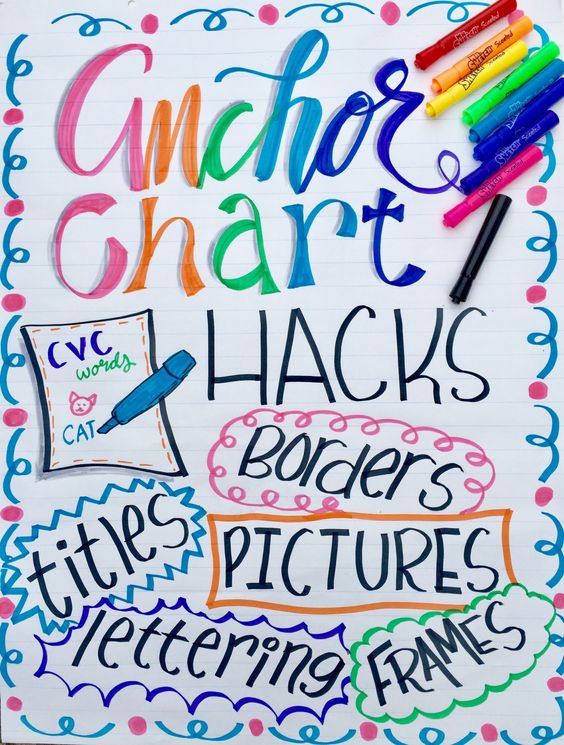
Why I Won’t Be Hanging Anchor Charts in My Classroom This Year

Each year, as classrooms across the country are being prepared for the influx of new students, teachers often spend countless hours crafting and hanging anchor charts. These visual aids, designed to provide references for concepts and strategies, have long been a part of growing educational décor. However, this year, I’ve made the decision not to hang anchor charts in my classroom—and here’s why.

1. Emphasis on The Digital Environment

As our world becomes increasingly digitized, it’s essential that our classrooms follow suit. Many schools have now adopted one-to-one device programs, granting each student access to a tablet or laptop for their educational needs. With such technology readily available, digital resources can easily replace physical posters, becoming just as informative while saving valuable wall space.

2. Encouraging Independent Learning

The reliance on anchor charts may inadvertently create a dependency on external reference materials, discouraging students from cultivating their problem-solving skills and accessing information independently. As we move away from traditional teaching methods towards more student-centered learning environments, it’s essential that we support our young learners to become self-sufficient thinkers and researchers.

3. No More ‘One-Size-Fits-All’

Anchor charts often represent a single perspective or a specific teaching approach. While they may work for some students, not all learners will benefit equally from these visuals. To create an inclusive learning environment that caters to diverse learning styles and needs, it’s vital to offer multiple resources – which may not always be found within the confines of an anchor chart.

4. Flexibility and Adaptability

The world is constantly evolving – and so should our classrooms! By moving away from fixed displays like anchor charts, teachers can create dynamic spaces that are easily updated with new discoveries or shifting priorities within any given curriculum. This unprecedented flexibility opens the door for students to become even more engaged in their own educational experiences.

5. Environmentally Friendly Practices

Over time, anchor charts can become outdated or damaged, requiring replacement. Teachers often spend valuable time and resources recreating these displays year after year. By switching to digital displays, educators not only save paper and reduce waste but also eliminate the need for constant updates.

In conclusion, while anchor charts have been faithful companions to many educators over the years, it’s time to reevaluate their role in our evolving classrooms. By embracing digital tools and fostering independent learning, we can create more engaging and inclusive educational experiences for students – without relying so heavily on these traditional visual aids.

10 Winning Scholarship Essay Examples From Real Students

Introduction:

Scholarship essays are a crucial part of the application process for many students. A well-written essay can be the determining factor in securing financial aid to help pay for college or university. To inspire you and help you get started, we have compiled 10 winning scholarship essay examples from real students who have successfully applied for various scholarships.

1. Example 1: Overcoming Obstacles

In this essay, the student shared their story of overcoming adversity at a young age. They faced a challenging family situation and were faced with the responsibility of caring for their siblings while maintaining excellent academic performance. Their determination and perseverance impressed the scholarship committee, resulting in a successful application.

2. Example 2: Community Service and Leadership

This example showcased a student’s dedication to community service and their ability to lead others in making a positive impact on their community. The student provided specific examples of their volunteer work, such as organizing food drives and tutoring underprivileged children, as well as discussed the importance of giving back to society.

3. Example 3: A Passion for STEM

In this essay, a student expressed their passion for science, technology, engineering, and mathematics (STEM) by highlighting extracurricular activities and projects they had completed. By showcasing their commitment to STEM fields, they demonstrated their potential contribution to advancing knowledge in this area.

4. Example 4: Personal Growth through Travel

The student in this essay highlighted how international travel expanded their horizons and contributed to their personal development. They described adapting to new environments, learning about different cultures, and gaining independence – experiences that made them stronger candidates for the scholarship.

5. Example 5: Career Goals

In this example, the student outlined their specific career goals and how obtaining a scholarship would bring them closer to achieving those goals. The essay focused on education plans and professional aspirations, demonstrating how financial assistance would support their journey to success.

6. Example 6: Personal Achievements and Hard Work

This essay showcased the student’s impressive record of hard work, dedication, and personal achievements. Through specific accomplishments, they painted a picture of a driven and passionate individual who would make the most of the scholarship opportunity.

7. Example 7: A Creative Storytelling Approach

The student in this essay chose to tell a fictional story that ultimately reflected their values, goals, and personal experiences. This unique approach made their essay stand out and captured the attention of the scholarship committee.

8. Example 8: Inspiring Role Models

In this example, the student revealed how individuals in their life inspired them toward achieving success. By discussing the influence and impact of these role models, they demonstrated resilience and ambition, which appealed to the judges.

9. Example 9: Overcoming Language Barriers

This essay tells the story of a student who immigrated to a new country and faced language barriers while pursuing an education. By overcoming such obstacles, they illustrated their determination and commitment to succeed academically.

10. Example 10: Artistic Pursuits

In this final example, a student shared their passion for art by describing their artistic achievements and aspirations. They explained how financial support would enable them to further enhance their skills and contribute creatively to society.

Conclusion:

These 10 winning scholarship essay examples from real students demonstrate the power of telling your unique story when applying for scholarships. Draw inspiration from these examples and remember to showcase your personality, achievements, goals, and passions when crafting your own essay – it may be just what gets you that much-needed financial aid for college or university!

10 Things a Retired Teacher Wants You to Know

1. Teaching is more than just a job: For many retired teachers, becoming an educator was a calling, not just a job. They devoted their lives to helping students learn and grow, and the impact they have made is immeasurable.

2. Every student matters: No matter their background or abilities, retired teachers will tell you that every student deserves an education that meets their needs and helps them reach their full potential.

3. Positive relationships are essential: Building trust and rapport with students is just as important as teaching them academics. A positive classroom environment helps students feel safe, supported, and ready to learn.

4. Discipline should be fair and consistent: To create an effective learning environment, retired teachers believe in consistent rules and consequences. This ensures all students understand what is expected of them, promoting respect and fairness in the classroom.

5. Teachers must keep learning too: Education is continuously evolving, so retired teachers want you to know that professional development is essential for staying current on best practices and ensuring students receive a well-rounded education.

6. Collaboration fosters success: A strong support system among colleagues can make all the difference in meeting the diverse needs of students. Retired educators encourage teamwork among staff members for the benefit of everyone involved.

7. Time management is crucial: With countless responsibilities, from lesson planning to grading papers and parent conferences, proper time management is vital for avoiding burnout and ensuring quality instruction.

8. Parental involvement matters: A strong partnership between parents and educators helps create a supportive learning community where children are set up for success. Retired teachers value open communication with parents and appreciate their engagement in their child’s education.

9. Self-care is important: Teaching can be emotionally and physically demanding at times. Taking care of yourself through exercise, hobbies, or spending time with loved ones can help maintain your well-being so you can best give your all to your students.

10. The joys of teaching are immeasurable: Retired teachers may have faced challenges throughout their careers, but the reward of watching students grow and succeed makes it all worthwhile. They want you to appreciate the moments that make teaching an incredible experience.

By understanding these ten insights from retired teachers, we can continue their important work by nurturing the next generation of students and fostering a love for learning that lasts a lifetime.

Using Transition Times for Mental Health Check-ins Is the Hack We Never Knew We Needed

Transition times present a unique opportunity to pause and reflect on our mental health. These moments, such as the beginning or end of a day, during breaks at work or school, and seasonal changes, can be harnessed to create rituals that promote emotional well-being. Implementing mental health check-ins during transition periods is a simple yet powerful life hack with numerous benefits.

Taking advantage of transition times allows individuals to become more in tune with their emotional state. Regularly checking in with oneself encourages introspection and self-awareness, which are critical components of maintaining positive mental health. Not only does it help identify when external support is necessary, but it also empowers individuals to implement strategies to cope with stress, anxiety, and other challenging emotions.

Establishing mental health check-ins during transition times can also help create a routine that fosters emotional resilience. A consistent practice encourages the development of coping mechanisms tailored for each individual’s unique needs and preferences. Furthermore, by incorporating these check-ins into everyday routines, it becomes easier to track progress in overall psychological well-being.

One way to integrate mental health check-ins during transition times is by setting aside dedicated moments throughout the day for mindfulness practice. This can involve activities such as deep-breathing exercises, meditation, or journaling one’s thoughts and feelings. By designating specific times for these practices—like waking up in the morning or before leaving work—individuals can establish consistency in their mental health self-care routines.

Another strategy is to make use of already-existing activities in daily life as reminders to tune into personal feelings and emotions. For instance, taking a moment after hanging up laundry or savoring morning coffee to reflect on one’s emotional state makes use of familiar tasks as cues for self-awareness.

Finally, leveraging significant moments of change—such as entering a new job or moving homes—to build in mental health check-ins can help individuals more effectively navigate life transitions. For example, someone might use the experience of moving to a new city as an opportunity to reconnect with themselves and reflect on their emotional needs during this challenging period.

In conclusion, utilizing transition times to practice mental health check-ins is the life hack we never knew we needed. Incorporating self-aware moments into daily routines encourages personal growth, emotional resilience, and self-awareness. By seizing the opportunities provided by life’s many transitions, individuals can cultivate better mental health and well-being both in times of change and in everyday life.

Try These 5-Minute Activities to Build Elementary Number Sense

Introduction:

Developing number sense, the ability to understand and manipulate numbers flexibly, is a crucial foundation for elementary students. Teachers and parents can easily incorporate engaging five-minute activities into daily routines to help children develop this important skill. Here are some fun and simple activities to build elementary number sense in just five minutes.

1. Number Talks:

Number talks are short and focused conversations that revolve around a specific math problem. Teachers can start by displaying a problem or question on the board and asking students for multiple solutions along with their explanations. This activity encourages students to think critically, share strategies, and learn from each other’s approaches. As students grow more comfortable with number talks, they will develop greater flexibility and fluency in working with numbers.

2. Quick Flash Cards:

Using flashcards is an excellent way to practice mental math skills such as addition, subtraction, multiplication, and division. Spend five minutes per day holding up flashcards for students to solve mentally—no pencil or paper needed. Teachers can vary the goals of this activity depending on the grade level or specific skills they want their students to practice.

3. Estimation Jars:

Fill a clear jar with small objects like candies, coins, or buttons and ask your students to estimate how many objects are inside without counting directly. This simple activity builds students’ ability to use their understanding of quantities to make educated guesses. Comparing estimates with classmates also promotes healthy discussions about strategies they used for estimating.

4. Number of the Day:

Choose a number for each day and ask your students various questions related to it. You may explore different ways of representing the number, discussing its properties, or constructing a story problem based on it. This activity improves students’ understanding of place value and operations while helping them recognize the variability of numbers.

5. Ten-Frame Games:

Ten-frames are tools that assist students in visualizing the relationship between quantities up to ten. Spend five minutes playing games with ten-frames, such as matching sets of objects to numbers or asking students to identify the missing number in a set. This activity encourages relational thinking and builds a strong foundation for understanding place value.

Conclusion:

With these five-minute activities, building elementary number sense doesn’t have to be time-consuming or difficult. Involve your students in these engaging activities and watch their confidence and skills in working with numbers grow. It’s a win-win—for you as a teacher and for your learners!

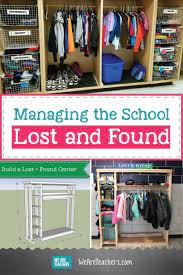
Best of HELPLINE: Managing a School Lost & Found

Introduction:

Managing a school can be a challenging task, and one aspect that frequently demands attention is the lost and found department. A well-maintained lost and found system can significantly reduce the number of unclaimed items and improve the overall atmosphere within the school.

In this article, we will discuss tips, tricks, and innovative approaches to managing a successful school lost and found system.

1. Setting up a designated area:

The first step in creating an efficient lost and found system is setting up a designated area within the school. Ideally, this area should be easily accessible for both students and staff. The space must be organized and properly maintained to ensure that misplaced items are easily identifiable and returned to their owners.

2. Creating a labeling system:

It’s crucial for schools to establish a consistent labeling system that allows for easy identification of belongings. Encourage students to put their names on personal items such as backpacks, lunchboxes, water bottles, jackets, and other personal belongings.

3. Regular checks and announcements:

Assign staff members or student volunteers to regularly check the lost and found area for any newly-added items. This ensures that all belongings are properly sorted, tagged, and accounted for.

Announcements can be made during morning assemblies or even during class routines to remind students about checking the lost and found. Implementing continuous reminders for both students and staff will aid in timely retrieval of misplaced belongings.

4. Involving parent volunteers:

Working with parent volunteers helps ease the burden of managing a lost & found department while providing an opportunity for parents to participate in the school community actively. Parent volunteers can help sort, organize, tag items accordingly, connecting with other parents if required.

5. Setting end-of-term deadlines:

Establish deadlines at the end of each term or semester for unclaimed items in the lost and found, reminding students to check for their missing belongings. After the deadline, consider donating unclaimed items to local charities or sending them to recycling centers.

6. Embracing technology:

Consider using technology-based solutions such as mobile apps to help manage a lost and found inventory better. These apps can help administrators catalog, photograph, and store essential information about misplaced items, making it easy for students, parents, and staff members to search for lost belongings online.

7. Celebrating success stories:

Occasionally share stories of successfully returned items with the school community through newsletters or social media posts. This reinforces the importance of the lost and found system, encourages participation, and helps maintain a positive atmosphere within the school.

Conclusion:

Managing a school lost & found is an essential aspect of maintaining school order and ensuring students take responsibility for their belongings. By following these tips and finding creative solutions that fit your unique school environment, you can create an efficient system that benefits all involved parties. Ultimately, this results in fewer misplaced items and a more organized and happy learning community.

Latest Posts