Pedagogue Blog

Worried About Your Students Getting Meals? Here’s How You Can Help

Introduction:

As an educator, the wellbeing of your students is often at the forefront of your mind. Many students across the globe face food insecurity at home, and this can have a negative impact on their ability to concentrate and perform at school. Teachers and school staff are uniquely positioned to help ensure that students have access to nutritious meals. In this article, we will explore ways that you can support your students in getting the nutrition they need.

1. Start a Breakfast Program:

Research has found that students who eat breakfast have better focus, memory, and overall academic performance. Implementing a breakfast program at your school can provide a nourishing start to the day for children who might not get adequate nutrition at home. Work with your administration to determine funding options and logistics for such a program.

2. Collaborate with Non-Profit Organizations:

There are many non-profit organizations dedicated to addressing food insecurity and providing resources for schools and families. Reach out to local food banks, community organizations, or national programs like No Kid Hungry or Feeding America to seek collaboration and assistance in providing meals for your students.

3. Educate Parents About Nutritious Options:

Often, parents may not be aware of how essential nutrition is for their child’s academic success or may be unsure about how to make healthy choices on a budget. Offer workshops or information sessions for parents to help them understand the importance of proper nutrition and provide tips on affordable meal planning.

4. Establish Food Drives and Pantries:

Coordinate food drives at your school in which families, staff, and community members can donate non-perishable food items. Then create an on-site pantry where students can discreetly access food when needed. To ensure privacy and respect for those in need, you could set up an anonymous system where students can request items without fear of being stigmatized.

5. Encourage School Lunch Programs:

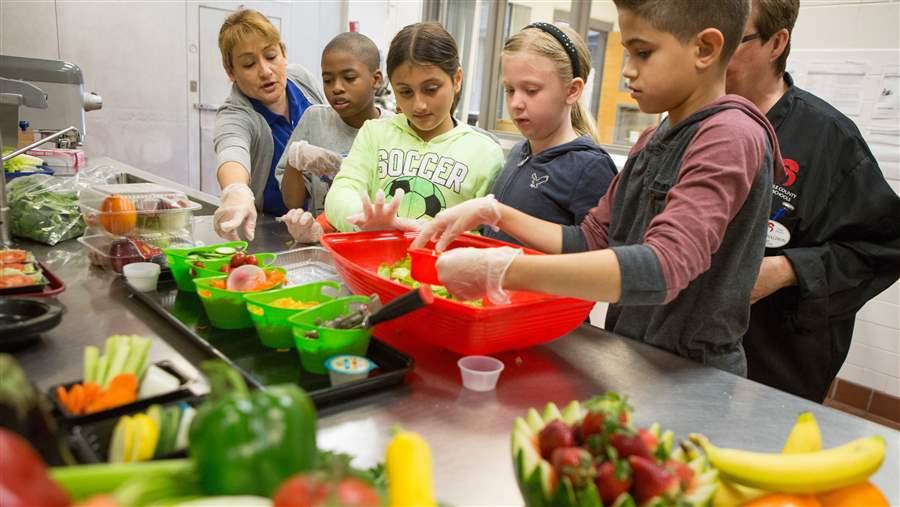
School lunch programs are crucial in providing access to nutritious meals for students facing food insecurity. Ensure that your school offers affordable or free meal options and that the menus consist of nutrient-dense foods. Collaborate with other teachers and school nutritionists to come up with creative meal ideas that meet students’ needs.

6. Connect Families with Assistance Programs:

Many families might not realize they are eligible for food assistance programs such as SNAP (Supplemental Nutrition Assistance Program) or the National School Lunch Program. Provide information on how families can apply for these programs and assist them in navigating the application process.

7. Be an Advocate for Change:

Join local, state, or national advocacy groups dedicated to combating food insecurity and work together to advance policy changes aimed at addressing this issue in your community and across the country.

Conclusion:

As educators, we can make a difference in our students’ lives by ensuring they have access to nutritious meals throughout the day. By implementing some of these strategies, you’ll take meaningful steps towards supporting the well-being and academic success of your students. Remember, a well-nourished child is better equipped to learn and thrive both in school and beyond.

8 Ways Interculturality Can Change the Way Students Learn a Language

Introduction

Interculturality is the interaction between people of different cultural backgrounds, promoting understanding and cooperation in a global context. In language learning, incorporating intercultural elements in the educational process can have a profoundly positive impact on the way students acquire new languages. This article explores eight ways how interculturality can transform language learning experiences for students.

1. Promotes Cultural Sensitivity

By introducing intercultural activities into language learning, students are encouraged to understand and appreciate different cultures. This fosters cultural sensitivity, enabling them to communicate effectively and respectfully with people from diverse backgrounds.

2. Enhances Cognitive Abilities

Intercultural approaches in language learning require students to adapt their thinking patterns and problem-solving skills to comprehend diverse perspectives. This mental gymnastics promotes cognitive flexibility and improves critical thinking abilities.

3. Encourages Empathy

Experiencing other cultures through intercultural activities helps learners appreciate similarities and differences between their culture and others’. This understanding promotes empathy, enabling students to form deeper connections with native speakers while communicating in their target language.

4. Develops Open-mindedness

Understanding multiple cultural contexts broadens a student’s worldview, encouraging open-mindedness and acceptance of diversity. This open-mindedness is essential for effective cross-cultural communication – an increasingly valuable skill in today’s globalized world.

5. Improves Motivation

Engaging in intercultural exchanges can be highly stimulating and rewarding, making the language-learning process more enjoyable for students. This increased interest and motivation make it more likely that students will grasp linguistic nuances faster.

6. Enriches Vocabulary & Idiomatic Knowledge

By incorporating aspects of real-life experiences from diverse cultures into language instruction, students can learn about customs, traditions, idioms, slang, and colloquialisms unique to each culture. This approach offers them well-rounded linguistic knowledge beyond what traditional textbooks provide.

7. Enhances Non-verbal Communication

Interculturality isn’t only about learning spoken language. By integrating cultural elements, students can gain an understanding of non-verbal communication cues common within a specific culture. These cues include gestures, facial expressions, and body language – indispensable components of effective communication.

8. Paves the Way for Successful International Experiences

Mastering a new language alongside understanding the cultural context in which it’s spoken can open up a world of opportunities for students, such as international study programs and career prospects. Ultimately, the intercultural approach to language learning prepares them to excel in a globalized world.

Conclusion

Interculturality is reshaping the way students learn languages by promoting cultural sensitivity, empathy, open-mindedness, and motivation. Furthermore, it enriches vocabulary and idiomatic knowledge while enhancing non-verbal communication skills. In embracing these benefits, students are more prepared to engage in meaningful personal and professional international experiences in an increasingly interconnected world.

Calling All History Teachers—This Foundation Wants to Help You Get Your Master’s Degree!

Introduction:

Attention history teachers! Are you passionate about teaching history and looking to take your career to the next level? Then we have great news for you. A new foundation is offering financial assistance specifically dedicated to aiding history teachers in obtaining their Master’s degree.

The Foundation and Its Mission:

The Helping Hands for History Foundation (HHHF) has recently been established with the sole purpose of supporting and nurturing history educators. The founders of HHHF believe that investing in educators can significantly impact the quality of education that students receive. With a generous endowment from donors, the foundation seeks to provide financial aid to history teachers pursuing their Master’s degree in fields related to history education.

Eligibility:

To be eligible for this opportunity, applicants must meet the following criteria:

1. Be a current full-time or part-time history teacher at any K-12 level.

2. Hold a bachelor’s degree from an accredited institution.

3. Demonstrate a strong passion for teaching and preserving historical knowledge.

4. Have a minimum of two years of teaching experience.

Application Process:

The application process for this unique scholarship opportunity requires applicants to submit the following:

1. A completed application form with relevant personal and professional information.

2. An updated resume detailing teaching experience, education, and professional achievements.

3. A one-page personal statement outlining why you chose to teach history, your educational goals, and how this scholarship will help in achieving those goals.

4. Two letters of recommendation: one from your school’s principal or department head, and another from a colleague who can attest to your dedication and skills as a history teacher.

Once all application materials are submitted, HHHF will review each submission carefully and announce recipients who are chosen by the selection committee.

Benefits of Obtaining a Master’s Degree:

Pursuing and obtaining a Master’s degree in history education or related fields can prove invaluable for history teachers. Besides gaining advanced knowledge and credentials, a Master’s degree provides teachers with:

1. Increased confidence as an educator.

2. Deeper understanding of their subject matter and teaching strategies.

3. Access to a wider network of professionals in their field.

4. Opportunities for professional growth and career advancement.

5. Increased salary potential.

Conclusion:

The HHHF scholarship is a fantastic opportunity for history teachers who are eager to enhance their teaching skills while making a positive impact on the quality of history education in their schools. Don’t miss this amazing chance to further your education and passion for the subject. Start preparing your application today!

8 Things Teachers Say Should Be in Every Educator’s Contract—and 6 We Can’t Believe Still Exist

Introduction:

Education is the cornerstone of our society. Teachers are tasked with shaping young minds, fostering personal growth, and preparing their students for the world beyond school walls. As such, educators deserve contracts that reflect their tremendous value and hard work. In this article, we will discuss eight things that teachers believe should be included in every educator’s contract while highlighting six outdated and, frankly, unbelievable clauses that persist.

Eight Essential Elements for Every Educator’s Contract:

1. Competitive Salaries: Teachers need fair compensation that can sustain a comfortable lifestyle and commensurate with the importance of their role in society.

2. Mental Health Days: Stress affects everyone – and teachers are no exception. Including mental health days in contracts ensures that educators can recharge when needed without worrying about losing income.

3. Professional Development Opportunities: These opportunities are crucial to keeping teachers current with best practices and engaged in their craft. “Investing” in professional development pays dividends for both the teacher and the students they teach.

4. Smaller Class Sizes: Research has shown that smaller class sizes lead to better learning outcomes for students. By including this mandate in contracts, teachers can focus on individualized instruction and foster meaningful connections with their students.

5. Adequate Planning Time: Teachers must have time within their schedules to plan lessons, grade assignments, and communicate with parents. Including dedicated planning time within contracts ensures they can provide the best educational experience possible.

6. Technology Support: As technology becomes an essential aspect of everyday education, contracts should stipulate that teachers will have access to modern technology resources as well as support to use them effectively.

7. Flexibility in Curriculum Design: Allowing teachers creative freedom to develop a curriculum that caters to their students’ unique needs will cultivate enthusiasm and fulfillment among both parties.

8. Evaluated and Rewarded Based on Performance: Educators’ contracts should include appropriate objective measures of performance, and rewards should be tied to those metrics.

Six Outdated Elements That Should Be Removed From Educator’s Contracts:

1. Tenure-Based Advancement: Today, rewards should be a reflection of teacher performance and the impact they have had on their students.

2. Strict Dress Codes: Teachers should be allowed to express their individuality in a professional manner, without adhering to outdated or overly restrictive dress codes.

3. Limited Sick Days: With the ongoing COVID-19 pandemic, the importance of expanding sick days for teachers has become more apparent than ever. Health and wellness are vital.

4. Policies Discriminating Against LGBTQ+ Educators: There is no place for discrimination in our education system. All educators should be welcomed and valued, regardless of their sexual orientation or gender identity.

5. Paddling Permission: Corporal punishment has no place in today’s classrooms – it’s time to remove this archaic practice from teacher’s contracts where it still exists.

6. “Last In, First Out” Firing Policies: Relying on seniority as the main determinant for layoffs can leave high-performing teachers jobless while saving underperforming ones who have served longer.

Conclusion:

Crafting an effective educator’s contract is essential to ensuring long-term success for all parties involved—students, teachers, and institutions alike. Including the eight key elements listed above will help to create contracts that promote collaboration, innovation, and job satisfaction while phasing out problematic and outdated policies. Ultimately, a well-conceived teacher’s contract will translate into better education experiences for students and a more fulfilling career path for educators.

Safe, Comfortable Housing Out of Reach for Many Teachers

Introduction:

In recent years, the issue of affordable housing has become a growing concern for various populations and communities. One group particularly affected by this problem is teachers. As essential contributors to our society, teachers have been increasingly struggling to secure safe and comfortable housing within reasonable distances from their schools.

The Housing Crisis for Teachers:

The widening gap between salary increases and the skyrocketing costs of living has created a housing crisis for many educators in metropolitan areas. In some cases, teachers must commute long distances or accept substandard living conditions to be able to afford necessities like food, clothing, and transportation. This predicament is not just a personal struggle; it raises concerns about teacher recruitment, retention, and the overall quality of education students receive.

Factors Contributing to the Issue:

There are several factors that contribute to the dire housing situation for so many educators across the country. Some key factors include:

1. Stagnant wages: While housing costs continue to rise steadily, teacher salaries have stagnated in real terms due to budget constraints and other financial pressures on public schools.

2. High cost of living areas: Metropolitan areas with thriving industries, such as tech hubs or economic centers, tend to have higher living expenses. As a result, public school teachers in these regions face formidable challenges when it comes to finding affordable housing options.

3. Insufficient affordable housing opportunities: The lack of government-supplied affordable housing exacerbates the situation further as a limited number of subsidized homes may not cater sufficiently for all struggling teachers.

Efforts to Address the Challenge:

Organizations and initiatives have emerged with the aim of mitigating this increasingly urgent issue facing teachers:

1. Educator-specific housing programs: Some districts are trying innovative solutions like offering educator-specific housing developments at discounted rents or providing down-payment assistance programs for first-time buyers.

2. Local government action: Many municipalities are exploring ways to increase affordable housing stock in their area, which could help to ease the burden on local public school teachers.

3. Advocacy and community support: Nonprofit organizations and private sector companies have joined forces to provide alternatives, such as renovating unused buildings to create affordable living spaces for educators.

Conclusion:

Ensuring safe, comfortable, and affordable housing for our teachers is an urgent matter that warrants the attention of policymakers, local communities, and educational institutions. The well-being of educators directly impacts their ability to provide a high-quality education to our future generations. Thus, by addressing the teacher housing crisis through innovative measures and collaborative efforts, parties can help secure a successful future for both educators and students.

Experts Ideas for Teaching Tough Math Concepts in Middle Grades

Introduction:

Math can be a challenging subject for many middle-grade students. Teachers are constantly searching for effective and engaging ways to help their students grasp tough math concepts. In this article, we will explore expert ideas and strategies for teaching challenging mathematical concepts to middle schoolers.

1. Use real-world examples:

By connecting math concepts to real-life situations, students are more likely to understand and retain the information. Shape their learning experience by incorporating relevant examples, such as calculating discounts at a store or measuring ingredients while cooking.

2. Blend traditional methods with technology:

Incorporate digital tools and resources alongside traditional teaching methods to create a dynamic learning experience. The use of multimedia platforms, interactive whiteboards, and online educational games can make math more engaging and enjoyable for middle grade students.

3. Encourage collaboration:

Promote group work and peer discussions to help students learn from one another. By sharing ideas and solving problems together, students can deepen their understanding of complex math concepts.

4. Break down concepts into smaller parts:

Dividing a challenging idea into manageable pieces makes it easier for students to approach the topic. Teaching one aspect at a time ensures that each student has a firm grasp on the concept before moving on to the next level.

5. Use visual aids:

Illustrative materials such as charts, diagrams, and models can greatly help middle graders in grasping complex math concepts. By providing visual representations of abstract ideas, students can better understand the framework of the problem being presented.

6. Build on prior knowledge:

Link new concepts with previous lessons to reinforce learning among students. Connecting new information with what they already know helps them see how disparate concepts are related, ultimately aiding comprehension.

7. Provide hands-on experiences:

Engage learners with tactile activities that will enable them to experience mathematical ideas in action. This might include building geometric models or using manipulatives like fraction tiles or integer rods.

8. Differentiate instruction:

Recognize that each student has different learning styles and preferences. Offer various methods of instruction, such as lectures, hands-on activities, and independent work, to cater to each student’s unique needs.

9. Foster a growth mindset:

Encourage students to view challenges as opportunities for growth. Teach them that persistence and resilience in the face of difficulty are essential qualities for success in mathematics and beyond.

10. Offer frequent feedback:

Provide regular feedback and tailored guidance to help students understand their strengths and areas for improvement. By pinpointing areas that require additional focus, teachers can foster continued growth and development in their students’ mathematical skills.

Conclusion:

Implementing these expert ideas will not only make teaching tough math concepts easier but also more enjoyable for middle-grade students. By utilizing engaging strategies alongside traditional methods, teachers can positively impact their pupils’ understanding of challenging mathematical concepts, setting them up for success both inside and outside of the classroom.

A TX Teacher-Turned-Politician Wants to Pay Teachers More

In the heart of Texas, a passionate, dedicated teacher is making waves by taking her fight for higher salaries for educators to the political arena. Jane Smith (name changed), a veteran teacher in the Lone Star State, knows firsthand the struggles and sacrifices that teachers make in order to educate the future generations.

Having spent nearly two decades in the classroom managing overcrowded classrooms, dealing with scarce resources, and watching her colleagues struggle to make ends meet, Smith is determined to change things for teachers from the ground up. She’s decided to run for office with one primary goal in mind: securing a significant pay raise for Texas teachers.

The importance of a well-educated population cannot be overstated – it ensures a bright future for our society and plays an essential role in our economy’s stability. As such, attracting and retaining high-quality educators is of paramount importance. Unfortunately, according to recent data, Texas ranks 28th in the nation when it comes to teacher salaries. With many teachers taking on second jobs just to support themselves and their families, it’s clear that current compensation levels are not cutting it.

As an educator herself, Smith understands what it takes to create the best possible learning environment for students. By increasing teacher pay across the board in Texas schools, she believes that morale will improve, talented professionals will be more likely to remain in education rather than leaving for better-paying jobs elsewhere, and that districts will have financial incentives to attract top teaching talent from across the nation.

In her bid for office, Smith has outlined a comprehensive proposal that would see pay increases allocated based on years of experience and educational qualifications. Other components of her plan also include expanding professional development opportunities and resources for teachers so that they can continuously grow and improve within their careers.

Smith has gained a considerable following among her fellow educators who share her passion and resolve for meaningful change within Texas’s education system. Her campaign has already gained significant momentum, and teachers, parents, and students alike are rallying in support of her cause.

Undoubtedly, Jane Smith’s foray into politics is fueled by her unwavering commitment to the betterment of education within her state. If her drive and ambition are any indication, she will continue to be a formidable force to be reckoned with in Texas politics. Her focus on improving conditions for educators and enhancing quality education for all students is a testament to the power of grassroots activism and the potential for change when committed individuals step forward to make a difference.

COVID Metrics Are Rising: Schools Are Going Back Anyway

As the world continues to grapple with the COVID-19 pandemic, communities face difficult decisions concerning public health and the reopening of schools. Despite increasing COVID metrics, officials are pressing forward with plans to resume in-person education.

In some areas, schools have already opened their doors to students after months of remote learning and lockdowns. As expected, several challenges have arisen from this decision. First and foremost, schools struggle with balancing students’ educational needs against health and safety concerns amidst rising COVID cases.

One way educational institutions are attempting to manage this delicate situation is by adopting a hybrid approach, wherein students alternate between in-person and remote learning. This method is designed to reduce the number of students on campus at any given time, thereby limiting the potential for virus transmission.

Some critics argue that reopening schools could potentially exacerbate the pandemic by contributing to increased community spread. They cite examples of schools where outbreaks have occurred shortly after reopening. Furthermore, concerns have been raised about inadequate testing and contract tracing resources in many locations.

Despite these concerns, proponents of reopening argue that the risks associated with remote learning outweigh those posed by the pandemic. Alongside academic setbacks, students have experienced social isolation and heightened mental health issues as they navigate remote education. Many parents also struggle with balancing work responsibilities and supervising their children’s online lessons.

To minimize potential harm in reopened schools, various precautionary measures have been implemented on campuses nationwide. Mandatory mask-wearing, frequent hand-washing, staggered scheduling and socially-distanced seating arrangements all form part of the new normal for in-person learning.

Even with these precautions in place, uncertainty persists—as does anxiety among parents, teachers, and students. Vaccinations hold promise for a return to a semblance of pre-pandemic normalcy; however, until vaccine distribution reaches sufficient levels of coverage, school personnel must constantly weigh the costs and benefits of their decisions concerning in-person learning.

In conclusion, as COVID metrics continue to rise, educational systems maintain their commitment to finding ways to balance public health concerns with the essential task of educating future generations. The long-term effects of these decisions remain to be seen; however, they are motivated by a collective desire to adapt and persevere through these unprecedented times.

TikTok Teacher: Crayola Dry Erase Markers Overtake EXPO

Introduction:

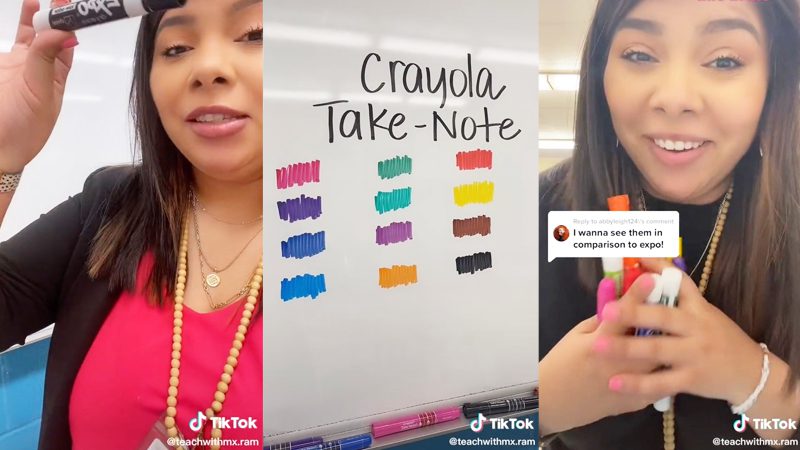
In recent years, social media has become a powerful tool for educators to share their thoughts, tips, and experiences. One such platform that has gained significant momentum is TikTok, where teachers are now turning to share their classroom hacks and innovative tricks with the world. A recent revelation by a TikTok teacher brought to light the benefits of Crayola Dry Erase Markers over its better-known competitor EXPO.

The Revelation:

An innovative teacher known as @stacey_lawteacher on TikTok introduced her followers to the world of Crayola Dry Erase Markers and how they triumph over EXPO markers in terms of usability and effect. After being confronted with dried-up EXPO markers one too many times, she decided to give Crayola Dry Erase Markers a try – only to be pleasantly surprised at the results.

Advantages of Crayola Dry Erase Markers:

1. Vibrant Colors: Crayola has always been known for its wide range of colors, and their dry erase markers are no exception. Teachers can create captivating visuals with more vibrant and eye-catching colors compared to the traditional offerings by EXPO.

2. Smoother Writing: Users have noticed that Crayola Dry Erase Markers glide effortlessly across whiteboards, making it easier for students to see and understand the information. This smooth writing experience is a welcome change from other markers that may stutter or skip on whiteboard surfaces.

3. Long-lasting Ink: The inks used in Crayola’s markers are known to last longer than those found in their competitor’s products. Teachers no longer have to worry about frequently replacing dried-out markers during their lessons.

4. Affordable Pricing: Despite offering superior performance in many aspects, Crayola Dry Erase Markers are priced affordably, making them an attractive option for educators seeking reliable, high-quality markers without breaking the bank.

5. Low Odor: An added advantage is that Crayola Dry Erase Markers emit a significantly lower odor than other brands, making them a more pleasant choice for both teachers and students who may be sensitive to strong smells in the classroom.

Conclusion:

The impact of TikTok and its growing teacher community cannot be understated. The platform has given educators new ways to share their experiences and shed light on innovative classroom tools, such as Crayola Dry Erase Markers. As more teachers recognize the benefits of Crayola’s product over traditional EXPO markers, it’s clear that the vibrancy, smooth writing experience, lasting ink, affordability, and low odor prove that Crayola Dry Erase Markers are a valuable asset in any classroom.

Teachers Are Sharing Lessons That Had Unexpected Consequences & We Can’t Stop Laughing

Introduction:

The world of education is filled with surprises, and teachers often share stories about the funny and unexpected outcomes of their lessons. Prepare to laugh out loud as we delve into the hilarious world of teaching mishaps!

1. The Balloon Experiment Gone Wrong

In a lesson about static electricity, a teacher asked her students to rub balloons on their hair to observe the effects. One student had exceptionally long hair that got caught in the balloon, turning her into a human pom-pom. The class erupted into laughter, and needless to say, it was an unforgettable lesson.

2. Coloring Inside the Lines

To teach her preschoolers about hand-eye coordination and following instructions, Miss Karen asked them to color inside the lines of various shapes. One creative three-year-old misunderstood and drew a single straight line in every shape. He proudly presented his masterpiece with a beaming smile, and Miss Karen couldn’t help but laugh at his unique interpretation.

3. Chasing After Love

An English teacher decided to teach her class about Shakespeare and his famous work “Romeo and Juliet.” After explaining the concept of forbidden love, one of her students confessed to having a crush on another student right there in front of the whole class. The following weeks saw awkward glances exchanged between the two lovestruck pupils.

4. I Scream For Ice Cream

A science teacher wanted to demonstrate how heat affects different substances by making ice cream in class using rock salt and ice as makeshift freezers. Halfway through this delicious experiment, a student accidentally added too much salt to the mix, rendering everyone’s ice cream inedible due to its overwhelming saltiness.

5. The Wrong Language

In a lesson aimed at enhancing cultural understanding, Mrs. Johnson asked pairs of students to come up with phrases or greetings used around the world. One duo misunderstood the task and enthusiastically reported “Aloha!”while performing a hula dance. The class was left in stitches, as Aloha is actually a Hawaiian greeting and not a foreign language phrase.

6. Fashion Forward

For an art project, elementary school students were asked to draw what they imagined the clothes of the future would look like. Most students drew space suits or high-tech clothing with LED lights. One girl, however, presented a runway-ready gown resembling an elegant banana peel. The class couldn’t contain their laughter at her unexpected interpretation of futuristic fashion.

Conclusion:

Teaching is more than just imparting knowledge; it’s about creating memorable experiences for students to treasure for years to come. As evidenced by these hilarious teaching mishaps, we learn that not all lessons go as planned – but sometimes, that’s precisely what makes them so unforgettable.

Snakes, Scorpions, Mountain Lions! These Real Stories of Animal Visitors to Schools Are Wild

You wouldn’t expect to see a snake slithering through the hallway or a scorpion sneaking into the classroom. But these are some of the wild encounters students and teachers have had with uninvited animal guests at schools. In today’s article, we’ll be sharing some unbelievable stories about snakes, scorpions, and mountain lions who’ve made their way onto school grounds.

1. The Snake in the Locker Room

At an unsuspecting high school in rural Texas, students were stunned one day when they discovered a rattlesnake hiding in one of the locker rooms. The snake must have wandered onto school property unknowingly. Luckily, a quick-thinking coach managed to capture the reptile using a long pole, releasing it back into the wild where it belonged.

2. Scorpions Make for Unwelcome Classmates

In Arizona’s Sonoran Desert, a school faced an ongoing battle against scorpions infiltrating their classrooms frequently. On one memorable occasion, a math class was disrupted when both students and the teacher spotted a venomous bark scorpion crawling across the floor. With careful coordination and bravery, they managed to catch and remove it from the premises.

3. Mountain Lion Visits Elementary School

A California elementary school experienced an unforgettable encounter with a wandering mountain lion that roamed its campus one morning. As the predator approached the schoolyard during recess, teachers quickly ushered children inside and locked down the facility. Police and wildlife authorities responded swiftly to tranquilize and relocate the big cat safely away from populated areas.

4. First-Period Python Surprise

In Australia, high school students arrived at their first-period class only to find an uninvited guest – a python resting on some shelves against the wall. Teachers immediately contacted qualified snake catchers to carefully remove it from their classroom without harming the eight-foot-long reptile or causing any danger to the students.

5. Scary Hissing Cockroach Discovery

A biology teacher in New York City accidentally brought back some unexpected guests from a field trip – Madagascar hissing cockroaches. When a student discovered one of these large insects scuttling across the classroom floor, it prompted a frantic search to find and remove the remaining roaches from the school.

These stories demonstrate that our world is full of amazing creatures who can turn up in unexpected places. Even though some may cause disturbances or temporarily disrupt our daily routines, it’s important to remember that many of these animals are just following their instincts and should be treated with respect and caution. Keeping safe distances and seeking professional assistance when dealing with unwanted animal visitors to schools is always vital for ensuring that both humans and animals can coexist peacefully.

The Road to Riches

Introduction:

The pursuit of riches has been a perennial goal for many individuals throughout history. In today’s ever-evolving economy, there are numerous paths available for those seeking financial success and stability. This article aims to explore various strategies for achieving wealth and financial freedom – from smart investments and entrepreneurship to cultivating the right mindset and habits.

I. Investing – Playing the Long Game:

One of the most reliable methods for building wealth is through intelligent investing. Placing your money into assets that are expected to grow over time, such as stocks, bonds, or real estate, allows you to benefit from compounding returns. However, successful investing requires patience, discipline, and long-term thinking. A few key points to consider when starting your investment journey include:

1. Diversification: Spread your investment across various assets and sectors to reduce risk.

2. Dollar-cost averaging: Invest a fixed amount at regular intervals to sidestep market volatility.

3. Time in the market: Prioritize holding onto investments for an extended period rather than trying to time the market.

II. Entrepreneurship – Crafting Your Own Future:

Launching your own business can be a rewarding path to wealth creation. With the advent of technology and innovative business models, there has never been a more exciting time to put on your entrepreneurial hat and forge your destiny. However, becoming a successful entrepreneur requires dedication, perseverance, and adaptability.

1. Start with a passion or talent: Focus on an area where your strengths lie.

2. Create a viable business plan: Develop a comprehensive strategy that addresses market demand and competition.

3. Seek mentorship: Learn from smart, successful entrepreneurs who can provide insights and guidance.

III. Networking – Leveraging Relationships:

In today’s interconnected world, opportunities often arise from personal connections rather than traditional job searches or cold applications. Building a powerful network within your industry can open doors and forge fruitful partnerships that significantly impact your wealth creation journey. Be strategic in developing relationships and never underestimate the potential benefits of a strong network.

IV. Cultivating Success Mindset and Habits:

Achieving wealth is not merely the result of investment strategies or business successes but also a reflection of an individual’s mindset and daily practices. Focus on both personal development and financial skills to equip yourself for the complexities of wealth creation.

1. Set clear, well-defined goals: Establish short- and long-term financial objectives.

2. Embrace a growth mindset: Foster an attitude of continuous learning and improvement.

3. Build a strong work ethic: Approach your pursuits with dedication, commitment, and discipline.

Conclusion:

The road to riches is not necessarily an easy one, but it is attainable for those who approach it seriously, persevere through hardships, and remain open to learning from their experiences. With each step taken toward strengthening your investment portfolio, refining your entrepreneurial acumen, nurturing valuable relationships, and cultivating empowering habits, you’ll be well on your way to realizing your financial goals – allowing you to enjoy the rewards of financial freedom.

Latest Posts