Pedagogue Blog

Help! Love Is in the Air at School, and I’m Jealous

As the school year progresses and hormonal teenagers rush through the hallways, it’s no surprise that many are on a mission to find love, or perhaps, their first taste of romance. While it seems innocent enough, these budding relationships can create feelings of jealousy when you’re the one left standing on the sidelines. So, how do you cope with these newfound feelings and learn to navigate this complex emotional terrain?

Recognize Your Emotions

It is completely natural to feel jealous when you see everyone around you pairing up while you’re still single. The first step in dealing with this jealousy is acknowledging that it exists. Only by recognizing your emotions can you begin working through them and focus on improving your situation.

Distance Yourself

If constantly being around couples at school is causing jealousy, it’s okay to distance yourself from those situations. This doesn’t mean you need to drop your friends or stop hanging out altogether; just give yourself some space when necessary. Focus on spending time with other single individuals or participating in activities that don’t rely on couple dynamics.

Empower Yourself

Sometimes, jealousy can stem from a lack of confidence. Take this time to do some self-reflection and determine what aspects of your life might be contributing to your envy. Are there things you would like to change or improve? Perhaps focus on strengthening your own sense of identity by developing hobbies, learning new skills, or pursuing personal goals.

Avoid Comparisons

It’s easy to fall into the trap of comparing yourself with others – especially couples – when you’re feeling envious. However, try not to base your self-worth on external measures or relationships status; remember that everyone develops on their timeline and has their path. Instead, focus on what makes you unique and how you can grow as an individual.

Seek Support

It’s important to have a support system in place when navigating periods of emotional vulnerability. Don’t hesitate to discuss your jealousy or feelings of inadequacy with close friends, family members, or even a counselor. They can offer valuable insights and be a source of strength during difficult times.

Be Open to New Connections

When you allow jealousy to consume you, it can be easy to miss out on opportunities for connection or potential romances. Keep an open mind, and stay receptive to the idea of meeting someone – because when you least expect it, love might just come knocking on your door.

In conclusion, it’s normal to feel jealous when witnessing blossoming love around you at school. By acknowledging your emotions, giving yourself space, focusing on self-improvement, and keeping an open mind, you can learn to navigate this challenging phase of life with grace and optimism.

Empowering Students to Respond to #DeviousLicks

Introduction

The social media trend known as #DeviousLicks has infiltrated schools, prompting students to engage in acts of vandalism and theft. While some view this phenomenon as a harmless prank, the resulting damages can have severe consequences for students, schools, and communities. Empowering students to counteract this trend is crucial for maintaining a safe and respectful learning environment.

1. Generating Awareness

First and foremost, students need to be educated about the potential consequences of participating in #DeviousLicks. Teachers, administrators, and parents can develop informative presentations about the legal repercussions of vandalism and theft. Besides targeting potential participants, such information should also reach their peers who may influence these individuals or report any suspicious activity.

2. Open Communication

Creating an open communication environment in school is essential for countering the #DeviousLicks trend. Students should feel comfortable discussing issues related to peer pressure and social media challenges with their teachers and classmates. Incorporating conversations about responsible social media use into classroom discussions can help normalize appropriate behavior online.

3. Establishing a Supportive School Community

Fostering a sense of belonging and community among students will ensure that they feel supported by their peers rather than compelled to impress them through destructive pranks. Encourage student organizations to develop campaigns or programs that promote positive values, like respect for school property and empathy towards staff members who must deal with the aftermath of vandalism.

4. Encouraging Positive Role Models

Highlighting positive role models within the student body can influence others to act responsibly. Recognize outstanding students for their achievements in academics, athletics, or citizenship, reinforcing that positive behaviors lead to success and admiration from their peers.

5. Channeling Creativity Constructively

Adolescents are often drawn to exciting challenges or stunts that test their boundaries. Providing them with safe outlets to express their creativity is crucial for minimizing destructive impulses. Organize school-wide events such as talent shows, art contests, or group projects to give students opportunities to showcase their skills and passions in a positive manner.

6. Promoting Accountability

To truly empower students to stand up against #DeviousLicks, they should be aware of the consequences for participating in these acts. Schools must enforce clear and consistent policies regarding vandalism and theft and emphasize that all students have a responsibility to maintain a respectful learning environment.

Conclusion

The #DeviousLicks trend poses a genuine challenge for schools, educators, and students. Empowering students to counteract this phenomenon involves fostering a sense of community, promoting open communication, and providing creative outlets for self-expression. By actively engaging with these challenges, schools can help build environments where destructive impulses are replaced with positive behaviors that encourage learning, respect, and growth.

Ultimately, peer influence will play the most significant role in discouraging participation in trends like #DeviousLicks. When students collectively promote respect for school property and support one another in making responsible choices, destructive forces like the #DeviousLicks trend can be dismantled from within.

6 Books to Read Instead of (or in Addition to) the Classic Novel

It’s always a great experience to delve into classic novels, but if you’re in the mood for something new or want to explore different perspectives, we’ve got you covered. Here are six books to read instead of (or in addition to) the classic novel, presenting fresh ideas, engaging characters, and captivating plots that will whisk you away on exhilarating literary adventures.

1. “The Night Circus” by Erin Morgenstern

If you’ve ever been enamored by the magical worlds found in classics like “Alice’s Adventures in Wonderland,” then “The Night Circus” is an enchanting alternative. Set in a circus that only appears at night, this novel tells the story of two young magicians who compete against each other in a dangerous game. With its imaginative setting and lyrical writing style, “The Night Circus” delivers a mesmerizing reading experience.

2. “Where the Crawdads Sing” by Delia Owens

Fans of classic coming-of-age novels such as “To Kill a Mockingbird” will appreciate this modern masterpiece. “Where the Crawdads Sing” follows the life of Kya Clark, a girl who grows up isolated from society in the marshes of North Carolina. The book examines themes like prejudice, resilience, and the power of nature while crafting an atmospheric and captivating tale.

3. “Homegoing” by Yaa Gyasi

Familiar with epic family sagas like “One Hundred Years of Solitude?” Give “Homegoing” a try for its sweeping historical narrative that spans 250 years. The novel follows the descendants of two half-sisters from Africa; one is sold into slavery while the other becomes a slave trader’s wife. Through each chapter’s focus on a different generation, Gyasi expertly weaves together stories that discuss themes such as belonging, race, and identity.

4. “A Gentleman in Moscow” by Amor Towles

For those that enjoy classic novels with intricate plots and strong character development, “A Gentleman in Moscow” is a must-read. The book tells the story of Count Alexander Rostov, who is sentenced to house arrest in a grand hotel during the Bolshevik Revolution. Filled with wit, charm, and rich historical detail, this story is both entertaining and thought-provoking.

5. “Pachinko” by Min Jin Lee

A multi-generational family drama set primarily in Japan, “Pachinko” is an ideal alternative for fans of classics like “East of Eden.” Through exploring the lives and struggles of members in a Korean family forced to adapt to foreign lands and cultures, Lee’s captivating prose captures the hardships of immigrants while illustrating the importance of love and loyalty within family ties.

6. “Station Eleven” by Emily St. John Mandel

Science fiction fans who enjoy classics like “Brave New World” should consider adding “Station Eleven” to their reading arsenal. The novel interweaves multiple narrative threads, following several characters before and after a devastating pandemic that wipes out most of humanity. Though it’s set in an apocalyptic world, this thought-provoking tale manages to be hopeful, exploring themes such as the power of art, human connections, and survival.

Craving new literary horizons? Give these six books a chance for exciting plots and engaging storytelling beyond the realms of classic novels. Happy reading!

Should I Stay or Should I Quit? How Six Different Teachers Decided

Introduction:

Teaching can be one of the most rewarding careers, shaping the minds and lives of countless young people. However, it is also challenging, with responsibilities and pressures that can lead many educators to question their decision to enter the field. In this article, we will examine the stories of six different teachers who faced the critical dilemma of whether to continue teaching or pursue other opportunities.

1) Alice: Chasing her dream career

Alice had wanted to be a teacher since her childhood, and after earning her degree, she found a position teaching English at a local high school. For several years, she enjoyed connecting with her students and helping them grow. However, Alice’s true passion was film production. After a few years of committed teaching, she decided to pursue a master’s degree in film studies and now teaches at a prestigious film academy. For Alice, the decision was about following her dreams and aligning her career with her lifelong passion.

2) Brian: The burnt-out educator

Brian had been teaching in an underprivileged school for more than 20 years when he realized that he was beginning to show signs of burnout. Despite being well-liked by students and fellow staff members alike, he experienced a constant sense of stress due to the lack of resources and support. Ultimately, after much soul searching, Brian decided to leave teaching in favor of working on educational policy in an attempt to bring about broader change.

3) Caroline: The revitalized teacher

Caroline taught science at the middle school level for five years when she began feeling overwhelmed by administrative duties that took away from her actual teaching. Instead of leaving the profession altogether, Caroline explored different ways to re-engage with her love for teaching and rediscover her passion for science. This exploration led her to accept a position as an experiential learning coordinator within her district, where she can now create unique learning experiences for students and rekindle her love for teaching.

4) Derek: The entrepreneur

With a background in business administration, Derek taught economics to high school students. While teaching, he always harbored dreams of someday starting his own business. After three years, he made the decision to quit teaching and launch his startup. Today, his company is thriving and employs several fellow teachers who have the same entrepreneurial aspirations.

5) Emily: Pursuing a family-first priority

After 15 years of successful teaching experience in elementary and special education settings, Emily encountered personal challenges when becoming a mother. Juggling between her career and growing family responsibilities, she deliberated on whether to stay or quit. Eventually, she decided to take an extended leave to focus on raising her children but later returned to teaching part-time once her children were older.

6) Frank: Simply taking a break

Becoming increasingly disenchanted with the state of the education system, Frank began questioning whether it was still the right choice for him. Instead of completely quitting, he took a sabbatical to travel and engage in volunteer work overseas. During this time, he gained new perspectives that ultimately reinvigorated his passion for teaching and inspired him to return with fresh ideas.

Conclusion:

The decision to stay or quit teaching often involves an evaluation of personal priorities, values, and goals. There is no one-size-fits-all answer as each individual’s situation is unique. By understanding various aspects of their lives – including family life, financial stability, mental health – educators can make informed decisions in navigating their careers and finding fulfilment in their professional lives.

20 Ways I Use My Interactive Flat Panel to Save Time and My Sanity

As a modern educator or professional, it’s crucial to find ways to streamline workflow and maintain your sanity. One of the most versatile and efficient tools available today is the interactive flat panel. Here are 20 ways I use my interactive flat panel to save both time and my sanity:

1. Lesson Planning: The interactive flat panel makes it easy to plan lessons by displaying relevant content and resources in real-time and allowing me to interact with them.

2. Collaborative Whiteboarding: Instead of using physical whiteboards, I use my interactive flat panel for brainstorming sessions and collaborative work, enabling group discussions with ease.

3. Remote Collaboration: With video conferencing capabilities, the flat panel allows me to connect with colleagues or students remotely, saving time on travel.

4. Accessing Online Resources: I can quickly pull up websites, videos, images, and other online content on the flat panel for immediate use in lessons or meetings.

5. Multimedia Presentations: The flat panel supports a variety of file formats for presentations, eliminating compatibility issues.

6. Interactive Quizzes: Creating interactive quizzes directly on the flat panel encourages student engagement and provides instant feedback.

7. Annotating Documents: I can easily annotate documents or files displayed on the screen during discussions or presentations.

8. Time Management Tools: Using built-in timers or clocks helps keep meetings and lessons on track.

9. Polling and Surveys: Instantly gather feedback from participants by creating polls or surveys directly on the panel.

10. Virtual Field Trips: Explore new locations without leaving the classroom through immersive virtual field trips.

11. Flipped Classrooms: Share lessons recorded on the flat panel with students to review at their own pace outside of class.

12. Document Camera Integration: Enhance lessons by connecting a document camera to the flat panel, displaying real-time images of objects or documents.

13. Saving and Sharing Notes: Notes taken on the flat panel can be easily saved and shared with participants electronically, reducing the need for paper handouts.

14. Managing Classroom Devices: Using the flat panel’s device management options, I can monitor and manage student devices with ease.

15. Voice Recognition: Speed up note-taking or command tasks using voice recognition capabilities.

16. Split-Screen Functionality: Display multiple windows simultaneously, making it easier to reference and compare information.

17. Customizable App Integration: Personalize the flat panel by integrating custom apps and software tailored to specific needs.

18. Easy Accessibility Features: The interactive flat panels support various accessibility options, ensuring all participants can fully engage in lessons or meetings.

19. Effortless Connectivity: Connect a range of devices such as smartphones and tablets wirelessly for seamless collaboration.

20. Increased Engagement: The interactivity of the flat panel keeps students and meeting attendees more engaged, leading to improved concentration and comprehension.

By leveraging the power of interactive flat panels, I have been able to save time, enhance my lessons, and maintain my sanity amid busy work schedules.

Help! Can a Student Really Refuse To Stand for the Pledge of Allegiance?

Introduction:

In a world where freedom of expression and individuality are highly valued, a common question arises: Can a student really refuse to stand for the Pledge of Allegiance? The answer to this question largely depends on legal precedents and personal beliefs. In this article, we will explore the history of the Pledge, the legal rights of students, and some examples of how schools have grappled with this question.

The History of the Pledge of Allegiance:

The Pledge of Allegiance was first introduced in 1892 by Francis Bellamy, a Baptist minister and Christian socialist. Over the years, several amendments have been made to its wording, most notably in 1954 when “under God” was added. In its current form, it reads: “I pledge allegiance to the Flag of the United States of America and to the Republic for which it stands, one Nation under God, indivisible, with liberty and justice for all.”

Legal Rights:

In 1943, a Supreme Court case (West Virginia State Board of Education v. Barnette) set a crucial precedent regarding students’ rights concerning the Pledge. The Court ruled that students cannot be compelled to recite or stand for the Pledge based on protections provided by their First Amendment rights. Since then, courts have generally upheld this ruling, asserting that schools cannot punish students who choose not to participate in reciting or standing for the Pledge.

Challenges and Notable Cases:

Although legal precedents support a student’s right not to stand or recite the Pledge, some schools continue to struggle with implementing and enforcing these policies. There have been numerous instances where students faced disciplinary action for exercising their right to abstain from participating in the Pledge.

For example, in 2017 an 11-year-old student named India Landry was expelled from her Texas school for refusing to stand during the Pledge. After a lengthy legal battle, the student’s family reached a settlement with the school district. Their case gained national attention and ignited conversations about patriotism, freedom of speech, and civil rights.

Conclusion:

The answer to whether a student can refuse to stand for the Pledge of Allegiance lies in the United States Constitution and subsequent legal rulings stating that schools cannot force students to participate in such practices. However, as we’ve seen through various cases, the enforcement of this right can be challenging for both students and schools alike. To truly respect and uphold a student’s rights, it is essential for schools to create an environment that fosters open communication, understanding, and respect for differing opinions and beliefs.

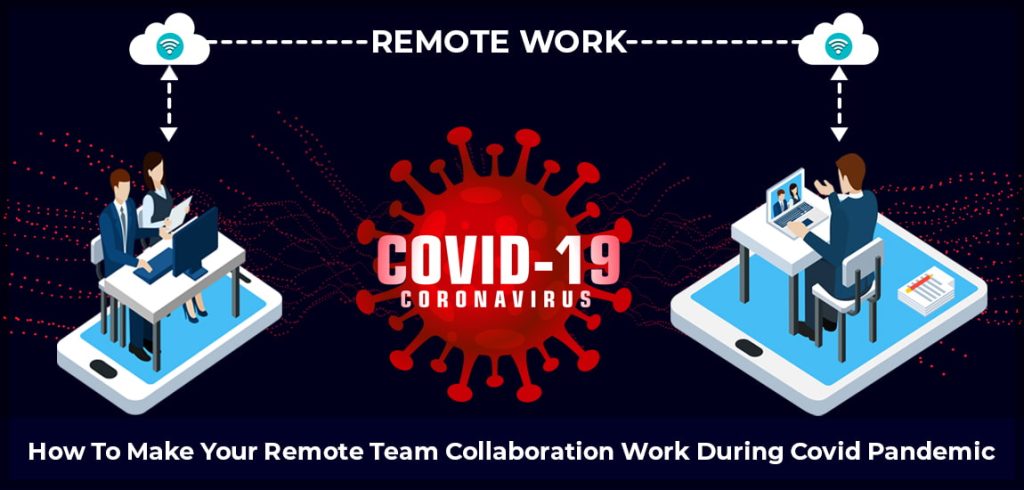
How Grade Level Teams are Collaborating During COVID

Introduction:

The unprecedented challenges brought on by the COVID-19 pandemic have necessitated innovation and adaptability in all aspects of life, including education. With schools scrambling to adjust their teaching models, grade level teams faced an urgent need to collaborate effectively to ensure the best outcomes for their students. In response, proactive measures were taken to enhance communication, share resources, and maintain a sense of community among staff and students. This article explores how grade level teams have been collaborating during the pandemic to meet these objectives.

Enhancing Communication Channels:

One crucial aspect of collaboration during the COVID era has been maintaining open channels of communication among educators. The adoption of various digital platforms such as Zoom, Microsoft Teams, Slack, and Google Meet has enabled regular team meetings for planning and strategizing. Teachers have also leveraged these tools to provide real-time feedback, share ideas, and keep each other informed of student progress.

Resource Sharing:

As teachers adapted their lesson plans for remote instruction, a spirit of sharing emerged as colleagues began pooling resources such as lesson plans, instructional videos, online quizzes, and educational games. This collaborative effort helped reduce individual workloads while promoting consistent learning experiences across all grade levels. By leveraging virtual repositories like Google Drive or Dropbox, educators have created shared libraries of resources that can be accessed by everyone on the team.

Support Networks:

The pressures of adapting to remote teaching while simultaneously navigating the complexities of personal lives during a pandemic have put immense strain on educators. Recognizing this challenge, many grade level teams created support networks for addressing mental health concerns or stress management strategies among their peers. Through online forums or chat groups, teachers in need could find empathetic ears and advice from colleagues experiencing similar struggles.

Maintaining a Sense of Community:

A significant hurdle during the shift to remote learning has been retaining a sense of community among staff and students. To overcome this barrier, grade level teams have tried to maintain the spirit of camaraderie by organizing virtual activities such as synchronous thematic days, virtual sporting events, and online assemblies. Furthermore, teachers have made efforts to engage families in the educational process through parental outreach and virtual parent-teacher meetings.

Professional Development Opportunities:

Even during the pandemic, professional development has remained crucial for grade level teams looking to continuously hone their teaching techniques. Online training sessions and webinars have been employed to familiarize educators with new technology tools, digital assessment methods, and adaptive learning strategies essential for remote education.

Conclusion:

COVID-19 has dramatically impacted education across the globe. Despite facing significant challenges, grade level teams have found creative ways to collaborate, enabling them to support student success and maintain a sense of community amidst uncertainty. The lessons learned during this time will undoubtedly continue to inform educational practices in a post-pandemic world.

15 Awesome Products to Amp Up the Fun in Science Class

Science class is an incredible opportunity for students to explore, experiment, and learn about the fascinating world around them. But sometimes, traditional experiments and lectures can just be downright boring. That’s where these 15 awesome products come in! By incorporating these unique and exciting items into your science classroom, you’ll amp up the fun factor and engage your students like never before.

1. Snap Circuits: Bring electricity to life with this easy-to-use modular system that allows students to safely build working circuits. The various components in Snap Circuits make learning about electricity both accessible and enjoyable.

2. Ooze Labs Chemistry Slime Kit: Mix chemicals to create colorful, stretchy slime while learning about chemical reactions and polymers. This kit encourages hands-on learning and ignites curiosity about chemistry.

3. GIANTmicrobes Plush Toys: Teach students about microscopic organisms with these adorably accurate plush toys. From bacteria to viruses, these cuddly creatures help facilitate discussions about health, disease, and microbiology.

4. Solar System Crystal Ball: This dazzling desk accessory offers a realistic 3D model of our solar system, encouraging discussions and visualizations of planetary orbits, distances, and sizes.

5. PocketLab Voyager: Connect this compact device to your phone or tablet to measure motion, velocity, temperature, humidity, light levels, and more. Students can collect real-world data while conducting experiments both inside and outside the classroom.

6. AR Sandbox: Combine technology with hands-on learning by constructing a sandbox that displays topographical maps in real-time as students reshape the sand. An engaging way to explore concepts related to topography, geography, and earth science.

7. EcoSphere Closed Aquatic Ecosystem: Discover the delicate balance of nature by observing the self-sustaining ecosystem within a sealed glass sphere containing shrimp, algae, and microorganisms.

8. Thames &Kosmos Gummy Candy Lab: Explore the science of food with this kit where students can create their own gummy candies while learning about chemistry, molecular structures, and osmosis.

9. LEGO Education Simple Machines Set: Build and investigate various simple machines using the classic LEGO bricks. Perfect for teaching students about mechanical concepts such as levers, pulleys, and wheels.

10. Marbles: The Brain Store Tornado Maker: Recreate a tornado in the safety of your classroom with this interactive device. Students can adjust the wind speed and discover how air pressure affects the formation of tornadoes.

11. LittleBits Electronics Synth Kit: Explore the world of electronic music by building your own synthesizer. This kit will introduce students to concepts such as frequency, oscillation, and waveforms while having fun creating new sounds.

12. Geode Breaker Kit: Crack open geodes to reveal stunning crystal formations and teach geology concepts such as mineral formation, rock cycles, and Earth’s processes.

13. RobolinkRokit Smart Robot Kit: Learn how to construct and program versatile robots using Arduino, a popular open-source microcontroller platform. This kit challenges students to think critically about engineering and coding principles.

14. Growing Bacteria Kit: Perform real-life experiments with this easy-to-use bacteria growing kit that includes petri dishes, agar powder, and experiment ideas for exploring microbiology in a safe environment.

15. CelestronFirstScope Telescope: Spark an interest in astronomy with this compact telescope that offers 2 eyepieces for magnification options perfect for observing the Moon, planets, and even deep-space objects like nebulae and galaxies.

The next time you plan a science class or lab activity, consider incorporating one or more of these 15 innovative products to get your students excited about learning!

Make Easy Meals with this Home Chef Discount (Just for Teachers!)

A warm shoutout to all the hardworking teachers who have been striving to shape young minds day in and day out. We understand how busy your weekdays can be, with tight schedules, endless grading sessions, and always striving to nurture the students. With all that is on your plate (pun intended), wouldn’t it be great if a homecooked meal doesn’t have to take up too much of your time? Well, we have exciting news just for you: an exclusive Home Chef discount for teachers!

Home Chef is a leading meal kit provider that aims to simplify your life in the kitchen. They offer fresh ingredients, easy-to-follow recipes, and pre-portioned meals delivered directly to your doorstep. With a wide variety of options catering to different dietary preferences and tastes, you are sure to delight in every meal.

So, why should you choose Home Chef?

1. Time-saving: The meals are designed by professionals, ensuring that each recipe takes around 30 minutes or less to prepare. Say goodbye to scouring the internet for recipes or wandering the grocery store aisles; everything is right at your fingertips.

2. Customizable: Home Chef offers a menu of over 18 recipes per week. You can mix and match meals according to your preference and dietary requirements. Vegetarian? No problem! Gluten-free? You’re covered!

3. Nutritious and delicious: The focus is on ensuring that you get high-quality ingredients with well-balanced proportions while making them incredibly tasty.

4. Flexible subscription: Skip a week or cancel anytime – there’s no long-term commitment required.

Now comes the part you’ve been waiting for – the special discount for teachers! To show appreciation for all you do, Home Chef is offering an exclusive deal: a $30 discount on your first order. All you need to do is verify your teacher status through ID.me and enjoy the discount on your first Home Chef order.

Meal prepping shouldn’t have to be a chore for educators who are already juggling a demanding day. Let Home Chef lighten your load, so you can focus on what truly matters – shaping the future generation.

With this exclusive discount, you won’t have to compromise on delicious, healthy meals for yourself or your family. Sign up today and begin your journey towards stress-free cooking!

Is the Common Core Developmentally Appropriate for Our Young Learners?

In recent years, the Common Core State Standards (CCSS) have been widely adopted across the United States, aiming to establish a clear and consistent framework for K-12 education. While the initiative has been praised for its goal of providing high-quality educational standards, concerns have been raised regarding its implementation and its potential impact on our young learners. The question of whether the Common Core is developmentally appropriate for children has become a focal point in the debate.

Developmental appropriateness refers to a curriculum that considers each child’s age, individual needs, and developmental stage. It is vital to create an educational environment that allows every child to grow and progress at their own pace. Critics argue that the CCSS does not meet this criterion, suggesting that it may impede students’ growth rather than support it.

One key concern is that the standards may be too rigorous for young children, particularly in kindergarten through second grade. These early years are crucial for developing social skills, emotional growth, and fine motor abilities alongside academic knowledge. However, proponents of the CCSS argue that higher standards ultimately lead to better-prepared students who can excel in later years.

Another issue often raised is the lack of input from early childhood educators during the development of the Common Core. As experts in child development and learning, their absence has led some to doubt if the CCSS effectively addresses the unique needs of young learners.

Testing linked to Common Core has also caused concerns regarding developmental appropriateness. High-stakes standardized tests can create a stressful environment for children and may not accurately reflect their learning progress or abilities. Critics argue that testing practices associated with CCSS contribute to a narrow focus on academic achievement rather than encouraging well-rounded development.

However, it’s essential to realize that the CCSS is not a curriculum but a set of guidelines designed to outline what students should know and be able to do in English Language Arts and Mathematics. Educators and schools are responsible for selecting appropriate curriculum materials, teaching methods, and assessments to meet the needs of their students. In this context, it may be possible to implement the Common Core standards developmentally that accommodate students’ diverse development stages.

In conclusion, whether the Common Core is developmentally appropriate for our young learners depends on how it is implemented at the local level. While there are valid concerns about the potential impact of these standards on children’s development, a thoughtful implementation may address these issues and provide an educational experience that nurtures every child’s growth. It is crucial to continue monitoring and assessing the impact of CCSS while maintaining open dialogues between educators, policymakers, and parents to ensure our children receive the best education possible.

Teachers, Please Stop Saying “I’m Not In It for the Money”

Introduction:

Teaching is one of the noblest and most respected professions, shaping the minds of future generations. Teachers have a profound impact on students’ lives by fostering intellectual curiosity, critical thinking, and personal growth. The phrase “I’m not in it for the money” is commonly used by educators to express their deep passion for teaching. However, this statement can inadvertently send an unwarranted message about the profession itself.

Why This Phrase Can Be Problematic:

1. Devalues the profession: By stating that they are not in it for the money, teachers might unintentionally imply that their work is less worthy of proper compensation. Teaching requires highly specialized skills and qualifications. Belittling the financial aspects of the job can contribute to perpetuating lower wages in the profession.

2. Affects self-worth: Constantly repeating that monetary compensation doesn’t matter may lead teachers to undervalue their worth over time. This mindset can spill over into other areas of life and make them feel it’s wrong to expect fair pay for their hard work and expertise.

3. Sets unrealistic expectations: Reiterating that money is not a significant motivator creates a misconception that teachers should primarily focus on their love for teaching. This potentially sets unrealistic expectations for new educators entering the field who may feel guilty when they struggle with financial concerns.

The Importance of Fair Compensation:

1. Retention and recruitment: Competitive salaries play a vital role in retaining skilled teachers and attracting new talent to the profession. Fair wages can reduce turnover rates among highly qualified teachers who might otherwise leave the field in search of more lucrative opportunities.

2. Improved educational outcomes: Research has consistently shown a correlation between higher teacher salaries and increased student performance. Providing teachers with ample resources and fair pay enables them to better engage students, leading to a more effective learning environment.

3. Recognition of expertise: Teachers invest significant time, effort, and financial resources into their professional development. They deserve to be compensated fairly for their expertise, reflecting the value society places on quality education.

Conclusion:

Rather than emphasizing that they are “not in it for the money,” teachers should advocate for compensation that accurately reflects their skills, qualifications, and commitment to excellence. Appreciating the importance of fair pay in education does not mean teachers lack passion—it means acknowledging that they deserve to be paid for their vital contributions to society. By changing the narrative around teaching and its financial aspects, educators can help improve conditions within the profession and drive positive outcomes for both students and colleagues.

10 Melissa McCarthy GIFs That Perfectly Sum Up a Teacher’s Week

Introduction:

There’s no denying that teachers have one of the most challenging jobs out there. The emotions, the stress, and the moments of pure joy are just some of the aspects of a teacher’s week that can be perfectly summed up by none other than the hilarious and relatable Melissa McCarthy. Here are ten Melissa McCarthy GIFs that capture the essence of a teacher’s whirlwind week.

1. Monday Morning

(GIF: A sleepy Melissa McCarthy struggling to open her eyes)

This GIF says it all – waking up on Monday morning after a weekend of relaxation is always a struggle. Teachers across the globe can relate to the difficulty of peeling themselves out of bed and gearing up for another busy week.

2. Planning Lessons

(GIF: Melissa McCarthy vigorously typing on her laptop)

Crafting engaging lessons takes time, effort, and plenty of coffee. This GIF showcases just how dedicated teachers are to making sure their students have the best learning experience possible.

3. The Lightbulb Moment

(GIF: Melissa McCarthy’s face lighting up with excitement)

That wonderful moment when a student finally understands a concept they’ve been struggling with is priceless. The rush of happiness and pride in this Melissa McCarthy GIF perfectly captures those feelings.

4. Dealing with Classroom Antics

(GIF: Melissa McCarthy rolling her eyes and sighing dramatically)

Every class has its fair share of mischief-makers, and sometimes teachers just need to take a deep breath (and maybe an eye roll) before addressing these little distractions.

5. Lunch Break Chaos

(GIF: Melissa McCarthy inhaling food in a hurry)

There’s never enough time during lunch breaks to relax or even eat properly for most teachers. This GIF is an all-too-familiar depiction of trying to scarf down food in between managing students and preparing for the next lesson.

6. Encouraging Teamwork

(GIF: Melissa McCarthy holding up her hands, urging people forward)

Whether it’s getting students to collaborate or working with fellow teachers, this GIF catches the supportive and motivational spirit that teachers embody every day.

7. Grading Papers

(GIF: Melissa McCarthy frantically flipping through papers)

The monumental task of grading all those assignments and tests can be daunting. This GIF perfectly sums up the chaos of trying to plow through stacks of papers, sometimes late into the night.

8. Parent-Teacher Conferences

(GIF: Melissa McCarthy nodding emphatically while listening to someone speak)

These meetings can be challenging for both parents and teachers. This GIF highlights how actively listening and engaging in meaningful conversations can help to ensure a productive conference.

9. Friday Afternoon Relief

(GIF: Melissa McCarthy dancing with joy)

When the final bell rings on Friday afternoon, teachers everywhere rejoice in knowing they made it through another week. The sheer elation in this GIF is something that every teacher has likely experienced.

10. Weekend Prep Time

(GIF: Melissa McCarthy putting on a face mask and drinking wine)

After an exhausting week, it’s essential for teachers to take some time for themselves and reset. This self-care-focused GIF mirrors those precious moments of relaxation before gearing up for another adventurous week.

Conclusion:

Being a teacher comes with its unique set of challenges, but as these ten Melissa McCarthy GIFs demonstrate, there’s also plenty of opportunity for laughter and joy along the way. Here’s to all the dedicated teachers who navigate the highs and lows of their workweek with grace and resilience!

Latest Posts