Pedagogue Blog

6 Ways to Teach Grit, Leadership, and More With Our Favorite Disney Books

Teaching valuable life skills such as grit, leadership, and cooperation can have a lasting impact on a child’s character development. Utilizing stories from Disney books is an excellent way to introduce these concepts in a fun and engaging manner. Here are six ways to use your favorite Disney books to teach essential life lessons.

1. Use ‘The Lion King’ to Explore Courage and Leadership

In ‘The Lion King,’ young Simba faces numerous challenges as he takes on the mantle of king after the death of his father, Mufasa. The book provides ample opportunities to discuss leadership qualities that entail responsibility, courage, and being able to learn from past mistakes.

2. Encourage Grit with ‘Moana’

The story of ‘Moana’ is centered around the protagonist’s unwavering determination to protect her people. Moana’s inability to give up despite setbacks is a great way to introduce the concept of grit and perseverance. Use this book as an opportunity to guide discussions about overcoming obstacles, learning from challenges, and never giving up on one’s dreams.

3. Understand Empathy through Cinderella’s Experiences

‘Cinderella’ offers valuable lessons about empathy and getting over difficult situations by putting oneself in others’ shoes. Take readers through Cinderella’s experiences of hardship and neglect before she finds happiness. Discuss how her kindness and understanding nature helped her build positive relationships that ultimately led to her success.

4. Learn Leadership Qualities with Mulan

Mulan’s story presents a unique opportunity for children to understand the importance of courage, self-sacrifice, and humility in leadership. Reflect on Mulan’s ability to put her ego aside, work together with others despite challenges, and lead her troop to victory under unusual circumstances.

5. Recognize Patience and Perseverance in ‘The Little Mermaid’

Ariel’s journey in ‘The Little Mermaid’ is a perfect example of patience and perseverance, two vital qualities for achieving one’s goals. Discuss Ariel’s adventure with children, highlighting the many challenges she faces and the need for patience in reaching her objectives.

6. Teach Teamwork by Using ‘Toy Story’

‘Toy Story’ is an excellent resource for discussing teamwork and cooperation. Talk about the characters in the book and how they work together to overcome obstacles while leveraging each other’s strengths to succeed as a team.

By using these six Disney books and their captivating stories, you can introduce essential life skills such as grit, leadership, empathy, and teamwork to the young readers in your life. These lessons will help them face various challenges with determination and a positive attitude, preparing them for success later in life.

10 of the Best 6th Grade Classroom Ideas

1. Interactive Word Walls: An interactive word wall is a fantastic way to engage students in learning new vocabulary and concepts. They can be organized by subject or theme, with students adding their own contributions throughout the year. When introducing a new topic, have students search for relevant words to add to the wall.

2. Student-Led Conferences: Instead of traditional parent-teacher conferences, let your 6th-grade students take the lead. This promotes student ownership, accountability, and reflection on their own learning progress. Students can share examples of their work and discuss their strengths and areas for improvement.

3. Project-Based Learning: Project-based learning (PBL) allows students to explore real-world problems and challenges through engaging projects. By giving students ownership in their learning, PBL fosters collaboration, creativity, and critical thinking skills.

4. Flexible Seating Arrangements: Create a comfortable and inviting environment by incorporating a variety of seating options in your classroom like bean bags, yoga balls, or standing desks to cater to different learning styles and preferences.

5. Morning Meetings: Start each day with a structured morning meeting where students can share news, goals, or concerns with their classmates. This creates a sense of community and encourages open communication within the classroom.

6. Social-Emotional Learning (SEL) Activities: Integrate SEL into your curriculum by setting aside time for regular discussions about emotions or incorporating team-building exercises that foster empathy and cooperation among students.

7. Gamification: Encourage enthusiasm for learning by incorporating game-like elements into lessons or assignments. Gamification keeps students engaged while teaching important skills such as teamwork, problem-solving, and strategic thinking.

8. Flipped Classroom Model: Try implementing a flipped classroom model where students access lesson content at home through videos or readings before discussing in class together. This allows more time for in-depth discussion during class time and promotes active learning.

9. Genius Hour: Set aside a dedicated time each week or month for students to explore a topic of personal interest. This provides students with opportunities to research, create, and present projects on subjects they feel passionate about, developing autonomy and fostering a love of learning.

10. Integrating Technology: Enhance your 6th-grade classroom by incorporating technology in meaningful ways. Students can utilize laptops, tablets, or smartphones for research, digital media creation, and collaboration on projects with their classmates.

Incorporating these ideas into your 6th-grade classroom can create engaging learning experiences that nurture the skills and independence needed for success in middle school and beyond.

Three Questions to Ask Your Students When They’re Sent to the Principal’s Office

Being sent to the principal’s office can be stressful for both educators and students. As a principal, your responsibility is not just to be an authoritative figure – but also a mentor, counselor, and friend. Consequently, it’s crucial to handle disciplinary situations with care and explore the underlying issues to create a supportive environment.

An effective way of tackling disciplinary problems is by asking open-ended questions that encourage students to reflect on their actions and take ownership of their mistakes. Here are three vital questions you should ask your students when they’re sent to the principal’s office.

1. What happened?

Start with an open, non-judgmental question that allows your students to share their side of the story. This approach makes them feel heard and respected. Encourage them to give as much detail as possible about the incident while actively listening without interruption. Ask clarifying questions if needed, but avoid any expressions or language that might appear accusatory or condemning.

2. How do you think your actions affected others?

Personal accountability is an essential lesson for students to learn, but it is often overlooked in favor of punishment. Helping students understand how their actions influence others can promote empathy and personal growth. Ask your students what they think other people may have felt or thought during the incident, whether it be their peers, teachers, or school staff. Encourage them to put themselves in those individuals’ positions and consider how they might feel on being mistreated, disrespected or worse.

3. What could you do differently in the future?

Encourage your students to consider alternative responses and better decision-making strategies for similar situations in the future. This discussion helps in fostering problem-solving skills and demonstrating that we all have choices when faced with challenges or conflicts. Let them ponder over different scenarios by asking, “What else could you have done?” or “How might things have turned out differently if you had made another choice?”. Emphasize that the purpose of the conversation is not just to discipline, but to teach and guide them.

Conclusion

Addressing disciplinary issues in the principal’s office is an opportunity to foster meaningful discussions with your students. By asking these three essential questions, you can guide them towards personal accountability, empathy, and better decision-making. Such an approach not only improves their behavior but also leads to a healthier school environment built on trust and understanding.

20 Fun 1st Grade Engineering Projects For Kids To Explore

Introduction

Engineering projects help spark curiosity and creativity in young minds. These hands-on activities blend learning with fun and encourage 1st graders to explore science, technology, engineering, and math (STEM) concepts. Here are 20 exciting engineering projects that will captivate the imagination of first-grade students while fostering essential skills.

1. Paper Airplanes

Teach kids basic aerodynamics by helping them create and experiment with different types of paper airplanes. Investigate which designs fly the farthest or perform the best stunts.

2. Straw Bridges

Using straws, tape and paper clips, challenge children to build bridges that can support as much weight as possible without collapsing.

3. Egg Drop Challenge

Develop a container for an egg using materials such as cotton balls, sponges, and cardboard. The goal is to protect the egg when it is dropped from varying heights.

4. Marshmallow Towers

Construct towers using marshmallows and toothpicks that can withstand gentle shaking on a flat surface.

5. Soda Bottle Rockets

Launch rockets made out of empty soda bottles using water and air pressure from a bicycle pump.

6. Wind-Powered Cars

Create cars using recycled materials and design sails to capture wind energy for propulsion.

7. Balloon-Powered Boats

Build small boats that are propelled by the force of air escaping from inflated balloons.

8. Parachutes

Design parachutes from light materials such as plastic bags, tissue paper, or cloth squares. Test each parachute’s ability to slow down an attached object’s fall.

9. Roller Coasters

Using foam pipe insulation as tracks, build roller coasters to test gravity-driven speed, loop sizes and angles for stability.

10. Sun Dials

Teach children about time measurement by constructing sun dials using simple materials like a paper plate, straw, and a pencil.

11. Maglev Train

Introduce magnetic levitation by creating a model train that “floats” on magnets while moving along a guided track.

12. Rain Gauges

Measure rainfall by crafting gauges from recycled bottles that collect and display water levels.

13. Simple Machines

Explore the six simple machines (lever, wheel and axle, pulley, inclined plane, wedge, and screw) through various hands-on projects.

14. Catapults

Design miniature catapults using plastic spoons, popsicle sticks and rubber bands to explore the principles of force and energy transfer.

15. Balloon Hovercrafts

Create hovercrafts out of old CDs, balloons and bottle caps that glide smoothly over smooth surfaces using air pressure.

16. Floating Rafts

Craft rafts using materials like pool noodles or straws, and test their buoyancy and stability in water.

17. Robotic Arms

Construct simple robotic arms using cardboard tubes, string, and tape to mimic human movement and manipulations.

18. Lego Engineering Challenges

Use LEGO bricks to solve engineering problems such as creating a bridge with maximum weight capacity or developing working gears systems.

19. Designing Ecosystem Dioramas

Recreate ecosystems in a shoebox-size diorama to better understand how habitat elements work together within an environment.

20. Nature-Inspired Inventions

Encourage first graders to observe nature closely and create inventions or solutions for human problems inspired by natural elements or mechanisms.

Conclusion

1st grade engineering projects open up a world of possibilities for learning through exploration. The hands-on nature of these activities not only engages students but also fosters their understanding and love for STEM concepts. Try out some of these projects with your children or students today, and watch their creativity soar!

How to Create and Maintain a Joyful School Climate

Introduction:

A joyful school climate promotes academic achievements, strengthens social skills, and fosters healthy emotional development in students. Creating and maintaining a joyful school climate must be a priority to ensure a positive learning environment for all stakeholders. From teachers to the administration team, everyone plays a vital role in nurturing a positive school culture. Here are some essential steps that will help you create and maintain a joyful school climate in your institution.

Step 1: Develop a Shared Vision

Invite all stakeholders, including teachers, administration staff, students, and parents, to work together in developing a shared vision that encapsulates the overarching goals of your school. This step ensures that everyone is on the same page and has a collective understanding of the desired learning environment.

Step 2: Prioritize Social-Emotional Learning (SEL)

SEL refers to the process through which children learn about managing emotions, setting goals, establishing relationships, and making responsible decisions. Encourage teachers to integrate SEL activities into their daily lessons to foster empathy, self-awareness, and resilience among students.

Step 3: Encourage Open Communication

Promote open communication between administration staff, teachers, students, and parents. Develop platforms for discussing issues transparently within the school community. Establish an open-door policy that encourages individuals to share their thoughts and concerns freely.

Step 4: Recognize Excellence and Celebrate Success

Highlight achievements – big or small – of all members of the school community through various forms like weekly announcements, bulletin boards, newsletters or at school-wide events. This step helps acknowledge everyone’s hard work and promotes a sense of pride in one’s accomplishments.

Step 5: Foster Collaboration

Teamwork is essential for fostering joy within the school environment. Provide opportunities for mentors to collaborate with new teachers or create cross-grade learning opportunities for students. Encourage collaboration among parents by inviting them to participate in school events or volunteer opportunities.

Step 6: Cultivate Positive Relationships

Positive relationships among staff, students, and parents lead to a joyful school climate. Provide training sessions for teachers to strengthen their relationship-building skills, create buddy programs for new students, and organize events for families to engage with one another. Encourage staff and students to greet one another in hallways, creating a warm and welcoming atmosphere.

Step 7: Reflect Continuously

Continuously evaluate the overall school climate by conducting surveys among students, parents, and staff. Regular reflections allow you to assess current initiatives and adapt accordingly to ensure sustainable progress.

Conclusion:

Creating and maintaining a joyful school climate is possible through the collective efforts of all stakeholders. By sharing a unified vision, emphasizing SEL growth, promoting open communication, recognizing achievements, fostering collaboration, cultivating positive relationships, and reflecting on progress regularly – your school will reap the benefits of a joyful environment that fosters holistic student development.

Calling All Teen Gamers! Check Out This Amazing Opportunity

Are you a teen who’s passionate about gaming? Are you interested in connecting with like-minded gamers and competing in an exhilarating online gaming landscape? Well, we have some exciting news for you! An incredible opportunity awaits young gamers like yourself to showcase your skills, meet new friends, and even win spectacular prizes in an upcoming gaming event.

Introducing the TeenGamers Championship 2022 – the ultimate gaming battleground, where you can test your abilities against some of the most competitive teen gamers from around the world. This international event, organized by leading experts in the gaming industry, aims to empower the youth, foster connections, and celebrate gaming as a fun and fulfilling hobby.

**Highlights of TeenGamers Championship 2022**

1. Various Gaming Tournaments: No matter what genre you enjoy most, from first-person shooters to strategy games or even battle royale extravaganzas, there’s something for every teen gamer. Show off your skills and make your mark on the intercontinental scoreboard!

2. Fantastic Prizes and Awards: Win big by participating in these epic challenges. Prizes include top-of-the-line gaming gear, limited-edition merch, online gift cards, and even college scholarships!

3. Live Streaming by Influencers: Famous YouTube and Twitch streamers will be broadcasting live from the tournament to offer insightful commentary, helpful tips & tricks, and generate excitement throughout the event.

4. Challenger Workshops: Learn from industry professionals through engaging workshops covering game design, content creation, live-streaming basics, and career pathways in the gaming sector.

5. Make Long-lasting Friendships: Connect with passionate gamers of your age from around the globe through social events organized alongside the main tournament. Together, grow your network as part of a vibrant community that shares a love for gaming culture!

The TeenGamers Championship 2022 is open to all teenagers aged between 13 to 18 years, with no limitations on gender or country of residence. Applications for the upcoming event will be open soon – this is a prime chance to showcase your gaming prowess on a grander stage.

Keep an eye out on our website and social media for more detailed information about registration, tournament details, and everything else you’ll need to know about this once-in-a-lifetime teen gaming extravaganza.

Answer the call, boost your skills, and join the multitude of talented teen gamers at TeenGamers Championship 2022. May the best player win!

20 Critical Thinking Activities for Elementary Classrooms

Introduction:

In today’s fast-paced world, instilling critical thinking skills in young minds is more important than ever. By nurturing these skills, teachers are laying the foundation for a lifetime of learning, problem-solving, and creativity. Here are 20 critical thinking activities that can be easily incorporated into any elementary classroom setting.

1. Think-Pair-Share

This simple activity encourages students to think about a question or problem individually first and then discuss with a partner before sharing their thoughts with the entire class.

2. Brainstorming Sessions

Encourage students to throw out ideas and suggest solutions within a given time frame on a specific topic without judgment or criticism.

3. Fact vs. Opinion

Prompt students to analyze the statements in this activity and decide which ones are facts and which are opinions.

4. The “Why” Chain

Ask students to continuously inquire ‘Why?’ to any given event, encouraging them to think deeply about cause-and-effect relationships.

5. Comparing Perspectives

Given two or more characters from a story, have students compare and contrast their different perspectives on a particular issue.

6. Classification Activities

Challenge students to classify objects or ideas into specific categories based on their characteristics, fostering organizational thinking.

7. Similes and Metaphors

Encourage imaginative thinking by having students create similes and metaphors to describe various objects or situations.

8. Storytelling Circles

Students take turns adding onto a collective story that promotes creative thinking and collaboration skills.

9. Mind Mapping

Guide students through creating visual diagrams that highlight connections between ideas in an organized fashion.

10. Analogy Activities

Students use analogies to explore connections between seemingly unrelated concepts or ideas.

11. Socratic Seminars

The class engages in group discussions using the Socratic method where they answer open-ended questions and challenge each other’s viewpoints respectfully.

12. Create Your Own Country

In this creative activity, students develop the governance, geography, culture, and history of a fictional country.

13. Problem-Solving Challenges

Present students with real-life scenarios and ask them to brainstorm potential solutions as a group.

14. Peer Review Sessions

Students exchange their work and provide feedback on each other’s assignments, fostering critical assessment.

15. Inquiry-Based Science Experiments

Students participate in hands-on experiments that allow them to develop their own hypotheses and draw conclusions based on observations.

16. Optical Illusions

Examine various optical illusions and discuss as a class how our minds can be tricked into perceiving things differently.

17. What Would You Do?

Pose hypothetical situations to students requiring them to think about what they would do in those circumstances.

18. 4 Corners Debate

Assign the corners of your classroom as “Agree,” “Disagree,” “Strongly Agree,” or “Strongly Disagree.” Pose a statement and have students move to a corner based on their opinion, encouraging them to defend their stance.

19. Creating Advertisements

Guide students through the creation of advertisements for different products, promoting persuasive thinking and communication skills.

20. KWL Chart

Use KWL charts (What I Know; What I Want to Know; What I Learned) to encourage reflection on topics or concepts before, during, and after your lesson.

Conclusion:

The incorporation of these 20 critical thinking activities into your elementary classroom can pave the way for the development of vital skills in problem-solving, decision-making, and creativity, positioning children for future success in academics and life beyond school.

20 Fun, Engaging Back to School Activities for Middle School

1. Classroom Scavenger Hunt: Hide objects or trivia questions around the classroom related to subjects being taught. This activity encourages teamwork and knowledge of the class curriculum.

2. Time Capsule: Have students create a time capsule with letters and mementos from their first day of school. At the end of the year, they can open it and see how much they’ve grown.

3. Two Truths and a Lie: An icebreaker game where students share three statements about themselves – two true and one false. Their classmates then guess which statement is false.

4. Classroom BINGO: Students create BINGO cards using the names or facts about their classmates, then play a game by interviewing each other to fill in the squares.

5. Book Tasting: Set up a “cafe” in the classroom with refreshments and samples of different books for students to explore new literature.

6. Design a Class Mascot: Collaboratively design a mascot that represents your class’s values, talents, and interests.

7. Speed Friending: Similar to speed dating, students rotate around the room engaging in brief conversations to get to know each other better.

8. Marshmallow Challenge: Give small groups of students marshmallows, spaghetti, tape, and string to build the tallest structure they can in a set amount of time.

9. DIY Personalized Notebooks: Provide supplies for students to decorate their notebooks with drawings, stickers, or photos that represent their personalities and interests.

10. Silent Line-Up: Students arrange themselves in order based on criteria such as birthdate or alphabetical order without speaking or writing.

11. Jenga Icebreaker: Write discussion prompts on Jenga blocks and have students remove them one by one while answering questions about themselves.

12. Inspirational Quote Mural: Assign each student an inspiring quote or phrase to design into a wall mural, creating an environment that promotes a positive learning mindset.

13. Round Robin Storytelling: Each student contributes one sentence or idea to create a collaborative story.

14. Goal Setting Collage: Provide materials for students to create a collage illustrating their goals and aspirations for the school year.

15. Get to Know Your Teacher Trivia: Host a trivia game where students answer multiple-choice questions about their teacher’s likes, dislikes, and interests.

16. Classmate Connections: Pair up students to interview each other, then present their new friend to the class.

17. Ball of Questions: Toss around a ball with questions written on it; whoever catches the ball answers the question under their thumb.

18. Escape Room Challenge: Build an escape room in your class or use digital puzzles related to subjects being taught, requiring teamwork and problem-solving skills.

19. Invent a Class Holiday: Students work together to invent a new and unique holiday specifically for their class, complete with traditions, games, and food.

20. Classroom Job Fair: Organize a job fair where students apply for and are assigned various classroom jobs throughout the year, teaching responsibility and teamwork.

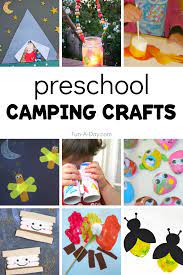
20 Fun & Engaging Preschool Camping Activities

Camping is an excellent opportunity for preschoolers to explore nature and engage in various entertaining activities. Here are 20 fun and engaging preschool camping activities that you can try during your next outdoor adventure.

1. Nature Scavenger Hunt: Create a list of items found in nature for the children to find, such as leaves, rocks, or pinecones. This activity encourages exploration and discovery.

2. Campfire Sing-Along: Gather around the campfire and sing traditional camping songs like “Kumbaya” and “Michael Row the Boat Ashore.”

3. Marshmallow Roasting: Teach children how to roast marshmallows safely over a fire and enjoy the delicious result – s’mores!

4. Storytelling: Share spooky or funny camping stories while huddled around the campfire.

5. Nature Art: Collect natural materials like leaves, sticks, and stones, and use them to create beautiful works of art.

6. Flashlight Tag: Play a game of tag with flashlights once it gets dark outside.

7. Insect Observation: Teach children about different insects they may encounter during the camping trip.

8. Tent Building: Show preschoolers how to set up tents, giving them hands-on experience with essential camping skills.

9. Camping Yoga: Practice yoga poses inspired by nature, such as tree pose, mountain pose, or downward-facing dog.

10. Wildlife Bingo: Create a bingo card with pictures of animals native to the campsite area and have children search for them throughout the trip.

11. Star Gazing: Teach children about astronomy by pointing out constellations during clear night skies.

12. Fishing: If there’s a nearby lake or river, teach children the basics of fishing (with adult supervision).

13. Nature Walks: Take short hikes around the campsite, teaching preschoolers about local flora and fauna along the way.

14. Map Reading: Introduce basic map-reading skills, helping children understand their surroundings and become confident navigators.

15. Leaf Rubbings: Gather unique leaves around the campsite and use crayons or pencils to create leaf rubbing art.

16. Bird Watching: Teach children about different bird species they might encounter while camping and how to identify them by their songs.

17. Campfire Cooking: Prepare a simple campfire meal like hot dogs or grilled cheese sandwiches, teaching preschoolers about safe cooking methods in an outdoor setting.

18. Solar Oven: Use aluminum foil and cardboard to create a makeshift solar oven, demonstrating the power of sunlight for cooking purposes.

19. Water Relay Race: Fill water buckets and have children race against each other while carrying the buckets without spilling any water.

20. Camping Journal: Encourage children to record their memories and experiences by creating a camping journal with drawings or written descriptions of the trip.

These 20 preschool camping activities offer various ways to engage young minds, teach them valuable skills, and create unforgettable memories that will last a lifetime.

20 Team Building Activities for Middle School

Introduction:

Team building activities play a crucial role in teaching and integrating teamwork skills among middle school students. These activities help to foster communication, collaboration, and problem-solving while also providing opportunities for students to socialize and have fun. Here are 20 engaging team building activities that are suitable for middle school students.

1. Human Knot: Students stand in a circle, reach in with their right and left hands to grab other students’ hands, and then attempt to untangle themselves into a perfect circle without letting go of any hands.

2. Trust Walk: Students work in pairs, with one student blindfolded. The blindfolded student must rely on the verbal guidance of their partner to navigate through an obstacle course.

3. Egg Drop Challenge: In groups, students design and create a structure using various materials to protect an egg from breaking when dropped from a certain height.

4. Puzzle Relay: Teams race against each other to complete a jigsaw puzzle, with one team member working on the puzzle at a time and switching out when the teacher signals.

5. Silent Line-Up: Without speaking or using gestures, students must line up according to specific criteria (e.g., birthdate or shoe size).

6. Two Truths and a Lie: Students take turns sharing two true statements and one false statement about themselves, while the rest of the group tries to guess which statement is the lie.

7. Marshmallow Tower Challenge: Using marshmallows and toothpicks, teams compete to build the tallest free-standing tower within a set time limit.

8. Human Conveyor Belt: Students sit in two lines facing each other. They must pass objects down the line using only their feet.

9. Paper Plate Balloon Race: Groups work together to balance a balloon on a paper plate as they navigate through an obstacle course.

10. Memory Wall: Teams work together to memorize a wall of various objects and then recreate the arrangement from memory.

11. Blind Drawing: In pairs, one student describes a simple shape or picture without revealing what it is, while their partner attempts to draw it based on the description.

12. Shipwreck: Participants pretend they are stranded on an island and must work together to create a survival plan using limited resources.

13. Relay Race: Students participate in various relay races, promoting teamwork to complete the race as quickly as possible.

14. Hula Hoop Pass: The group stands in a circle holding hands and must pass a hula hoop around the circle without breaking hand contact.

15. Scavenger Hunt: Groups race against each other to find specific items or complete tasks hidden around the school or play area.

16. Three-Legged Race: Pairs of students have their adjacent legs tied together and must work together to race across the finish line.

17. Chain Reaction: Teams are tasked with creating a continuous chain reaction using different objects and materials, with each action triggering another action.

18. Human Sculptures: Within their assigned teams, students create living sculptures based on various themes, using their bodies for visual imagery.

19. Escape Room Challenge: Teams work together to solve puzzles and riddles in order to escape a themed room within a set time limit.

20. Around the World Trivia: Groups compete in trivia games, answering questions about different cultures and countries around the world.

Conclusion:

Team building activities are an essential part of any middle school educational program as they contribute significantly to fostering strong relationships amongst students while also instilling essential teamwork skills necessary for success both in and out of the classroom. By engaging in these 20 fun-filled activities, middle school students will enhance their communication, problem-solving and collaboration capabilities.

28 Awesome Alphabet Activities for Pre-schoolers

Introduction

Teaching the alphabet to pre-schoolers is not only an important milestone in their education, but it can also be a fun and interactive experience. With these 28 awesome alphabet activities for pre-schoolers, you’ll have your little ones learning and laughing in no time!

1. ABC Scavenger Hunt: Hide letter cards around the room and have your students search for them while identifying the letters they find.

2. Letter Matching Game: Create a set of uppercase and lowercase letter cards and let children match them up.

3. Alphabet Bingo: Create bingo cards using letters of the alphabet, call out the letters, and have kids place markers on the corresponding letter.

4. Letter Jumping: Write letters on large pieces of paper and place them on the floor, then encourage kids to jump from one letter to another while saying the letter name.

5. Alphabet Stickers: Give each child a set of alphabet stickers to arrange in order on a paper.

6. Letter Collage: Collect various materials (e.g., magazines, newspapers) for kids to cut out letters and create a collage with their first name or other words.

7. Sidewalk Chalk Letters: Give children sidewalk chalk to practice writing letters outside.

8. Alphabet Play Dough: Use letter-shaped cookie cutters with play dough for children to form different letters.

9. Alphabet Puzzles: Provide puzzles with varying levels of difficulty involving letters.

10. Fishing for Letters: Attach magnets to plastic letters and have kids “fish” for them using a makeshift fishing pole with a magnet tied to the string.

11. Alphabet Cookies: Bake cookies in the shape of each letter and enjoy decorating them together.

12. Letter Sorting Activity: Sort toys or objects based on their beginning sounds or written labels containing specific letters.

13. Clothespin Letters: Write individual letters on clothespins and have children match them to corresponding letters on a paper or index cards.

14. Alphabet Memory Game: Create pairs of letter cards and play a game of memory, trying to match the upper and lowercase versions.

15. Alphabet Beanbags: Toss lettered beanbags into buckets or baskets labeled with corresponding letters.

16. Alphabet Finger Puppets: Make finger puppets for each letter of the alphabet and use them to act out stories or create new words.

17. Letter Sounds Listening Game: Play audio clips of different letter sounds and have children identify the corresponding letters.

18. Alphabet Roads: Make roads out of tape and place different letters along the path for miniature cars to drive over while saying each letter’s name.

19. Sandpaper Letters: Create letters using sandpaper and encourage kids to trace over them for sensory practice.

20. Magnetic ABCs: Put up a magnetic board with magnetic letters, create words, or ask students to identify each letter.

21. Painting Letters: Use watercolors or finger paints to let children freely paint letters onto paper.

22. Letter Stamping: Equip kids with stamps in the shapes of alphabet letters and encourage them to create words or artwork that incorporates their newfound skills.

23. Pipe Cleaner Letters: Provide pipe cleaners for kids to bend and shape into various letters.

24. Letter Hunt: Give children a specific letter to search for throughout the classroom or home and have them count how many they find.

25. Alphabet Yoga: Teach children different yoga poses that resemble each letter of the alphabet.

26. Letter Themed Storytime: Read picture books that prominently feature specific letters as story elements.

27. Alphabet Building Blocks: Encourage children to use building blocks to construct their own creations while incorporating their understanding of the alphabet at the same time!

25 Edible Science Experiments for Kids

Introduction:

Introduce little scientists to the world of chemistry, physics, and biology with these fun and educational edible science experiments. With 25 exciting hands-on activities, your children will not only learn crucial scientific concepts, but they will also get to enjoy tasty treats! Encourage curiosity and creativity in the kitchen while making learning fun and delicious.

1. Fizzy Lemonade: Teach kids about chemical reactions by making a carbonated lemonade with lemon juice, baking soda, and sugar.

2. Rock Candy Experiment: Observe the process of crystal formation by growing rock candy sticks in sugar-water mixture.

3. Ice Cream in a Bag: Understand how salt helps in reducing the freezing point of water while making homemade ice cream.

4. Edible Marshmallow Slime: Create a non-toxic thick slime using marshmallows that kids can enjoy playing with and eating.

5. Gummy Bear Osmosis: Watch gummy bears grow as they absorb water through osmosis.

6. Homemade Butter: Shake heavy cream vigorously to separate the fat and liquid, teaching kids about emulsions.

7. Rainbow Skittles Density Experiment: Arrange Skittles around the edge of a plate, pour water gently, and watch colors separate due to varying densities.

8. Edible Lava Lamp: Combine water, oil, food coloring, and antacid tablets to explain density principles.

9. Fudge Crystal Classification: Make fudge and discuss crystallization while students classify their fudge crystals based on their size.

10. Invisible Ink Lemon Juice: Write secret messages using lemon juice as invisible ink that later appear when paper is heated with a lamp.

11. Edible Playdough: Make playdough from peanut butter, honey, and powdered milk for a hands-on sensory experience that’s safe to eat.

12. Microwave Marshmallow Expansion: Teach about heat and gas expansion by microwaving marshmallows.

13. Disappearing Eggshell Experiment: Place an egg in vinegar to dissolve its shell, demonstrating acidic reactions.

14. Stickiness of Spider Webs: Explore the stickiness of sugar solution as a model for spider webs with different shapes and sizes.

15. Bread Mold Observation: Learn about fungi and mold growth by comparing bread slices placed in varying conditions.

16. Edible Water Bead Sensory Play: Develop tactile learning experience using tapioca pearls soaked in colored water.

17. Milk and Food Coloring Magic: Add food coloring to milk, touch the surface with a cotton swab dipped in dish soap, and witness the explosive color show due to surface tension changes.

18. Dancing Gummy Worms: Study how bubbles help the gummy worms dance in a mixture of baking soda, water, and vinegar.

19. Ice Fishing Experiment: Learn how ice fishers use salt to melt ice more effectively while experimenting with yarn and ice cubes.

20. Bubble Wands and Edible Bubble Solution: Create bubble wands with pipe cleaners and dip them in an edible bubble solution made from juice concentrate and gelatin powder.

21. Chocolate Chip Cookie Geology: Dissect chocolate chip cookies to discover layers and principles of sedimentary rocks.

22. Alka-Seltzer Ocean Exploration Experiment: Dive into ocean pressure and compression by using Alka-Seltzer tablets in water-filled bottles.

23. Berry DNA Extraction: Extract DNA strands from berries while learning about genetics and cellular structures.

24. Color-Changing Tea Chemistry: Observe color change while brewing flower teas with different pH levels using pH indicator solutions from red cabbage juice or butterfly pea flower tea.

25. Edible Amber Fossils Experiment: Make amber fossils using honey or hard candy, preserving small fruits.

Latest Posts