Art Education

Building a Positive Self-Concept: Emotional Resourcefulness

Introduction

In today’s fast-paced world, having a positive self-concept is vital to achieving personal and professional success. A healthy self-concept enables individuals to face challenges confidently, as well as interpret and process their emotions effectively. Emotional resourcefulness plays a critical role in building a solid foundation of self-concept, enabling individuals to navigate life with resilience and adaptability. This article delves into the significance of emotional resourcefulness in cultivating a positive self-concept, along with tips and strategies for developing it.

Understanding Emotional Resourcefulness

Emotional resourcefulness refers to an individual’s ability to understand, manage, and express their emotions effectively without being overwhelmed or controlled by them. Possessing emotional resourcefulness allows you to acknowledge your feelings, address your needs and wants accordingly and maintain a healthy sense of self-awareness.

The Importance of Emotional Resourcefulness in Building a Positive Self-Concept

1.Enhances self-awareness: Gaining insight into your emotions helps you better understand who you are and how your feelings influence everything from communication to decision-making. Increased self-awareness lays the groundwork for a more robust self-concept.

2.Boosts resilience: Emotionally resourceful individuals can bounce back from setbacks quickly because they can process their feelings constructively without dwelling on negative emotions for long periods.

3.Develops adaptability: Knowing how to manage emotions effectively allows individuals to adapt to different situations with ease and confidence, further reinforcing their sense of self-worth.

4.Improves interpersonal relationships: Emotionally resourceful people can communicate their thoughts and feelings more effectively, leading to healthier relationships personally and professionally, which can positively impact their self-concept.

Strategies for Developing Emotional Resourcefulness

1.Embrace journaling: Consistently writing down thoughts, emotions, and experiences can help develop emotional awareness and processing skills.

2.Practice mindfulness: Engaging in mindfulness exercises, such as meditation and deep breathing, can help in cultivating emotional balance and self-awareness.

3.Seek support from a professional: Engaging with a therapist or counselor allows individuals to gain perspective on their emotions and receive guidance for managing them effectively.

4.Surround yourself with positive influences: Build a network of supportive, emotionally insightful individuals who can help you cultivate a healthy sense of emotional resourcefulness.

5.Engage in self-reflection regularly: Make it a habit to assess your emotional responses to different situations, learning from past experiences and making necessary adjustments for future encounters.

Conclusion

In conclusion, emotional resourcefulness plays an indispensable role in shaping a positive self-concept. By actively developing this skill set, individuals reinforce their self-awareness, resilience, adaptability, and interpersonal skills. Investing time and effort into building emotional resourcefulness will empower individuals to face life’s challenges confidently and continue on the path to personal growth and success.

15 Dr. Seuss “Oh, the Places You’ll Go” Inspired Activities

Introduction:

Dr. Seuss’s “Oh, the Places You’ll Go” is a timeless classic that has inspired generations of children and adults alike. Why not bring that magic and wonder to life with some creative activities? Here are 15 “Oh, the Places You’ll Go” inspired activities that you can do with your kids, in your classroom, or even just for yourself!

1. Balloon Painting

Using water balloons filled with paint, let your imagination soar as you create colorful balloon-popping art.

2. DIY Hot Air Balloon Craft

Create a mini hot air balloon using paper cups, string, and colorful tissue paper.

3. Mountain Range Collage

Make a stunning mountain range collage using various colors of construction paper and markers.

4. Create a Travel Journal

Encourage children to document their real or imaginary journeys in a personal travel journal.

5. Quote-inspired Coloring Pages

Design coloring pages featuring popular quotes from Dr. Seuss’s book.

6. Adventure Storytelling

Spin your own imaginative tales of adventure using the themes and imagery from “Oh, the Places You’ll Go!”

7. Destination Hats

Inspired by Dr.Seuss’s whimsical hats, create your own using craft supplies to represent different destinations.

8. Travel Suitcase Art

Design and decorate suitcases out of cardboard or shoeboxes, perfect for storing memories from your adventures.

9. Puzzle Maps

Create maps of real or imaginary lands using homemade puzzles that can be reassembled time and time again.

10. Balloon-Powered Car Races

Put together race cars powered by inflated balloons to race along with friends or family members.

11. Maze Adventures

Design complex mazes for your kids to navigate through using chalk on pavement or paper inside.

12. Truffula Tree Forests

Inspired by the colorful forest in Dr. Seuss’s “The Lorax,” create your own Truffula tree forest using pipe cleaners and pom-poms.

13. Create a Dr. Seuss-Inspired Cookbook

Compile a selection of fun and wacky recipes inspired by Dr.Seuss’s imaginative world.

14. Acting Out Scenes

Choose your favorite scenes from “Oh, the Places You’ll Go!” and act them out with friends or share them with people through video recordings.

15. Inspirational Vision Boards

Create a vision board using quotes and illustrations from the book, alongside personal goals and aspirations.

Conclusion:

Embrace the spirit of adventure and imagination that is central to “Oh, the Places You’ll Go!” with these 15 activities that bring Dr. Seuss’s celebrated book to life. Whether you’re seeking inspiration, creativity, or simply an enjoyable time with friends or family, these activities will create lasting memories and inspire you to explore all the places you can imagine!

30 Famous Paintings All Students Should Know

Art has always been an integral part of human culture, and famous paintings remain some of the most recognizable works of art globally. As a student, knowing these iconic paintings will provide a foundation for understanding the diverse styles, methodologies, and historical context that have shaped the art world over time. Here is a list of 30 famous paintings all students should know:

1. The Last Supper – Leonardo da Vinci (1495-1498)

2. Mona Lisa – Leonardo da Vinci (1503–1506)

3. The Creation of Adam – Michelangelo (1511-1512)

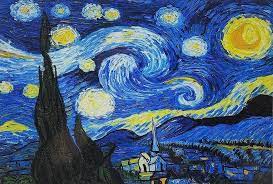
4. The Starry Night – Vincent Van Gogh (1889)

5. Guernica – Pablo Picasso (1937)

6. The Scream – Edvard Munch (1893)

7. The Persistence of Memory – Salvador Dalí (1931)

8. Girl with a Pearl Earring – Johannes Vermeer (1665)

9. The Birth of Venus – Sandro Botticelli (1484-1486)

10. American Gothic – Grant Wood (1930)

11. Water Lilies – Claude Monet (1896-1926)

12. Las Meninas – Diego Velázquez (1656)

13. The Garden of Earthly Delights – Hieronymus Bosch (1500–1510)

14. Luncheon on the Grass – Édouard Manet (1863)

15. Primavera – Sandro Botticelli(1477-1482)

16. Christina’s World – Andrew Wyeth (1948)

17. Nocturne in Black and Gold: The Falling Rocket – James Abbott McNeill Whistler(1875)

18. A Sunday on La Grande Jatte – Georges Seurat(1884-1886)

19. Sunflowers – Vincent van Gogh(1888)

20. The Son of Man – René Magritte (1964)

21. Persistence of Time – Salvador Dalí (1931)

22. The Arnolfini Portrait – Jan van Eyck(1434)

23. The Night Watch – Rembrandt(1642)

24. The School of Athens – Raphael(1509-1511)

25. Dance at Le Moulin de la Galette – Pierre-Auguste Renoir(1876)

26. The Third of May 1808 – Francisco Goya(1814)

27. Liberty Leading the People – Eugène Delacroix(1830)

28. Whistler’s Mother – James Abbott McNeill Whistler(1871)

29. The Kiss – Gustav Klimt(1907–1908)

30. Three Musicians – Pablo Picasso (1921)

As a student, it is essential to know these iconic paintings to recognize the diverse artistic styles and historical context that has shaped the world of art throughout centuries. To boost your understanding, try visiting museums, galleries, and online resources to explore these masterpieces in more detail and learn about their creators’ lives and inspirations. Additionally, knowing these famous paintings will not only help you excel academically but enrich your cultural knowledge and appreciation for art in all its forms.

15 Fun Chicka Chicka Boom Boom Activities for Kids!

Introduction:

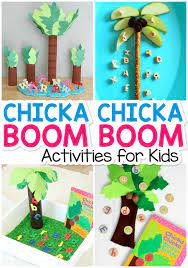
Chicka Chicka Boom Boom, the beloved children’s book by Bill Martin Jr. and John Archambault, is a delightful story about letters climbing up a coconut tree. This rhythmic and colorful tale has inspired countless activities for young children, combining alphabet learning with play. Here are 15 fun activities that you can enjoy with your little ones based on this popular book!

1. Letter Tree Craft:

Create a colorful coconut tree using construction paper, pipe cleaners, and letter stickers. Children can place the stickers on the tree as they climb up and learn the alphabet.

2. Coconut Bowling:

Set up pins with letters from the book and use a coconut to bowl them over. Kids will love knocking down their favorite characters while practicing letter recognition.

3. ABC Dance Party:

Put on some music and have a dance party where kids shake their “coconuts” (maracas) as you call out different letters from the book.

4. Storytelling Sand Tray:

Create a fun sensory experience by filling a tray with sand and adding toy letters. Encourage children to recreate Chicka Chicka Boom Boom’s story as they play with the alphabet in the sand.

5. Letter Matching Game:

Design your own Chicka Chicka memory game by creating pairs of matching letter cards. As kids turn over the cards, they’ll practice recognizing upper- and lowercase letters.

6. Coconut Counting:

Dip small coconuts or pebbles in paint, then have kids press them onto paper to create letter shapes and count how many they used for each character.

7. ABC Relay Race:

Divide children into teams and have a relay race where they pick up letters along their route to build words inspired by the story.

8. Alphabet Hide-and-Seek:

Write individual letters from Chicka Chicka Boom Boom on small cards or sticky notes, and hide them around your home. Have kids search for the hidden letters and practice saying their names as they find them.

9. Storytelling Magnets:

Create letter magnets using foam alphabet stickers and place them on a magnetic surface as you retell the story together.

10. Chicka Chicka Boom Boom Sensory Bin:

Fill a large container with shredded green paper to represent the coconut tree canopy, then add toy letters or letter-shaped objects for children to explore with their hands.

11. DIY Alphabet Puzzles:

Design puzzles with letter pairs from the book by drawing the corresponding characters on two pieces of cardboard or foam. Have children find and match the right pieces together.

12. Coconut Balloon Game:

Write letters from Chicka Chicka Boom Boom on balloons, then have kids try to keep the balloons in the air as they call out each letter’s name.

13. Letter Sort:

Use a plastic yellow or brown placemat (or tray liner) as a “coconut tree.” Children can then sort different alphabet letters onto different branches of their coconut tree.

14. Letter Size Activity:

Create two sets of upper- and lowercase letters with small and large sizing, then let your child match them according to size – small lowercase with small uppercase, and large lowercase with large uppercase letters.

15. Chicka Chicka Boom Boom Dramatic Play:

Set up a pretend play space with dress-up clothes, toy coconuts, and artificial palm trees where children can act out scenes from Chicka Chicka Boom Boom’s story.

Conclusion:

These 15 stimulating activities will keep your child entertained while learning the alphabet through Chicka Chicka Boom Boom’s story! Encourage creativity and active learning with these fun and educational activities that celebrate this classic children’s book.

Storytelling An Enrichment Activity

Introduction

Storytelling has been an integral part of human culture for thousands of years. It is an essential tool for communication, entertainment, and education, stretching the boundaries of our imagination. As an enrichment activity, storytelling offers numerous benefits to participants of all ages, making it a valuable addition to any learning environment.

The Power of Storytelling

At its core, storytelling is the act of sharing stories with others, either orally or through other mediums such as written word, film, or visual art. When engaged in storytelling as an enrichment activity, individuals can experience a wide range of advantages:

1.Improved Creativity

Storytelling requires imagination and creativity. By actively participating in crafting and sharing stories, individuals can enhance their creative thinking skills and problem-solving abilities. This can be especially beneficial for children who are still developing these essential life skills.

2.Enhanced Communication

Whether oral or written, effective storytelling relies on clear and concise communication. This enriching activity enables individuals to practice speaking or writing in a cohesive manner while expanding their vocabulary and understanding of language.

3.Increased Empathy

Storytelling often involves characters facing unique challenges and learning from their experiences. By exploring these fictional narratives, participants can cultivate empathy and compassion by imagining themselves in someone else’s shoes.

4.Cultural Exchange

Sharing stories from different cultures increases awareness and respect for diversity. Through storytelling, individuals can gain a deeper understanding of various traditions and lifestyles while fostering a sense of global community.

5.Bonding Experiences

Telling stories together can create strong bonds among family members or friends, promoting unity within communities. For older adults, reminiscing through personal anecdotes can help preserve family history and strengthen intergenerational connections.

6.Memory Enhancement

Storytelling can improve memory retention by encouraging active listening and concentration skills. Engaging in this activity also stimulates the brain, increasing neuroplasticity – the ability to form new connections and pathways in the mind.

How to Incorporate Storytelling as an Enrichment Activity

To enjoy the benefits of storytelling, consider implementing this activity into everyday life:

1.Group Storytelling: Create a family or group story by taking turns adding a few sentences each. This collaborative process encourages cooperation and creative thinking.

2.Reading Aloud: Encourage children to read stories out loud and discuss their thoughts afterwards to help build reading comprehension skills and enhance oral communication.

3.Community Events: Host or attend local storytelling events such as open mic nights, workshops, or festivals as a way to connect with others and exchange stories.

4.Digital Storytelling: Utilize technology to create podcasts, videos, or interactive narratives that can be shared with others.

Conclusion

Storytelling is a versatile enrichment activity that engages the mind, nourishes creativity, and fosters connections among people from all walks of life. By incorporating storytelling into education programs, family gatherings, or social events, individuals can experience these valuable benefits while simultaneously preserving the ancient art of sharing stories.

10 Exciting Ways to Incorporate the Day it Rained Hearts Into Your Classroom

1.Read Aloud: Begin by reading “The Day it Rained Hearts” by Felicia Bond to your students. Encourage active listening by asking students to predict what will happen next and share their thoughts on the story.

2.Retell the Story: In small groups, have students retell the story using their own words or create a storyboard with illustrations to depict the events in the book.

3.Heart Mobiles: A fun and engaging hands-on activity is for students to create their own heart mobiles using construction paper, string, and art supplies. Display these creations around the classroom as a reminder of the story’s important message.

4.Writing Prompt: Ask students to imagine a day when it rained something other than hearts. Provide a writing prompt asking them what it rained, how they would feel, and what they would do with what fell from the sky.

5.Science Connection: Teach a science lesson on rain and cloud formations, incorporating facts about how rain occurs in nature. Encourage students to compare these scientific facts with the magical event from the book.

6.Heart Math: Incorporate math by giving students various heart-themed math problems and activities, such as measuring different sized hearts or counting collections of hearts using different methods (sorting, graphing, etc.).

7.Character Analysis: Have students choose one of the characters in the book (such as Cornelia Augusta) and analyze their thoughts, feelings, and actions through writing or during group discussions.

8.Theme Exploration: Discuss themes of kindness, friendship, and creativity found in “The Day it Rained Hearts.” Encourage students to think about how these themes relate to their lives and generate ideas for spreading kindness in their own communities.

9.Art Connection: Create heart-related art projects such as thumbprint heart cards, tissue paper stained glass hearts, or friendship bracelets with heart patterns to further engage your students in the story and its messages.

10.Dramatic Play: Lastly, transform a corner of the classroom into a scene from the book (such as Cornelia’s workshop) for students to act out the story or create their own plotlines inspired by “The Day it Rained Hearts.”

By including these exciting and enriching activities in your classroom, you can promote literacy skills, critical thinking, creativity, and social-emotional learning while sharing the magic of “The Day it Rained Hearts” with your students.


20 Phenomenal 5-Minute Activities for Preschoolers

Engaging a preschooler’s curiosity and energy can be challenging, but with these 20 phenomenal 5-minute activities, you can keep them entertained and educated all at once. These quick, fun, and simple ideas are perfect for keeping your preschooler occupied while promoting their creativity, learning, and motor skills.

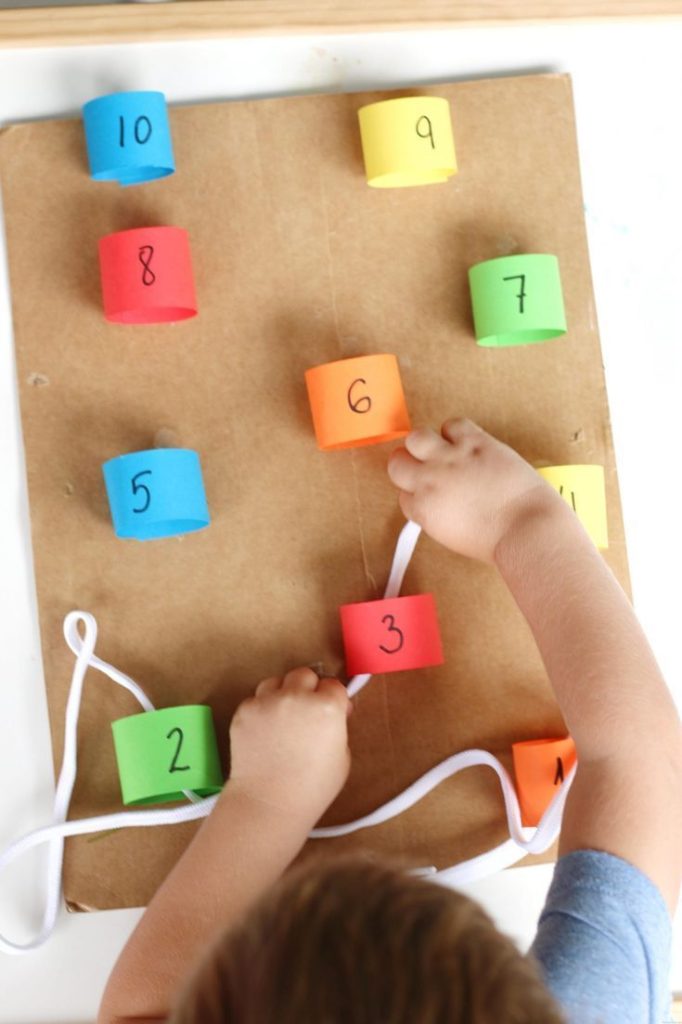
1.DIY Playdough: Mix flour, salt, water, and food coloring to create homemade playdough that children can use to form shapes and creatures.

2.Storytelling Dice: Make dice with pictures or words on each side, then take turns rolling them and inventing stories based on the images shown.

3.Freeze Dance Party: Play music and encourage your child to dance along. Pause the music randomly so kids must freeze in funny poses.

4.Sensory Box: Fill a plastic bin with different textures, such as dry pasta, rice, or sand for your child to explore using their hands.

5.Alphabet Coloring: Print out large letters of the alphabet and have your child color it creatively while learning about letter recognition.

6.Cup Stacking: Provide plastic cups for children to stack into towers before knocking them down for endless entertainment.

7.Scavenger Hunt: Hide small toys or objects around the room and give your child simple clues to find them.

8.Straw Painting: Put a few drops of tempera paint on paper and ask your child to spread the colors using a straw by blowing air through it.

9.Simon Says: Play this classic game where you give commands (e.g., “Simon says touch your nose”) and your child has to follow them.

10.Finger Puppet Theater: Create finger puppets using paper or cloth, then put on a short puppet show with an exciting plot.

11.Paper Tearing Art: Provide colorful paper or old magazines for children to tear into funky shapes and form a collage.

12.Animal Imitation: Call out the name of an animal and ask your child to mimic its sounds and movements.

13.Balloon Volleyball: Blow up a balloon and play a gentle game of volleyball, keeping the balloon off the ground.

14.Memory Game: Lay out pairs of matching cards face down, then have your child find matching pairs by flipping over two cards at a time.

15.Bubble Blowing: Mix dish soap and water in a small container and use a straw or bubble wand to blow bubbles for your child to chase.

16.Follow the Leader: Have your child follow you as you make funny movements or actions they need to imitate.

17.Sorting Game: Provide various objects such as buttons, coins, or pompoms for children to categorize by colors, size, or shape.

18.Weather Report: Ask your child to look outside and describe the weather using terms like sunny, cloudy, or rainy.

19.Rice Paper Art: Place food coloring on uncooked rice grains and let your child create patterns by pressing them onto wet paper towels.

20.Mirror Mirror: Look in the mirror with your child and take turns making silly faces until one person can’t help but laugh.

These 5-minute activities are designed to keep preschoolers engaged while helping them learn important skills during their early years. Try them out and see which ones become your child’s favorites!

10 Superb Girl Scout Camp Activity Ideas

Introduction:

Camping is a great way for Girl Scouts to learn new skills, make friends, and build confidence. With numerous possible camp activities to choose from, it’s essential to select ones that are both fun and educational. Here are ten superb Girl Scout camp activity ideas that will engage and inspire the girls in your troop.

1. Nature Scavenger Hunt:

A nature scavenger hunt encourages scouts to explore their surroundings and develop observation skills. Create a list of plants, animals, and other natural features for the girls to find and photograph or collect during the hunt.

2. Compass Orienteering:

Teach girls how to use a compass and map to navigate through the campsite. Set up a simple course with markers or checkpoints for them to find, allowing them to practice their newfound skills while working as a team.

3. Outdoor Cooking:

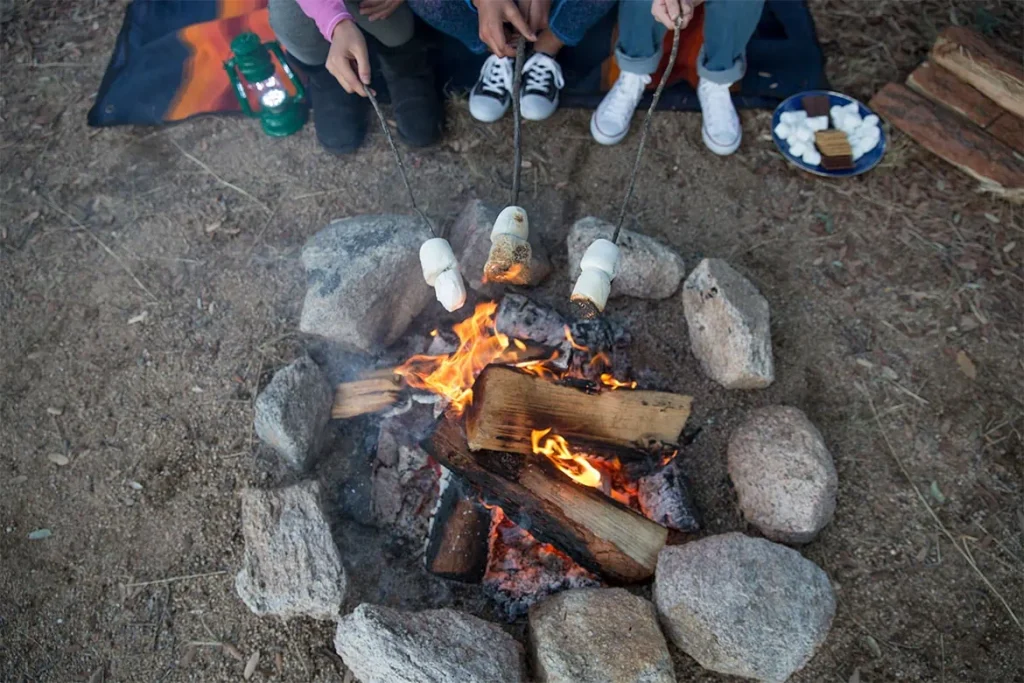
Introduce the scouts to cooking over an open fire or portable camp stove. Teach them basic recipes such as foil packet meals, s’mores, or banana boats to enjoy together around the campfire.

4. Leave No Trace Workshop:

Educate your troop about Leave No Trace principles that help protect nature during their outdoor adventures. Organize a workshop demonstrating how to minimize their impact by practicing proper waste disposal, respecting wildlife, and preserving natural resources.

5. Knot-Tying Lessons:

Knot-tying is an essential outdoor skill for every scout. Provide hands-on lessons on how to tie various knots such as the square knot, bowline knot, and taut-line hitch.

6. Astronomy Night:

Turn the campout into a stargazing adventure by teaching scouts about constellations, planets, and other celestial features found in the night sky. Bring along a telescope or binoculars for an up-close look at the stars.

7. Water Activities:

If water is available at your campsite, organize water-based activities like canoeing, kayaking, swimming, or fishing. These activities help develop confidence and strength while fostering appreciation for the aquatic environment.

8. Team-building Games:

Organize games that require collaboration, communication, and problem-solving skills to strengthen bonds among troop members. Examples include blindfolded obstacle courses, “human knot,” and trust falls.

9. Arts & Crafts:

Camping provides the perfect setting for inspiring creativity. Plan an arts and crafts session using natural materials found around the campsite like leaves, twigs, and stones to create memorable keepsakes.

10. Wildlife Watching:

Encourage scouts to observe and appreciate local wildlife during their camping experience. Guided nature walks with a focus on identifying specific animals or birdwatching excursions are excellent ways to foster curiosity.

Conclusion:

These ten superb Girl Scout camp activity ideas are sure to make any camping trip unforgettable. By incorporating teamwork, skill development, and appreciation for the environment, you will create a well-rounded camping experience tailored to your troop’s interests. Happy camping!

20 Creative Bubble Painting Ideas for Kids

Introduction:

Bubble painting is a fun and engaging activity that allows children to explore their creativity and develop fine motor skills. It’s perfect for kids of all ages, as it requires minimal setup and clean-up. This article will discuss 20 creative bubble painting ideas for kids to try at home or in the classroom.

1. Rainbow Bubbles: Add a drop of food coloring to different containers filled with bubble solution; then let the kids create amazing rainbow bubble paintings by blowing bubbles onto paper.

2. Bubble Prints: Encourage children to blow bubbles directly onto paper, then gently press another sheet on top to create abstract prints.

3. Nature-Inspired Paintings: Take the activity outside and use leaves, flowers, or sticks to create unique patterns and designs with the bubbles.

4. Giant Bubbles: Fill up a kiddie pool or large container with bubble solution and let children create enormous bubble paintings using hula hoops or large wands.

5. Bubble Stencils: Create bubble paintings using stencils or taped shapes on paper as a guide for a more structured masterpiece.

6. Watercolor-Inspired Bubble Art: Let the kids water down their bubble paintings for a beautiful watercolor effect.

7. Collaborative Art Projects: Have children work together to create a large-scale bubble painting that will make a stunning classroom display!

8. Bubble Painted Animals: Use bubble prints as the base for animal faces, which can be decorated with additional materials such as googly eyes, pipe cleaners, or colorful construction paper shapes.

9. Swirl Paint Designs: Using straws, have kids gently blow at the bubble painting to create swirls and interesting patterns in their art.

10. Bubble Painted Alphabet: Challenge your little ones to create each letter of the alphabet using blown bubbles on card stock

11. Blow under The Influencer Art Project: Inspired by famous works of art, children can create versions of paintings using bubble paint.

12. Save The Galaxy: Design bubble-painted planets and stars for a space-themed art project.

13. Bubble Painted Mandalas: Encourage mindfulness by creating symmetrical, circular patterns with bubble paint.

14. Bubble-Painted Seasons: Create a series of paintings representing each season – spring blossoms, summer beach scenes, fall foliage, and winter wonderland.

15. Under-The-Sea Adventure: Utilize bubble paint to create an underwater scene complete with fish, seaweed, and other marine life.

16. Bubble-Painted Trees: Blow bubbles onto paper to create tree trunks and branches, then use finger painting for the leaves or blossoms.

17. Splatter Bubble Paint: Add paint-filled water balloons to your activity and allow children to pop them over the canvas for a splatter effect.

18. Bubble Painted Silhouettes: Use pre-cut silhouettes or have children make their own before allowing them to blow bubbles onto it, creating a unique piece of art that showcases their silhouette against their bubble painting

19. Layered Creations: Create multiple layers of bubble art on a single canvas using different colors for added depth and visual interest.

20. Glowing Masterpieces: Add some glow-in-the-dark paint or pigment to the bubble solution for an unforgettable nighttime painting experience!

Conclusion:

These 20 creative bubble painting ideas offer a variety of enjoyable projects that will engage kids in artistic exploration while promoting creativity and skill development. So, grab some bubble solution, paper, and colorants – it’s time to start blowing bubbles and create amazing works of art!

15 Activities Inspired by “Where the Wild Things Are”

“Where the Wild Things Are” by Maurice Sendak is a timeless children’s classic filled with adventure, imagination, and lessons about personal growth. This beloved book has inspired countless children to explore their own wild sides through creative activities and learning experiences. Here are 15 fun activities inspired by “Where the Wild Things Are” that you can use at home or in your classroom.

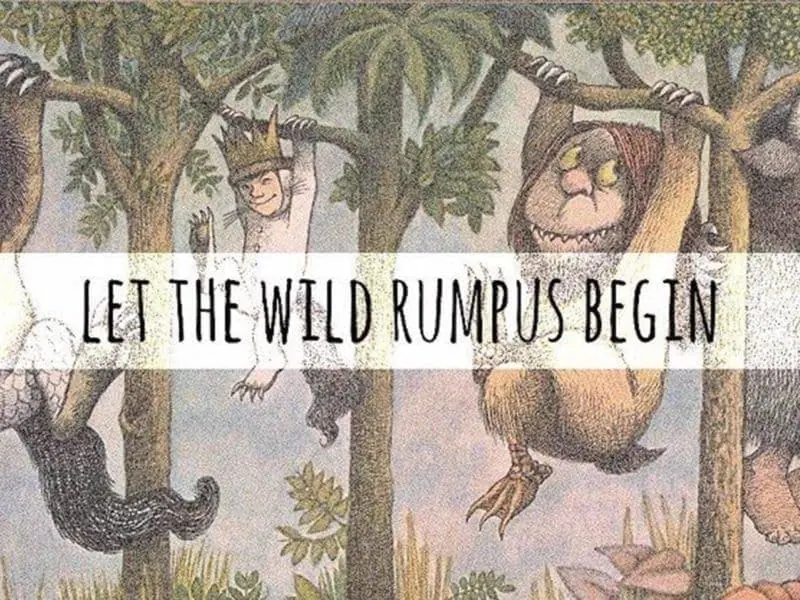
1. Wild Rumpus Dance Party: Turn on some lively music and have a wild rumpus dance party! Children can stomp, roar, and twirl while pretending to be wild things.

2. Monster Masks: Create your own monster masks using paper plates, construction paper, paint, and other craft materials.

3. Boat Racing: Make boats out of recycled materials such as egg cartons or plastic bottles, then race them in the water.

4. Storytelling: Have children retell the story or create their own “Wild Things” adventures through storytelling or dramatic play.

5. Shadow Puppets: Use flashlights to create shadows on a wall, then have children act out scenes from the book using their bodies or shadow puppets made from cardboard cutouts.

6. Forest Mural: Create a mural depicting the forest where the Wild Things live using paint, glitter, stickers, and other collage materials.

7. Sensory Bin Exploration: Fill a sensory bin with items from nature or other forest-themed materials for children to explore.

8. Costume Parade: Encourage children to dress up as Wild Things or other characters from the story and have a parade around the school or neighborhood.

9. Monsters in Disguise Game: Play a game where one child acts as a monster in disguise while others guess their true identity based on characteristics such as sounds they make or how they move.

10. Book Club Discussion: Organize a book club discussion about “Where the Wild Things Are,” encouraging children to share their thoughts and opinions.

11. Creative Writing: Have children write a letter to one of the Wild Things, describing their own adventures as a wild thing or asking questions about the monster’s life in the forest.

12. Nature Hike: Go on a nature hike to search for items from the book such as leaf piles, wildflowers, and more.

13. Bake Monster Cookies: Make monster-themed cookies by adding your favorite ingredients like chocolate chips, nuts, and sprinkles.

14. Obstacle Course: Create an obstacle course inspired by the story’s terrain, with challenges such as crawling through “tunnels” made from blankets or climbing over “mountains” of furniture.

15. “Where the Wild Things Are” Scavenger Hunt: Hide Wild Things clues around your home or classroom and have children work together to find them all.

These activities provide a fun way to engage with “Where the Wild Things Are” while encouraging creativity and imagination in young minds. Happy exploring!