Art Education

20 Crafts and Activities Based on My Little Pony

1. My Little Pony Coloring Pages: Download and print My Little Pony coloring pages for hours of fun. Children can use their favorite colors to bring their beloved characters to life.

2. DIY My Little Pony Ears: Create custom headbands with adorable pony ears using craft foam or felt, hot glue, and a plain headband.

3. Rainbow Dash Cloud Race: Set up a racecourse with blue streamers as the finish line, and have kids race while holding cotton cloud props.

4. Pony Playdough: Create your own rainbow-colored playdough and let kids mold it into their favorite pony shapes.

5. Design Your Own Cutie Mark: Provide various art supplies for children to create their unique cutie marks, then let them wear it as a temporary tattoo or sticker.

6. Pony Bracelets: Make colorful rubber band bracelets in the colors of your favorite pony!

7. DIY Rainbow Slime: Follow a slime recipe and add vibrant food colors to create gooey slime in rainbow shades.

8. My Little Pony Bingo: Print themed bingo cards featuring pony images, then play the game with friends like your favorite characters would!

9. Pin the Tail on the Pony: A classic party game with a twist! Use cut-out pony images and tails so players can pin them on the correct pony.

10. Friendship Necklaces: Make beaded friendship necklaces, paying homage to the bond between the ponies in the show.

11. My Little Pony Puppet Show: Craft homemade paper bag or sock puppets inspired by the characters. Write a short script for children to perform!

12. My Little Pony Cookie Decorating: Bake sugar cookies shaped like ponies and provide colorful icing for decoration.

13. DIY My Little Pony Balloon Decorations: Create an adorable balloon display by attaching colored streamers as tails to helium balloons.

14. Rarity’s Gem Hunt: Hide plastic gems around the party area, and send kids on a treasure hunt to find them!

15. Fluttershy’s Nature Walk: Guide children on a nature walk where they point out different plants and animals just like Fluttershy would!

16. Princess Celestia Crown Craft: Create beautiful crowns using card stock, various art supplies, and a little bit of magic.

17. My Little Pony Story Time: Read aloud stories featuring the characters or use storybooks as prompts for kids to act out the stories.

18. DIY Pony Plushies: Sew miniature pony plushies by following simple patterns, or create no-sew versions using felt, fabric glue, and stuffing.

19. My Little Pony Memory Game: Print images of the ponies to create a matching card game that tests players’ memory skills.

20. Rainbow Dash Piñata: Finish off your party with a creative DIY piñata designed like Rainbow Dash. Fill it with candies in My Little Pony colors for extra festivity!

These 20 crafts and activities are sure to impress at any My Little Pony-themed party or playdate. Use your imagination and creativity to dive into the magical world of Equestria!

15 Slithering Snake Crafts For Kids

Are you looking for some fun and creative snake crafts to keep your little ones entertained? Look no further! We have curated a list of 15 slithering snake crafts that kids of all ages can enjoy. These crafts are not only a great way to bond with your children, but they’ll also help stimulate their creativity and imagination. Let’s jump right in!

1. Egg Carton Snakes: Transform leftover egg cartons into a colorful snake by cutting them into strips. Paint each segment with vibrant colors, and then string them together to create a slithering critter!

2. Paper Plate Snakes: Using a paper plate, simply cut it into a spiral shape and decorate it with various patterns, googly eyes, and a tongue made from pipe cleaners or construction paper.

3. Finger Puppets: Create snake finger puppets with felt or construction paper. Cut out the snake’s body and add eyes, a tongue and some colorful patterns before gluing it onto a finger-sized loop.

4. Pipe Cleaner Snakes: Provide kids with different colored pipe cleaners along with beads or buttons to thread through, creating fantastic curly snakes.

5. Button Snakes: This activity involves threading buttons onto string or yarn to create an adorable snake friend.

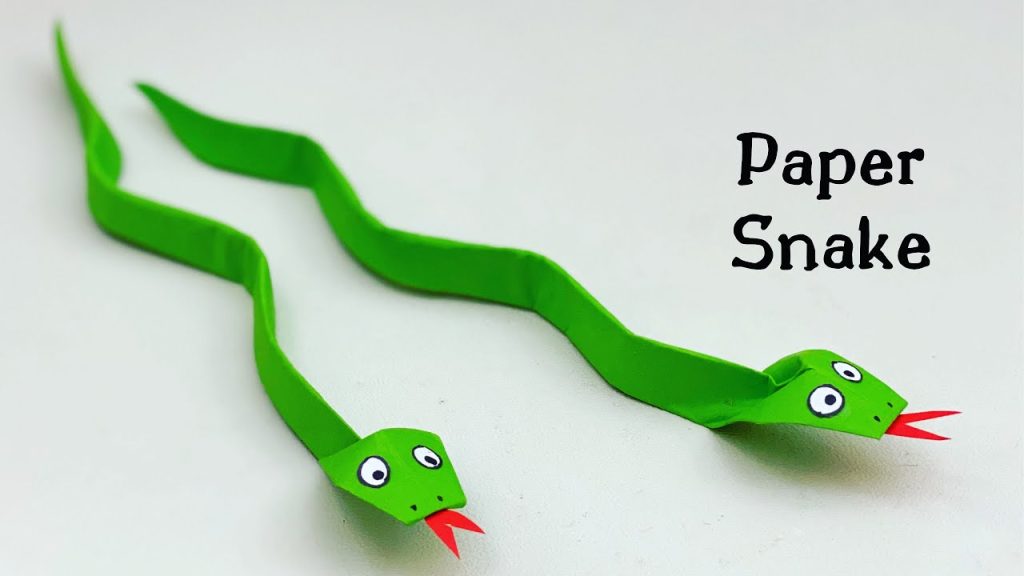
6. Folded Paper Snakes: Cut long strips of colorful paper and teach your child how to fold them like an accordion, allowing them to create 3D snakes that can wiggle and move.

7. Clay Snakes: Grab some modeling clay – air-dry or oven-bake varieties work best – and let your child sculpt their very own serpentine pals.

8. Toilet Paper Roll Snakes: Reuse toilet paper rolls by painting them, adding facial features (googly eyes work great!), cutting slits for legs if desired, and connecting multiple rolls for extra-long snakes!

9. Stuffed Sock Snakes: Transform a pair of old socks into soft, huggable snake toys by filling them with stuffing, sewing the ends closed, and adding facial features.

10. Popsicle Stick Snakes: Glue multiple Popsicle sticks together, side-by-side, to form a snake’s body. Paint the edges and add googly eyes for extra charm.

11. Beaded Snakes: Teach your kids about patterns as they construct a snake using multi-colored beads or pasta noodles strung onto a pipe cleaner.

12. Snake Mobiles: Create hanging snake mobiles using construction paper, string, dowels, and beads to create a visually appealing decoration for your child’s room.

13. Foam Snakes: Utilize brightly colored craft foam to make flat snakes embellished with various shapes and patterns.

14. Bubble Wrap Snakes: Paint over bubble wrap with an assortment of colors, press painted side down on paper, and carefully peel it off to reveal a stunning textured snake skin design.

15. Nature-Inspired Snakes: Embark on an outdoor scavenger hunt to collect fallen leaves, twigs, and small rocks, then use these natural elements to create a fascinating snake sculpture or collage.

With these 15 slithering snake crafts now in your arsenal, you and your kids are sure to have endless hours of creative fun! Don’t be afraid to put your own spin on any craft idea or even invent new ones – the possibilities are endless!

20 Creative Coyote Activity Ideas

Coyotes are fascinating and intelligent creatures that have adapted to a wide range of habitats. Whether you’re an animal lover, a wildlife enthusiast, or simply curious about these canines, here are 20 creative coyote activity ideas for learning, entertainment, and a deeper connection to these captivating animals.

1. Coyote Nature Walk: Take a guided nature walk through a park or reserve known for coyote sightings to learn more about their habits and habitats.

2. Coyote Tracking: Join a local wildlife tracking group or attend a workshop on identifying coyote tracks and signs in the wild.

3. Build A Coyote Den: Create a miniature replica of a coyote den using natural materials like sticks and leaves.

4. Coyote Art: Design your own coyote-themed artwork using paint, pastels, or any other preferred medium.

5. Write A Coyote Story: Create an imaginative story inspired by the life of a coyote protagonist.

6. Shadow Puppet Theatre: Bring your coyote story to life with homemade shadow puppets.

7. Visit A Wildlife Rehabilitation Center: Learn about coyotes and other native wildlife species from experts at a wildlife rehabilitation center.

8. Identify Coyote Calls: Discover how to recognize various coyote vocalizations through online resources or attending local workshops.

9. Volunteer With A Wildlife Conservation Organization: Help protect native habitats and the animals living within them, including coyotes, by volunteering with a conservation group.

10. Create A Coyote Habitat Diorama: Research and design your own 3D model of a coyote habitat that showcases their diverse living environment.

11. Make A Coyote Documentary: Create an informative documentary-style video about their unique behaviors and habitats.

12. Coyote Cam Night Watch: Set up trail cameras outside your home to capture the nocturnal activities of local coyotes.

13. Look-Alike Contest: Dress in coyote-inspired attire and have friends vote for the best costume.

14. Make Coyote Ornaments: Get into the spirit of the season by crafting your own coyote holiday ornaments to hang on your tree or give as gifts.

15. Study Coyote Ecology: Read up on the relationship between coyotes, their prey, and the environment.

16. Curate A Coyote Fact File: Collect or create your own interesting coyote facts to share with friends and family.

17. Virtual Coyote Expedition: Participate in online citizen science projects focused on studying coyotes and their behavior.

18. Participate In A Wildlife Survey: Join a wildlife-awareness group to collect data for scientific research on local coyote populations.

19. Host A Coyote-Themed Event: Plan a fun, educational gathering with activities and talks centered on coyotes.

20. Advocate For Coyotes: Create awareness among community members about the importance of living harmoniously with these adaptable predators in urban and suburban settings.

By exploring these creative activities, you’ll gain a greater appreciation for these extraordinary animals that are an integral part of our ecosystems.

22 Colorful and Creative Parachute Crafts: Unleashing Imagination & Creativity

Parachute crafts are a fantastic way to encourage creativity and imagination in children and adults alike. The following list showcases 22 colorful and inventive parachute craft ideas that will inspire you to create your own fun, functional, or decorative parachutes.

1. DIY Mini Parachute: Make a cute and simple mini-parachute using a coffee filter, string, and small toy figurine.

2. Parachute Tote Bag: Repurpose an old nylon parachute to make a stylish and lightweight tote bag.

3. Parachute Windsock: Create a charming windsock using nylon fabric, dowels, and colorful nylon cords.

4. Colorful Parachute Hair Ties: Make bright and colorful hair ties with parachute cord scraps.

5. Woven Parachute Cord Bracelets: Craft stunning bracelets with intricate patterns using different colors of parachute cords.

6. Parachute Dream Catcher: Combine parachute material and beads to create an elegant dream catcher for your bedroom.

7. DIY Paracord Lanyards: Create practical and durable lanyards using colorful parachute cords.

8. Parachute Cord Dog Leash: Make your dog a leash that is both fashionable and functional using parachute cord.

9. Parachord Keychain with Charm:  Create a keychain with personal touch by adding your favorite charm/ trinket to the parachute cord.

10. Decorative Parachute Garland: Design a decorative garland by knitting strips of vibrant parachute material together.

11. DIY Sensory-Exploring Chutes: Craft sensory-exploring chutes for toddlers, made from different materials such as velvet, silk, or denim.

12. Plant Hangers with Paracords: Decorate your picturesque indoor garden by creating hanging planters using paracords.

13. Carabiner Zipper Pulls with Paracord: Add some functional flair to your backpack or bag zipper pulls with colorful paracords and carabiners.

14. Teething Necklace for Babies: Create an innovative, teething necklace for babies made from soft parachute cords and colorful beads.

15. Parachute Canopy: Design an outdoor canopy using an upcycled parachute for a backyard oasis.

16. Kids’ Play Tent: Stitch together a fun play tent by repurposing pastel-colored parachute material.

17. DIY No-Sew Pouch from Parachute Material: Put together a no-sew pouch for storing small items using parachute material, Velcro, and ribbon.

18.  Parachord Luggage Tags: Make eye-catching luggage tags out of paracord and plastic sheet protectors for easy identification during your travels.

19. Hanging Parachute Flower Baskets: Utilize old materials to make hanging flower baskets – perfect for summer porch décor.

20. Wearable Parachute Art: Fashion fun wearable art by painting onto parachute fabric and turning it into scarves, hairbands, or sashes.

21. Toy Paratroopers Party Invitations: Get creative with party invitations by attaching toy figurines to mini homemade parachutes as memorable souvenirs for guests.

22. Outdoor Movie Screen: Construct an all-weather movie screen in your backyard by stretching a piece of parachute fabric between two sturdy poles or trees.

These craft ideas offer innovative ways to repurpose parachutes and parachute cord into functional items, decorations, or accessories. Experiment with different colors, sizes, and materials to create unique masterpieces that are bound to capture attention and engage the imagination of adults and children alike.

25 Must-Read Graphic Novel Memoirs for Kids

Introduction:

Graphic novel memoirs have been steadily gaining popularity and recognition in recent years. They have the unique ability to engage readers visually while sharing fascinating, personal stories. For children, these books can introduce them to new perspectives and life experiences while nurturing an appreciation for the graphic novel format. Here are 25 incredible graphic novel memoirs for kids that you should not miss!

1. “El Deafo” by Cece Bell

2. “Smile” by Raina Telgemeier

3. “Real Friends” by Shannon Hale and LeUyen Pham

4. “Sisters” by Raina Telgemeier

5. “Be Prepared” by Vera Brosgol

6. “Roller Girl” by Victoria Jamieson

7. “The New Kid” by Jerry Craft

8. “Hey, Kiddo” by Jarrett J. Krosoczka

9. “Guts” by Raina Telgemeier

10. “Stargazing” by Jen Wang

11. “Hidden: A Child’s Story of the Holocaust” by Loïc Dauvillier and Greg Salsedo

12. “March: Book One” by John Lewis, Andrew Aydin and Nate Powell (Note: This book is best suited for readers aged 12 and up)

13. “American Born Chinese” by Gene Luen Yang

14. “Astronauts: Women on the Final Frontier” by Jim Ottaviani and Maris Wicks

15. “Becoming Brianna (Emmie & Friends)” – Terri Libenson

16. “White Bird: A Wonder Story” – R.J Palacio

17. “Illegal: A Graphic Novel Telling One Boy’s Epic Journey to Europe” – Eoin Colfer and Andrew Donkin

18. “Primates: The Fearless Science of Jane Goodall, Dian Fossey, and Biruté Galdikas” – Jim Ottaviani and Maris Wicks

19. “All’s Faire in Middle School” – Victoria Jamieson

20. “My Beijing: Four Stories of Everyday Wonder” – Nie Jun

21. “When Stars Are Scattered” – Victoria Jamieson and Omar Mohamed

22. “Poisoned Apples: Poems for You, My Pretty” – Christine Heppermann

23. “To Dance: A Ballerina’s Graphic Novel” – Siena Cherson Siegel and Mark Siegel

24. “Pashmina” – Nidhi Chanani

25. “Hilda and the Troll (Hilda Book 1)” – Luke Pearson

Conclusion:

These 25 graphic novel memoirs for kids are not only entertaining but also educational, tackling various themes such as friendship, identity, inclusion, history, immigration, and dreams. Engaging illustrations complement poignant stories that will leave a lasting impression on young readers. Encourage your children to explore these remarkable books and witness the power of graphic memoirs!

17 Fun And Educational Dot Marker Activities For Kids

Dot markers offer a wide range of creative and educational opportunities for children. Not only can they enhance artistic skills, but they also play a crucial role in fine motor skill development and hand-eye coordination. Here are 17 fun and educational dot marker activities that will keep your kids engaged.

1. Name Recognition: Have your child use dot markers to trace and fill the letters of their name, allowing them to become familiar with its look and formation.

2. Shape Identification: Draw assorted shapes on paper and have your child fill them in using dot markers, reinforcing shape recognition while boosting creativity.

3. Alphabet Dotting: Print or draw uppercase and lowercase letters on paper and have your child match them using different colored dot markers.

4. Number Formation: Use dot markers to create numbers, guiding your child through their formation, making learning numbers both fun and interactive.

5. Color Recognition: Create color-coded sheets where each section is assigned a specific color, allowing your child to recognize colors and improve their coloring techniques.

6. Dot To Dot Connections: Design connect-the-dot puzzles for your child to complete, helping them refine their motor skills as they create images using dot markers.

7. Counting Practice: Draw objects or images that correlate to specific numbers and have your child use dot markers to count out that quantity – an engaging way to practice counting!

8. Symmetry Exploration: Fold a piece of paper in half, create a design on one side using dot markers, then have your child recreate the exact mirror image on the opposite half.

9. Pattern Creation: Teach pattern recognition by having your child create different patterns using various colors and shapes with dot markers.

10. Sight Word Stamping: Print sight words on paper, then have your child dab the words with dot markers as they learn to recognize them fluently.

11. Seasonal Themes: Encourage creativity by incorporating seasonal themes when designing dot marker activities, such as hearts for Valentine’s Day or snowflakes in winter.

12. Animal Outlines: Trace images of animals and have your child fill them in using dot markers, building their artistic skills and creativity.

13. Fine Motor Exercise: Create line tracing exercises using dot markers to help your child practice and develop their fine motor skills.

14. Building Sentences: Print or draw paper strips with individual words on them, then have your child create sentences by connecting the dots between the words.

15. Planetary Exploration: Teach your child about our solar system by having them create planets with dot markers on dark-colored paper; they can even draw in the orbits!

16. Map Making: Encourage geography skills and map exploration by having your child create a map of their room, house, or even the world using dot markers.

17. Experiment with Different Surfaces: Once your child has mastered these activities on paper, consider trying them out on different surfaces like canvas or fabric for a change in sensory experience!

These dot marker activities provide an effective mix of educational content and entertainment for kids. By continuously exploring new approaches, you will encourage curiosity and a love for learning in your children all while having fun!

Discover The Treasure At The End Of The Rainbow: 17 Fun Pot Of Gold Activities For Kids

There’s something magical about rainbows and pots of gold, which is why they make for fantastic themes for children’s activities. With the promise of treasure at the end, kids will be excited to participate in these engaging and exciting activities. So, let’s explore 17 fun pot of gold activities that can entertain and educate kids of all ages!

1.Pot of Gold Scavenger Hunt: Hide small pots of gold (gold-painted stones or chocolate coins) around the house or garden, and challenge your kids to find them.

2.Rainbow Salt Painting: Create a beautiful rainbow with colored salt by gluing it onto paper in the shape of a bow.

3.Leprechaun Trap: Use crafting materials to create a leprechaun trap with a pot of gold treat as bait.

4.Pot of Gold Slime: Make some gold glitter slime and store it in small pots for an entertaining sensory activity.

5.Rainbow Paper Plate Masks: Have kids create their own rainbow masks using paper plates and colored tissue paper.

6.Leprechaun Footprint Trail: Create a trail of leprechaun footprints leading to a hidden pot of gold for kids to follow.

7.Pot of Gold Coin Toss: Set up a target with pots painted gold, then have kids toss plastic or chocolate coins into them.

8.Rainbow Toast: Create a colorful treat by adding food coloring to some milk, then painting the mixture onto bread before toasting it.

9.Rainbow Hopscotch: Use chalk to draw a rainbow-colored hopscotch grid for some outdoor fun.

10.Pot of Gold Pom Pom Drop: Set up tall containers painted as pots of gold, then have children drop pom poms into them from different heights.

11.Sensory Rainbow Rice Bin: Dye rice in the colors of the rainbow for an engaging sensory bin activity.

12.Pot of Gold Math Activity: Use gold coins or tokens to teach basic addition, subtraction, and counting skills.

13.Rainbow Spaghetti Painting: Cook multicolored spaghetti using food coloring, then use the cooked noodles as a fun painting tool.

14.Leprechaun Beard Craft: Make a leprechaun paper plate mask with a green beard made from colored yarn.

15.Rainbow Snack Mix: Create a colorful snack mix using different fruits and vegetables or candy in shades of the rainbow.

16.Pot of Gold Guessing Game: Fill a jar with gold coins or beads and have kids guess how many are inside for a chance to win the treasure.

17.Rainbow Relay Race: Divide kids into teams and have them race while balancing colored beanbags on their heads that represent the colors of the rainbow.

These 17 fun pot of gold activities will keep your little ones entertained for hours while teaching them valuable skills and fostering their creativity. So grab those pots, paint them gold, and get ready to embark on a magical adventure filled with rainbows and hidden treasures!

20 Marvelous Mandala Activities For Students

Introduction

Mandalas are an ancient art form that has been used for centuries as a means of meditation and self-expression. They are intricate geometric designs that are meant to represent the cosmos and the individual’s own inner universe. In recent years, mandalas have gained popularity as a creative and therapeutic outlet for students. Here are 20 marvelous mandala activities that you can incorporate into your curriculum to engage students in this mindful art form.

Introduction to Mandalas

Begin with a brief history lesson on the origin and meaning of mandalas, exploring different cultures and their interpretations.

1. Symmetry in Art

Teach your students about symmetry in art and how it relates to the construction of mandalas.

2. Mandala Coloring Pages

Provide pre-drawn mandala patterns for students to color, allowing them to explore their creativity within the existing framework.

3. Create Your Own Mandala

Encourage your students to create their own unique mandala designs using a template or freehand.

4. Nature Mandalas

Arrange natural materials like leaves, flowers, rocks, and twigs into a beautiful outdoor mandala display.

5. Sand Mandalas

Invite your students to collaborate on creating a sand mandala, learning about this Tibetan tradition while working together as a team.

6. Collaborative Classroom Mandalas

Have each student contribute elements to one large mandala that combines their individual talents.

7. Chalk Mandalas

Take advantage of nice weather and draw chalk mandalas on sidewalks or playgrounds.

8. Math Mandalas

Incorporate geometry lessons into mandala design by teaching students about shapes, angles, and proportions for different sections of their artwork.

9. Make a 3D Mandala

Design three-dimensional mandalas using various objects like clay, pipe cleaners, or cardboard to add depth and texture.

10. Edible Mandalas

Create mandalas using fruits, vegetables, or other snacks for a delicious and visually appealing masterpiece.

11. Mandala Meditation

Guide your students in a meditation or mindfulness exercise while gazing at their finished mandalas.

12. Embroidered Mandalas

Teach basic embroidery techniques to create colorful and tactile mandalas on fabric.

13. Digital Mandalas

Introduce your students to digital art tools that can be used to design and create intricate mandalas on a computer or tablet.

14. Personalized Mandalas

Encourage each student to create a mandala that represents their personality, interests, or goals.

15. Mandala Quilting

Combine the art of quilting with mandala design to create a stunning fabric masterpiece.

16. Stained Glass Mandalas

Use tissue paper and glue to mimic the look of stained glass on windows, creating beautiful sunlight-filtering artwork.

17. Collage Mandalas

Have students gather magazine clippings, scrapbooking materials, or photographs to incorporate into a collage-style mandala.

18. Storytelling Mandalas

Ask each student to tell a story through their mandala by including elements that represent important moments or themes from their lives.

19. Mandala Contests and Showcases

Organize competitions or exhibitions where students can proudly present their completed mandalas to the community or school.

Conclusion

Mandalas provide numerous opportunities for students to engage with art in meaningful ways. These 20 marvelous activities promote creativity, collaboration, mindfulness, and even cross-curricular learning while introducing them to the rich history and symbolism of this fascinating art form.

25 Fall Activities to Get Kids Excited for the Season

As the leaves begin to change color and the air becomes crisp, it’s time for kids and parents to embrace the magic of fall. This beautiful season is full of new experiences and opportunities for bonding and creating lasting memories. Here are 25 fall activities guaranteed to get kids excited for the season.

1. Leaf Pile Jumping: Rake up a big pile of fallen leaves in your yard and let the kids jump in and have fun playing.

2. Pumpkin Picking: Visit a local pumpkin patch and let your kids pick their favorite pumpkin.

3. Apple Picking: Head to an apple orchard to pick apples together and enjoy fresh apple cider afterward.

4. Corn Maze: Find a local corn maze for a fun-filled adventure with some problem-solving skills.

5. Make Homemade Apple Cider: After apple picking, use the collected apples to make homemade apple cider.

6. Decorate Pumpkins: Paint or carve pumpkins for Halloween with your children, encouraging creativity.

7. Go on a Nature Walk: Enjoy the vibrant colors of fall foliage on a nature walk through parks or forests.

8. Fall Scavenger Hunt: Create a list of items typically found during autumn for your kids to find in nature.

9. Bake Fall Treats: Prepare delicious treats such as pumpkin pie, apple crisp, or cinnamon rolls with your children’s help.

10. DIY Fall Crafts: Create homemade leaf rubbings, pinecone animals, or other imaginative projects with natural materials.

11. Visit a Local Fall Festival: Look out for community events celebrating fall like harvest festivals or hayrides.

12. Have a Bonfire Night: Gather around a roaring bonfire, roast marshmallows, and share spooky ghost stories.

13. Create DIY Halloween Costumes: Start preparing Halloween costumes with your kids, using items from around the home or buying affordable materials.

14. Fly a Kite: On a breezy day, take your kids outside to fly a kite and experience the thrill of flight.

15. Go Camping: Plan a weekend camping trip to enjoy the autumn scenery and teach survival skills.

16. Make Bird Feeders: Get crafty and create DIY bird feeders to help migrating birds in the colder months.

17. Plant Fall Flowers: Teach your children about nature by planting fall flowers like mums or pansies in your garden or patio.

18. Visit a Haunted House: Enjoy some good-hearted spooky fun with your family at a local haunted house attraction.

19. Attend Football Games: Cheer on your local high school or college football team and introduce sportsmanship to your children.

20. Scarecrow Building: Construct your scarecrow using old clothes, straw, and sticks for some family fun.

21. Play Outdoor Games: Create fun outdoor activities such as flag football, capture the flag, or frisbee for kids to burn off energy.

22. Visit a Farmer’s Market: Teach kids about different seasonal vegetables while perusing fresh produce at a local farmer’s market.

23. Make Homemade Soup: As the weather cools down, make warm bowls of homemade soup together with locally grown ingredients.

24. Host a Costume Parade: Invite neighborhood kids to dress up in their Halloween costumes, and organize a small costume parade around your community.

25. Create Gratitude Journals: Encourage kids to write about the things they’re grateful for this season and foster an attitude of thankfulness in their daily lives.

These 25 fall activities promise to keep kids engaged, entertained, and most importantly, excited about the changing seasons. Embrace this special time of year by creating unforgettable memories with your children through these fun autumn activities!

Taking Photos in Schools

Introduction:

Every day, schools are bustling with fun and photogenic moments. From energetic activities to captivating performances and memorable events, these happenings not only create lasting memories for students and staff, but also provide the perfect opportunity to showcase the essence of school life. In this article, we will discuss some important tips on how to take the best school photos.

1.Obtaining Permissions and Privacy:

Before clicking away, it is crucial to have all necessary permissions in place. First and foremost, ensure you have approval from the school administration or relevant authorities in your district. Next, make sure you respect each student’s privacy by obtaining proper consents from parents or guardians. Be mindful of any privacy issues that may arise during photo-taking sessions.

2.Familiarize with the School Environment:

Understanding the school’s layout and ambience is important in capturing uniquely defining shots. Walk around the campus to find interesting angles and backgrounds that showcase the spirit of the institution. Notice small details like student art on walls or an inviting library corner that can set your photos apart.

3.Lighting Considerations:

Proper lighting is crucial for high-quality photos. Choose well-lit areas or consider using flash when indoors or during overcast days to enhance photo clarity. Avoid harsh lighting that causes overexposure or excessively dark surroundings that may result in underexposed images.

4.Capture Candid Moments:

Candid shots reveal priceless expressions, authentic emotions and interactions among students and staff members. While formal group photos are vital for documentation purposes, candid photographs often yield more dynamic results, reflecting genuine connections between subjects.

5.Cover Diverse Events and Activities:

To tell a well-rounded story through photographs, consider visiting a wide array of events in the school calendar: athletic competitions, theater productions, student club gatherings, community outreach initiatives and more. Each event offers unique opportunities for captivating snaps that contribute to the narrative of life at your school.

6.Utilize Composition Techniques:

Employing effective composition techniques can significantly elevate your school photographs. Use the rule of thirds, leading lines and framing elements to draw the viewer’s attention to specific subjects or scenes. Experiment with perspective and depth to create visually stunning images.

7.Ensure Proper Post-Processing:

Lastly, after your photo sessions are over, take time to edit and organize images properly. Enhancing colors, balancing exposure or cropping pictures in post-processing software can all assist in producing polished photos that genuinely represent your school’s identity.

Conclusion:

Taking great school photos can be a fulfilling task if approached correctly. By following these tips and incorporating your creative instincts, you can beautifully capture cherished memories that celebrate the growth, success and diverse experiences of both students and staff members within your educational institution. Happy photographing!