Art Education

17 Hat Crafts & Games That’ll Blow The Caps Off Your Students

Are you looking for a fun and creative way to engage your students? Crafting and playing games with hats can be an amazing teaching tool, as well as a way to build teamwork and communication skills. Here are 17 hat crafts and games that your students will absolutely love.

1. DIY Newspaper Hats: Get creative with just paper and tape by teaching your students how to fold their very own newspaper hats. This old-school craft is easy, budget-friendly, and a great group activity.

2. Personalized Fabric Hats: Provide a simple fabric hat base for each student and let their imaginations run wild. Use fabric markers, paint, or even sew on patches for endless customization possibilities.

3. World Hat Day: Assign each student a country or specific culture to represent through their hat design. Have them research traditional hats from their chosen place to create an authentic look.

4. Crazy Hat Decoration Contest: Divide students into teams and give them access to craft supplies such as pom poms, pipe cleaners, googly eyes, and more. The team with the most unique and eye-catching design wins!

5. Hat Stack Relay Race: Organize a relay race where participants must wear multiple hats stacked on top of each other without them falling off while they complete the course.

6. Hat Design Studio: Use paper plates as the base for this craft project, then let students cut, color, and assemble their very own hat designs using various shapes, patterns, and materials.

7. “Caps for Sale” Story Time: Read the beloved children’s book “Caps for Sale” to your students, then have them create their own caps using construction paper or fabric.

8. Alphabet Hats: Create alphabet-themed hats by giving each student a letter of the alphabet that they need to represent on their hat in any artful way they choose.

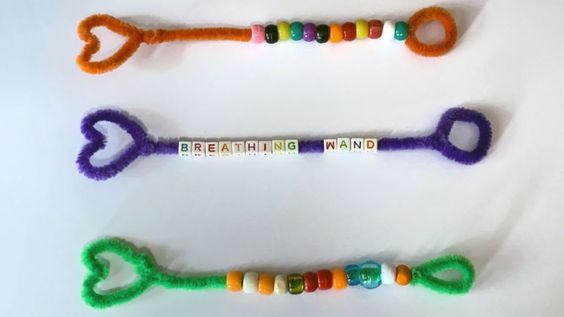
9. Decorative Headbands: Instead of full hats, have students design and create their own imaginative headbands using pipe cleaners, beads, buttons, and other embellishments.

10. Silly Hat Swap Game: Ask students to come to school wearing their silliest hat, then during a game session, have them swap hats with classmates in a musical chairs-style fashion.

11. Seasonal Hat Collage: Have students create themed hats for different seasons or holidays using appropriate colors, materials, and decorations.

12. Royal Hat Parade: Teach students about royalty throughout history and then let each student create their own crown or regal hat to participate in a “royal” parade around the classroom.

13. Sports Team Hats: Design hats inspired by a favorite sports team’s colors or logo, then have the class vote on the most creative hat design.

14. Hat Hide-and-Seek: Create small hat shapes out of paper and hide them around the room for students to find during a game of hat-themed hide-and-seek.

15. The Guessing Hat Game: Place various objects under different hats. Students must pick a hat and guess what object is hidden underneath without looking inside.

16. Hat Toss Challenge: Set up different sized containers at various distances from each other. Have students toss their hats in an attempt to land them cleanly inside the containers.

17. Musical Hat Race: Similar to musical chairs, play music while the students pass around a hat (or several). When the music stops, whoever is holding the hat has to share an interesting fact about themselves or answer a prepared question.

These 17 hat crafts and games will not only keep your students entertained but also help them learn new skills along the way. So get those creative juices flowing and let the fun begin!

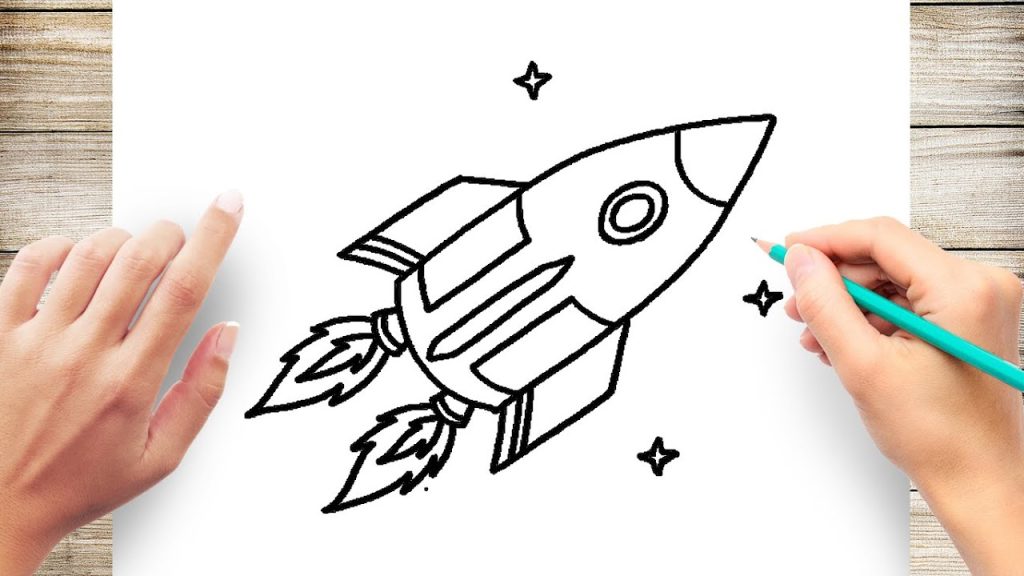
53 Directed Drawing Activities That Will Make Every Kid An Artist!

Introduction:

Art has a profound impact on a child’s development. It not only enhances creativity, focus, and self-expression, but also boosts confidence and self-esteem. Directed drawing activities are an amazing way for kids to explore their artistic side. So buckle up, and let’s dive into these 53 directed drawing activities that will make every kid an artist!

1. Draw a friendly-faced sun with rays of various lengths.

2. Sketch your favorite animal using simple shapes.

3. Create an undersea scene with various fish and seaweed.

4. Go outdoors and draw the plants you spot around you.

5. Trace your hand and transform it into your favorite character.

6. Draw a happy monster with silly features.

7. Create a city skyline using rectangles, squares, and triangles.

8. Illustrate your dream vacation destination.

9. Design a robot using geometric shapes.

10-20: Themes to Explore:

10. Dinosaurs

11. Outer space

12. Superheroes

13. Princesses and castles

14. Rainforest animals

15. Mythical creatures

16. Cartoon characters

17. Food art

18. Underwater world

19. Sports player in action

20. Cultural landmarks

21-30: Seasonal drawings:

21. Spring garden scene

22. Easter bunny and eggs

23. Summer beach scene with sandcastles

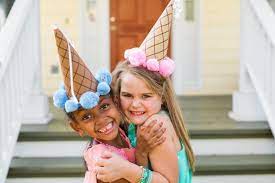
24. Ice cream cones with creative flavors

25 Fall harvest featuring pumpkins and leaves

26 Halloween-themed creations (ghosts, witches, pumpkins)

27 Winter wonderland scene with snowmen

28 Holiday-inspired drawings (Christmas trees, menorahs)

29 New Year’s countdown or fireworks display

30 Valentines love-themed scenario

31-40: Step-by-step challenges:

31 Draw a butterfly in four steps

32 Create an owl in five steps

33 Sketch a superhero using six steps

34 Design a dragon in seven steps

35 Develop a flower bouquet in eight steps

36 Create an intricate pattern using nine steps

37 Draw your favorite dessert in ten steps

38 Build a detailed castle in eleven steps

39 Produce an elaborate tree in twelve steps

40 Design a superhero logo in thirteen steps

41-49: Collaborative drawing activities:

41. Exquisite corpse, where one person draws a head, folds the paper to hide their drawing, and passes it on for the next person to add the body and so on.

42. Draw half of an animal or character and have your partner complete the other half.

43. Allocate different parts of a scenery among participants, then combine the sheets to form one unified landscape.

44. Add elements to each other’s drawings to create a combined masterpiece.

45. Have a group of friends create a continuous story through illustrations.

46. Hold a theme-based timed drawing challenge with friends.

47. Rotate drawings from one artist to another, each adding or modifying elements.

48. One person describes an object while others draw it without seeing the original item.

49. Create art inspired by each other’s favorite things.

50-53: Advanced techniques:

50. Experiment with shading, shadows, and lights on 3D objects.

51. Learn how to draw facial expressions and body postures.

52. Practice perspective drawing, with things appearing smaller as they get farther away.

53. Try your hand at calligraphy or creative lettering.

Conclusion:

With these directed drawing activities at hand, transforming into an artist has never been more accessible for kids! Encourage them to experiment with different styles, collaborate with friends, and most importantly, have fun while creating art! The creative possibilities are endless!

20 Memorable Mushroom Activity Ideas

Mushrooms are a fascinating and versatile ingredient, loved by many for their taste, texture, and health benefits. If you share this passion for fungi, why not explore various mushroom-related activities? Here’s a list of 20 memorable mushroom activity ideas to help you get started.

1. Mushroom foraging: Join a local mushroom-hunting group or take guided tours to learn how to safely identify and collect edible wild mushrooms.

2. Grow your own mushrooms: Purchase a mushroom growing kit or spores and learn how to cultivate different types of fungi at home.

3. Mushroom recipes: Try out new gourmet mushroom dishes and learn the best ways to cook with different mushroom varieties such as shiitake, oyster, and morels.

4. Mushroom photography: Explore nature and capture beautiful photos of mushrooms in the wild using macro photography techniques.

5. Attend a mushroom festival: Visit local or international mushroom events where you can sample various dishes, attend workshops, and meet fellow mycophiles (mushroom enthusiasts).

6. Create mushroom art: Use mushrooms as inspiration, make spore prints, or use dried fungi themselves to create unique artwork such as paintings or sculptures.

7. Mushroom identification courses: Enroll in online or in-person courses to enhance your knowledge of mushroom biology, identification, and taxonomy.

8. Bioluminescent mushroom tour: Take part in nighttime hikes to see glowing mushrooms that naturally emit light in the dark like the ghost fungus (Omphalotus nidiformis).

9. Volunteer at a mycological society: Share your knowledge and help promote fungi research and conservation by volunteering at local mycological organizations.

10. Craft with mushrooms: Use dried mushrooms to create jewelry pieces or decorate lamps and other household items with a fungi-themed twist.

11. Design a fungi garden: Incorporate mushrooms into your garden design to showcase various species while promoting biodiversity.

12. Mushroom documentary night: Gather some friends and watch informative and fascinating documentaries about fungi and their incredible world.

13. Visit a mushroom museum: Explore the exhibitions at dedicated fungi museums to learn about their history, uses, and importance in the ecosystem.

14. Mushroom dyeing: Discover the fascinating world of natural dyes using pigments derived from mushrooms to color textiles, paper, or art projects.

15. Take a myco-culinary course: Learn about the marriage of mushrooms and gastronomy by attending specialized cooking classes or workshops.

16. Mushroom-themed board games: Play strategy games focused on fungi like “Fungi,” “Morels,” or “Mushroom Eaters.”

17. Forage for medicinal mushrooms: Discover the world of medicinal fungi, like reishi and chaga, and learn how to safely harvest and prepare these ancient remedies.

18. Dry and preserve mushrooms: Learn various techniques to dry mushrooms so you can enjoy them all year long while also creating beautiful home decorations.

19. Fungi for a sustainable future: Participate in workshops or conferences discussing the potential of mycelium-based materials for a more eco-friendly future, such as biodegradable packaging and construction materials.

20. Collect mushroom-inspired memorabilia: Search thrift stores, antique shops, or online marketplaces for unique items like vintage mushroom posters, botanical prints, or home accessories.

Whether you’re new to the fascinating world of mushrooms or a seasoned mycophile, there’s always something new and enjoyable to explore.

23 Art Activities That Evoke Mindfulness

In today’s fast-paced world, finding moments of calm and inner peace can be challenging. Practicing mindfulness through art is an excellent way to slow down and nurture a deeper connection to ourselves and our surroundings. Here are 23 art activities that can help bring calm, focus, and mindfulness into your life.

1. Zentangle: An intricate, repetitive drawing method that promotes relaxation and creativity.

2. Watercolor Painting: Let your mind quieten as you experiment with colors and organic shapes, allowing them to blend with the water on the page.

3. Clay Sculpting: Use your hands to mold and shape calming creations with soft clay.

4. Origami: The ancient art of folding paper into various forms requires concentration and patience.

5. Calligraphy: Master the art of beautiful handwriting by studying calligraphy basics.

6. Mandalas: Create symmetrical, geometric designs whose patterns are known to promote serenity.

7. Journaling: Writing thoughts, emotions, or daily events can be a mindful practice that encourages self-reflection.

8. Collage Art: Cut out images from magazines or newspapers and arrange them in unique compositions.

9. Nature Photography: Capture the beauty of your surroundings through photography, focusing on the details in each moment.

10. Color Meditation: Choose one color and create an artwork using different shades of that color to help concentrate the mind.

11. Gesture Drawing: Draw quick sketches that capture the essence of a subject to increase observation skills and mindfulness.

12. Flower Pressing: Preserve the beauty of nature by pressing flowers and leaves in a book or press.

13. Stone Painting: Collect stones and paint them with intricate designs or uplifting messages to share with others.

14. Finger Painting: Feel childlike freedom as you immerse yourself in colors using just your fingertips to paint.

15. Macramé: The repetitive knots used in creating macramé crafts can be a soothing, meditative exercise.

16. Papercutting: Create delicate designs by carefully cutting shapes from sheets of paper.

17. Quilling: The technique of rolling thin strips of paper and shaping them into intricate designs melds mindfulness and creativity.

18. Shadow Box Art: Arrange found objects in a shadow box to create a three-dimensional, tangible representation of your thoughts or experiences.

19. Beading: Create unique and intricate bead patterns that require attention to detail and focus.

20. Printmaking: Carve designs into block or rubber surfaces and transfer the image onto paper to create stunning prints.

21. Miniature Art: Create small-scale artworks that demand utmost precision and concentration.

22. Adult Coloring Books: Lose yourself in already drawn patterns or designs by merely applying your choice of colors.

23. Yarn Crafts: Engage in yarn crafts like knitting or crocheting, known to provide relaxation and mental health benefits.

Incorporating mindfulness through art activities not only fosters creativity but helps improve mental well-being. Try these 23 art activities to find the peaceful, meditative moments in your day-to-day life.

18 Perfect Placemat Activities For Kids

Introduction:

Keeping kids engaged during mealtime can be a challenge, but using placemat activities is an excellent way to make this time more enjoyable and educational. Here are 18 perfect placemat activities suitable for children of all ages that will not only entertain them but also aid in their development.

1. Color-by-Number Placemats

A fun way for your child to learn colors and improve their concentration skills, color-by-number placemats feature various designs with numbers corresponding to color codes.

2. Alphabet Placemats

Help your little ones learn the alphabet and practice letter recognition while they eat withalphabet-themed placemats.

3. Tic-Tac-Toe Placemats

An age-old classic, tic-tac-toe placemats provide endless entertainment as kids enjoy a quick gameduring their meal.

4. Mazes and Puzzles Placemats

Challenging mazes and puzzles keep kids engaged during mealtime while stimulating criticalthinking abilities.

5. Paper Doll Dress-Up Placemats

Allow kids to create unique outfits for paper dolls printed on the placemat, helping build creativityand fine motor skills.

6. Dot-to-Dot Placemats

Dot-to-dot activities help develop hand-eye coordination as children connect the dots to reveal apicture.

7. Trivia Placemats

Turn dinner time into a quiz night with trivia questions on subjects like animals, science, or historyprinted on the placemat.

8. Word Search and Crossword Puzzle Placemats

These entertaining word games promote literacy skills such as spelling, vocabulary, and problem-solving.

9. Habit Tracker Placemats

Help instill healthy habits in your child by keeping track of routines such as hand washing or eatingvegetables with a habit tracker placemat.

10. Times Table Placemats

Let your kids practice multiplication during dinner with times table placemats for a fun way toimprove their math skills.

11. Interactive Map Placemats

Interactive maps of cities, countries, or continents can teach geography and inspire curiosity aboutthe world.

12. Drawing and Coloring Placemats

Nurture your child’s artistic side by providing placemats that allow them to draw, color, andexpress their creativity.

13. Jokes and Riddles Placemats

A compilation of jokes and riddles keeps kids laughing and entertained while strengthening theirreading abilities and problem-solving skills.

14. 3D Paper Craft Placemats

Teach children how to follow instructions while practicing their fine motor skills with 3D papercraft designs that can be colored, cut out, and assembled.

15. Hidden Pictures Placemats

Hidden picture challenges help develop observational skills as kids search for objects concealedwithin a larger scene.

16. Number Line Jumping Activity Placemats

Encourage early math skills such as addition and subtraction with number line jumping activities.

17. Memory Game Placemats

Strengthen memory and concentration through fun matching games featuring various themes likeanimals, shapes, or fruits.

18. Storytelling Placemat Prompts

Boost children’s imagination and storytelling abilities by providing sentence starters orillustrations that inspire them to create a tale during mealtime.

Conclusion:

With these 18 perfect placemat activities for kids, mealtime can be transformed from a potential battleground into an engaging learning experience. Your children will not only look forward to meals but will also develop essential skills they can use throughout their lives.

20 Ingenious Lego Organization Ideas

Introduction:

Lego has long been a beloved educational and recreational toy that sparks creativity within children and adults alike. However, these small plastic bricks can pose a significant organizational challenge for many households. To help you keep your Lego collection neat and tidy, we’ve compiled 20 ingenious Lego organization ideas.

1.Color-coded drawers: Dedicate separate drawers for each color of your Lego bricks. This will make it easier for kids to find particular colors and be ready for their next creation.

2.Sort by piece type: Organize your collection by sorting the bricks into categories like plates, bricks, and specialty pieces. This will make it quicker to locate a specific piece when building.

3.Clear plastic storage bins: Use these stackable containers to separate and store different categories of Lego pieces for easy access.

4.Lego storage mat/Bag: Invest in a Lego storage mat or bag that can double as a play area. Simply lay it flat to play and then pull the drawstrings when it’s time to clean up.

5.DIY wall-mounted shelves: Create simple wall-mounted shelves with wooden boards or paint some IKEA spice racks to display your children’s favorite Lego creations.

6.Hanging shoe organizer: Store your Lego sets in the compartments of a hanging shoe organizer, with each set bagged and labeled accordingly.

7.Label with pictures: Attach printed images of assembled sets or MOCs (My Own Creations) on the corresponding drawers/bags to help visualize what each contains.

8.Stackable plastic drawers: Combine numerous drawers in assorted sizes to store varied Lego pieces based on their size, shape, and function.

9.Use tackle boxes: Fishing tackle boxes present ideal compartments for organizing smaller LEGO pieces.

10.Over-the-door pocket storage: Utilize over-the-door organizers for holding individual kits or themes in one place.

11.Display oriented storage: Find unique ways to exhibit your Lego creations, such as floating shelves or shadow boxes, while keeping them dust-free.

12.DIY Lego table: Assemble a DIY Lego table complete with built-in storage compartments and a LEGO baseplate on the surface for easy play and clean up.

13.Pencil case storage: Store minifigures and tiny accessories inside pencil cases to ensure they won’t get lost.

14.Hardware organizers: Utilize compartmentalized hardware organizer trays to store various Lego accessories.

15.Ziplock bags for sets: Break down specific sets into separate ziplock bags, labeling each one with its corresponding set number and name.

16.Lego-mini drawers: Acquire stackable drawers designed specially for Lego bricks, which typically work well alongside other solutions.

17.Magnetic strips for minifigures: Install magnetic strips on your walls or inside cabinet doors so that your child’s favorite minifigures have a secure home.

18.Binder pages for minifigure storage: Store minifigs using binder pages with pockets made specifically for them, making it easy to flip through and find the desired figurine.

19.Implement a daily “cleanup policy”: Establish a nightly cleanup routine to ensure that the Lego collection is consistently organized and ready for the next day of play!

20.Create an instruction manual binder: Organize all your instruction booklets into a binder with sheet protectors to avoid loss and damage.

Conclusion:

Everyone’s organization needs are different based on the size of their collection and space restrictions in their home. Experimenting with a combination of these 20 ingenious Lego organization ideas will ensure you maintain a tidy space where you can enjoy building creative masterpieces hassle-free!

22 Homemade Ornament Activities For Kids

Introduction:

The holiday season is upon us, and it’s the perfect time to engage the kids in some delightful homemade ornament-making activities! By making ornaments, children will not only enhance their creativity but also make long-lasting memories. In this article, we have compiled a list of 22 homemade ornament activities that kids can enjoy creating with friends and family.

1.Salt Dough Ornaments: Combine flour, salt, and water to create a dough that can be rolled out and cut into various shapes. Allow them to dry and then paint or decorate with glitter.

2.Pinecone Ornaments: Collect pinecones from outside and decorate them with paint, glitter, or other embellishments.

3.Pom Pom Ornaments: Use a pom pom maker or your fingers to create fluffy balls in different colors. Attach them to strings or ribbons to hang on the tree.

4.Painted Glass Ornaments: Use acrylic paint to create colorful designs on clear glass ornaments.

5.Felt Ornaments: Cut out shapes from felt and sew or glue them together. Add buttons, beads, or other decorations to embellish them further.

6.Beaded Candy Canes: String red and white beads onto a pipe cleaner and shape it into a candy cane form.

7.Popsicle Stick Snowflakes: Glue popsicle sticks together in snowflake shapes and paint them in festive colors.

8.Handprint Ornaments: Use air-dry clay or salt dough to create handprint ornaments of your child’s handprint as a keepsake.

9.Paper Christmas Trees: Cut triangles from green paper and stack them on top of each other in decreasing sizes. Glue a brown trunk at the bottom.

10.Yarn-Wrapped Stars: Cut star shapes from cardboard then wrap yarn around the shape until fully covered.

11.Button Ornaments: Choose buttons in a variety of sizes and colors, and glue them together to create festive shapes or snowflake patterns.

12.Paper Quilling Ornaments: Learn basic paper quilling techniques to create intricate and colorful designs for tree ornaments.

13.Clay Pot Bells: Paint small clay pots with festive colors and patterns, then hang a jingle bell inside with ribbon or string.

14.Cinnamon Stick Ornaments: Bundle cinnamon sticks together and wrap with festive ribbon, twine, or yarn for a sweet-smelling ornament.

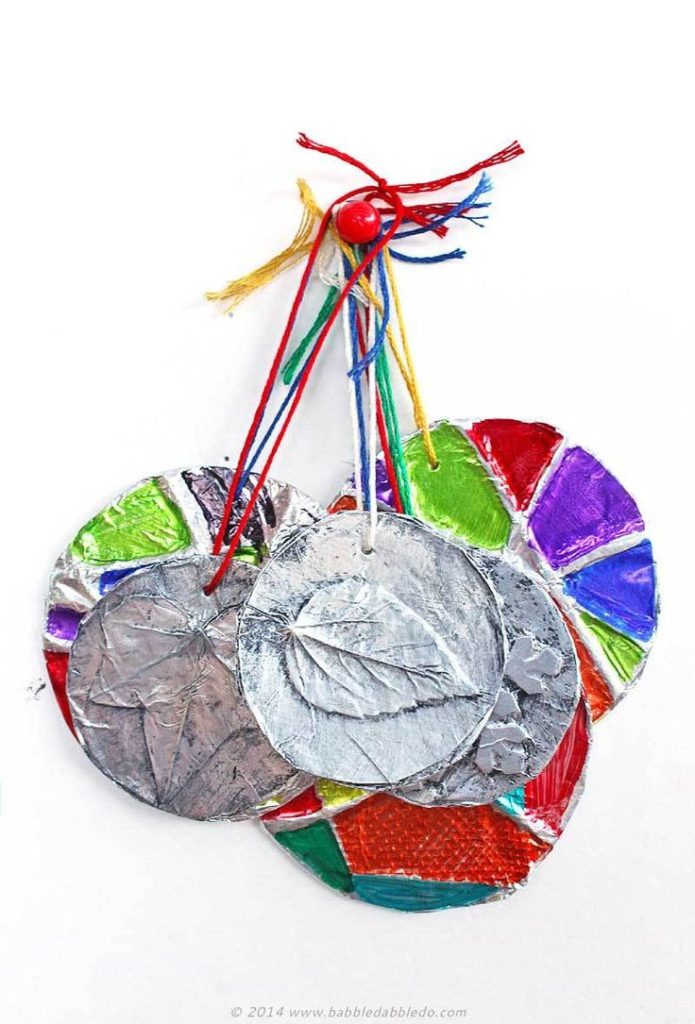
15.Recycled CD Mosaic Ornaments: Cut old CDs into small pieces and arrange them onto a foam ball or flat surface, then attach a ribbon for hanging.

16.Hand-Sewn Felt Characters: Create simple felt characters such as Santa Claus, snowmen, or reindeer using basic sewing skills and colorful felt.

17.Foam Gingerbread House Ornaments: Cut out pieces of craft foam to represent the walls, roof, and decorations of a gingerbread house – then join them together using glue or double-sided tape.

18.Clothespin Reindeer: Paint wooden clothespins brown and glue googly eyes, red pom poms for noses, and pipe cleaners for antlers.

19.Origami Stars: Learn to fold paper stars using various origami techniques and hang them on your tree with strings or ribbons.

20.Photo Cube Ornaments: Glue six photos onto the faces of a small wooden cube and attach ribbon on one corner for hanging.

21.Tissue Paper Stained Glass: Use clear contact paper to layer colored tissue paper shapes onto a clear plastic sheet – this creates a faux stained glass effect!

22.Ribbon Wreath Ornaments: Form small wreaths by wrapping ribbon around circular forms like jar lids or embroidery hoops, securing.

15 Satisfying Kinetic Sand Activities for Kids

Introduction: Kinetic sand is a fantastic sensory tool that can help develop fine motor skills, creativity, and imagination in children. This unique type of sand sticks together, allowing kids to mold and shape it into countless designs. Here are 15 satisfying kinetic sand activities your kids will love.

1. Beach Scene: Create a miniature beach scene using kinetic sand. Add small shells, mini beach chairs, and cocktail umbrellas for added effect.

2. Treasure Hunt: Bury small toys or treasures in the kinetic sand and let your kids dig them out with their hands or a small shovel.

3. Cookie Cutter Fun: Use various cookie cutters to create fun shapes and objects with the kinetic sand.

4. Sand Sculptures: Challenge your kids to create detailed sculptures using just their hands and kinetic sand.

5. Alphabet Practice: Practice writing the alphabet by forming the letters with kinetic sand.

6. Animal Tracks: Use plastic animal toys to make tracks in the sand, then have your child guess which animal made them.

7. Marble Maze: Create a maze using the kinetic sand and roll marbles through it as an interactive obstacle course.

8. Volcano Eruption: Build a volcano out of kinetic sand, create a hollow center, and then pour water inside to simulate an eruption.

9. Car Tracks: Flatten out the kinetic sand into a roadway for toy cars to explore, creating tracks as they go.

10. Sand Castles: Use small cups or molds to create perfect little sand castles that hold together nicely due to the nature of kinetic sand.

11. Sensory Introvert Space: Dim the lights while your kids play with the Kinetic Sand in silence or with soothing background music – creating an introspective sensory environment.

12. Moon Crater Exploration: Mimic the moon’s surface by creating craters in the kinetic sand while using astronaut figurines to explore the newly formed landscape.

13. Kinetic Sand Art: Using a flat surface, create art by laying the sand in various patterns and colors to make unique pictures.

14. Construction Site: Equip your child with small construction toys like dump trucks and excavators, and let them move about the kinetic sand as if it were a real-life construction site.

15. Themed Playsets: Create fictional landscapes and storylines using themed toys combined with kinetic sand for an immersive imaginative play experience.

Conclusion: Kinetic sand offers countless opportunities for creative play and sensory development for children. Try out these 15 satisfying activities with your kids and watch their excitement grow as they shape, mold, and explore this unique material.

17 Super Awesome Snowman At Night Activities

Winter is here, and it’s the perfect time to enjoy the snowy wonderland with family and friends. Building a snowman is already a classic wintertime activity, but have you ever tried creating one at night? It’s a whole new experience that brings excitement and magic to cold winter evenings. Here are 17 super awesome snowman at night activities that everyone can enjoy.

1. Glow-in-the-Dark Snowman

Put a twist on the traditional snowman by using glow sticks or LED lights as the eyes, mouth, and buttons for a glowing nighttime buddy.

2. Snow Lanterns

Surround your snowman with DIY snow lanterns made by placing tealight candles inside small hollowed-out snowballs.

3. Snowball Fight

Have an exhilarating nighttime snowball fight, using your snowmen as protective barriers or targets.

4. Projection Show

Use a projector to cast colorful lights or fun images onto your snowman, making it an extraordinary work of art.

5. Stargazing Snow Buddies

Lay back in the snow next to your creation and gaze at the stars while bundled up in warm blankets or sleeping bags.

6. Frozen Treasure Hunt

Hide small treasures or treats around your snowman and send friends or family on a nighttime adventure to find them.

7. Ice Sculptures

In addition to building a snowman, create smaller ice sculptures and arrange them around it for a magical, whimsical setting.

8. Hot Cocoa Party

Set up an outdoor hot cocoa station near your snowmen complete with marshmallows, whipped cream, and various toppings.

9. Capture the Flag Snow Edition

Transform your backyard into a snowy battlefield with two teams competing against each other using their snowmen as bases or goal posts.

10. Picture Perfect Night

Snap photos of you and your friends with your nighttime snowman creations before they melt away.

11. Snow Glow Dance Party

Dress your snowman in a festive outfit and have a dance party around it with portable speakers, glow sticks, and lots of dancing.

12. Nighttime Storytelling

Gather around your snowman with friends or family and take turns telling stories about winter adventures or magical snow creatures.

13. Snowy Obstacle Course

Build an obstacle course in the snow featuring your snowmen as part of the challenges for everyone to race through.

14. Frozen Movie Night

Set up an outdoor movie screen and projector near your snowman and watch your favorite winter-themed films while getting cozy under blankets.

15. Winter Bonfire

Sit around a bonfire or fire pit roasting marshmallows and telling stories while your snowman watches from a safe distance.

16. Snowflakes and String Lights

Decorate the branches above your snowman with paper snowflakes and string lights for a twinkling nighttime effect.

17. Crafty Creations

Bring art supplies outside, like paint or food coloring, to add unique designs or messages to your nighttime snowmen creations.

These 17 super awesome snowman at night activities offer countless ways to make cherished memories this winter season with loved ones. So put on your warmest coats, gather friends and family, and head outside for a frosty nighttime adventure!

13 Listen And Draw Activities

Introduction:

Listen and Draw activities are a fantastic way to help students develop their listening and comprehension skills while having fun! These creative exercises encourage active listening, promote clear communication, and provide a hands-on approach to learning. Here are 13 engaging Listen and Draw activities that you can incorporate into your classroom or homeschooling routine.

1. Follow the Directions:

Provide students with a blank piece of paper and various art supplies. Read aloud a set of instructions for drawing a specific object or scene. The goal is for the students to listen carefully and follow the instructions precisely to draw what was described.

2. Mystery Drawing:

Show a simple image or artwork with multiple components to the class for a few seconds and then hide it. Ask the students to recreate the drawing from memory, relying on their listening skills as classmates describe what they saw.

3. Step-by-Step Process:

Select an object or activity that requires multiple steps to complete (e.g., making a sandwich). Describe each step aloud in detail without any visual aids, and have students draw each step as they listen.

4. Landscapes of Sound:

Play various nature sounds or recordings from different environments like forests, oceans, or urban areas. Ask students to imagine what this place looks like and draw their interpretation based on the sounds they hear.

5. The Superhero Creator:

As a class, brainstorm the features of different superheroes. Then the teacher can describe these superheroes in detail, and students will use their listening skills to draw them accurately.

6. Emotion Artwork:

Describe an emotion such as happiness, sadness, anger, or fear in detail without mentioning it by name. Based on your description, have students draw a scene that represents that emotion visually.

7. Music-Inspired Art:

Play a piece of instrumental music for your students while they imagine different scenes or visuals inspired by the music. Encourage them to draw their interpretations based on the sounds, tempo, and mood.

8. Shapes Collage:

Describe a collage using various geometric shapes and ask students to draw what they hear. For example, “a large circle with smaller triangles inside it” or “a square divided into four smaller squares.”

9. Partner Descriptions:

In pairs, one student will describe an object, person, or scene to another student who cannot see the reference image. The second student will listen and draw based on their partner’s description.

10. Animal Planet Challenge:

Select an animal and describe it without mentioning its name (e.g., habitat, diet, appearance). Students will listen and use these descriptions to draw what they think the animal is.

11. The Art of Abstract Expression:

Describe an abstract artwork by mentioning colors, lines, shapes, and textures without explaining the exact picture. Students will then draw their interpretation of your description.

12. Story Illustrations:

Read a short story or an excerpt from a book aloud while students listen carefully. Throughout the reading, stop at key moments and ask students to illustrate those scenes based on their understanding.

13. Invented Objects/Inventions:

Describe an invented object or creation that does not exist in reality. Students must use their listening skills and creativity to envisage and draw what they think the invention looks like.

Conclusion:

Listen and Draw activities are an effective way to develop communication skills while fostering creativity in your students. By implementing these fun and engaging exercises in your classroom or homeschooling routine, you’ll help students become better listeners and more confident communicators in various contexts!