Art Education

17 Build-A-Bridge Activities For Students Of All Ages

Whether in an engineering class or as a team-building exercise, bridge building activities are a fun and engaging way to teach students of all ages about scientific principles, problem-solving, and cooperation. Here are 17 build-a-bridge activities that are suited for students across various age groups.

1. Drinking Straw Bridge: Using only drinking straws and tape, students design and build a bridge that can support weight. This activity is ideal for younger students and encourages creativity in design.

2. Popsicle Stick Bridge: Using popsicle sticks, glue, and string, students construct a bridge that must span a specific distance.

3. LEGO Bridge: With LEGO blocks alone, students are challenged to create a bridge that can hold as much weight as possible without collapsing.

4. Marshmallow-Toothpick Bridge: Teams design bridges by connecting marshmallows with toothpicks to test the stability and sturdiness of different geometric shapes.

5. Newspaper Bridge: Students use newspapers, tape, or rubber bands to build the longest possible bridge without it collapsing under its own weight.

6. Cardboard Tube Bridge: Using recycled cardboard tubes from paper towel rolls and toilet paper rolls, teams compete to build the strongest and most stable bridge.

7. Pipe Cleaner Bridge: Perfect for younger engineers-in-training, this activity uses pipe cleaners for flexible yet sturdy bridge construction.

8. 3D Printed Bridge: Introduce students to 3D printing technology through designing and constructing a bridge using CAD software.

9. Egg Carton Bridge: This eco-friendly activity requires students to create bridges using only egg cartons and scissors—ideal for promoting critical thinking skills in young learners.

10. Spaghetti Noodle Bridge: Students must create a functional bridge out of uncooked spaghetti noodles and hot glue without snapping the fragile materials.

11. Cardboard Box Bridge: Encourage recycling by challenging children to build sturdy bridges using only cardboard boxes and scissors.

12. Aluminum Foil Bridge: With limited materials, such as aluminum foil and paper clips, students construct a bridge that supports a set amount of weight.

13. String Suspension Bridge: For a more challenging hands-on activity, have students explore tension properties by constructing suspension bridges from string and other basic supplies.

14. Card Deck Bridge: Using a deck of cards and minimal supplies, students build a bridge capable of carrying a load of coins. This activity stresses the importance of structural stability.

15. Balsa Wood Bridge: For an advanced challenge, encourage higher-level thinking with limited materials like balsa wood, glue, and hobby knives.

16. Virtual Bridge Building: Using specialized software programs or apps, students can design bridges in a virtual environment before constructing them in reality.

17. Toothpick Cantilever Bridge: In this activity, teams create cantilever bridges using toothpicks and glue. The goal is to craft the longest outreaching structure that can support different loads.

Through these 17 build-a-bridge activities, students will learn valuable lessons in design, engineering, teamwork and problem-solving while sparking their creativity and intellectual curiosity.


23 Terrific Textured Art Activities to Get Your Students Thinking Creatively

Introduction:

Art plays a vital role in the development of cognitive, motor, and social skills in children. Encourage your students to think creatively and explore textures by incorporating these exciting textured art activities into your lesson plans!

1. Torn Paper Collage – Have students experiment with tearing paper of various weights, colors, and patterns. Use glue to paste the pieces onto cardboard or thick paper.

2. Fingerprint Art – Let students use their fingerprints on ink pads to create imaginative animals, figures, or landscapes.

3. Salt Painting – Mix salt with watercolors or acrylics and let students paint with the mixture on paper for a unique effect.

4. Nature Rubbings – Collect objects from nature such as leaves or bark and let students place them under paper to create rubbings with crayons or pencils.

5. Bubble Wrap Printing – Press bubble wrap on different colored paint and then onto paper for a quick and fun printmaking project.

6. Clay Impressions – Use clay to create imprints of various objects like shells, keys, or toys.

7. Yarn Art – Try gluing yarn in various shapes and designs onto paper to explore different textures.

8. Coffee Filter Art – Color coffee filters with markers and spray them with water to create vibrant, texture-rich artwork.

9. Potato Stamping – Carve shapes into halved potatoes to make customizable stamps for printmaking that can be used with paint.

10. Sand Painting – Create textured designs by sprinkling sand over wet paint or glue spread on cardstock or cardboard surfaces.

11. Popsicle Stick Mosaics – Have students construct colorful mosaics using dyed popsicle sticks glued onto a backing board.

12. Foil Sculptures – Design three-dimensional sculptures by shaping aluminum foil into figures and objects.

13. Marble Painting – Place marbles in a box lid with paint, and roll them around to create interesting, abstract designs on paper.

14. Texture Bags – Fill plastic bags with various objects bearing different textures, and let students identify their contents using touch.

15. Tactile Letter Art – Have students add textured materials (like beads or sequins) to the outlines of letters or words on paper.

16. Wax Resist Art – Use white crayons or candles to draw on paper, then paint over it to reveal hidden designs through wax resistance.

17. Origami Relief Art – Teach basic origami folding techniques and combine multiple 3D paper shapes to create textured artworks.

18. Sponge Painting – Use sponges dipped in paint to create textured patterns on paper or canvas.

19. Popcorn Paintings – Glue popcorn kernels onto cardboard or heavy paper, then paint them in vibrant colors for a tactile and eye-catching art piece.

20. Fabric Collage – Combine materials like felt, burlap, ribbon, and lace with glue and scissors to make creative compositions.

21. Pasta Art – Use uncooked pasta shapes and glue them to a surface to form an image, pattern, or abstract design.

22. Bead Mosaics – Arrange colorful beads onto a design drawn on cardboard or wood panels, securing them with glue for a fantastic texture-rich masterpiece.

23. Paper Mache Sculptures – Create three-dimensional sculptures by layering strips of newspaper dipped in glue or paper mache paste onto wireframes or balloons.

Conclusion:

Challenge your students’ creativity by incorporating these engaging textured art activities into your curriculum. Not only will these projects foster artistic expression, but they can also sharpen students’ sensory awareness as they explore diverse textures and materials. Embrace the joy of artistic discovery and watch as your pupils unlock their creative potential!

15 Perfect The Dot Activities for Kids

Introduction:

The Dot is a magical story by Peter H. Reynolds that inspires children to embrace their creativity and make their unique mark on the world. To celebrate the beauty of this book, we’ve compiled a list of 15 perfect The Dot activities for kids that will encourage imaginative play, personal expression, and artistic exploration.

1. Dot Day Art Collage:

Have your kids create personalized art by cutting out colored circles from magazines and newspapers, then design their collage by gluing the dots onto a larger piece of paper.

2. Connect-the-Dots Drawing:

Using a template or creating your design, have the children play a game of connect-the-dots while learning about shapes and creativity.

3. Straw Painting:

Allow your kids to create their dot artwork using straws and colored ink or paint – it’s fun and encourages motor skills development!

4. Cookie Decorating:

Bake cookies in various-sized circle shapes and have the children decorate their edible dots with icing and sprinkles.

5. Dot-to-Dot Coloring Pages:

Search online for appropriate dot-to-dot coloring pages that your kids can color in once they’ve completed connecting the numbers.

6. Fingerpaint Dot Art:

Let your child explore their creative side using fingerpaints to create an array of dot designs on craft paper.

7. Personalized Dot Stones:

Gather some smooth rocks outdoors and help your child paint stencilled dots or their dot-themed designs using acrylic paint.

8. Q-Tip Pointillism Art:

Using Q-tips as paintbrushes, have your kids dab dots of paint onto canvas or paper to create colorful pointillism masterpieces.

9. The Dot Game:

Using grid paper and multiple colored pens, your child will enjoy playing The Dot Game, where they make boxes by connecting adjacent dots while trying to outsmart their opponent.

10. Sticker Art:

Provide your child with various-sized stickers to create a unique and engaging dot-themed artwork.

11. Dot Matching Game:

Create a dot-based memory matching game by cutting out small circles from colored paper and having kids find pairs that match in color, size, or pattern.

12. Stamped Dot Bookmarks:

Using round sponges or stamps, let your kids create their unique bookmarks with colorful dot patterns as gifts for family and friends.

13. The Dot Storytelling:

After reading The Dot, have your child create their story based on their experiences, empowering them to express themselves creatively.

14. The Dot Scavenger Hunt:

Set up a scavenger hunt hiding different colored circles or objects representing dots around your home or yard, then give clues to help your child locate them.

15. DIY Dot Puzzle:

Take a captivating image full of dots and cut it into puzzle pieces for your child to assemble, testing their problem-solving skills while immersing them in the world of The Dot.

Conclusion:

These 15 perfect The Dot activities for kids are bound to spark curiosity, expressive creativity, and loads of fun. Happy creating!

Under The Sea: 20 Fun And Easy Ocean Art Activities

Dive into the depths of the ocean with these 20 fun and easy art activities that bring the sea to life! Perfect for parents, educators, and young ocean enthusiasts, these creative projects will entertain and engage while also teaching important lessons about marine life and conservation.

1. Sponge Painted Starfish: Use sponges cut in a star shape to create beautiful starfish paintings that will inspire your child’s imagination.

2. Tissue Paper Jellyfish: Craft delicate jellyfish from colorful tissue paper to hang from the ceiling for a stunning under-the-sea display.

3. Seashell Mosaic: Collect seashells from the beach or purchase them from a craft store, then arrange them in creative patterns to create stunning seashell mosaics.

4. Ocean-Inspired Stained Glass: Make your own ocean-inspired stained glass windows with wax paper, colored tissue paper, and glue.

5. Egg Carton Sea Turtles: Recycle empty egg cartons to make adorable sea turtles with paint and pipe cleaners.

6. Clay Octopus: Create captivating clay octopi with bendable arms that can hold onto pencils or string for added fun.

7. Coffee Filter Fish: Paint coffee filters with bright watercolors and then fold them into colorful fish shapes.

8. Shark Tooth Necklace: Learn about shark teeth by creating necklaces featuring replica teeth for your young adventurers.

9. Salt Dough Shell Imprints: Preserve memories of a beach vacation by making salt dough imprints of shells collected during your trip.

10. Coral Reef Collage: Use a variety of materials – such as pipe cleaners, pom poms, and paper – to build an eye-catching coral reef collage on a poster board or canvas.

11. Marble-Painted Fish: Achieve realistic fish scales with this marble painting technique that’s engaging for kids of all ages.

12. Bubble Wrap Seahorses: Reuse bubble wrap to create captivating seahorse art by stamping the patterns onto paper with paint.

13. Ocean Slime: Combine elements of sensory play and art with a DIY ocean slime recipe, complete with glitter and small plastic sea creatures.

14. Pasta Shell Crabs: Transform ordinary pasta shells into whimsical crab decorations with paint, googly eyes, and pipe cleaners.

15. Fingerprint Aquarium: Create an underwater scene using fingerprints as the basis for fish, seaweed, and other marine life.

16. Fish Foil Painting: Experiment with texture by painting on aluminum foil and pressing it onto paper to create fish art with a shimmering effect.

17. Paper Plate Sea Animals: Cut and decorate paper plates to create an array of underwater creatures, from dolphins to angelfish.

18. Seashell Wind Chimes: Create soothing wind chimes using seashells, string, and a wooden dowel or stick.

19. Underwater Stamping Scene: Use household items like bottle caps, corks, pencils, or toothbrushes to stamp shapes onto paper and create an engaging ocean landscape.

20. Glowing Jellyfish Craft: Incorporate glow sticks into your tissue paper jellyfish project for an enchanting illuminated effect perfect for nighttime adventures.

These 20 ocean-inspired art activities will not only foster creativity but also immerse your child in the wonders of the underwater world. Encourage your little marine biologists to learn more about ocean inhabitants and their habitats while having fun creating stunning oceanic masterpieces.

12 Digital Art Websites For Students

Art has consistently evolved throughout history, and with the advent of technology, digital art has become a popular medium for students and artists alike. To help students access quality digital art resources, we have compiled a list of 12 remarkable websites that offer numerous tools, tutorials, and inspiration to enhance their digital art journey.

1. DeviantArt (www.deviantart.com)

One of the largest online communities for artists, DeviantArt features millions of pieces of artwork created by professionals and amateurs alike. Students can create an account to showcase their work, follow favorite artists, and join discussions on various art topics.

2. Adobe Creative Cloud (www.adobe.com/creativecloud)

Adobe’s suite of powerful design tools like Photoshop, Illustrator, and After Effects allows students to create stunning digital art with professional-grade software. Although requiring a paid subscription, the package comes with numerous creative tools that are essential for any digital artist.

3. Pixlr (www.pixlr.com)

Pixlr is an excellent free online photo editor that includes many features similar to Photoshop. It’s perfect for students experimenting with photo editing or those looking for a more budget-friendly alternative.

4. Instructables (www.instructables.com)

Instructables offers step-by-step tutorials on an array of subjects including digital art projects such as 3D modeling and animation. Its user-friendly platform makes it easy for students to find relevant resources and follow along at their own pace.

5. Patient Animation Tutorials (www.patientanimationtutorials.blogspot.com)

This resource provides comprehensive tutorials on animation techniques, covering everything from rigging to character design in popular animation software like Blender and Autodesk Maya.

6. Ctrl+Paint (www.ctrlpaint.com)

Ctrl+Paint focuses on helping students learn digital painting by providing free video tutorials covering various techniques and software like Photoshop, Manga Studio, Sketchbook Pro, and more.

7. ArtStation (www.artstation.com)

ArtStation is a hub for professional and student artists in gaming, film, media, and entertainment. Members can browse galleries, create portfolios, and gain inspiration from notable industry professionals.

8. Sketchbook (www.sketchbook.com)

Autodesk’s Sketchbook is a professional-grade drawing application suitable for students pursuing more traditional artistic disciplines. Its easy-to-use interface and advanced features make it a reliable tool for creating digital artwork.

9. Society of Visual Storytelling (www.svslearn.com)

SVS offers courses and classes in illustration, digital painting, character design, and other essential topics for artists passionate about storytelling. It provides various subscription plans for students to access its resources.

10. Digital Arts Online (www.digitalartsonline.co.uk)

This comprehensive resource features news articles, tutorials, reviews, and galleries on digital art, featuring expert advice on using various tools and software.

11. Daz Studio (www.daz3d.com)

Daz Studio is free 3D animation software that enables users to create realistic characters and scenes. Students interested in 3D art will find this platform an invaluable resource for building their skills.

12. ArtRage (www.artrage.com)

ArtRage focuses on providing realistic paint simulation on a digital canvas. With a vast array of brushes and textures, ArtRage allows students to emulate traditional painting styles digitally.

These 12 websites offer unique opportunities for students to learn new techniques, collaborate with fellow artists, showcase their work, and receive constructive feedback from the digital art community. Each website brings its distinctive appeal that will guide students through the ever-expanding world of digital artistry.

19 Super Sunflower Activities

Introduction:

Sunflowers are not just beautiful, bright flowers adorning gardens, they also offer an opportunity to engage in entertaining and educational activities for people of all ages. This article highlights 19 super sunflower activities that will inspire creativity and foster a passion for nature.

1. Sunflower Seed Growing Contest:

Kick off your sunflower adventures with a friendly seed-growing competition among family and friends. Provide each participant with a packet of sunflower seeds, set a time frame, and watch the competitive spirit grow with the sunflowers!

2. Sunflower Science Projects:

Plant sunflowers in different environments and study how various factors such as sunlight, water, and soil affect their growth. Record observations and present the findings as part of an exciting science project.

3. Sunflower Painting:

Release your inner artist by painting beautiful sunflowers on canvas or paper. Experiment with different techniques, styles, and colors to create unique masterpieces.

4. Pressing Sunflowers:

Collect and press sunflowers to make decorative prints or bookmarks. Share these artistic creations with loved ones as heartfelt gifts.

5. Sunflower Photo Session:

Capture precious memories with a sunflower-themed photo shoot in a blooming field or garden.

6. Sunflower Math Games:

Use sunflower seeds as counters or manipulatives for fun math-based activities, such as practicing addition, subtraction, and multiplication.

7. Sunflower Reading Corner:

Grow a passion for reading by creating a cozy reading corner surrounded by potted sunflowers or pictures of these vibrant flowers.

8. Sunflower Cooking Class:

Discover recipes featuring sunflower seeds or oil and enjoy delicious treats inspired by these versatile ingredients.

9. Edible Sunflower Treats:

Make edible crafts using sunflower seeds or shaped cookies decorated to resemble sunflowers.

10. DIY Bird Feeders:

Create homemade bird feeders using pine cones covered in peanut butter and sunflower seeds. Hang these in your yard and witness a flurry of feathered friends.

11. Sunflower-Inspired Fashion:

Design sunflower-themed clothing or accessories by painting or sewing sunflower embellishments onto wearable items.

12. Sunflower Dance Party:

Turn on some inspiring music and have a sunflower-themed dance party, inviting guests to wear their favorite sunflower attire.

13. Sunflower Maze:

Visit a local farm with a sunflower maze or create one in your backyard for a thrilling adventure.

14. Sunflower Movies Night:

Host a movie night featuring films with sunflowers or themes that complement their beauty and symbolism.

15. Sunflower Puzzles:

Challenge your mind with jigsaw puzzles illustrated with stunning sunflower images or crossword puzzles with clues related to sunflowers.

16. Sunflower Poetry Writing:

Compose poems inspired by the beauty and resilience of sunflowers, either individually or as part of a collaborative project.

17. DIY Sunflower Crafts:

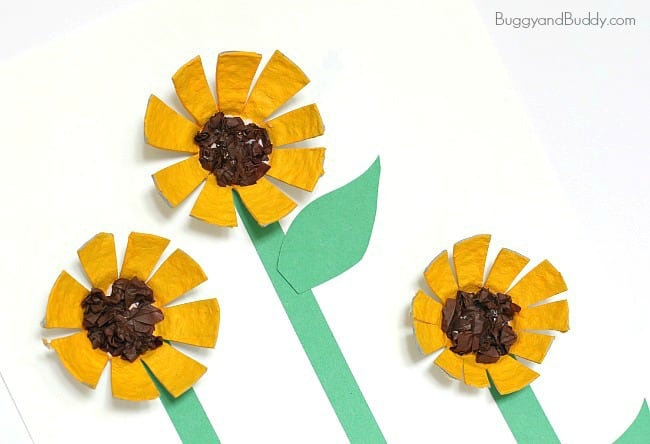
Create lovely sunflower crafts, such as wreaths, garlands, or hair accessories, using natural materials and scrap fabric.

18. Sunfloweryoga Session:

Practice yoga surrounded by the tranquility of a blooming sunflower garden to find inner peace and connect with nature.

19. Sunflower Field Trips:

Arrange field trips to botanical gardens, farms, or galleries that feature beautiful displays of sunflowers for immersive learning experiences.

Conclusion:

These 19 super sunflower activities offer countless ways to connect with nature, promote creativity, and learn about the wonderful world of these captivating flowers. Gather your family and friends, choose your favorite activities, and bask in the warmth that only these amazing plants can bring.

15 Name Jar Activities For Personal Reflection & Community-Building

Introduction:

Name Jar activities are an excellent way to promote personal reflection and community-building in various settings, such as school classrooms, corporate retreats, or social groups. They encourage participants to share meaningful stories and experiences, helping everyone understand and appreciate each other’s unique perspectives. Here are 15 Name Jar activities to get your group engaged in meaningful conversation and team bonding.

1. The Classic Name Jar:

Have each participant write their first name on a slip of paper, fold it, and place it in a large jar. Pass the jar around and have everyone pick a name. The person whose name you draw becomes your “Name Buddy.” Share something interesting or fun about yourself with your Name Buddy.

2. Gratitude Names:

Repeat the Classic Name Jar process, but this time ask participants to write down something they are grateful for alongside their names. Encourage everyone to share their gratitude with the rest of the group.

3. Memory Names:

Have each person write down a favorite childhood memory along with their name. Mix the slips in the jar, and then pick one and read it aloud. The group must guess whose memory it is.

4. Future Names:

Participants write their names followed by one future goal they have. After drawing names from the jar, discuss ways to help each other achieve these goals.

5. Compliment Names:

Write names on slips of paper along with a compliment for someone else in the group. Read aloud randomly-selected compliments, and guess who they’re for!

6. Strengths Names:

Ask everyone to list three of their strengths alongside their names. Draw names from the jar, reflect on how these strengths have helped you or can be advantageous in the group dynamic.

7. Icebreaker Names:

Have participants write down an interesting fact about themselves with their name. This creates an engaging icebreaker activity as people try to match the fact with the individual.

8. Hometown Names:

Ask each participant to write their hometown alongside their name. Use a world map to mark each location and discuss your group’s cultural diversity.

9. Silly Names:

Have participants create funny nicknames for themselves, and share a silly story or quirky fact about themselves.

10. Superhero Names:

Encourage everyone to invent a superhero persona with related superpowers. Share these identities and have fun discussing how your “super team” might save the world!

11. Quote Names:

Write famous or personal favorite quotes next to names. Mix up, draw, and guess who wrote each quote.

12. Travel Names:

Ask everyone to write their dream vacation destination with their name. Discuss these spots in pairs or small groups, and learn more about each other’s travel interests.

13. Pet Names:

Participants share their favorite animals or pets by writing them down next to their names. Discover common interests by pairing up pet owners or animal lovers within the group.

14. Music Names:

Have members write a favorite song or musical artist along with their name and discuss why they love it, enriching cultural exchange among the group.

15. Kindness Act Names:

Everyone lists a random act of kindness they witnessed or performed recently alongside their names, sparking inspiration for more good deeds as a community.

Conclusion:

Name Jar activities can significantly impact personal reflection and community-building in various settings. These 15 activities offer plenty of ideas to get started on fostering meaningful connections within your group, so give them a try!

26 Fun Button Activities for Kids

Introduction:

Buttons are versatile and excellent crafting materials for children, providing endless opportunities for creativity, learning and fun. Here are 26 exciting button activities your kids will love.

1. Button Art: Encourage your child to create their own masterpiece using different colored and sized buttons.

2. Button Sorting: Teach your child sorting skills by asking them to sort buttons based on color, size or shape.

3. Button Memory Game: Make a simple memory game by gluing matching pairs of buttons onto index cards or small pieces of cardboard.

4. Button Snakes: Using a piece of yarn or string, children can thread buttons to make a colorful snake.

5. Button Bracelets: Your kids can create stylish bracelets by threading elastic cords through buttonholes.

6. Button Collages: Provide cardstock and glue for children to create unique button collages.

7. Button Sensory Bin: Fill a bin with buttons, and let your child explore textures and colors using their hands.

8. Button Counting: Enhance early math skills by asking your kid to count buttons or group them by specific numbers.

9. Alphabet Buttons: Assign different letters to specific button colors, then ask your child to spell words using the appropriate buttons.

10. Button Tic-Tac-Toe: Create a tic-tac-toe game board using two different colored sets of buttons as the markers.

11. DIY Button Games: Use buttons as game pieces for homemade board games or as simple counters.

12. Color Matching Puzzle: Cut out various shapes in cardstock and ask kids to fill the shapes with matching colored buttons.

13. Button Stamps: Glue buttons onto bottle caps or corks to create unique stamps for arts and crafts projects.

14. Pretend Play Buttons: Decorate a handbag, shoes or clothing with removable buttons for imaginative role-playing games.

15. String Art With Buttons: Use push pins, string and buttons to create colorful, unique string art.

16. Button Matching Game: Create a matching game with sets of identical buttons, and encourage your child to find matches.

17. Button Bingo: Develop a customized button-themed bingo game for hours of fun.

18. Button Necklaces: Teach your child how to make button necklaces using yarn or string and an assortment of fun buttons.

19. Musical Buttons: Create a simple musical instrument by attaching various buttons to a tin can and shaking.

20. Button Tree Craft: Make a beautiful tree craft using real twigs or brown pipe cleaners for branches and colorful buttons as leaves.

21. Button Mandala: Encourage calm creativity by making gorgeous button mandalas on cardstock or small wooden rounds.

22. Button Bookmarks: Your kids can create personalized bookmarks from large paper clips and colorful buttons.

23. Button Math: Teach basic addition and subtraction by using buttons as visual aids.

24. Button Wind Chimes: String together some old or decorative buttons onto fishing line, then hang them together to enjoy the sweet tinkling sound in the breeze.

25. Button Patterning: Work with your child to create repeating patterns with different buttons based on size, shape or color.

26. Storytelling With Buttons: Use different colors of buttons to represent characters, places, and events in a story your child creates.

Conclusion:

With these 26 fun button activities for kids, you’ll be able to promote creativity, learning, and hands-on play while making lasting memories together!

Colorful Adventures: 35 Rainbow-Themed Crafts for Students

Introduction:

Looking to brighten up your classroom and engage your students in a creative and educational activity? Look no further! Rainbow-themed crafts are not only visually appealing, but they also provide an excellent opportunity for students to learn about colors, color theory, and light. Here are 35 rainbow-themed craft ideas that teachers of all grade levels can easily incorporate into their lesson plans.

1.Paper Plate Rainbows: Have students paint or color paper plates in the colors of a rainbow and then cut them in half to create beautiful rainbows.

2.Rainbow Collages: Provide various colored papers or magazines for students to create their own unique rainbow collages.

3.Rainbow Bead Necklaces: Use different colored beads to create rainbow necklaces to wear during celebrations.

4.Coffee Filter Rainbows: Use washable markers to color coffee filters, then spritz with water to see the colors blend!

5.Rainbow Windsocks: Craft windsocks from construction paper in various colors and hang them around the classroom.

6.Fingerprint Rainbow Art: Guide students in creating fingerprint patterns along a black line, creating rainbows with their own fingers!

7.Rainbow Suncatchers: Attach tissue paper pieces to plastic wrap and frame them on laminated black paper.

8.Painted Popsicle Stick Rainbows: Let each student paint a group of popsicle sticks in separate rainbow colors, then arrange them on a paper backer like a fan.

9.Cotton Ball Rainbows: Spread cotton balls across butcher or construction paper, teaching your students about cloud formation at the same time!

10.Pipe Cleaner Rainbows – Create vibrant rainbows by twisting together pipe cleaners in different colors!

11.Handprint Rainbows – Have the class dip hands in colorful paint to create beautiful handprint rainbows!

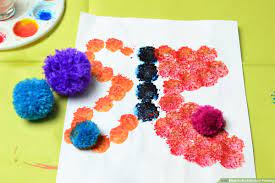
12.Chromatography Butterflies: Use coffee filters for experimenting with color separation, then use the results to create unique butterfly wing designs.

13.Color Wheel Spin Art – Use a salad spinner and paint to create spinning rainbow designs.

14.Clothespin Rainbow Wreath: Attach painted clothespins to a paper plate to create a colorful wreath!

15.Edible Rainbow Snacks: Make fruit or vegetable skewers in the colors of the rainbow!

16.Marshmallow Rainbows: Build rainbows out of marshmallows and colored toothpicks!

17.Crystal Rainbows – Create your own crystal rainbows through easy at-home science experiments!

18.Rainbow Dreamcatchers – Teach students about the history of dreamcatchers while crafting them in rainbow colors.

19.Clay Pot Rainbows: Have each student paint a terra cotta pot or bowl in their favorite rainbow colors!

20.Melted Crayon Art: Arrange broken crayons on canvas and use a hairdryer to create melted crayon rainbows!

23 Creative Activities To Use A Cardboard Box

Cardboard boxes are versatile and readily available materials for engaging in various creative activities. With a little bit of imagination, you can transform any ordinary box into something magical and fun. Here are 23 creative activities that you can do with a cardboard box:

1. DIY Playhouse: Repurpose a large cardboard box into a fantastic playhouse for your children.

2. Make a maze: Attach several boxes together to create a maze full of twists, turns, and dead ends for hours of fun.

3. Puppet theater: Convert a box into a mini-theater by cutting out the front and adding curtains.

4. Drive-in theater: Decorate boxes as cars and have an indoor drive-in movie night with your family.

5. Cardboard castle: Stack smaller boxes together to create an elaborate fortress for imaginary battles or princess play.

6. Cat condo: Create a multi-level cat condo with hiding spots, scratching posts, and lookout platforms.

7. Pet bed: Make it cozy with some blankets and create an area for your dog to nap comfortably.

8. Dinosaur den: Add some green paper cutouts or paint to create a prehistoric landscape for your kids’ dinosaur toys.

9. Ball toss game: Cut out holes in different shapes and sizes, assign point values, and create a fun ball toss challenge.

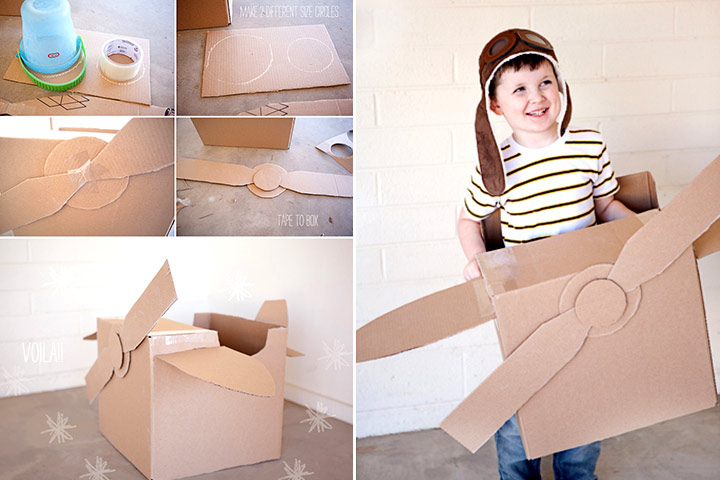
10. Build a robot costume: Decorate the box with aluminum foil, paint buttons, dials, gears on it, and make it wearable as a unique costume.

11. Indoor garden: Use smaller boxes as planters for indoor plants or herbs on windowsills or countertops.

12. Art canvas: Lay the cardboard flat on the ground or prop it up against a wall for kids to paint or color on it.

13. Dollhouse: Decorate rooms in the box and repurpose household items as dolls’ furniture.

14. Giant Jenga: Cut the cardboard into uniform pieces to create a large-scale Jenga game.

15. Mini arcade: Build a mini claw machine, pinball machine, or skee-ball game using spare parts from around the home.

16. Shadow box: Use it to display trinkets and treasures or as a 3D wall art piece.

17. DIY Skeeball: Create an incline plane and cut out circles for a fun indoor skeeball game.

18. Train tunnel: Connect multiple boxes to create an elaborate train set complete with tunnels and bridges.

19. Camera obscura: Use the box to make a pinhole camera and project images onto your wall.

20. Time capsule: Store your treasured objects in the box and seal it shut for future discovery.

21. Toy car garage: Design multi-level parking spaces for a kid’s toy car collection.

22. Puppet characters: Draw, paint or glue on faces and features to turn the boxes into interesting puppet characters.

23. Birthday piñata: Turn an ordinary cardboard box into an exciting, colorful piñata filled with treats for parties.

These are just some of the creative activities you can do with a cardboard box. Unleash your creativity and let the entertainment begin!