Art Education

32 Delightful Five Senses Books for Kids

Introduction:

The world around us can be a fascinating and delightful place, especially when experienced through our five senses. Engaging children’s curiosity and helping them learn more about their environment can be achieved by introducing them to books that focus on the five senses. Here is a list of 32 delightful five senses books that will help kids explore their senses and develop an appreciation for the wonders that surround them.

1. My Five Senses by Aliki

2. The Magic School Bus Explores the Senses by Joanna Cole

3. The Listening Walk by Paul Showers

4. I Hear a Pickle: And Smell, See, Touch, and Taste It, Too! by Rachel Isadora

5. Press Here by Hervé Tullet

6. Too Much Noise by Ann McGovern

7. Oh, the Things You Can Do That Are Good for You! by Tish Rabe

8. Polar Bear, Polar Bear, What Do You Hear? by Bill Martin Jr.

9. Sid the Science Kid: The Trouble with Germs by Jennifer Frantz

10. The Nose Book by Dr. Seuss

11. The Feel Good Book by Todd Parr

12. Fire Engine Man by Andrea Zimmerman and David Clemesha

13. I Can Tell By Touching: A Five Senses Story Song Book by Carolyn Otto

14. Taste Test: The Tasty Adventures of Rosemary McLeod by Kelly DiPucchio

15. Dog’s Colorful Day: A Messy Story About Colors and Counting by Emma Dodd

16. Brown Bear, Brown Bear, What Do You See? By Bill Martin Jr.

17. Look, Listen, Taste, Touch, and Smell: Learning About Your Five Senses by Pamela Hill Nettleton

18. Mole’s Hill: A Woodland Adventure by Lois Ehlert

19. Leo Can Swim by Anna McQuinn and Ruth Hearson

20. The Very Hungry Caterpillar by Eric Carle

21. If You Were a Plant: A Book About Your Five Senses by Diane Lang and Lauren Gallegos

22. Yucky Worms: Read and Wonder About Earth’s Slimy Creatures by Vivian French

23. Old MacDonald Had a Farm: A Five Senses Story Song Book by Salina Yoon

24. How Do You Feel? By Anthony Browne

25. The Ear Book by Al Perkins and Henry Payne

26. Henny Penny’s Surprising Day: Life on the Farm Through the Eyes of One Unusual Hen by Darcie McNally

27. I Stink! By Kate McMullan and Jim McMullan

28. Little Mouse and the Big Cupcake by Thomas Taylor and Jill Barton

29. Otto Goes To Camp: A Five Senses Animal Adventure by Bill Charles Cole and Toddy Simpson Brown

30. Farmyard Beat: A Barnyard Band of Animals Make Some Noise! By Lindsey Craig

31. Gilberto and the Wind: A Tale of Adventure, Play, and Imagination by Marie Hall Ets

32. Each Peach Pear Plum: A Rhyming I-Spy for Little Ones by Janet Ahlberg and Allan Ahlberg

Conclusion:

Introducing children to these delightful books about the five senses will not only encourage their curiosity but also help them gain a better understanding of their world. These stories will not only teach kids about their senses but also inspire a love for reading that will last a lifetime. So go ahead, read together, explore your senses, and increase your child’s excitement for learning about themselves and the world around them!

Inspiring Interest in Literature with Manga

A vast and colorful world of storytelling awaits readers across the globe, yet there remains a significant portion of individuals who struggle to find genuine interest in traditional literature. Manga, the Japanese style of graphic novels, has emerged as a compelling force bridging the gap, capturing attention and inviting readers on a journey to appreciate literature from different vantage points.

Creating a Connection through Visuals

Manga’s origin can be traced back to Japan as early as the 12th century. These unique Japanese comic books stand out for their exceptional artistry, intricate plots, and versatility in addressing various genres like action, romance, fantasy, horror, or science fiction. Manga amplifies the power of storytelling by merging words with dazzling illustrations that synchronize emotions and imaginations in an immersive way.

This union between visuals and text piques interest in literature among individuals who may have difficulties connecting with traditional literary works. A manga is often more accessible than dense text because it offers well-defined elements that portray characters’ emotions and easily transport readers into the story’s universe. While reading a manga, one can instantly recognize different moods or connect with places described by its vivid illustrations.

Sparking Curiosity through Transcultural Adaptations

The transcultural nature of manga has been steadily influencing people to broaden their literary horizons. Immensely popular works have been adapted to graphic novel format from classic literature such as Shakespeare’s plays or famous novels like Fyodor Dostoevsky’s “Crime and Punishment.” Introducing these iconic works through manga connects readers who were previously intimidated by classic literature and encourages them to explore further.

These adaptations awaken curiosity among audiences who may not have given conventional written versions a chance before. The artistic rendering of these masterpieces allows for interpretations that reach a broader spectrum of people while retaining an enriched understanding of their literary essence.

Promoting Parent-Child Bonding through Shared Experiences

In a world continuously flooding with screens and digital distractions, manga offers a heartfelt opportunity to bond over literature. Parents who share their love for this medium with their kids can inspire a lifelong passion for literature and storytelling. Reading together or discussing favorite titles can strengthen parent-child relationships by creating shared, lasting memories.

Fostering Literary Appreciation through Manga Club Activities

Manga clubs in schools and communities have become an engaging platform to promote interest in literature. Club activities combine reading, writing, and drawing to foster students’ creativity and cognitive abilities. Participants also develop critical thinking skills through the examination of themes and plots, story interpretation, and character analysis.

There is no doubt that manga has had a profound impact on the world of literature, bringing delightful alternatives for individuals who may have previously struggled to connect with written works. Accessible, inspiring, and undoubtedly creative, manga captures imaginations from all walks of life and serves as an excellent gateway into the diverse world of storytelling.

How to Get Started with Zentangle Patterns in the Classroom

Introduction

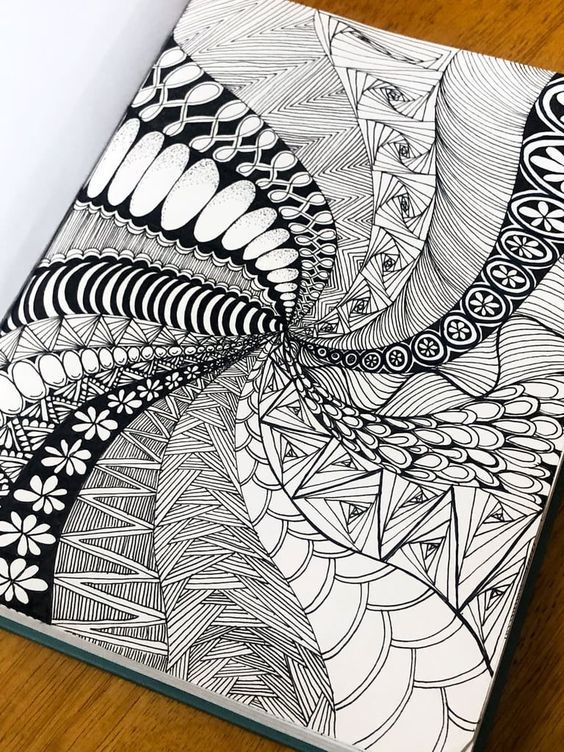
Zentangle is an artistic technique that involves drawing patterns and shapes, often referred to as “tangles,” one step at a time. This method allows individuals of all skill levels to create complex, beautiful designs while also providing a calming and meditative experience. Zentangle patterns are an excellent tool for educators, as they can foster creativity, improve focus, and build confidence in students. Here’s a guide to getting started with Zentangle patterns in the classroom.

1.Introduce the Zentangle Concept

Begin by explaining the concept of Zentangle to your students and discussing its benefits. You can mention:

– The step-by-step approach makes it easy for everyone to create intricate designs.

– The process encourages mindfulness and relaxation.

– This method enhances focus and concentration.

– It builds confidence in one’s artistic abilities.

2.Demonstrate Basic Techniques

To help students develop a strong foundation in Zentangle, start by teaching them some basic techniques such as:

– Using a pencil to draw a simple border or “string” that divides their paper into sections.

– Filling each section with a different tangle pattern.

– Encouraging them to turn the paper as they work, so that their tangles become more symmetrical.

– Reminding them that there are no mistakes in Zentangle – only opportunities for creativity.

3.Provide Examples and Inspiration

Show your students various examples of completed Zentangles, either from books, online resources, or your own creations. This will give them inspiration and help expose them to different tangles and styles.

4.Encourage Experimentation

Allow your students to experiment with different tangles, patterns, and shading techniques. This will help them develop their unique style while also discovering new tangles they enjoy.

5.Share Supplies and Resources

Provide students with the appropriate materials, such as fine-tip pens, pencils, and paper. You may also want to consider investing in Zentangle books or instructional materials to use as classroom resources.

6.Incorporate Zentangle into Other Lessons

Zentangle can be a versatile tool in your curriculum. Consider integrating it into other subjects, such as:

– Art: Use Zentangle to explore various art styles and techniques.

– Math: Practice geometrical concepts and patterns within Zentangle designs.

– Language Arts: Use Zentangle as a creative writing prompt or storytelling element.

– Social Studies: Explore the cultural significance of patterns and design in different societies.

7.Display Finished Work

Create a space in your classroom or school where students can showcase their finished Zentangles. This will provide them with an opportunity to share their work and strengthen the sense of community in your learning environment.

Conclusion

Incorporating Zentangle patterns into your classroom is an excellent way to introduce students to a new art form while promoting mindfulness and creativity. By following these tips, you can successfully start using Zentangle patterns in your classroom and inspire your students to explore their artistic talents.

15 Creative Art Activities Inspired by “The Dot”

Introduction:

“The Dot” by Peter H. Reynolds is a heartwarming children’s book about finding the courage to be creative and embrace one’s unique talents. In the story, Vashti, a young girl, believes she can’t draw, but with a gentle nudge from her art teacher, she discovers that just one dot can inspire countless possibilities. To celebrate this beautiful message of creativity and self-expression, we’ve compiled a list of 15 art activities inspired by “The Dot” for children of all ages.

1. Dot-to-Dot Connect

Create Dot-to-Dot worksheets for children to connect the dots and reveal unique shapes or images, helping them to build their drawing skills gradually.

2. Dotted Paper Mosaic

Have children tear or cut colored paper into tiny pieces and use glue to arrange the dots to create artistic mosaic masterpieces.

3. Fingerprint Dots

Using non-toxic washable ink pads, kids can dip their fingertips in various colors and make dots on paper to create playful designs or form pictures.

4. 3D Dot Sculptures

Use small clay balls or beads as the base and encourage children to construct 3D sculptures using only dots as building elements.

5. Pointillism Painting

Introduce kids to this technique inspired by artists like Georges Seurat, where they can create impressive artwork by painting only with little dots of color.

6. Pom-Pom Stamping

Dip small pom-poms in paint and use them as stamps on paper or canvas to make beautiful dot patterns that resemble dandelion puffballs or firework bursts.

7. String Art with Dots

Help younger artists create colorful string art pieces featuring dotted designs by wrapping strings around nails hammered into wood or thick foam.

8. Bubble Wrap Printing

Recycle bubble wrap by having kids dip it into paint and press it onto paper, leaving behind beautiful dotted patterns.

9. Sticker Dot Collage

Provide various sizes and colors of adhesive circle stickers for children to arrange and create striking collages.

10. DIY Dot-Stamped Rocks

Using acrylic paint, kids can stamp dot patterns on smooth rocks, transforming them into vibrant works of art.

11. Spin Art with Dots

Use a salad spinner lined with paper or purchase a spin-art machine, and help children create mesmerizing designs by spinning small drops of paint.

12. Embroidery Hoop Weaving

Incorporate dots into woven designs by using circle-shaped looms made from embroidery hoops for a modern and captivating take on weaving.

13. Dotted Clay Jewelry

Children can roll clay into small balls and press them onto clay pendants or beads to create patterned jewelry pieces that incorporate the dot motif.

14. Mandala Drawing

Teach children about the ancient art of creating mandalas, encouraging them to focus on incorporating dots in their radial designs to evoke “The Dot” themes.

15. Collaborative Group Dot Mural

Allow kids to work together to create a large-scale dot mural, whether painting directly on a wall or making a collaborative canvas piece that showcases each child’s unique dot style.

Conclusion:

These 15 creative art activities inspired by “The Dot” encourage self-expression and teach kids that even the smallest mark can spark endless creativity. By experimenting with dots in various forms and mediums, young artists can build confidence while exploring their unique artistic talents just like Vashti in the beloved story.

20 Unique Mirror Activities

Introduction

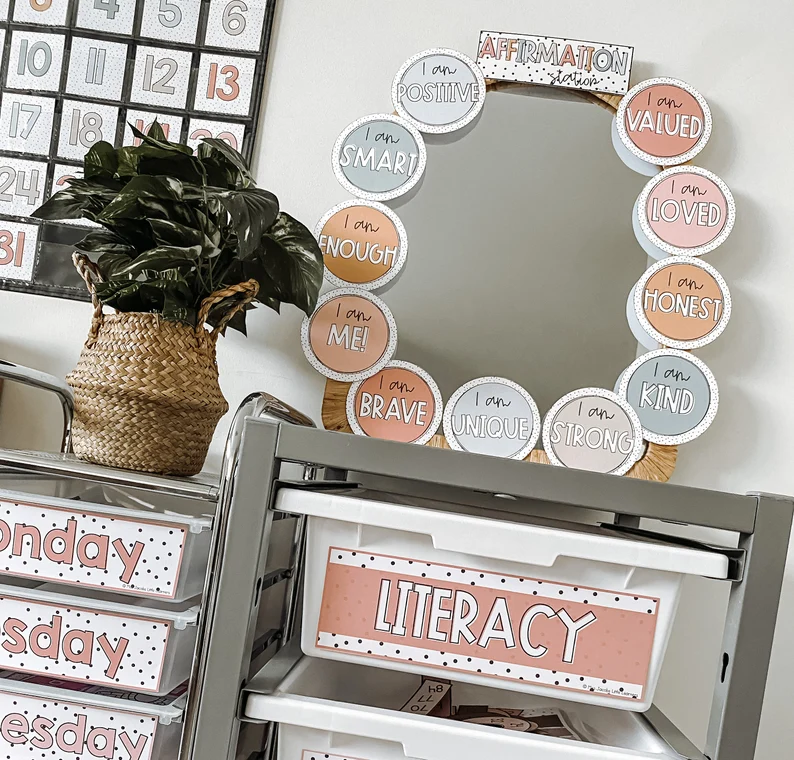
Mirrors have been a source of fascination and entertainment for centuries. These reflective surfaces can provide endless amusement and education for people of all ages. In this article, we will explore 20 unique mirror activities that will unleash your creativity and bring joy to your daily life.

1. Mirror Painting

Create a beautiful piece of art by applying paint directly onto a mirror surface instead of using canvas or paper. This provides a new way to experiment with colors, textures, and techniques.

2. Symmetrical Portraits

Draw half of your face on paper, then place the paper against a mirror to create a symmetrical portrait. This activity helps with understanding symmetry and can lead to some fun and interesting results.

3. Mirror Mazes

Design intricate mazes using small mirrors and challenge friends or family members to navigate the paths using only their reflection.

4. Multiplying Shapes

Arrange mirrors at different angles to create multiplying reflections of one shape, showcasing how mirrors can change the perception of an object.

5. Reflective Journaling

Write down your thoughts on a mirror with dry-erase markers as you reflect on your day. This temporary medium allows you to easily wipe away mistakes or negativity, making room for positivity.

6. Mirror Dance Party

Position multiple mirrors in a room and play music while watching the reflections dance along with you, creating an immersive party experience.

7. DIY Kaleidoscope

Use mirrors and colorful objects to build your very own kaleidoscope for hours of visual exploration.

8. Shadow Puppets Theatre

Create an enchanting shadow puppet show using mirrors to amplify the visuals from different angles.

9. Optical Illusions

Experiment with reflections by creating intriguing optical illusions that challenge your perception of reality.

10. Reflective Photography

Explore the world of photography by incorporating mirrors into your compositions for creative effects and unique perspectives.

11. 3D Mirror Sculptures

Build stunning, three-dimensional mirror sculptures by combining various shapes and sizes of mirrors.

12. Family Mirror Portraits

Capture funny and memorable family moments by posing for group photos in front of a mirror.

13. Mirror Writing

Develop your cognitive skills by practicing writing in reverse on mirrors using dry-erase markers.

14. Blindfolded Makeup Challenge

Test your coordination and trust with a partner in a blindfolded makeup challenge, using mirrors to reveal the hilarious results.

15. Reflective Fashion Show

Transform a room into a runway by lining it with mirrors. Showcase your favorite outfits while checking out your reflection from all angles.

16. Reflection Treasure Hunt

Hide small, reflective objects throughout a space and organize a treasure hunt using clues based on the reflections provided by mirrors.

17. Mirror Obstacle Course

Set up an obstacle course lined with mirrors and test your spatial awareness as you navigate through the reflective maze.

18. DIY Disco Ball

Create your own disco ball using small mirror pieces and turn any room into a dance party.

19. Mirror Meditation

Practice mindfulness by meditating in front of a mirror, focusing on your reflection and connecting with your inner self.

20. Reflective Storytelling

Incorporate reflections into storytelling with children, encouraging imagination while developing observation and communication skills.

Conclusion

From artistic expression to cognitive challenges, these 20 unique mirror activities offer endless opportunities for fun, creativity, and self-discovery. So grab a mirror (or several) and start exploring the world of reflections today!

15 Clever And Creative Me-On-A-Map Activities

Introduction:

Me-On-A-Map activities are a fun, engaging way to help children understand the concept of maps, locations, and directions. They can also help kids become more aware of their surroundings and realize their place in the world. In this article, we’ll explore 15 clever and creative Me-On-A-Map activities that you can try with your kids or students.

1. My Neighborhood Map: Have children create a map of their neighborhood, including landmarks like their home, school, park, etc. Encourage them to add colors and details to make it personalized.

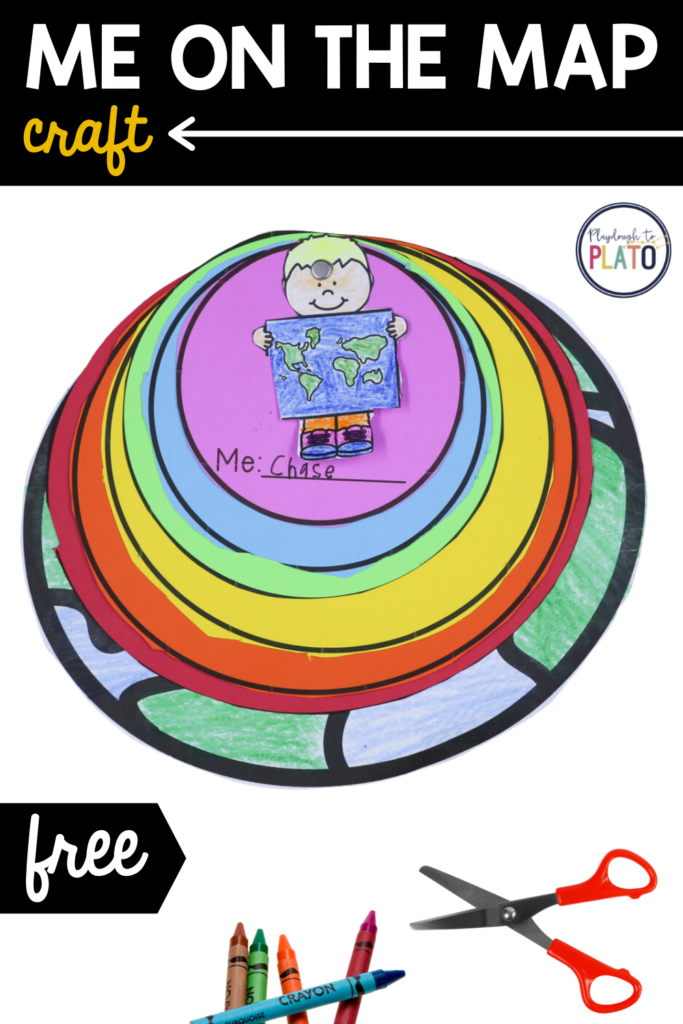
2. Layered Map Art: Children can create multi-layered maps by drawing their room, house, neighborhood, city, country, and continent on separate sheets of paper. Stack the layers together for a cool 3D effect.

3. Personalized Compass Rose: Teach kids about cardinal directions by having them design a unique compass rose featuring their favorite symbols or images.

4. Where Am I? Game: Kids draw or describe a location on a map (real or imaginary), and others have to guess where they are.

5. DIY Map Jigsaw Puzzle: Create custom jigsaw puzzles from printed maps of local areas or favorite destinations for hands-on learning fun.

6. Map Collage: Encourage children to collect old maps or print out images from the Internet and create a collage representing places they’d like to visit someday.

7. Pin The Tail On The City/Country: A twist on the classic party game – instead of pinning a tail on a donkey, players pin stickers onto a map while blindfolded and try to locate specific cities or countries.

8. Landmark Bingo: Create bingo cards with famous landmarks from around the world or your local area. Kids use atlases or online resources to find each landmark’s location on a map.

9. Global Hopscotch: Design a hopscotch board that takes players on a journey around the world. Incorporate flags, images, and trivia questions in each square to make it even more educational.

10. Map Treasure Hunt: Hide small prizes or clues throughout a mapped area (home, school, or neighborhood) and have kids search for them using directions and coordinates.

11. Story Mapping: Have children write a short story that takes place in multiple locations, then have them draw a map of the story’s world.

12. Map Memory: Create a memory game using images of maps and landmarks. Kids have to match the correct landmarks with their corresponding maps.

13. City Planners: Give children a blank map and let them design their ideal city with roads, buildings, parks, and other features.

14. Edible Maps: Use food items like candy, cereal, or fruits to create map features such as rivers, mountains, and borders. This tasty activity is great for younger children.

15. Map Scavenger Hunt: Compile a list of map-related tasks (e.g., finding specific coordinates or drawing a particular symbol) for kids to complete within a set time frame.

Conclusion:

Incorporating Me-On-A-Map activities into your lesson plans or family outings can be fulfilling for both kids and adults alike. These projects encourage creativity while also teaching valuable skills like spatial awareness and navigation. Give these 15 activities a try and see just how much fun learning about maps can be!

20 Memorable Activities Inspired By Turning Red

1. Themed Movie Night: Gather friends and family for a “Turning Red”-inspired movie night. Decorate with red accents, serve popcorn and red-colored beverages to get into the spirit of things.

2. Create Your Own Panda Plush: Get crafty and make your very own panda plush toy inspired by Turning Red’s lovable character. Use felt, fabric, and stuffing to create a hug-worthy companion.

3. Plan a Scavenger Hunt: Organize a Turning Red-inspired scavenger hunt around your town or city, with clues leading to red-colored items or landmarks related to the film.

4. Bake Panda Cookies: Decorate homemade sugar cookies in the shape of pandas with red icing, and serve them as a sweet treat on movie night—or any other celebration.

5. DIY Red Wall Art: Channel your inner artist and create a “Turning Red”-inspired masterpiece to hang on your wall—even if it’s just finger painting!

6. Design Your Own Panda Costume: Get creative and design a unique panda costume inspired by the movie—perfect for Halloween or cosplay events.

7. Panda Yoga: Incorporate panda-inspired poses into your yoga routine to find balance, strength, and flexibility with a touch of whimsy.

8. Create Themed Origami: Learn how to fold origami pandas, then decorate them using red markers or paint for a pop of color.

9. Host a Themed Trivia Night: Test your friends’ knowledge of “Turning Red” with fact-based trivia questions about the film’s characters, plot, and more.

10. Learn Calligraphy: Honor the film’s background by learning basic Chinese calligraphy techniques to create beautiful scripts or artwork.

11. Plan a Neighborhood Celebration: Organize neighbors with door-to-door activities centered around Turning Red’s themes of friendship, growth, and empathy—complete with red decorations.

12. Vegetable Gardening: Start a vegetable garden with cherry tomatoes, peppers, and red-leaf lettuce to pay homage to the film’s vibrant color palette.

13. Celebrate with a Panda Picnic: Prepare an outdoor picnic featuring panda-themed snacks and sandwiches in the shape of pandas made from red fruits or veggies.

14. Make Your Own Movie Poster: Design a poster for “Turning Red” using pencils, markers, or paint—and don’t forget to include the movie’s lovable characters!

15. Turning Red Karaoke: Host a karaoke night featuring songs from the movie or catchy tunes that embody its themes of friendship, family, and self-discovery.

16. Neighborhood Bike Ride: Organize a neighborhood bike ride where participants dress in red or panda-themed attire—great for building community bonds and fostering fitness!

17. DIY Panda Mask: Create your own panda mask using construction paper, glue, scissors—a creative way to celebrate Turning Red on a budget.

18. Plan a Red-Wave Flash Mob: Get together with friends and perform a coordinated dance in public spaces while wearing all-red outfits—an eye-catching tribute to the movie!

19. Visit a Panda Preserve or Zoo Exhibit: Learn more about these fascinating creatures by visiting a panda conservation center or checking out your local zoo’s exhibit.

20. Volunteer at an Animal Rescue: In the spirit of the film’s message about empathy and friendship, volunteer your time at an animal rescue or sanctuary to help care for animals in need.

Get inspired by Turning Red and have fun exploring these memorable activities—whether you’re celebrating a birthday, hosting a party, or just want to incorporate its themes into your daily life!

21 Teachable Totem Pole Activities

Teachable totem pole activities are interactive and creative ways to teach children about the indigenous art form, culture, and history. Incorporate these 21 exciting activities into your lesson plan to engage students in a fun and meaningful learning experience.

1. Totem Pole Research: Start by introducing students to the concept of totem poles. Share resources, such as books, videos, and images, that display a variety of totem poles from different indigenous cultures.

2. Storytelling: Teach students about the importance of storytelling in indigenous cultures. Encourage them to create their own short stories based on the meanings behind various totem pole figures.

3. Totem Pole Design: Have students design their own totem poles using pencil and paper or digital tools.

4. Clay Sculptures: Provide students with clay, and allow them to sculpt their own small-scale totem poles.

5. Paper Roll Totem Poles: Guide students in crafting miniature totem poles using paper rolls, paint, and markers.

6. Totem Animal Exploration: Teach students about the various animals typically represented on totem poles, such as eagles, bears, and wolves. Discuss their cultural significance and symbolism.

7. Puzzle Challenge: Create a totem pole puzzle with interchangeable parts for students to mix and match different figures.

8. Totem Pole Rubbings: Make rubbings of embossed or carved surfaces that depict traditional totem pole designs, providing hands-on understanding of texture and detail.

9. Matching Game: Develop a game where students match each animal figure with its symbolic meaning or story.

10. Collaborative Classroom Totem Pole: Assign each student a specific animal figure or symbol to create collaboratively on a large-scale classroom totem pole display.

11. Field Trip: Organize a field trip for your class to visit local examples of indigenous art or museums displaying authentic totem poles.

12. Guest Speakers: Invite indigenous community members or artists to discuss their culture and the history of totem poles.

13. Documentary Discussion: Watch documentaries about totem poles, followed by facilitated discussions.

14. Totem Pole Museum: Set up a temporary classroom museum showcasing students’ totem pole creations and other indigenous artifacts.

15. Coloring Pages: Provide printable coloring pages of totem poles for young learners who may be more comfortable with pre-designed templates.

16. Totem Pole Skit: Encourage groups of students to act out stories inspired by their researched totem pole figures.

17. Cultural Connections: Discuss similar elements found in other world art forms, fostering cross-cultural appreciation and understanding.

18. Tracing Family History: Assign students a project where they research their own family histories, connecting personal stories to the concept of storytelling through art.

19. Creative Writing Prompts: Use images or descriptions of totem poles as creative writing prompts for students to develop original stories.

20. Totem Pole Legends and Tales: Share traditional indigenous legends and tales involving totem poles or animal figures from various cultures.

21. Reflection and Sharing Activity: Have students write a reflection on what they have learned about totem poles, as well as share their thoughts in a group discussion format.

Incorporating these 21 teachable totem pole activities will not only provide an engaging learning experience but also help students develop an appreciation for indigenous art and culture.

22 Captivating Culture Quilt Activities

Introduction:

Culture quilt activities are fun, engaging, and educational ways to teach students about the rich and diverse world around them. Using quilting as a metaphor, these activities promote creativity, collaboration, and understanding of different cultures. Here are 22 captivating culture quilt activities you can try in your classroom or at home.

1. Quilt of Flags: Have students research different country flags and create a quilt square for each.

2. Traditional Patterns: Assign students various ethnic patterns (ex: Native American, African, or Indian) to create squares representing that specific culture.

3. Cultural Landmarks: Students can create quilt squares featuring famous landmarks from different countries.

4. Traditional Foods: Participants make squares portraying their favorite traditional dishes from various cultures.

5. World Languages: Encourage students to learn key phrases in different languages and incorporate them into their quilt squares.

6. Musical Quilt: Assign students to create an image that represents a genre of music from a specific culture.

7. Poetry Patchwork: Invite participants to write their own poems or find traditional poems from various cultures to incorporate into the quilt.

8. Biographical Squares: Assign students to research inspiring individuals from different cultures and create a square celebrating each person’s achievements.

9. Global Fashion: Have participants design clothing squares inspired by traditional attire from around the world.

10. Cultural Holidays: Create quilt squares featuring various celebrations and holidays from different cultures.

11. Religious Symbols: Students design squares with symbols of world faiths and religions in a respectful manner.

12. Cultural Proverbs: Participants incorporate wise sayings or proverbs from different countries into their quilt squares.

13. Children’s Literature: Assign famous children’s stories from around the world as inspiration for creating literary-themed quilt squares.

14. Currency Collage: Incorporate images of currency from various nations into your quilt design.

15. Mask Mosaic: Create squares inspired by traditional masks from diverse cultures around the world.

16. Family Trees: Encourage participants to create squares reflecting their own family history and cultural background.

17. Cultural Heroes: Students create quilt squares portraying influential cultural heroes from different countries.

18. Cultural Dances: Assign students to research and depict traditional dances from various cultures in their quilt square designs.

19. Climate Quilt: Participants design squares that represent the climates and geographical features of different regions of the world.

20. Wildlife World: Incorporate images of unique animal species from various countries into your quilt squares.

21. Science and Inventions: Assign students to research important scientific innovations or discoveries from diverse cultures and create corresponding quilt squares.

22. Unity in Diversity Finale: Gather all the quilt squares created by your students, and combine them into a final display, establishing a fascinating, visual representation of our world’s vibrant cultural diversity.

Conclusion:

Culture quilt activities not only provide an engaging approach to learning about our diverse world but also emphasize creativity and collaboration among students. By incorporating these 22 captivating culture quilt activities, students will develop a greater appreciation for different traditions, history, and perspectives while expanding their overall understanding of global cultures.

13 Fabulous Balloons Over Broadway-Themed Activities

Balloons Over Broadway is a delightful and thrilling experience, celebrated in New York City on Thanksgiving Day. This exciting event showcases gigantic helium balloons soaring above the city streets, bringing the festive atmosphere to life. The parade itself is a sight to behold, but the energy and creativity don’t have to stop there.

Add a dose of fun and flair to your Thanksgiving celebration with these 13 fabulous Balloons Over Broadway-themed activities:

1. Balloon-painting party: Gather your loved ones and get creative with balloons! Paint your favorite characters or designs on regular-sized or large round balloons using acrylic paints.

2. DIY mini balloon parade: Set up a mini Balloons Over Broadway-inspired parade in your backyard or living room. Use miniature helium balloons, figurines on wheels, or create your own floats using cardboard boxes.

3. Custom balloon launch: In the spirit of the parade, organize a custom balloon launch where you release biodegradable balloons into the sky with personalized messages of gratitude attached.

4. Create float-inspired table centerpieces: Capture the magic of the parade floats by designing themed table centerpieces for your Thanksgiving meal.

5. Costume contest: Encourage guests to dress up as their favorite float or character from Balloons Over Broadway and vote for the best costume.

6. Bake character-shaped treats: Whip up a batch of float- and character-shaped cookies or cakes using cookie cutters or cake molds, adding a fun twist to your dessert table.

7. Trivia quiz night: Put your loved ones’ knowledge to the test with a fun trivia quiz about the history and iconic moments of Balloons Over Broadway.

8. Parade bingo: Watch the event and play a round of bingo using cards filled with popular balloons to be seen in this year’s parade.

9. Make-your-own-masks craft activity: Set up a crafting station with materials like cardstock, markers, and embellishments for guests to create their own masks inspired by the parade characters.

10. Photo booth fun: Create a Balloons Over Broadway-themed backdrop and provide props for guests to take fun pictures throughout the celebration.

11. Themed scavenger hunt: Hide small plastic or plush versions of popular balloons from the parade around your home or yard and watch the kids have a blast searching for them.

12. Write and perform a Balloons Over Broadway skit: Have everyone choose their favorite character or balloon from the parade and create a short skit to entertain your guests.

13. Parade-viewing party: Host an epic viewing party by setting up projector screens or multiple TVs to watch the parade. Serve festive drinks, snacks, and themed treats as you enjoy the spectacle together.

These Balloons Over Broadway-themed activities will ensure your Thanksgiving celebrations are colorful, exciting, and filled with unforgettable memories. So get your creative gears running and start planning your own unique spin on this iconic New York City event!