Art Education

7 Classroom Art Activities Inspired by Famous Artists

Introduction:

Art is not just about creating beautiful paintings or sculptures, it is also a way to inspire creativity and imagination. In the classroom, incorporating art activities can help students explore the works of famous artists and learn valuable artistic techniques. In this article, we will explore 7 classroom art activities inspired by famous artists that will engage students and enhance their artistic skills.

1. Monet’s Water Lilies Collage:

Materials needed: construction paper, tissue paper, glue, scissors.

Instructions: Show students images of Monet’s famous water lilies paintings. Discuss his use of color and brushstrokes. Have students create their own water lilies collage using tissue paper and glue.

2. Picasso-inspired Self-Portraits:

Materials needed: drawing paper, pencils, markers, scissors.

Instructions: Introduce students to Picasso’s unique style of abstract self-portraits. Discuss his use of geometric shapes and distortion. Have students create their own self-portraits in the style of Picasso, using pencils, markers, and scissors to cut and rearrange the facial features.

3. Van Gogh’s Starry Night Canvas:

Materials needed: canvas, acrylic paints, paintbrushes.

Instructions: Show students Van Gogh’s famous painting “Starry Night.” Discuss his use of texture and movement. Have students recreate the painting on their own canvas using acrylic paints and paintbrushes.

4. Dali’s Surrealistic Sculptures:

Materials needed: modeling clay, sculpting tools.

Instructions: Introduce students to Dali’s surrealistic sculptures, such as “The Persistence of Memory.” Discuss his use of unexpected objects and dreamlike imagery. Have students create their own surrealistic sculptures using modeling clay and sculpting tools.

5. Matisse’s Cut-Out Collage:

Materials needed: colored paper, scissors, glue.

Instructions: Show students Matisse’s cut-out collages, such as “The Snail.” Discuss his bold use of colors and shapes. Have students create their own cut-out collages inspired by Matisse, using colored paper, scissors, and glue.

6. Warhol’s Pop Art Prints:

Materials needed: paper, markers or acrylic paints, printing materials (such as foam plates or linoleum blocks).

Instructions: Introduce students to Warhol’s pop art prints, such as his famous Marilyn Monroe series. Discuss his use of bold colors and repetition. Have students create their own pop art prints inspired by Warhol, using paper, markers or acrylic paints, and printing materials.

7. O’Keeffe’s Close-Up Flower Paintings:

Materials needed: watercolor paper, watercolor paints, paintbrushes.

Instructions: Show students O’Keeffe’s close-up flower paintings. Discuss her use of detail and vibrant colors. Have students create their own close-up flower paintings using watercolor paper, watercolor paints, and paintbrushes.

Conclusion:

Art activities inspired by famous artists not only expose students to different artistic styles but also encourage creative thinking and self-expression. By engaging in these classroom art activities, students can gain a deeper appreciation for art, develop their artistic skills, and perhaps even discover their own unique artistic voice. So, let the creative journey begin!

Book Inspired Halloween Costume Ideas for Teachers

Halloween is the perfect opportunity for teachers to celebrate not only the spookiest day of the year but also their love of literature. Dressing up as a beloved book character can inspire students, encourage them to read, and add an educational twist to costume fun. Here are some book-inspired Halloween costume ideas that are easy to put together and will make your classroom a more literary place this October!

1.Miss Frizzle from “The Magic School Bus”

Capture the quirky spirit of everyone’s favorite science teacher, Miss Frizzle. With a bright, patterned dress full of planets or dinosaurs, you can bring the magic of learning and adventure into your classroom. Don’t forget to accessorize with some planet earrings and a stuffed lizard to represent Liz.

2.Harry Potter or Hermione Granger

A classic choice is to go as characters from J.K. Rowling’s Harry Potter series. Get a black robe, a house scarf—in Gryffindor colors if you choose to be Harry or Hermione—and a wand. Draw on a lightning bolt or sport some bushy hair, and you’re all set for wizardry lessons.

3.The Cat in the Hat

Dr. Seuss’s Cat in the Hat is another fun and iconic figure. Wear a black onesie or pants and shirt combo with a red bow tie and white gloves. Top it off with the unmistakable tall, striped red and white hat, and you’ll be ready to cause some mischief in rhyme.

4.Atticus Finch from “To Kill a Mockingbird”

For something more subdued but equally powerful, teachers might dress as Atticus Finch, the embodiment of wisdom and justice in Harper Lee’s novel. A suit, glasses, and a briefcase are all you need. This costume might also serve as a conversation starter about important themes in literature.

5.Elizabeth Bennet from “Pride and Prejudice”

Turn into Jane Austen’s witty Elizabeth Bennet with an empire waist dress and some classic English countryside accessories like a bonnet or parasol. This look will transport your students straight into the Regency era and might just encourage them to tackle classic literature.

6.The Very Hungry Caterpillar

A perfect choice for elementary school teachers—turn into this lovable Eric Carle character by wearing green clothes and fashioning multi-colored felt circles into segments of a caterpillar’s body. A red hat with antenna completes this transformation from book page to classroom.

7.Where’s Waldo?

This is perhaps one of the easiest costumes: grab a red-and-white striped shirt, pair it with jeans, and add a knit cap with glasses. You’ll become instantly recognizable as Waldo, ready to hide somewhere in between your bookshelves.

8.The Mad Hatter from “Alice’s Adventures in Wonderland”

Embrace Lewis Carroll’s world by becoming the eccentric Mad Hatter with a colorful suit jacket, bow tie, trousers, mismatched socks, and that signature top hat with a price tag reading “10/6” attached at the side.

Let your creativity shine this Halloween by dressing up as one of your favorite book characters! Not only will you have fun stepping into another world for the day, but your students will also get a thrilling reminder that reading brings endless possibilities for imagination and discovery.

Cityscape Artwork – We Built This City

When you look at cityscape artworks, you might get the impression that they are merely a portrayal of the cities’ physical form. But these pieces provide much more; they tell stories of ambition, growth, and the collective spirit of their inhabitants. Cityscapes are not just about skyscrapers, bridges, and busy streets; they’re about people and the lives they build within the concrete and steel.

Walking through an exhibit dedicated to cityscapes is like walking through time and space. Each painting or sculpture provides a snapshot of an urban moment frozen in time. Some artists may focus on the architectural splendor of buildings that reach ambitiously toward the sky. In such works, every line speaks to human ingenuity—the curvature of a dome, the angle of a shadow cast by a setting sun on towering glass.

Other pieces might home in on the vibrancy of street life: vendors selling colorful wares, musicians adding soulful soundtracks to passersby’s days, children playing among the alleyways while laundry hangs above them. These scenes remind us that the city is alive and constantly evolving with each person who moves through it.

Cityscape artwork can also be a platform for commentary. A stormy sky behind towering structures may hint at economic or political tension; streetlamps glowing softly amidst a fog-covered background can evoke feelings of solitude that come with urban anonymity.

We build our cities through meticulous planning and determined execution. Likewise, artists construct their cityscapes with careful brush strokes, deliberate lines, and thoughtful shading. ‘We Built This City’ is not just about structures; it’s about the collective effort to create environments that embody aspirations and fulfill needs.

In conclusion, every piece of cityscape art serves as a tribute to human accomplishment—a canvas where every building block is imbued with stories from those who laid them down. Whether you see it as a metaphor for society or simply appreciate its aesthetic beauty, cityscape artwork invites reflection on our relationship with urban spaces and each other in an ever-growing global community.

How to Create and Use Student Avatars in Your Classroom

Educators are constantly seeking innovative ways to engage students and cultivate a dynamic learning environment. One such innovation is the use of student avatars in the classroom. Avatars – graphical representations of users – are commonly used in gaming, social networking, and online forums. In an educational context, student avatars can foster creativity, digital literacy, and a sense of community. Here’s how you can create and use student avatars in your classroom.

The Creation Process

1. Choose an Avatar-Building Platform: There are various free and paid tools available for creating avatars like Bitmoji, Voki, or Gravatar. Select one that is easy for students to use and appropriate for their age group.

2. Set Guidelines: Establish guidelines to ensure creating avatars is safe and respectful. Students should avoid using personal photos or revealing private information.

3. Design the Avatars: Students can then begin designing their virtual selves. The process should encourage creativity while ensuring that the representations are educationally appropriate.

4. Present the Avatars: Have students present their avatars to the class as a fun activity. This can be a way for them to express their identities and interests.

 Integrating Avatars into Classroom Activities

1. Digital Identity: Use avatars when students participate in online forums or digital assignments; it helps maintain a level of privacy while allowing personality to shine through.

2. Role-Playing Scenarios: Implement role-playing activities where students interact based on historical or literary characters they’ve studied, using their avatars as stand-ins.

3. Gamification of Learning: Integrate avatars into educational games or reward systems where students can earn accessories or upgrades for their avatars based on academic achievements.

4. Reflection Tool: Let students use their avatars to reflect on learning experiences by creating comic strips or visual representations of their personal growth.

5. Ice-Breakers and Community Building: At the beginning of the year, use avatars as a part of getting-to-know-you activities that help build classroom community.

6. Creative Projects: Assign projects where students must create digital stories or presentations featuring their avatars.

7. Feedback Mechanism: Teachers can use their avatar to give feedback on digital assignments which could be more engaging than written comments alone.

Using student avatars can have multiple benefits:

– Encourages expression and individuality.

– Enhances digital literacy skills.

– Keeps students’ identities secure online.

– Makes online interactions more relatable.

– Can increase motivation through personalized gamification.

Creating and using student avatars can enrich your teaching toolkit by incorporating elements of fun, creativity, and technology into everyday learning tasks. It also prepares students for a digitized world where personal virtual representations are becoming increasingly commonplace.

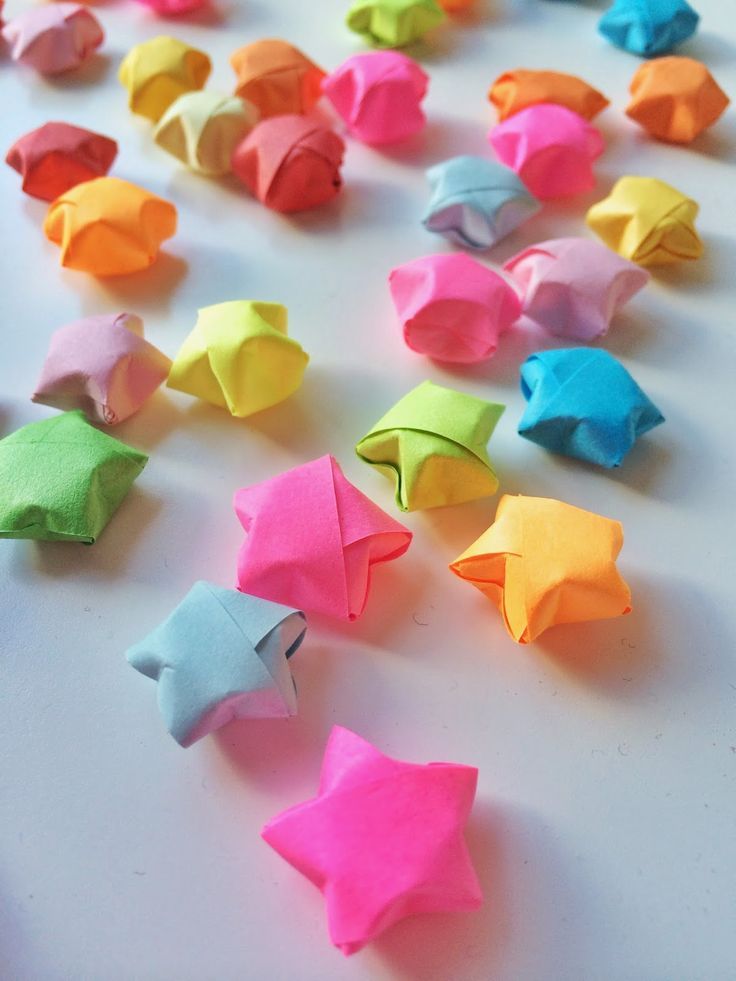
How to Make An Origami Mini Star | Back to School Activity

Origami, the traditional Japanese art of paper folding, can be a peaceful and creative activity for students of all ages. Making an origami mini star is a simple, fun way to engage in this craft. It’s perfect for back-to-school icebreakers or as a classroom decoration. Here’s how you can fold your own little piece of the night sky!

Materials:

– A strip of paper (about 1 cm x 28 cm)

 Instructions:

1. Knot and Tuck: Begin by tying a “knot” at one end of your paper strip. Flatten the knot gently without creasing it too sharply—this is the start of your five-pointed star. There will be a small pentagon shape with a tail extending from one corner.

2. Wrap the Tail: Take the long tail and wrap it around each side of your pentagon, aligning it with the edges as you fold it around.

3. Trimming the Excess: Continue wrapping until the tail is too short to fold over. Carefully cut off any excess paper if it’s too long to tuck in.

4. Final Tuck: If there’s a little bit of the tail left, tuck it into the pocket that has been formed by your previous folds.

5. Puffing It Up: Now, using your thumbnails, start pinching each corner of the pentagon shape outward gently. This puffing action transforms the flat pentagon into a three-dimensional star.

6. Finishing Touches: Continue pinching at each corner until you have a fully puffed mini star.

And there you have it—your own origami mini star! These stars are perfect for decorating your classroom or as a personal keepsake to remind you of your goals for the new school year. Have fun making them in different colors and sizes to create a captivating constellation right at your desk!

Celebrating Black History Month: Creative Bulletin Board Ideas for Schools

Black History Month is an annual observance in February that celebrates the contributions and achievements of Black individuals throughout history. It’s a time for recognizing their central role in shaping the cultural and political landscape. One of the ways schools can commemorate this month is through informative and creative bulletin boards that spark students’ curiosity and promote understanding.

Here are some innovative bulletin board ideas to help celebrate Black History Month in your school:

1. Influential Figures Showcase: Dedicate your board to highlighting the lives and achievements of influential Black figures. You can include historical icons like Martin Luther King Jr. and Rosa Parks, as well as contemporary heroes such as Michelle Obama or Neil deGrasse Tyson.

2. Timeline of Achievements: Create a chronological timeline that marks significant events, milestones, and breakthroughs in Black history. This could range from the Civil Rights Movement to the election of Barack Obama as President of the United States.

3. Literary Corner: Focus on works by prominent Black authors, poets, and playwrights. You can display book covers, notable quotes, and brief biographies that encourage students to explore their writings.

4. Artistic Tribute: Celebrate Black artists by showcasing their artwork, sculptures, or performance art snippets on your bulletin board. Include brief descriptions of their art style and impact on society.

5. Scientific Innovations: Pay tribute to Black inventors, scientists, and engineers who have made significant contributions to technology, medicine, and environmental science.

6. Interactive Quizzes & Facts: Create an engaging experience by adding quizzes or interesting facts about Black history on your bulletin board. Have students learn something new every day of the month.

7. Cultural Cornerstone: Highlight the richness of African cultures—the traditions, music, dance, clothing—with visuals that reflect their beauty and diversity.

8. Local Heroes Segment: Feature local leaders or community members who are making a difference. Inspire students by showing how people around them are contributing positively to society.

Remember to use vibrant colors, bold text, and interactive elements to make your bulletin board stand out. Engaging students visually can lead to deeper conversations about history and current issues concerning race and equality. Celebrating Black History Month through these educational displays is not just about looking back; it’s also about appreciating how far society has come and recognizing the work that remains in achieving true equality for all.

How to Make an Origami Mini Star Backto School Activity

Origami, the traditional Japanese art of paper folding, can be a wonderful activity to help students enhance their fine motor skills, follow instructions, and express creativity. With the back-to-school season in full swing, this could be the perfect time to introduce a fun and educational craft like making an origami mini star.

The team at Teach Starter suggests that this simple yet intriguing activity is not only ideal for art classes but can also be incorporated into math lessons to discuss concepts such as symmetry and geometry. Furthermore, it can be a great icebreaker for students to work on together as they settle into their new classroom environment.

To begin making an origami mini star, you will need a strip of paper approximately 1 cm in width and about 11 inches (28 cm) in length. Colored construction paper or special origami paper strips are preferable for their durability and the vibrant look they give to the finished stars.

Here is a step-by-step guide to create your little piece of starry delight:

1. Start with a strip of paper and tie a “knot” at one end leaving a small tail.

2. Flatten out the knot gently to create a pentagon shape—this will become your star base.

3. Wrap the long end of the strip around each side of the pentagon, aligning it with previous folds, which further defines the pentagon shape.

4. Continue wrapping the strip, tucking in the end when you get close to finishing.

5. Pinch each corner of your flattened pentagon to inflate it into a 3D star shape.

Remember, these steps require precision and patience from students but are achievable with practice. Once students have mastered folding one mini star, they may want to experiment with different sizes and colors.

For teachers thinking about incorporating this activity into their lesson plans, it offers versatility. Origami mini stars can be used as rewards for positive behavior, turned into a classroom decor – think garlands or wishing jars – or given as welcome gifts to promote student unity.

In conclusion, making an origami mini star is an enjoyable back-to-school activity that requires minimal materials and provides maximum educational value. It allows for artistic expression and practical application of mathematical concepts while promoting camaraderie among students as they work on their projects individually or collaboratively during those first few days of school.

Encourage your students to shine bright by starting off the school year with this delightful paper craft!

9 Christmas Door Decorations to Jingle Up Your Classroom

As the festive season approaches, educators can embrace the holiday spirit by adorning their classroom doors with delightful Christmas decorations. Here are nine jolly ideas to inspire your holiday door decor and create a welcoming atmosphere for students and staff alike:

1. Santa’s Workshop: Transform your door into a colorful entrance to Santa’s workshop, complete with elves, gift boxes, and an inviting “Workshop” sign. Encourage students to create their own elf characters to add a personal touch.

2. Winter Wonderland: Create a serene snowy scene with white cotton batting or paper snowflakes hanging from the top of the door frame. Incorporate silver and blue accents for a chilly yet charming vibe that captures the essence of winter.

3. Gingerbread House: Adorn your door like a gingerbread house complete with construction paper candies, white borders mimicking icing, and a “Home Sweet Classroom” sign that welcomes students inside.

4. Reindeer Stable: Turn your classroom door into a reindeer stable showcasing all of Santa’s trusty companions. Cutouts of reindeer heads with names can make each student feel represented as part of the team.

5. Christmas Tree Countdown: Fashion a large Christmas tree out of green paper, then attach numbered ornaments as a countdown to the holiday break. Each day, remove an ornament to build excitement.

6. Festive Fireplace: Design your door like a cozy fireplace scene with stockings labeled for each student, flame cutouts from colored paper tucked behind a 3D mantle, and even a faux brick overlay for authenticity.

7. Holiday Sweater Party: Encourage creativity by having each student design their own mini paper holiday sweater to pin on the door. Integrate patterns such as snowflakes, trees, and reindeer for that ugly sweater party feel.

8. Nutcracker Suite: Showcase scenes and characters from the Nutcracker ballet on your classroom door; include Nutcracker soldiers standing guard, fairies, and even mouse king silhouettes to set the scene for this classic Christmas tale.

9. Gift-Wrapped Surprise: Simulate an oversized present by wrapping your door in festive wrapping paper and adding a substantial bow. This simple yet eye-catching decoration can be paired with tags reading “Do Not Open Until (Final Day Before Break).”

With these nine creative Christmas door decorating ideas, your classroom will become a hub of holiday joy that excites and engages your students throughout the festive season!

Origami Transforming Star Using Sticky Notes

Origami, the art of paper folding, has a rich tradition dating back to the Edo period in Japan. It is a form of creative expression that involves transforming a flat sheet of paper into a finished sculpture through folding and sculpting techniques—without the use of cuts or glue. One such interesting creation is the transforming star origami made using sticky notes, which has gained popularity due to its simplicity and the surprising versatility it offers.

The transforming star is a dynamic piece; it can morph from a ring into a star and back again through a series of folds. The clever use of sticky notes adds an element of accessibility and convenience, as they are items commonly found in most offices or homes.

To create your own origami transforming star using sticky notes, follow these steps:

Materials Needed:

– 8 square sticky notes (3×3 inches work best)

Instructions:

1. Prepare your sticky notes by making sure each one is separate and lies flat.

2. Start by folding one sticky note in half diagonally to create a triangle shape.

3. Unfold and then fold the opposite corners together to form another triangle. You should now have an ‘X’ crease pattern.

4. Fold each corner to meet at the center point where the creases intersect, giving you a smaller square.

5. Flip the paper over and again fold each corner into the center point.

6. Once all corners are folded in, you will have an even smaller square—flip it over again.

7. You will notice that the four corners have split; take each corner flap and fold it outwards to create four diamond shapes.

8. Refold each flap back towards the center line—this will be where the magic starts to happen.

Repeat these steps for each sticky note until you have eight completed units.

Assembly:

1. Begin assembling these units by sliding them into each other using the pockets created by the central flaps.

2. Connect them sequentially until you have a full ring.

3. Ensure each piece is firmly attached to its neighbors without any gaps.

4. Gently hold opposite sides of your newly formed ring and twist gently in opposing directions; you’ll notice them transforming into a star shape.

You can vary the look by trying different color combinations or patterns on your sticky notes before folding—this will give each star its unique flair.

The origami transforming star exemplifies minimalism and ingenuity—turning everyday office supplies into an interactive work of art that can serve as an engaging stress reliever or an educational tool to introduce others to the fundamentals of geometry and design.

This simple yet fascinating creation goes beyond just being decorative; it captures the essence of transformation, both literal and metaphorical, as with patience and practice, raw materials can be turned into objects of beauty—a fundamental philosophy deeply embedded in origami tradition.

Remember, origami is more than just folding paper—it’s about precision, creativity, and finding beauty in simple things, much like transforming ordinary sticky notes into something extraordinary.

10 Star-Spangled 4th of July Crafts for Kids

As the 4th of July approaches, families across the United States start thinking about how to celebrate America’s independence. Crafting is a great way for kids to get involved in the festivities and express their patriotism. Here are 10 star-spangled crafts that are perfect for children to make in anticipation of Independence Day!

1. Patriotic Handprint Flag – Kids can use their handprints to create the stripes on an American flag, using red, white, and blue paint on paper or fabric.

2. Firework Salt Painting – Using glue, salt, and colored water, children can create vibrant fireworks displays that pop off the paper.

3. Bald Eagle Paper Plate Masks – With just a few paper plates, some feathers, and markers, kids can make their own bald eagle masks, symbolizing America’s national bird.

4. Liberty Bell Recycled Craft – Construct a replica of the Liberty Bell using recycled materials like paper cups and tin foil, complete with a pipe cleaner clapper.

5. Patriotic Windsocks – Red, white, and blue streamers attached to a decorated tin can will dance beautifully in the breeze as a festive 4th of July decoration.

6. Star-Spangled Slime – Mix up some glittering red, white, and blue slime for a tactile activity that children will love getting their hands into.

7. American Flag Mason Jar Votive Holders – Paint mason jars in American flag theme and pop a candle inside each one to light up your holiday evening with patriotic glow.

8. Uncle Sam Hats – Using construction paper or cardboard, kids can create their own wearable Uncle Sam hats to show off their American spirit.

9. Patriotic Bead Necklaces – String red, white, and blue beads onto yarn or string to make colorful necklaces that are perfect for any Independence Day gathering.

10. 4th Of July Themed Sun Catchers – Cut out star or flag shapes from clear contact paper and decorate with tissue paper for charming sun catchers that look great on any window.

These crafts not only allow children to be part of the celebration but also help them understand the significance of the holiday through creative play. So gather your supplies and let your little ones’ imaginations shine bright like fireworks this Fourth of July!