Art Education

8 Fun Easter Bunny Craft Ideas Perfect for the Primary Classroom

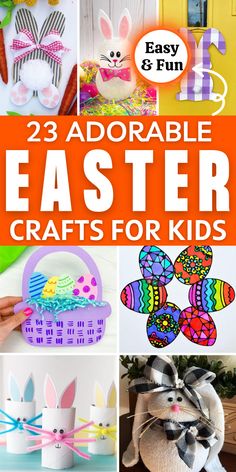
With the arrival of spring, Easter is just around the corner, and it’s the perfect time to get creative in the primary classroom with some bunny-themed crafts. These eight fun Easter Bunny craft ideas are sure to bring a hoppy spirit to your students and make the classroom feel festive.

1.Paper Plate Bunny Ears

Get the kids to make their own bunny ears with paper plates. Cut a paper plate in half and then make ear shapes that the kids can decorate with pink centers. Staple these onto a headband strip, and they’re ready to play bunny for a day.

2.Fluffy Pom-Pom Bunnies

Use fluffy white pom-poms for the bunny’s body and smaller ones for tails. With felt, create ears and feet, and then glue everything together. Add small beads for eyes and nose to complete these adorable tabletop bunnies.

3.Fingerprint Bunny Cards

Fold cardstock into cards and let children use their fingerprints to create bunnies. Dip their fingers in paint, press onto paper, add details with markers (ears, eyes, nose), and then write an Easter message inside to send home to parents.

4.Bunny Masks

Students can design their own bunny masks from cardstock or heavy paper cutouts with eye holes. Provide cotton balls for a three-dimensional fluffy effect, felt pieces for ears, and elastic bands to keep them in place great for an Easter parade or classroom photo op!

5.Sock Bunnies

Take old socks and fill them with rice or beans to give them shape. Tie off the end where the ears would be and cut down the middle of the tied-off section to create two ears. Decorate with ribbon, googly eyes, felt noses, and whiskers.

6.Egg Carton Bunnies

Cut out single egg cup sections of an egg carton for students to paint or color as bunnies. Add cardstock ears, draw on faces, and perhaps even stick on a tiny pom-pom tail for a playful recycled craft.

7.Bunny Bookmark Corners

Show children how to fold origami corners that can be slipped onto pages as bookmarks. Decorate these basic structures with bunny faces using colored paper cutouts or markers—perfect for keeping track of reading progress during Easter-time story reading.

8.Clay Pot Bunnies

Turn small terra cotta pots upside down and paint them white or pastel colors for a bunny base. Glue on felt ears, draw or paint faces, and attach small pom-pom tails at what is now the top of your “bunny.” These can hold candies or small plants.

Get your students into the Easter spirit while also giving them valuable hands-on crafting experience! Not only will these crafts brighten up your classroom decor for springtime, but they will also serve as cherished keepsakes for your students’ families.

Christmas Mindful Colouring In Sheets

As the festive season approaches, the air fills with the fragrance of pine trees, the sound of cheerful carols, and a sense of anticipation for the joyous celebrations ahead. While Christmas is indeed a time of excitement and social gatherings, it can also become a bustling period that may lead to stress. This is where Christmas mindful colouring in sheets come into play as an oasis of calm and mindfulness amidst the holiday hustle.

Mindful colouring has been recognized as a meditative practice that allows individuals to focus on the present moment, engaging both concentration and creativity. By carefully filling intricate designs with colors, people often find that their mind clears of cluttered thoughts, their heart rate slows, and stress dissipates.

The enchanting themes of Christmas provide a delightful canvas for this practice. Christmas mindful colouring in sheets often feature beloved holiday motifs such as twinkling stars, adorned Christmas trees, intricate snowflakes, and cosy winter scenes. Participants are invited to immerse themselves in an activity that not only uplifts the holiday spirit but also fosters relaxation and inner peace.

These colouring sheets are not only beneficial for adults seeking a tranquil diversion from the seasonal rush but are also excellent tools for children to cultivate patience, attention to detail, and artistic skills. As a shared activity among family members or friends, colouring can turn into a bonding experience that also encourages conversation and communal enjoyment.

In addition to their personal benefits, Christmas mindful colouring in sheets have practical applications as well. They can be transformed into personalized greeting cards, framed as unique decorations or even used as wrapping paper for thoughtful gifts. In essence, these sheets offer an eco-friendly option for those inclined towards DIY projects and sustainable practices during the holidays.

With digital platforms now providing easy access to a variety of printable designs tailored to various skill levels and preferences, anyone can embark on this journey of mindfulness through art. Websites might charge a small fee or offer free downloads – an affordable alternative to commercially-produced decorations that further inspires creativity.

This yuletide season presents an opportunity to connect with loved ones, create new traditions or enhance existing ones through art. Through activities like completing Christmas mindful colouring in sheets, we remind ourselves of the true essence of this time – tranquillity, gratitude; cherishing each moment as we gather around with kindred spirits under the merry glow of Christmas lights.

As you engage with these festive canvases, you’ll soon discover that each stroke is not just about creating beauty on paper; it’s about painting peace within your heart – an invaluable gift that undoubtedly embodies the spirit of giving during Christmas. Embrace this peaceful pursuit and infuse your festive season with mindfulness through the simple yet profound act of colouring.

Paper Plate Christmas Craft for the Classroom

As the jingle bells start to ring and the scent of gingerbread fills the air, teachers around the world are on the lookout for festive activities to bring some holiday cheer into their classrooms. Crafting is one such activity that is not only fun but also encourages creativity, fine motor skill development, and can often be tied into educational themes. One such simple yet engaging activity is creating Christmas crafts using the humble paper plate—a versatile and inexpensive material that’s perfect for a classroom setting.

Paper Plate Christmas Trees

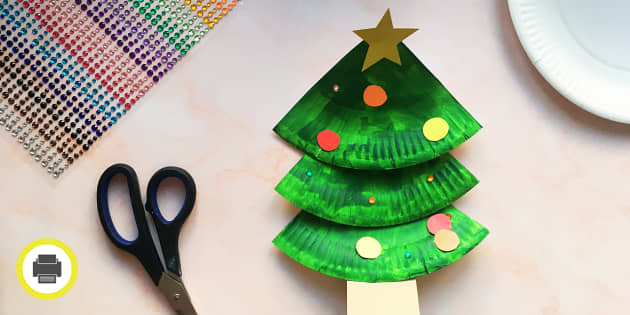
An all-time favorite for its simplicity and room for creativity, paper plate Christmas trees are a joy to make. All you need are small-sized paper plates, green paint, colorful pom-poms or sequins for decorations, a brown cardstock for the trunk, and glue. Have students paint their plates green (these will become the layers of the tree). Once dry, cut them in halves and then in increasing semi-circle sizes. Stack and glue them from largest to smallest on top of each other onto a sturdy piece of cardstock, forming a tree. Kids can get creative by decorating their trees with pom-poms, glitter glue, or stickers as ornaments.

Paper Plate Santa Claus

For this craft, you’ll need paper plates, cotton balls, red craft paper, and markers. Let children start by coloring a portion of the plate with red marker to form Santa’s hat. Then they can glue a rim of cotton balls along the bottom edge of where they colored red for the brim of his hat and one more in the corner for his pom-pom. They can then use more cotton balls to create Santa’s beard around the lower part of the plate. Cut out eyes from black paper or use googly eyes and draw or add a red craft paper nose to complete his jolly face.

Paper Plate Wreaths

Simple yet effective at bringing out the holiday spirit are paper plate wreaths which can be made by painting a paper plate green and cutting out the center circle once dried. Children can then glue on rolled-up strips of green tissue paper to add texture, as well as red berries made from crumpled up pieces of red tissue or construction paper. Finish off by gluing a bow at the bottom (or top) of the wreath made from any type of ribbon or a strip of red construction paper shaped into a bow.

These accessible and enjoyable crafts can bring much joy and creativity into your classroom during this festive season. Not only do they encourage artistic expression, but they also allow children to work with different textures and materials — all while creating beautiful keepsakes that parents will treasure. Happy crafting!

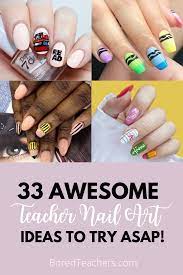
Teacher Nails | Teacher Nail Art is a Thing!

In the world of education, creativity doesn’t just stop at the classroom door. It extends to every aspect of a teacher’s life, including their fashion and personal style. One trend that has been gaining popularity among educators is “teachernails” – a playful and imaginative way for teachers to express their love for teaching through nail art.

This delightful trend is more than just an aesthetic choice; it is a conversation starter, a classroom management tool, and a subtle form of student engagement. Let’s delve into the vibrant world of teachernails and discover why this trend is capturing the hearts of educators everywhere.

Teacher nail art often features designs that are inspired by elements commonly found in schools—apples, pencils, colorful crayons, books, and even iconic red check marks. During special occasions or holidays, you might see little turkeys adorning nails for Thanksgiving, creepy crawlies for Halloween, or twinkling trees around Christmas time.

But it’s not just about celebrating seasons and holidays. Teachernails can also be educational. Some teachers have taken it upon themselves to wear nail art that corresponds with the lessons they are teaching. For example, when exploring the solar system, a teacher might have each planet meticulously painted on each nail. Imagine a science class where the teacher’s nails are adorned with tiny atoms or DNA helices, sparking curiosity and discussion among students.

Aside from the thematic and educational potential of teachernails, this form of self-expression also serves as a morale booster. Teachers work in an environment that can be stressful with long hours and challenges aplenty. Having bright, cheerful nails can act as small beacons of joy throughout their day—not to mention a great conversation piece during lunch with colleagues or at parent-teacher conferences.

Social media platforms like Instagram and Pinterest are now full of teachernail inspiration. Hashtags such as teachernails and classroomnailart lead to streams of photos showcasing intricate designs that encourage other educators to dive into this creative outlet. Furthermore, it builds a community where teachers share tips on maintaining their nail art considering all the hands-on work they do and advice on quick designs for those who have less time to spare.

In conclusion, teachernails might seem like just another trend but look closer and you’ll see it’s a testament to teachers’ commitment not only to education but also to bringing creativity into every aspect of their lives—including the very tips of their fingers. Whether it’s drawing attention to an upcoming test or simply breaking up the day-to-day monotony with something fun, teacher nail art makes its mark as both pedagogical tool and personal pleasure.

Craft Activities for Kids – Our Top 5 Videos

Engaging in craft activities is an excellent way for kids to unleash their creativity and develop fine motor skills. YouTube hosts a treasure trove of crafting videos that can turn any afternoon into a fun-filled workshop for your little ones. After scouring the platform, we’ve compiled our top 5 videos that offer not just entertainment, but also easy-to-follow instructions on craft activities suitable for children.

1.”Carton Critters: Recycled Art for Kids” by CraftyKids

Geared towards teaching kids about recycling while having fun, “Carton Critters” is an imaginative journey into transforming everyday cardboard boxes and milk cartons into whimsical pets. The host’s enthusiasm is infectious, and the step-by-step guidance ensures that every child can follow along and create a carton creature of their own.

2.”Nature’s Palette: Exploring Colors with DIY Leaf Prints” by NatureCrafts Junior

This video stands out because of its wonderful interplay between art and nature. Children learn how to use leaves of different shapes to create colorful prints, fostering an appreciation for the natural world. The activity requires minimal materials and offers a great way to discuss the nuances of colors and textures with youngsters.

3.”Puppet Making Magic: Easy Sock Puppets” by PuppetPlaytime

Puppetry is a timeless craft, and this video brings it into the contemporary DIY scene with easy-to-make sock puppets. With basic materials like socks, buttons, and yarn, kids can design their very own puppet characters. The video encourages children to not only make the puppets but also put on a puppet show, adding a performative element to the craft experience.

4.”Paper Wonderland: Creating Paper Mache Sculptures” by The Paper Mache Space

Paired with clear instructions and tips for working cleanly, this video demystifies paper mache, making it less intimidating for parents and kids alike. From mixing the paste to painting finished sculptures, children can engage in this somewhat messy but immensely satisfying process to create anything from animals to space rockets.

5.”Bead Bonanza: Homemade Jewelry Fun” by BeadBuddies

In addition to being a crafty pastime, making jewelry can also be an educational activity; kids practice patterns and refine their dexterity through beading. This approachable tutorial walks viewers through making necklaces and bracelets with brightly colored beads, offering numerous suggestions for customization.

These five videos exemplify the variety and joy that DIY crafting videos can provide to kids looking for a creative outlet. Whether it’s through repurposing household items or indulging in more traditional arts like paper mache or beading, each video offers an opportunity for learning and hours of entertainment.

Year of the Pig String Puppet Craft Template

The Chinese zodiac, a cornerstone in Eastern astrology, cycles through twelve animal signs annually. Among these, the Pig stands out for its symbolic representation of wealth, honesty, and general good fortune. As we approach another Year of the Pig, teachers, parents, and cultural enthusiasts seek out crafting ideas to celebrate this zodiac sign. Enter the Year of the Pig String Puppet – an engaging craft that entertains as it educates.

Why a string puppet? Puppets have been a form of storytelling for centuries. They capture imaginations, invoking a sense of wonder and learning through play. A string puppet particularly allows manipulation of its parts, giving life to inanimate creations. This enriches the experience as participants learn about puppetry mechanics and the cultural significance behind their pig-shaped creation.

Creating your own Year of the Pig String Puppet is simple with our craft template. Not only will you be fostering creativity and cultural awareness, but you’ll also be indulging in a hands-on activity perfect for classrooms or at-home fun.

Materials Needed:

– Craft Template (featuring the pig design)

– Thick cardboard

– Colored yarn

– Acrylic paint (pink, black)

– Paintbrushes

– Scissors

– Hole puncher

– Small dowel rods or sticks

– String

– Glue

Instructions:

1.Print out the Year of the Pig Craft Template provided.

2.Glue your template onto thick cardboard for durability.

3.Cut out the pig design from the cardboard.

4.Use a hole puncher to create holes at the designated points (joints) on all parts that need to move – head, limbs.

5.Paint your pig puppet with acrylic paints; pink is traditional but feel free to be creative! Don’t forget to add cute details like eyes and nostrils.

6.Once dry, attach strings through each hole punch using knots to secure them.

7.Tie the other ends of your strings to small dowel rods or sticks; this will act as your control bars.

8.Adjust string lengths according to how you’d want them to move – longer strings allow for greater mobility.

Now your Year of the Pig String Puppet is ready to dance, jump, and celebrate! It’s an adorable addition to any classroom or celebration looking to incorporate elements of Chinese culture and zodiac education.

The beauty of this template lies in its flexibility; whether you’re planning a cultural festival or seeking an interactive lesson plan for children regarding Chinese New Year celebrations, this puppet craft adapts easily.

Creating crafts like these allows us a deeper understanding and appreciation for different cultures while honing our artistic skills – bridging gaps and making learning an enjoyable experience for everyone involved!

Fabulous Florals – Paper-Towel Roses Craft Activity

Are you ready to bring a burst of everlasting spring into your home? Paper-towel roses are a delightful craft activity that can be enjoyed by creative individuals of all ages, adding a touch of floral elegance without the worry of wilting petals. Not only is this DIY project simple and economical, but it also provides an excellent opportunity to repurpose common household materials into stunning decorative pieces or heartfelt gifts.

Materials Needed:

– Paper towels

– Watercolor paints or food coloring

– Floral wire or pipe cleaners

– Green floral tape

– Scissors

– A small paintbrush or spray bottle

Step-by-Step Instructions:

1. Prepare the Petals: Begin by cutting paper towels into petal shapes — you’ll need several sizes to create a layered look that mimics natural rose petals. The number of petals you make will depend on how full you want your rose to be; a good starting point is around 15-20 petals.

2. Color Your Petals: With watercolors or diluted food coloring, paint your petals in shades of red, pink, yellow, or whatever color inspires you. For a more dynamic effect, blend different colors towards the edges of the petals to give them depth and complexity.

3. Shape and Dry: While the paper towel petals are still damp, gently shape them by curling the edges or pinching the bases to give them a realistic curved look. Lay them flat and allow them to dry completely.

4. Assemble the Stem: Take your floral wire or pipe cleaner and wrap one end with green floral tape to form the stem. Gradually build up the thickness at one end to create the base of your rose.

5. Attach Petals: Starting with the smallest petals at the base, wrap each one individually around the stem using floral tape to secure them. Overlap the petals as you go upwards, creating a spiral pattern similar to a blooming rose.

6. Add Final Touches: Once all petals are attached, adjust their placement for a natural appearance and optionally add green paper leaves below the bloom using more floral tape for cohesion.

7. Display Your Creation: Find a lovely vase or handcraft a bunch for a bouquet. You can even make several roses in different sizes and colors for an assorted arrangement that’s sure to impress.

Paper-towel roses are not just decorative; they’re also an expression of creativity and resourcefulness, perfect for sprucing up your home decor on a budget or fashioning enchanting gifts for friends and family. Whether it’s Mother’s Day, Valentine’s Day, or any ordinary day that needs special attention, these handcrafted florals are sure to brighten up spaces with their delicate charm and handmade allure.

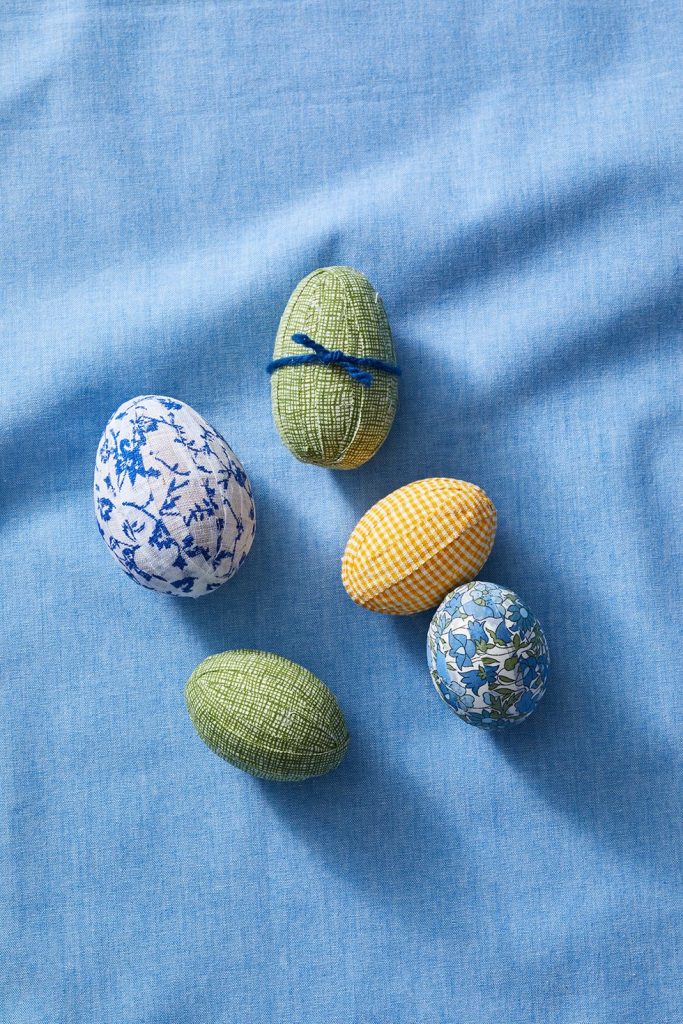
Funky Easter Egg Craft Idea

The festive cheer of Easter is not only about bunnies and chocolate, but it’s also a perfect time for unleashing creativity with some funky egg crafts. Ditching traditional pastel paints for a more vibrant and unconventional approach can make this holiday an extraordinary one.

Materials Needed:

– Eggs (real or plastic)

– Assorted acrylic paints

– Paintbrushes of varying sizes

– Permanent markers

– Glue

– Sequins, glitter, and other decorative items

Instructions:

1. Start by prepping your eggs. If you’re using real eggs, ensure they’re hard-boiled and cooled. For a hassle-free craft session, plastic eggs are a convenient option.

2. Choose a vibrant color palette. Think electric blues, hot pinks, and neon greens for paint. The funkier the colors, the better.

3. Begin painting your eggs with a base coat of acrylic paint. Depending on the opacity of the paint, you may need several layers to achieve a solid color. Allow to dry completely between coats.

4. With permanent markers, add bold patterns like stripes, polka dots, or swirls to your colored eggs. Use metallic markers for added shimmer.

5. Time to get sparkly! Apply glue in designs or cover selected areas completely and sprinkle with glitter or sequins. Shake off the excess and let it dry.

6. Get creative with additional elements like googly eyes, feathers, or tiny pom-poms that can be glued onto the egg to create funny and funky characters.

7. For an edgy look, use washi tape in striking patterns wrapped around the eggs in various designs.

Voilà! Your Easter eggs are now crafted with a modern twist that will stand out in any holiday display.

Ideas for Display:

– Arrange your funky eggs in a brightly colored basket lined with tissue paper.

– Create an egg garland by threading string through the bottom and top of each egg and hanging it up as festive décor.

– Nestle them amidst a wreath adorned with faux flowers and ribbon on your front door.

No matter how you display them, these funky Easter egg crafts are sure to bring smiles and add an original flair to your holiday celebrations!

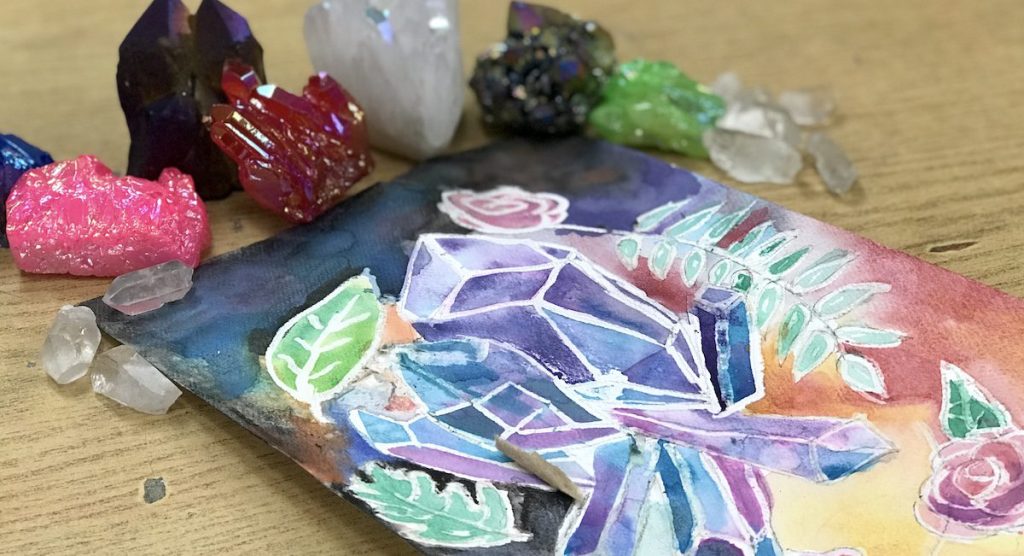
7 Classroom Art Activities Inspired by Famous Artists

Art has the power to inspire creativity, invoke emotion, and spur intellectual thought. In the classroom, art activities can provide students with a hands-on understanding of different materials, styles, and historical perspectives. Here are seven art activities inspired by famous artists which instructors can incorporate into their lesson plans to ignite students’ imaginations and foster their artistic skills.

1. Picasso’s Portraits: Cubism Collages

After studying Pablo Picasso’s revolutionary contribution to art with Cubism, students can create their own abstract portraits. Using construction paper, scissors, and glue, each student cuts shapes to represent different facial features and then assembles them in a fragmented, yet recognizable, face on a larger piece of paper.

2. Van Gogh’s Starry Night: Swirling Skies

Vincent Van Gogh’s iconic painting “Starry Night” displays a sky filled with swirling colors and bright stars. Students can replicate this style by using finger paints or thick brush strokes with acrylics on canvas paper to paint an emotionally charged night sky full of movement and vibrant color blendings.

3. Jackson Pollock’s Action Painting: Splatter Techniques

Embrace the chaos with an activity inspired by Jackson Pollock’s action paintings. Lay down a large canvas or butcher paper outside or in a covered area. Supplying various colors of paint and tools such as brushes, spoons, and sticks, students can splatter, drip, and toss paint onto their surfaces to create an abstract expressionist work.

4. Claude Monet’s Impressions: Water Lilies Painting

Explore impressionism with Claude Monet’s water lilies as inspiration. Students use short dabs of paint on canvas to create their own serene and softly-blended water lily ponds that capture the light and atmosphere as Monet did in his garden at Giverny.

5. Georgia O’Keeffe’s Big Flowers: Close-Up Drawings

Georgia O’Keeffe is known for her large-scale flower paintings that are rich in detail. With magnifying glasses, children can observe small flowers up close or study pictures of them before taking to large sheets of paper to draw or paint exaggerated versions of these botanical wonders.

6. Keith Haring’s Pop Art: Bold Line Drawings

Keith Haring’s bold lines and vivid colors capture the energy of his subjects. Using black markers or paints on large rolls of white paper, kids can draw figures in motion—people running, jumping or dancing—and then fill in these figures with bright tempera colors in true 1980s pop art fashion.

7. Andy Warhol’s Pop Art Prints: Replicated Images

Andy Warhol turned ordinary objects into pop art icons using simple silkscreen printing techniques for repetition effect. Students could carve small blocks with simple designs such as stars or fruits (alternatively use foam sheets for easier cutting) and repetitively print these elements onto paper in varied patterns like Warhol’s famous Campbell’s soup cans.

By engaging with these seven art activities inspired by famous artists, students not only learn about art history but also apply these artists’ techniques and visions in a way that excites their creativity and allows for personal expression in the classroom setting.

How to Make Paper Plate Christmas Crafts for the Classroom: Trees, Reindeer and More!

As the holiday season approaches, crafting can be a joyful and educational activity that easily integrates into classroom time. Paper plate Christmas crafts are an especially great choice for teachers: they’re inexpensive, versatile, and suitable for kids of all ages. Let’s dive into some creative ideas for transforming simple paper plates into festive Christmas decorations.

Paper Plate Christmas Trees

To make a Paper Plate Christmas Tree, you will need the following materials:

– Green paint

– Paper plates

– Glue

– Scissors

– Glitter, stickers, pom-poms, or sequins for decoration

Step-by-Step Instructions:

1. Paint your paper plate green and let it dry completely.

2. Once the paint is dry, cut the paper plate into three equal wedges. These will become the layers of your tree.

3. Starting with the largest wedge, glue each piece on top of each other from biggest to smallest to create a tiered tree effect.

4. Decorate your tree with glitter, stickers, pom-poms, or sequins to mimic ornaments and tinsel.

5. Lastly, cut out a star from yellow paper or cardstock and glue it at the top of your tree.

Paper Plate Reindeer

Materials Needed:

– Brown paint

– Paper plates

– Red pom-poms

– Googly eyes

– Brown construction paper or cardstock

– Glue

Instructions:

1. Begin by painting your paper plate brown and allow it to dry completely.

2. While waiting for the paint to dry, cut out reindeer antlers from brown construction paper or cardstock.

3. Once the plate is dry, glue two googly eyes in the middle of the plate.

4. Below the googly eyes, glue a red pom-pom to serve as the reindeer’s nose.

5. Attach the antlers to the top back of the paper plate so they stick out like a real reindeer’s.

6. Add a string to the back if you’d like to hang your craft on a wall or bulletin board.

More Paper Plate Christmas Craft Ideas

In addition to trees and reindeer, here are more paper plate Christmas craft ideas:

– Snowman: Use white plates and add construction paper features to create an authentic snowman face.

– Angels: Cut the plates into angel shapes and decorate with lace, glitter, and drawn-on faces.

– Santa Claus: Use red paint around the edge of a plate for his hat and add cotton balls for his beard and hat trim.

Tips:

– For younger children in particular, pre-cut materials can speed up the crafting process.

– Create an example craft for students to see as a reference.

– Use these crafts as part of a lesson about different holiday traditions around the world.

Homemade decorations not only brighten up any classroom but also give children a sense of accomplishment. By following these instructions or modifying them as needed based on supplies or age level, you can facilitate an engaging and festive crafting session in your classroom!