Art Education

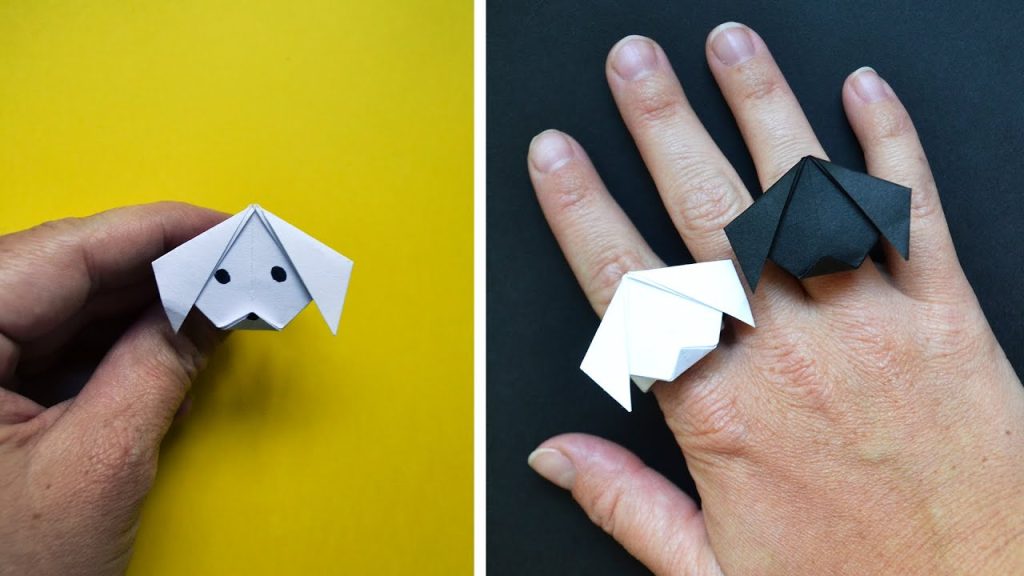
Step-by-Step Origami Videos for Kids: Crafting Animal Rings

Origami, the ancient Japanese art of paper folding, has become a popular craft for people of all ages. It is a great way to engage children in creative activities, develop their fine motor skills, and teach them about different cultures. One of the most enjoyable and kid-friendly projects in origami is making animal rings. With the rise of step-by-step videos, learning how to create these charming paper creatures has never been easier or more fun.

Animal origami rings bring a magical twist to traditional origami, transforming plain paper into wearable art. These creations let kids wear their handiwork with pride and even swap with friends. Whether it’s a mighty lion, a graceful swan, or a cute bunny, each fold brings the paper to life.

Creating origami requires patience and precision, but having video tutorials accessible makes the process less daunting for beginners – especially children. Video guides provide visual aids that are crucial for understanding each step in the folding process, allowing young creators to pause and replay difficult sections as needed.

Step-by-step origami videos tailored for kids will typically follow this structure:

1. Introduction:

– The video begins by introducing the specific animal ring that will be created.

– Safety tips for working with paper are provided.

– The size and type of paper required for the project are described.

2. Folding Basics:

– Before jumping into complex models, basic folds such as valley and mountain folds are demonstrated.

– Techniques like ‘squash fold,’ ‘petal fold,’ and ‘inside reverse fold’ are explained if they’re necessary for the animal ring.

3. Step by Step Instructions:

– Each step in creating the animal ring is broken down into easy-to-follow segments.

– The instructor slowly demonstrates each fold, ensuring that viewers can follow along at their own pace.

– Points of difficulty are highlighted and additional tips are given to help kids achieve better results.

4. Final Touches:

– Once the major structure of the ring is complete, additional features such as eyes or whiskers are added to give personality to the animal.

– Alternative decoration ideas may be offered to encourage personalization.

5. Wearing Your Animal Ring:

– The video concludes by showing how to properly wear the finished ring.

– Variations in ring size adjustments are discussed to accommodate different finger sizes.

6. Encouragement and Practice:

– Children are encouraged to practice frequently and reminded that making perfect folds may take several attempts.

– Viewers are motivated to try other animal designs using skills learned from the video tutorial.

Using step-by-step origami videos for crafting animal rings provides an accessible way for children to learn a new hobby while enjoying creation without a need for screens or batteries. It encourages not only craftsmanship but also imagination as kids explore various animals they can transform their papers into – all with just a series of folds guided by an expert through their screen.

Printable Guess Who Game Templates for the Classroom

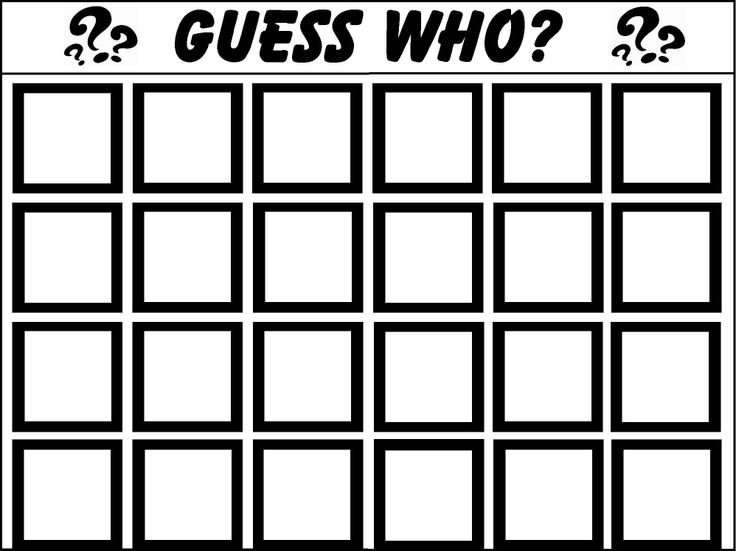
The classic board game Guess Who has found a new life in the classroom as an educational tool. Printable Guess Who game templates offer a creative and interactive way to enhance learning across various subjects. Teachers can customize these templates to suit different age groups, learning objectives, and subject matters.

Guess Who games in the classroom can serve as an effective icebreaker for students at the start of a new school year or to introduce new topics in a fun and engaging manner. Printable templates can help teachers tailor the game to reinforce vocabulary, historical figures, literary characters, or even scientific concepts.

These templates typically consist of two components: the character sheets and the guessing cards. Character sheets display a grid of characters with distinguishable features, while guessing cards have questions related to those features. This setup encourages students to ask strategic questions that promote critical thinking and deductive reasoning.

In language classes, for instance, each character could represent a different word or phrase that students must identify using descriptive clues. In science classes, characters might be elements from the periodic table or species from various ecosystems.

Creating customized Guess Who games with printable templates involves simple steps. First, decide on the learning goal – be it multiplication facts, sight words, significant events in history, etc. Next, create a list of characters or items that align with your objective. Then design your own template or modify an available one online with these characters or terms.

To maximize engagement, include visually appealing designs and relatable characters for your students. Encourage them to create their own questions and even contribute to designing their classmates’ game boards for collaborative project-based learning.

The benefits of using printable Guess Who game templates are numerous: they make learning interactive and playful, improve students’ questioning abilities and memory recall, and can easily be updated for continuous use without additional costs after the initial creation.

Through printable Guess Who game templates in the classroom, educators offer an innovative approach to instruction that balances curriculum demands with playful learning strategies that have been proven to enhance student participation and retention of information. It’s a testament to how classic games can find new purpose in an educational setting by combining traditional play with modern customization—and it underscores the potential for such tools in facilitating meaningful learning experiences.

7 Mother’s Day Craft Ideas for Kids + Cards to Make in the Classroom This Year

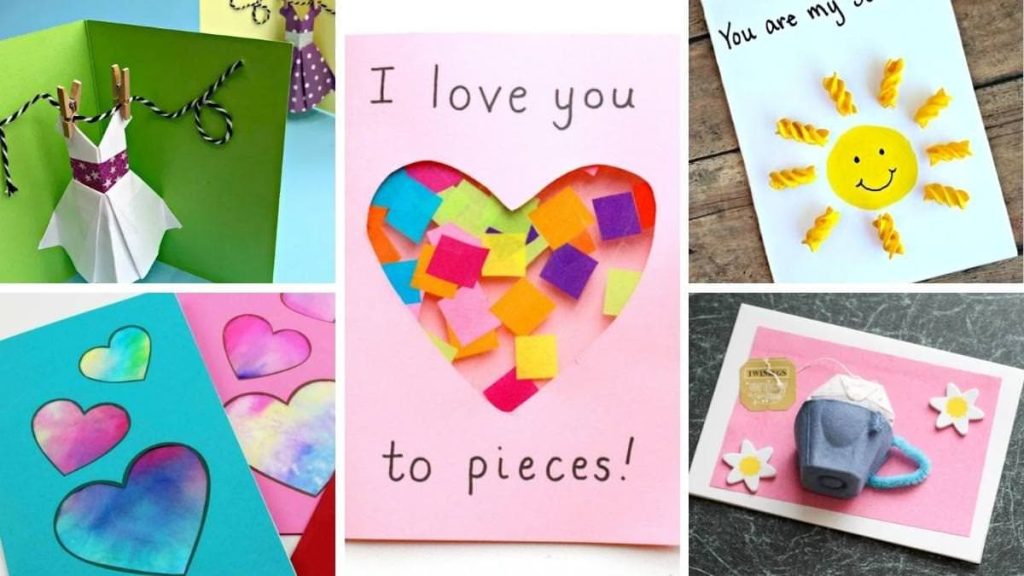
Mother’s Day is a special occasion to honor and celebrate mother figures, and what better way for kids to express their love and appreciation than through handmade crafts and cards. In the classroom, this wonderful day provides an excellent opportunity for children to tap into their creativity and make something heartfelt. Here are seven Mother’s Day craft ideas that are perfect for kids, along with card-making tips to ensure their creations will be cherished keepsakes.

1. Handprint Bouquets

Transform your little ones’ handprints into beautiful bouquets. Have the children dip their hands in paint and press them onto paper. Once dry, they can turn those handprints into flowers by adding stems and leaves with markers or cut-outs. It’s a colorful craft that preserves the size of a child’s hand at that age, creating a sentimental gift for moms.

2. Popsicle Stick Picture Frames

Kids can craft simple yet adorable picture frames using popsicle sticks. They can glue the sticks together in square or diamond shapes, paint them, and then attach a photo of themselves with their mom at the back. Embellishments like sequins or stickers can add a personal touch.

3. Love Jars

Mason jars or any clear container can become ‘Love Jars.’ Let the kids decorate the jars with paint, ribbons, or fabric. Inside, they can place notes listing reasons why they love their mom or include small treats she enjoys.

4. Personalized Pot Holders

Fabric paints and plain pot holders are all that’s needed for this practical gift. Children can press their painted hands onto the pot holder or use stencils to create designs that will remind moms of their little ones every time they’re in the kitchen.

5. DIY Jewelry

With beads, strings, and a bit of help from teachers for tying knots, kids can make bracelets, necklaces, or keychains that moms can wear proudly.

6. Bookmarks Made with Love

Encourage children who have moms that love to read to create personalized bookmarks. They can use card stock, stamps, stickers, or even weave ribbon to construct a durable and useful bookmark.

7. Mother’s Day Portraits

Nothing says unique like a custom portrait. Set up an art station where kids can draw or paint portraits of their moms – let imagination take over as they illustrate their favorite thing about Mom.

Cards to Make in the Classroom:

Making cards is just as fun as crafting gifts:

– Start with quality cardstock folded in half.

– Provide supplies like construction paper, lace, buttons, glitter glue, etc.

– Encourage kids to write personal messages inside.

– For younger children who might struggle with writing sentences, prompt them with phrases like “I love you because…” or “My favorite thing about you is…”

– Informing parents subtly in advance about keeping an eye out for these priceless artifacts will ensure that these treasured items don’t accidentally end up misplaced.

Whether you’re making use of recyclable materials or starting from scratch with craft supplies – it’s the thoughtfulness injected into every ribbon curled, every bead strung, and every heartfelt message scribbled that will truly make these classroom-made Mother’s Day crafts priceless!

7 Cute and Easy Animal Origami for Kids

Origami, the traditional Japanese art of paper folding, has been a delightful craft for centuries. Not only is it a creative outlet, but it’s also an excellent activity for kids to enhance their fine motor skills and concentration. Here are seven cute and easy animal origami projects that children can enjoy making.

1.Classic Paper Crane: The crane is an iconic origami figure that represents hope and healing. It requires precision but is simple enough for kids to master with some practice. With each fold, the paper transforms into a graceful bird with a flappable wing.

2.Jumping Frog: This lively creation is not just fun to make, but it also hops! A series of valley and mountain folds will lead to a playful frog that children can gently press to see leap across the table.

3.Cute Dog Face: For something on the simpler side, the dog face origami is perfect for younger children. It captures the essence of a pup’s charm with just a few folds which create the ears and snout.

4.Pecking Bird: Similar to the crane but with a more interactive element, this bird elegantly pecks at the ground when its tail is pinched and released. It’s a delightful project that combines creativity with basic mechanics.

5.Fish: An origami fish has flowing lines that mimic the movement of real marine life in water. With triangular folds forming fins and tails, kids can dip their toes into slightly complex folding techniques.

6.Butterfly: The butterfly origami flaunts intricate patterns reminiscent of true winged beauties found in nature. The symmetry involved in making this piece helps teach kids about balance and precision in art.

7.Fox: With sharp ears and a bushy tail, the origami fox brings a bit of woodland charm to the table. Intermediate folds mold the flat sheet into an endearing figure that will inspire stories and playtime adventures.

Each of these animal origamis serves as a wonderful introduction to the art of paper folding for children, engaging them in a hands-on experience while igniting their imaginations. Whether at home, school, or during parties, these easy projects offer endless entertainment and creativity for young minds eager to learn and create something beautiful from nothing more than a sheet of paper.

Colourful Caterpillar and Butterfly Activities

Caterpillars and butterflies are fascinating creatures that capture the imaginations of children and adults alike. Their vibrant colors, intriguing life cycle, and gentle nature make them perfect themes for engaging activities that can teach important concepts in science, art, and environmental awareness. Here are some colourful caterpillar and butterfly activities that are educational, creative, and fun for learners of all ages.

1. Caterpillar to Butterfly Life Cycle Craft:

Materials: Construction paper, scissors, glue, markers or crayons

Instructions: Create a four-stage life cycle craft showcasing the transformation from egg to caterpillar (larva), to chrysalis (pupa), and finally to butterfly (adult). Use different colored paper to depict each stage. This craft helps children understand metamorphosis.

2. Interactive Story Time with “The Very Hungry Caterpillar”:

Materials: The book by Eric Carle

Instructions: Read “The Very Hungry Caterpillar” aloud and encourage children to join in with the story. After reading, discuss the types of food the caterpillar ate on his journey and have the children draw their favorite foods from the book.

3. Butterfly Symmetry Art:

Materials: Paint, paper, paintbrushes

Instructions: Fold a piece of paper in half and paint on one side. Once the paint is applied, fold the paper together to create a symmetrical pattern when unfolded. This represents the symmetrical patterns often found on butterfly wings.

4. Caterpillar Counting Game:

Materials: Colored pom-poms or bottle caps, dice

Instructions: Each child rolls a dice to determine how many “sections” their caterpillar will have. They build their caterpillar by connecting the corresponding number of pom-poms or bottle caps. This game teaches counting and basic math skills.

5. Plant a Butterfly Garden:

Materials: Seeds or plants that attract butterflies (e.g., milkweed or lavender)

Instructions: Teach about the importance of pollinators by planting a garden that will attract butterflies. This hands-on activity helps kids learn about plant growth as well as provides habitat for local butterfly species.

6. Create Caterpillar Chain Stories:

Materials: Paper, pencils

Instructions: Children work together to write a story about a caterpillar’s adventures. Each child writes a sentence before passing it to the next person who continues the tale. It’s an excellent way for kids to practice their writing skills and use their imagination.

7. Butterfly Yoga for Kids:

Materials: Space to move around safely

Instructions: Lead children through yoga poses inspired by different stages of a butterfly’s life cycle – they can start as eggs (child’s pose), grow into caterpillars (cobra pose), wrap into chrysalis (forward fold), and finally emerge as butterflies (butterfly pose).

8. Edible Butterfly Lifecycle Snacks:

Materials: Celery sticks (caterpillars), shell pasta or spiral pasta (chrysalis), crackers cut into butterfly shapes (butterfly), hummus or cream cheese (eggs)

Instructions: Help children create an edible version of the butterfly life cycle using various snacks for each stage, promoting both healthy eating habits and educational fun.

By incorporating these colourful activities into educational settings or at home, we not only provide interactive learning experiences but also foster appreciation for nature’s beauty and complexity — all through the fascinating world of caterpillars and butterflies!

Creative 2D Shape Activities for the Classroom

Incorporating creative activities into the classroom is a wonderful way to engage students in learning about 2D shapes. These activities not only reinforce geometric concepts but also stimulate creativity and critical thinking. Here are some innovative 2D shape activities that educators can introduce to their classroom:

1. Shape Collages:

Ask students to collect various items with different 2D shapes, such as magazine cutouts, fabric scraps, or colored paper. They can then create a collage, grouping the items by shape or creating a picture using the shapes they’ve found. This activity encourages recognition of shapes in everyday objects and enhances artistic expression.

2. Shape Hunt:

Turn your classroom or schoolyard into a shape scavenger hunt zone. Equip students with a checklist of 2D shapes to find in their environment, such as circles, squares, triangles, rectangles, etc. This promotes physical activity and observational skills.

3. Creative Tangrams:

Give students a set of tangram pieces and challenge them to create various figures and objects. You can provide templates for them to follow or let their imagination run wild as they discover how different shapes fit together to make new forms.

4. Geometry Storytime:

Combine literacy with geometry by asking students to write short stories that include various 2D shapes. They can illustrate their stories using the shapes mentioned in their tales, which helps integrate math with language arts.

5. Interactive Shape Walls:

Create an interactive bulletin board with Velcro attached shapes and backgrounds. Students can stick up different shapes to form pictures or patterns on the board. This activity is not only engaging but also serves as a great visual aid for geometry lessons.

6. Edible Shapes:

Using foods like cheese slices, crackers, fruit slices (like apples), have students create and then eat arrays of 2D shapes. This combines snack time with educational value and introduces concepts like fractions when slicing the food into shape segments.

7. Digital Shape Art:

Leverage technology by having students use graphic design software or apps to compose pictures using only basic 2D shapes. They’ll learn about layering, color choice, and digital artwork composition while reinforcing their understanding of geometric figures.

8. Shifting Shapes Yoga:

Incorporate physical education by guiding students through yoga positions that mimic 2D shapes (e.g., triangle pose). Discuss how the body creates geometric shapes through movement and balance.

Creative activities like these help demystify math for children by showing them its practical and enjoyable aspects through art, storytelling, physical activity, and even dietary experiences. Allowing children to explore geometry through multiple intelligences ensures that every student has an opportunity to succeed and understand the material in a way that resonates with them personally.

5 Totally Fridge-Worthy Elf Crafts for Kids

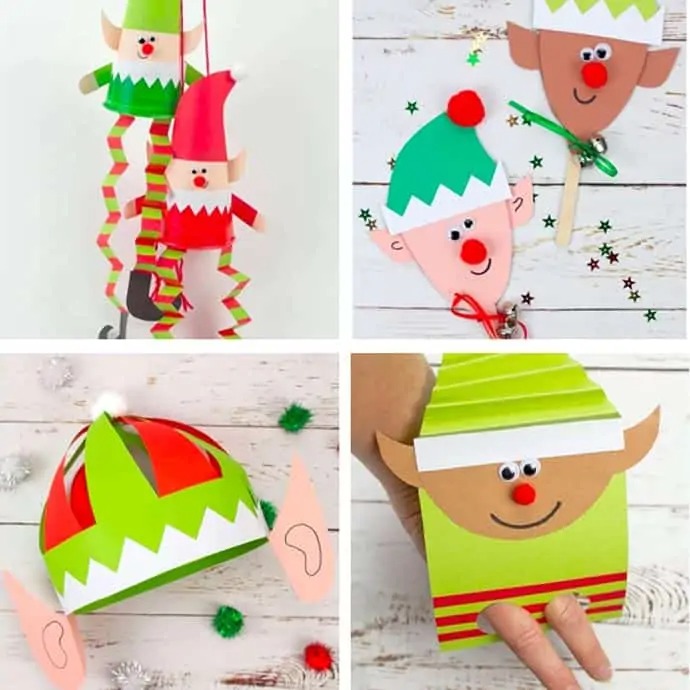
Crafting is a delightful way to engage kids in creative expression and celebrate the holiday seasons. Elves, with their playful charm, make an enchanting theme for children’s craft projects. Here are 5 totally fridge-worthy elf crafts that kids will love making and parents will cherish enough to display:

1. Popsicle Stick Elf Ornaments:

Children can create their very own elfin friends using popsicle sticks, paint, and a few embellishments. Kids paint the stick with skin-toned paint for the face, green for the outfit, then add googly eyes, a pompom for the nose, and cut felt for the pointy ears and hat. With a string attached at the back, these little elves are ready to hang on the fridge or even on the Christmas tree.

2. Elf Hat Party Cones:

Turn simple paper cones into jolly elf hats with just some construction paper and cotton balls! Kids cut out a semicircle of green construction paper to form a cone, glue it together, and then decorate it with paper cut out in the shape of elf ears and a fluffy cotton ball at the tip. This craft doubles up as a cute party accessory for festive occasions.

3. Felt Elf Finger Puppets:

These delightful finger puppets encourage imaginative play along with crafting skills. Children trace their fingers on felt to create the body of the elf and decorate with glitter glue for belts, sequins for buttons, and yarn for hair. The puppets can be slipped onto fingers to create impromptu holiday puppet shows.

4. Clay Elf Magnets:

With air-dry clay, kids can sculpt their elf figures in any posture they like—standing, sitting or waving. Once dry, they paint them with merry colors and attach magnet strips on the back. These clay elves make charming additions to any refrigerator art collection.

5. Elf Collage Greeting Cards:

Crafting meets recycling with this eco-friendly project. Children cut out elf clothing shapes from old fabric scraps or colorful paper and glue them onto cardstock. They draw in faces and add details like buttons with markers or paint. Not only do these cards stand out on the fridge door, but they can also be sent as personalized holiday greetings to loved ones.

These elf crafts provide not just fun activities for kids but also help develop fine motor skills, enhance creativity, and bring festive cheer to any home during the holidays or any other themed occasion.

Corner Bookmark Craft Template

In this digital age, it’s refreshing to engage in a hands-on activity that brings back the charm of physical books. One such activity is creating your own corner bookmarks. These delightful little creations not only keep your place in a book but also add a personal touch to your reading experience. Read on to learn how you can make your very own corner bookmark using basic craft supplies.

Materials Needed:

– Square piece of paper (15 x 15 cm works well)

– Scissors

– Glue or double-sided tape

– Decorative elements (such as stickers, markers, or glitter)

Instructions:

1. Start with a square piece of paper. For best results, use colorful or patterned paper to make your bookmark stand out.

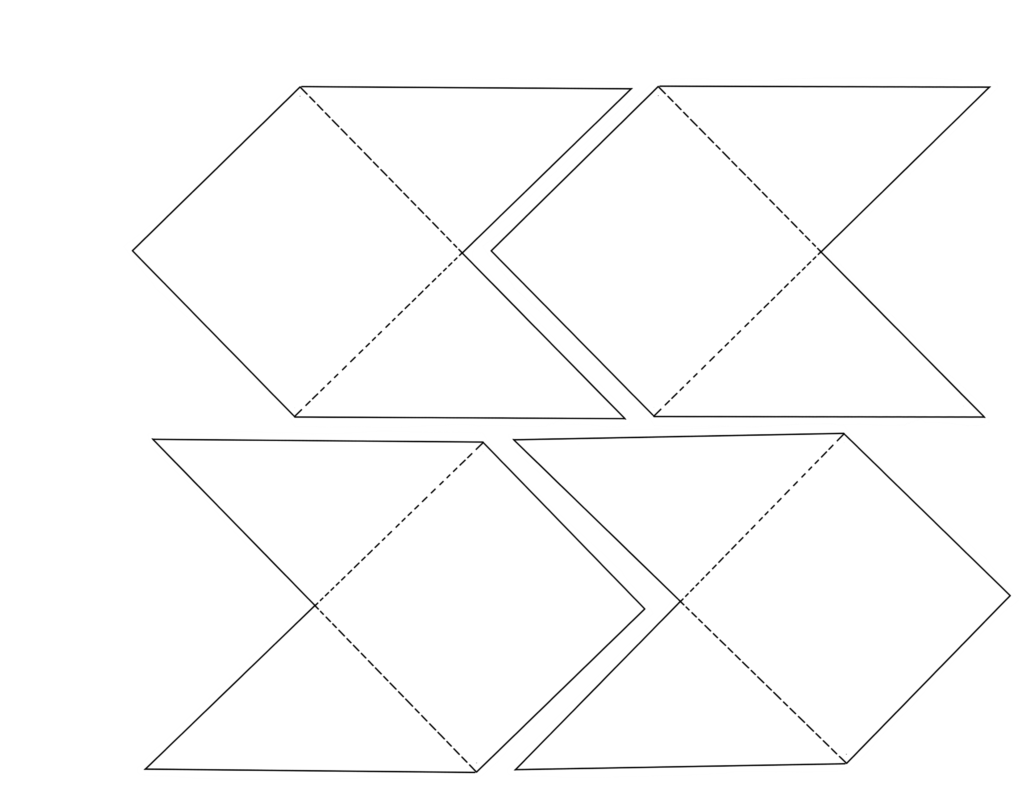
2. Fold the paper diagonally to form a triangle.

3. Take the top corner of the triangle and fold it down to the bottom corner, creating a smaller triangle.

4. Unfold the step above – you should see a crease running down the middle of your triangle.

5. Now take the left corner of the triangle and fold it up to meet the top corner.

6. Repeat this step with the right corner of the triangle, folding it up to meet the top corner—you should now have a square shape with two flaps.

7. Tuck these two flaps into the pocket that was created when you folded down the top corner in step 3.

8. Once both flaps are securely tucked in, press down firmly to ensure that they will not come undone.

9. You now have a basic corner bookmark, but it’s time to unleash your creativity! Decorate your bookmark using stickers, drawings, glitter, or any other craft supplies you have on hand.

10. Allow any glue or embellishments to dry completely before using your bookmark to hold your page.

There you have it—a simple and fun DIY project that is both practical and personal! Corner bookmarks make excellent gifts for book lovers and can also be used as party favors or learning tools for kids. Enjoy making them in different styles and colors!

9 Clever Ways to Use Pom-Poms in the Classroom

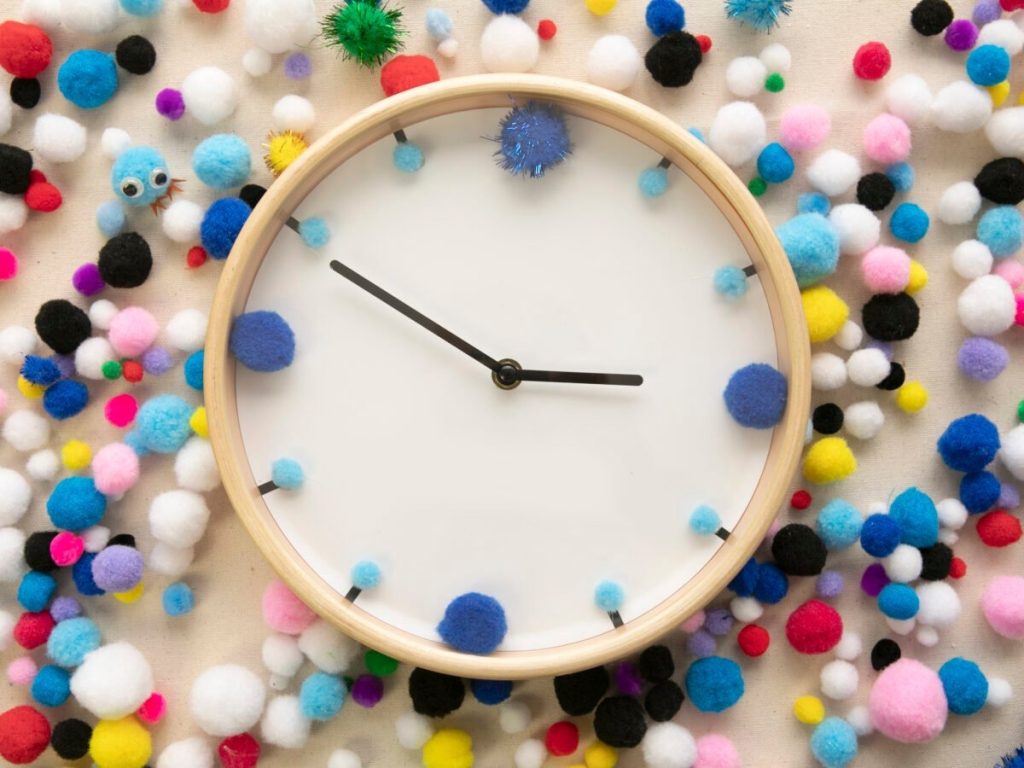
Pom-poms can be much more than just craft supplies; they can be an instrumental part of educational activities in the classroom. Here are nine creative and engaging ways teachers can integrate pom-poms into their classroom to enhance learning and fun.

1. Counting Practice: Small pom-poms are perfect for math lessons. Have younger students practice counting with colorful pom-poms, create patterns, or sort them by color or size.

2. Fine Motor Skill Development: Using tweezers or clothespins to pick up pom-poms helps children develop fine motor skills as they transfer pom-poms from one container to another.

3. Literary Highlighters: Use small pom-poms with flat magnets glued to the back as placeholders on whiteboards when teaching sentences, allowing children to physically move them to highlight punctuation or spaces between words.

4. Science Projects: Pom-poms can represent various objects in science experiments, such as molecules during a chemistry lesson, or celestial bodies when constructing a model of the solar system.

5. Artistic Textures: Encourage creativity by incorporating pom-poms into art projects for textured masterpieces. They work well with glue and can create a 3D effect on paper or cardstock.

6. Sensory Bins: Create a sensory bin filled with pom-poms of different sizes and colors to encourage sensory play amongst younger students, enhancing their tactile experiences.

7. Quiet Classroom Games: Use large pom-poms for classroom games that require balls but need to be quiet, such as indoor mini-bowling or catch.

8. Reward System: Implement a visual reward system where students earn small pom-poms for positive behavior or completed tasks which they accumulate to exchange for larger rewards.

9. Story Starters: Encourage creative writing by having each student pick a handful of different colored pom-poms out of a bag and write a story that includes something related to each color they’ve chosen.

Integrating fun and educational objects like pom-poms into the classroom can be an excellent way to maintain engagement while developing various important skills in young learners.

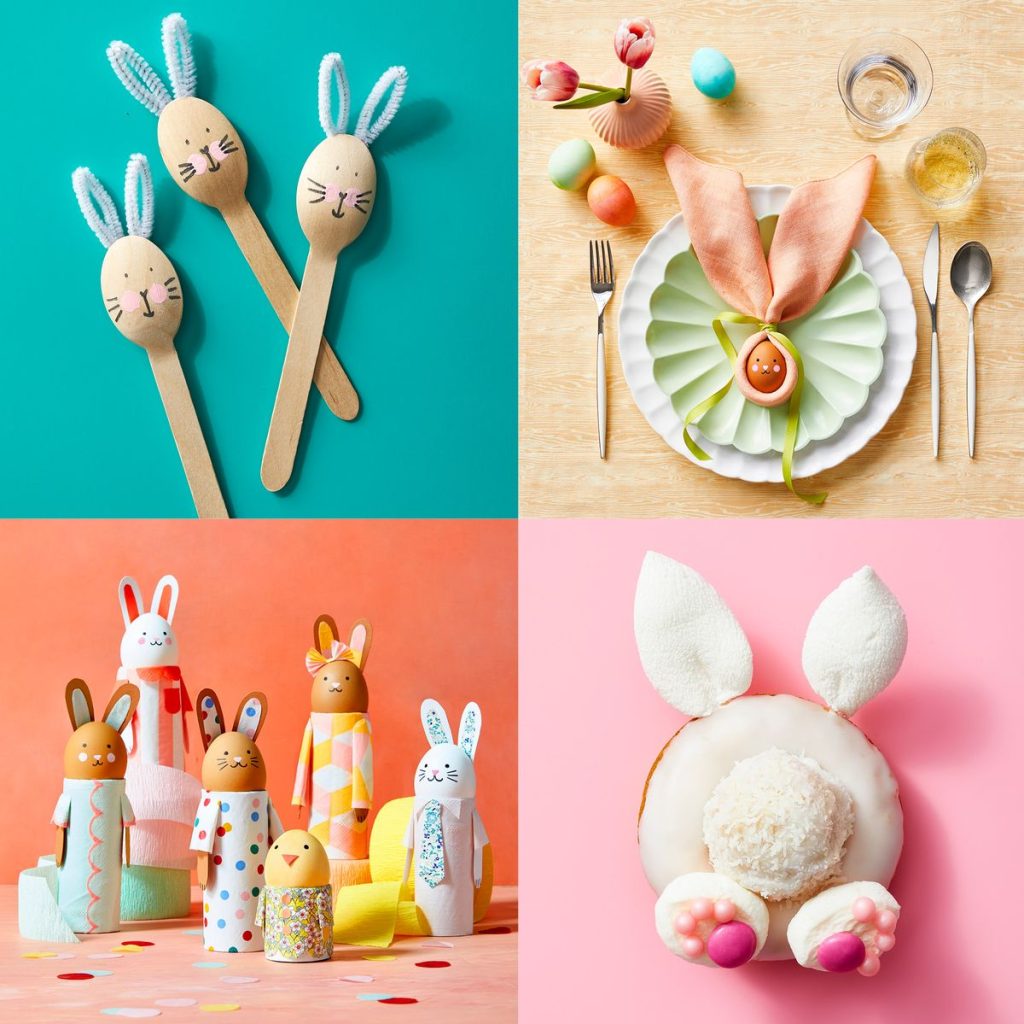
11 Quick and Easy Easter Craft Ideas for Your Classroom

Easter is a time of rejuvenation and cheer, and what better way to bring that into the classroom than with some quick and easy craft ideas? These crafts are designed to be fun, educational, and suitable for students of various ages. Let’s hop into the list!

1. Egg Carton Chicks: Transform old egg cartons into adorable chick holders. All you need is some paint, feathers, and googly eyes!

2. Bunny Masks: Cut out bunny shapes from card stock, add some cotton balls for a fluffy touch, and attach a popsicle stick to hold the mask to the face.

3. Popsicle Stick Easter Basket: Weave colorful popsicle sticks into small baskets where kids can place their Easter treats.

4. Easter Egg Rocks: Go on a rock-hunting adventure with your class and then paint the rocks in vibrant colors to look like Easter eggs.

5. Paper Plate Bunnies: Use paper plates as the face of a bunny and let students decorate with ears, eyes, and whiskers.

6. Fingerprint Easter Cards: Create homemade cards with Easter scenes using finger paints – think fingerprint bunnies and chicks!

7. Tissue Paper Eggs: Cut out egg shapes from cardboard and let students glue on bits of colored tissue paper for a stained-glass effect.

8. Sock Bunnies: Recycled old socks can be filled with rice or beans to make cuddly bunnies with ribbon ties for the neck and felt cut-outs for facial features.

9. Yarn-Wrapped Eggs: Blow up small balloons to an egg size and let students wrap them in colorful yarn dipped in glue for an attractive decoration.

10. Lolly Stick Crosses: To reflect on the religious aspect of Easter, have students glue lolly sticks together to form crosses which can then be adorned with jewels or stickers.

11. Washi Tape Eggs: Cut out egg shapes from cardstock and let students create patterns with brightly colored washi tape for a mess-free craft idea.

These crafts not only add a festive touch to your classroom but also engage children in creative thinking, fine motor skill practice, and a celebration of seasonal traditions. Plus, they’re simple enough to be crafted within a single class period!