EdTech & Innovation

The Life of a Teacher in a Movie: Inspiring Through the Lens of Cinema

Introduction:

The role of teachers in our lives is invaluable. They impart knowledge and wisdom, prepare us for life’s challenges, and help shape who we become. Within the world of cinema, inspirational stories about teachers abound. One particular character – “Hello, I Am a Teacher” – has captured the hearts and minds of moviegoers with its powerful message that teaching is not just a profession but a calling.

The Character:

“Hello, I Am a Teacher in a Movie” is a portrayal of a dedicated, passionate educator who shares their love for learning with their students. This character can be found across various genres, from heartwarming dramas to riveting biopics, and spans diverse cultures and time periods. Each iteration represents unique struggles, triumphs, and life lessons.

Influence on Popular Culture:

This iconic character continues to inspire generations of teachers and students alike. It represents educators’ willingness to go above and beyond while highlighting the transformative impact teaching can have on both individuals and society as a whole. The presence of “Hello, I Am a Teacher in a Movie” elevates our perspectives on what it means to provide an education that encourages individuals to better themselves and pursue their passions.

Memorable Moments:

Over the years, cinematic portrayals of this empowering character have given us many memorable moments that showcase the multifaceted elements of teaching.

1. Challenging the status quo: One well-known scene involves an educator challenging traditional teaching methods by introducing innovative ideas that spark curiosity and creativity among students.

2. Overcoming adversity: A poignant moment in another film displays the resilience of both teacher and student as they face unthinkable challenges but work together to find hope amidst it all.

3. The power of connection: There are countless instances where this inspiring figure forms profound connections with students that transcend their role as teacher – demonstrating the impact of empathy and understanding.

Conclusion:

“Hello, I Am a Teacher in a Movie” has become a quintessential symbol of the resilience, passion, and dedication that characterizes great teachers – embodying their capacity to change the lives of those they educate. By bringing these remarkable stories to the silver screen, we garner a deeper appreciation for the immense impact teachers have on our lives and the world. As moviegoers continue to be captivated by cinematic tales of unstoppable educators, we hope this compelling character is here to stay – inspiring current and future generations.

Tired Teacher Bingo – The Game You Didn’t Know You Needed

Do you know that feeling when your teaching day has been so long and arduous that your mind starts to drift, and you feel like you might just collapse in exhaustion? Have no fear, because we have the perfect game for you: Tired Teacher Bingo! This light-hearted, humorous pastime will have you chuckling and relieved after a tiresome day of teaching. Let’s dive into the details of this game we didn’t know we needed.

## What is Tired Teacher Bingo?

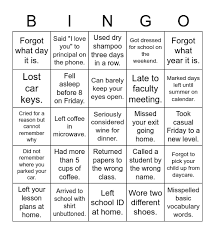
Tired Teacher Bingo is a fun, engaging game that teachers can play individually or with others to help unwind after an exhausting day. The game board features a grid filled with various tasks, challenges, and comical situations unique to teachers. Every time you encounter one of these on your teaching journey, cross it off on your bingo card—you never know when you might score a bingo!

## How Can Tired Teacher Bingo Help Teachers?

Teaching can be incredibly rewarding yet enormously exhausting. Tired Teacher Bingo injects some much-needed humor into the mix. By identifying and keeping track of common stress-inducing scenarios throughout the day, educators can learn to cope with them more effectively.

## Setting Up the Game

Creating your own Tired Teacher Bingo card is simple! All you have to do is draw a 5×5 grid with one free space in the center, then fill it in with some funny teacher-related experiences. Here are some examples:

– A student forgot their homework (again).

– Another teacher stole your favorite stapler.

– Your whiteboard markers ran dry halfway through class.

– Your pupils argues that Wikipedia should be considered a reliable source.

– The copier breaks down during peak usage hours.

And many more! Tailor your Tired Teacher Bingo cards with other amusing situations specific to your school or grade level.

## Playing the Game

Throughout the day, be vigilant in identifying scenarios on your grid that come to life. When you spot one of these situations unfolding, cross it off on your Tired Teacher Bingo card. Start a friendly competition with fellow educators by comparing cards and seeing who can get a bingo first!

## Share the Fun

Tired Teacher Bingo is an entertaining way for educators to lighten up their day while commiserating and bonding with colleagues. Create themed bingo cards based on events in your school (it’s spirit week!), the time of year (peak flu season?), or different subjects (science lab mishaps, anyone?). Host an end-of-the-week get-together at the staff lounge to crown the ultimate Tired Teacher Bingo champion and enjoy some well-deserved relaxation.

So, after a long day filled with endless parent emails, lost pencils, and fidget spinner shenanigans, take it easy by engaging in Tired Teacher Bingo. You’ll find that laughing at life’s little challenges helps combat stress and keeps you in high spirits. Cheers to lifting each other up!

Quiz: How Should You Spend Your Teacher Summer?

Introduction: Summer break is finally here, and teachers have some well-deserved time off. After months of hard work, lesson planning, and nurturing young minds, it’s essential to make the most of your break. Take this fun quiz to find out how you should spend your teacher summer!

Question 1: What’s your ideal way to unwind?

A) Lounging by the pool with a good book

B) Exploring a new city or country

C) Taking up a new hobby or skill

D) Spending quality time with friends and family

Question 2: How would you describe your work-life balance during the school year?

A) I’m always on top of things and rarely stressed

B) It’s a bit hectic, but manageable

C) I tend to feel overwhelmed at times

D) Work takes over my life

Question 3: What’s your favorite summer snack?

A) Ice cream or frozen yogurt

B) Fresh fruit

C) Cold beverages like smoothies or iced coffee

D) Barbecue favorites like grilled burgers and hot dogs

Question 4: Which activity appeals most to you?

A) Attending concerts or music festivals

B) Hiking, biking, or enjoying nature trails

C) Taking an art or cooking class

D) Hosting or attending backyard barbecues with friends

Question 5: How do you feel about summer professional development opportunities?

A) I love attending conferences and workshops!

B) A few workshops might be useful, but don’t overdo it.

C) I prefer learning online, at my own pace.

D) I need a break from all things school-related.

Quiz Results:

Mostly A’s – Relax and Recharge:

Take this summer as an opportunity to truly relax and recharge. Spend your days by the poolside or beach with a good book and soak up the sun. You deserve some downtime away from school, so pamper yourself and indulge in your favorite treats.

Mostly B’s – Adventure Awaits:

Your teacher summer should be spent exploring new places and trying new things. Plan a trip to a city you’ve always wanted to visit or take up a brand-new hobby. Your adventurous spirit will keep you energized and excited for the upcoming school year.

Mostly C’s – Learn Something New:

You’re someone who loves learning new skills or diving into a new hobby. This summer, sign up for a class or workshop, whether it’s art, cooking, or another passion of yours. Keep your mind engaged while still enjoying your time off.

Mostly D’s – Family and Friends:

For you, summer is all about re-connecting with loved ones. Take this time to plan gatherings with friends and family, whether it’s backyard barbecues, picnics in the park, or game nights at home. Enjoy these moments before the school year starts again.

No matter how you choose to spend your teacher summer, remember that self-care is paramount. Enjoy your break—you’ve earned it!

Help! One of My 8th Graders Stole My AirPods

Introduction:

Teaching middle school comes with its challenges, and every teacher has stories to share. Today, we’ll explore a peculiar incident – one where an 8th grader stole their teacher’s AirPods. Let’s dive in and understand the situation, its consequences, and what teachers can do to prevent such occurrences.

The Incident:

It began as an ordinary day in the classroom. The teacher had removed their AirPods to start the lesson when a student secretly swiped them from the desk. As hours passed, the teacher noticed the missing AirPods and asked the class if anyone had seen them. Unsurprisingly, no one admitted to knowing their whereabouts.

Investigation & Confrontation:

After class, the teacher conducted an investigation by reviewing security footage from outside the classroom. The surveillance footage revealed the 8th-grade culprit. The next day, without naming names, the teacher addressed the entire class about honesty and responsibility. They urged the thief to return the stolen item discreetly without any further consequences.

The Resolution:

Later that day, feeling guilty from being confronted indirectly, the student returned the stolen AirPods by placing them on the teacher’s desk while they were out of sight. As promised, no further punishment followed since this was an isolated incident.

Lesson Learned: Prevention Strategies for Teachers

To avoid similar incidents in their classrooms, teachers can follow these strategies:

1. Keep Personal Items Out of Reach: It’s better to store personal belongings in a secured area, such as lockers or drawers.

2. Establish Classroom Rules & Consequences: Make sure students understand that stealing is unacceptable and outline potential consequences for theft.

3. Educate About Honesty & Responsibility: Encourage open discussions about honesty and what it means to be responsible citizens in and out of school.

4. Promote a Sense of Community: Create an inclusive classroom environment where students feel a sense of ownership and collective responsibility.

Conclusion:

The theft of the teacher’s AirPods offered a teachable moment for not only the student involved but also the entire class. By addressing the situation directly and emphasizing the importance of honesty and responsibility, this teacher turned a potentially negative experience into a valuable life lesson for their students. With careful planning and fostering a positive classroom atmosphere, educators can minimize such incidents in the future.

A Principal’s “Registry of Good Deeds” Inspires School Community

In a world often filled with negative news and daunting challenges, it is refreshing to hear heartwarming stories that bring about hope and positivity. One such story revolves around a dedicated principal creating a “Registry of Good Deeds” to foster kindness, love, and gratitude in their school community.

The idea for the “Registry of Good Deeds” emerged when the principal realized that focusing on positivity instead of negativity would lead to better outcomes for the students, staff, and parents. The project’s main purpose was to recognize and celebrate acts of kindness by the individuals in the school and strengthen the bond between its members.

Every week, members of the school community are encouraged to submit instances of good deeds they have witnessed or received from others. These could range from small acts like helping someone pick up dropped items to more significant gestures like comforting a distressed friend.

The principal takes the time to compile these reports into a newsletter sent out to everyone at the school. This has not only created a sense of unity within the educational institution but also instilled a sense of pride and satisfaction in having contributed positively to their peers’ lives.

The “Registry of Good Deeds” initiative has shown immense success in building a strong support network among students as they navigate through stressful academic loads and personal issues outside school walls. Teachers have also found inspiration from this altruistic approach, with many incorporating discussions about kindness and moral values into their classrooms.

Parents have expressed appreciation for this unique program as well. Seeing their children learn important life values in addition to regular academic lessons has brought about a sense of fulfillment while fostering family discussions on kindness and empathy in daily life.

Moreover, the positive effects continue beyond individual classrooms or families. The school has seen increased participation in community service projects since the introduction of the “Registry.” As these acts of goodwill extend throughout the local community, they spread the message of hope and happiness, giving people a reason to be optimistic about the future.

The idea of focusing on the good deeds within an educational setting has illuminated the fact that even small acts of kindness can have a significant impact. The principal’s “Registry of Good Deeds” is a shining example of how intentionally fostering positivity can lead to an environment where compassion, empathy, and love for one another prevail.

Encouraged by the success of this program, other schools may consider adopting similar initiatives to promote positivity and inspire young minds. After all, our world needs more stories of love and kindness in order to heal from the negativity around us – and this principal’s “Registry of Good Deeds” is just the start.

How to Start an Esports Club at Your School

With the rapid growth of esports, many schools across the globe are now considering launching their own esports clubs. If you’re passionate about gaming and want to share your love for competitive gaming with your peers, starting an esports club at school can be hugely rewarding. This guide will provide you with step-by-step instructions on how to successfully establish an esports club at your school.

1. Do Your Research

Before diving in, do some research on the esports industry and learn about various games played in popular competitive leagues such as League of Legends, Fortnite, CS:GO, and more. Understand the format of competitions and check whether there are existing esports clubs or leagues in your area that your school could participate in.

2. Gather Support

Talk to friends and classmates who have similar interests in gaming to gauge their level of interest in participating. Try to create a diverse group with a mix of different skill levels and backgrounds, united by their passion for gaming.

3. Draft a Mission Statement

Your mission statement should outline the purpose and objectives of your club. This might include promoting sportsmanship, resolving conflicts through dialogues, improving problem-solving skills, or fostering teamwork and collaboration.

4. Obtain Approval from School Administrators

It’s essential to get official approval from your school administrators before proceeding further. Prepare a proposal that elaborates on your club’s mission statement, goals, how it would benefit students and the school community as a whole, potential costs involved, along with any other relevant information.

5. Establish Club Structure

Once you have the green light from your school administrators, create a leadership team comprising president, vice-president, secretary, treasurer, etc., who will be responsible for managing various aspects like finances, communication, activities planning etc.

6. Develop a Schedule

Choose regular meeting days and times that work best for all club members and reserve appropriate locations within your school campus where you can host club meetings or practice sessions (such as computer labs or rooms equipped with gaming systems).

7. Fundraising and Sponsorships

To cover the equipment, competition costs, jerseys, and other club-related expenses, you’ll need to raise funds. Consider hosting fundraising events or reaching out to local businesses for sponsorships.

8. Plan Activities and Events

Your club’s success depends on the variety of activities organized and the opportunities provided for students to excel in esports. Plan regular practice sessions, internal competitions, workshops, coaching sessions with experienced players, and participation in local or online tournaments.

9. Connect with Other Schools and Organizations

Establish connections with other esports clubs at schools or colleges in your area by joining online forums or social media groups. This will help you stay updated on upcoming competitions as well as establishing potential partnerships to grow your club.

10. Promote Your Club

Spread the word about your esports club through school announcements, posters, and social media platforms like Facebook, Twitter, and Instagram. Encourage all interested students to join and create an inclusive environment to attract more members.

By following these steps diligently, you’ll be en route to successfully forming a thriving esports club at your school that nurtures young gamers’ passion and skills while promoting camaraderie among peers. Embrace this exciting journey as you champion the rise of an esports culture at your school!

Teachers, We Have Got To Stop Falling for “Future” TikTok Challenges

The viral nature of social media has given birth to various trends and challenges that seem impossible to escape. Some of them are harmless, fun, or even educational. However, the “Future” TikTok challenges have taken an increasingly concerning turn for educators worldwide. As teachers, it’s crucial that we recognize these challenges and resist participating in them for the sake of our students’ wellbeing and maintaining a professional environment.

What Are “Future” TikTok Challenges?

“Future” TikTok challenges refer to a series of pranks or destructive acts that often encourage participants to engage in risky behaviors, vandalize property, or harass others. These challenges frequently spread like wildfire on social media platforms, with participants competing for views and likes. Unfortunately, they have increasingly targeted educational institutions, disrupting teaching environments and causing problems for teachers and students alike.

Why Teachers Must Refuse to Participate

Regardless of the perceived humor or potential virality of such challenges, teachers must adhere to their role as positive role models and effective educators. Engaging in “Future” TikTok challenges can:

1. Undermine Teachers’ Authority: When teachers participate in these disruptive challenges, their authority is weakened, and they risk losing the respect of their students.

2. Create an Unsafe Learning Environment: School vandalism, harassment, and violence stem from these pranks; they put students at risk while detracting from a positive learning environment.

3. Set a Bad Example: Teachers who engage in “Future” TikTok challenges inadvertently condone this behavior and encourage students to follow suit.

4. Waste Valuable Instructional Time: Time spent addressing vandalism or disciplining those involved takes away from instruction and productive student-teacher interactions.

5. Legal Ramifications: Depending on the severity of the challenge, both teachers and students could face legal consequences for their actions.

How to Combat “Future” TikTok Challenges

Education is key in combating these viral challenges. Teachers should:

1. Address Social Media Trends: Discuss the dangers of participating in such trends during class or assembly, encouraging critical thinking and emotional intelligence.

2. Encourage Positive Online Behavior: Promote a healthy digital culture by praising positive trends and highlighting the harm done by destructive ones.

3. Open Communication: Emphasize a safe space for students to voice concerns and report their peers’ risky behaviors without fear of judgment or punishment.

4. Inclusion & Peer Support: Foster a positive learning environment where students feel included and supported by their classmates, reducing the appeal of destructive group behaviors.

5. Collaborate with Parents & Administration: Work alongside school staff and parents to monitor social media activities, identify emergent trends, and create comprehensive strategies to address them.

In conclusion, it is incumbent upon teachers to refuse participation in “Future” TikTok challenges that threaten the safety and integrity of educational institutions. By fostering healthy digital habits and promoting a supportive learning environment, we can work together as educators to ensure our students are provided with the best opportunities for academic success – away from the distractions caused by destructive viral challenges.

These Candy Heart Science Experiments Will Blow Your Mind

Introduction:

Candy hearts aren’t just for sharing sweet sentiments during Valentine’s Day – they can also be the perfect medium for mind-blowing science experiments! In this article, we’ll delve into three fascinating candy heart science experiments that you can try at home to learn more about chemistry and physical reactions.

Experiment 1: Candy Heart Color Mixture

What you’ll need:

– Candy hearts in various colors

– Glasses of water

– A white plate or tray

Instructions:

1. Separate the candy hearts by color.

2. Fill glasses with water and place one candy heart of each color in separate glasses.

3. Observe how the color dissolves into the water.

4. Pour the colored water from each glass onto a white plate or tray.

5. Watch as the colors mix together and form new shades!

In this experiment, you’ll witness how different food colorings used in candy hearts can dissolve in water, showcasing principles of solubility and liquid mixing.

Experiment 2: Candy Heart Sink or Float

What you’ll need:

– A pack of candy hearts

– A jar or bowl filled with water

Instructions:

1. Fill a jar or bowl with water.

2. Predict whether candy hearts will sink or float when placed in the water.

3. Drop one candy heart into the jar or bowl and observe if it sinks or floats.

4. Add more candy hearts, one at a time, to see if the results change.

This experiment demonstrates buoyancy principles, as well as helps kids sharpen their observational skills and develop hypotheses about why certain objects sink while others float.

Experiment 3: Dancing Candy Hearts

What you’ll need:

– A pack of candy hearts

– Vinegar (white or apple cider)

– Baking soda

– A glass jar or cup

Instructions:

1. Fill a jar or cup with vinegar.

2. Add a few candy hearts to the jar or cup.

3. In a separate container, mix 1 tablespoon of baking soda with water (enough to dissolve the baking soda).

4. Pour the baking soda solution into the jar or cup and watch as the candy hearts begin to dance!

This experiment demonstrates the production of carbon dioxide gas (CO2) when an acid (vinegar) reacts with a base (baking soda), causing bubbles to lift the candy hearts in a fun, fizzy display.

Conclusion:

Candy heart science experiments not only provide entertainment but also give kids and adults a hands-on approach to understanding fundamental scientific concepts. Try these experiments at home or in class for an enjoyable learning experience that promises to captivate and educate minds of all ages.

Empower Students to Think Like Historians with This Free Bill of Rights Poster and Lesson Plan

Introduction

Teaching history to students can sometimes be a challenge, especially when it comes to engaging their critical thinking skills and helping them understand the relevance of historical events in today’s world. The key to doing that effectively is to teach them how to think like historians, analyzing sources and drawing connections between the past and the present. With this free Bill of Rights poster and lesson plan, educators can successfully teach students the importance of the Bill of Rights and encourage them to think like real historians.

The Free Bill of Rights Poster

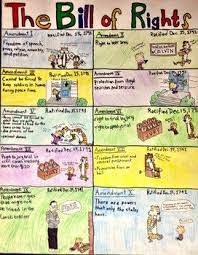
The free Bill of Rights poster is an excellent educational resource that visually displays the first ten amendments to the United States Constitution. Not only does it list each amendment, but it also provides an interpretation in easy-to-understand language for students. By having this poster displayed in the classroom, teachers are making the Bill of Rights easily accessible for students to refer to and interact with throughout their studies.

Lesson Plan Overview

The accompanying lesson plan delves deeper into understanding the Bill of Rights, its significance, and its relevance today. With a series of thoughtful prompts, discussions, and activities, the lesson plan aims to teach students how to analyze primary sources, connect historical events to current issues, and engage in informed debates on topics related to these amendments.

Key Features:

1. Analyzing Primary Sources: The lesson plan provides guidance on how students can examine primary sources critically. Through this process, students learn about context and perspectives while developing their research skills.

2. Engaging Discussions: Debates and discussions are crucial aspects of the lesson plan as they provide opportunities for students to articulate their thoughts on complex subjects.

3. Making Connections: The activities included help students connect the Bill of Rights’ principles and amendments with contemporary issues they may encounter in modern society.

4. Encouraging Informed Debates: Within the framework of the lesson plan, students are encouraged to participate in informed debates, using their understanding of the Bill of Rights and drawing from their knowledge of historical events.

Conclusion

By integrating the free Bill of Rights poster and accompanying lesson plan into your curriculum, you can provide your students with a thorough understanding of the first ten amendments and encourage them to think like real historians. These resources stimulate critical thinking, develop research skills, and foster insightful discussions about history, context, and contemporary issues. Empower your students by providing them with the tools they need to engage with history like never before.

10 Best Free Word Cloud Generators for Teachers

Word clouds are an excellent tool for teachers to engage students and help them visualize the most important concepts or ideas in an interesting and interactive way. This powerful educational resource enables teachers to create visually attractive graphics that make learning more enjoyable and effective. Here is a list of the 10 best free word cloud generators that teachers can use in their classrooms:

1. Wordle (http://www.wordle.net): One of the most popular word cloud generators, Wordle provides a simple way to create visually stunning word clouds. Users can input text, choose a font, adjust the color scheme, and customize the cloud’s layout.

2. Tagul (https://tagul.com): Tagul offers a user-friendly interface to create unique, interactive word clouds. It supports different shapes and allows users to incorporate custom fonts and colors.

3, ABCYa! Word Clouds (https://www.abcya.com/games/word_clouds): Aimed at young learners, ABCYa! offers a simple platform for creating word clouds. This kid-friendly website generates colorful clouds suitable for elementary school students.

4. WordItOut (https://worditout.com): WordItOut is another free option that offers customization features such as different fonts, colors, and layouts. Additionally, users can filter out specific words or phrases to create a more targeted cloud.

5. Jason Davies’ Word Cloud Generator (https://www.jasondavies.com/wordcloud): If you need SVG output format support, Jason Davies’ word cloud generator is worth considering. It creates responsive, interactive word clouds that work well on various devices.

6. TagCrowd (https://tagcrowd.com): TagCrowd provides a straightforward way to generate word clouds without any fuss. Users can simply paste the text or upload a document to create a visual representation of word frequency.

7. Wordsift (https://www.wordsift.org): Specifically designed for educators, Wordsift allows teachers to visualize the academic vocabulary in texts. It displays words hierarchically, with larger words being more relevant academically.

8. WordClouds.com (https://www.wordclouds.com): With advanced customization features such as text-masked shapes and a wide variety of fonts, this generator is perfect for those seeking more creative options.

9. WordMosaic (https://wordmosaic.appspot.com/): WordMosaic supports various languages and offers unique ways to design word clouds, such as using heart-shaped patterns or complex spiral designs.

10. MonkeyLearn WordCloud Generator (https://monkeylearn.com/word-cloud): MonkeyLearn WordCloud Generator not only creates beautiful word clouds but also includes a feature that can analyze sentiments or classify text based on prominent topics.

In summary, these 10 free word cloud generators offer innovative and interactive ways for teachers to enhance their lessons and engage students in learning. Whether you want simple word clouds for younger students or highly customizable ones for creative projects, there is a tool available to assist you with creating an engaging learning environment.